145 Lafayette Manor Road, Uniontown, PA 15401
For more information about senior living options: (866) 208-4318
Overall Review of Beechwood Court At Lafayette Manor
Pros
 Beechwood Court is described as providing very positive experiences for residents.
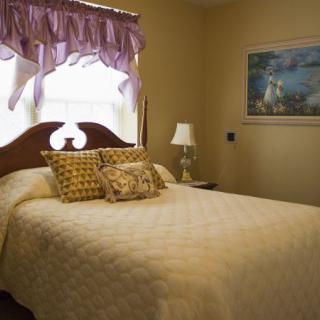
- The facility meets residents' needs with compassion and love, offering large rooms, good food, and a variety of activities.
- Independence with assistance is available as needed, allowing residents to remain autonomous.
- Staff members are kind and attentive, and there is a strong, caring rapport between residents and staff.
- The staff-to-resident ratio is good, and pricing is reasonable for the care and levels offered.
- The facility provides engaging activities, church services, and entertainment to keep residents occupied.
- The director is very helpful and accommodating when questions arise or issues need resolving.
- The location is convenient for shopping and access to the hospital.
Cons
 The facility has much to be desired and is a serious health hazard due to moisture and ongoing water damage.
- There was constant water damage, holes in the ceiling, and water stains from the floor to the basement.
- The elevator was very slow.
- The lights were out and the electric system was likely affected by water.
- Material from roof damage in March was still piled up on the side of the building.
- Mold and mildew were throughout and the air conditioning was not very effective.
- The unit in the upstairs sitting area near the nurses' station didn’t even run.
- The constant water damage, buckets in the halls, and stained and missing ceiling tiles for months was deplorable.
- The furnishings were outdated after 23 years.
- Carpets in rooms were thin and stained.
- Aides were not friendly and were very short with the residents.
- The dementia ward had nothing for the residents to do.
Review
Beechwood Court at Lafayette Manor is best suited for active seniors who want an affordable, socially engaged environment and for families that prize attentive staff and a built-in path to memory-support options as needs evolve. The community delivers large living spaces, regular activities, and a sense of daily companionship that keeps residents engaged. It also benefits from a favorable location for shopping and hospital access, making routine errands and emergencies less stressful. The overall mood leans toward warmth and personal connection, with staff who aim to know residents and their preferences. For families prioritizing a lively social calendar and straightforward transitions between assisted living and dementia care, Beechwood often checks the right boxes.
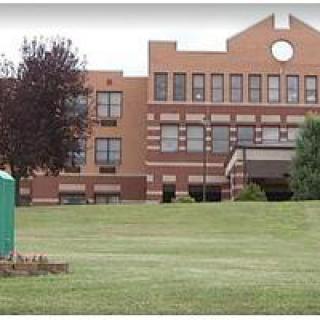
Those who should consider alternatives are primarily those with very high expectations for pristine infrastructure or who must have a flawless, modern aesthetic. The building shows its age, with ongoing moisture concerns, water damage, and older furnishings that feel dated next to newer campuses. For families who insist on zero-tolerance for maintenance issues, mold or damp air, or on consistently state-of-the-art facilities, other communities may offer greater peace of mind. Likewise, if a dementia program with highly specialized, uniformly positive experiences is non-negotiable, the locked ward at Beechwood warrants careful scrutiny or comparison to facilities with stronger dementia-specific programming. And for anyone who values instant, full responsiveness from administration, the mixed notes on communication suggest a need for a clearer service standard elsewhere.
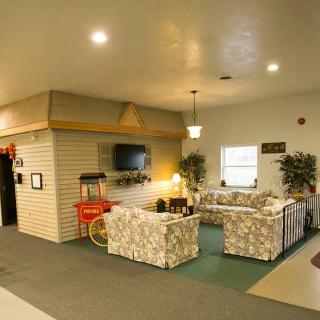
The strongest offsetting force here is the staff and the social framework: kind, attentive caregivers, a good staff-to-resident ratio, and meaningful opportunities to participate in church services, sing-alongs, chair-guided sessions, and other entertainments. Residents’ rooms are described as large, which helps offset concerns about crowding in common areas. The combination of independence with assistance, accessible transportation options, and a pricing structure that remains within a reasonable band makes Beechwood a compelling choice for families balancing care needs with budget. Yet these positives only partially neutralize the structural downsides: moisture-related damage and aging infrastructure undermine comfort and perceived safety, and occasional subpar meals on vegetable preparation can erode overall satisfaction. In short, the care culture is solid; the physical shell can drag on the experience where maintenance lags.
Dementia care, in particular, illustrates the dichotomy. In some accounts, the dementia ward lacks engaging activity and supportive, affectionate interaction, with staff not always meeting residents’ needs in eating or daily care. That constellation of issues is serious enough to tilt the decision for families who require a high-quality, specialized memory-care environment. By contrast, in the non-dementia portions of Beechwood, residents report positive engagement and responsive staff, which suggests that outcomes may vary by unit. Prospective residents should demand a transparent plan for the locked ward: staffing levels, programming, dining assistance, and continuity of care, plus verifiable references from current families. The bottom line is that memory-care performance can be a decisive factor, and it should be scrutinized as part of any tour.
Visitation and due diligence should focus on concrete, observable cues: the state of moisture, mildew risk, and HVAC effectiveness; elevator reliability; room alignment with each resident’s needs; the cleanliness of common areas; and the consistency of the dining program. Ask for a tour of both the assisted-living and dementia wards, review any recent health inspections, and request details on maintenance response times. Interview current residents and families about call-back practices and how small issues are resolved. Seek a sample care plan with measurable goals, and probe whether a short-term trial stay might be possible to assess fit before making a long-term commitment.
In the end, Beechwood Court at Lafayette Manor offers a pragmatic, budget-conscious option with genuine warmth, meaningful programming, and solid staffing that often translates into a satisfying lived experience. It works best for active seniors who value community, routine, and easy access to services, and for families who can tolerate some aging infrastructure in exchange for attentive care and social vitality. Those with high demands for a pristine environment, uniformly excellent dining, or advanced, consistently delivered dementia care should study alternatives more closely. With careful due diligence, especially around the dementia ward and maintenance practices, Beechwood can be a dependable, affordable home where residents thrive on connection and scheduled engagement.
 64 resident community capacity
 Assisted Living
 Memory Care
 Respite Care
 Skilled Nursing Facility
 Air-conditioning
 Beauty salon
 Cable or satellite TV
 Computer center
 Dining room
 Fitness room
 Fully furnished
 Gaming room
 Garden
 Housekeeping services
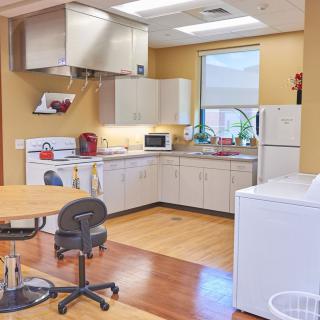
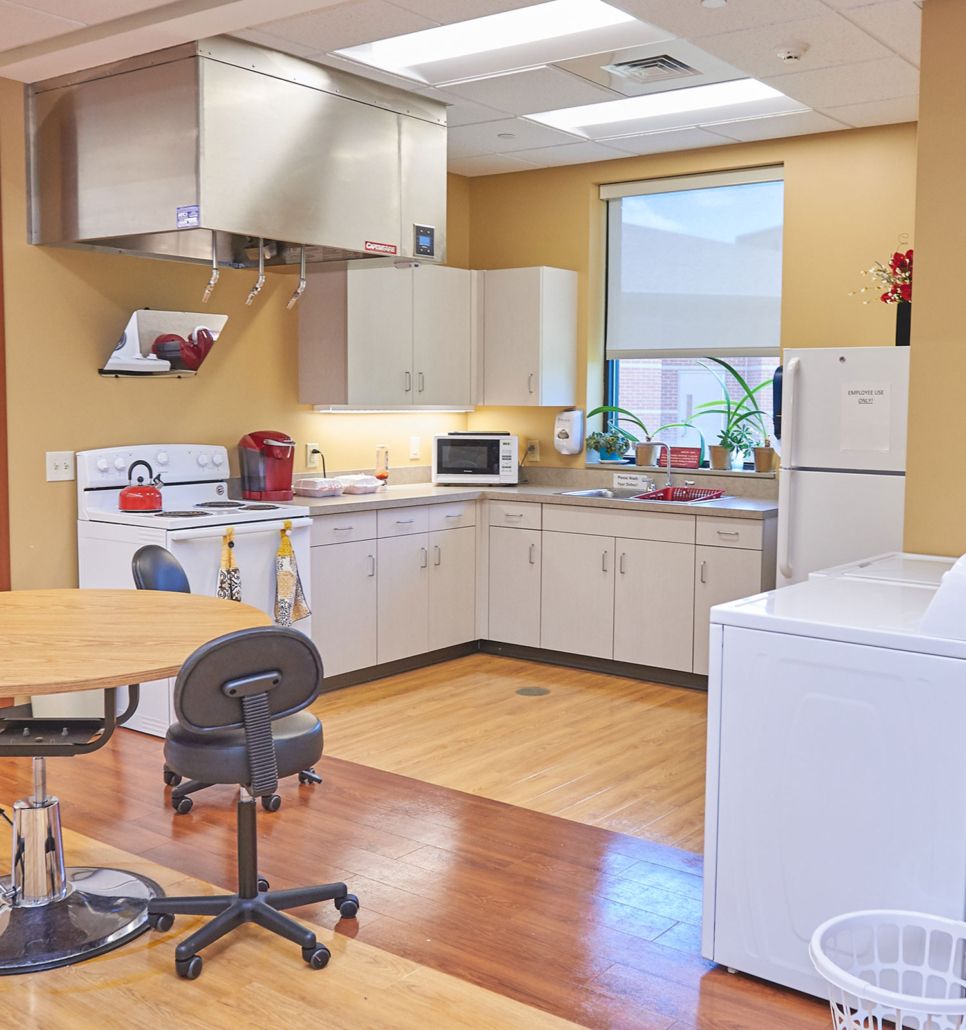
 Kitchenette
 Move-in coordination
 Outdoor space
 Private bathrooms
 Restaurant-style dining
 Small library
 Telephone
 Wellness center
 Wi-Fi/high-speed internet available
 Community operated transportation
 12-16 hour nursing
 24-hour call system
 Activities of daily living assistance
 Assistance with bathing
 Assistance with dressing
 Assistance with transfers
 Diabetes diet
 Medication management
 Mental wellness program
 Special dietary restrictions
 Concierge services
 Planned day trips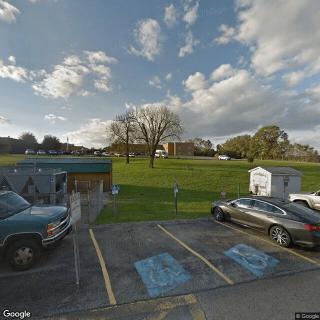

 8 Important Indicators That Memory Care May Be Necessary
 Delving into the Inner World of Dementia: Insights into Thoughts and Awareness
 Five Subtle Dementia Indicators to Observe: An In-Depth Guide to Understanding “Does My Mom Have Dementia?”