Uniontown Healthcare And Rehabilitation Center Costs & Pricing
Uniontown Healthcare and Rehabilitation Center presents a notable disparity in monthly costs when compared to both Fayette County and the broader state of Pennsylvania. For semi-private rooms, the center charges $6,813, significantly higher than the county's average of $2,862 and the state average of $3,542. Similarly, for private rooms, Uniontown's rate stands at $7,317, which exceeds not only Fayette County's $5,703 but also Pennsylvania's average of $4,890. These figures suggest that while Uniontown may offer specialized services or amenities that contribute to its pricing structure, potential residents should carefully weigh these costs against available alternatives within the region.
Floor plans
Uniontown Healthcare And Rehabilitation Center
Fayette County
Pennsylvania
Semi-Private
$6,813
$2,862
$3,542
Private
$7,317
$5,703
$4,890
Skilled Nursing Facilities with a similar price nearby
Overall Review of Uniontown Healthcare And Rehabilitation Center
common28 reviews mention this
Staff support comes up often
Residents and visitors repeatedly describe staff as kind, attentive, and responsive.
A consistent theme in the reviews is how supported people felt when interacting with the nursing team, therapists, and other staff. Multiple reviewers mention staff listening to concerns, helping with questions, and making residents feel cared for day to day. Several also describe staff as professional and warm during visits, including quicker call light response in at least some experiences.
common14 reviews mention this
Cleanliness is a standout impression
Many reviews emphasize that the building is clean and well maintained.
Cleanliness shows up again and again: reviewers describe the facility as clean, bright, and well kept, including room and common-area conditions. Some reviewers also mention the overall comfort that comes with a clean environment, and at least one notes how the facility smelled clean. A few visits include details like the dining room being active while still appearing orderly and maintained.
common7 reviews mention this
Activities and dining feel engaging
Reviews and the community’s offering both point to daily engagement through activities and dining.
Residents and visitors describe ongoing engagement, including music and dancing in the dining room and other resident events. The community also offers planned daily activities and resident-run options, which aligns with how several reviewers talk about staying active. Dining is also part of the day for many people—some mention meals and that food is a key part of the experience, including concerns when meals arrive late or are not to preference.
caveat2 reviews mention this
Call light and staffing are a concern
Some reviewers report delays and understaffing challenges that affect responsiveness.
While many reviews highlight caring support, there are also reports of staffing issues that can slow down responsiveness. One review describes call lights taking up to an hour and says aides were understaffed, paired with concerns about assistance and meals. Another reviewer raises worries about physical therapy access timing and consistency, which can also affect how quickly residents can get help with mobility goals.
common9 reviews mention this
Rehab results vary but are discussed
Many reviews focus on rehabilitation care and day-to-day progress.
Several reviewers describe rehab staff working with residents daily and note improvements such as walking again or making progress in therapy. Others discuss therapy at the facility as a reason they chose or evaluated the community, including comments about how strong or consistent the therapy experience felt. The reviews also connect rehab to care continuity—one reviewer’s concerns about therapy coverage and scheduling stand out against the more positive progress stories.
caveat
Pricing is high versus benchmarks
Cost is positioned above county and state benchmarks in available pricing ranges.
The posted pricing range for units shown here sits above both county and state reference levels. Review themes around meals and staffing may be part of how people evaluate value, but the pricing itself appears consistently elevated across the unit types provided.
How we summarize
We summarize when many written reviews mention each theme; a review can touch several themes, and only frequently mentioned themes are displayed.
Features
Housing
120 resident community capacity
Types of Care
Skilled Nursing Facility
Amenities
Air-conditioning
Beauty salon
Cable or satellite TV
Computer center
Dining room
Fitness room
Fully furnished
Gaming room
Garden
Housekeeping services
Kitchenette
Move-in coordination
Outdoor space
Private
Private bathrooms
Restaurant-style dining
Small library
Telephone
Wellness center
Wi-Fi/high-speed internet available
Transportation
Community operated transportation
Transportation arrangement
Transportation arrangement (non-medical)
Transportation to doctors appointments
Care Services
12-16 hour nursing
24-hour call system
24-hour supervision
Activities of daily living assistance
Assistance with bathing
Assistance with dressing
Assistance with transfers
Diabetes diet
High acuity care
Incontinence care
Meal preparation and service
Medication management
Mental wellness program
Special dietary restrictions
Dining
Diabetes diet
Special dietary restrictions
Activities
Community-sponsored activities
Concierge services
Fitness programs
Planned day trips
Resident-run activities
Scheduled daily activities
Nearby Places of Interest
This part of Uniontown, Pennsylvania offers a variety of amenities and services that may be appealing to seniors looking for a convenient and comfortable living environment. There are several restaurants nearby, including Jimmy John's and Vinny's Italian Pizzeria, as well as pharmacies such as Rite Aid and Walgreens for easy access to medications. Additionally, there are multiple places of worship within close proximity, providing opportunities for spiritual fulfillment. For healthcare needs, there are several physicians' offices and both the University of Pittsburgh Medical Center and Uniontown Hospital in the area. Nearby parks like Bailey Park offer outdoor recreational opportunities, while the AMC Classic Uniontown 6 theater provides entertainment options. Overall, this area boasts a range of convenient amenities that could contribute to a fulfilling senior living experience.
Restaurants
Jimmy John's (0.1 miles)
Hong Kong Buffet Of Uniontown (0.2 miles)
Vinny's Drive Inn (0.9 miles)
Vinny's Italian Pizzeria (0.9 miles)
Meloni's Restaurant (1.5 miles)
Rum Bunter (1.6 miles)
McDonald's (1.7 miles)
Places of Worship
St Joseph Roman Catholic Church (0.2 miles)
Faith Assembly Of God (0.4 miles)
Third Presbyterian Church (0.6 miles)
Grace Brethren Church (0.7 miles)
Saint Therese The Little Flower Of Jesus Parish (1.4 miles)
Kingdom Hall-Jehovah's Witness (1.6 miles)
Genesis House Ministry (1.6 miles)
Pharmacies
Rite Aid (0.4 miles)
Gabler's Drug (1.1 miles)
Apothecare Pharmacy (1.2 miles)
Walgreens (1.5 miles)
Apothecare Pharmacy (1.6 miles)
CVS Pharmacy (1.7 miles)
Rite Aid (2.2 miles)
Physicians
Patel Mina MD (1.2 miles)
Associates In Ophthalmology (1.4 miles)
Bartman Carla - Laurel Ridge Eyecare (1.4 miles)
Adagio Health Uniontown (1.5 miles)
The Orthopedic Group (1.5 miles)
Fayette Ob-Gyn Pc (1.5 miles)
Fayette Cardiology (1.5 miles)
Parks
Bailey Park (1.3 miles)
Hutchinson Park (1.7 miles)
Eberly Baseball Park (3 miles)
Fairchance Park & Playground (4.1 miles)
New Salem Hogroast Woods (5.5 miles)
Redstone Park (8.9 miles)
Hospitals
University of Pittsburgh Medical Center (1.4 miles)
Uniontown Healthcare and Rehabilitation Center presents a notable disparity in monthly costs when compared to both Fayette County and the broader state of Pennsylvania. For semi-private rooms, the center charges $6,813, significantly higher than the county's average of $2,862 and the state average of $3,542. Similarly, for private rooms, Uniontown's rate stands at $7,317, which exceeds not only Fayette County's $5,703 but also Pennsylvania's average of $4,890. These figures suggest that while Uniontown may offer specialized services or amenities that contribute to its pricing structure, potential residents should carefully weigh these costs against available alternatives within the region.
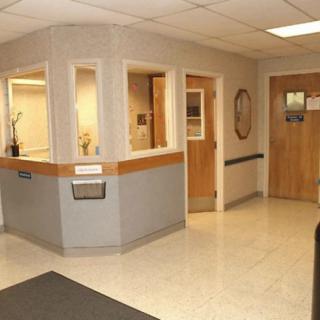
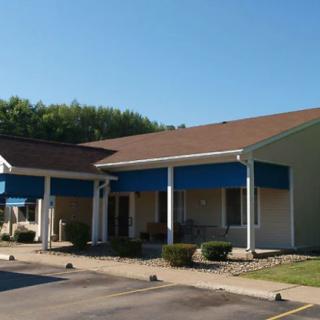
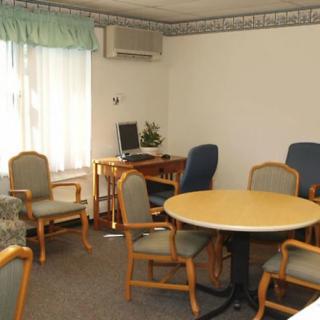
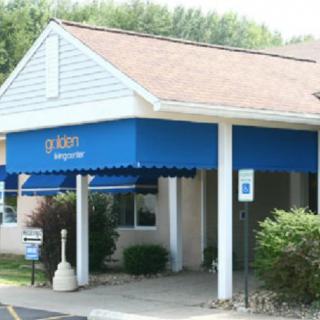
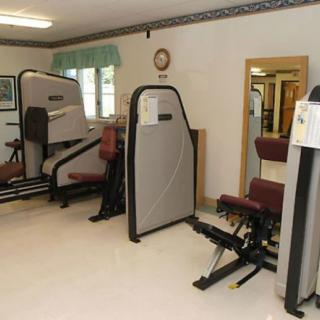
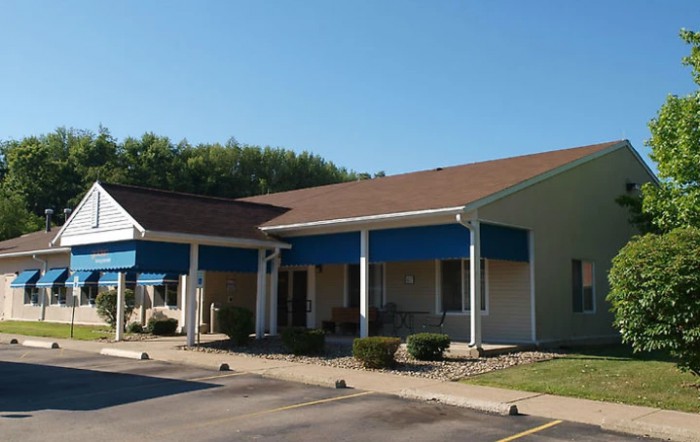
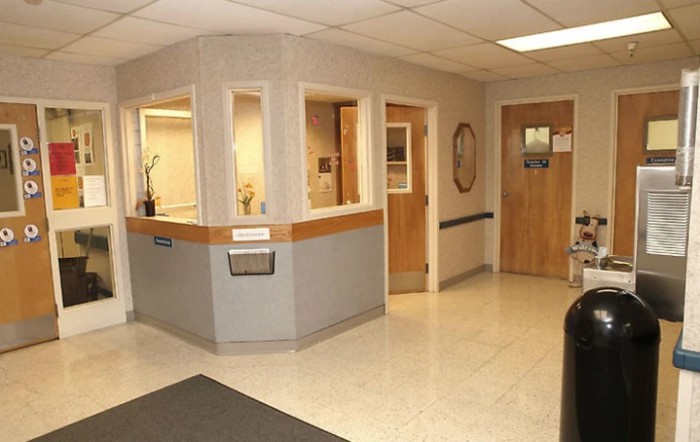
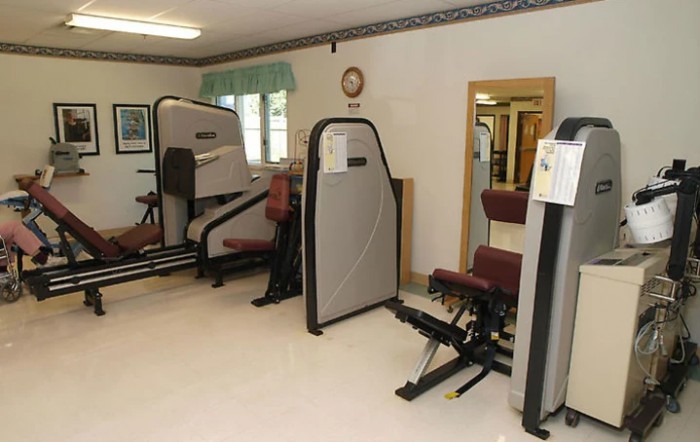
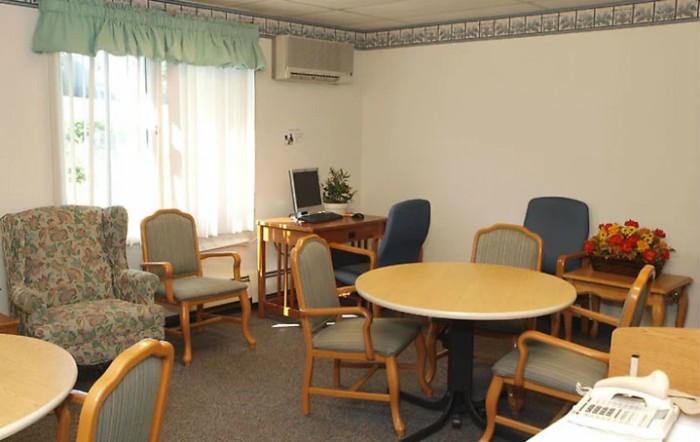
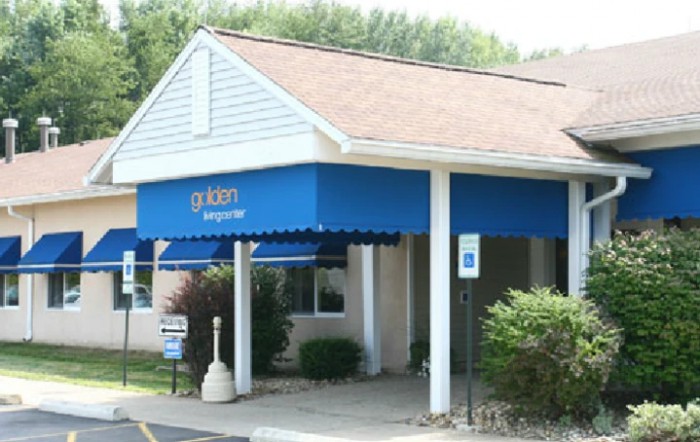
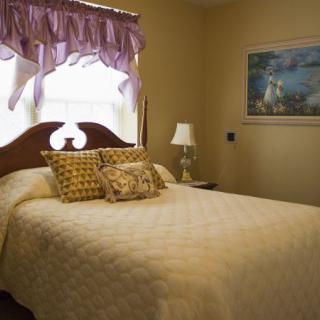
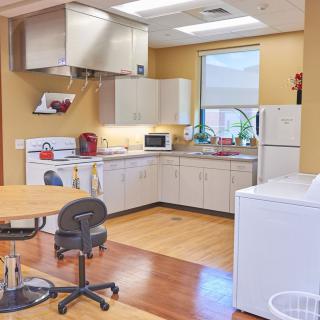
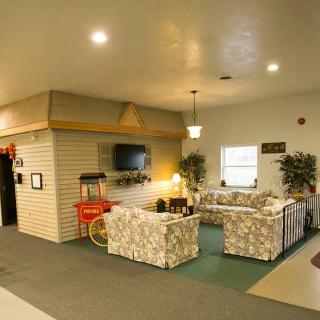
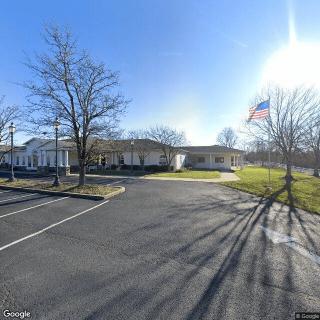
Uniontown Healthcare And Rehabilitation Center on seniors.fyi includes 6 photos including images showing interior, building, office, gym, exercise equipment, fitness, meeting room, windows, and more.
Nearby Communities
Craig School Apartments
Uniontown, PA
$550 to $650 / month
Peroni Personal Care Home
Uniontown, PA
3.1 from 25 reviews
Warm, home-like atmosphere with personalized, attentive care from staff.
Surrey Hill Apartments
Uniontown, PA
3.8 from 6 reviews
Excellent access to nearby amenities (cafes, pharmacies, hospitals, worship, theaters).
Reastheaven 1
Uniontown, PA
Fully furnished assisted living with 24/7 supervision, ADL support, and a mental wellness program.
Rest Haven Personal Care Inc
Uniontown, PA
Strong spiritual support and comprehensive diabetic care.
Marquis Gardens Place
Uniontown, PA
4.4 from 64 reviews
$3,223 to $6,293 / month
Homey atmosphere with caring staff and personalized activities.
Beechwood Court At Lafayette Manor
Uniontown, PA
3.3 from 13 reviews
Caring staff and engaging activities.
Hillside Manor Personal Care Home
Uniontown, PA
3.4 from 29 reviews
Caring staff and strong safety measures in a clean, pleasant environment.
Madison Rehab & Nursing Center
Morgantown, WV
4 from 63 reviews
$5,400 to $5,550 / month
Dedicated nurses and some effective therapy; staff generally follow orders and assist when therapists are present.
Anticipatory grief is an emotional response to the impending loss of a loved one, characterized by complex emotions such as sadness and anger, and involves navigating stages similar to those identified by Kübler-Ross. Coping strategies are vital for managing this process, emphasizing compassionate communication, self-care, and support groups while recognizing the cultural influences on grieving.
Adult day care programs offer essential support and activities for older adults, yet many hesitate to participate due to concerns about independence and stigma. To alleviate these apprehensions, families should facilitate open discussions, explore financial resources, suggest trial visits, and collaborate with healthcare providers to highlight the benefits of such services for both the participants and their caregivers.
Living wills and advance directives are crucial legal documents that outline an individual's healthcare preferences when they cannot make decisions themselves, enhancing patient autonomy and alleviating family stress during medical crises. The article emphasizes the need for these documents to be personalized, legally valid, and regularly updated, while also encouraging communication about end-of-life wishes among family members and healthcare providers.
Uniontown Healthcare And Rehabilitation Center photos
×
Interior
Building
Windows
Entrance
Exercise Equipment
Interior
Windows, Meeting Room, and Computers
Building
Architecture
Entrance, Exterior, and Awning
Exercise Equipment, Gym, and Fitness
Office
Waiting Area and Reception
Get PricingAsk A QuestionSchedule A TourContact Senior Advisor
By clicking submit, you agree to our Partner's Terms of Use. You
also consent to receive calls and texts, which may be autodialed, from our Partner. Your consent is not a condition to
using our Partner's service. Please visit our Partner's Privacy Policy for information about their privacy practices.


 120 resident community capacity
 Skilled Nursing Facility
 Air-conditioning
 Beauty salon
 Cable or satellite TV
 Computer center
 Dining room
 Fitness room
 Fully furnished
 Gaming room
 Garden
 Housekeeping services
 Kitchenette
 Move-in coordination
 Outdoor space
 Private
 Private bathrooms
 Restaurant-style dining
 Small library
 Telephone
 Wellness center
 Wi-Fi/high-speed internet available
 Community operated transportation
 12-16 hour nursing
 24-hour call system
 Activities of daily living assistance
 Assistance with bathing
 Assistance with dressing
 Assistance with transfers
 Diabetes diet
 High acuity care
 Incontinence care
 Medication management
 Mental wellness program
 Special dietary restrictions
 Concierge services
 Planned day trips
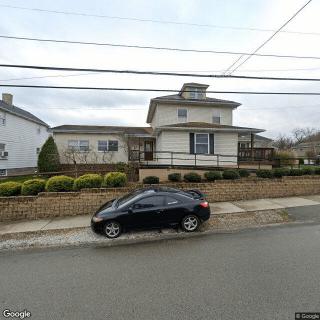
 Warm, home-like atmosphere with personalized, attentive care from staff.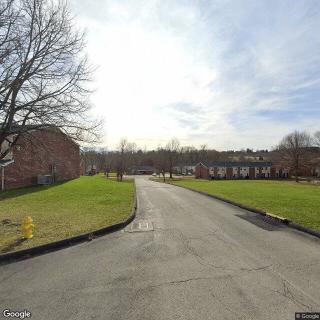


 Recognizing the Journey: Understanding and Navigating Anticipatory Grief
 Encouraging Participation in Adult Day Care: A Guide to Supporting a Hesitant Parent
 Comprehensive Exploration of Living Wills and Other Advance Directives