For more information about senior living options: (866) 208-4318
4 from 63 reviews
5 stars
42
4 stars
6
3 stars
0
2 stars
3
1 stars
12
Madison Rehab & Nursing Center Costs & Pricing
Madison Rehab & Nursing Center offers a range of room options at competitive rates when compared to both Monongalia County and the broader state of West Virginia. For those considering semi-private accommodations, Madison's cost is set at $5,400 per month, which is notably higher than the county average of $4,450 and significantly above the state average of $3,683. Similarly, for private rooms, Madison charges $5,550 per month, slightly exceeding Monongalia County's typical rate of $5,175 while remaining above the state average of $4,794. These figures reflect Madison's commitment to providing quality care and amenities that may justify the higher expense when evaluated against local and regional pricing trends.
Floor plans
Madison Rehab & Nursing Center
Monongalia County
West Virginia
Semi-Private
$5,400
$4,450
$3,683
Private
$5,550
$5,175
$4,794
Skilled Nursing Facilities with a similar price nearby
Residents and families frequently describe the staff as caring, attentive, and supportive.
Many reviews say staff members treated residents well and made families feel supported during admissions, therapy, and longer stays. Several mention communication and follow-through, including keeping families updated and addressing concerns. A number of reviewers also describe the staff as kind and respectful in day-to-day interactions and during difficult times.
common14 reviews mention this
Cleanliness is repeatedly mentioned
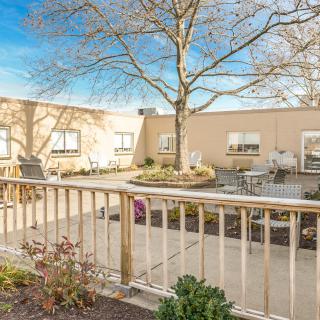
Multiple reviews point to a clean, well-kept facility environment.
Several families describe the building as clean and organized, and a few mention noticing cleanliness when they arrived. Some reviewers also connect that cleanliness with comfort for residents and confidence in day-to-day care. Even among critical reviews, cleanliness is sometimes singled out as the one positive they saw.
common13 reviews mention this
Therapy support is a common theme
Physical and therapy services are a recurring focus in reviews.
Many reviews highlight therapy as professional and helpful, often crediting physical therapy with improvements and encouraging residents to keep moving. Several also mention occupational therapy and a coordinated effort among therapy teams and other departments. However, a smaller set of negative reviews says care can be inconsistent or that non-therapy periods were neglected.
common6 reviews mention this
Food quality is mixed overall
Food is discussed positively by some, but negatively by others.
Some residents and families praise meals as appetizing, tasty, or able to be adapted to preferences. Others describe the food as below expectations or not enjoyable, even when it was still edible. A few reviews frame food as better than what they expected, while at least one critical review ties food and overall care satisfaction.
caveat9 reviews mention this
Care and staffing concerns
Some reviews describe serious concerns with staffing and medical attention.
A recurring negative thread is that medical care, medication timing, and responsiveness were not reliable enough for residentsā€™ needs. Several reviewers describe outcomes they felt were preventable and cite issues like pneumonia, aspiration, or delayed attention when help was requested. Even where the nursing effort is described as hard-working, some reviews argue staffing levels and follow-through were not sufficient.
How we summarize
Counts show how many written reviews mention each theme; a review can touch several themes, and only frequently mentioned themes are displayed.
Features
Types of Care
Skilled Nursing Facility
Amenities
Private
Respite or short term stays offered
Nearby Places of Interest
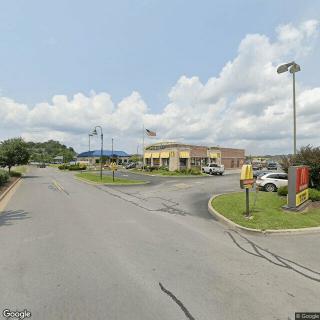
This part of Morgantown, West Virginia, offers a convenient and well-equipped community for senior living. With various healthcare options nearby such as gynecologists, orthopedic associates, eye specialists, and hospitals including a children's hospital and a pulmonary unit, residents can easily access medical care. There are also several pharmacy options available for prescription needs. In terms of dining options, seniors can enjoy a variety of restaurants ranging from fast food chains like McDonald's to more upscale establishments like Bacon, Bourbon & Beer. Additionally, cafes like Starbucks and Panera Bread provide cozy spaces for socializing or enjoying a cup of coffee. Outdoor enthusiasts can explore parks such as Milan Puskar Stadium or Cheat Lake Park for recreational activities. For spiritual needs, there are places of worship such as the Christian & Missionary Alliance Church and Norwood United Methodist Church in the vicinity. Overall, this area offers a blend of healthcare services, dining choices, recreational opportunities, and spiritual support making it an ideal location for senior living in Morgantown.
Physicians
Mid Atlantic Gynecologic (2.1 miles)
Joseph Robert Blatt (2.1 miles)
Mountainstate Orthopedic Associates (2.2 miles)
Center For Reproductive Medicine (2.3 miles)
Pineview Gynecology (2.3 miles)
Morgantown Eye Associates (2.3 miles)
Joseph G Feghali (2.3 miles)
Restaurants
Asian Bistro (2.4 miles)
Sonic Drive-In (2.5 miles)
McDonald's (2.5 miles)
Bacon, Bourbon & Beer (2.5 miles)
Primanti Bros. Restaurant and Bar Morgantown (2.5 miles)
Kegler's Sports Bar & Lounge (2.8 miles)
McDonald's (2.8 miles)
Cafes
Starbucks (2.4 miles)
Tim Hortons (2.5 miles)
Starbucks (3.1 miles)
Panera Bread (3.4 miles)
Lavender Cafe (3.8 miles)
Almost Heaven Desserts (3.9 miles)
Hospitals
Exemplar Medical Group (2.5 miles)
Monongalia General Hospital-Pulmonary Unit (2.6 miles)
Main Lobby (2.9 miles)
WVU Children's Hospital (2.9 miles)
WVU Ruby hospital (3.1 miles)
Pharmacies
Walgreens (2.6 miles)
Hackett and Hackett (2.9 miles)
American Pharmacy USA (2.9 miles)
Pierpont Landing Pharmacy (3.2 miles)
CVS Pharmacy (4.1 miles)
Transportation
Morgantown Municipal Airport (MGW) (3 miles)
Towers PRT Station (3.7 miles)
Parks
Milan Puskar Stadium (3 miles)
Krepps Park (3.6 miles)
Krepps Dog Park (3.9 miles)
Cheat Lake Park (4.5 miles)
Places of Worship
Christian & Missionary Alliance Church (3.7 miles)
Madison Rehab & Nursing Center offers a range of room options at competitive rates when compared to both Monongalia County and the broader state of West Virginia. For those considering semi-private accommodations, Madison's cost is set at $5,400 per month, which is notably higher than the county average of $4,450 and significantly above the state average of $3,683. Similarly, for private rooms, Madison charges $5,550 per month, slightly exceeding Monongalia County's typical rate of $5,175 while remaining above the state average of $4,794. These figures reflect Madison's commitment to providing quality care and amenities that may justify the higher expense when evaluated against local and regional pricing trends.
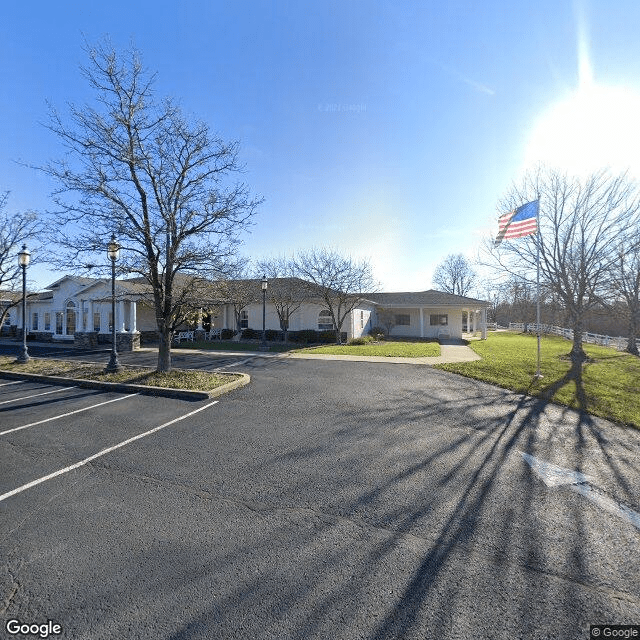
Madison Rehab & Nursing Center is located at 161 Bakers Ridge Rd, Morgantown, WV 26508 in Monongalia County, West Virginia
Nearby Communities
Madison Center
Morgantown, WV
4.1 from 69 reviews
Clean facility with cheerful staff, solid rehab outcomes, and engaging activities.
Sundale Nursing Home
Morgantown, WV
3 from 18 reviews
Attentive, caring staff with good personal care and engaging activities.
Village At Heritage Point
Morgantown, WV
4.7 from 52 reviews
Independent living with diabetic care and devotional services; on-site activities.
Mapleshire Nursing And Rehabilitation Center
Morgantown, WV
3.3 from 12 reviews
Clean, bright, and welcoming facility with attentive staff and personalized rehabilitation.
Suites At Heritage Point
Morgantown, WV
4.7 from 50 reviews
Fully furnished suites with in-room kitchenette and connectivity, plus 24/7 supervision, ADL assistance, medication management, mental wellness, meals with dietary accommodations, and social activities.
Right at Home-Morgantown Area Private Duty
Morgantown, WV
4 from 4 reviews
Strong nearby amenities: dining, parks, pharmacies, hospitals, and transportation.
Harmony at Morgantown
Morgantown, WV
4.2 from 71 reviews
$2,800 to $3,700 / month
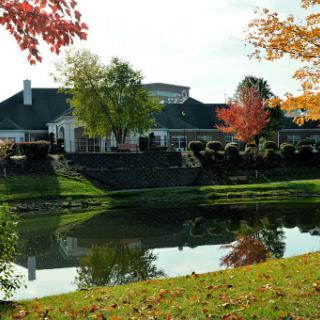
Friendly staff and a clean, resort-like environment with engaging activities and good dining.
Home Instead - Morgantown, WV
Morgantown, WV
4.4 from 14 reviews
Peaceful setting with easy access to numerous nearby amenities.
The Sandwich Generation comprises adults managing the dual responsibilities of caring for aging parents and raising children, leading to significant emotional, logistical, and financial challenges. This situation is exacerbated by longer life expectancies and cultural expectations, necessitating effective coping strategies and support resources to alleviate caregiver stress and burnout.
The article highlights eight essential assistive devices that improve the independence and safety of older adults, addressing issues related to mobility, balance, vision, hearing, and dexterity. It emphasizes the importance of proper selection guided by healthcare professionals to enhance seniors' quality of life while allowing them to age in place.
The article offers detailed guidance on the financial complexities of nursing home care, covering costs, payment methods, and alternative funding strategies while emphasizing the importance of proactive planning and legal considerations for individuals and families making care decisions.
Get PricingAsk A QuestionSchedule A TourContact Senior Advisor
By clicking submit, you agree to our Partner's Terms of Use. You
also consent to receive calls and texts, which may be autodialed, from our Partner. Your consent is not a condition to
using our Partner's service. Please visit our Partner's Privacy Policy for information about their privacy practices.

 Skilled Nursing Facility
 Private
 Respite or short term stays offered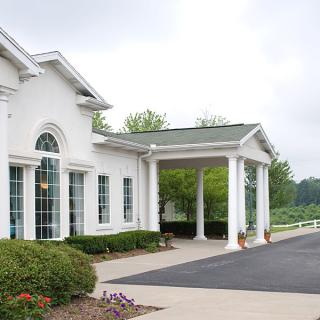
 Clean facility with cheerful staff, solid rehab outcomes, and engaging activities.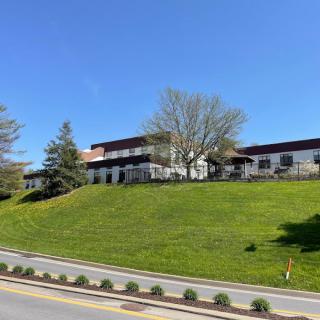

 Understanding the Sandwich Generation: Stress and Responsibilities for Multigenerational Caregivers
 8 Essential Assistive Devices for Older Adults
 Navigating the Financial Road to Nursing Home Care: In-Depth Guidance and Resources