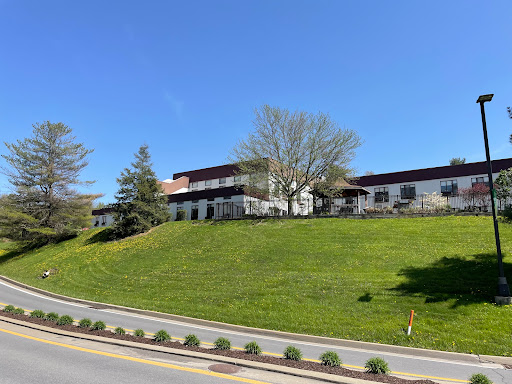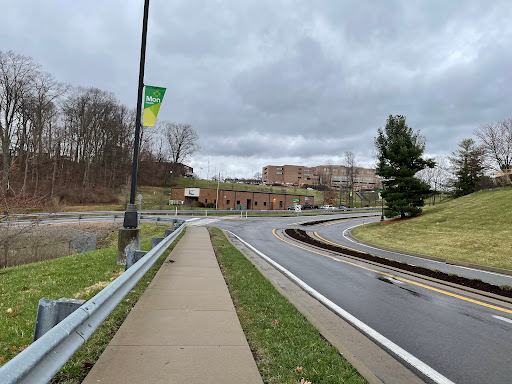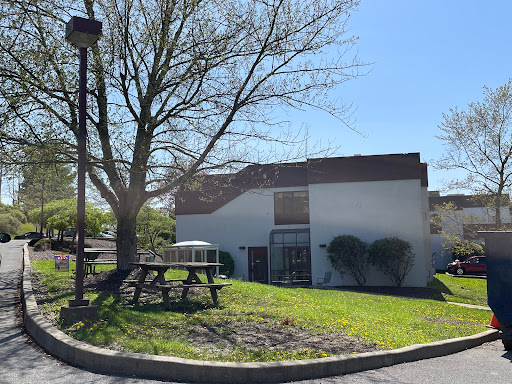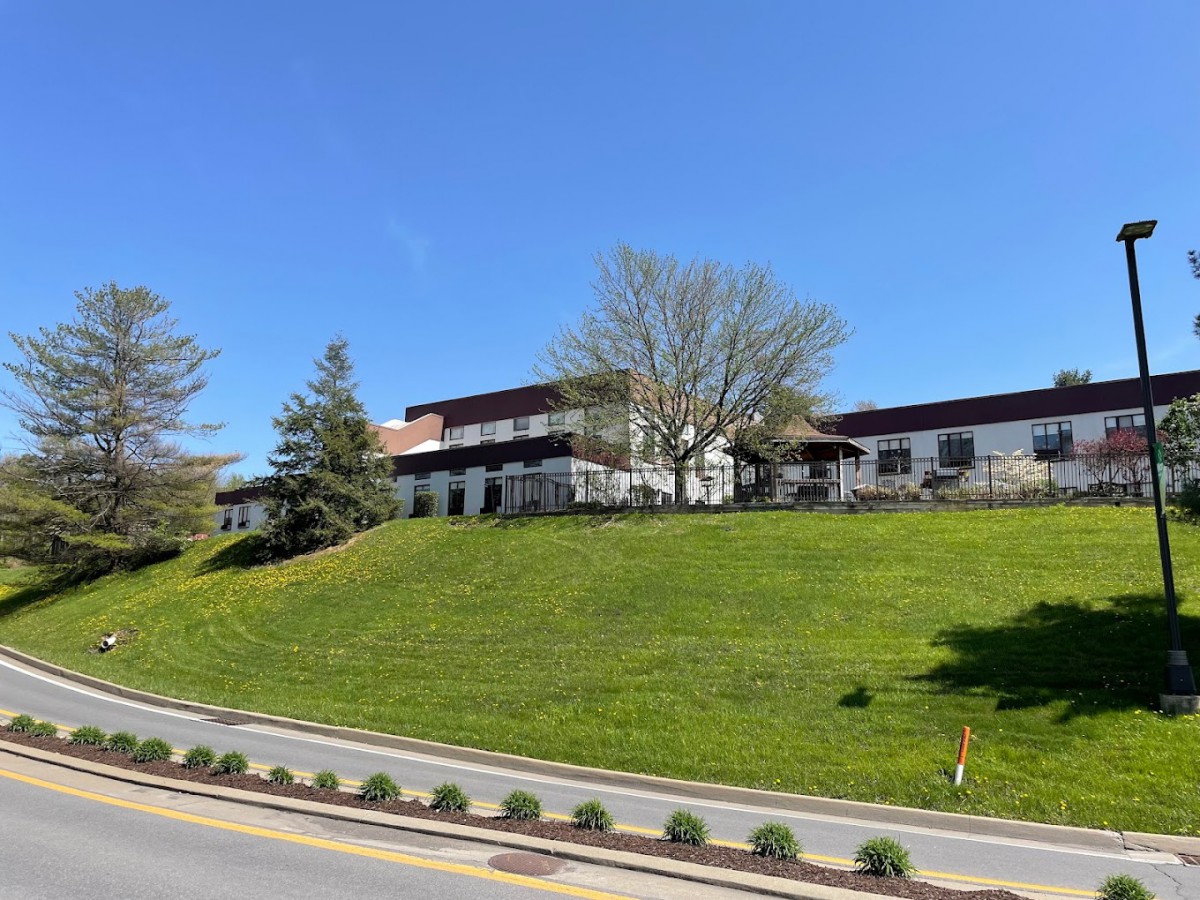











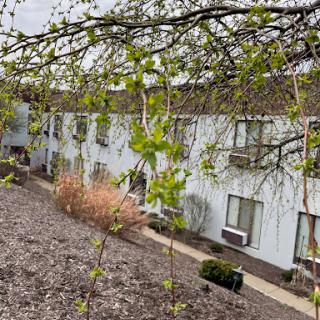



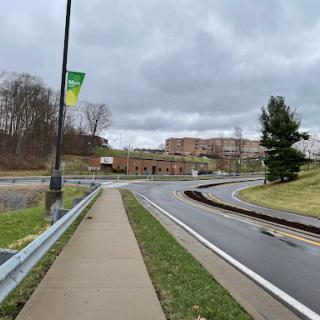
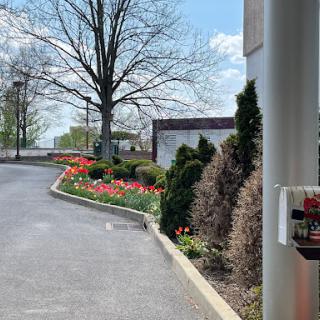
800 J D Anderson Drive, Morgantown, WV 26505
For more information about senior living options: (866) 208-4318
Overall Review of Sundale Nursing Home
Pros
 The nurses, nursing assistants, and housekeeping at Sundale are extraordinary.
- The facility is impeccably clean.
- The medical director is among the best in the region.
- The staff and administration are professional, competent, compassionate, and always ready to assist.
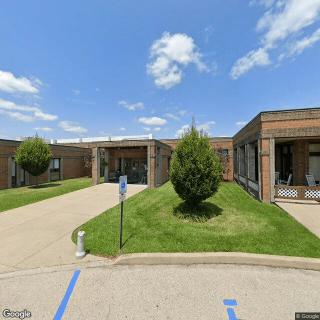
- The renovations are making Sundale brighter, cheerier, and more functional.
- The food was quite good, with well-prepared fruits and vegetables and tasty desserts, and special requests were accommodated.
- Sundale provides entertaining and social activities, including occasional live music.
- Sundale is regarded as one of the nicer nursing homes in the state.
Cons
 The staff were very rude to patients.
- They did not handle COVID procedures properly.
- The facility was very understaffed.
- The administration was reactive rather than proactive.
- Residents were left unattended for 20–30 minutes at a time.
- There were frequent falls, some causing significant cognitive decline, with staff not appearing to worry.
- Tests for UTIs were met with resistance, and antibiotics were started briefly and then stopped.
- A resident died with malnutrition listed on the death certificate.
- The facility appeared dirty and cluttered during a tour, with signs of hoarding.
Review
Sundale Nursing Home in Morgantown is best suited for families seeking skilled nursing and rehabilitation where the priority is strong clinical care, a clean and comfortable environment, and an active program of activities. In practical terms, it works for those who value attentive nursing and rehab staff and are prepared to advocate to keep care on track. The facility earns praise for dedicated nurses and aides, a solid rehab orientation, and meals that are generally well received. However, this is not a hands-off setting. Consistent supervision and timely response to concerns can vary, and administrative responsiveness has repeatedly been a flash point for families.
On the positive side, multiple reviewers commend the nursing team, aides, and housekeeping for professionalism and compassion when care is delivered. The environment is described as clean, secure, and supportive, with renovations brightening common areas. Rehab services are highlighted as a strength, and meals receive favorable comments for variety and quality. Yet the most consequential drawbacks revolve around staffing levels and administration. Reports of understaffing, rude behavior in some shifts, and long waits for assistance translate into unsafe moments, bathroom help delayed, residents left unobserved for extended periods, and a pattern of reactive rather than proactive management. These gaps can blunt the otherwise solid clinical foundation.
Safety remains the central fault line. A resident’s experience with fourteen falls in ten months before a move illustrates the gravity of the risk, coupled with criticisms that staff and doctors were not consistently proactive or engaged. Documentation concerns around infections and treatment decisions surfaced as well. The moral here is clear: prevention and timely intervention are inconsistent when staffing and supervision slip, forcing families to push for tests, verify medications, and press for protective measures. For families, the calculus is binary at times, care can be excellent when staffing holds, but the default state can feel precarious when it does not.
Residents and families describe a paradoxical environment: moments of warmth, personalized attention, and home-like routines coexist with lapses in housekeeping and facility upkeep. Some reviews recount well-kept rooms, secure corridors, and engaging activities, including live music and social programs. Others recount dirty entryways, clutter, and spaces that feel less orderly during remodeling. The contrast matters because a clean, well-organized setting reinforces safety and comfort, while disorganization can erode trust and wellbeing. The recent renovations hint at meaningful improvement, but visible inconsistencies across areas keep the overall impression mixed rather than uniformly strong.
From a decision standpoint, Sundale shines for short-term rehabilitation or post-acute care where skilled nursing and therapy are the primary concerns and where families are prepared to stay engaged. The strongest praise centers on the clinical staff and the facility’s ability to deliver attentive care when staffing supports it. For long-term memory care or for families unable to tolerate uneven administrative responsiveness, alternatives with more reliable governance and steadier staffing may be wiser. One testimonial lauds overall care and another highlights strong rehab support, underscoring how much the experience depends on shift and unit dynamics. The takeaway is clear: context matters, and prospective residents should plan to sample multiple facets of the operation before deciding.
In evaluating Sundale, the prudent approach is to verify current staffing levels and to probe how the administration handles safety, falls prevention, and medical oversight on a day-to-day basis. Prospective residents should request to meet several nurses, observe a morning and evening shift, and insist on a transparent care plan that includes fall risk management, nutrition monitoring, infection control, and how UTIs are tested and treated. Compare Sundale against peers on staffing ratios, response times, and the degree of family involvement encouraged by administration. If the goal is robust nursing care and rehab with a framework for ongoing family engagement, Sundale offers meaningful strengths; if the priority is unwavering administrative reliability and consistently reinforced safety protocols, it is prudent to explore alternatives and visit multiple facilities to inform a well-grounded choice.
 100 resident community capacity
 Skilled Nursing Facility
 Air-conditioning
 Beauty salon
 Cable or satellite TV
 Computer center
 Dining room
 Fitness room
 Fully furnished
 Gaming room
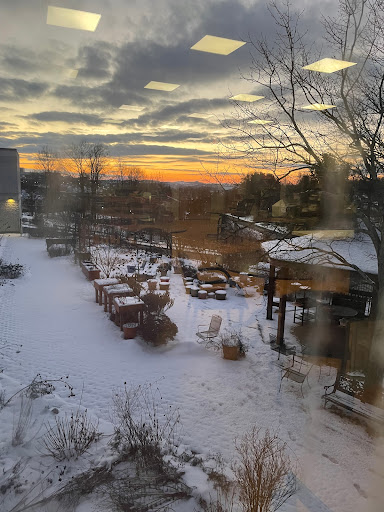
 Garden
 Housekeeping services
 Kitchenette
 Move-in coordination
 Outdoor space
 Private bathrooms
 Restaurant-style dining
 Small library
 Telephone
 Wellness center
 Wi-Fi/high-speed internet available
 Community operated transportation
 12-16 hour nursing
 24-hour call system
 Activities of daily living assistance
 Assistance with bathing
 Assistance with dressing
 Assistance with transfers
 Diabetes diet
 Medication management
 Mental wellness program
 Special dietary restrictions
 Concierge services
 Planned day trips



 Navigating Medicare Coverage for In-Home Care Services
 In-Home Care Costs in 2025: A Detailed State-by-State Exploration
 Understanding Home Health Care: A Comprehensive Guide