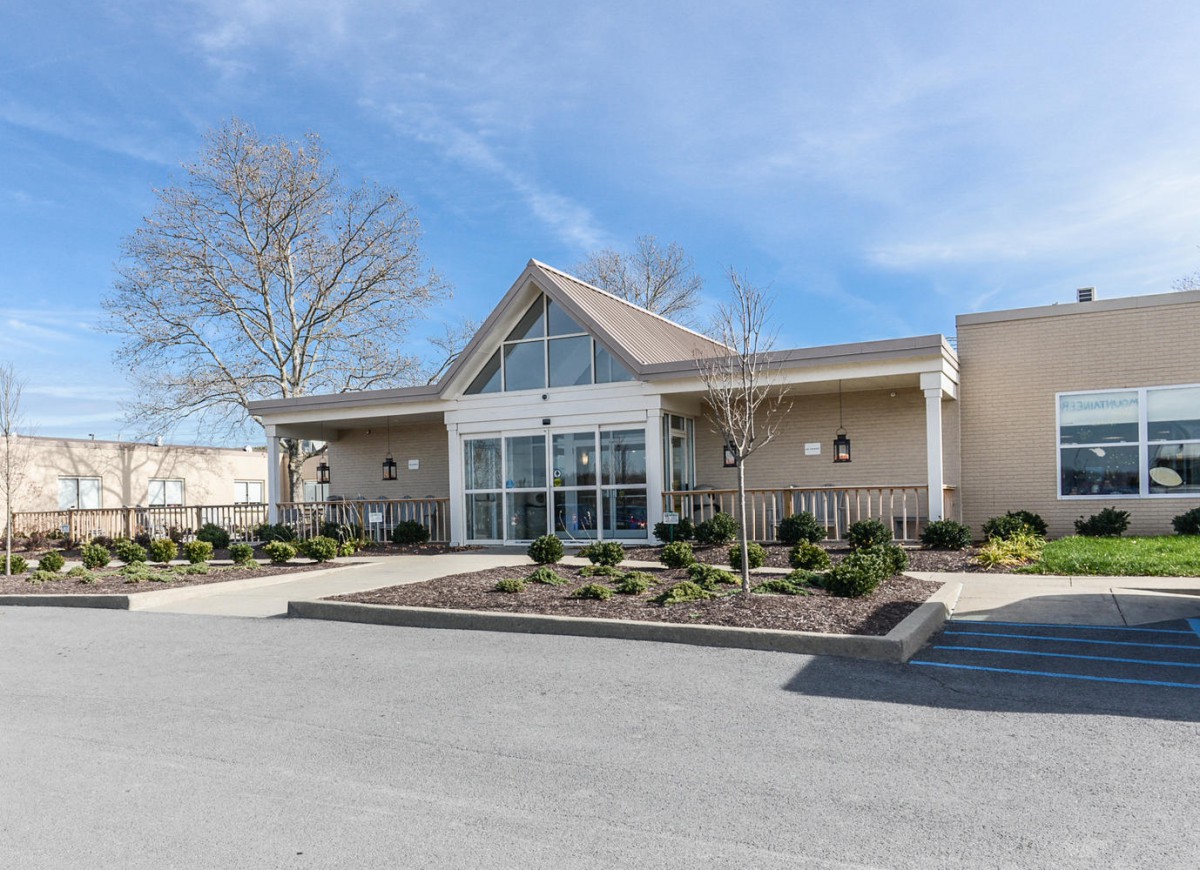
30 Mon General Drive, Morgantown, WV 26505
For more information about senior living options: (866) 208-4318
Overall Review of Mapleshire Nursing And Rehabilitation Center
Pros
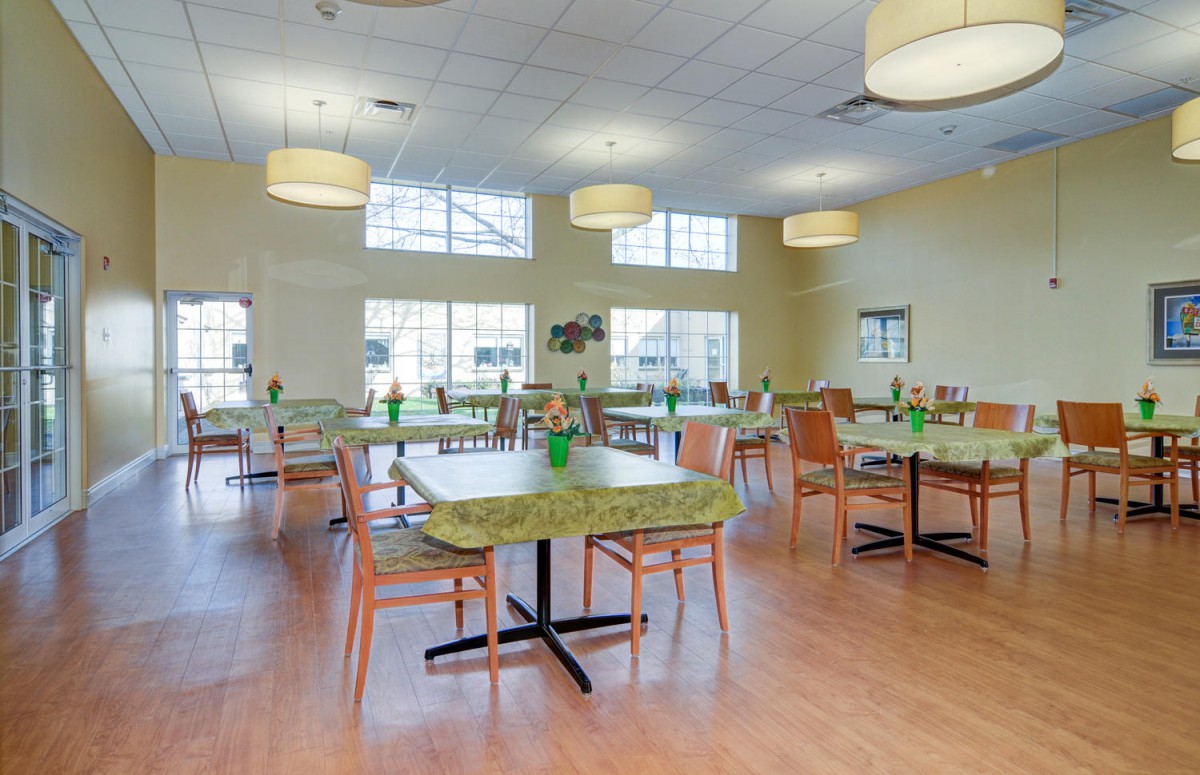
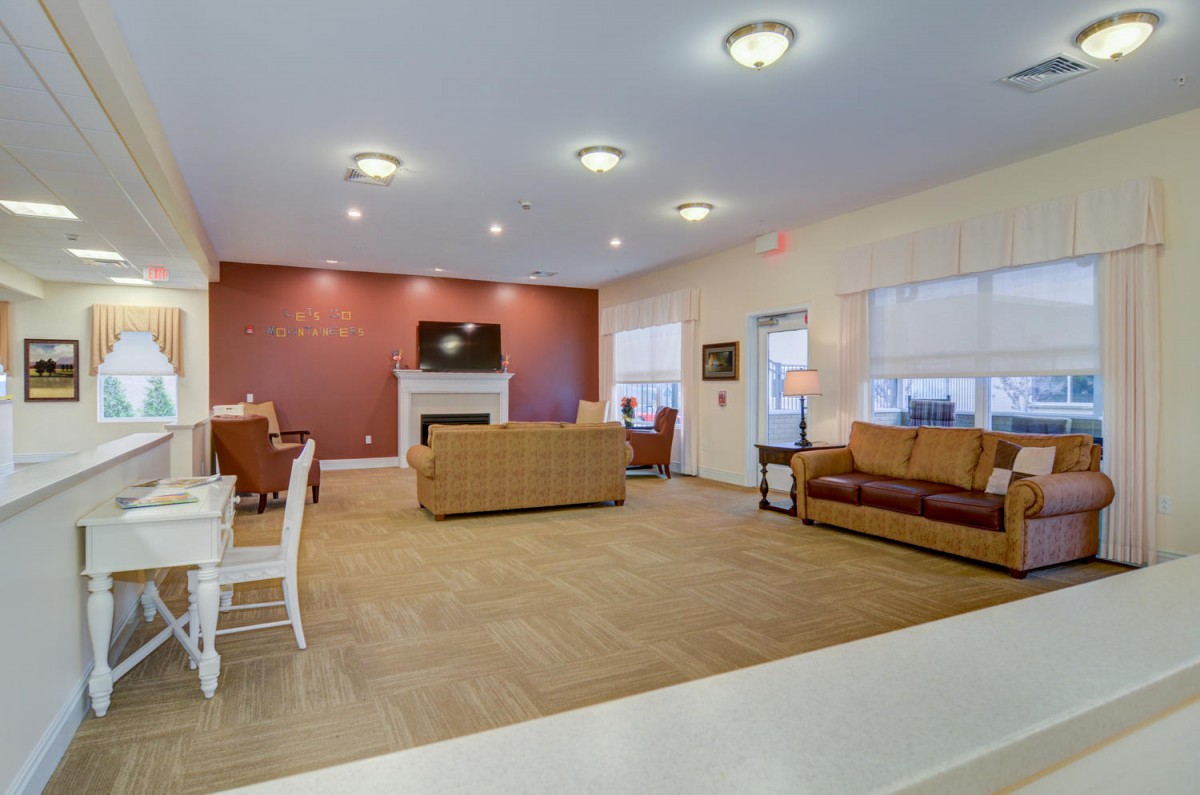
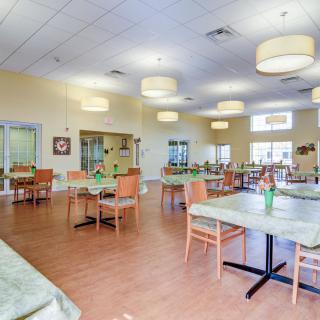
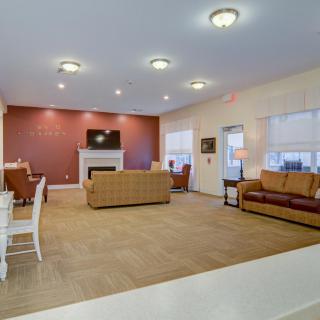
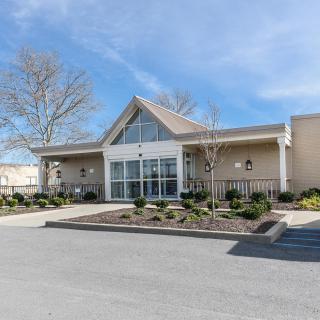
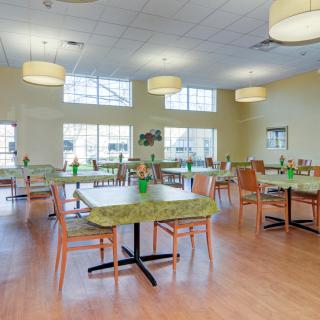
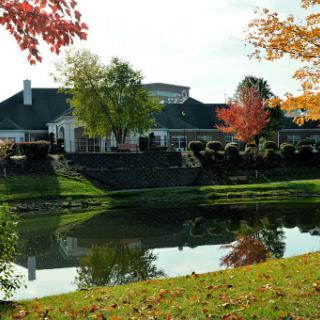
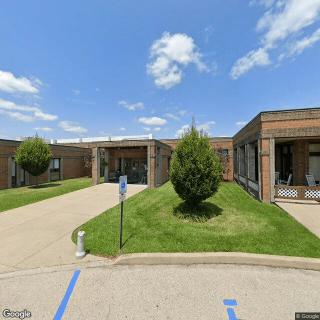
 The facility is extremely clean, welcoming, bright, and cheery.
- The staff are attentive and kind.
- Visiting is allowed at any hour, enabling family involvement.
- The rooms are nice and comfortable.
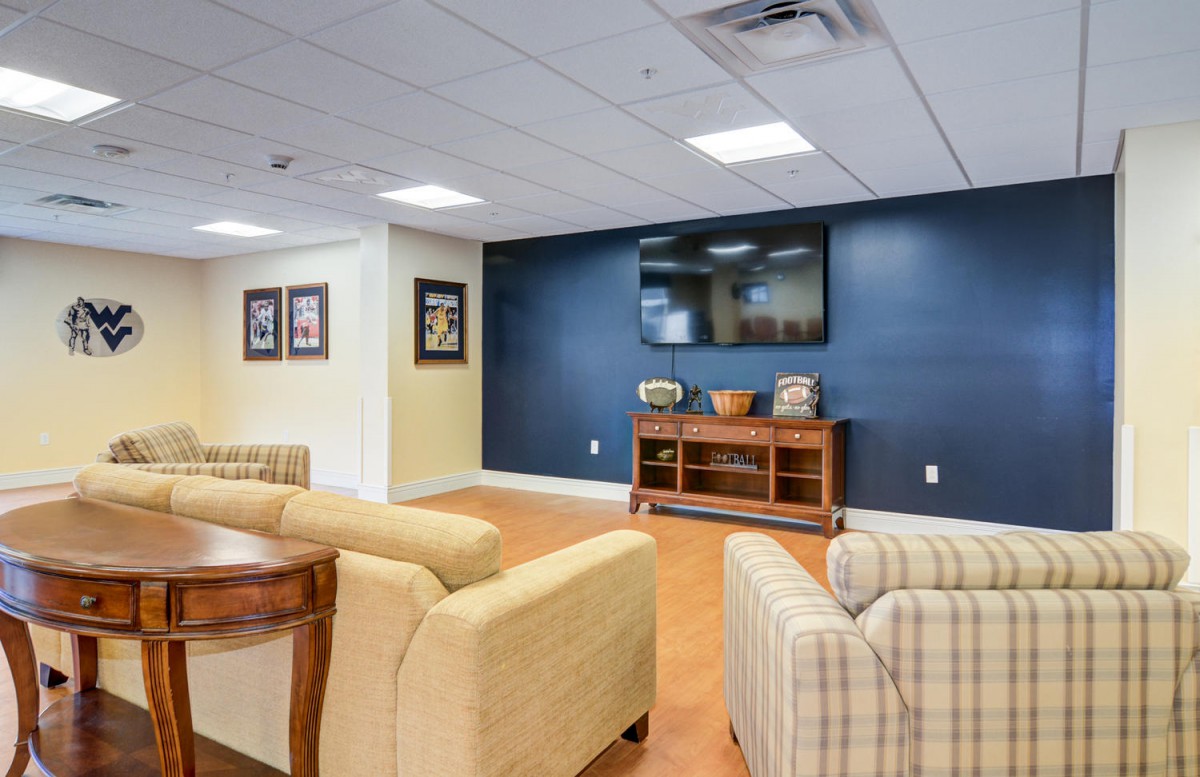
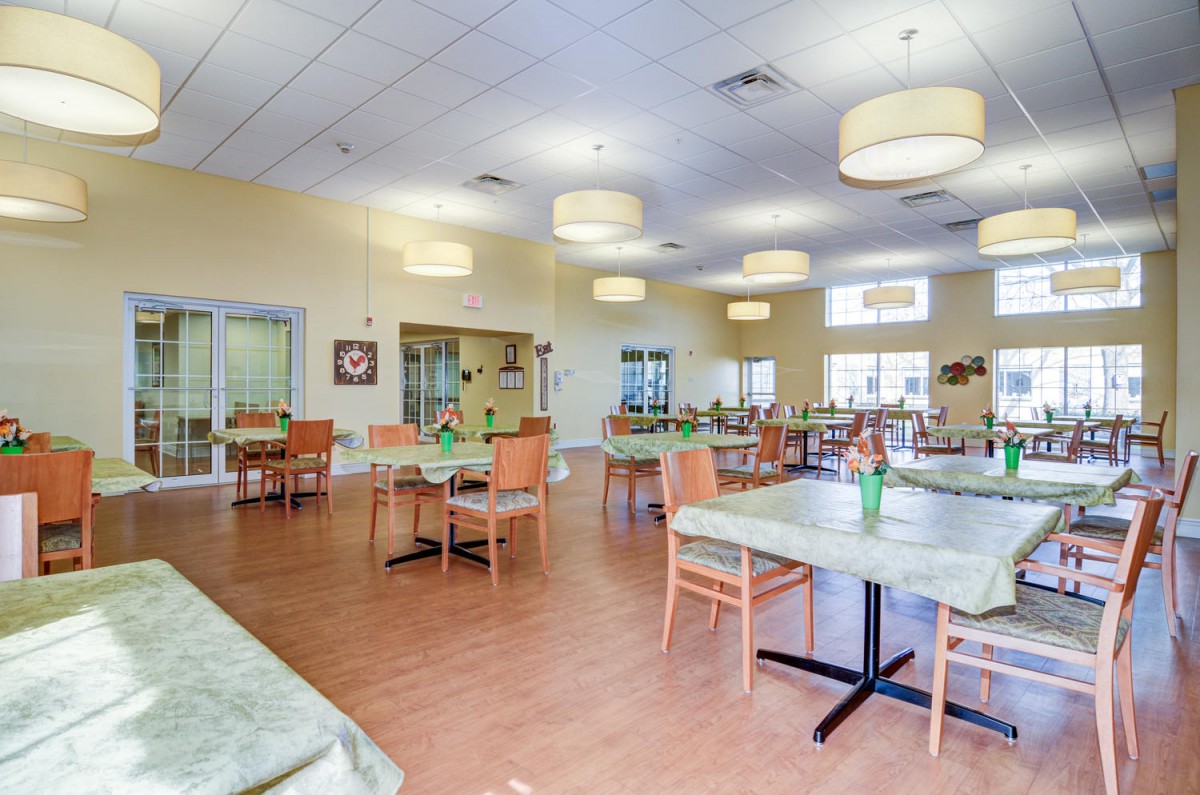
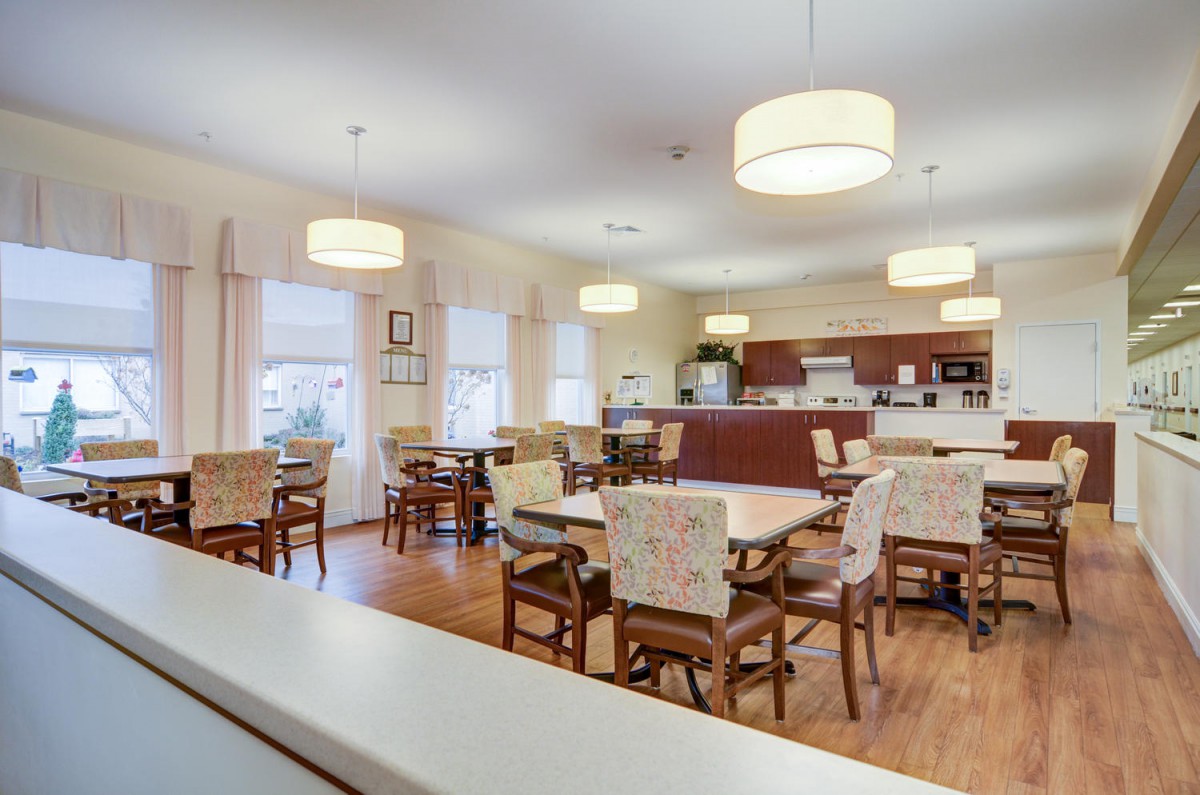
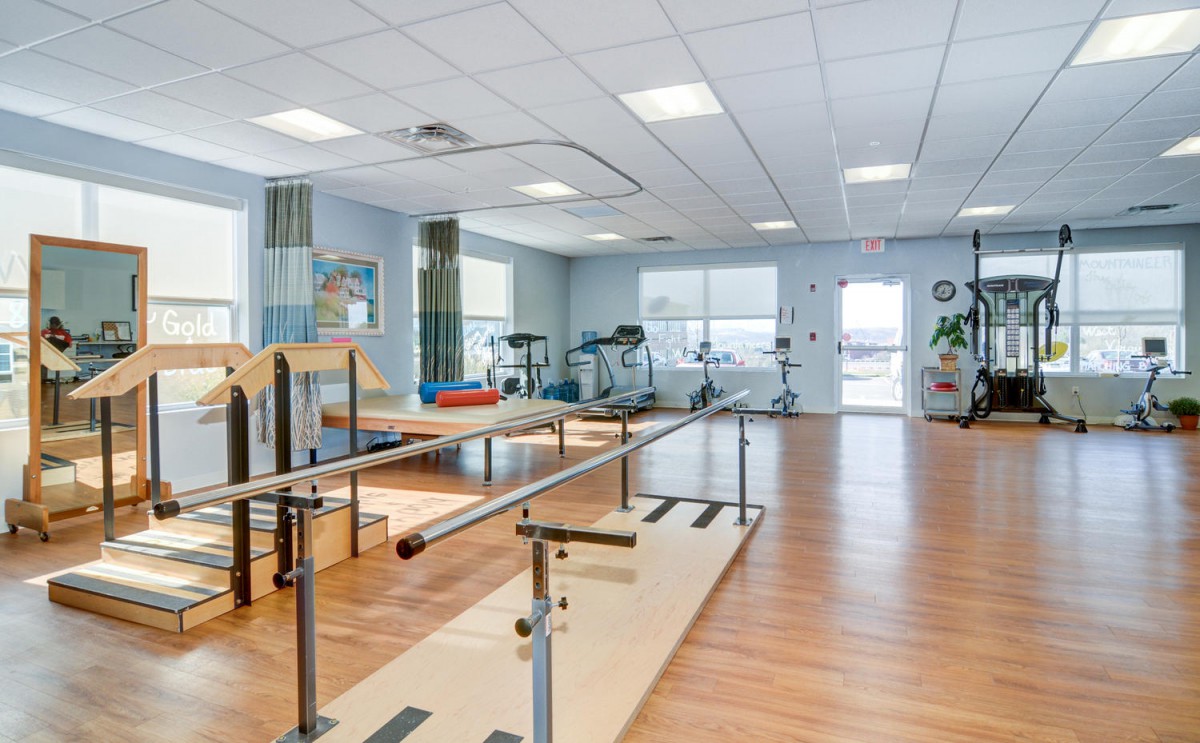
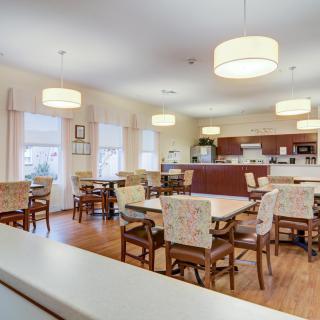
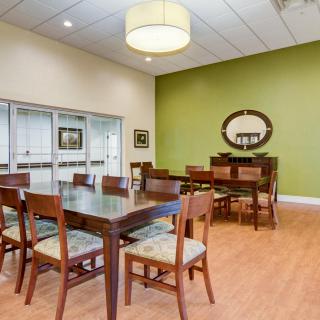
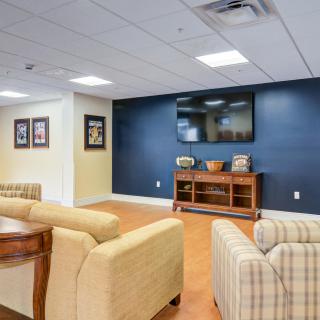
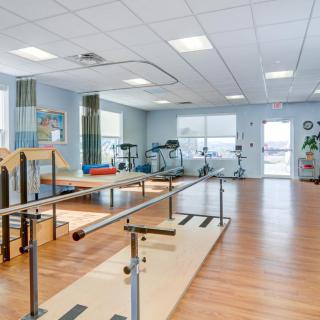
- The facility has a physical therapy area, a game room, and a dining room.
- The nursing staff are highly skilled, attentive, and compassionate.
- The therapists provide individualized, vigorous rehab in a kind and sometimes humorous environment.
- Residents are engaged in activities and feel well cared for.
Cons
 The staff are inattentive.
- Call lights stay on for long periods with no response.
- Some staff members chastise patients for having accidents and do not help them to the bathroom.
- The business manager is unprofessional, cold, and unsympathetic.
- There is a lack of empathy in how the business side is handled, with rude treatment of patients and families.
- The rehab program can be inconsistent, with patients not always receiving necessary treatment.
- The facility feels drab and offers too few activities for residents.
- The WIFI does not work in outer rooms.
Review
Mapleshire Nursing And Rehabilitation Center in Morgantown is best suited for seniors who need structured rehabilitation and want a clean, welcoming environment that supports social engagement. It serves well for post-acute recovery from surgeries, strokes, and similar events where on-site physical, occupational, and speech therapy is a central feature. Residents who value bright common spaces, a well-maintained building, and opportunities to mingle with peers will find the setting conducive to a positive mood and a measurable rehab arc. The facility’s calm, orderly atmosphere can bolster motivation during recovery, especially when therapy teams coordinate closely with families.
Those who may want to consider alternatives are individuals who require consistently responsive direct care and a dementia-focused program. Reviews highlight uneven attentiveness among frontline staff, with call lights sometimes left unanswered for extended periods and occasional confrontational or impersonal interactions from some staffers. The business-office experience also emerges as a concern for families seeking smooth financial and care coordination. Prospective residents who hinge on strong RN coverage, frequent one-on-one interaction, or highly consistent bedside attention should compare other options where medical staffing levels and communication protocols are more predictable.
The strongest pros at Mapleshire, its cleanliness, comfortable rooms, and purpose-built rehab spaces, often offset many concerns, at least in the short term. Families report a bright, welcoming environment where therapists are skilled, dedicated, and able to push hard during therapy sessions while maintaining a humane, sometimes lighthearted tone. The central social areas and activity menus help residents remain engaged, and the ability to access visiting family members around the clock supports emotional well-being. For residents transitioning from home to care, the combination of attentive rehab staff and a tidy, pleasant setting can translate into tangible gains and a sense of community.
Yet the main drawbacks tend to center on day-to-day care reliability and administrative interactions. Direct-care staffing patterns appear inconsistent, with reports of delayed help after call bells and limited 1:1 time with residents. The presence of licensed nurses and a regular physician visit is not consistently documented, which raises questions about acute-care readiness and ongoing medical oversight. Some families also report experiences with staff discipline in sensitive moments and a business-office demeanor that feels cold or unsympathetic. These factors can erode trust and comfort, especially for families navigating complex care needs or end-of-life planning.
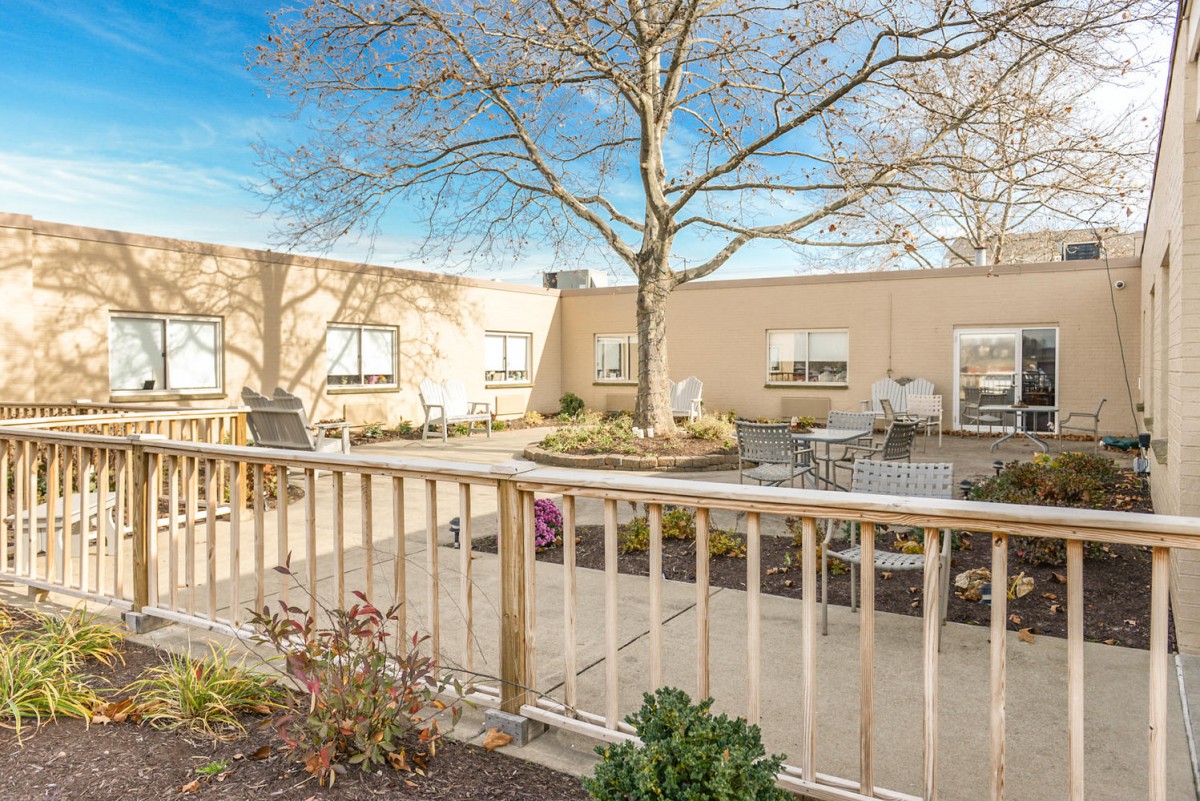
Environment and services beyond rehab remain solid strengths. The facility is described as clean and well-maintained, with an on-site therapy area, game room, and dining room that support socialization and structured activity. Food quality, however, is not universally praised, and menus may not align with every resident’s preferences; some residents experience variability in meal satisfaction and consistency. WiFi reliability in outer rooms is another logistical nuisance for tech-dependent families. Overall, the center provides on-site hospice and allied services through contractors, which broadens care options but can also introduce coordination challenges if not managed tightly.
In the final calculus, Mapleshire offers a practical, rehab-forward option for families prioritizing recovery outcomes, social engagement, and a clean, dignified setting. It is less ideal for those who cannot tolerate recurring questions about staffing reliability, call-light responsiveness, and care coordination, or for families needing robust dementia-specific programming and unwavering bedside attentiveness. The prudent path includes visiting with purpose: confirm RN and physician presence, review a week-long care plan, request detailed call-light response times, and observe therapy sessions and activity offerings firsthand. If the answers align with expectations, Mapleshire can be a strong fit; if not, backing away to alternatives with stronger medical staffing and more consistently empathetic communication is warranted.
 120 resident community capacity
 Skilled Nursing Facility
 Air-conditioning
 Beauty salon
 Cable or satellite TV
 Computer center
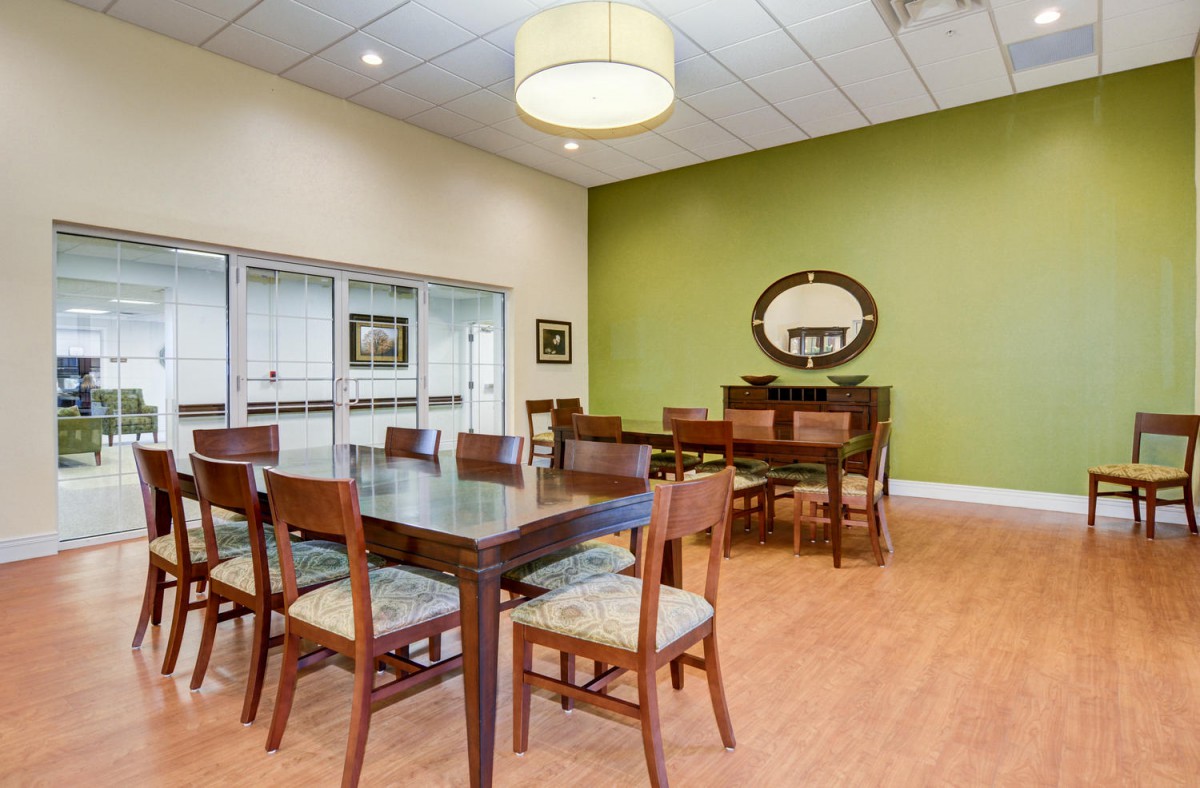
 Dining room
 Fitness room
 Fully furnished
 Gaming room
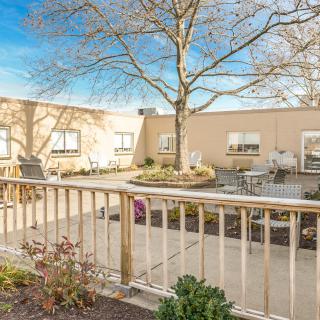
 Garden
 Housekeeping services
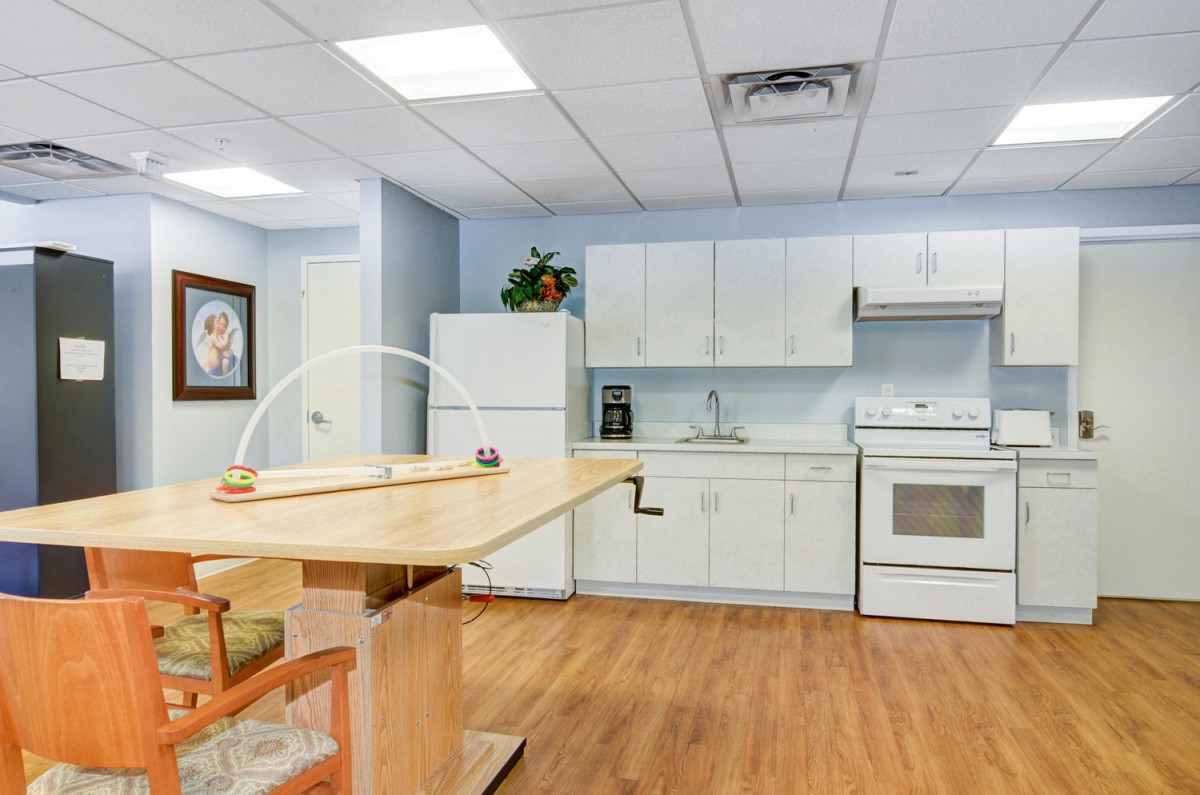
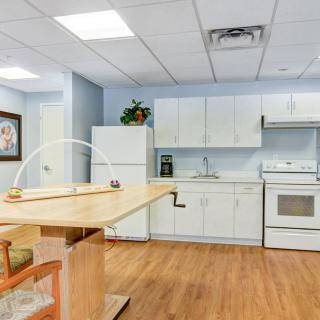
 Kitchenette
 Move-in coordination
 Outdoor space
 Private bathrooms
 Restaurant-style dining
 Small library
 Telephone
 Wellness center
 Wi-Fi/high-speed internet available
 Community operated transportation
 12-16 hour nursing
 24-hour call system
 Activities of daily living assistance
 Assistance with bathing
 Assistance with dressing
 Assistance with transfers
 Diabetes diet
 Medication management
 Mental wellness program
 Special dietary restrictions
 Concierge services
 Planned day trips
 Ten Vital Duties of a Senior Caregiver: A Comprehensive Guide
 9 Stimulating Memory Activities for Seniors: Puzzles, Cards, and Much More
 Managing Nursing Home Expenses After Medicare Coverage Ends