Richland Woods Assisted Living in Johnstown, PA

Save

Richland Woods Assisted Living in Johnstown, PA

Information last verified:

3324 Elton Rd, Johnstown, PA 15904

For more information about senior living options: (844) 490-3973

4.6 from 41 reviews
5 stars
35
4 stars
2
3 stars
0
2 stars
1
1 stars
3

Seniors.FYI Elite Community Awards

Top 5% Senior Living Community in 2025

Add this award to your website

Overall Review of Richland Woods Assisted Living

Pros

  • pro The staff at Richland Woods are truly amazing and caring.
  • pro Maria from Richland Woods took the time to research their situation and provided a generous resolution.
  • pro The administration staff guided families through transitions with patience, kindness, and knowledge.
  • pro The health care team, including nurses, med techs, and aides, are kind, patient, and consistently cheerful.
  • pro The dining hall staff and cooks prepare delicious meals with love, care, and patience.
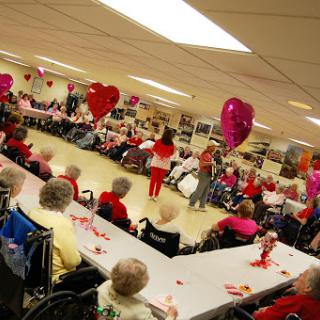
  • pro The Activity Director brings joy to residents and cares for them as if they were her own parents.
  • pro Field trips and activities are well thought out, fun, and engaging for everyone.
  • pro Residents form friendships and enjoy socializing in a welcoming community.
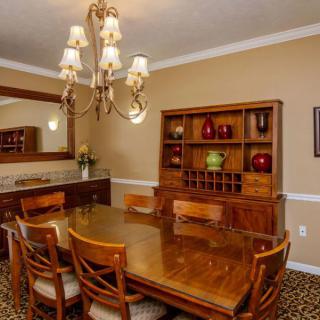
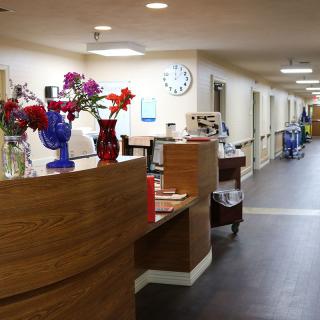
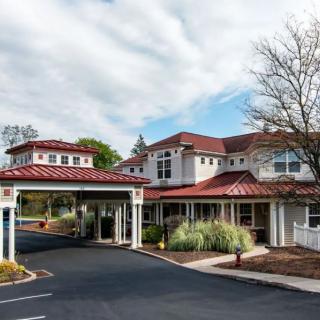
  • pro The facility is bright, clean, and feels like home.
  • pro The nursing staff is top-notch and professional.
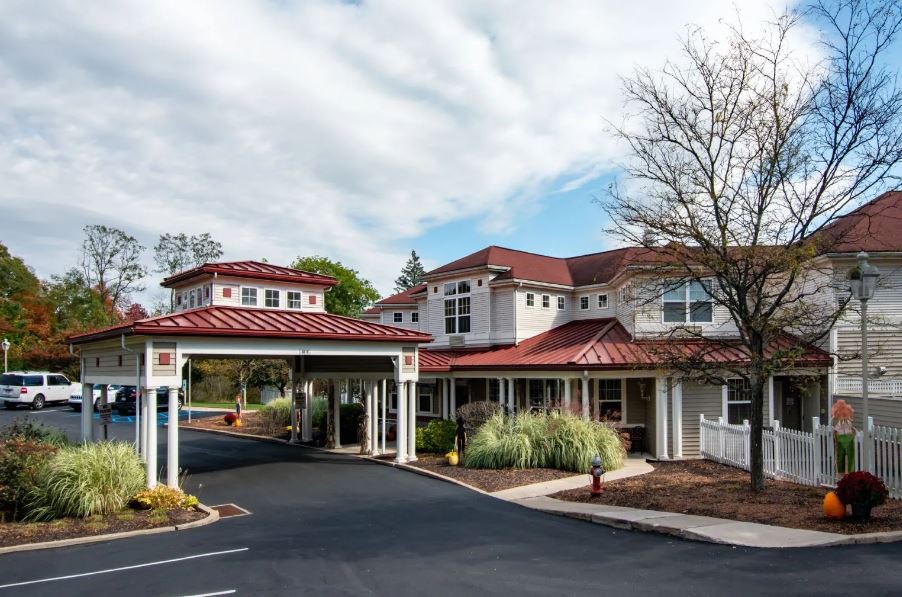
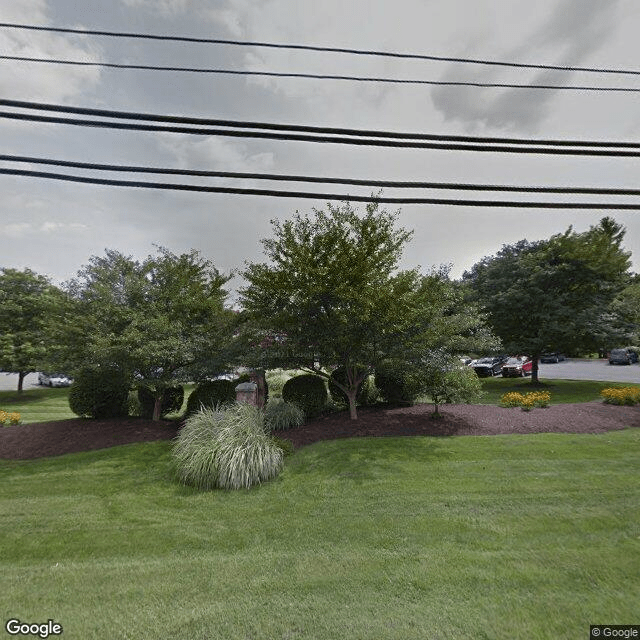
  • pro The grounds are gorgeous and well maintained.
  • pro Richland Woods provides transportation to appointments for its community members.

Cons

  • pro The reviewer alleges a large down payment was kept and a refund refused, with leadership offering no consideration and the situation described as a rip-off.
  • pro It is claimed the facility double-dipped by continuing to collect rent for a room after the resident’s death.
  • pro Reviewers express huge disappointment with the financial aspect and imply leadership prioritizes profit over residents’ well-being.
  • pro A warning is issued: do not send loved ones there, as the workers cannot be trusted.
  • pro There are reports that residents’ money and jewelry go missing, with little or no action taken to recover them.
  • pro Abuse was reportedly reported to authorities and the resident was subsequently kicked out.

Review

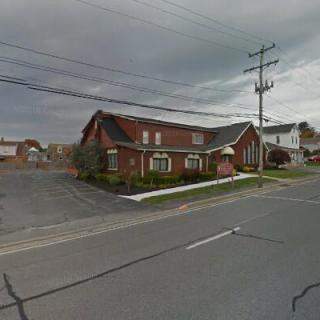
Richland Woods Assisted Living in Johnstown is best suited for seniors who want a warm, home-like environment with strong, consistent personal attention and a bustling, engagement-driven daily life. Families that value staff who know residents by name, transparent and frequent communication, and a community that prioritizes safety and social connection will find this setting a strong fit. The dining program registers regularly as a standout, restaurant-quality meals with staff ready to tailor options, and the campus itself feels clean, well-maintained, and inviting. For residents who thrive on an active schedule and rely on dependable 24/7 support, Richland Woods offers a practical, reliable home base where routines are predictable and care is embedded in everyday life. The layout, central dining, comfortable private apartments, pleasant outdoor spaces, supports easy navigation and a sense of belonging, reinforcing a perception of safety and stability. This is not the place for those seeking a highly specialized memory-care unit or a facility that minimizes cost through aggressive, nonstandard financial arrangements.

Those who should consider alternatives include families prioritizing memory-care isolation or highly specialized cognitive support, as Richland Woods does not operate a separate memory-care wing. Price-sensitive families or those wary of large upfront deposits and refund disputes may want to compare offerings and contract terms carefully, since several reviews discuss refunds and long-term financial arrangements in ways that feel contentious. For families concerned about security of valuables, a minority of accounts mention missing jewelry and calls for stronger controls, which means prospective residents with high-value personal items should probe safeguards and incident reporting. A few experiences describe administrative friction or disputes that escalate beyond typical concerns, so families seeking flawless consistency in management and policy enforcement might find it prudent to review alternatives. In short, this community works exceedingly well for many, but its fit narrows for those with strict budgetary constraints or a need for a dedicated security-first or memory-care environment.

On the upside, the core strengths here center on exceptional caregiving and a culture of kindness. Residents and families repeatedly highlight staff who are patient, attentive, and genuinely engaged in residents’ well-being, with nursing and direct-care teams delivering reliable, approachable support. Communication is often cited as a strength, with updates and accessibility that reduce the sense of isolation for families. The dining room earns frequent praise for quality and variety, and staff assistance ensures residents can navigate menus and portion sizes comfortably. The activity program is a standout feature: the life-enrichment team designs an expansive calendar, drama-free field trips, music, crafts, exercise, and seasonal celebrations, that keeps both mind and body challenged. Cleanliness, safety protocols, and a well-cared-for campus contribute to a tangible sense of comfort and pride in the environment. Taken together, these elements create a residence that feels personable and worthy of long-term consideration.

Yet, the downsides cannot be brushed aside. Financial friction appears as a recurring theme, with reports of large, upfront deposits and contentious discussions about refunds after a resident’s passing. This reality places a premium on transparent, written policies and proactive contract negotiation before move-in, and it argues for families to demand clarity on exit costs, refunds, and any “choice package” implications. Security concerns surface in a minority of reviews, including instances of missing personal items; while not universal, they underscore the need for thorough checks on safeguards, access controls, and regular reconciliation of resident belongings. There are also reports, though not universal, of administrative tensions or difficult responses in specific situations, suggesting that families should have direct conversations about escalation processes and consistency across care teams. These cautions, while meaningful, do not negate the overall quality of care but do demand proactive, documentation-driven decision-making.

When weighing pros against cons, Richland Woods presents a compelling value for families who align with its strengths and enter with clear expectations. The facility excels for residents who want meaningful social engagement, dependable 24/7 care, and a comfortable, restaurant-style dining experience. The staff’s ability to form genuine relationships and the breadth of daily programming translate into real peace of mind for families, transforming transitions from unsettling to stabilizing anchors in a long-term care plan. Financial considerations can be navigated with careful negotiations, explicit contract language, and a structured payment plan; the potential for friction diminishes when transparency is upfront and both sides share a clear understanding of costs and refunds. The risk of theft or abuse, while present as a possibility in some accounts, does not define the majority experience, yet it does justify meticulous due-diligence and ongoing conversations with administrators, residents, and peers. Used strategically, the strengths substantially outweigh the risks.

For families deciding between options, Richland Woods stands out as a practical, high-quality choice for seniors who prize an active, connected, and reassuring everyday environment. It is especially well suited for residents who value robust social life, strong routine, attentive caregivers, and dependable transportation to appointments. Those seeking a memory-care-specific setting, ironclad guarantees on refunds, or extremely tight financial controls should scrutinize alternatives and bring detailed contract questions to the table before committing. Prospective movers should schedule in-depth discussions with administration about policies, tour at different times to gauge consistency, and speak with current residents and their families about day-to-day experiences. When the expectations are matched with disciplined inquiry, Richland Woods can deliver ongoing comfort, companionship, and dependable care that families can rely on for years.

Features

Housing

  • 70 resident community capacity 70 resident community capacity

Types of Care

  • Assisted Living Assisted LivingAssisted living facilities provide crucial support and care for seniors who may need help with daily tasks such as medication management, bathing, and meal preparation. These communities offer a safe and comfortable environment where seniors can maintain their independence while receiving the assistance they need to thrive in their golden years.

Pets

  • Cats allowed Cats allowed"Pet friendly" senior living communities are important for seniors because pets provide companionship, reduce feelings of loneliness and depression, promote physical activity and mental stimulation, and offer a sense of purpose and responsibility. Pets can improve overall well-being and quality of life for seniors in many ways.
  • Dogs allowed Dogs allowed"Pet friendly" senior living communities are important for seniors because pets provide companionship, reduce feelings of loneliness and depression, promote physical activity and mental stimulation, and offer a sense of purpose and responsibility. Pets can improve overall well-being and quality of life for seniors in many ways.

Amenities

  • Activities on-site Activities on-siteActivities on-site are important for seniors because they provide opportunities for socialization, mental stimulation, physical activity, and overall well-being. Engaging in activities can help seniors stay active, maintain their independence, and improve their quality of life.
  • Air-conditioning Air-conditioningAir conditioning is important for seniors as they are more vulnerable to heat-related illnesses and may have underlying health conditions that make it difficult for them to regulate their body temperature. It helps to keep them comfortable, safe, and healthy in hot weather.
  • Beauty salon Beauty salonBeauty salons are important for seniors because they provide a space for them to feel pampered, socialize, and maintain their personal grooming and hygiene. Regular visits to a beauty salon can help boost seniors' self-esteem and overall well-being.
  • Cable or satellite TV Cable or satellite TVCable or satellite TV is important for seniors because it provides entertainment, news, and companionship, helping to combat loneliness and boredom. It also offers a wide range of programming options tailored to different interests and preferences.
  • Computer center Computer centerA computer center is essential for seniors as it provides access to technology, communication tools, and resources that can enhance their daily lives. It allows them to stay connected with loved ones, engage in online activities, and learn new skills, ultimately promoting socialization and mental stimulation.
  • Devotional services off-site Devotional services off-siteDevotional services off-site are important for seniors as they provide spiritual nourishment, social engagement, and a sense of community outside of the senior living facility. This can enhance overall well-being and help combat feelings of isolation and loneliness often experienced by older adults.
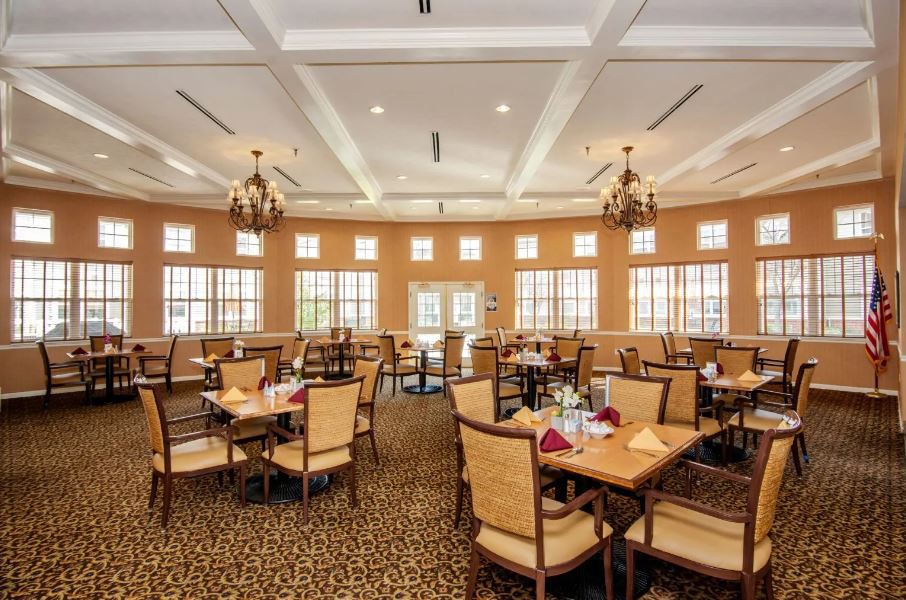
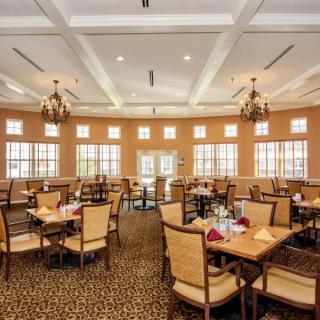
  • Dining room Dining roomDining rooms are important for seniors as they provide a space for socialization, connection, and nutritious meals. They offer opportunities for residents to bond over shared meals, foster a sense of community, and promote healthy eating habits. Dining rooms also ensure that seniors have access to well-balanced meals tailored to their dietary needs and preferences.
  • Fitness room Fitness roomHaving a fitness room in a senior living community is essential for seniors to stay active, maintain their physical health, and improve their overall well-being. Regular exercise can help prevent falls, reduce the risk of chronic diseases, and promote mental sharpness. It also provides social opportunities for residents to connect with others and enjoy a sense of community.
  • Fully furnished Fully furnishedFully furnished senior living communities are important for seniors because they provide convenience, comfort, and a hassle-free moving experience. Seniors can easily settle into their new living space without the stress of having to buy and move furniture. This allows them to focus on enjoying their new home and community.
  • Gaming room Gaming roomGaming rooms are important for seniors as they provide a fun and engaging environment for socializing, cognitive stimulation, and physical activity. Games can improve memory, problem-solving skills, and overall mental well-being while fostering friendships and reducing feelings of isolation.
  • Garden GardenGardens are important for seniors as they provide a peaceful and therapeutic environment for relaxation, physical activity, and socialization. Being in nature has been shown to reduce stress, improve mood, and promote overall well-being. Gardens also offer opportunities for seniors to engage in gardening activities, which can improve mobility, flexibility, and cognitive function. Additionally, gardens create a sense of community and connection with others who share a passion for plants and outdoor spaces.
  • Housekeeping services Housekeeping servicesHousekeeping services are important for seniors because they help maintain a clean and safe living environment, promote independence, and reduce the risk of accidents or illnesses. Additionally, having assistance with household chores can alleviate physical strain and allow seniors to focus on other aspects of their well-being.
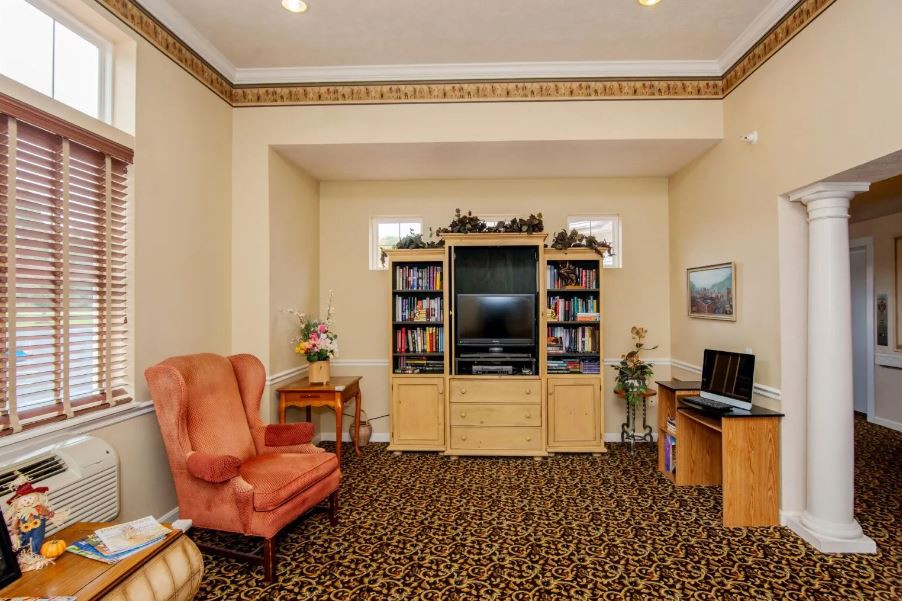
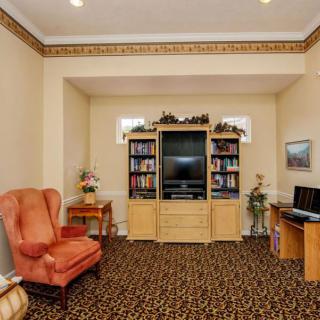
  • Indoor common areas Indoor common areasIndoor common areas are crucial for seniors as they provide a space for socialization, recreation, and community engagement, promoting overall well-being and reducing feelings of isolation and loneliness.
  • Kitchenette KitchenetteKitchenettes are important for seniors living in senior living communities because they provide the convenience and independence of being able to prepare simple meals and snacks in the comfort of their own living space. This can help promote a sense of autonomy and well-being for seniors, allowing them to maintain some level of control over their dietary choices and daily routines.
  • Move-in coordination Move-in coordinationMove-in coordination is important for seniors because it helps ease the transition into their new living environment. It ensures that all logistics, such as packing, organizing movers, and setting up utilities are taken care of, allowing seniors to focus on settling in and adjusting to their new home. Having a smooth move-in process can alleviate stress and anxiety, making the transition smoother and more enjoyable for seniors.
  • Outdoor space Outdoor spaceOutdoor spaces are important for seniors as they provide opportunities for physical activity, social interaction, exposure to natural light and fresh air, and a sense of connection to nature. Having access to outdoor spaces can improve overall well-being and quality of life for older adults living in senior communities.
  • Private bathrooms Private bathroomsPrivate bathrooms are important for seniors in senior living communities because they provide independence, dignity, and comfort. Having a private bathroom allows seniors to maintain their personal hygiene routines without the need for assistance, promoting a sense of autonomy and privacy. Additionally, private bathrooms help prevent the spread of infections and provide a safe and clean environment for seniors to navigate safely.
  • Restaurant-style dining Restaurant-style diningRestaurant-style dining is important for seniors because it allows them to enjoy delicious, nutritious meals in a social and upscale setting. This enhances their dining experience, promotes healthy eating habits, and fosters socialization with fellow residents, ultimately contributing to their overall well-being and quality of life.
  • Small library Small librarySmall libraries are important for seniors as they provide access to a variety of reading materials, including books, newspapers, and magazines. This can help stimulate their minds, keep them engaged, and provide a sense of community through book clubs and other social activities. Additionally, reading has been shown to improve cognitive function and overall mental well-being in older adults.
  • Telephone TelephoneTelephones are important for seniors as they provide a lifeline for communication with loved ones, emergency services, and healthcare providers. They offer a sense of security and independence, enabling seniors to stay connected and access assistance when needed.
  • Wellness center Wellness centerWellness centers are important for seniors because they offer a variety of programs and services that promote physical, mental, and emotional well-being. These centers provide opportunities for exercise, socialization, education, and relaxation, helping seniors maintain their overall health and quality of life.
  • Wi-Fi/high-speed internet available Wi-Fi/high-speed internet availableWi-Fi/high-speed internet is important for seniors to stay connected with loved ones, access online resources, and participate in virtual activities to combat feelings of loneliness and isolation. It also allows them to easily manage healthcare needs, access entertainment, and engage in lifelong learning opportunities.

Transportation

  • Community operated transportation Community operated transportationCommunity operated transportation is crucial for seniors as it provides them with the means to access essential services, social activities, and medical appointments. It allows seniors to maintain their independence and quality of life by ensuring they can participate in activities outside of their homes. Additionally, community-operated transportation services offer a safe and reliable way for seniors to travel without having to rely on family or friends for assistance.
  • Transportation arrangement Transportation arrangementTransportation arrangements are crucial for seniors as they may face challenges with driving, mobility, or access to public transportation. Having reliable transportation services ensures that seniors can easily attend appointments, social activities, and maintain their independence and quality of life.

Care Services

  • 24-hour call system 24-hour call system24-hour call systems are important for seniors because they provide peace of mind and immediate assistance in case of emergencies. This technology ensures that help is always available, promoting safety and security for elderly individuals living alone or in assisted living facilities.
  • 24-hour supervision 24-hour supervision24-hour supervision is important for seniors to ensure their safety, well-being, and access to immediate assistance in case of emergencies or health issues. This constant support provides peace of mind for both seniors and their loved ones, allowing them to age in place with dignity and security.
  • Activities of daily living assistance Activities of daily living assistanceActivities of daily living assistance are important for seniors because they provide essential support with tasks such as eating, bathing, dressing, and mobility. This assistance helps seniors maintain their independence, dignity, and overall quality of life as they age.
  • Ambulatory care Ambulatory care"Ambulatory care services provide essential medical support and treatment to seniors without requiring hospitalization, allowing them to maintain their independence and quality of life while managing chronic conditions or receiving routine medical care."
  • Assistance with bathing Assistance with bathingAssistance with bathing is crucial for seniors as it helps maintain personal hygiene, prevents infections, and ensures their overall well-being and comfort. It also provides a sense of dignity and independence for seniors who may struggle with this task on their own.
  • Assistance with dressing Assistance with dressingAssistance with dressing is important for seniors because it helps maintain their independence, promotes personal hygiene, prevents accidents and injuries, and improves overall quality of life. This service ensures that seniors can continue to dress comfortably and confidently, despite any physical limitations they may have.
  • Assistance with transfers Assistance with transfersAssistance with transfers is crucial for seniors as it helps prevent falls and injuries, maintains their independence, and ensures they can safely navigate their living environment. It also provides peace of mind for both seniors and their loved ones.
  • Diabetes diet Diabetes dietA diabetes diet is crucial for seniors as it helps manage blood sugar levels, reduce risks of complications, and improve overall health and well-being. By following a balanced and nutritious diet tailored to their specific needs, seniors can better control their diabetes and enhance their quality of life.
  • Diabetic care Diabetic careDiabetic care is crucial for seniors as they are more susceptible to developing diabetes due to aging and other health conditions. Proper management of diabetes can help prevent complications such as heart disease, vision loss, and nerve damage, improving the overall quality of life for seniors in senior living communities.
  • Meal preparation and service Meal preparation and serviceMeal preparation and service are crucial for seniors as they may have limited mobility or energy to cook nutritious meals. Having access to healthy and convenient food options can ensure they are getting the proper nutrition needed to maintain their overall health and well-being.
  • Medication management Medication managementMedication management is crucial for seniors to ensure they are taking the right medications at the correct dosages and times. This helps prevent adverse drug interactions, reduces the risk of medication errors, and promotes overall health and well-being. Proactive management also allows for adjustments as needed based on changing health conditions or new prescriptions.
  • Special dietary restrictions Special dietary restrictionsSpecial dietary restrictions are important for seniors because age-related changes in metabolism and health conditions can make it difficult for their bodies to process certain foods. By following a diet tailored to their specific needs, seniors can maintain their overall health and well-being, manage chronic conditions, and reduce the risk of complications such as malnutrition or food interactions with medications.

Dining

  • Diabetes diet Diabetes dietA diabetes diet is crucial for seniors as it helps manage blood sugar levels, reduce risks of complications, and improve overall health and well-being. By following a balanced and nutritious diet tailored to their specific needs, seniors can better control their diabetes and enhance their quality of life.
  • Meals provided Meals provided"Meals provided" are crucial for seniors in assisted living communities as it ensures they have access to nutritious, balanced meals without the stress of meal planning and preparation. This can help promote overall health and well-being for seniors who may have limited mobility or cognitive abilities.
  • Special dietary restrictions Special dietary restrictionsSpecial dietary restrictions are important for seniors because age-related changes in metabolism and health conditions can make it difficult for their bodies to process certain foods. By following a diet tailored to their specific needs, seniors can maintain their overall health and well-being, manage chronic conditions, and reduce the risk of complications such as malnutrition or food interactions with medications.

Activities

  • Activities on-site Activities on-siteActivities on-site are important for seniors because they provide opportunities for socialization, mental stimulation, physical activity, and overall well-being. Engaging in activities can help seniors stay active, maintain their independence, and improve their quality of life.
  • Community-sponsored activities Community-sponsored activitiesCommunity-sponsored activities are important for seniors as they provide opportunities for social interaction, mental stimulation, and physical activity. These activities can help improve overall well-being, combat loneliness and isolation, and promote a sense of belonging and purpose among older adults.
  • Concierge services Concierge servicesConcierge services are essential for seniors as they provide assistance with daily tasks and errands, enhance their quality of life by offering convenience and personalized care, and promote a sense of safety and security.
  • Devotional activities offsite Devotional activities offsiteDevotional activities offsite are important for seniors because they provide social engagement, spiritual growth, and a sense of community outside of their living environment. This can improve overall well-being, mental health, and combat feelings of isolation or loneliness.
  • Fitness programs Fitness programsFitness programs are crucial for seniors as they help improve strength, flexibility, balance, and overall well-being. Staying active can reduce the risk of chronic diseases, improve mental health, and enhance quality of life in older adults.
  • Planned day trips Planned day tripsPlanned day trips are important for seniors because they offer opportunities for socialization, mental stimulation, and physical activity. They provide a change of scenery and help seniors stay engaged and connected to their community, promoting overall well-being and quality of life.
  • Resident-run activities Resident-run activitiesResident-run activities are important for seniors as they encourage social interaction, creativity, and a sense of autonomy. These activities empower seniors to stay engaged and active in their community while fostering meaningful connections with their peers.
  • Scheduled daily activities Scheduled daily activitiesScheduled daily activities are important for seniors because they provide structure, socialization, mental stimulation, and physical activity. Engaging in regular activities can improve overall well-being and quality of life for seniors living in a community setting.

Description

Richland Woods Assisted Living, located in Johnstown, PA, is a vibrant and welcoming community that offers exceptional care for seniors in need of assistance. Our dedication to providing a comfortable and fulfilling lifestyle is reflected in our extensive list of amenities and services.

For those seeking spiritual guidance and connection, we offer devotional services off-site, providing residents with the opportunity to nurture their faith and participate in meaningful religious activities. Our indoor common areas provide a cozy atmosphere where residents can socialize, relax, or engage in various recreational activities.

At Richland Woods Assisted Living, we understand the unique needs of individuals managing diabetes. Our specialized care services include diabetic care, ensuring that residents receive personalized assistance in monitoring their condition and maintaining a healthy lifestyle.

Staying engaged and active is crucial for our residents' overall well-being. We organize devotional activities offsite for those seeking spiritual enrichment beyond our community. Additionally, our prime location in Johnstown offers numerous cafes, parks, pharmacies, physicians' offices, restaurants, transportation options, places of worship, theaters nearby – all easily accessible to enhance the convenience and enjoyment of daily life.

With 37 nearby restaurants offering a variety of culinary delights and three cafes just a short distance away from our community's doorstep, residents can explore new flavors or enjoy favorite dishes at their leisure. Nature lovers will appreciate the proximity of one beautiful park where they can take peaceful walks or simply bask in its serene surroundings.

Ensuring access to healthcare professionals is crucial for senior living facilities. With 26 physicians located within close proximity to our community and three hospitals nearby for any medical emergencies or specialized care needs, residents can feel secure knowing that reliable healthcare services are readily available.

At Richland Woods Assisted Living in Johnstown PA , we strive to create an environment that supports independence while providing the necessary support for a fulfilling lifestyle. Come experience the warm hospitality and exceptional care that makes us stand out as a premier assisted living community.

Nearby Places of Interest

This part of Johnstown, Pennsylvania offers a convenient and diverse range of amenities that could make it an attractive option for senior living. With several cafes, restaurants, theaters, and pharmacies within close proximity, residents would have easy access to dining options, entertainment venues, and healthcare services. The area also boasts a few hospitals nearby for medical emergencies or routine check-ups. Places of worship are scattered throughout the neighborhood, catering to varying religious preferences. Additionally, the presence of a local airport and transportation services ensures easy travel for seniors who may want to visit family or explore nearby areas. Parks in the vicinity provide opportunities for outdoor activities and relaxation. Overall, this area provides a well-rounded community with essential facilities that cater to the needs of older adults looking for a comfortable and convenient living environment in Johnstown.

Cafes

  • Panera Bread (0.3 miles)
  • Starbucks (0.5 miles)
  • The Morning Grind (4.8 miles)
  • Flood City Cafe (5.2 miles)

Theaters

  • Richland Cinemas (0.4 miles)
  • Silver Drive-In (1.4 miles)

Physicians

  • Conemaugh Memorial Medical Center (0.5 miles)
  • Associates In Family Eyecare (0.5 miles)
  • Griesheimer Patricia Nulton Diagnostic (0.6 miles)
  • Laurel Eye Clinic (0.6 miles)
  • Univ of Pittsburgh Med Center (0.7 miles)
  • Ear Nose & Throat Associates Of Johnstown (0.7 miles)
  • Laurel Kidney Specialists PC (0.7 miles)

Restaurants

  • Chili's Grill & Bar (0.5 miles)
  • It's Just Wings (0.5 miles)
  • Denny's (0.5 miles)
  • Subway (0.9 miles)
  • Firehouse Subs (1.1 miles)
  • Main Moon Chinese Restaurant (1.1 miles)
  • Taco Bell (1.1 miles)

Pharmacies

  • Genoa Healthcare (0.6 miles)
  • Rite Aid (1.1 miles)
  • East Hills Family Pharmacy (1.4 miles)
  • Rite Aid (2.1 miles)
  • Randy's Bilo Foods (3 miles)
  • Rite Aid (3 miles)
  • Rite Aid (4.2 miles)

Hospitals

  • James E Van Dandt VA clinic (1.1 miles)
  • Windber Medical Center (2.5 miles)
  • Conemaugh Memorial Medical Center (4.7 miles)

Places of Worship

  • Crossroads Community Church (1.2 miles)
  • Faith Chapel (1.8 miles)
  • St Benedict Church (2.4 miles)
  • Scalp Level Church of the Brethren (2.6 miles)
  • St Patrick's Church Rectory (4.1 miles)
  • St Vincent De Paul Caring Ministries (4.7 miles)
  • St Clare Of Assisi Church Hall (5.2 miles)

Transportation

  • John Murtha Johnstown-Cambria County Airport (2.9 miles)
  • Ken Lantzy All Star Game (5.2 miles)
  • CamTram (5.3 miles)

Parks

  • Lorain Park (3.2 miles)
  • Roxbury Park (5 miles)

Frequently Asked Questions

Where is Richland Woods Assisted Living?
Does Richland Woods Assisted Living allow residents to have pets?
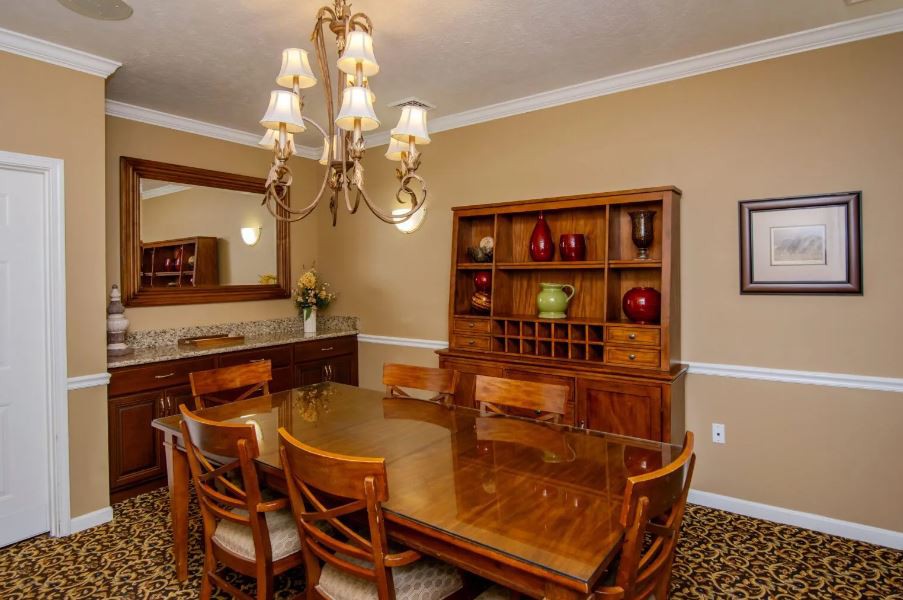
What photos are available for Richland Woods Assisted Living in Johnstown, Pennsylvania?

Nearby Communities

  • Golden LivingCenter - Richland

    Golden LivingCenter - Richland

    Johnstown, PA

    4.1 from 91 reviews
    $5,759 to $6,006 / month

    pro Near abundant amenities (restaurants, parks, healthcare, worship, theaters) with private rooms.

  • Richland Healthcare And Rehabilitation Center

    Richland Healthcare And Rehabilitation Center

    Johnstown, PA

    4.1 from 81 reviews
     

    pro Comprehensive care and on-site amenities (24/7 supervision, ADL assistance, medication management, private apartments with kitchenettes, restaurant-style dining, and transportation services).

  • Rosewood Personal Care Home

    Rosewood Personal Care Home

    Johnstown, PA

    4.5 from 4 reviews
    $1,500 to $2,100 / month

    pro Attentive staff; good dining; clean facilities.

  • St Jude S Haven Personal Home

    St Jude S Haven Personal Home

    Johnstown, PA

    4 from 7 reviews
     

    pro Warm, home-like board-and-care with comprehensive daily living support and on-site amenities.

  • Harmony House Manor

    Harmony House Manor

    Johnstown, PA

    3.3 from 23 reviews
     

    pro Home-like, quiet atmosphere with compassionate staff and clear communication with management.

  • Arbutus Park Manor

    Arbutus Park Manor

    Johnstown, PA

    4.2 from 96 reviews
     

    pro Continuum of care (CCRC) with 24/7 supervision and restaurant-style dining.

  • Arbutus Park Retirement Comm

    Arbutus Park Retirement Comm

    Johnstown, PA

    4.2 from 95 reviews
     

    pro Peaceful retirement community with extensive nearby healthcare, dining, and spiritual resources.

  • The Villa Personal Care Home

    The Villa Personal Care Home

    Johnstown, PA

    4.9 from 9 reviews
    $3,255 / month

    pro Engaging daily activities and a warm, home-like environment with attentive staff.

  • Quality Life Services- Westmont

    Quality Life Services- Westmont

    Johnstown, PA

    3.1 from 16 reviews
     

    pro Continuum of care (CCRC) with assisted living, respite, and skilled nursing.

Related Resources

  • assisted living costUnderstanding the True Cost of Assisted Living in 2025: A Comprehensive Guide

    Assisted living in 2025 offers a crucial balance of independence and support for seniors, with costs varying from $2,500 to over $7,000 per month based on factors such as location and care level. Understanding pricing complexities, including regional differences and potential hidden fees, is essential for families to plan financially while ensuring quality care for their loved ones.

  • does medicaid pay for assisted livingUnderstanding Medicaid Coverage for Assisted Living: A Comprehensive Guide

    The guide outlines the complexities of Medicaid coverage for assisted living, highlighting significant state-to-state variations, limited coverage often restricted to personal care services, and the existence of specialized waivers for certain needs like memory care. It advises families to consult local Medicaid offices for options while emphasizing the importance of understanding state-specific regulations and facility policies.

  • does medicaid pay for assisted livingHow and When Medicaid May Cover Assisted Living Costs
    Medicaid coverage for assisted living varies by state and is primarily available to low-income individuals, with eligibility dependent on strict income and asset limits. Some states offer HCBS waivers for specific services in assisted living, but families must generally cover room and board costs, and should verify facility acceptance of Medicaid while considering potential waiting lists.