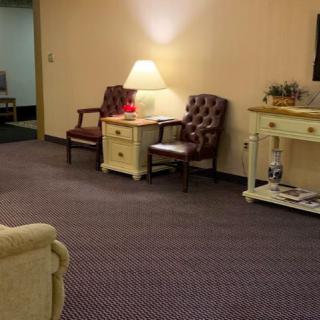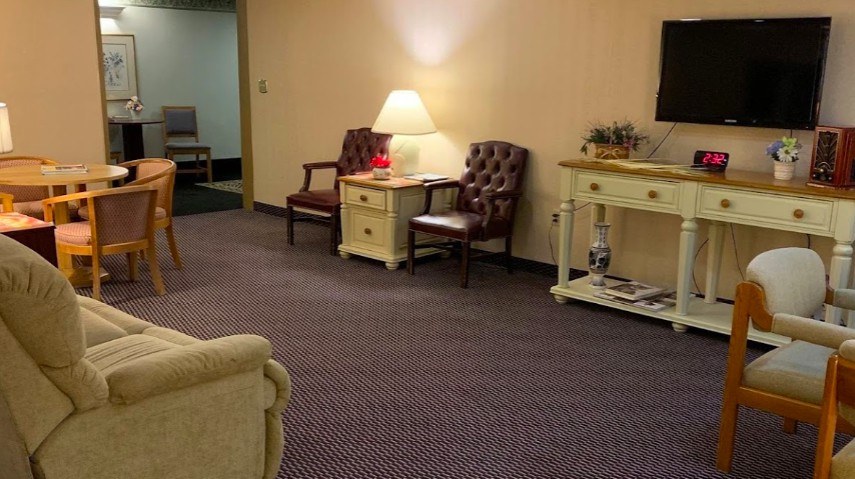
122 Carwyn Drive, Johnstown, PA 15904
For more information about senior living options: (866) 208-4318
Rosewood Personal Care Home Costs & Pricing
Rosewood Personal Care Home offers competitive pricing for its residents, particularly when compared to both Cambria County and broader Pennsylvania averages. For semi-private accommodations, the cost at Rosewood is $1,500 per month, significantly lower than the county average of $2,548 and the state average of $3,542. Similarly, the studio option at Rosewood is priced at $2,100, which again stands out favorably against Cambria County's average of $2,892 and Pennsylvania's average of $3,737. These figures highlight Rosewood's commitment to providing affordable personal care options without compromising on quality or comfort.
| Floor plans | Rosewood Personal Care Home | Cambria County | Pennsylvania |
|---|---|---|---|
| Semi-Private | $1,500 | $2,548 | $3,542 |
| Studio | $2,100 | $2,892 | $3,737 |
Overall Review of Rosewood Personal Care Home
Pros
 The staff are very attentive to the needs of the residents.
- The dining service and meals are very good with a lot of variety.
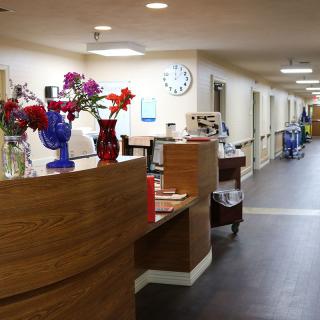
- The rooms, dining room, and all aspects of the home are well maintained.
- The facility was very clean.
- The physical therapy department was top notch.
- The meals were fabulous.
- The residents had everything they needed to be comfortable.
Cons
 The level of care wasn't there.
- They were severely understaffed, and the level of safety was a major concern.
Review
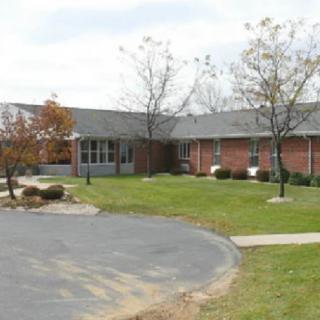
Rosewood Personal Care Home in Johnstown is best suited for seniors who want a warm, home-like setting where attentiveness and cleanliness are non-negotiable. Families with residents who primarily need daily assistance, supervision, and reliable meal service will find this community a dependable match. The reviews consistently emphasize staff responsiveness and a dining program described as varied and satisfying, all within a well-kept environment. For those prioritizing a smaller, personable atmosphere over a sprawling campus, Rosewood offers the kind of predictable routine and approachable care that reduces daily friction and helps residents feel comfortable and connected.
At the same time, this community is not the first pick for residents with higher acuity needs or strict safety expectations. Alternatives should be considered whenever there is a likelihood of requiring intensive, round-the-clock supervision, complex medical management, or memory-care specialized support. Larger assisted living settings or facilities with dedicated memory-care wings often deliver higher staffing ratios, more robust monitoring, and on-site rehabilitation options. Prospective residents should verify Rosewood’s ability to meet planned care levels and compare those capabilities against options that emphasize stronger clinical oversight and safety infrastructure.
The strongest positives center on the human touch and daily livability. The staff’s attentiveness and willingness to answer questions create a sense of reassurance for families and residents alike. The dining service stands out as a real strength, with meals described as plentiful and varied enough to sustain interest and appetite. Cleanliness and maintenance are consistently noted, with orderly rooms and social spaces contributing to a respectful, orderly daily rhythm. Taken together, these factors translate into fewer day-to-day hassles and a steadier sense of normalcy for residents who value dependable routines.
A notable caveat appears in a care-quality thread tied to a facility with a similar name. While the Rosewood setting is praised for cleanliness and pleasant environments, concerns about understaffing and the resulting impact on care depth and safety are highlighted by some reviewers. This warning is practical: if assistance requests are not met promptly or if supervision appears stretched during busy periods, the overall experience can feel compromised. Prospective families should probe staffing levels, shift coverage, and the real-world execution of care plans during peak times to determine whether the environment can sustain the expected care intensity.
When the favorable elements are paired with solid staffing and effective coordination, Rosewood’s advantages can significantly outweigh its potential drawbacks. The combination of engaged, responsive caregivers, a strong dining program, and a tidy, welcoming setting reduces stress for residents and families alike and supports a dignified daily life. The caveat about staffing underscores the need for honest, data-driven inquiries: confirm current ratios, the availability of on-site nursing support, and how care plans are adjusted as resident needs evolve. In short, the pros matter, and they matter most when they align with reliable, around-the-clock care capabilities.
In sum, Rosewood Personal Care Home stands out as a practical, dependable option for seniors who prize attentiveness, cleanliness, and a solid dining program within a modestly sized, home-like setting. It is particularly well-suited for residents who require steady daily assistance but do not demand intensive medical care or specialized memory support. Families with residents who may need robust safety oversight or advanced rehabilitation should approach with diligence, requesting up-to-date staffing data, care-coordination details, and clear pathways for escalating care if needs intensify. If those metrics check out, Rosewood represents a trustworthy choice; if they do not, it is prudent to explore alternatives that explicitly emphasize higher levels of supervision and clinical support.
 55 resident community capacity
 Studio apartments
 Assisted Living
 Memory Care
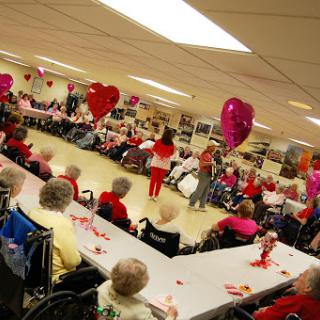
 Activities on-site
 Air-conditioning
 Beauty salon
 Cable or satellite TV
 Computer center
 Devotional services off-site
 Dining room
 Fitness room
 Fully furnished
 Gaming room
 Garden
 Housekeeping services
 Indoor common areas
 Kitchenette
 Move-in coordination
 Outdoor space
 Party space
 Private bathrooms
 Restaurant-style dining
 Small library
 Telephone
 VA Benefits Consultation
 Wellness center
 Wi-Fi/high-speed internet available
 Community operated transportation
 12-16 hour nursing
 24-hour call system
 Ambulatory care
 Assistance with bathing
 Assistance with dressing
 Assistance with transfers
 Diabetes diet
 Diabetic care
 Medication management
 Mental wellness program
 Special dietary restrictions
 Concierge services
 Games
Games Planned day trips
 English


 Dementia, Paranoia, and Caregiver Guidance: Understanding the Connection
 Engaging Memory Care Activities That Enhance Quality of Life
 When to Transition from Assisted Living to Memory Care: Key Indicators, Steps, and Finding the Right Community