Quality Life Services- Westmont in Johnstown, PA

Save

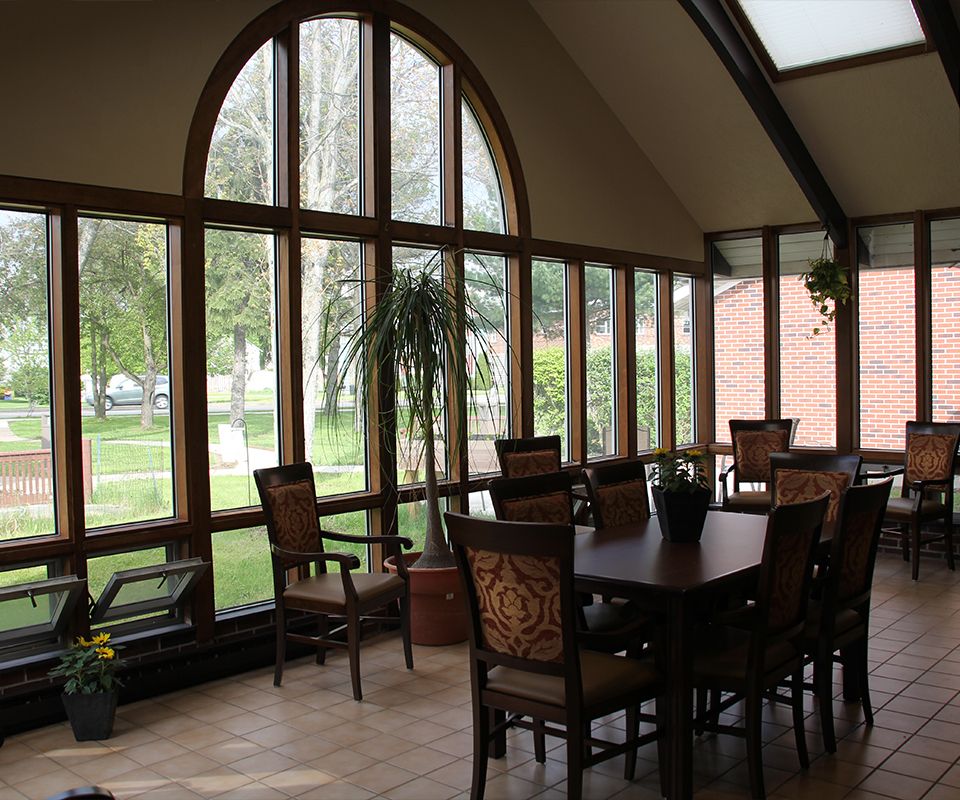
  • Interior

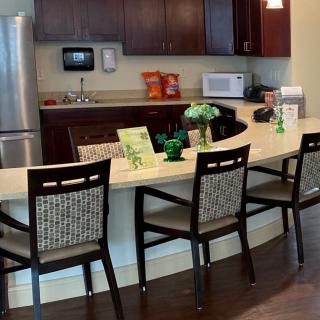
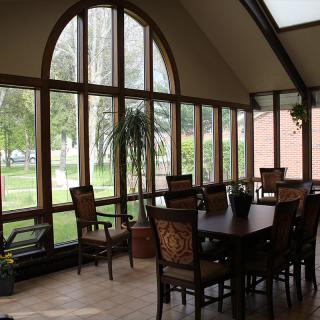
    A sunlit dining area with large windows and wooden furniture.
  • Outdoors

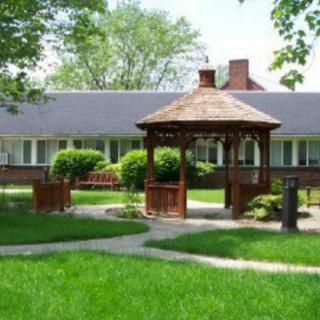
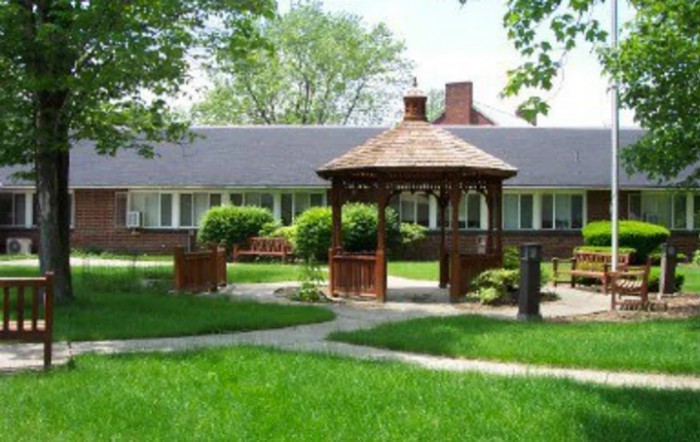
    A charming gazebo in a lush garden with a house in the background.
  • Decor

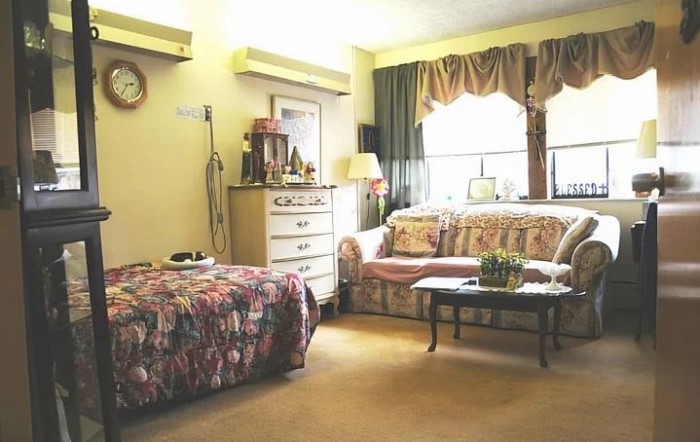
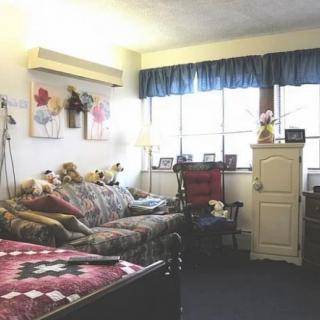
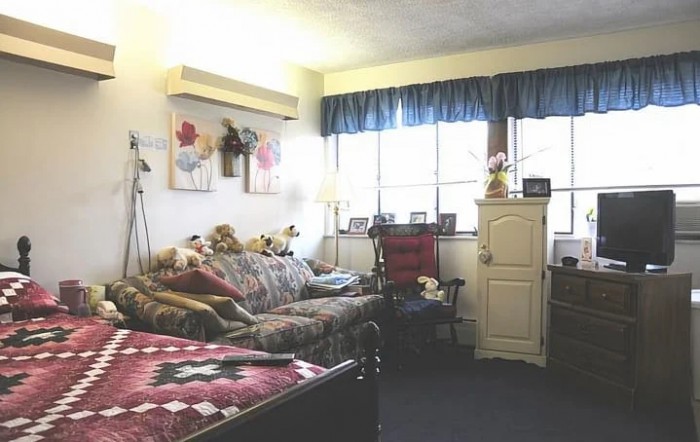
    A cozy bedroom with a bed, sofa, and dresser in a warmly lit atmosphere.
  • Living Room

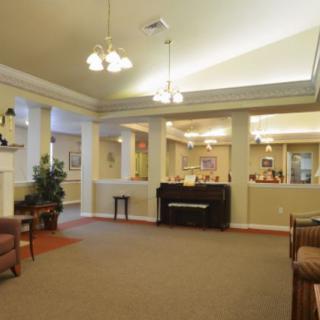
    A cozy living area with a sofa, bed, and decorative elements by the window.
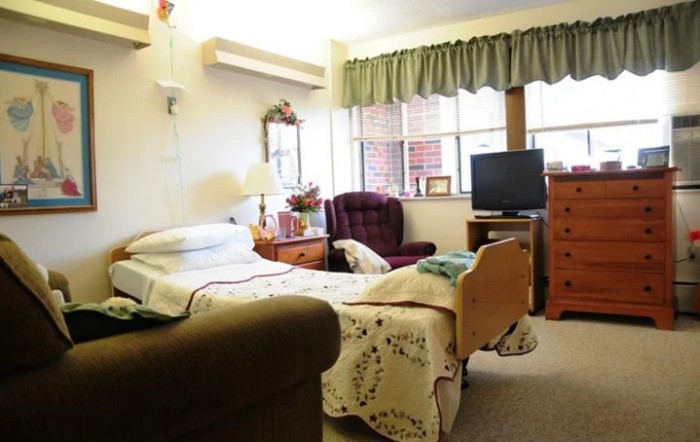
  • Bedroom

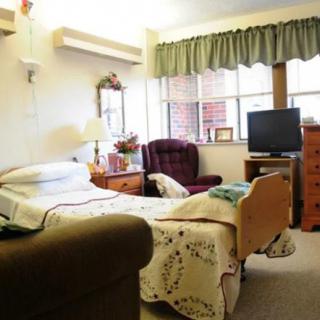
    A cozy room with a hospital bed, television, and comfortable seating.
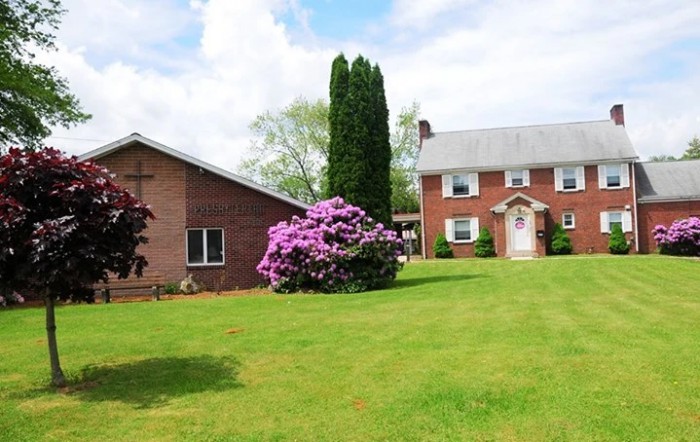
  • Trees

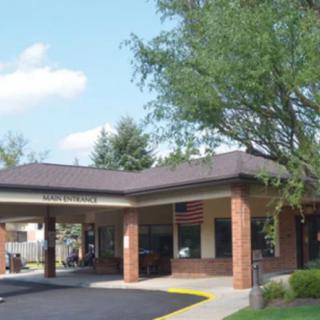
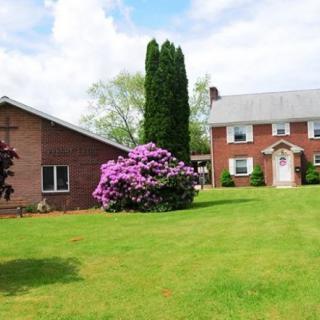
    A brick house with a spacious lawn and blooming bushes.
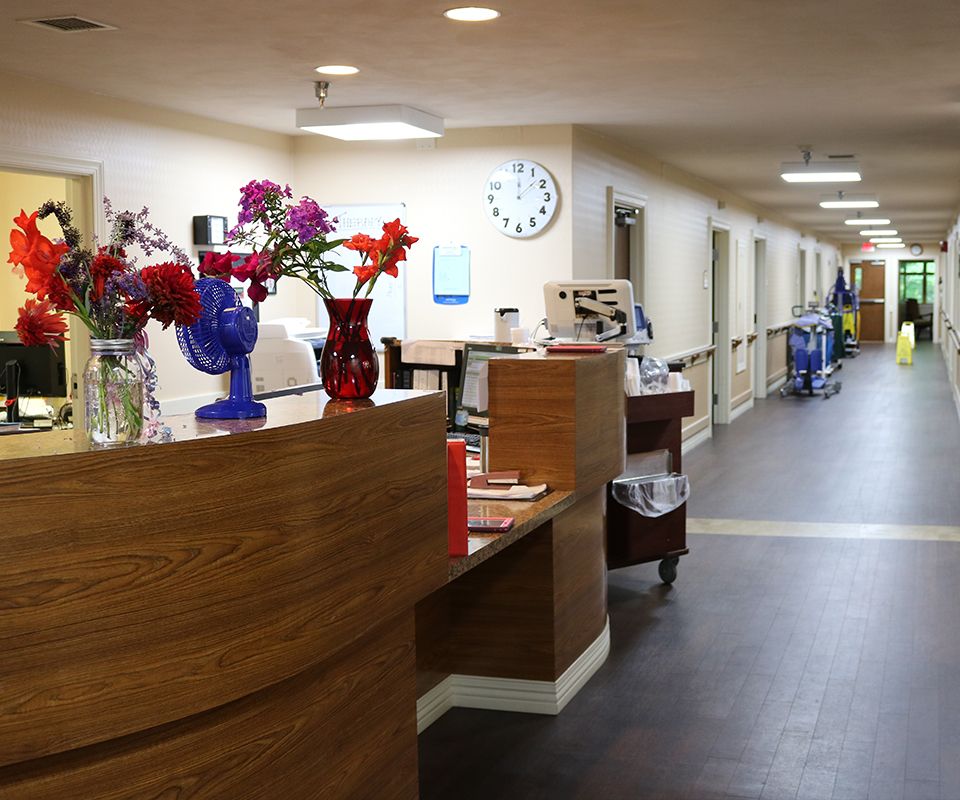
  • Reception Area

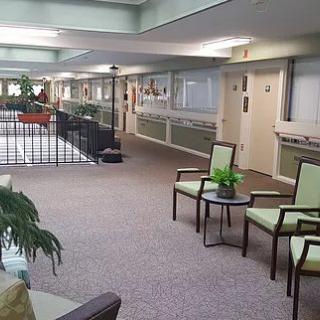
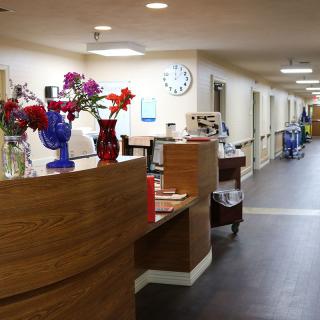
    A nursing station in a hospital corridor decorated with colorful flowers.

Quality Life Services- Westmont in Johnstown, PA

787 Goucher Street, Johnstown, PA 15905

For more information about senior living options: (844) 490-3973

3 from 15 reviews
5 stars
6
4 stars
2
3 stars
0
2 stars
0
1 stars
7

Assisted Living Continuing Care Retirement Community (CCRC) Respite Care Skilled Nursing Facility

Overall Review of Quality Life Services- Westmont

Pros

  • pro The administration office was quick to keep the family updated on bills, insurance payments, and what they owed.
  • pro The care team was diligent in keeping the family informed about the father's health.
  • pro The personal care staff are attentive, caring, compassionate, and patient.
  • pro They treat the patient as part of their family and respond swiftly to medical needs.
  • pro The staff are absolutely awesome and highly recommended by the family.
  • pro The caregivers have bonded with the patient and provide compassionate care.
  • pro Dr. Maharajh was very good with the mother years ago and was a relief to have as the doctor at Westmont Woods.
  • pro The facility is described as having good people and as a very nice place.

Cons

  • pro They lock people in the building and won't help them exit, even though there is an obvious keypad with a passcode.
  • pro They treat residents who ask for help leaving with attitude.
  • pro They create a toxic environment and allegedly fudge patient information.
  • pro They hang up when called and are unwilling to let someone out during alarms.
  • pro They provide incorrect discharge information and misleading health details.
  • pro They lacked basic supplies, using improvised diapers that caused accidents and sending clothes that smelled of urine.
  • pro They are rude to patients and families, laugh at them, and make excuses for poor care; communication is poor.
  • pro They fail to keep the facility clean and sanitary; rooms are dirty and musty.
  • pro They try to hide mistakes by closing curtains or telling visitors to leave.
  • pro They do not coordinate care between shifts; there is zero consistency and proper notes are not kept.
  • pro They are described as a terrible facility and are advised to be avoided.

Review

Quality Life Services-Westmont in Johnstown is best suited for families that will stay actively involved in daily oversight and value genuinely caring, personable aides who can form steady relationships with a resident. When a loved one can benefit from consistent warmth and quick, compassionate responses from caregivers, this community can deliver meaningful daily support. Yet it is not ideal for seniors who require unwavering clinical governance, scrupulous cleanliness, and a consistently smooth operation. The breadth of experiences reflected in the reviews suggests care can be heartfelt in parts of the campus, but reliability and safety can vary by shift and unit, demanding vigilance from families from day one.

Alternatives become compelling for families prioritizing predictable safety, rigorous communication, and immaculate environments. The reviews repeatedly flag serious concerns about autonomy, handoffs between shifts, and the overall care climate. Several accounts describe staff who are rude or disengaged, inconsistent responses to urgent needs, and lapses in hygiene and daily monitoring. Some families allege misreporting of patient status and a toxic atmosphere that undermines trust. For seniors with complex medical needs or those entering rehab, these patterns are especially risky. For residents whose families can conduct regular oversight and insist on timely accountability, the setting may still function, but only with proactive, ongoing intervention.

On the positive side, the strongest threads in favorable experiences are the moments when staff show warmth, attentiveness, and compassion in personal care. Families report that certain caregivers know residents well, respond quickly to medical needs, and create a sense of being treated like family. Administrative staff handling billing can be efficient, and a few residents describe positive impressions of attentive physicians who visit. These bright spots matter for day-to-day morale and comfort, and they can make the difference between a resident having decent days and chronic frustration. However, these benefits are not universal across units or shifts, and they do not negate the more troubling patterns of inconsistency, communication gaps, and occasional disrespect that repeatedly surface in other families' accounts.

The safety and quality gaps raise the strongest cautions. Allegations of locked entry systems that trap residents, reluctance to provide exit assistance, and complaints about incomplete or delayed responses trigger real concerns about autonomy and safety. Hygiene lapses - musty smells, soiled rooms, dirty clothes, and a reported lack of proper care for feeding tubes - point to ongoing process failures rather than isolated incidents. Inadequate handoffs between day and night staff, missing documentation, and a sense that concerns are not promptly escalated erode trust. Taken together, the operational climate can feel chaotic, and families often find themselves repeatedly advocating for basic care tasks that should be routine.

Given the breadth of concerns, this community warrants a cautious approach. It may be considered by families able to devote themselves to constant monitoring and demanding immediate corrective action. For most seniors - especially those needing reliable nursing oversight, steady daily logs, and a consistently clean, well-maintained environment - the risks likely outweigh the benefits. Alternatives with stronger safety records, clearer communication protocols, and steadier staff handoffs typically offer more peace of mind and steadier day-to-day care. The choice hinges on risk tolerance and the capacity to stay actively involved in a resident's plan of care.

To make a well-reasoned decision, pursue a disciplined due diligence process. Arrange multiple on-site tours and insist on speaking with frontline caregivers across shifts and with administrators about care planning, infection control, and emergency response. Review recent state inspection reports and talk with current residents' families to hear ongoing realities. Request concrete care plans that specify daily goals, monitoring routines, and escalation steps for concerns, and verify those practices during a short-term trial if possible. If assurances prove elusive or insufficient, pivot toward facilities with demonstrated consistency, faster problem resolution, and verifiable outcomes - where compassion is matched by dependable safety and cleanliness.

Features

Housing

  • 34 resident community capacity 34 resident community capacity

Types of Care

  • Assisted Living Assisted LivingAssisted living facilities provide crucial support and care for seniors who may need help with daily tasks such as medication management, bathing, and meal preparation. These communities offer a safe and comfortable environment where seniors can maintain their independence while receiving the assistance they need to thrive in their golden years.
  • Continuing Care Retirement Community (CCRC) Continuing Care Retirement Community (CCRC)Continuing Care Retirement Communities (CCRCs) are important for seniors because they provide a range of housing options and care services all in one location. This allows seniors to age in place and receive the level of care they need as their health changes, without having to move to a new facility. CCRCs provide a sense of security and peace of mind for seniors and their families, knowing that they will be taken care of no matter what the future holds.
  • Respite Care Respite CareRespite care provides temporary relief for caregivers, allowing them to recharge and attend to their own needs. It also gives seniors the opportunity to socialize, receive professional care, and experience a change of scenery, promoting overall well-being and reducing feelings of isolation.
  • Skilled Nursing Facility Skilled Nursing FacilitySkilled Nursing Facilities are crucial for seniors as they provide round-the-clock medical care, rehabilitation services, and assistance with daily activities. These facilities ensure that seniors receive the specialized care they need to maintain their health and well-being as they age.

Amenities

  • Beauty salon Beauty salonBeauty salons are important for seniors because they provide a space for them to feel pampered, socialize, and maintain their personal grooming and hygiene. Regular visits to a beauty salon can help boost seniors' self-esteem and overall well-being.
  • Cable or satellite TV Cable or satellite TVCable or satellite TV is important for seniors because it provides entertainment, news, and companionship, helping to combat loneliness and boredom. It also offers a wide range of programming options tailored to different interests and preferences.
  • Fully furnished Fully furnishedFully furnished senior living communities are important for seniors because they provide convenience, comfort, and a hassle-free moving experience. Seniors can easily settle into their new living space without the stress of having to buy and move furniture. This allows them to focus on enjoying their new home and community.
  • Garden GardenGardens are important for seniors as they provide a peaceful and therapeutic environment for relaxation, physical activity, and socialization. Being in nature has been shown to reduce stress, improve mood, and promote overall well-being. Gardens also offer opportunities for seniors to engage in gardening activities, which can improve mobility, flexibility, and cognitive function. Additionally, gardens create a sense of community and connection with others who share a passion for plants and outdoor spaces.
  • Housekeeping services Housekeeping servicesHousekeeping services are important for seniors because they help maintain a clean and safe living environment, promote independence, and reduce the risk of accidents or illnesses. Additionally, having assistance with household chores can alleviate physical strain and allow seniors to focus on other aspects of their well-being.
  • Move-in coordination Move-in coordinationMove-in coordination is important for seniors because it helps ease the transition into their new living environment. It ensures that all logistics, such as packing, organizing movers, and setting up utilities are taken care of, allowing seniors to focus on settling in and adjusting to their new home. Having a smooth move-in process can alleviate stress and anxiety, making the transition smoother and more enjoyable for seniors.
  • Outdoor space Outdoor spaceOutdoor spaces are important for seniors as they provide opportunities for physical activity, social interaction, exposure to natural light and fresh air, and a sense of connection to nature. Having access to outdoor spaces can improve overall well-being and quality of life for older adults living in senior communities.
  • Private bathrooms Private bathroomsPrivate bathrooms are important for seniors in senior living communities because they provide independence, dignity, and comfort. Having a private bathroom allows seniors to maintain their personal hygiene routines without the need for assistance, promoting a sense of autonomy and privacy. Additionally, private bathrooms help prevent the spread of infections and provide a safe and clean environment for seniors to navigate safely.

Transportation

  • Transportation arrangement Transportation arrangementTransportation arrangements are crucial for seniors as they may face challenges with driving, mobility, or access to public transportation. Having reliable transportation services ensures that seniors can easily attend appointments, social activities, and maintain their independence and quality of life.
  • Transportation arrangement (non-medical) Transportation arrangement (non-medical)Transportation arrangements are essential for seniors as they provide access to essential services, activities, and social interactions outside the home. This service helps maintain independence, mobility, and overall well-being for seniors who may have limited transportation options.

Care Services

  • 24-hour call system 24-hour call system24-hour call systems are important for seniors because they provide peace of mind and immediate assistance in case of emergencies. This technology ensures that help is always available, promoting safety and security for elderly individuals living alone or in assisted living facilities.
  • 24-hour supervision 24-hour supervision24-hour supervision is important for seniors to ensure their safety, well-being, and access to immediate assistance in case of emergencies or health issues. This constant support provides peace of mind for both seniors and their loved ones, allowing them to age in place with dignity and security.
  • Activities of daily living assistance Activities of daily living assistanceActivities of daily living assistance are important for seniors because they provide essential support with tasks such as eating, bathing, dressing, and mobility. This assistance helps seniors maintain their independence, dignity, and overall quality of life as they age.
  • Assistance with bathing Assistance with bathingAssistance with bathing is crucial for seniors as it helps maintain personal hygiene, prevents infections, and ensures their overall well-being and comfort. It also provides a sense of dignity and independence for seniors who may struggle with this task on their own.
  • Assistance with dressing Assistance with dressingAssistance with dressing is important for seniors because it helps maintain their independence, promotes personal hygiene, prevents accidents and injuries, and improves overall quality of life. This service ensures that seniors can continue to dress comfortably and confidently, despite any physical limitations they may have.
  • Assistance with transfers Assistance with transfersAssistance with transfers is crucial for seniors as it helps prevent falls and injuries, maintains their independence, and ensures they can safely navigate their living environment. It also provides peace of mind for both seniors and their loved ones.
  • Diabetes diet Diabetes dietA diabetes diet is crucial for seniors as it helps manage blood sugar levels, reduce risks of complications, and improve overall health and well-being. By following a balanced and nutritious diet tailored to their specific needs, seniors can better control their diabetes and enhance their quality of life.
  • Meal preparation and service Meal preparation and serviceMeal preparation and service are crucial for seniors as they may have limited mobility or energy to cook nutritious meals. Having access to healthy and convenient food options can ensure they are getting the proper nutrition needed to maintain their overall health and well-being.
  • Medication management Medication managementMedication management is crucial for seniors to ensure they are taking the right medications at the correct dosages and times. This helps prevent adverse drug interactions, reduces the risk of medication errors, and promotes overall health and well-being. Proactive management also allows for adjustments as needed based on changing health conditions or new prescriptions.
  • Special dietary restrictions Special dietary restrictionsSpecial dietary restrictions are important for seniors because age-related changes in metabolism and health conditions can make it difficult for their bodies to process certain foods. By following a diet tailored to their specific needs, seniors can maintain their overall health and well-being, manage chronic conditions, and reduce the risk of complications such as malnutrition or food interactions with medications.

Dining

  • Diabetes diet Diabetes dietA diabetes diet is crucial for seniors as it helps manage blood sugar levels, reduce risks of complications, and improve overall health and well-being. By following a balanced and nutritious diet tailored to their specific needs, seniors can better control their diabetes and enhance their quality of life.
  • Special dietary restrictions Special dietary restrictionsSpecial dietary restrictions are important for seniors because age-related changes in metabolism and health conditions can make it difficult for their bodies to process certain foods. By following a diet tailored to their specific needs, seniors can maintain their overall health and well-being, manage chronic conditions, and reduce the risk of complications such as malnutrition or food interactions with medications.

Activities

  • Community-sponsored activities Community-sponsored activitiesCommunity-sponsored activities are important for seniors as they provide opportunities for social interaction, mental stimulation, and physical activity. These activities can help improve overall well-being, combat loneliness and isolation, and promote a sense of belonging and purpose among older adults.
  • Scheduled daily activities Scheduled daily activitiesScheduled daily activities are important for seniors because they provide structure, socialization, mental stimulation, and physical activity. Engaging in regular activities can improve overall well-being and quality of life for seniors living in a community setting.

Description

Quality Life Services- Westmont in Johnstown, PA is an assisted living community that offers a variety of care services to meet the individual needs of its residents. With its Continuing Care Retirement Community(CCRC), Respite Care, and Skilled Nursing Facility options, Quality Life Services- Westmont provides a continuum of care for those in need.

Residents can enjoy the comfort and convenience of fully furnished living spaces with private bathrooms. Housekeeping services help maintain a clean and organized environment. Cable or satellite TV is provided for entertainment, and outdoor spaces such as gardens offer opportunities for relaxation and fresh air.

Transportation arrangement services are available for non-medical purposes, ensuring residents can easily access nearby amenities and services. Whether it's going to nearby cafes, parks, pharmacies, physicians' offices, restaurants, places of worship or hospitals - everything is conveniently located within close proximity.

The care services at Quality Life Services- Westmont are designed to provide 24-hour supervision and assistance with activities of daily living. Trained staff members are available to assist with bathing, dressing, transfers, meal preparation and service, medication management, and more. Special dietary restrictions such as diabetes diets can also be accommodated.

To enhance the quality of life for residents, scheduled daily activities are offered to promote socialization and engagement. Whether it's participating in group exercises or enjoying recreational activities tailored to individual interests, there is something for everyone at Quality Life Services- Westmont.

Overall, Quality Life Services- Westmont in Johnstown, PA provides a comprehensive assisted living experience with various care options, convenient amenities and services nearby, comfortable living spaces, personalized care services, and engaging recreational activities.

Nearby Places of Interest

Parks

  • Elim Field (0.6 miles)
  • Stackhouse Park (0.9 miles)
  • Roxbury Park (1.1 miles)
  • Peoples Natural Gas Park (2.1 miles)
  • The Playground (2.6 miles)
  • Lorain Park (3 miles)

Restaurants

  • Em's Original Sub Shop (0.6 miles)
  • Eat'n Park (1.3 miles)
  • Haven Bar (1.3 miles)
  • McDonald's (1.4 miles)
  • Westwood Plaza Theatre (1.4 miles)
  • Luna Azteca Mexican Re (1.5 miles)
  • Baker's Loaf (1.6 miles)

Cafes

  • Mill House Cafe (0.9 miles)
  • The Morning Grind (1.6 miles)
  • Flood City Cafe (2.2 miles)

Pharmacies

  • CVS Pharmacy (0.9 miles)
  • Westmont Rexall Drug Store (1.2 miles)
  • Rite Aid (1.3 miles)
  • Rite Aid (1.9 miles)
  • Rite Aid (2 miles)
  • Forest Hills Pharmacy (2.1 miles)
  • Rite Aid (4.2 miles)

Physicians

  • Dr Oberneder (1 miles)
  • Western Pennsylvania Orthopedics - Conemaugh Physician Group (1 miles)
  • Kastelic Richard MD & Associates (1 miles)
  • Life Line Sleep Center (1 miles)
  • Western PA Orthopedics & Sports Medicine (1 miles)
  • PA Sports Medicine Clinic (1 miles)
  • Memorial Medical Center Women's Center (1.5 miles)

Places of Worship

  • Westmont Presbyterian Church (1.2 miles)
  • Our Mother of Sorrows Church (1.4 miles)
  • St Vincent De Paul Caring Ministries (1.7 miles)
  • Memorial Baptist Church (1.9 miles)
  • St Patrick's Church Rectory (2 miles)
  • St Clare Of Assisi Church Hall (2.9 miles)
  • St Benedict Church (3.9 miles)

Hospitals

  • Conemaugh Memorial Medical Center (1.5 miles)
  • Conemaugh Memorial Medical Center - Lee Campus (2.1 miles)
  • Select Specialty Hospital (2.1 miles)
  • James E Van Dandt VA clinic (5.3 miles)

Transportation

  • Ken Lantzy All Star Game (2.1 miles)
  • CamTram (2.2 miles)
  • Johnstown Train Station (2.2 miles)
  • Amtrak (2.2 miles)

Frequently Asked Questions

Where is Quality Life Services- Westmont?
What photos are available for Quality Life Services- Westmont in Johnstown, Pennsylvania?

Nearby Communities

  • Quality Life Services Westmont

    Quality Life Services Westmont

    Johnstown, PA

    3.5 from 30 reviews
    $1,229 to $2,805 / month

    pro Caring staff in a clean, modern facility with good meals and engaging activities.

  • The Lutheran Home At Johnstown

    The Lutheran Home At Johnstown

    Johnstown, PA

    3.3 from 12 reviews
     

    pro Clean, well-maintained with helpful staff and spacious, private one-bedroom units.

  • McCullough Place

    McCullough Place

    Johnstown, PA

    4.4 from 50 reviews
    $3,496 to $6,172 / month

    pro Attentive staff in a clean, well-appointed, pet-friendly setting with engaging activities.

  • Amber Springs At Laurelwood

    Amber Springs At Laurelwood

    Johnstown, PA

    3.5 from 8 reviews
     

    pro Caring staff, clean/modern rooms, and an attentive administrator.

  • The Villa Personal Care

    The Villa Personal Care

    Johnstown, PA

    4.5 from 8 reviews
     

    pro Comprehensive care and amenities: furnished apartments, restaurant-style dining, 24/7 supervision, and a mental wellness program.

  • The Atrium - A Choice Community

    The Atrium - A Choice Community

    Johnstown, PA

    3.1 from 19 reviews
     

    pro Broad care options with extensive on-site amenities.

  • The Villa Personal Care Home

    The Villa Personal Care Home

    Johnstown, PA

    4.9 from 9 reviews
    $3,255 / month

    pro Engaging daily activities and a warm, home-like environment with attentive staff.

  • Arbutus Park Retirement Comm

    Arbutus Park Retirement Comm

    Johnstown, PA

    4.2 from 95 reviews
     

    pro Peaceful retirement community with extensive nearby healthcare, dining, and spiritual resources.

  • Rebekah Manor Wellness Community

    Rebekah Manor Wellness Community

    Ebensburg, PA

    3.8 from 6 reviews
     

    pro Well-maintained facility with attractive common areas and good-quality meals; memory-care unit offers more personalized attention.

Assisted Living in Nearby Cities

Related Resources

  • active senior livingVibrant Senior Living: A Comprehensive Guide for Active Older Adults

    Vibrant Senior Living emphasizes active senior living communities that promote independence and engagement through diverse amenities and activities, fostering wellness and social interaction among older adults. These communities range from independent to assisted living, with a focus on personal growth, family involvement, financial planning, and leveraging technology to enhance residents' experiences.

  • when to move from assisted living to memory careWhen to Transition from Assisted Living to Memory Care: Key Indicators, Steps, and Finding the Right Community

    Transitioning from assisted living to memory care is driven by an individual's cognitive decline and specific needs, requiring careful evaluation of indicators like increased confusion and wandering. The process involves consulting medical professionals, researching suitable communities, considering financial and legal aspects, and ensuring effective communication for personalized care plans.

  • assisted living vs memory careAssisted Living and Memory Care: Understanding Their Core Differences
    Assisted living provides moderate support for seniors seeking independence, while memory care offers specialized support for individuals with dementia or cognitive impairments through structured routines and trained staff. Key differences include care approaches, environment security measures, staff training levels, activity types, and cost considerations.