
4848 Admiral Peary Highway, Ebensburg, PA 15931
For more information about senior living options: (866) 208-4318
Overall Review of Rebekah Manor Wellness Community
Pros
 The maintenance is between good and very good.
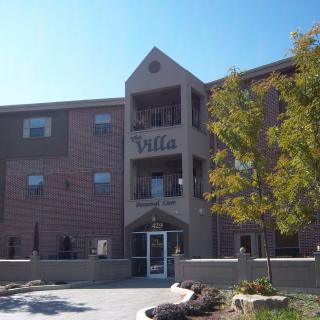
- The facility looks pretty nice.
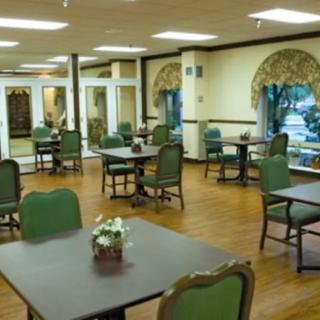
- The common areas are very nicely furnished.
- The food is very good for the most part.
- Cambridge Ebensburg is quaint.
- The staff interactions have been good.
- Some staff have given the family their personal numbers to call or text for updates, including FaceTime.
Cons
 The facility has minimal staff and seems to have trouble keeping staff.
- The staff do not change residents' diapers often enough, leading to infections for a resident.
- The administration is not very open to criticism.
Review
Rebekah Manor Wellness Community in Ebensburg is best suited for families seeking a well-maintained, home-like setting with reliable dining quality and a quieter pace. The facility profile that emerges from Ebensburg-related reviews points to a environment where common spaces are inviting, upkeep is solid, and meals are a genuine strength. It appeals to residents who value a smaller, calmer memory-care footprint and who want the sense that staff know residents by name and routine. In short, this community serves those who prioritize comfort, consistency, and an aesthetically pleasant backdrop as a baseline for daily living.
That said, explicit caution is warranted for families with residents who demand high-touch, 24/7 responsiveness or who require aggressive infection-control oversight. The Ebensburg reviews repeatedly flag staffing challenges and instability, with concerns about care gaps when staffing is thin. Administrators who resist constructive criticism also surface as a friction point in at least one account. For families that place a premium on transparent communication, rapid issue-resolution, and highly proactive caregiving, alternatives with more robust staffing structures or more accessible administration should be considered.
The strongest pro-arguments center on environment and day-to-day quality that does not hinge solely on staffing levels. The physical plant earns marks for being well-kept, with attractive common areas that feel welcoming rather than institutional. Food consistently appears as a highlight, delivering nourishment and variety that families commonly notice and appreciate. In smaller memory-care settings within the Ebensburg area, residents may experience less crowding and better individualized attention, a benefit observed when staff interactions were described as attentive and personal. These positives create tangible value for families who want a dignified, comfortable home base for a loved one.
Yet the main cons cannot be ignored, because they have the potential to undermine the positive aspects. Staffing shortages and turnover create real risk of delayed care, rushed routines, and uneven supervision, especially for those with higher care needs. The infection risk mentioned in one review, linked to inconsistent care practices, illustrates what can happen when staffing is stretched. Additionally, administrative openness matters; when leadership is perceived as unreceptive to feedback, family trust can erode even if day-to-day care appears adequate. These dynamics are not unique to one property in Ebensburg; they form a meaningful pattern that families should weigh against the favorable environment and the strong dining component.
To make a well-informed decision, prospective entrants should prioritize a few practical checks during tours. First, verify current staff-to-resident ratios across shifts, and request direct exposure to both floor staff and a reliable administrator or family liaison. Ask about turnover trends and what contingency plans exist for staffing gaps. Second, inspect memory-care operations for cues of resident-centered care, how staff interact, how care tasks are documented, and how often families receive updates. Third, sample a meal and observe breakfast through dinner service if possible, paying attention to texture, variety, and portion consistency. Finally, request concrete examples of how feedback has been used to adjust routines or policies, and seek recent evidence of transparent communication with families.
In the end, Rebekah Manor Wellness Community offers a solid foundation for families prioritizing steadiness, a pleasant atmosphere, and high-quality meals, with the added upside of intimate, less crowded memory-care moments. If the primary need is consistent, highly proactive caregiving and ready accessibility from leadership, however, potential residents should compare options that demonstrate stronger staffing guarantees and a more openly collaborative administrative approach. For families that can leverage strong family involvement and set clear expectations about staffing and care responsiveness, this community can be a very good fit. If not, it is prudent to explore alternatives that better align with those non-negotiables before making a final commitment.
 64 resident community capacity
 Assisted Living
 Air-conditioning
 Beauty salon
 Cable or satellite TV
 Computer center
 Dining room
 Fitness room
 Fully furnished
 Gaming room
 Garden
 Housekeeping services
 Kitchenette
 Move-in coordination
 Outdoor space
 Private bathrooms
 Restaurant-style dining
 Small library
 Telephone
 Wellness center
 Wi-Fi/high-speed internet available
 Community operated transportation
 12-16 hour nursing
 24-hour call system
 Activities of daily living assistance
 Assistance with bathing
 Assistance with dressing
 Assistance with transfers
 Diabetes diet
 Medication management
 Mental wellness program
 Special dietary restrictions
 Concierge services
 Planned day trips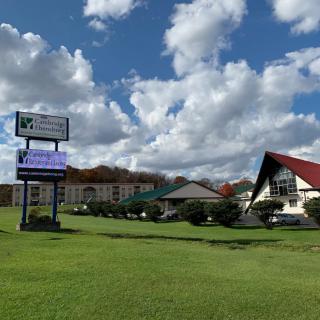




 Social Security Benefits and Assisted Living: Navigating Options Across the U.S.
 An Extensive Exploration of the VA Aid and Attendance Benefit
 Senior Transition Services: Understanding Their Role, Cost, and Importance