The Lutheran Home At Johnstown

Save

  • Interior

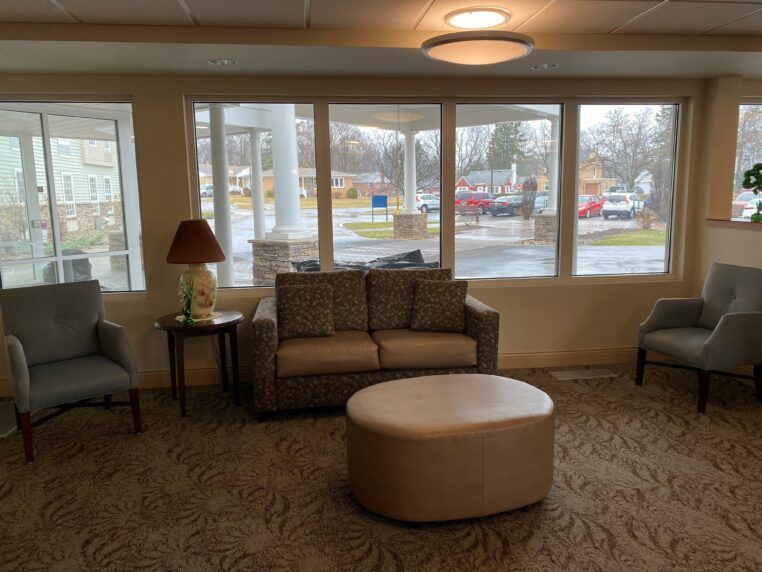
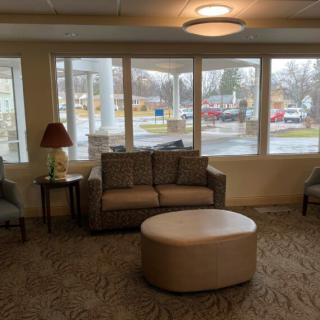
    A cozy living room with a sofa, ottoman, and large windows.
  • Decor

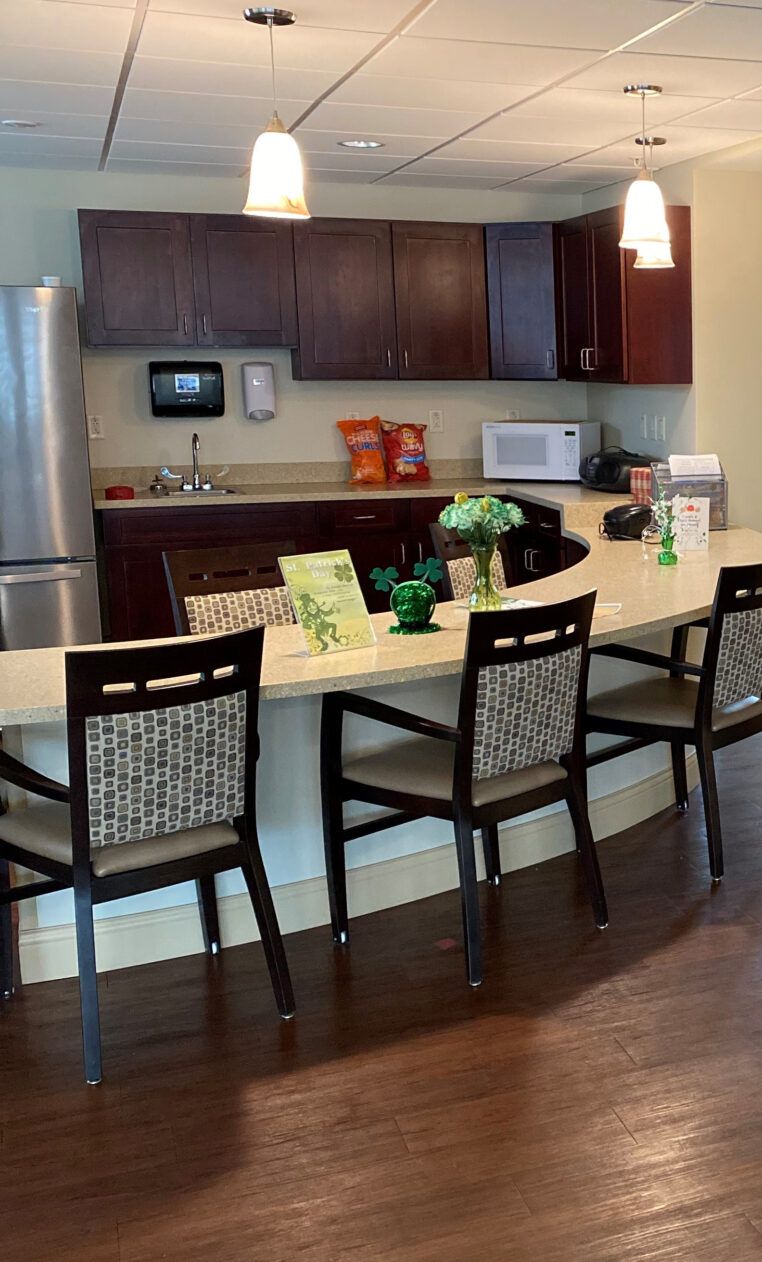
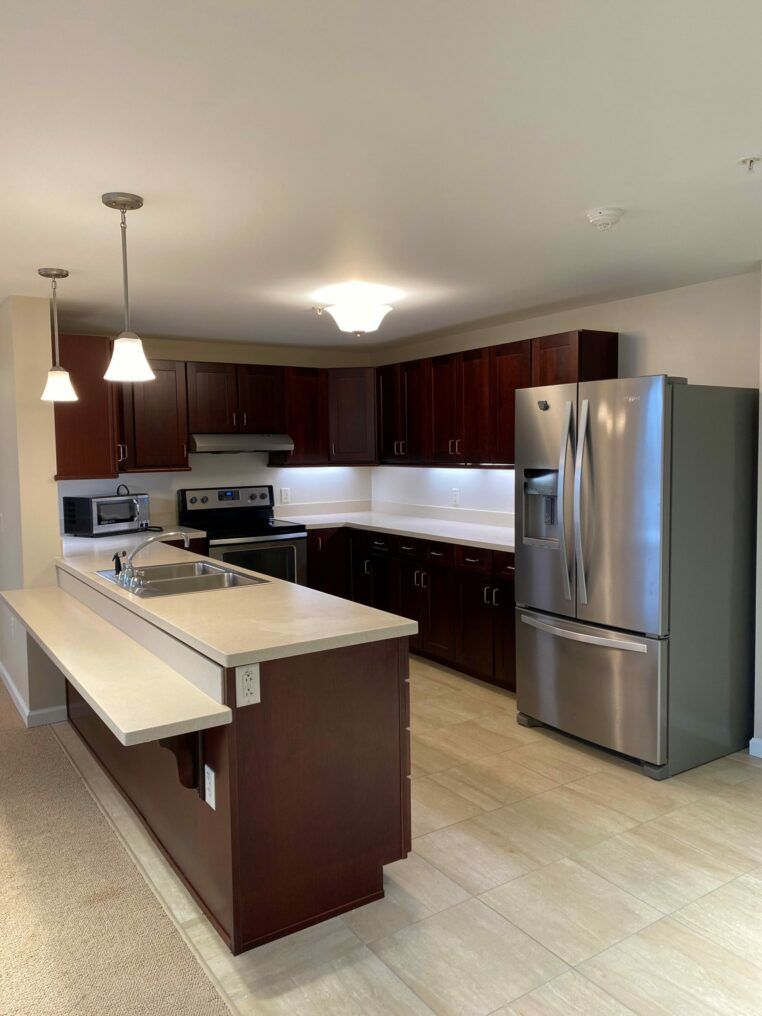
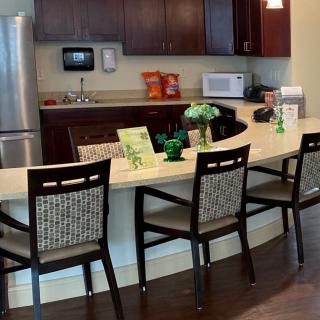
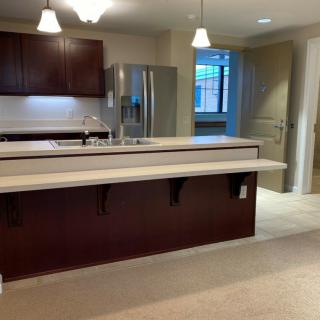
    A modern kitchen with a sleek countertop and bar stools.
  • Living Room

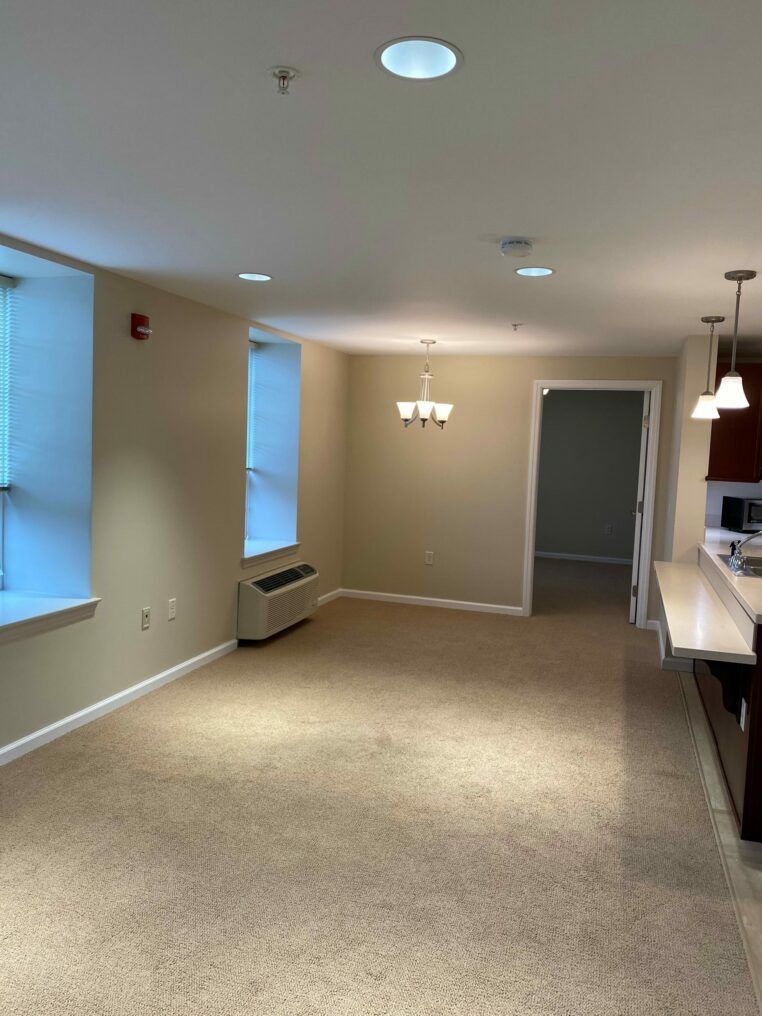
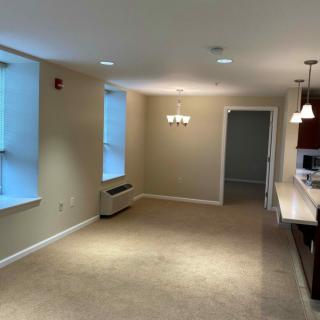
    An open-concept living room and kitchen area with beige walls and carpeted flooring.
  • Windows

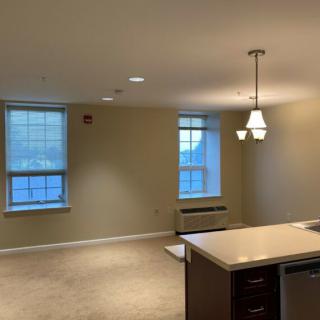
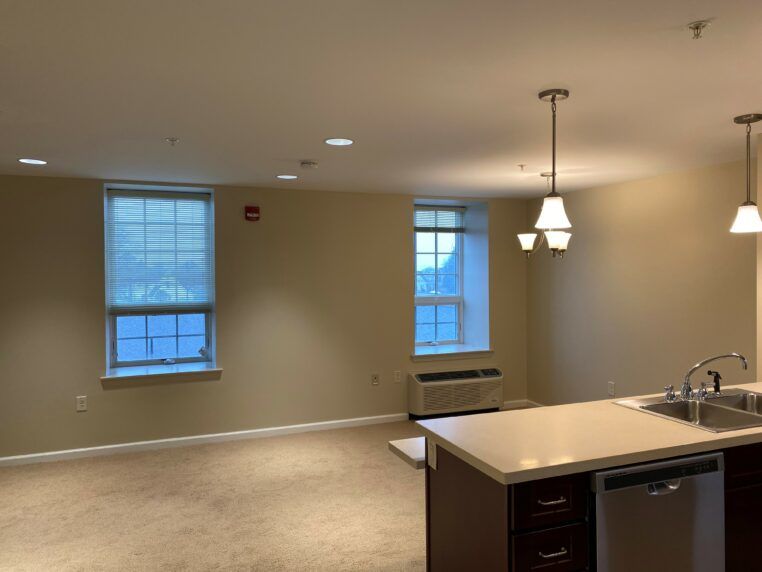
    An empty apartment with a view of the living area and kitchen, featuring carpeted floors and two windows.
  • Kitchen

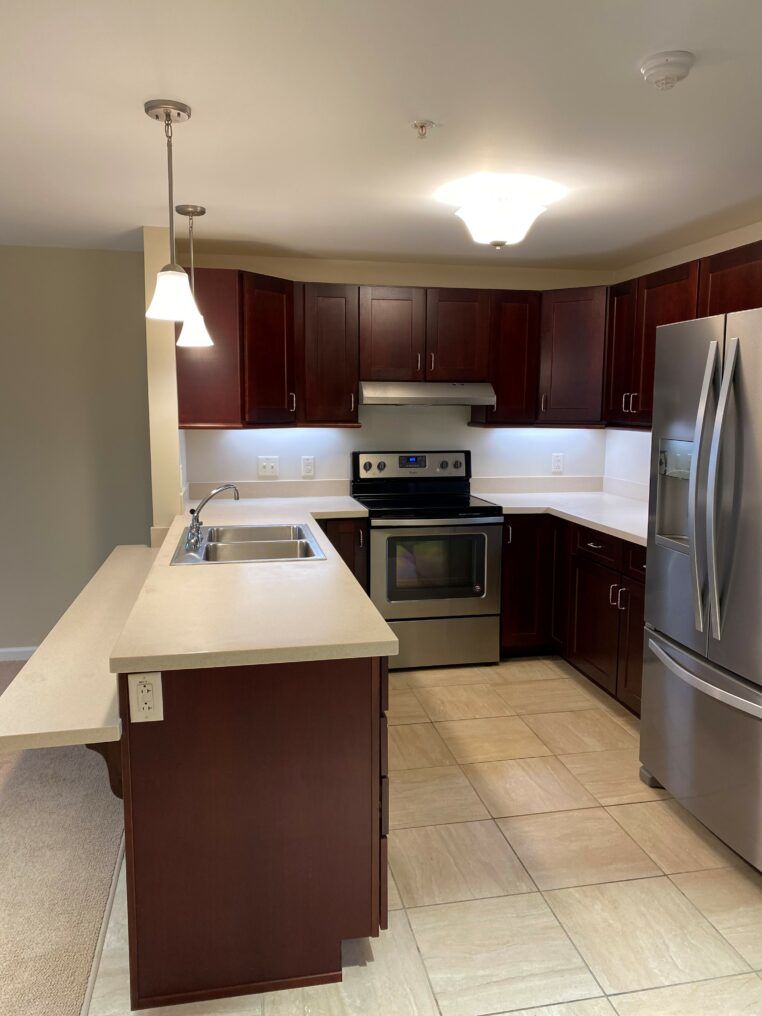
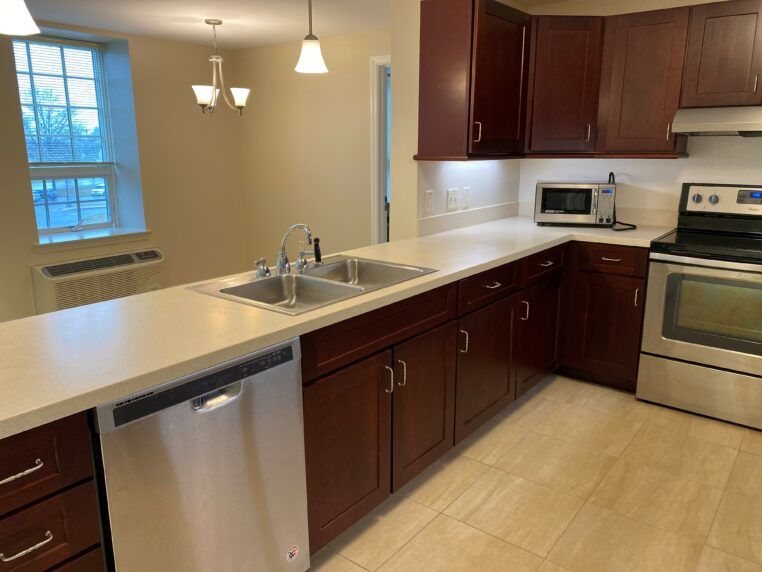
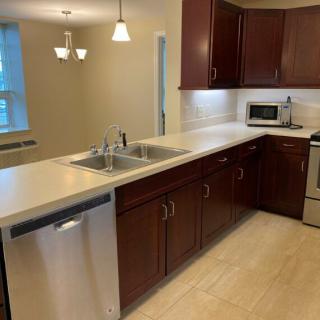
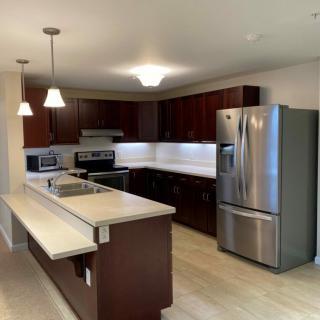
    Modern kitchen with dark wood cabinets and stainless steel appliances.
  • Lighting

    A modern kitchen interior with a spacious countertop and sleek cabinets.
  • Appliances

    A modern kitchen featuring stainless steel appliances and wooden cabinetry.
  • Cabinets

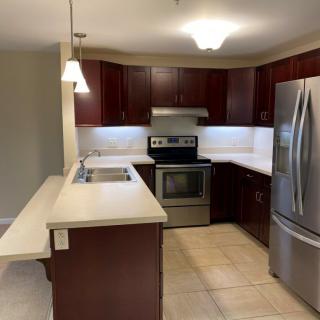
    Modern kitchen with stainless steel appliances and dark wood cabinets.

The Lutheran Home At Johnstown

807 Goucher Street, Johnstown, PA 15905

For more information about senior living options: (844) 490-3973

3.3 from 12 reviews
5 stars
7
4 stars
0
3 stars
0
2 stars
0
1 stars
5

Assisted Living Independent Living

What level of care are you interested in?

Assisted Living

Memory Care

Independent Living

Skilled Nursing Facility

Continuing Care Retirement Community (CCRC)CCRC

Other


Request a tour at The Lutheran Home At Johnstown

    Overall Review of The Lutheran Home At Johnstown

    Pros

    • pro The facility is great, with friendly and caring staff.
    • pro Grandma is happy and receiving great care.
    • pro Heritage Ridge is regarded as the best facility in the area for a loved one's placement; the nursing staff is caring and competent, and the facility is clean and organized.
    • pro Cassidy Keilman made the application process smooth and seamless.
    • pro The Lutheran Home provides great quality of care, with kind, gracious, and helpful staff and good food.
    • pro The facility is nicely kept, spacious, and offers engaging activities like Bible studies and socials.

    Cons

    • pro The facility allowed a resident to wander out unattended and was found bleeding in the parking lot, with no staff available to assist.
    • pro The administrator told the family the resident would have to leave today or move to full care, with no 30-day notice.
    • pro The family offered to install a safety system (wonderguard) to keep residents safe, but the facility declined.
    • pro Within three weeks of admission, the facility told the family the patient would be long term or discharged, with no care plan meeting and no notice.
    • pro The nurses were described as rude and incompetent, and they falsely claimed that the primary care physician had made rounds.
    • pro Some staff pushed elderly patients down into their beds, and call bells went unanswered for up to an hour; front desk staff were seen chatting instead of helping.
    • pro The dining room was too small for the patients, and the food was not good.
    • pro There were concerns about understaffing and delayed responses to patient needs.
    • pro The reviewer would not recommend this facility.

    Review

    The Lutheran Home at Johnstown is best suited for families seeking a clean, welcoming setting where compassionate caregiving and structured daily life support a loved one through post-acute recovery or mild-to-moderate dementia needs. The campus sustains a home-like feel with attentive frontline staff, a reasonably spacious one-bedroom option, and an active social calendar that includes Bible study, informal gatherings, and family-friendly events. For families prioritizing warmth, accessibility, and a sense of community, this community can feel like a solid fit. Yet the experience is not uniform, and care quality can hinge on staffing realities and leadership dynamics from week to week.

    Alternatives should be on the radar when safety guarantees, consistent staffing, and transparent care planning are nonnegotiable. Several accounts highlight gaps in staffing coverage that translate into slow call-bell responses and uneven attentiveness, which can be stressful for families relying on timely assistance. Administrative friction around discharge decisions and care-plan communication also emerges as a recurring concern, signaling that some families may prefer facilities with more predictable governance and clearer escalation pathways. Heritage Ridge is frequently referenced as a notable contrast option in this market, particularly in contexts where a facility transition occurred, underscoring the value of comparing governance, staffing models, and transfer-support practices side-by-side.

    On the plus side, the strongest endorsements center on genuine staff care. When caregivers are engaged, residents feel seen and respond with improved mood, and rehab services are described as appropriate and capable of restoring independence after surgery or illness. The environment tends to be well maintained, with clean spaces and accommodations that accommodate visitors. Food quality and variety receive consistently positive notes, and the calendar of activities - ranging from light fitness to crafts and social gatherings - helps residents stay socially connected. For families with a loved one who benefits from routine, familiar rituals, and a spiritually oriented community, these elements translate into meaningful daily life that supports overall well-being.

    Nevertheless, meaningful concerns recur about the other side of the ledger. Understaffing at times yields delayed assistance and can contribute to frustration for both residents and family members. Reports of rude or inattentive behavior by some staff members, coupled with gaps in communication about care plans and transitions, undermine confidence in daily operations. A particularly troubling incident described by a family member - an emergency safety lapse in which a resident was found unattended - highlights the real risks when supervision and safety protocols are inconsistent. Dining-room crowding and limited space, as well as critiques of routine medical monitoring, also surface in some reviews, pointing to structural gaps that require vigilant oversight.

    Weighing the pros against the cons, the Lutheran Home at Johnstown offers a credible and compassionate core - promising rehab potential, a warm staff culture, and a family-friendly atmosphere - that can offset many routine care needs for residents with engaged families and moderate medical requirements. The care experience holds up well when staffing is sufficient, communications are clear, and administrators maintain proactive oversight. However, the weight of the cons - especially inconsistent staffing, variable call-response times, and safety/communication vulnerabilities - can overshadow the positives for families prioritizing reliable, 24/7 seamless care. The facility's polarized reviews reflect a real tension between kindness on the floor and systemic execution at the administrative level.

    Bottom line: this community remains a practical option for families that value kindness, clean surroundings, and rehab potential, provided active family involvement and direct access to supervisors are part of the plan. For those who cannot tolerate staffing variability, uncertain response times, or unresolved safety concerns, it is essential to compare alternatives where governance, staffing consistency, and discharge planning are more rigorously controlled. Before deciding, pursue a candid tour focused on actual staffing patterns, care-planning processes, and incident history; insist on meetings with the director or charge nurse; and consider arranging a trial period or a clearly defined transition plan to hospice or home care if appropriate.

    Features

    Housing

    • 92 resident community capacity 92 resident community capacity

    Types of Care

    • Assisted Living Assisted LivingAssisted living facilities provide crucial support and care for seniors who may need help with daily tasks such as medication management, bathing, and meal preparation. These communities offer a safe and comfortable environment where seniors can maintain their independence while receiving the assistance they need to thrive in their golden years.
    • Independent Living Independent LivingIndependent living communities are important for seniors because they offer a safe and supportive environment where older adults can live independently while still having access to amenities and services that enhance their quality of life. These communities provide social opportunities, recreational activities, and assistance with daily tasks, promoting overall well-being and allowing seniors to maintain their independence for as long as possible.

    Amenities

    • Activities on-site Activities on-siteActivities on-site are important for seniors because they provide opportunities for socialization, mental stimulation, physical activity, and overall well-being. Engaging in activities can help seniors stay active, maintain their independence, and improve their quality of life.
    • Air-conditioning Air-conditioningAir conditioning is important for seniors as they are more vulnerable to heat-related illnesses and may have underlying health conditions that make it difficult for them to regulate their body temperature. It helps to keep them comfortable, safe, and healthy in hot weather.
    • Beauty salon Beauty salonBeauty salons are important for seniors because they provide a space for them to feel pampered, socialize, and maintain their personal grooming and hygiene. Regular visits to a beauty salon can help boost seniors' self-esteem and overall well-being.
    • Cable or satellite TV Cable or satellite TVCable or satellite TV is important for seniors because it provides entertainment, news, and companionship, helping to combat loneliness and boredom. It also offers a wide range of programming options tailored to different interests and preferences.
    • Computer center Computer centerA computer center is essential for seniors as it provides access to technology, communication tools, and resources that can enhance their daily lives. It allows them to stay connected with loved ones, engage in online activities, and learn new skills, ultimately promoting socialization and mental stimulation.
    • Devotional services off-site Devotional services off-siteDevotional services off-site are important for seniors as they provide spiritual nourishment, social engagement, and a sense of community outside of the senior living facility. This can enhance overall well-being and help combat feelings of isolation and loneliness often experienced by older adults.
    • Fitness room Fitness roomHaving a fitness room in a senior living community is essential for seniors to stay active, maintain their physical health, and improve their overall well-being. Regular exercise can help prevent falls, reduce the risk of chronic diseases, and promote mental sharpness. It also provides social opportunities for residents to connect with others and enjoy a sense of community.
    • Fully furnished Fully furnishedFully furnished senior living communities are important for seniors because they provide convenience, comfort, and a hassle-free moving experience. Seniors can easily settle into their new living space without the stress of having to buy and move furniture. This allows them to focus on enjoying their new home and community.
    • Gaming room Gaming roomGaming rooms are important for seniors as they provide a fun and engaging environment for socializing, cognitive stimulation, and physical activity. Games can improve memory, problem-solving skills, and overall mental well-being while fostering friendships and reducing feelings of isolation.
    • Garden GardenGardens are important for seniors as they provide a peaceful and therapeutic environment for relaxation, physical activity, and socialization. Being in nature has been shown to reduce stress, improve mood, and promote overall well-being. Gardens also offer opportunities for seniors to engage in gardening activities, which can improve mobility, flexibility, and cognitive function. Additionally, gardens create a sense of community and connection with others who share a passion for plants and outdoor spaces.
    • Housekeeping services Housekeeping servicesHousekeeping services are important for seniors because they help maintain a clean and safe living environment, promote independence, and reduce the risk of accidents or illnesses. Additionally, having assistance with household chores can alleviate physical strain and allow seniors to focus on other aspects of their well-being.
    • Indoor common areas Indoor common areasIndoor common areas are crucial for seniors as they provide a space for socialization, recreation, and community engagement, promoting overall well-being and reducing feelings of isolation and loneliness.
    • Kitchenette KitchenetteKitchenettes are important for seniors living in senior living communities because they provide the convenience and independence of being able to prepare simple meals and snacks in the comfort of their own living space. This can help promote a sense of autonomy and well-being for seniors, allowing them to maintain some level of control over their dietary choices and daily routines.
    • Move-in coordination Move-in coordinationMove-in coordination is important for seniors because it helps ease the transition into their new living environment. It ensures that all logistics, such as packing, organizing movers, and setting up utilities are taken care of, allowing seniors to focus on settling in and adjusting to their new home. Having a smooth move-in process can alleviate stress and anxiety, making the transition smoother and more enjoyable for seniors.
    • Outdoor space Outdoor spaceOutdoor spaces are important for seniors as they provide opportunities for physical activity, social interaction, exposure to natural light and fresh air, and a sense of connection to nature. Having access to outdoor spaces can improve overall well-being and quality of life for older adults living in senior communities.
    • Private bathrooms Private bathroomsPrivate bathrooms are important for seniors in senior living communities because they provide independence, dignity, and comfort. Having a private bathroom allows seniors to maintain their personal hygiene routines without the need for assistance, promoting a sense of autonomy and privacy. Additionally, private bathrooms help prevent the spread of infections and provide a safe and clean environment for seniors to navigate safely.
    • Restaurant-style dining Restaurant-style diningRestaurant-style dining is important for seniors because it allows them to enjoy delicious, nutritious meals in a social and upscale setting. This enhances their dining experience, promotes healthy eating habits, and fosters socialization with fellow residents, ultimately contributing to their overall well-being and quality of life.
    • Small library Small librarySmall libraries are important for seniors as they provide access to a variety of reading materials, including books, newspapers, and magazines. This can help stimulate their minds, keep them engaged, and provide a sense of community through book clubs and other social activities. Additionally, reading has been shown to improve cognitive function and overall mental well-being in older adults.
    • Telephone TelephoneTelephones are important for seniors as they provide a lifeline for communication with loved ones, emergency services, and healthcare providers. They offer a sense of security and independence, enabling seniors to stay connected and access assistance when needed.
    • Wellness center Wellness centerWellness centers are important for seniors because they offer a variety of programs and services that promote physical, mental, and emotional well-being. These centers provide opportunities for exercise, socialization, education, and relaxation, helping seniors maintain their overall health and quality of life.
    • Wi-Fi/high-speed internet available Wi-Fi/high-speed internet availableWi-Fi/high-speed internet is important for seniors to stay connected with loved ones, access online resources, and participate in virtual activities to combat feelings of loneliness and isolation. It also allows them to easily manage healthcare needs, access entertainment, and engage in lifelong learning opportunities.

    Transportation

    • Community operated transportation Community operated transportationCommunity operated transportation is crucial for seniors as it provides them with the means to access essential services, social activities, and medical appointments. It allows seniors to maintain their independence and quality of life by ensuring they can participate in activities outside of their homes. Additionally, community-operated transportation services offer a safe and reliable way for seniors to travel without having to rely on family or friends for assistance.
    • Transportation arrangement Transportation arrangementTransportation arrangements are crucial for seniors as they may face challenges with driving, mobility, or access to public transportation. Having reliable transportation services ensures that seniors can easily attend appointments, social activities, and maintain their independence and quality of life.
    • Transportation arrangement (non-medical) Transportation arrangement (non-medical)Transportation arrangements are essential for seniors as they provide access to essential services, activities, and social interactions outside the home. This service helps maintain independence, mobility, and overall well-being for seniors who may have limited transportation options.

    Care Services

    • 24-hour call system 24-hour call system24-hour call systems are important for seniors because they provide peace of mind and immediate assistance in case of emergencies. This technology ensures that help is always available, promoting safety and security for elderly individuals living alone or in assisted living facilities.
    • Activities of daily living assistance Activities of daily living assistanceActivities of daily living assistance are important for seniors because they provide essential support with tasks such as eating, bathing, dressing, and mobility. This assistance helps seniors maintain their independence, dignity, and overall quality of life as they age.
    • Ambulatory care Ambulatory care"Ambulatory care services provide essential medical support and treatment to seniors without requiring hospitalization, allowing them to maintain their independence and quality of life while managing chronic conditions or receiving routine medical care."
    • Diabetic care Diabetic careDiabetic care is crucial for seniors as they are more susceptible to developing diabetes due to aging and other health conditions. Proper management of diabetes can help prevent complications such as heart disease, vision loss, and nerve damage, improving the overall quality of life for seniors in senior living communities.
    • Meal preparation and service Meal preparation and serviceMeal preparation and service are crucial for seniors as they may have limited mobility or energy to cook nutritious meals. Having access to healthy and convenient food options can ensure they are getting the proper nutrition needed to maintain their overall health and well-being.
    • Medication management Medication managementMedication management is crucial for seniors to ensure they are taking the right medications at the correct dosages and times. This helps prevent adverse drug interactions, reduces the risk of medication errors, and promotes overall health and well-being. Proactive management also allows for adjustments as needed based on changing health conditions or new prescriptions.

    Dining

    • Diabetes diet Diabetes dietA diabetes diet is crucial for seniors as it helps manage blood sugar levels, reduce risks of complications, and improve overall health and well-being. By following a balanced and nutritious diet tailored to their specific needs, seniors can better control their diabetes and enhance their quality of life.
    • Meals provided Meals provided"Meals provided" are crucial for seniors in assisted living communities as it ensures they have access to nutritious, balanced meals without the stress of meal planning and preparation. This can help promote overall health and well-being for seniors who may have limited mobility or cognitive abilities.
    • Special dietary restrictions Special dietary restrictionsSpecial dietary restrictions are important for seniors because age-related changes in metabolism and health conditions can make it difficult for their bodies to process certain foods. By following a diet tailored to their specific needs, seniors can maintain their overall health and well-being, manage chronic conditions, and reduce the risk of complications such as malnutrition or food interactions with medications.

    Activities

    • Activities on-site Activities on-siteActivities on-site are important for seniors because they provide opportunities for socialization, mental stimulation, physical activity, and overall well-being. Engaging in activities can help seniors stay active, maintain their independence, and improve their quality of life.
    • Community-sponsored activities Community-sponsored activitiesCommunity-sponsored activities are important for seniors as they provide opportunities for social interaction, mental stimulation, and physical activity. These activities can help improve overall well-being, combat loneliness and isolation, and promote a sense of belonging and purpose among older adults.
    • Concierge services Concierge servicesConcierge services are essential for seniors as they provide assistance with daily tasks and errands, enhance their quality of life by offering convenience and personalized care, and promote a sense of safety and security.
    • Devotional activities offsite Devotional activities offsiteDevotional activities offsite are important for seniors because they provide social engagement, spiritual growth, and a sense of community outside of their living environment. This can improve overall well-being, mental health, and combat feelings of isolation or loneliness.
    • Fitness programs Fitness programsFitness programs are crucial for seniors as they help improve strength, flexibility, balance, and overall well-being. Staying active can reduce the risk of chronic diseases, improve mental health, and enhance quality of life in older adults.
    • Planned day trips Planned day tripsPlanned day trips are important for seniors because they offer opportunities for socialization, mental stimulation, and physical activity. They provide a change of scenery and help seniors stay engaged and connected to their community, promoting overall well-being and quality of life.
    • Resident-run activities Resident-run activitiesResident-run activities are important for seniors as they encourage social interaction, creativity, and a sense of autonomy. These activities empower seniors to stay engaged and active in their community while fostering meaningful connections with their peers.
    • Scheduled daily activities Scheduled daily activitiesScheduled daily activities are important for seniors because they provide structure, socialization, mental stimulation, and physical activity. Engaging in regular activities can improve overall well-being and quality of life for seniors living in a community setting.

    Description

    The Lutheran Home at Johnstown in Johnstown, PA is an assisted living community that offers a range of care services for seniors who value their independence. Our community provides a comfortable and safe environment with various amenities to enhance the quality of life for our residents.

    Our residents can enjoy the convenience of air-conditioned apartments, fully furnished with private bathrooms and kitchenettes. They can also take advantage of our on-site beauty salon, gaming room, fitness room, small library, and computer center. We offer housekeeping services to ensure that our residents have a clean and tidy living space.

    With our community-operated transportation and transportation arrangement services, residents can easily access nearby places such as cafes, parks, pharmacies, restaurants, places of worship, hospitals, and physicians' offices. We prioritize the wellbeing of our residents by offering devotional services off-site and wellness programs in our wellness center.

    Our dedicated staff provides assistance with activities of daily living like meal preparation, medication management, and ambulatory care. Special dietary restrictions are accommodated to ensure that all residents receive nutritious meals according to their needs. Planned daily activities and community-sponsored events provide opportunities for social engagement and personal growth.

    At The Lutheran Home at Johnstown, we strive to create a vibrant and enriching community where seniors can maintain their independence while receiving the support they need.

    Nearby Places of Interest

    The neighborhood in Johnstown, Pennsylvania, offers a variety of amenities for senior living. With several parks nearby, such as Elim Field and Stackhouse Park, residents can enjoy outdoor activities and scenic views. There are also plenty of dining options within a short distance, including Em's Original Sub Shop and Luna Azteca Mexican Restaurant. Additionally, there are multiple pharmacies and medical facilities in the area, ensuring easy access to healthcare services. Places of worship like Westmont Presbyterian Church and Our Mother of Sorrows Church provide spiritual support for residents. The proximity to Conemaugh Memorial Medical Center and other hospitals ensures quick access to medical care if needed. Public transportation options like CamTram and the Johnstown Train Station make it convenient for seniors to get around the area without relying on a car.

    Parks

    • Elim Field (0.6 miles)
    • Stackhouse Park (0.9 miles)
    • Roxbury Park (1.2 miles)
    • Peoples Natural Gas Park (2 miles)
    • The Playground (2.6 miles)
    • Lorain Park (3 miles)

    Restaurants

    • Em's Original Sub Shop (0.7 miles)
    • Eat'n Park (1.2 miles)
    • McDonald's (1.3 miles)
    • Westwood Plaza Theatre (1.3 miles)
    • Luna Azteca Mexican Re (1.4 miles)
    • Haven Bar (1.4 miles)
    • Baker's Loaf (1.6 miles)

    Pharmacies

    • CVS Pharmacy (0.8 miles)
    • Westmont Rexall Drug Store (1.1 miles)
    • Rite Aid (1.2 miles)
    • Rite Aid (1.9 miles)
    • Rite Aid (2 miles)
    • Forest Hills Pharmacy (2.1 miles)
    • Rite Aid (4.2 miles)

    Cafes

    • Mill House Cafe (0.9 miles)
    • The Morning Grind (1.7 miles)
    • Flood City Cafe (2.2 miles)

    Physicians

    • Dr Oberneder (1 miles)
    • Western Pennsylvania Orthopedics - Conemaugh Physician Group (1 miles)
    • Western PA Orthopedics & Sports Medicine (1.1 miles)
    • PA Sports Medicine Clinic (1.1 miles)
    • Kastelic Richard MD & Associates (1.1 miles)
    • Life Line Sleep Center (1.1 miles)
    • Memorial Medical Center Women's Center (1.5 miles)

    Places of Worship

    • Westmont Presbyterian Church (1.2 miles)
    • Our Mother of Sorrows Church (1.3 miles)
    • St Vincent De Paul Caring Ministries (1.7 miles)
    • Memorial Baptist Church (1.9 miles)
    • St Patrick's Church Rectory (2.1 miles)
    • St Clare Of Assisi Church Hall (2.8 miles)
    • St Benedict Church (3.9 miles)

    Hospitals

    • Conemaugh Memorial Medical Center (1.6 miles)
    • Conemaugh Memorial Medical Center - Lee Campus (2 miles)
    • Select Specialty Hospital (2 miles)
    • James E Van Dandt VA clinic (5.4 miles)

    Transportation

    • Ken Lantzy All Star Game (2.1 miles)
    • CamTram (2.1 miles)
    • Johnstown Train Station (2.2 miles)
    • Amtrak (2.2 miles)

    Frequently Asked Questions

    Where is The Lutheran Home At Johnstown?
    What photos are available for The Lutheran Home At Johnstown in Johnstown, Pennsylvania?

    Nearby Communities

    • Quality Life Services Westmont

      Quality Life Services Westmont

      Johnstown, PA

      3.5 from 30 reviews
      $1,229 to $2,805 / month

      pro Caring staff in a clean, modern facility with good meals and engaging activities.

    • Quality Life Services- Westmont

      Quality Life Services- Westmont

      Johnstown, PA


      pro Continuum of care (CCRC) with assisted living, respite, and skilled nursing.

    • McCullough Place

      McCullough Place

      Johnstown, PA

      4.4 from 50 reviews
      $3,496 to $6,172 / month

      pro Attentive staff in a clean, well-appointed, pet-friendly setting with engaging activities.

    • Amber Springs At Laurelwood

      Amber Springs At Laurelwood

      Johnstown, PA

      3.5 from 8 reviews
       

      pro Caring staff, clean/modern rooms, and an attentive administrator.

    • The Villa Personal Care

      The Villa Personal Care

      Johnstown, PA


      pro Comprehensive care and amenities: furnished apartments, restaurant-style dining, 24/7 supervision, and a mental wellness program.

    • The Atrium - A Choice Community

      The Atrium - A Choice Community

      Johnstown, PA


      pro Broad care options with extensive on-site amenities.

    • The Villa Personal Care Home

      The Villa Personal Care Home

      Johnstown, PA

      4.9 from 9 reviews
      $3,255 / month

      pro Engaging daily activities and a warm, home-like environment with attentive staff.

    • Arbutus Park Retirement Comm

      Arbutus Park Retirement Comm

      Johnstown, PA


      pro Peaceful retirement community with extensive nearby healthcare, dining, and spiritual resources.

    • Rebekah Manor Wellness Community

      Rebekah Manor Wellness Community

      Ebensburg, PA

      3.8 from 6 reviews
       

      pro Well-maintained facility with attractive common areas and good-quality meals; memory-care unit offers more personalized attention.

    Assisted Living in Nearby Cities

    Related Resources

    • does medicaid pay for assisted livingUnderstanding Medicaid Coverage for Assisted Living: A Comprehensive Guide

      The guide outlines the complexities of Medicaid coverage for assisted living, highlighting significant state-to-state variations, limited coverage often restricted to personal care services, and the existence of specialized waivers for certain needs like memory care. It advises families to consult local Medicaid offices for options while emphasizing the importance of understanding state-specific regulations and facility policies.

    • does medicaid pay for assisted livingHow and When Medicaid May Cover Assisted Living Costs

      Medicaid coverage for assisted living varies by state and is primarily available to low-income individuals, with eligibility dependent on strict income and asset limits. Some states offer HCBS waivers for specific services in assisted living, but families must generally cover room and board costs, and should verify facility acceptance of Medicaid while considering potential waiting lists.

    • assisted living waiver programA Detailed Exploration of Assisted Living Medicaid Waivers Across the United States
      Medicaid waivers for assisted living services provide vital support for seniors and individuals with disabilities in need of long-term care, with varying state-specific eligibility criteria and benefits. These waivers cover personal care and case management but often do not fully cover room and board, leading to waiting lists for many applicants.


    Get Pricing Ask A Question Schedule A Tour Contact Senior Advisor