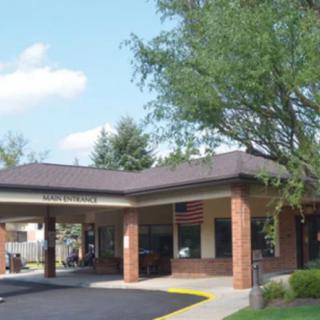
100 Woodmont Road, Johnstown, PA 15905
For more information about senior living options: (866) 208-4318
Overall Review of Amber Springs At Laurelwood
Pros
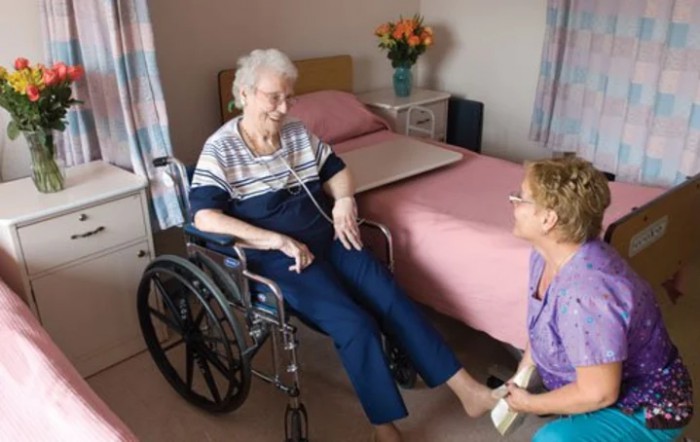
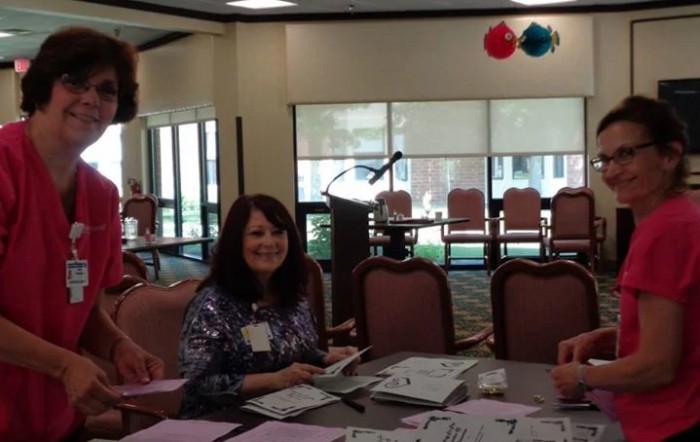
 The staff are wonderful, caring, kind, and compassionate.
- Every staff member has been super helpful.
- The facility is clean.
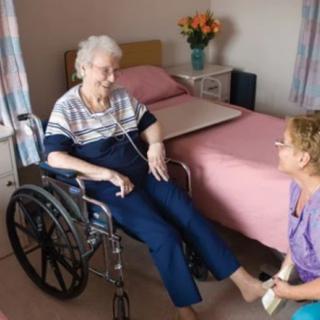
- The staff are always working and attentive, never idle.
- They respond positively when asked for help with a loved one.
- Amber Springs at Laurel Wood has warm, genuine staff and personal attention from the administrator.
Cons
 The urostomy bag was not kept on the patient’s stomach as required, leaving an open wound.
 - Rehab was minimal; the therapy sessions lasted only about 10 minutes and offered little real benefit.
- The staff did not seem to be working with patients enough to help them get better.
- The facility had cleanliness issues, including a sticky floor and, at times, blood on the floor.
- Requests for help were not promptly addressed, with waits of 20 minutes or more.
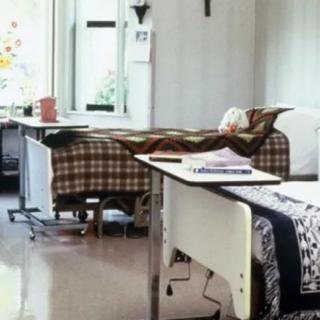
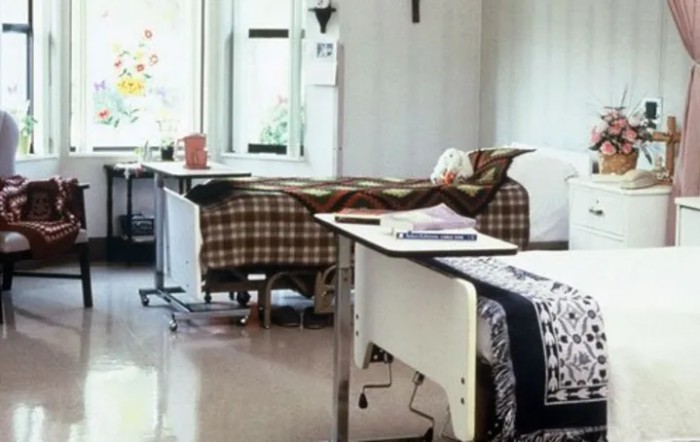
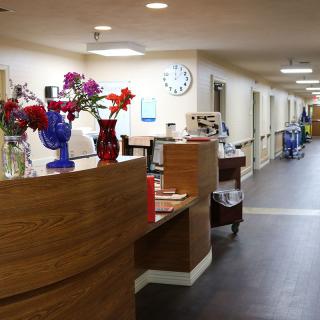
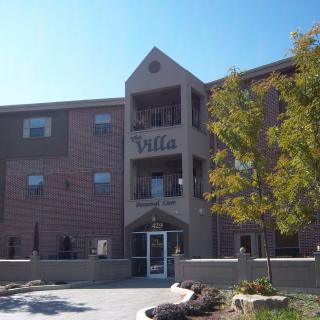
- The building appeared old and poorly upgraded, with cramped rooms and a confusing layout.
- Administrative staff were perceived as insincere or contradictory, implying a lack of quality care.
Review
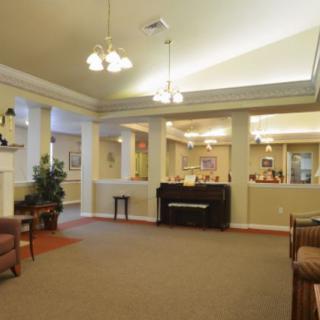
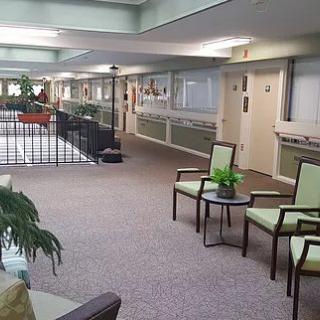
Amber Springs at Laurelwood is best suited for families seeking a warm, person-centered personal care environment where residents are treated with tangible kindness and staff members stay engaged in daily caregiving rather than idling in hallways. The community presents as a moderately sized, homey option on the Laurelwood campus, with clean, comfortable rooms and easy access to dining rooms, lounges, and outdoor views that boost everyday quality of life. It works well for individuals who no longer want to manage full-time at-home care but do not require hospital-level medical oversight or intensive rehabilitation. Those with the expectation of consistent clinical therapy, strong wound care, or highly specialized equipment management may wish to compare other options before deciding.
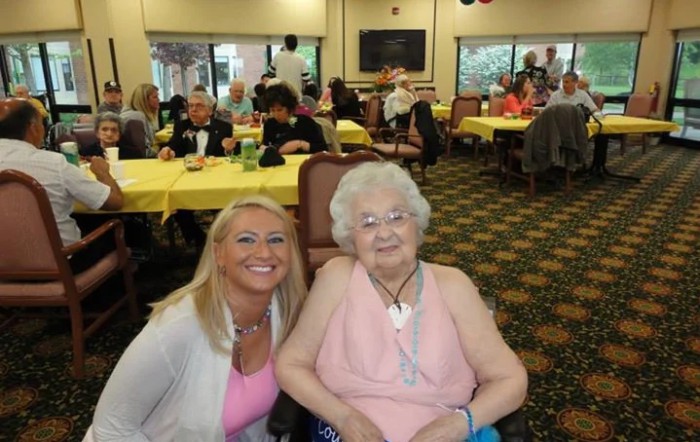
Across multiple accounts, the strongest draws are evident in the caregiving culture. Staff are described as wonderful, caring, and genuinely attentive, with frontline workers who are personable and responsive. The facility itself is perceived as clean and well-kept, with a sense that attendants stay busy helping residents rather than wasting time. Families report meaningful interactions with the administrator and DON during tours, and the atmosphere in common areas, mealtimes, lounges, and outdoor space, feels lively and welcoming. Personal care rooms are noted for being fresh, functional, and modern enough to feel comfortable, featuring walk-in showers with seats and safety features that support independence. The overall rating sits around 3.5, reflecting a mix of warmth and concern that families should weigh alongside the tangible strengths.
However, several reviews flag serious gaps in medical care and rehab, suggesting consequences for residents who depend on reliable therapy and monitoring. In one case, a resident with a urostomy bag experienced an alarming lapse in containment, with inadequate securing and minimal ongoing wound care. Therapy sessions were described as brief or inconsistent, leaving family members worried about meaningful progress. Other observers recount long waits for assistance, limited or absent activity programming, and rooms that feel like hospital spaces rather than home environments. The facility’s footprint is older, with some areas lacking upgrades that would ease daily living and navigation. These clinical and operational gaps weigh heavily against the otherwise positive daily atmosphere.
Those pros matter because dependable staff, a clean setting, and a social fabric can compensate for modest physical footprints when daily routines, safety, and companionship hold steady. The genuine warmth of caregivers translates into regular help with meals, mobility, medications, and social participation, which keeps residents engaged and reduces isolation. The administrator’s willingness to spend time explaining options during tours signals a genuine commitment to informed decision-making, and the visible energy of staff who are happy to help contributes to a sense of security that cannot be bought with glossy brochures. In short, Amber Springs can deliver a comfortable, connected living experience for many residents, even as clinical care remains a decisive weakness for others.
Alternatives deserve consideration for families prioritizing rehab intensity, meticulous clinical oversight, or a more contemporary facility footprint. If a resident requires rigorous physical therapy, frequent wound care, or rapid response to emergencies, the reported gaps may translate into real risk. Price sensitivity and the desire for newer, more modern interiors are genuine factors, as one reviewer notes that value could be better and rooms are modest in size. Those who prize a highly integrated medical model with strict staffing metrics may find better alignment elsewhere, especially if the goal is to maximize rehabilitation outcomes and clinical reliability in tandem with personal care.
Practical decision guidance centers on a structured visit and explicit care-plan verification. Prospective families should request a detailed, week-by-week rehab schedule, observe a therapy session, meet the nursing supervisor, and review a recent incident log to understand safety and responsiveness. Compare Amber Springs at Laurelwood against nearby options that emphasize rehab outcomes, wound-care protocols, and consistent staffing discipline. When warmth, social engagement, and reliable daily assistance are the priority, Amber Springs can be a strong, workable fit; when robust rehab and medical oversight drive the decision, alternatives should be prioritized.
 100 resident community capacity
 Studio apartments
 Assisted Living
 Respite Care
 Skilled Nursing Facility
 Air-conditioning
 Beauty salon
 Cable or satellite TV
 Computer center
 Dining room
 Financial aid
 Fitness room
 Fully furnished
 Gaming room
 Garden
 Housekeeping services
 Kitchenette
 Laundry
 Move-in coordination
 Outdoor space
 Private bathrooms
 Restaurant-style dining
 Small library
 Spa
Spa Telephone
 Wi-Fi/high-speed internet available
 Community operated transportation
 12-16 hour nursing
 24-hour call system
 Activities of daily living assistance
 Assistance with bathing
 Assistance with dressing
 Assistance with transfers
 Diabetes diet
 Medication management
 Mental wellness program
 Physical therapy
 Special dietary restrictions
 Arts and crafts
 Concierge services
 Cooking club
 Educational speakers / life long learning
 Games
Games Live musical performances
 Planned day trips
 Religious services
 English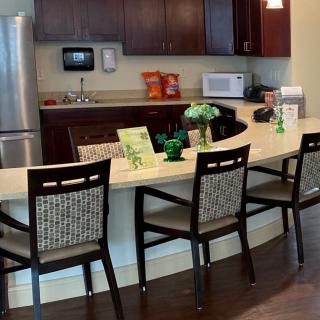


 Comprehensive Insights into Activities of Daily Living (ADLs) and Their Assessment
 Medicare Coverage for Assisted Living: An In-Depth Exploration
 Choosing the Right Senior Care: A Detailed Exploration of Assisted Living and Nursing Homes