
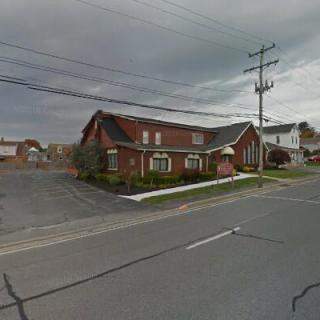
1072 Mt Airy Drive, Johnstown, PA 15904
For more information about senior living options: (866) 208-4318
Overall Review of St Jude S Haven Personal Home
Pros
 Her mother loved the staff.
- The nurses are nice and take good care of her.
- They are great.
- They are so wonderful with her mother.
Cons
 Kait tells people what she wants to hear.
- Kait doesn’t have enough staff overnight.
- There were nights with no one available to give meds to the mother.
- There was no proper food, with ramen noodles offered for a Sunday dinner.
- No call bells for months.
- Toilets were overflowing into patient rooms and halls.
- Kait discharged the mother, saying she needed skilled care, despite addressing the issues.
Review
St Jude’s Haven Personal Home in Johnstown, PA is best suited for families seeking a small, home-like setting where frontline caregivers can form meaningful relationships with residents and where daily life feels personalized. The setting can deliver warmth and attentiveness when staffing holds steady and management attends to routine needs. For residents who thrive on predictable, intimate interaction with caregivers and do not require complex, around-the-clock medical intervention, this community can offer comfort and a sense of belonging that larger campuses may struggle to replicate.
However, this option is less suitable for those who require reliable overnight nursing, consistent medication administration, and sustained, high-quality meals. Several reviews describe overnight staffing gaps, with times when medications were not given promptly and help was unavailable when needed. Food quality is flagged as poor by some families, with meals described as insufficient. The recurring absence of functioning call bells for extended periods further signals safety vulnerabilities. For higher-acuity residents or those with strict medication schedules, or for families seeking dependable, 24/7 oversight, stronger alternatives should be prioritized.
On the positive side, multiple accounts highlight kindness and attentiveness from the caregiving staff. When present, nurses are described as caring and supportive, forming bonds that matter greatly to residents and families. That genuine warmth can make daily life more bearable and even uplifting. Yet warmth by itself cannot offset persistent operational failures. The most serious red flags, call-bell outages, sanitation lapses such as overflowing toilets, and management-related concerns, undercut trust that safety and dignity will be consistently maintained. In a setting where basic systems should work smoothly, occasional kindness cannot compensate for unreliable routines and safety risks.
The mixed feedback paints a picture of a facility with potential for personal connection but with organizational strain. One review suggests a caregiver’s promises were not upheld and a transition out of the home followed, while another recounts a patient being deemed unable to meet the facility’s criteria and being moved elsewhere. These stories are not mere anecdotes; they signal that, for some families, care stability was compromised enough to prompt difficult transitions. This pattern adds a real risk for anyone evaluating this home, particularly for those balancing medical needs with the daily realities of staffing and communication.
Given these dynamics, decision-makers should demand concrete assurances before committing. Key questions to scrutinize include overnight nurse-to-resident ratios and who fills gaps, how medication schedules are verified and documented, backup plans when staff are overwhelmed, and the exact process for immediate assistance if call bells fail. A tour during evenings and weekends can reveal real-time responsiveness, while a thorough inspection of cleanliness, maintenance logs, and meal options helps quantify day-to-day living quality. Speaking with several current residents or families about ordinary routines offers grounded insight. Clarify discharge criteria and recent histories of residents moving to higher levels of care to align expectations with capability.
In short, St Jude’s Haven Personal Home should be weighed by families prioritizing intimate, compassionate attention within a smaller setting, while recognizing potential operational gaps. For those whose primary need is reliable overnight nursing, prompt medication administration, and consistent quality control, alternatives with stronger staffing and formal nursing oversight are advisable. This often points toward larger, more resource-rich assisted living environments or facilities with dedicated skilled-nursing support. If this home is pursued, approach it with a staged plan: conduct a trial period, set explicit safety benchmarks, and establish rigorous oversight. The right move prioritizes stability and reliability first, warmth second, and only proceeds if both can be verified and maintained.
 17 resident community capacity
 Assisted Living
 Board and Care Home
 Cable or satellite TV
 Dining room
 Fully furnished
 Garden
 Housekeeping services
 Move-in coordination
 Outdoor space
 Telephone
 Wi-Fi/high-speed internet available
 24-hour supervision
 Activities of daily living assistance
 Assistance with bathing
 Assistance with dressing
 Assistance with transfers
 Diabetes diet
 Meal preparation and service
 Medication management
 Special dietary restrictions
 Transportation arrangement (medical)
 Transportation to doctors appointments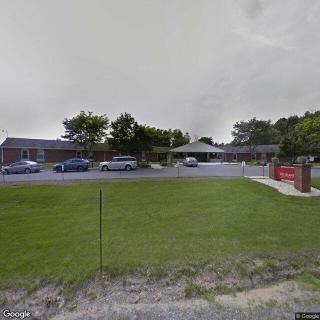





 Assisted Living and Memory Care: Understanding Their Core Differences
 Beyond the Bingo Hall: 50+ Enriching Activities for Seniors in Assisted Living
 Understanding the Distinctions: Assisted Living and Memory Care Explained