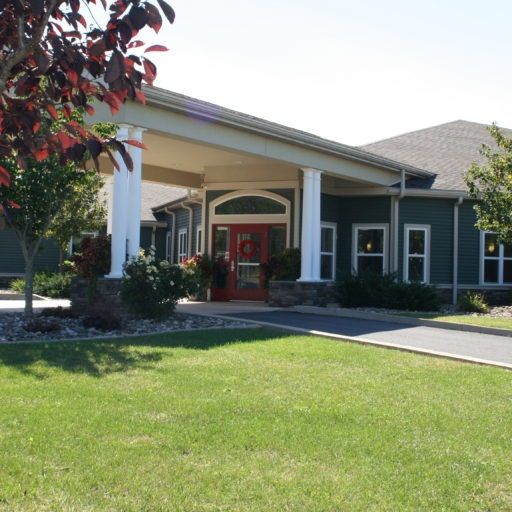


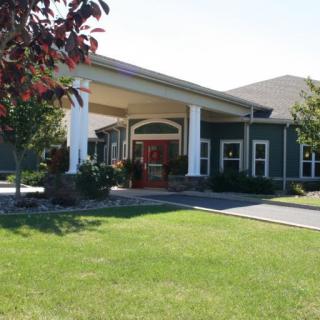

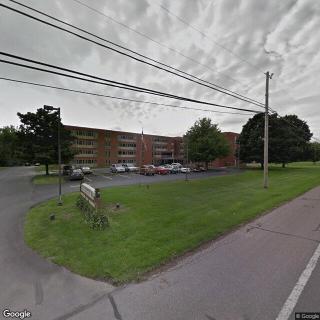
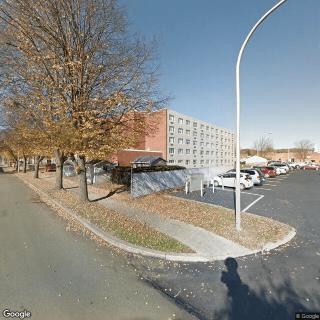
3750 Route 220 Highway, Hughesville, PA 17737
For more information about senior living options: (866) 208-4318
Wolf Run Village Costs & Pricing
Wolf Run Village offers a competitive pricing structure for its residents, particularly when compared to the broader averages in Lycoming County and across Pennsylvania. For instance, the cost of a semi-private room at Wolf Run Village is $2,275 per month, significantly lower than the county's average of $3,172 and the state average of $3,542. Similarly, the studio apartments at this community are priced at $2,730, which again outshines both the county's average of $3,503 and the state's average of $3,737. These attractive rates make Wolf Run Village an appealing option for those seeking quality care and comfortable living arrangements without straining their budgets.
| Floor plans | Wolf Run Village | Lycoming County | Pennsylvania |
|---|---|---|---|
| Semi-Private | $2,275 | $3,172 | $3,542 |
| Studio | $2,730 | $3,503 | $3,737 |
Memory care communities with a similar price nearby
-
from +$318 / mo

Nottingham Village
$2,593 to $5,490 / month23.6 miles away
Overall Review of Wolf Run Village
Pros
 She was happy with her room.
- The planned activities were exceptional.
- The facility offers strong interaction with staff, a wide variety of activities, and reasonable pricing.
- It is very clean with a loving staff.
- The daily experience includes three meals, activities, laundry, and around-the-clock nursing in a beautiful setting.
- This is a nice community with caring and attentive staff.
- The menu has a large variety, and residents are invited to participate in activities with others.
- The Wolf Run Village location is convenient, and the facility looked wonderful.
Cons
 The facility is often understaffed, especially for residents with nursing care needs.
- The front office is impersonal.
- The food service is inconsistent, with high staff turnover and cost-cutting concerns.
- Laundry can sometimes go missing.
- Staff sometimes fail to meet with residents or observe therapies, appearing distracted by their phones.
- Management is criticized as very poor, with incidents of staff being yelled at by the kitchen manager.
- The environment feels cold and utilitarian, with small rooms and small closets.
Review
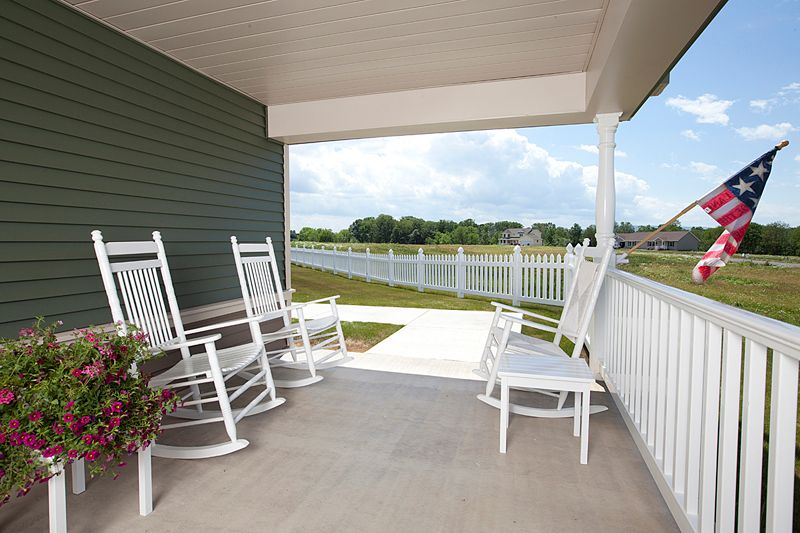
Wolf Run Village in Hughesville is best suited for families seeking a value-driven assisted living option that keeps residents engaged through a robust activity calendar and accessible on-site support. It works well for seniors who are relatively independent but want reliable meals, routine nursing care, and predictable oversight in a setting that feels clean and manageable from a family’s perspective. The affordability paired with a strong program slate makes it attractive for those who prioritize practical daily structure over boutique amenities. This is not the most luxurious option, but it delivers solid foundations for ongoing social engagement, routine care, and near-term peace of mind.
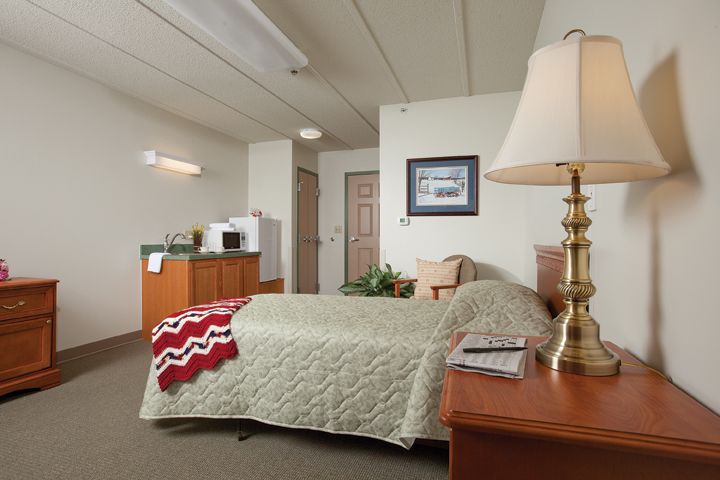
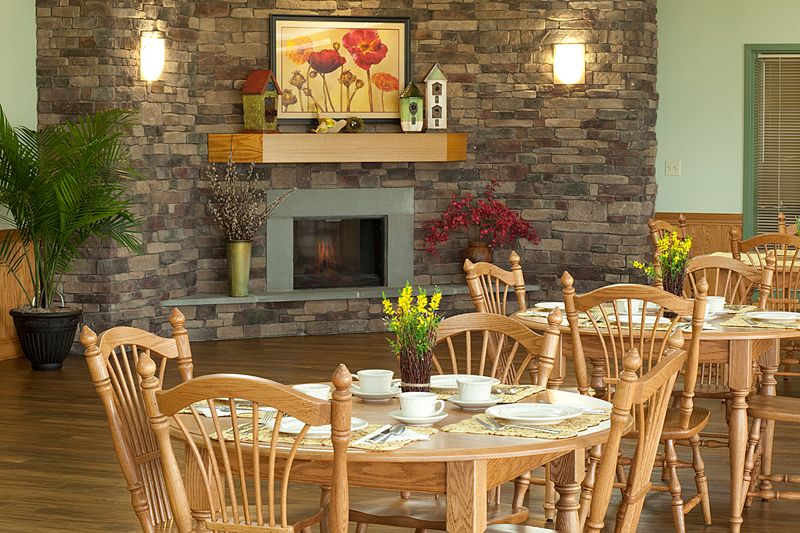
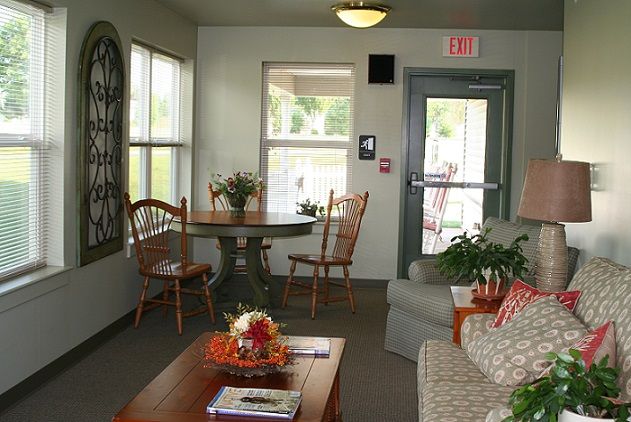
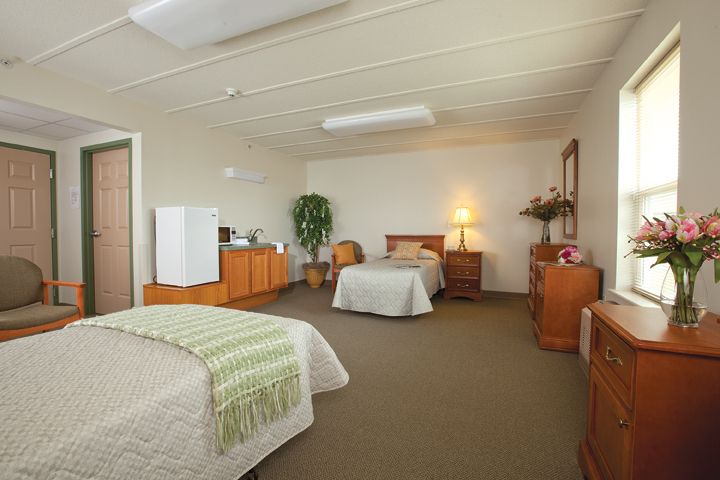
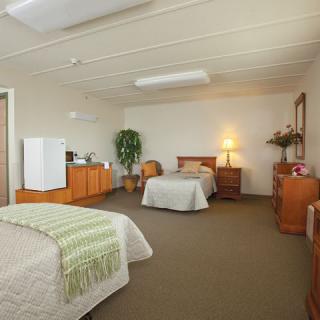
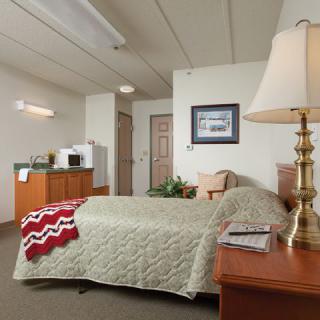
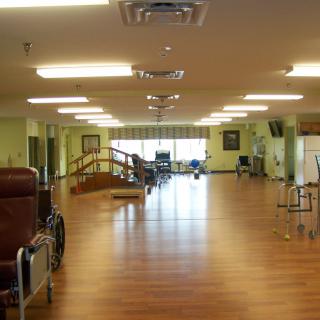
On the positive side, residents benefit from attentive staff interactions, a broad menu, and a calendar of varied activities that keeps people moving and social. The facility is described as clean, with around-the-clock nursing presence and three meals daily, plus laundry service, features that translate into predictable routines for families. Rooms often include in-room conveniences like a refrigerator and microwave, extending independence for residents who want to entertain or prepare simple meals. The dining room is spacious, and the sense of community along with approachable staff serves as a meaningful anchor, while affordability and a robust activity program help offset occasional staffing gaps, though not entirely when complex medical needs are present.
However, there are material drawbacks that families must weigh. Staffing can be uneven, with occasional gaps in experienced coverage and turnover that affects consistency in care and responsiveness. Food quality is described as hit-or-miss, and there are reports of missing laundry and a front office that feels impersonal, which can erode trust at critical moments. For residents with more intensive medical needs, such as wounds or complex therapies, the available staff may not be sufficient, forcing families to rally as advocates to connect with the right level of care. These gaps in medical capacity and customer service transparency can undercut otherwise solid day-to-day routines.
Management culture appears polarized in some accounts, including complaints about how decisions are communicated after hospital evaluations or therapy sessions. When expectations collide with on-site processes, families can feel left waiting for clear explanations. These dynamics do not erase the benefits of the campus’s proximity to family, the strong activity calendar, or the warmth of many staff members, but they constrain the facility’s ability to deliver seamless medical integration and proactive problem solving. In other words, the day-to-day life can be very good, but the path to resolving medical or care planning questions can be slower and less transparent than ideal.
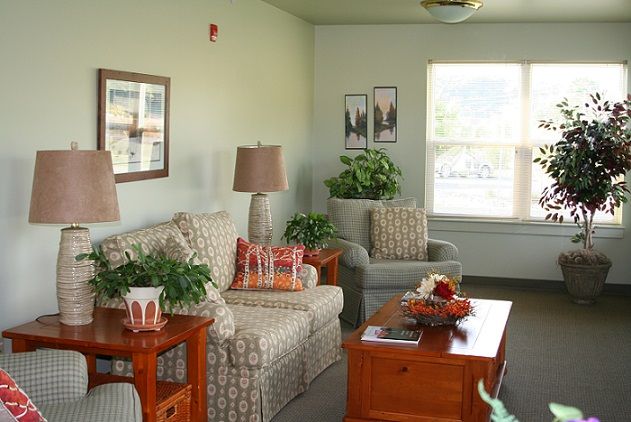
The physical plant earns points for cleanliness and accessibility, especially in private rooms that include a sink, fridge, and microwave. Yet a few reviewers describe the space as utilitarian or less warm than alternative options, with smaller closets and more limited personal-staging capacity. For families prioritizing safety and social engagement, the on-site activities, bingo, outings, and regular group events, provide daily touchpoints that help residents stay engaged and reduce isolation, which in turn supports overall well-being even when medical needs are modest. The combination of a bright activity schedule and a strong staff presence helps mitigate some environmental shortcomings, making the environment workable for many.
For decision-making, Wolf Run Village proves most compelling for those prioritizing value, routine care, and a lively social calendar within a conveniently located campus. Those needing intensive medical oversight, a more homelike atmosphere, or consistently warm front-desk service should consider alternatives that offer stronger clinical staffing or a more personalized environment. Prospective families should verify current staffing levels on each shift, inspect room sizes and closet space, confirm laundry reliability, and speak with current residents about meal quality and activity availability. A proactive approach, weekly check-ins by family members and asking for clear care-planning communication, will help ensure the chosen path aligns with medical needs and personal expectations.
 75 resident community capacity
 Assisted Living
 Memory Care
 Activities on-site
 Air-conditioning
 Beautician on-site
 Cable or satellite TV
 Computer center
 Devotional services off-site
 Dining room
 Fitness room
 Fully furnished
 Gaming room
 Garden
 Housekeeping services
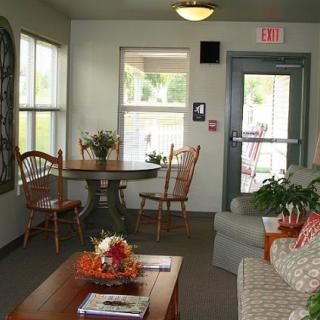
 Indoor common areas
 Kitchenette
 Move-in coordination
 Outdoor space
 Private bathrooms
 Restaurant-style dining
 Small library
 Telephone
 Wellness center
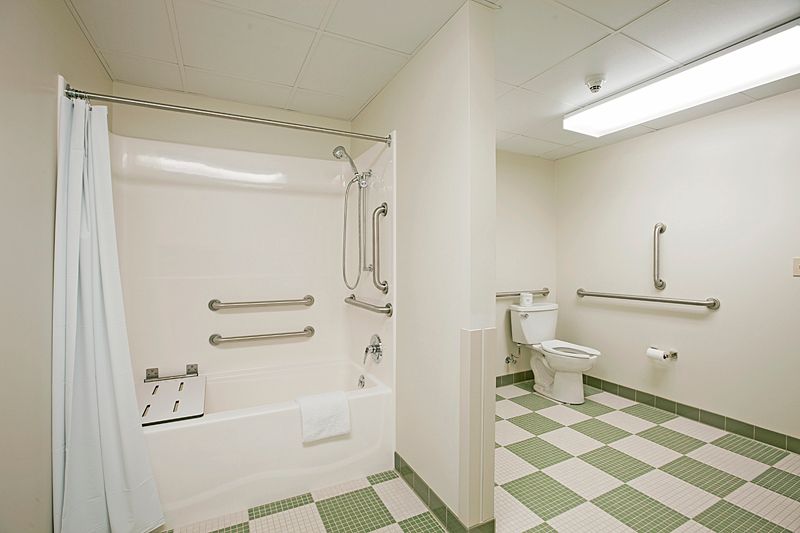
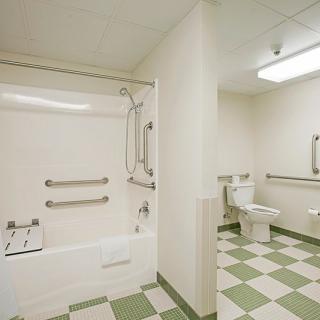
 Wheelchair accessible showers
 Wi-Fi/high-speed internet available
 Community operated transportation
 12-16 hour nursing
 24-hour call system
 Ambulatory care
 Assistance with bathing
 Assistance with dressing
 Assistance with transfers
 Diabetes diet
 Diabetic care
 Incontinence care
 Medication management
 Mental wellness program
 Special dietary restrictions
 Concierge services
 Planned day trips




 8 Key Indicators That Suggest It May Be Time to Transition from Assisted Living to Skilled Nursing Care
 Nourishing the Mind: Essential Dietary Approaches for Dementia
 Understanding Dementia Behaviors: Practical Insights and Strategies for Caregivers