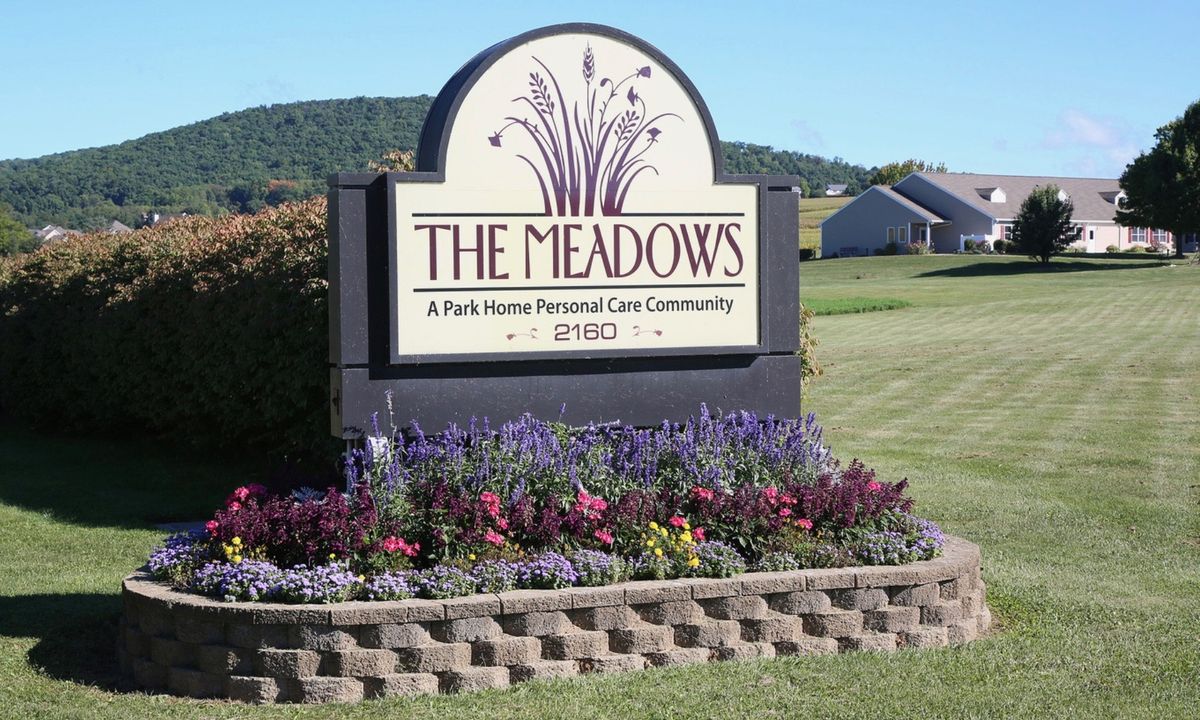


2160 Warrensville Road, Montoursville, PA 17754
For more information about senior living options: (866) 208-4318
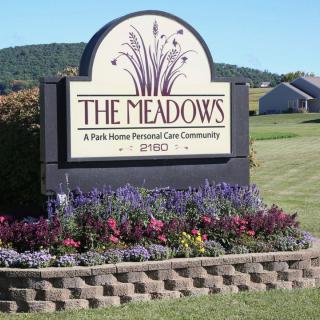
Overall Review of The Meadows A Park Home Personal Care Community
Pros
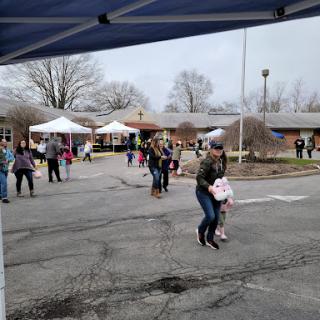
 The Meadows offers many activities for residents, including bingo and manicures.
- The staff are friendly, caring, and helpful, and the facility is well run.
- Meals and medications are mostly on time.
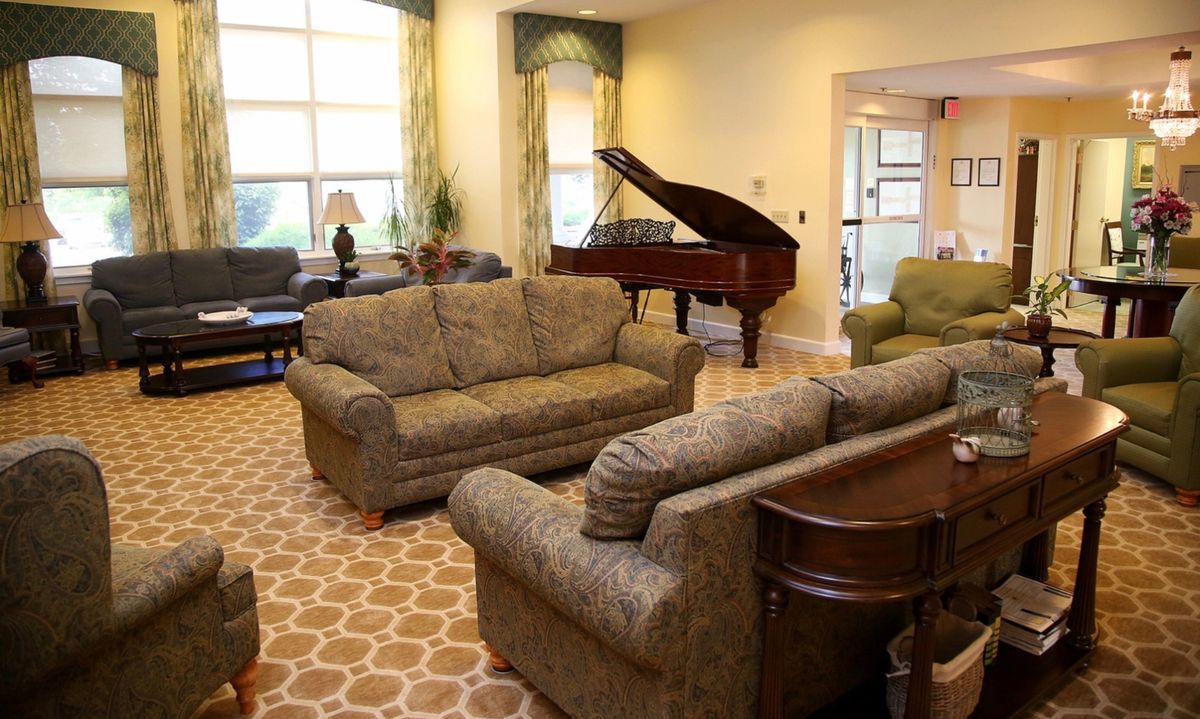
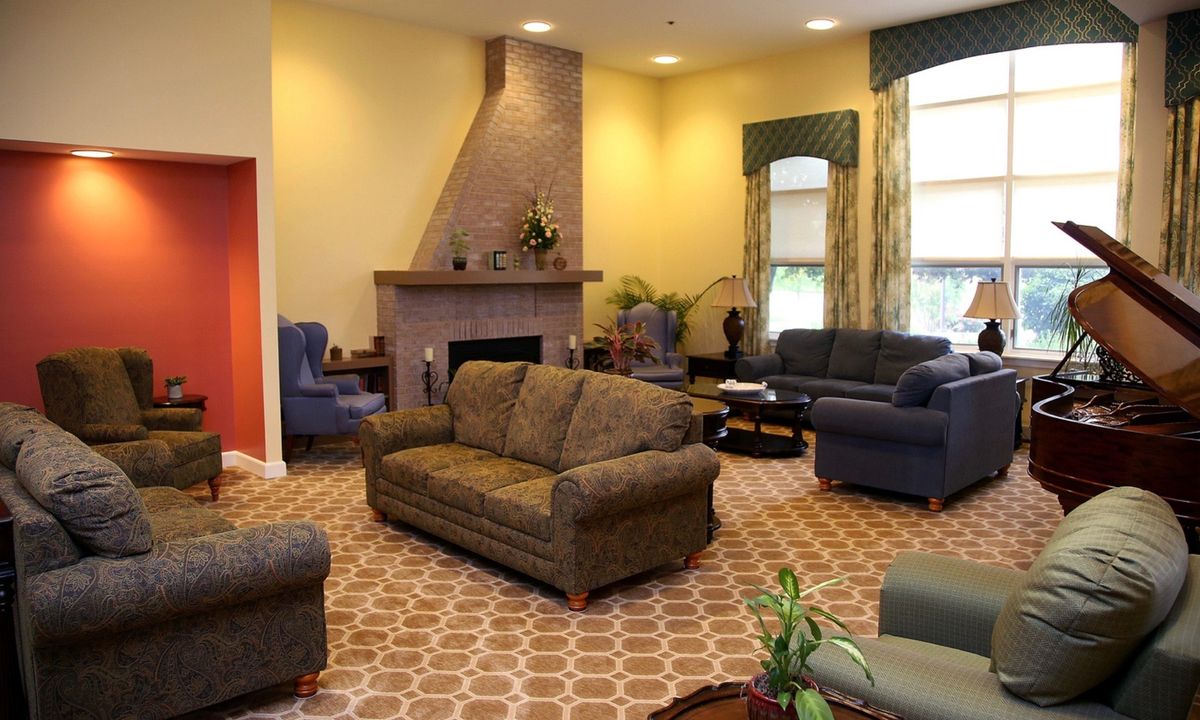
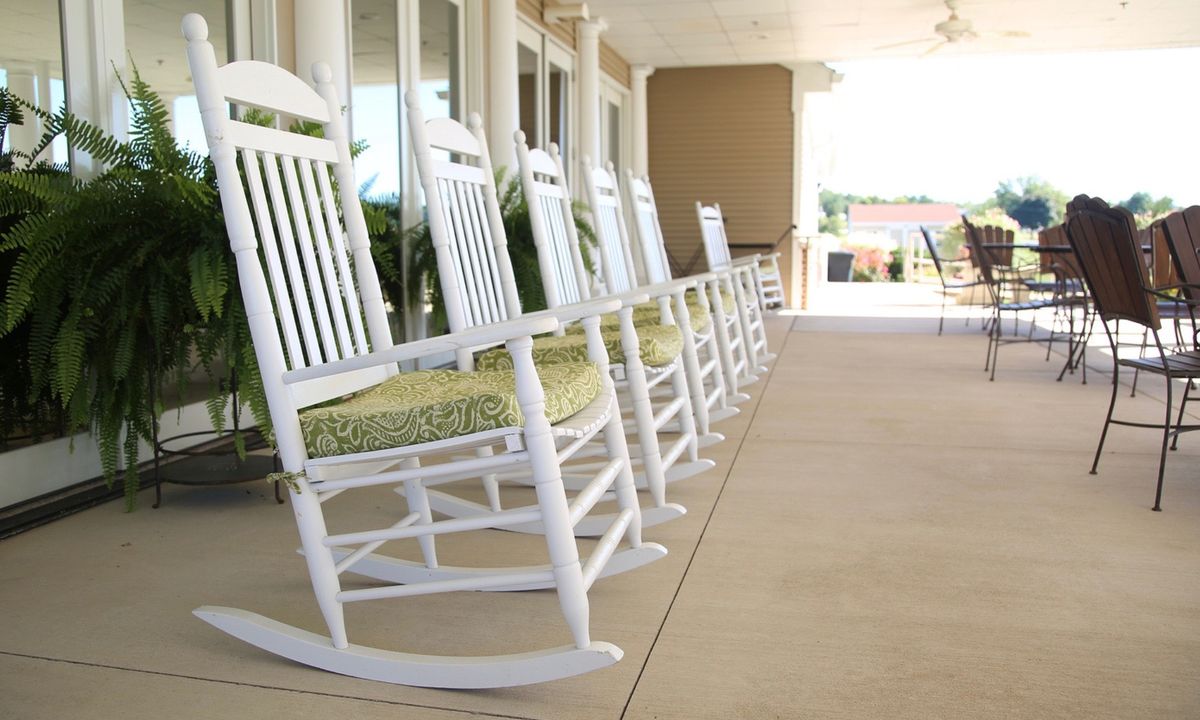
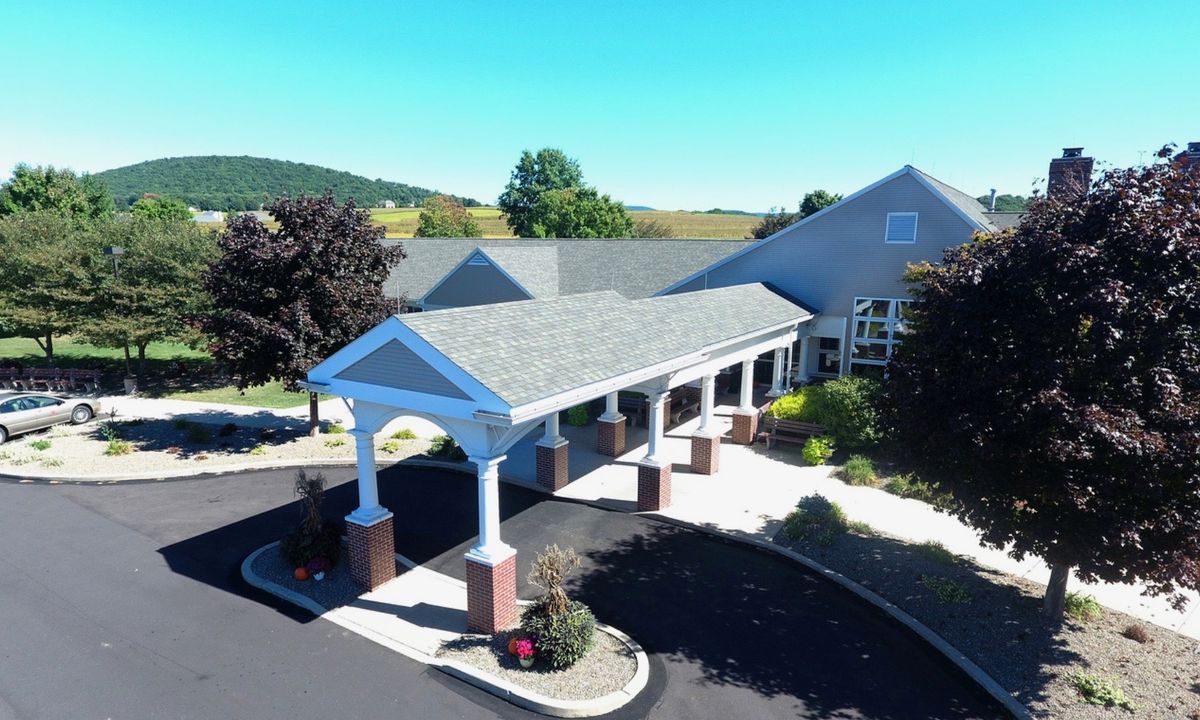
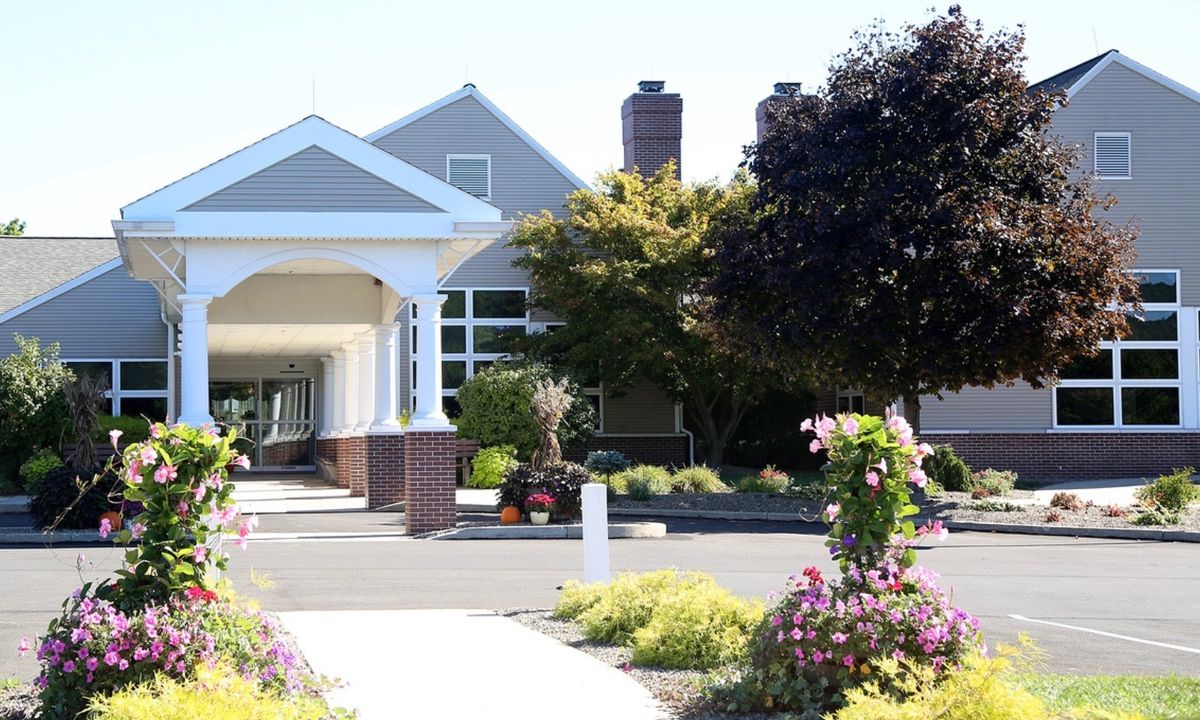
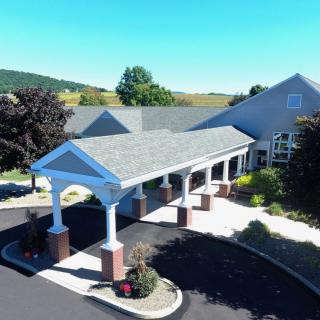
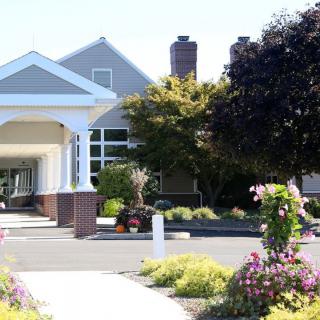
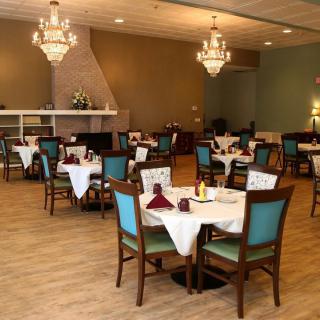
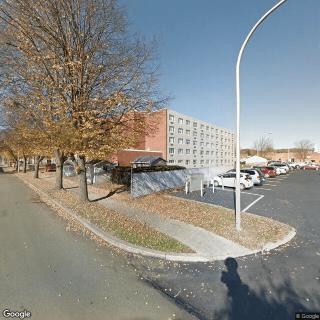
- The appearance is very beautiful and resembles a grand hotel.
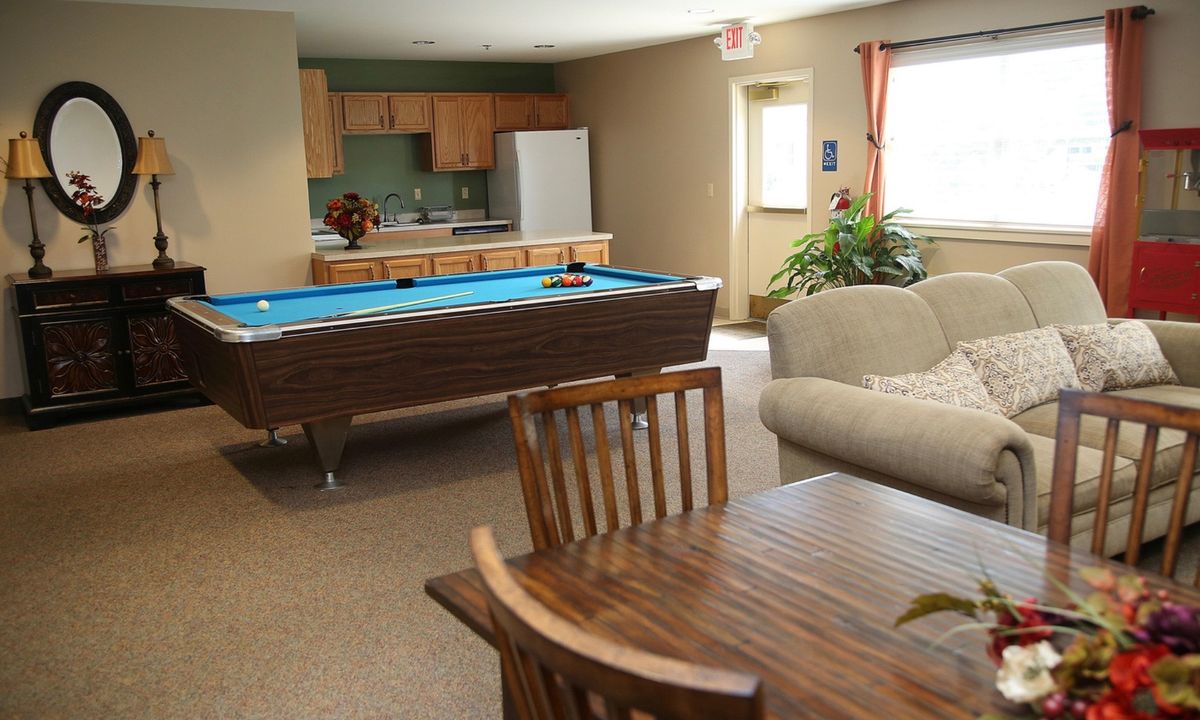
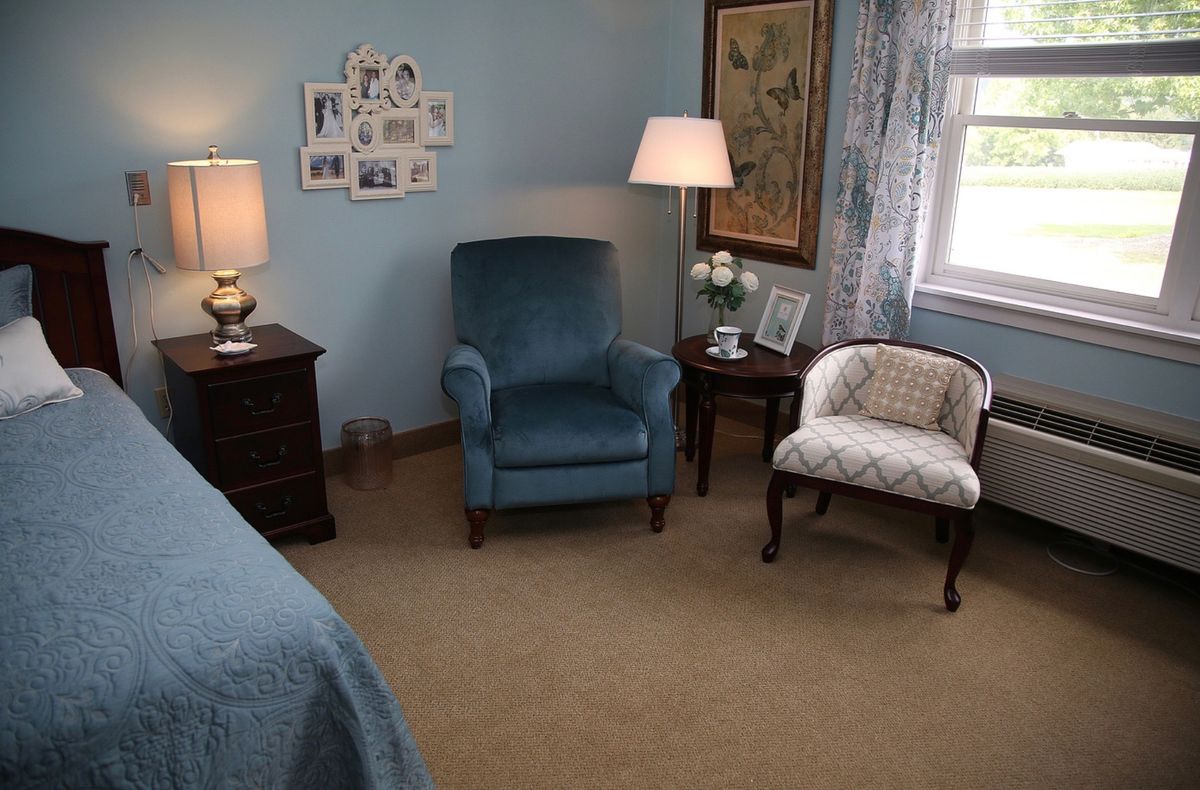
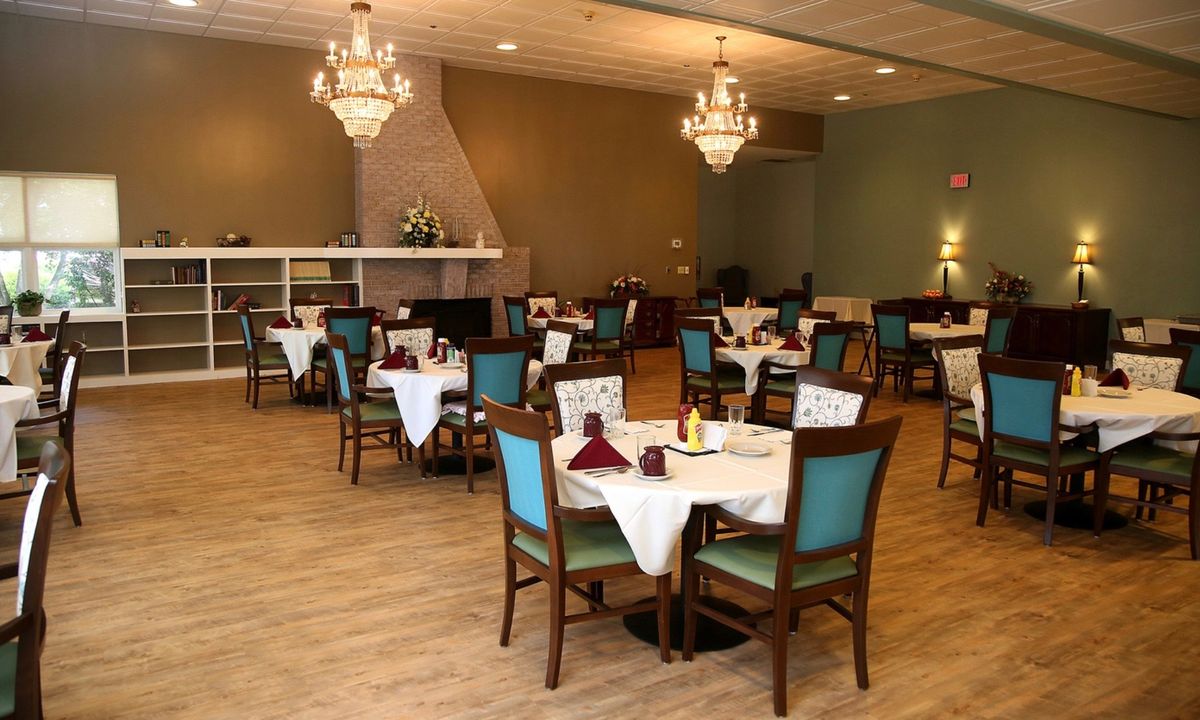
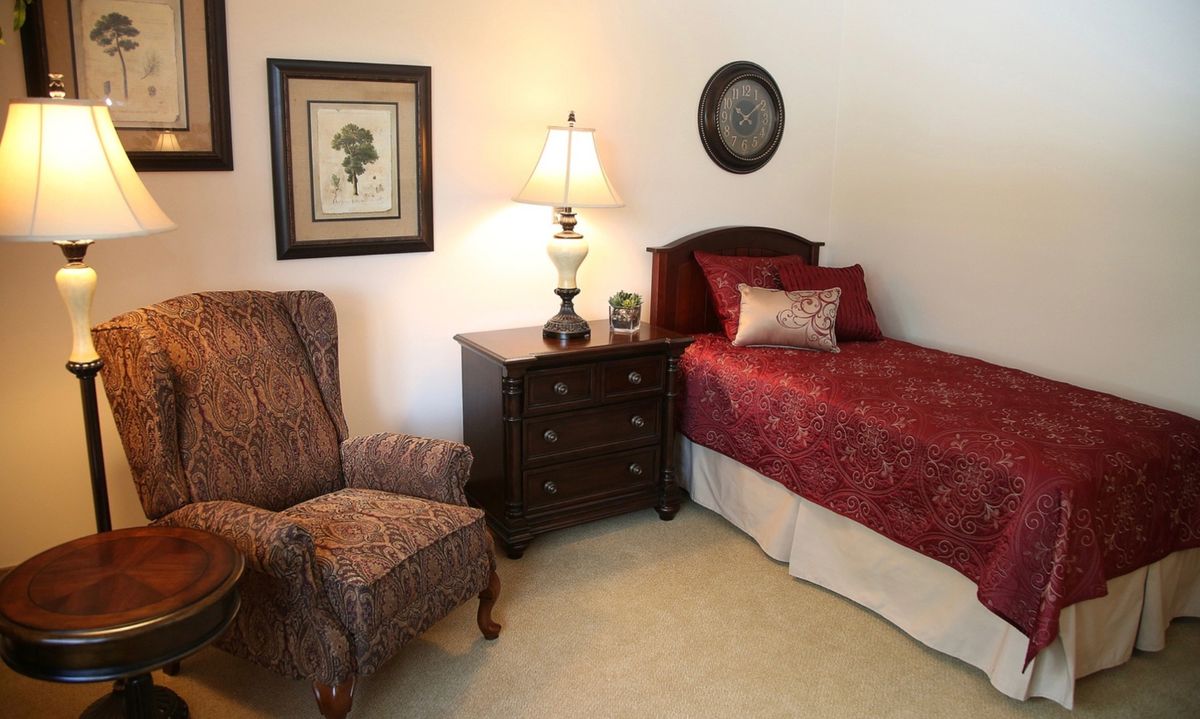
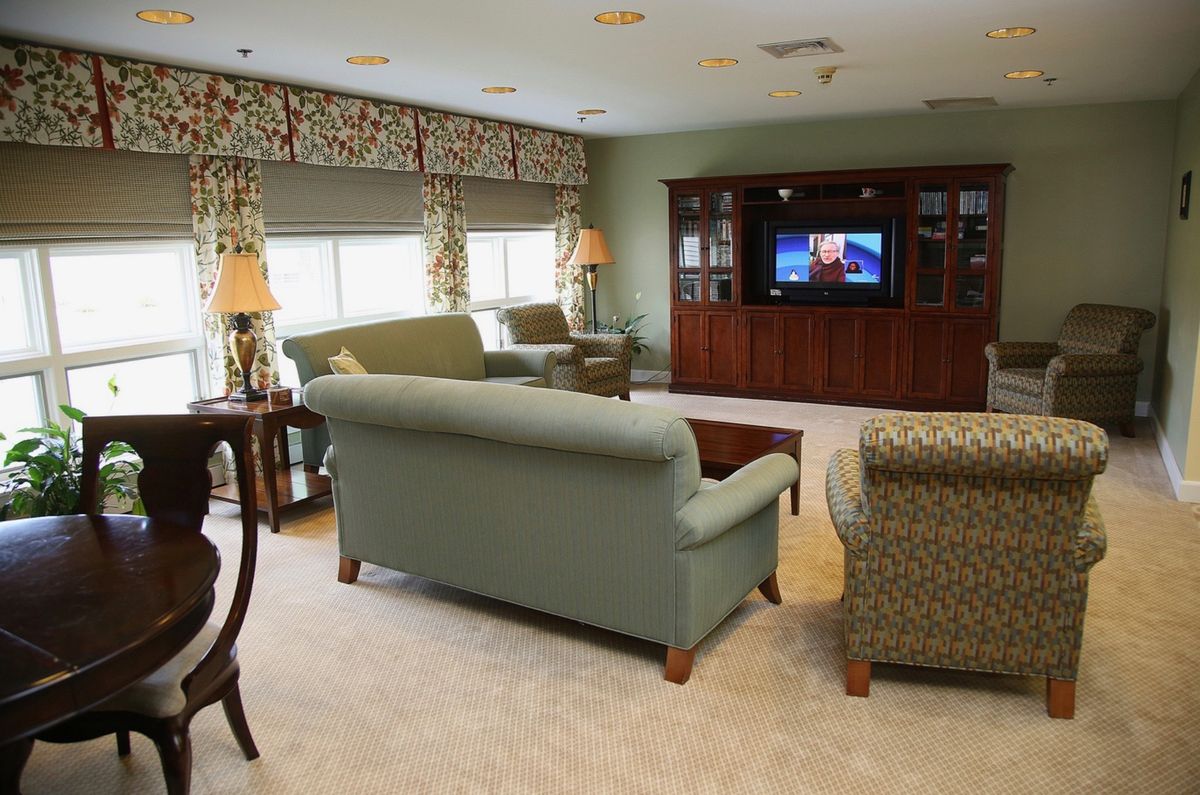
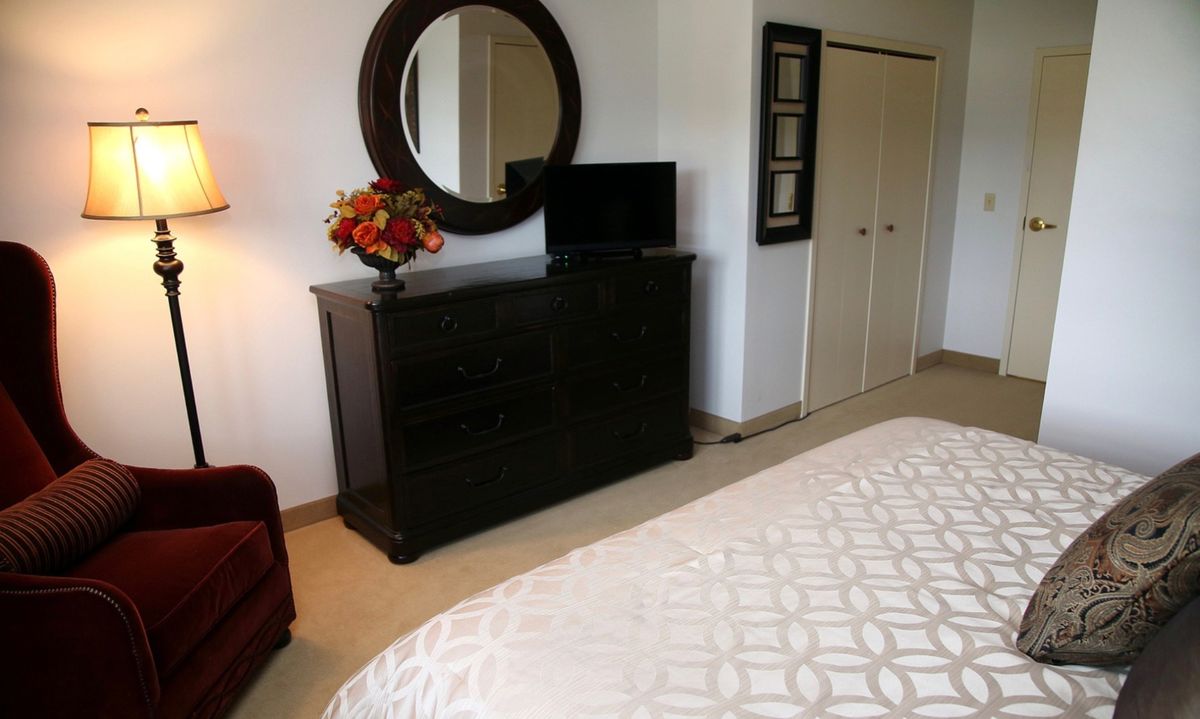
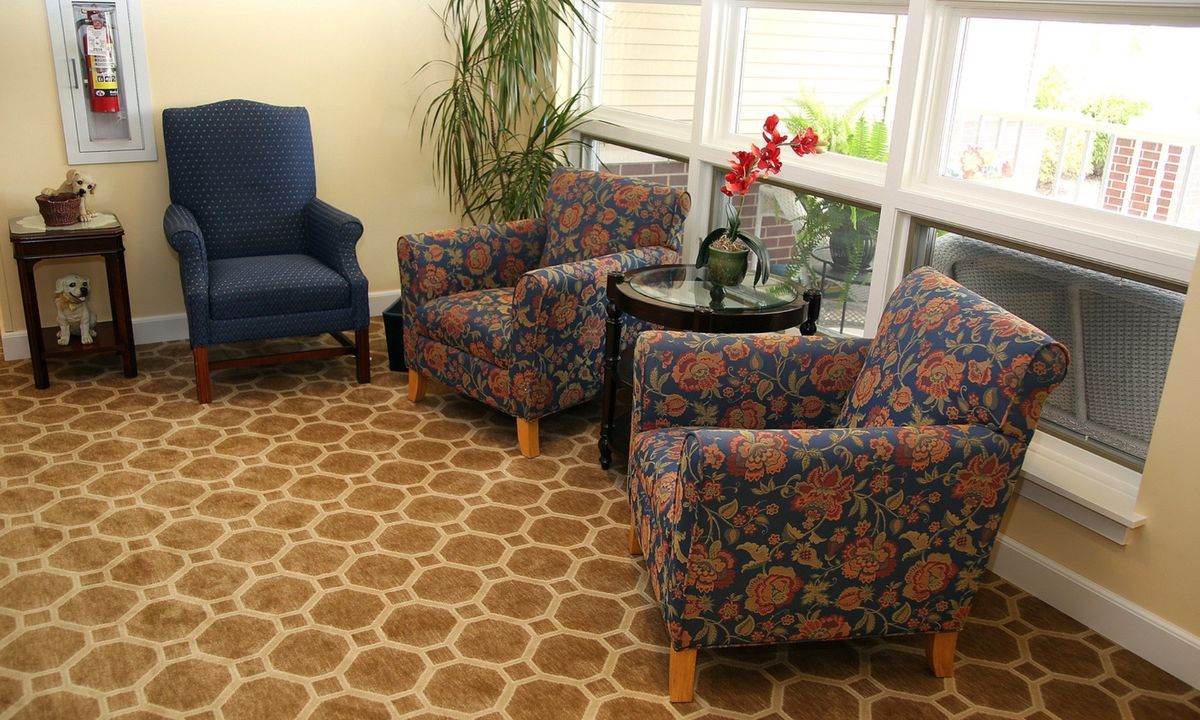
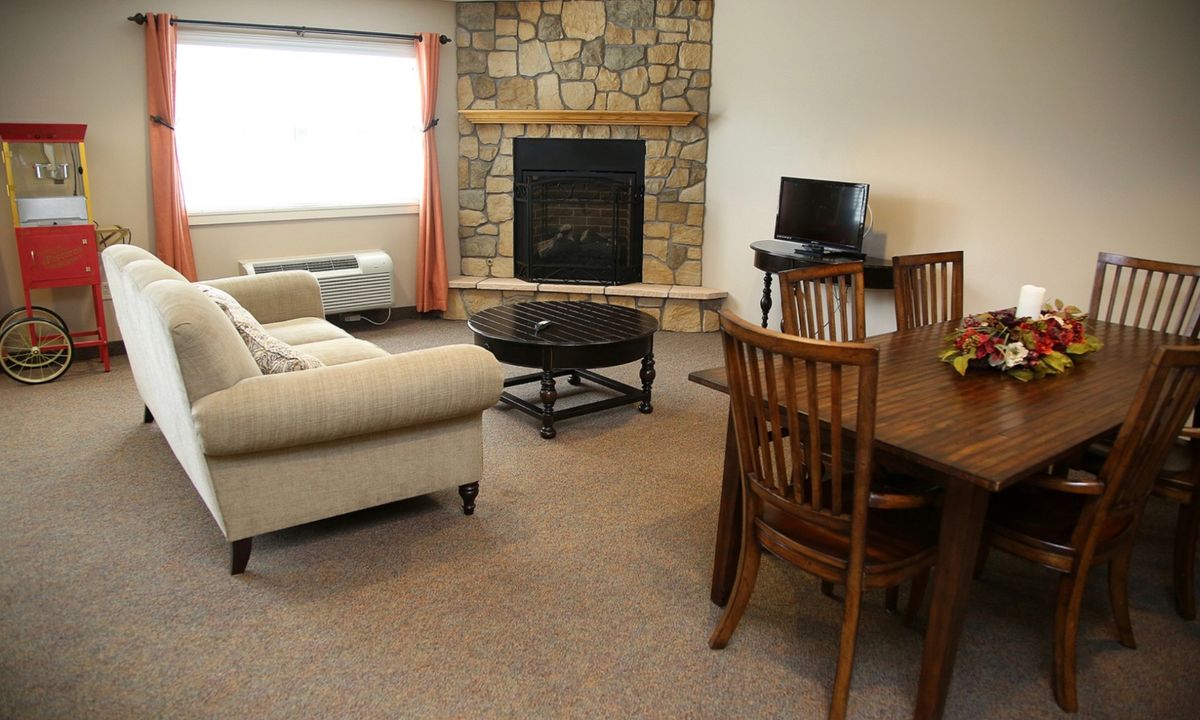
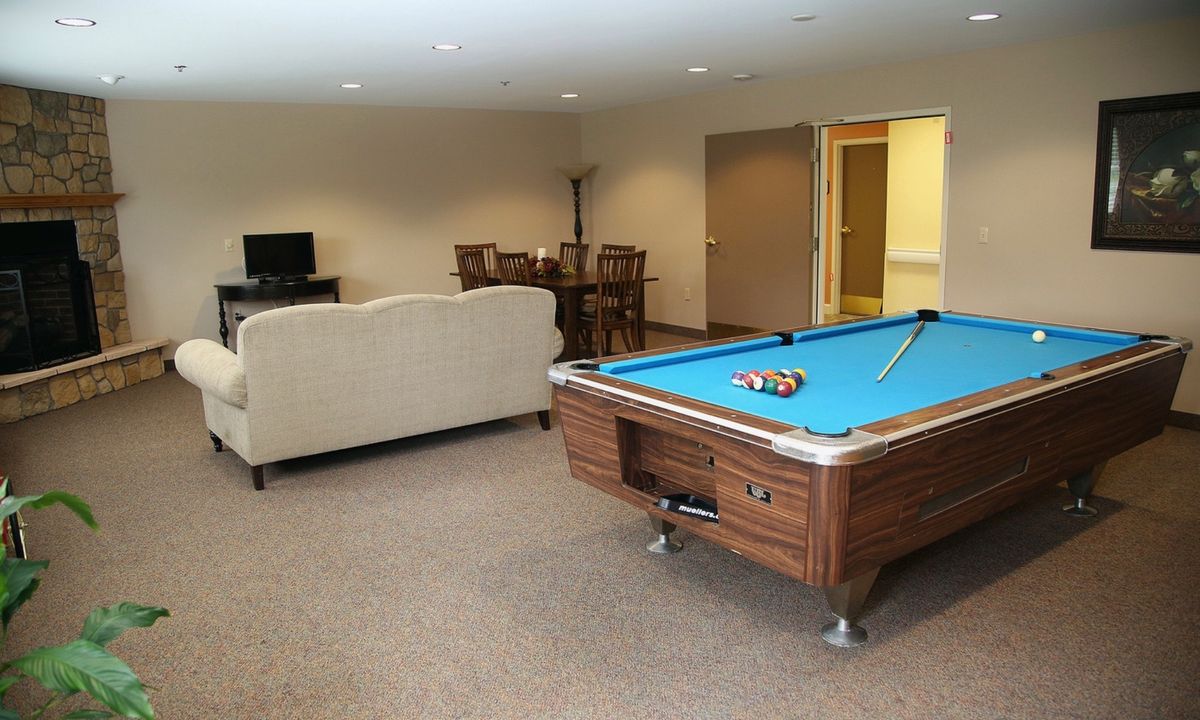
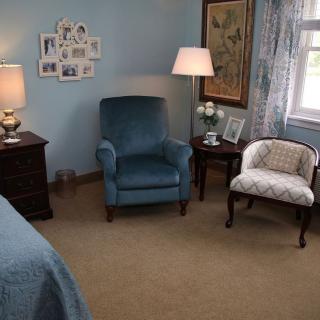
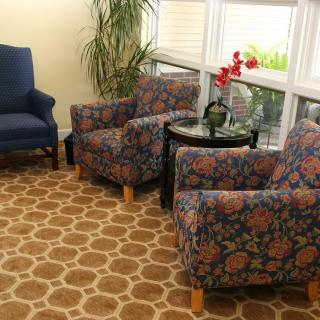
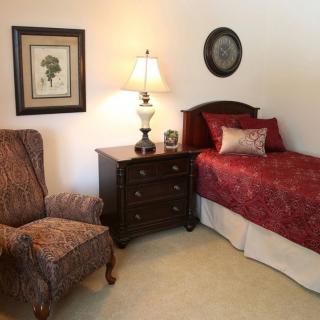
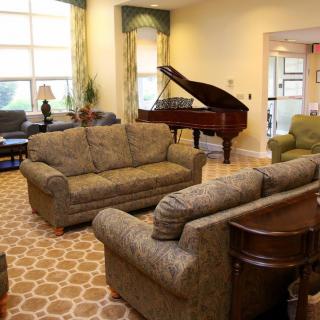
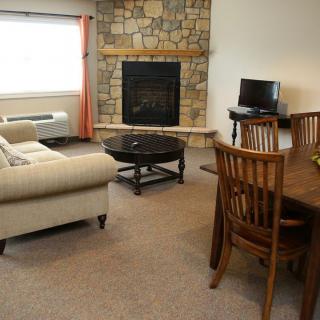
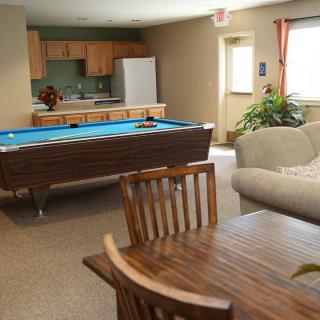
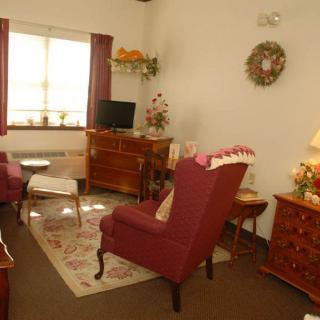
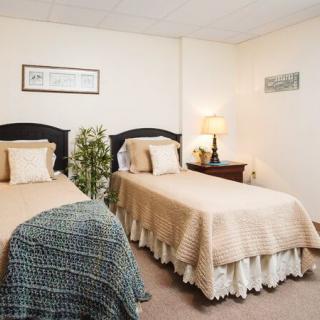
- The rooms are a good size, and the dining room and community room are spacious.
- The courtyard is beautiful, with a deck, flat walking paths, and raised gardens.
- The food is good, well-balanced, and served in generous portions.
- They treat residents with respect and care and are easy to work with.
Cons
 The staff made fun of residents in the break room.
- Management has a very bad attitude.
- Staff corrections are poor because they fear losing staff.
- There is not enough staff.
- Medical personnel are only available at very limited times of the day.
- The doctor on call is only available once a month.
- They won’t answer simple questions about placing cameras in residents’ rooms.
- Comments about cameras were deleted on Facebook.
- Nurses talked badly about the grandmother and other residents, and little was done after management was informed.
- They acted shocked and upset when questions about cameras were asked and never followed up.
Review
The Meadows A Park Home Personal Care Community in Montoursville is best suited for seniors who are physically capable of living with a moderate level of daily support and who prize a warm, country-style setting with steady meal service, reliable medication timing, and an active activity calendar. For residents whose needs stay primarily within mobility assistance and routine care, the community provides a comfortable environment with approachable staff and a sense of hospitality. It is less clearly a fit for those who require robust, around-the-clock medical oversight, frequent nursing interventions, or intensive memory care.
Families should consider alternatives if the primary needs involve dementia care, high-acuity medical support, or highly consistent staffing and governance. The consensus from several reviews points to real gaps in medical coverage and staffing stability that can escalate quickly for residents with complex conditions. If a loved one requires 24/7 nursing availability, rapid physician access, or a facility-wide culture of proactive accountability, a different community with demonstrated strength in those areas would be prudent. In short, this location may not consistently meet the expectations of families prioritizing medical rigor and transparent, responsive management.
On the positive side, the core operational strengths are meaningful: meals and medications are generally delivered on time, and the calendar of activities helps keep residents engaged. Several reviewers describe staff as friendly and attentive in meaningful portions of the day, and the dining environment, spacious rooms, a large dining room, and a welcoming community room, supports social interaction and dignity. The homey, country atmosphere, visible care in the décor, and the chance to participate in church services and organized outings are repeatedly cited as tangible benefits. Where such elements align, they create a sense of normalcy and comfort that families will value when a loved one is settling into daily routines.
Yet the most consequential drawbacks temper the overall impression. The most frequent, troubling themes center on understaffing, inconsistent availability of medical personnel, and a management tone that some families describe as closed or defensive. Reports of staff being disrespectful toward residents, coupled with limited opportunities to address questions or concerns, such as questions about camera placement or other safety safeguards, not being fully answered, signal a culture where accountability can feel uneven. Doctor-on-call frequency of once a month and restricted medical access can be especially troubling for families managing evolving health needs or behavioral issues.
Those tensions matter most when weighing how the pros offset the cons. The strong social framework, dependable meal and med routines, and several compassionate staff experiences can offset some anxiety for residents who do not require intensive medical attention and who thrive on structured activities and social connection. For residents who value security through consistent oversight, however, the cons weigh heavier: intermittent nursing coverage, a limited medical schedule, and management that some families perceive as less responsive can undermine a sense of safety and continuity. In practice, this means the community may deliver a solid, pleasant living environment for active, lower-acuity seniors but falls short for families needing a fortress of medical reliability and consistently high staff accountability.
The practical conclusion is clear: this community works best for physically capable seniors who want a pleasant, engaging setting with reliable routine services and are comfortable navigating a care ecosystem with limited on-site medical continuity. Families should be candid about the resident’s health trajectory and memory status before choosing. If memory care or high medical needs are anticipated, or if governance and responsiveness are non-negotiable, a carefully scoped visit to compare staffing ratios, nurse availability, and leadership responsiveness is essential. A thorough on-site assessment, talking with direct care staff across shifts, reviewing incident follow-ups, and verifying memory-care options, will reveal whether The Meadows can meet expectations or if another option is a safer, more aligned fit.
 64 resident community capacity
 Assisted Living
 Respite Care
 Air-conditioning
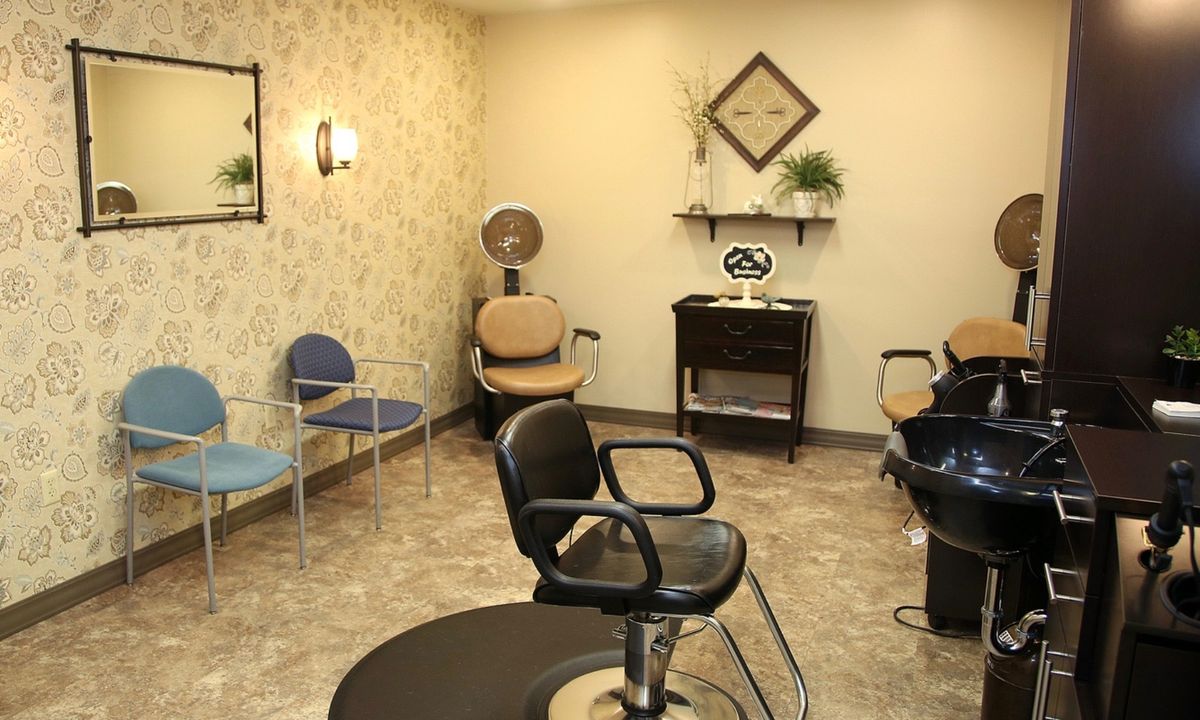
 Beauty salon
 Cable or satellite TV
 Computer center
 Dining room
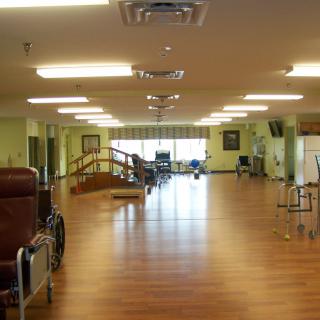
 Fitness room
 Fully furnished
 Gaming room
 Garden
 Housekeeping services
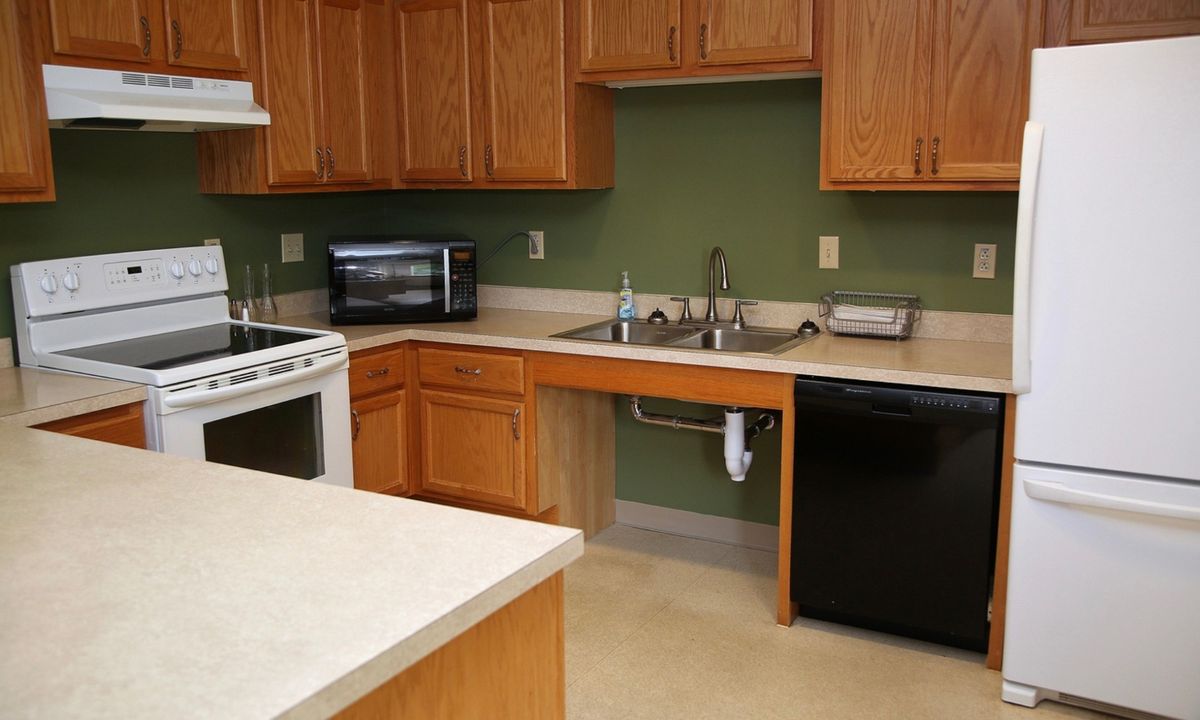
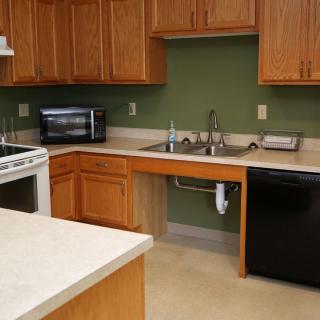
 Kitchenette
 Move-in coordination
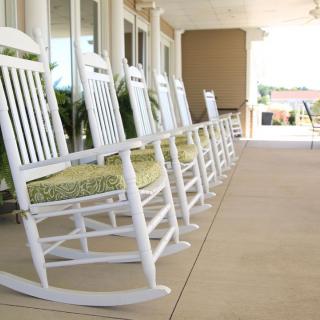
 Outdoor space
 Private bathrooms
 Restaurant-style dining
 Small library
 Telephone
 Wellness center
 Wi-Fi/high-speed internet available
 Community operated transportation
 12-16 hour nursing
 24-hour call system
 Activities of daily living assistance
 Assistance with bathing
 Assistance with dressing
 Assistance with transfers
 Diabetes diet
 Medication management
 Mental wellness program
 Special dietary restrictions
 Concierge services
 Planned day trips


 Beyond the Bingo Hall: 50+ Enriching Activities for Seniors in Assisted Living
 Understanding the Distinctions: Assisted Living and Memory Care Explained
 Guiding Elderly Parents Who Refuse Assisted Living: 6 Practical Steps