

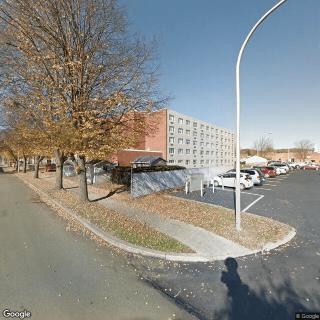
2140 Warrensville Rd, Montoursville, PA 17754
To contact a resident: (570) 433-3161
For more information about senior living options: (866) 208-4318
Overall Review of Valley View Nursing Ctr
Pros
 The staff were very attentive to the patient's needs.
- They kept the family updated frequently about the patient’s recommended care.
- There was a combined effort among specialists to determine the best treatment.
- The staff were caring and attentive.
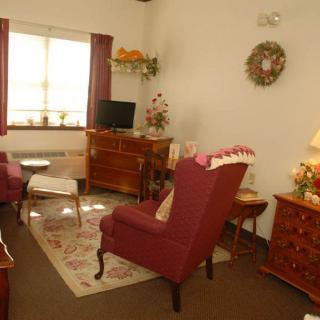
- The facilities were very clean and had a homey atmosphere.
Cons
 The administration hurried to claim rehab was no longer possible for mom in order to cut Medicare payments and charge more.
- The government social worker seemed to side with the administration and did not advocate for the family.
- Upon entering, there was a smell of urine, and residents were ignored when asking for help.
- The facility had small rooms and no chairs for visitors.
- The mother’s bed had been broken for months.
- The mother’s room was dirty and cluttered.
- The mother faced dryness and thirst, with staff reprimanding attempts to provide water.
- A nurse forced a family member to leave the dying mother or be escorted out by security.
Review
Valley View Nursing Ctr in Montoursville is best suited for families facing complex medical needs where leadership and medical coordination carry real weight. It favors residents who benefit from a hands-on director who can marshal specialists and tailor treatment across disciplines, and who prize a clean, relatively homey setting that feels less institutional. Short- to mid-term stays under strong medical supervision, end-of-life care, and scenarios where regular updates to family are valued may find this community a workable fit. Those seeking a consistently high-volume rehab program or a facility with a robust daily activities calendar may not find the pace and depth here reliably enough to justify a long-term placement.
On the upside, multiple reviews highlight a driver-level commitment: a director described as fabulous, staff described as attentive, and care that reflects a coordinated effort among doctors and specialists. Families feel informed about treatment decisions, and there is affirmation that the team can mobilize care quickly when a condition is pressing. The environment is reported as clean and comfortable, with a home-like feel that can ease transitions for residents who are anxious about facility life. In situations involving terminal illness, that attentiveness and clear communication can be decisive for peace of mind.
However, there are material red flags that cannot be ignored. Several reviewers report persistent staffing variability, good workers coexisting with less engaged staff, and a culture where operational decisions seem to trump patient needs. Allegations surface that administrative choices about rehab eligibility were used to push Medicare payment changes, undermining trust in the program. One reviewer described a pattern of ignored requests for help, a smell of urine, small rooms, and a bed left broken for months. Hydration and mouth care were mishandled, and a nurse was accused of pulling rank and ejecting family members from the room. Those are not isolated anecdotes but symptomatic of systemic gaps in daily care and accountability.
Still, the key positives can offset the downsides for families prioritizing compassionate care and medical oversight. When a resident’s condition demands frequent reassessment and cross-specialty coordination, the ability of staff and leadership to stay on top of treatment plans can reduce risk and confusion. The clean, home-like setting and the reported attentiveness in many shifts provide a counterweight to operational friction. For families able to engage actively, insist on clear expectations, and monitor daily care, the combination of strong medical coordination with a supportive environment can deliver meaningful comfort even if some processes underperform at times.
Prospective residents who require strong rehabilitative programming or who insist on a consistently bustling activity calendar should consider alternatives. The reviews suggest uneven activity levels and concerns about basic daily care routines, which can derail recovery or the quality of life for longer-term stays. Those who are concerned about caregiver burnout, room sizes, and the reliability of basic amenities would do well to explore other options in the region. Before deciding, visit in person with a detailed checklist focused on staffing, response times, hygiene, and the facility’s process for handling grievances and changes in care plans.
Practical decision guidance: if Valley View is under consideration, go in with a plan. Request a direct tour of rooms, ask to meet front-line caregivers on multiple shifts, and demand specifics on staffing ratios, rehab availability, and how care plans are communicated to families. Confirm how hydration, mouth care, and daily activities are managed, and request recent quality metrics or audits. In parallel, compare with alternatives that offer stronger rehab pathways, more predictable activity programming, and transparent pricing. If the decision hinges on compassionate medical leadership and a homier feel, Valley View can work, provided families are prepared to actively oversee care, address issues promptly, and switch emphasis to a facility with fewer recurring red flags.
 Assisted Living
 Activities on-site
 Devotional services off-site
 Indoor common areas
 Ambulatory care
 Diabetic care
 Meals provided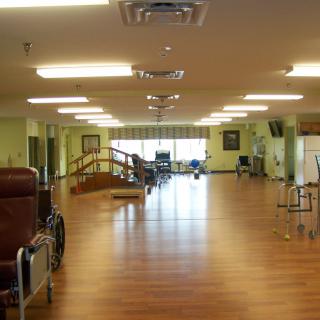






 Securing Financial Support for Assisted Living: A Comprehensive Overview
 Social Security Benefits and Assisted Living: Navigating Options Across the U.S.
 An Extensive Exploration of the VA Aid and Attendance Benefit