
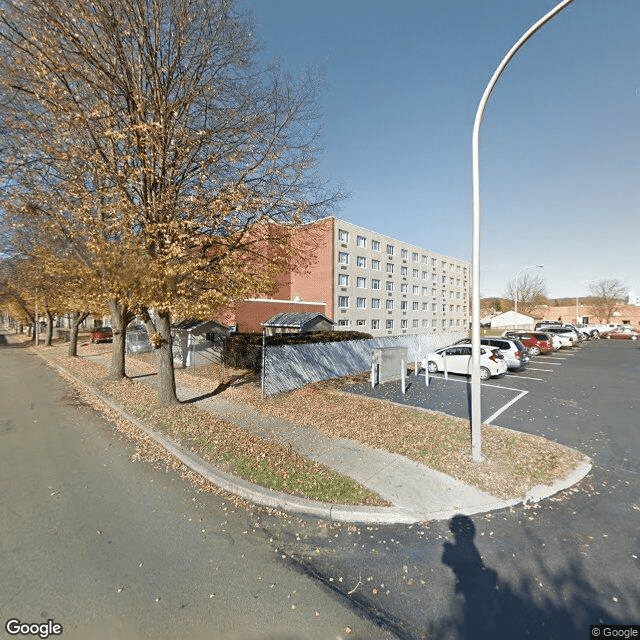
450 Center St, Williamsport, PA 17701
To contact a resident: (570) 326-2441
For more information about senior living options: (866) 208-4318
Overall Review of Williamsport Manor Apartments
Pros
 The facility is well maintained and remains in good condition.
- It is close to a bus line and near a hospital.
- It is described as a hidden gem for those who need this type of housing.
- The building is more than just an apartment; it is a place to call home.
- It allows family to live nearby, providing close proximity for relatives.
Cons
 A resident is said to make the place bad by enforcing their own rules.
- Management refuses to return a tenant’s tools after the tenant is let go.
- Rent has been raised multiple times within a year, with the justification of HUD rules.
- Tenants report constant camera surveillance and fear of entry into their units to monitor rent issues.
- Complaints about rent hikes are said to be ineffective; tenants are told to pay or move.
- The property is described as run to make money, with little regard for residents.
Review
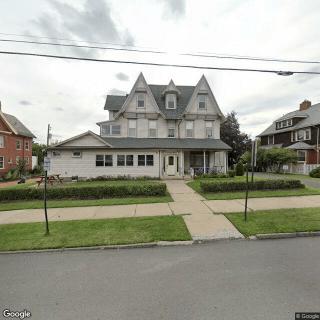
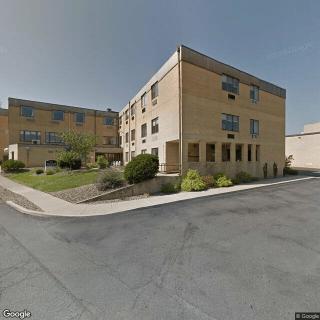
Williamsport Manor Apartments is best suited for independent seniors who want a modest, home-like building with real proximity to health care and public transit. The community’s strongest draw is its location: a well-maintained property that sits near a bus line and a hospital, offering a neighborhood feel that can feel more like “home” than a sterile apartment complex. For families prioritizing reachable medical care, stable routine, and a sense of continuity, especially for residents who have longstanding ties to the building, this option can feel comfortable and familiar. Those who expect an upscale, all-inclusive assisted-living experience or who require intensive daily support should look elsewhere, as Williamsport Manor’s core offering is straightforward independent living with limited on-site services.
The positives are reinforced by consistent remarks about upkeep and atmosphere. Years of occupancy have left the property feeling well cared for, and residents describe it as more than just a place to rent, a place to call home. The long-standing nature of the building contributes to a recognizable, stable environment, which matters to seniors who value predictable surroundings and a sense of community. The proximity to transit and to medical facilities is repeatedly cited as a practical advantage, making routine trips and emergencies more manageable without constant vehicle dependence. In short, for residents who prize ease of access and a lived-in, neighborly ambiance, the setting can be persuasive.
Yet the experience is not without its sharp cautions. A recurring thread centers on concerns about rent increases and how they are administered. Multiple reviewers allege that rents have risen within a short span and imply the increases are justified in broad terms by HUD rules, but without clear, signed documentation. The sense is that cost adjustments come with limited advance communication and that residents feel pressured to accept new terms or face eviction. This perception of financial volatility undermines long-term planning, especially when coupled with claims of a heavy-handed management stance toward enforcement and a restrictive atmosphere around daily living, where cameras are cited as a pervasive presence and where access to interior units is described as intrusive.
Those pros and cons create a clear tension in decision-making. The advantages of a kept-up building, familiar routines, and practical access to transit and medical care can be substantial for a certain demographic, older adults who value practicality and a community vibe over luxury or turnkey services. But when rent volatility collides with a perceived lack of transparent processes, privacy concerns, and the prospect of eviction pressure, the appeal erodes for households that rely on predictable budgets and clear lease protections. For families evaluating future stability, this means weighing the comfort of a known, convenient setting against the risk of unexpected cost shifts and tighter control over daily life.
Alternatives are worth serious consideration for anyone prioritizing financial stability, transparent governance, and stronger autonomy. If a resident requires guaranteed rent pricing, a clearly documented process for increases, minimal intrusive monitoring, and explicit protections against eviction pressure, other independent-living options in Williamsport or surrounding towns warrant comparison. For those seeking deeper on-site support, such as regular, structured activities, meal services, or medical coordination, look toward communities expressly designed as assisted living or memory-care settings. The decision hinges on whether the benefits of location and character outweigh the potential downsides of management practices and cost volatility.
Ultimately, a family weighing Williamsport Manor should demand clarity before signing. Require a current lease with all rent adjustment terms, a clear schedule of any anticipated increases, and written notices for any changes. Ask about resident input mechanisms, house rules, and how privacy is balanced with safety. Tour during different times of day to observe management responsiveness and neighbor interactions. Speak with several current residents about their experiences with rent, repairs, and confidentiality. With those facts in hand, the choice becomes straightforward: stay for the comfort and convenience if budget predictability and privacy align with needs; or pivot to alternatives that deliver tighter financial controls and a governance framework that better protects daily life and long-term affordability.
 Active Adult Communities (55+)
 Activities on-site
 Devotional services off-site
 Indoor common areas
 Ambulatory care
 Diabetic care
 Meals provided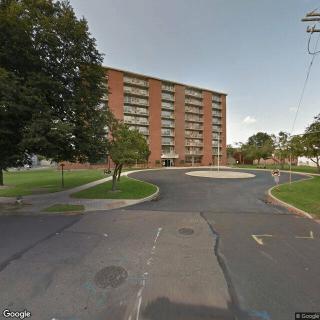


 Comprehensive Insights into Palliative Home Care: What It Is and What to Expect
 Skilled Nursing Facilities vs. Nursing Homes: Making Sense of the Differences
 A Detailed Examination of Nursing Home Costs Across the U.S.