For more information about senior living options: (866) 208-4318
4.1 from 55 reviews
5 stars
32
4 stars
12
3 stars
2
2 stars
1
1 stars
8
Overall Review of Manorcare Health Services-Jersey Shore
caveat8 reviews mention this
Cleanliness varies noticeably
Residents and visitors describe both very clean areas and serious cleanliness issues.
Several reviewers say the facility is clean, including mentions of clean facilities, clean and spacious rooms, and general cleanliness. Other reviews report specific problems like filthy floors, dirty silverware, and items left behind from previous residents. There are also mentions of an overwhelming smell, which adds to concerns about overall comfort and upkeep.
caveat2 reviews mention this
Call bell response is inconsistent
Reviews point to mixed experiences with how quickly staff respond.
One visitor reports the nurse responded within minutes after using the call bell. Another reviewer says call bell response can take 10+ minutes, framing it as a safety concern. Together, the feedback suggests call bell timeliness may vary by situation or shift.
differentiator6 reviews mention this
Therapy and activities get attention
Rehabilitation therapy and structured activities are a visible part of life there.
Multiple reviewers specifically credit physical therapy and occupational therapy with helping residents, including stories about regaining strength and encouraging participation in therapy. Others mention staff supporting therapy goals during visits and describe the rehab department as top notch. Community activities also show up in reviews, including resident engagement with scheduled events and church services brought to residents.
caveat4 reviews mention this
Food quality divides residents
Dining experiences range from “nice” to “absolutely horrible.”
Some reviewers describe the food positively, including “nice” meals and residents who eat the provided food without major complaints. Others are sharply critical, with reports of food being absolutely horrible and another account saying food was thrown out. A separate review notes dining is acceptable but suggests day-to-day experience can vary for residents.
How we summarize
Counts show how many written reviews mention each theme; a review can touch several themes, and only frequently mentioned themes are displayed.
Features
Housing
120 resident community capacity
Types of Care
Assisted Living
Skilled Nursing Facility
Amenities
Activities on-site
Air-conditioning
Beauty salon
Cable or satellite TV
Computer center
Devotional services off-site
Dining room
Fitness room
Fully furnished
Gaming room
Garden
Housekeeping services
Indoor common areas
Kitchenette
Move-in coordination
Outdoor space
Private bathrooms
Restaurant-style dining
Small library
Telephone
Wellness center
Wi-Fi/high-speed internet available
Transportation
Community operated transportation
Transportation arrangement
Transportation arrangement (non-medical)
Transportation to doctors appointments
Care Services
12-16 hour nursing
24-hour call system
24-hour supervision
Activities of daily living assistance
Ambulatory care
Assistance with bathing
Assistance with dressing
Assistance with transfers
Diabetes diet
Diabetic care
Meal preparation and service
Medication management
Mental wellness program
Special dietary restrictions
Dining
Diabetes diet
Meals provided
Special dietary restrictions
Activities
Activities on-site
Community-sponsored activities
Concierge services
Devotional activities offsite
Fitness programs
Planned day trips
Resident-run activities
Scheduled daily activities
Nearby Places of Interest
This area of Jersey Shore, Pennsylvania, offers a range of amenities and services that cater to the needs of seniors. With several hospitals and pharmacies located within close proximity, residents can easily access healthcare facilities and medications. The presence of various restaurants and cafes provides convenient dining options for those looking to enjoy a meal out. Additionally, the nearby places of worship offer spiritual support and community engagement opportunities. Transportation services such as car rentals and U-Haul dealers make it easy for seniors to get around town. For entertainment, there is a local theater for cultural events, as well as parks for outdoor recreation. Overall, this area provides a comfortable and convenient living environment for seniors seeking a peaceful retirement lifestyle in Jersey Shore.
Hospitals
JSH (0 miles)
Jersey Shore Hospital ER (0.5 miles)
Jersey Shore Hospital (5.7 miles)
UPMC Outpatient Center (5.8 miles)
Jersey Shore Hospital (11.3 miles)
Upmc Lock Haven Cafe (11.6 miles)
Lock Haven Hospital (11.6 miles)
Restaurants
Domino's Pizza (0.2 miles)
Shore Diner (0.2 miles)
D'Agostino's (0.6 miles)
Misti's Cakes (0.6 miles)
Santino's Italian Cuisine (0.7 miles)
Gamble Farm Inn (0.9 miles)
Burger King (3.4 miles)
Places of Worship
Crossroads Community Church Jersey Shore (0.2 miles)
Life Tree Church (0.5 miles)
Emmanuel Community Church (2.2 miles)
Oriole United Methodist Church (5.2 miles)
McElhattan United Methodist Church (5.7 miles)
Faith Baptist Church (8.1 miles)
Anthony Baptist Church (8.6 miles)
Pharmacies
CVS Pharmacy (0.3 miles)
Weis Pharmacy (0.4 miles)
Keller & Munro Drug Store (10.3 miles)
CVS Pharmacy (10.7 miles)
Geisinger Pharmacy Lock Haven (10.7 miles)
CVS Pharmacy (12.2 miles)
Rite Aid (12.3 miles)
Parks
Antes Fort Village Park (2.4 miles)
Canal Park (10 miles)
Cafes
Unimart (2.6 miles)
Starbucks (10.9 miles)
Transportation
U-Haul Neighborhood Dealer (2.6 miles)
Avis Rent A Car (2.8 miles)
Poust Taxidermy & Country Store (4.8 miles)
Lock Haven Aircraft Sales (9.2 miles)
Billtown Motors (9.6 miles)
Alamo (10.2 miles)
Lycoming Valley Railroad Co. (11.2 miles)
Physicians
North Central Pennsylvania Dialysis Clincc (10.1 miles)
Turner Thane N MD Haven Medical Center (10.2 miles)
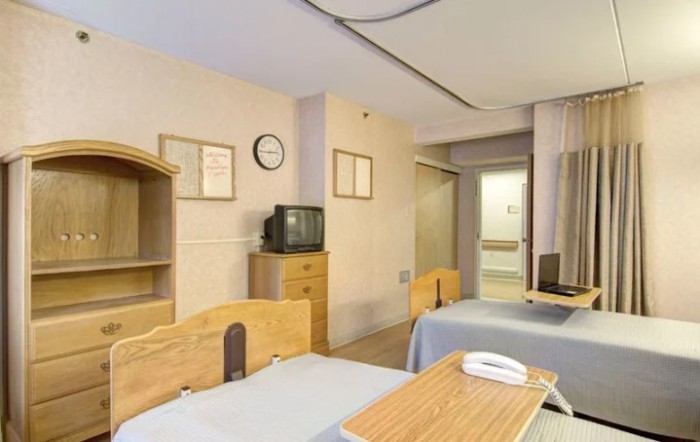
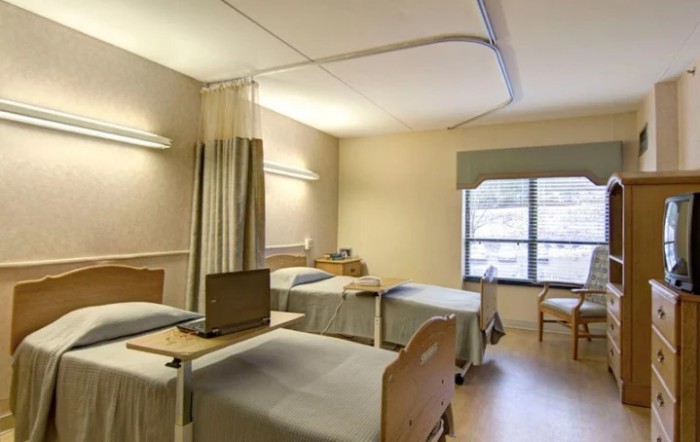
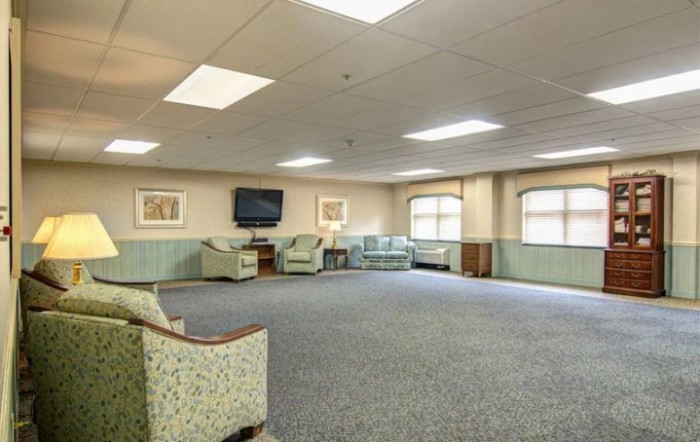
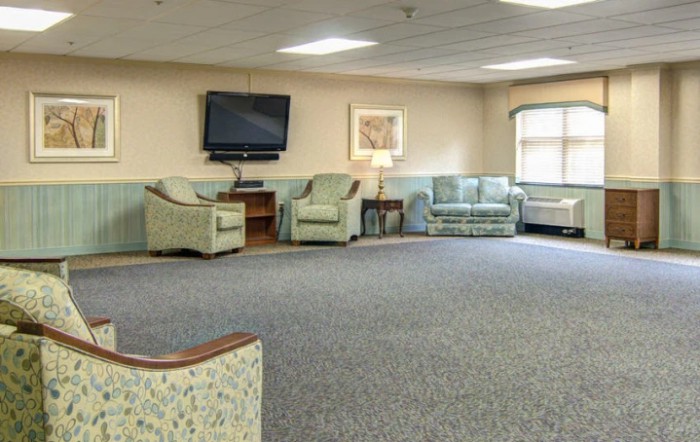
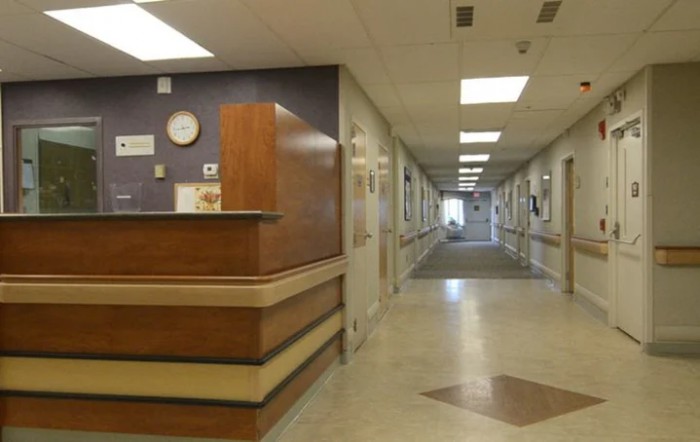
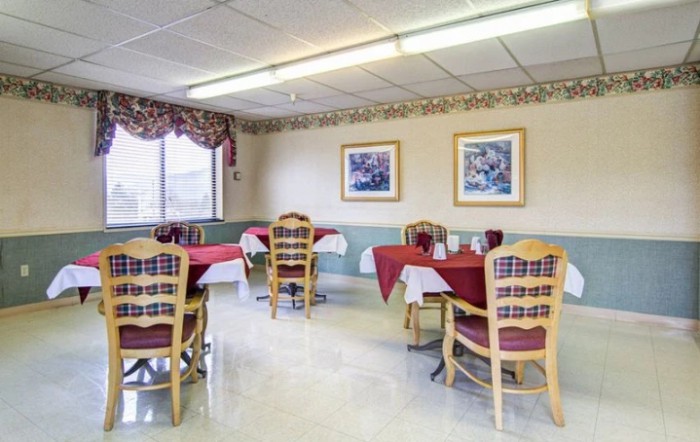
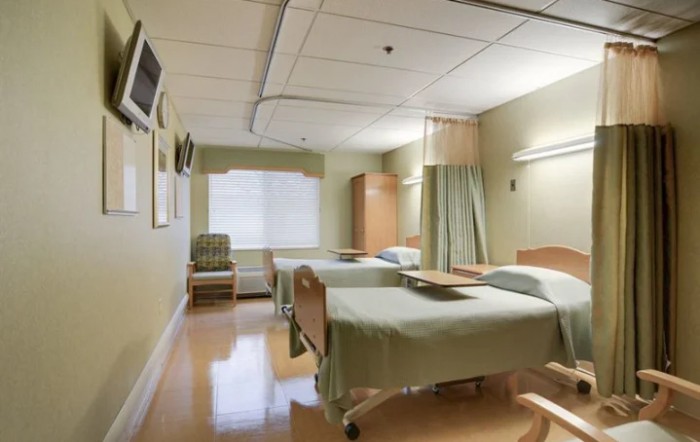
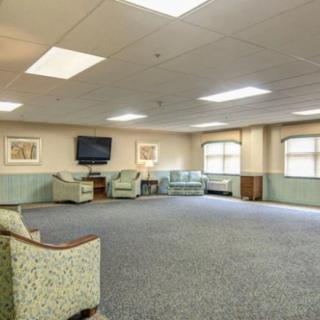
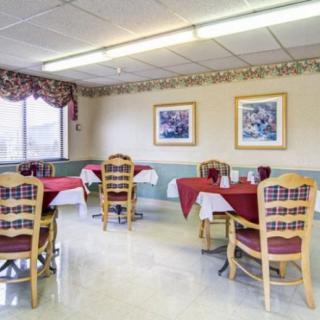
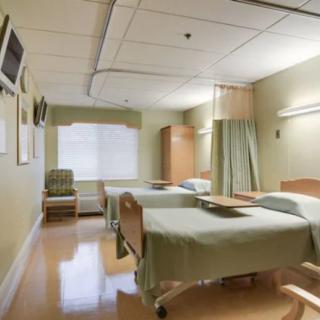
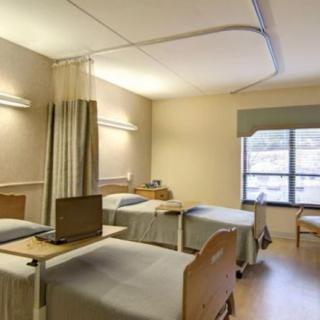
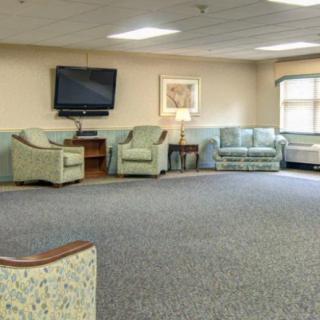
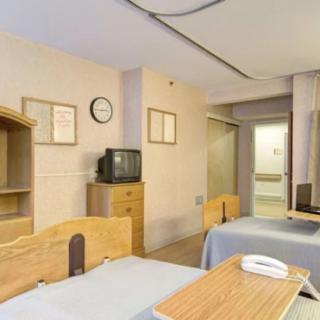
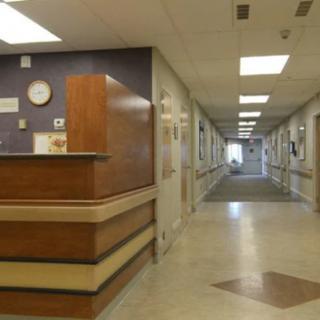
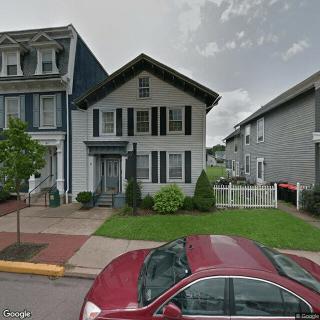
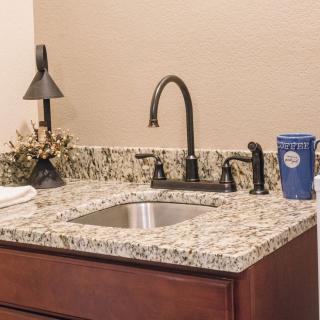
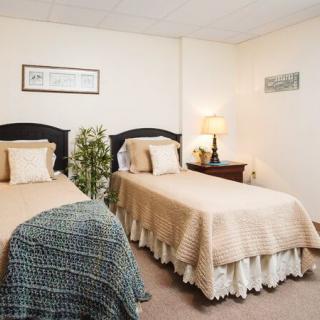
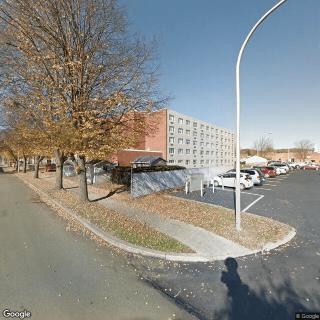
Manorcare Health Services-Jersey Shore on seniors.fyi includes 8 photos including images showing interior, television, healthcare, windows, dining, living room, seating area, lighting, and more.
Nearby Communities
Manorcare Health Services Jersey Shore
Jersey Shore, PA
4.2 from 44 reviews
Close access to pharmacies, hospitals, and amenities with high-acuity care capability.
Twin Maples Personal Care Home
Jersey Shore, PA
4.2 from 45 reviews
Warm, homelike assisted living with specialized diabetic care and on-site activities.
Marshall & Assoc
Jersey Shore, PA
Convenient location with ample nearby amenities and healthcare access.
Nippenose Valley Village
Williamsport, PA
4.3 from 34 reviews
Restaurant-style dining with 24-hour care and a range of activities and on-site amenities.
Fulmers Personal Care Home
Lock Haven, PA
4 from 1 review
Pleasant environment with caring staff and engaging activities.
Fulmer's Personal Care Home
Lock Haven, PA
4.7 from 48 reviews
$1,976 to $2,695 / month
Warm, home-like environment with friendly, attentive staff and clear family communication.
Leighton Place
Williamsport, PA
4.4 from 51 reviews
$2,554 to $5,594 / month
Clean, well-maintained community with friendly staff and abundant activities.
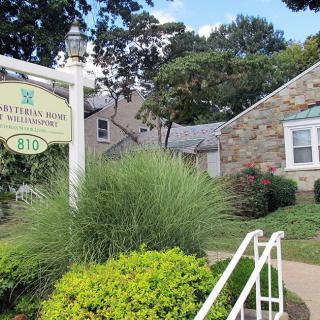
Presbyterian Home At Williamsport
Williamsport, PA
5 from 2 reviews
$3,960 / month
Pleasant environment with attentive staff and engaging activities.
Williamsport Manor Apartments
Williamsport, PA
3.4 from 8 reviews
On-site diabetic care with social and wellness amenities.
The article examines the complexities of assisted living for individuals with disabilities, emphasizing the need for tailored care solutions that enhance quality of life and social inclusion, while addressing financial challenges and advocating for community integration. It discusses various housing options, the importance of financial assistance through public benefits, and highlights trends towards integrated and technology-driven solutions in disability-focused housing.
Assisted living for adults with disabilities has transformed to provide personalized care and support services aimed at improving residents' quality of life while balancing independence and assistance. However, low-income individuals often face challenges in affording these services, requiring navigation of various financial resources and advocacy for better policies and solutions.
Assisted living facilities provide support for older adults needing help with daily activities without extensive medical care, but their costs can be high and vary by location and services offered. Families often seek various funding options and financial strategies to manage these expenses effectively while considering future needs and potential price increases.
Get PricingAsk A QuestionSchedule A TourContact Senior Advisor
By clicking submit, you agree to our Partner's Terms of Use. You
also consent to receive calls and texts, which may be autodialed, from our Partner. Your consent is not a condition to
using our Partner's service. Please visit our Partner's Privacy Policy for information about their privacy practices.

 120 resident community capacity
 Assisted Living
 Skilled Nursing Facility
 Activities on-site
 Air-conditioning
 Beauty salon
 Cable or satellite TV
 Computer center
 Devotional services off-site
 Dining room
 Fitness room
 Fully furnished
 Gaming room
 Garden
 Housekeeping services
 Indoor common areas
 Kitchenette
 Move-in coordination
 Outdoor space
 Private bathrooms
 Restaurant-style dining
 Small library
 Telephone
 Wellness center
 Wi-Fi/high-speed internet available
 Community operated transportation
 12-16 hour nursing
 24-hour call system
 Ambulatory care
 Assistance with bathing
 Assistance with dressing
 Assistance with transfers
 Diabetes diet
 Diabetic care
 Medication management
 Mental wellness program
 Special dietary restrictions
 Concierge services
 Planned day trips
 Close access to pharmacies, hospitals, and amenities with high-acuity care capability.


 Comprehensive Residential Support and Assisted Living Solutions for Individuals with Disabilities
 Comprehensive Supportive Living Arrangements for Adults with Disabilities
 Funding and Affording Assisted Living: A Thorough Overview