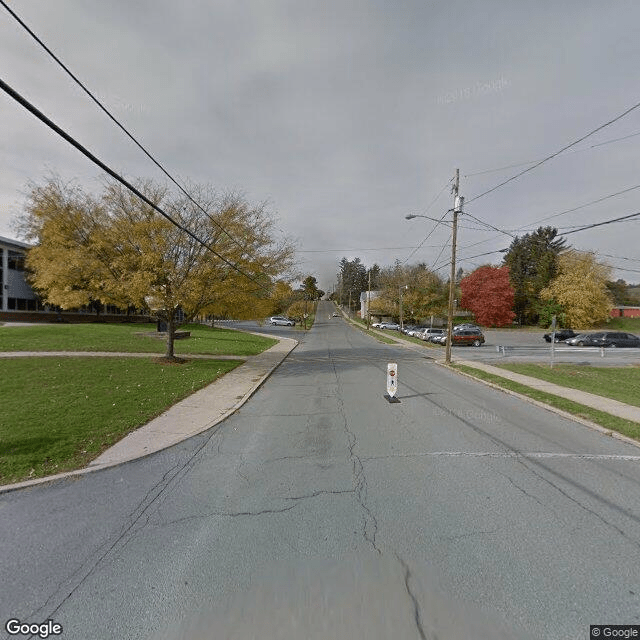
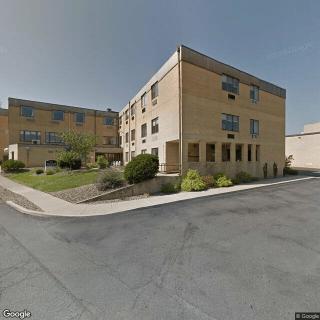
Manorcare Health Services Jersey Shore
Save
Information last verified:
Thompson St, Jersey Shore, PA 17740
For more information about senior living options: (844) 490-3973
ManorCare Jersey Shore is best suited for seniors who need skilled nursing with a strong emphasis on rehabilitation and for families that prize a warm, homey atmosphere and readily available staff. The rehab program stands out, with physical therapy repeatedly highlighted as a driver of real strength gains and safer return-to-home outcomes. Clean, comfortable surroundings and attentive nursing support reinforce daily life, while the dementia unit demonstrates capacity for memory-care needs. The combination of practical therapy progress and human-centered care makes this facility a viable option for those who want measurable recovery alongside meaningful daily engagement and easy access to staff.
Those who should consider alternatives are those who demand near-immediate attention, flawless communication, or unwavering consistency in safety and accountability. Several reviews flag slower call-bell responses, gaps in charting and care coordination, and questions about transfer processes. Allegations, though not universal, about personal-item loss or coercive medication require careful scrutiny. Families wary of turnover or persistent communication hiccups should compare options and insist on clear, current assurances about staffing stability, incident resolution, and transparent care planning before making a commitment.
On the positive side, the standout rehab orientation pairs with genuinely caring nursing and aide teams, a clean and welcoming environment, and activity programs that keep residents engaged. Positive anecdotes show therapists and nurses collaborating to tailor care, sometimes adjusting a bed or coordinating home-like routines to support independence, and staff responsiveness during routine needs. The facility’s leadership is evolving, with new management described as kind and genuinely invested in ongoing improvements, signaling potential for stronger consistency and accountability as revamps progress. For families prioritizing rehabilitative momentum and daily reassurance, these strengths carry substantial weight.
Yet, the concerns raised in reviews cannot be dismissed. Accounts of unprofessional behavior by a staff member, inconsistent response times, and questions about care continuity highlight real risk factors that affect resident safety and family trust. Reports of transfer difficulties and ambiguous charting practices suggest the need for diligent oversight and proactive communication from current administrators. Environmental cues, such as odor or other ambience issues, also factor into a holistic assessment. While not universal, these threads create a caution signal that merits deliberate verification through a firsthand visit and targeted questions.
When weighed against its drawbacks, the facility’s rehab-centric strengths often offset the negatives for residents focused on functional recovery and meaningful daily living. The ability to regain independence through targeted PT/OT, the documented care and compassion of frontline staff, and evidence of dedicated emergency responsiveness (as reflected in staff-driven evacuations during crises) illustrate a depth of capability that families value. For memory-care needs, the dementia unit and language-support efforts (translation aids and culturally attentive care) add practical advantages that can reduce frustration and improve engagement. The key is to assess current performance, management turnover, staffing levels, and the consistency of care plans, since those factors determine how the positives translate into day-to-day reliability.
Before deciding, arrange an in-person tour and request concrete details on recent staffing, call-response times, and how care plans are communicated to families. Visit the dementia unit, observe routine interactions, and speak with frontline staff and several residents’ families to gauge consistency and responsiveness. Acknowledge the bright spots: rehab outcomes, compassionate nurses, and visible leadership efforts to revitalize the facility. For families prioritizing measurable rehab progress and a home-like environment, ManorCare Jersey Shore offers a practical, solid option. If safety, prompt attention, and stable, transparent communication are non-negotiables, compare with alternatives and demand clear assurances before committing.
Manorcare Health Services Jersey Shore is an assisted living community located in the charming town of Jersey Shore, Pennsylvania. Situated close to various amenities, this community provides convenience and accessibility for its residents.
Residents can enjoy the local cafes that are within a short distance from the community, where they can relax and socialize with friends over a cup of coffee or a light meal. Additionally, there are parks nearby that offer opportunities for outdoor activities and leisurely strolls amidst nature.
The presence of two pharmacies in close proximity ensures that residents have easy access to prescription medications and healthcare products. This ensures their well-being and brings peace of mind to both residents and their families.
For those who appreciate dining out, the community is surrounded by seven restaurants offering a diverse range of cuisines. Residents can choose from these options to indulge in delicious meals without having to travel far.
Transportation options are readily available near Manorcare Health Services Jersey Shore, making it convenient for residents to explore the surrounding areas or visit nearby attractions. Whether it's using public transportation or arranging private transportation services, getting around is hassle-free.
The community also recognizes the importance of spirituality and offers four places of worship nearby. This allows residents to practice their faith and engage in religious services or gatherings according to their beliefs.
Furthermore, two hospitals in close proximity provide reassurance that medical assistance is readily available when needed. In case of any emergencies or routine check-ups, residents can easily access quality healthcare services without having to travel far.
Overall, Manorcare Health Services Jersey Shore offers not only comfortable assisted living accommodations but also a range of nearby amenities that enhance the overall well-being and convenience for its residents.
This area of Jersey Shore, Pennsylvania offers a variety of amenities that would be beneficial for senior living. There are several places of worship nearby for spiritual fulfillment, as well as hospitals and pharmacies within close proximity for easy access to healthcare services. A range of dining options, including Italian cuisine and fast food chains, provide convenience for meal choices. Parks offer opportunities for leisurely walks or outdoor activities, while cafes and theaters provide options for entertainment and socializing. Transportation services are available for ease of mobility, and a selection of physicians ensures quality healthcare. Overall, this area provides a well-rounded environment that caters to the needs and interests of seniors looking to reside in Jersey Shore.
Manorcare Health Services Jersey Shore is located at Thompson St, Jersey Shore, PA 17740 in Lycoming County, Pennsylvania
Compassionate Conversations: How to Comfort Someone Who Is Grieving

The article highlights the importance of empathy and open communication when comforting someone who is grieving, noting that grief is unique to each individual and emphasizing the need for sincere expressions of condolence, active listening, and ongoing support. It also addresses cultural differences in mourning practices and encourages tailored approaches to provide effective comfort.
Home Health Care Aides: Understanding Their Role and Supporting Your Family

Home health care aides provide vital medical and non-medical support to individuals at home, assisting with daily living activities and promoting emotional well-being, while the demand for these services increases due to an aging population. Families benefit from in-home care's flexibility and cost-effectiveness but face challenges like scheduling consistency and caregiver turnover.
Older adults with urinary tract infections (UTIs) often present atypical symptoms, complicating diagnosis due to factors like incomplete bladder emptying and chronic health conditions that increase their susceptibility. Effective management involves prompt treatment with antibiotics, hydration, and preventive strategies while minimizing antibiotic resistance and focusing on holistic care approaches.