






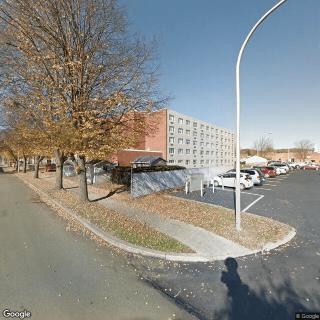
2140 Warrensville Road, Montoursville, PA 17754
For more information about senior living options: (866) 208-4318
Overall Review of Valley View Rehab And Nursing Center
Pros
 The staff are very attentive to residents' needs.
- They coordinate with multiple specialists to determine the best treatment for residents.
- The care provided is timely and appreciated when it matters most.
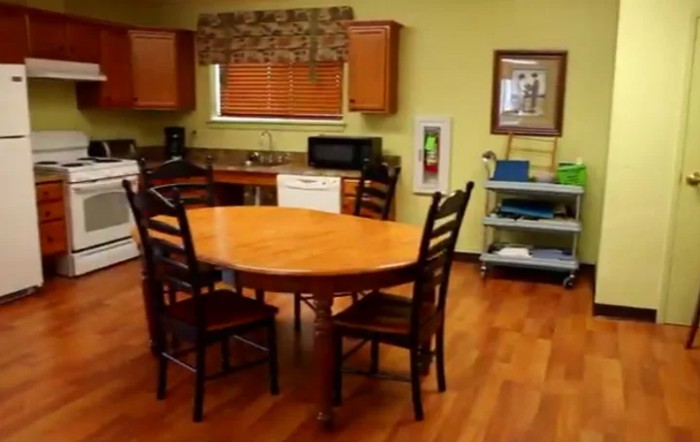
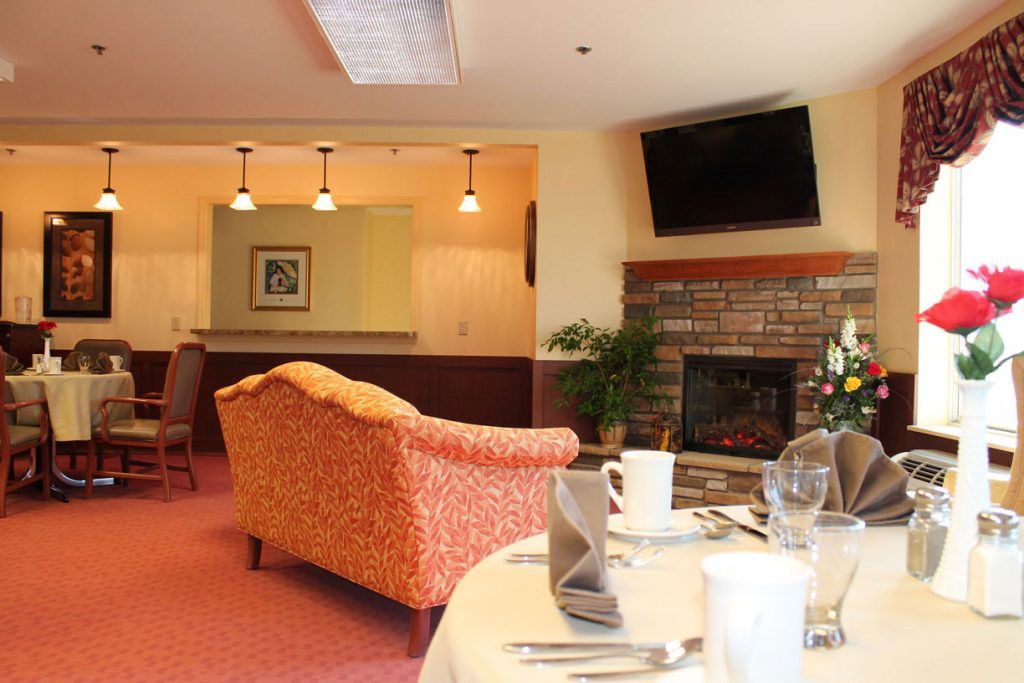
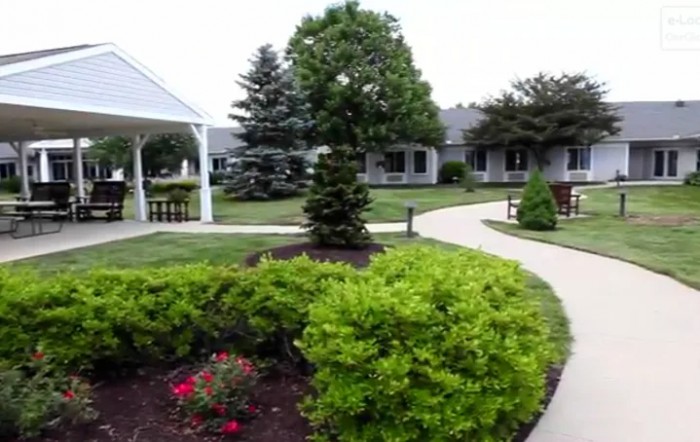
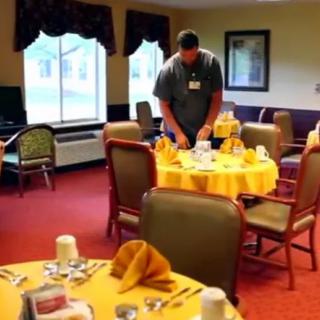
- The facilities are clean and have a homey atmosphere.
- They go out of their way to support residents and provide full care.
- The rooms are pleasant and the food is consistently good.
Cons
 The administration appeared to prioritize charges over rehab needs, stopping rehab to increase payments.
 - Short staffing caused delays in getting help and in delivering medications.
- There was a persistent smell of urine and residents’ requests for assistance were ignored.
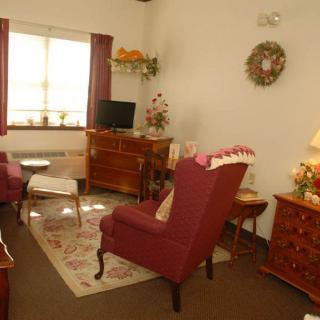
- The rooms were small and lacked chairs for visitors, and the mother’s bed had been broken for months with no timely repairs.
- A nurse was reprimanded for attempting basic mouth care and hydration for the mother.
- A nurse reportedly pulled rank and had the family escorted out, denying them access to their dying relative.
- Administration did not engage kindly with residents or visitors, often ignoring them.
Review
Valley View Rehab And Nursing Center in Montoursville is best suited for families pursuing short-term rehabilitation or focused end-of-life support where a coordinated care approach can be relied upon and where a relatively clean, homey setting may ease the transition for a loved one. The strongest argument in its favor is the sense that attentive staff and a director who oversees operations can deliver consistent updates and collaborative care when it matters. This is not a one-size-fits-all facility; it works best where the trajectory is clearly defined and family involvement remains active. Those needing steady, high-touch, long-term stability with flawless execution across every shift may want to explore alternatives.
On the upside, several reviews highlight a capable, multidisciplinary effort when care is most critical. In favorable instances, the staff are described as attentive, with a director who sets a tone of thorough oversight and communication among physicians, therapists, and caregivers. The environment is repeatedly described as clean and welcoming, contributing to a sense of safety and dignity for residents. Food quality and general accommodations come up as strong points in some accounts, reinforcing the impression that, when conditions align, Valley View can deliver solid, person-centered support.
Yet the array of negative experiences cannot be dismissed, and they loom large for decision-making. Chronic short-staffing and slow responses to calls are echoed in multiple critiques, with some residents never receiving timely assistance or medications. Administrative friction and disputes about funding, including claims that rehab decisions were influenced by Medicare considerations, muddy the picture and raise questions about consistency and resident advocacy. The most troubling firsthand reports describe odors, neglected needs, small rooms, and a troubling disconnect between care givers and family members during vulnerable moments. These factors significantly undermine confidence in reliability over the long haul.
The pros do not fully offset the cons for many potential residents, especially those with ongoing, high-need care requirements. A short-term rehab stint or palliative-focused stay might leverage the strengths, effective care coordination, family updates, and a clean, comfortable setting, yet the recurrent concerns about staffing levels, responsiveness, and administration can undercut continuity of care. When safety and daily support are at stake, inconsistencies in response times, bed maintenance, and hydration can become decisive drawbacks. In practical terms, Valley View can be a viable option for specific, time-limited needs, but it carries substantial risk for residents who require predictable, around-the-clock reliability.
Given the mixed track record, alternatives deserve serious consideration. Families should compare staffing stability, turnover, and on-floor availability at Valley View against other local facilities with transparent reporting on nurse-to-patient ratios and real-time response benchmarks. For those prioritizing a robust social program and ongoing engagement, the variability reported in activities and visitor comfort may prompt looking at places with more consistently staffed activity coordinators and better maintenance of rooms and common areas. If cost is a concern, note that some families report Valley View’s charges as higher relative to comparable centers, with benefits that may not consistently justify the price in every case.
Prospective care planners should conduct a disciplined evaluation. Schedule a dedicated tour during a typical shift to observe staff responsiveness and the cleanliness of patient areas. Request to speak with current families about the cadence of updates and the clarity of care plans, and ask for examples of care conferences that demonstrate coordinated input from physicians, therapists, and nursing staff. Verify maintenance records, medication handling procedures, and the facility’s approach to patient dignity, including hydration and comfort. When possible, compare this experience with nearby centers to determine where Valley View truly fits within the spectrum of local rehab and nursing options.
 163 resident community capacity
 Assisted Living
 Air-conditioning
 Beauty salon
 Cable or satellite TV
 Computer center
 Dining room
 Fitness room
 Fully furnished
 Gaming room
 Garden
 Housekeeping services
 Kitchenette
 Move-in coordination
 Outdoor space
 Private bathrooms
 Restaurant-style dining
 Small library
 Telephone
 Wellness center
 Wi-Fi/high-speed internet available
 Community operated transportation
 12-16 hour nursing
 24-hour call system
 Activities of daily living assistance
 Assistance with bathing
 Assistance with dressing
 Assistance with transfers
 Diabetes diet
 Medication management
 Mental wellness program
 Special dietary restrictions
 Concierge services
 Planned day trips






 Senior Transition Services: Understanding Their Role, Cost, and Importance
 Exploring the Path to Senior Living: A Comprehensive Look at Independent Living and Assisted Living
 Is Assisted Living Deductible on Your Taxes? Understanding the Complexities of Assisted Living Expenses and Deductions