
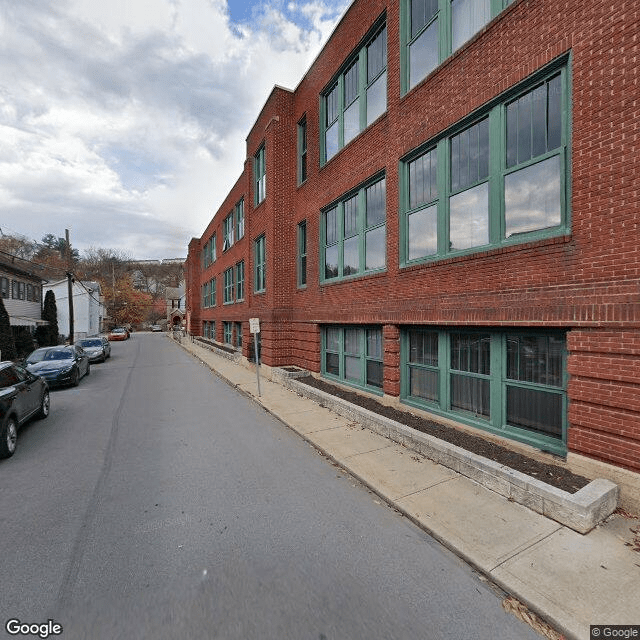
200 Railroad Ave, Carnegie, PA 15106
To contact a resident: (412) 276-0102
For more information about senior living options: (866) 208-4318
Overall Review of Carnegie Retirement Residence
Cons
 The reviewer notes residents can smoke in the apartment despite a no-smoking sign, which is very misleading.
- The manager is very unprofessional and rude.
- The maintenance man is a joke.
- The reviewer had many run-ins with staff while their mother lived there.
- The staff claimed the reviewer took the mini blinds, though the blinds were present when the keys were left with the manager.
- The deposit was only $92 of a $585, with charges of $135 for carpet cleaning, $175 for labor, and $222 for new blinds.
- The reviewer would not recommend moving in.
Review
Carnegie Retirement Residence is best suited for seniors who can tolerate a combative front-facing management style and are prepared to advocate for themselves in every transaction. That means individuals prioritizing affordability and location in the Carnegie area, even at the expense of service polish and predictable operations. This is not a facility built around proactive hospitality or transparent customer service; it is a tighter, budget-oriented option where residents must be ready to monitor policies, press for clear answers, and pursue remedies when expectations are unmet.
Judging by the reviews, the core red flags center on leadership behavior and billing practices. The manager is repeatedly described as rude and unprofessional, with maintenance described as ineffective. A troubling inconsistency in policy is also evident: a no-smoking sign exists, yet residents reportedly smoke in apartments, indicating enforcement gaps. Financial handling is especially concerning: a move-out resulted in a deposit being sliced down to a fraction after charges for carpet cleaning ($135), labor ($175), and blinds ($222) were deducted, leaving only $92 of a $585 deposit. These patterns paint a picture of risky financial interactions and a tense resident-landlord relationship.
Pros are hard to extract from the available feedback, and any positives appear isolated. One reviewer awarded five stars, hinting that occasional residents may encounter acceptable service moments or that experiences differ by staff shift. However, that lone high rating does little to counter the persistent complaints about misrepresentation of terms, limited maintenance responsiveness, and perceived bias in how charges are assessed. In practical terms, the negative experiences dominate the narrative, making trustworthiness the critical weakness here.
Given this backdrop, alternatives deserve serious consideration for families who value reliable governance and predictable cost structures. Facilities with clearly enforced smoke-free rules, transparent fee schedules, and consistently active maintenance typically deliver greater peace of mind. Prospective residents should prioritize communities with documented move-in and move-out processes, itemized billings, and accessible management that can be reached with accountability. In short, when the goal is a stable daily living environment, this residence should be weighed against other options that demonstrate stronger resident advocacy and cleaner reputations.
Practical due-diligence steps can help families avoid a costly misstep. Request a current lease and any addenda, with a clear explanation of all fees. Insist on an itemized breakdown of every charge, and demand receipts for all deductions from any deposit. Arrange a live move-out inspection with a signed checklist to prevent unilateral post-lease disputes. Speak with several current residents about response times, staff courtesy, and how issues are resolved, and confirm written policies on smoking, deposits, and maintenance. Finally, compare the community’s discharge of obligations against state consumer protection guidelines and neighboring facilities to benchmark fairness.
Bottom line: Carnegie Retirement Residence presents a higher-risk option. It may still be considered by residents who are prepared to navigate difficult conversations, tolerate contentious interactions with management, and accept potential financial disputes as part of the tenancy. For most families, especially those prioritizing respectful management, transparent billing, and reliable upkeep, stronger alternatives nearby offer greater certainty and fewer headaches. A careful, side-by-side comparison with other options will usually yield a clearer, safer path to achieving a comfortable, dignified retirement in the community that truly prioritizes residents’ well-being.
 Active Adult Communities (55+)
 Cats allowed
 Dogs allowed
 Activities on-site
 Bath tubs
 Beautician on-site
 Indoor common areas
 Outdoor common areas
 Wheelchair accessible showers
 Pittsburgh International (9 miles away)
 Meals provided
 Consistent, skilled care from the same therapist and nurse with clear communication.




 A Detailed Examination of Nursing Home Costs Across the U.S.
 Exploring Nonmedical Home Care: Understanding Services, Costs, and Financial Approaches
 Engaging Brain Games and Innovative Apps to Keep Senior Minds Active