
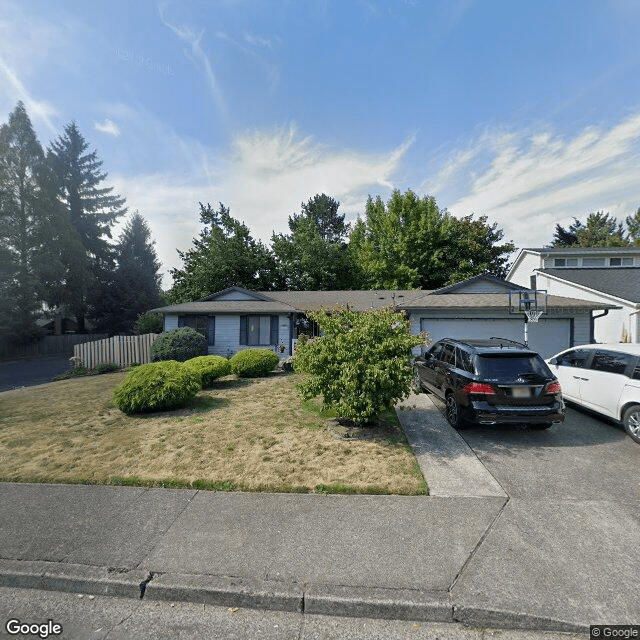
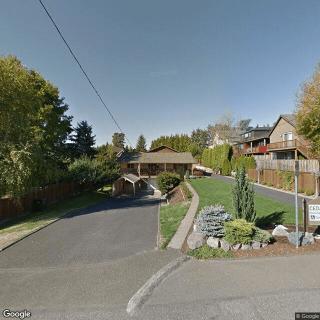
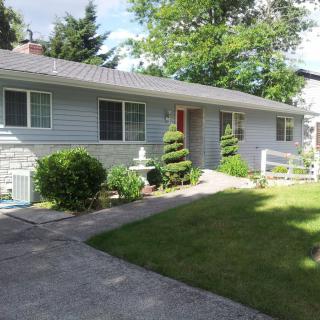
12081 SW Taylor Court, Portland, OR 97225
To contact a resident: (503) 747-3484
For more information about senior living options: (866) 208-4318
Serenity Care Adult Foster Home LLC Costs & Pricing
Serenity Care Adult Foster Home LLC offers private room accommodations at a competitive rate of $2,200 per month. This pricing not only reflects substantial cost savings compared to the average monthly costs in Washington County, which stands at approximately $3,261, but also presents an attractive alternative within the broader context of Oregon's average of $3,424. By positioning itself below both county and state averages, Serenity Care provides residents with an affordable option without compromising on the quality and personalized care they deserve. This makes it an appealing choice for families seeking supportive living arrangements for their loved ones in a welcoming environment.
| Floor plans | Serenity Care Adult Foster Home LLC | Washington County | Oregon |
|---|---|---|---|
| Private | $2,200 | $3,261 | $3,424 |
Senior living communities with a similar price nearby
-
from +$300 / mo
Mapleview Manor, LLC
$2,500 / month12.1 miles away -
About the same
The Peace and Joy Garden
$2,200 / month16.6 miles away -
from -$200 / mo

Alliance Home Health
$2,000 / month12.0 miles away -
from +$300 / mo

A Gentle Care Home
$2,500 / month14.4 miles away -
from +$300 / mo
Sacred Heart Adult Foster Care
$2,500 / month0.9 miles away
Overall Review of Serenity Care Adult Foster Home LLC
Pros
 The community is a good place to live, with caring staff and awesome people.
- The staff is doing a great job.
- Things are going great.
- The facility was very good overall.
- The facility was rated five stars.
Cons
 The other residents were not engaging.
- There was not enough distraction for the residents.
- The room smelled like urine.
- The vibe was not good.
- It would cost more money to keep her there due to the higher level of care required.
Review
Serenity Care Adult Foster Home LLC in Portland is best suited for seniors who want a small, home-like setting where caregivers are accessible and personally involved. This community tends to attract residents who require light to moderate assistance rather than intensive medical supervision, and who prize a neighborhood feel, consistent staff attention, and straightforward routines over formal programming. Families consistently describe the staff as caring and the residents as “awesome people,” underscoring a warm, neighborly atmosphere that can feel more approachable than a larger assisted-living campus. For someone who values a intimate environment and is comfortable with a less clinical, more familial vibe, Serenity Care checks the boxes that matter most: kindness, reliability, and a sense of belonging.
Those with higher care needs or specific memory-care requirements should consider alternatives. Several accounts hint at limits in care depth, with moving stories about escalating needs pushing families to relocate a resident to a skilled facility where more intensive support is available. Cost is another red flag for some families when needs grow; the same decisions that enable a peaceful home setting can turn into a financial strain once additional care services are required. Additionally, a subset of reviews points to cleanliness and engagement gaps, suggesting that the environment may not consistently deliver the level of stimulation or odor control some residents expect. For anyone prioritizing robust clinical oversight, structured activities, or memory-care features, a larger, more resource-rich setting may be a wiser match.
On balance, the pros offer meaningful counterweights to the cons, but only when expectations align with reality. The strongest advantage is the strong staff-resident relationship that emerges from a small, intimate daily routine. With caregivers who are described as doing a great job, residents often experience responsive assistance, safer monitoring, and a sense of being known, not just cared for. The communal, home-like vibe can translate into easier communication with caregivers and less bureaucratic friction than found in bigger facilities. However, these benefits can be undermined if the resident’s needs evolve beyond what the foster home can safely manage, or if engagement and cleanliness fail to meet basic standards. In such cases, the perceived warmth may not compensate for the functional gaps.
The failure points are hard to ignore for families weighing long-term placement. Odor and clutter, along with a perception of limited engagement for residents, signal potential lapses in cleanliness and programming that can erode quality of life over time. When residents are not engaged, the setting can feel stagnant, which is especially problematic for those who thrive on structured activities or social interaction. The most consequential conundrum remains cost tied to escalating care needs: what begins as a comfortable, economical option can quickly become incompatible with a resident who requires more than what a foster-home model is designed to provide. These factors make the community a gamble for households facing uncertain health trajectories.
Families evaluating Serenity Care should pursue a deliberate, data-driven due diligence. Key questions include: what is the exact level of care supported on-site, what is the staff-to-resident ratio across shifts, and how are care plans developed and updated? Ask to review a typical weekly activity calendar, meal program, housekeeping routines, medication management procedures, and a clear outline of what qualifies for a transition to higher care. Request a tour focused on cleanliness, odor control, room setup, and the presence of engaging, age-appropriate activities. Clarify the monthly cost structure, what is included, and what triggers a higher rate if care needs escalate. Consider a phased trial stay to observe daily rhythms, staff responsiveness, and the resident’s comfort.
In the end, Serenity Care Adult Foster Home LLC is a practical fit for families prioritizing a warm, small-community experience with dependable caregiving, provided that care needs are moderate and evolving contingently. It is not the best match for residents who require intensive medical oversight, robust memory-care programming, or consistently high levels of stimulation. For those presenting stable or slowly changing care needs and a strong preference for a tight-knit, home-like setting, this option can deliver real value and peace of mind. When doubts arise about future needs, it pays to have a clear plan for escalation and to compare against more expansive assisted living alternatives that can absorb higher care demands without compromising safety or engagement.
 Board and Care Home
 Private
 Portland International (11 miles away)
 Diabetic care





 Compassionate Conversations: How to Comfort Someone Who Is Grieving
 Home Health Care Aides: Understanding Their Role and Supporting Your Family
 Urinary Tract Infections in Older Adults: Comprehensive Insights on Symptoms, Treatment, and Prevention