
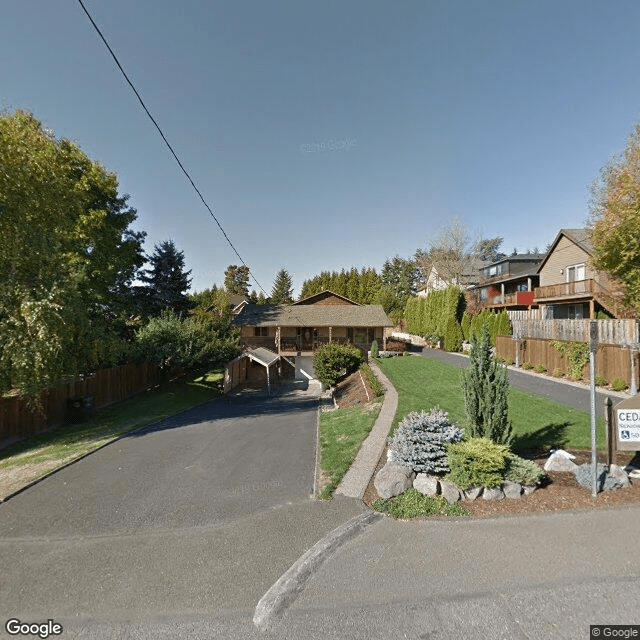
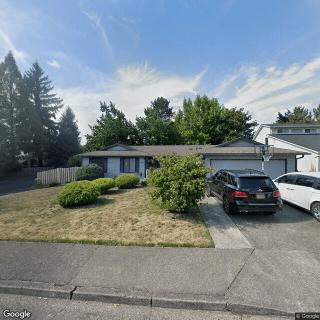
445 NW 114th Ave, Portland, OR 97229
To contact a resident: (503) 804-0569
For more information about senior living options: (866) 208-4318
Cedar Mill AFH Costs & Pricing
Cedar Mill Adult Family Home (AFH) offers a private room at a monthly rate of $4,500. This pricing is notably higher than the average costs for similar accommodations in Washington County, which stand at approximately $3,261, and in the broader state of Oregon, where private rooms typically cost around $3,424 per month. While Cedar Mill AFH's rates may be on the higher end compared to regional averages, they reflect the unique amenities and personalized care services that residents can expect to receive. This premium can often translate into enhanced quality of life and tailored support for individuals seeking a more comprehensive level of care.
| Floor plans | Cedar Mill AFH | Washington County | Oregon |
|---|---|---|---|
| Private | $4,500 | $3,261 | $3,424 |
Senior living communities with a similar price nearby
-
from -$700 / mo

The Inn at University Village
$3,800 to $7,500 / month15.3 miles away -
from -$500 / mo
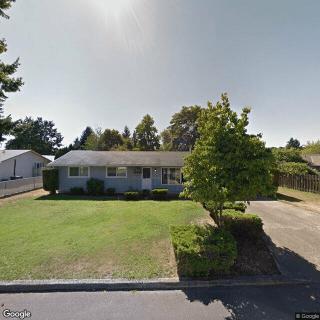
Oaktree Adult Care Home
$4,000 / month15.4 miles away -
About the same
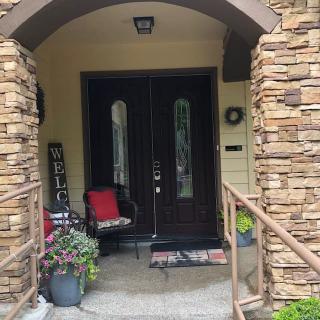
Casa Shattuck Senior Care
$4,500 / month3.9 miles away -
About the same
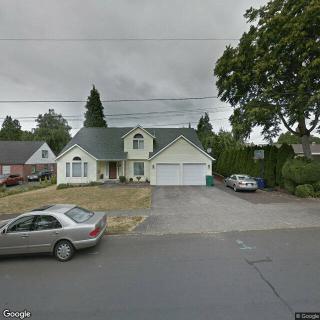
Genuine Senior Living
$4,500 / month9.6 miles away -
About the same
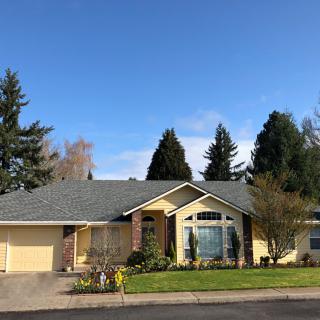
Best Care Adult Family Home
$4,500 / month11.0 miles away
Overall Review of Cedar Mill AFH
Pros
 The caretakers at Cedar Mill Senior Home are incredibly kind, caring, and friendly each day.
- They are warm-hearted, personable and loving beyond words toward their residents as well as the family members.
- This home is clean and very well kept at all times.
- The meals are nutritious and well planned and a sweet time of gathering.
- They were, and still are, a bright light in our lives.
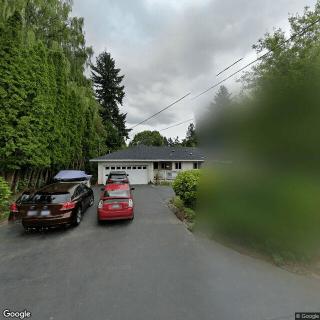
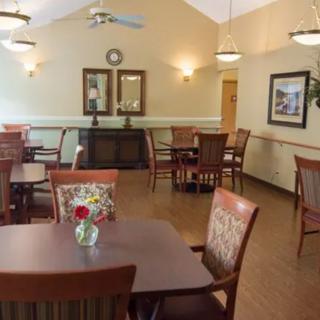
- The house itself is beautiful and perfectly designed to accommodate four residents needing care.
- The woman running this place seemed really kind and knew how to take care of the elderly's needs.
- When my mother moved in to Cedar Mill AFH they did a beautiful job of helping to arrange the room and get her all set up.
Cons
 The reviewer believes their mother is too far advanced with Alzheimer's to be accepted at Cedar Mill AFH.
Review
Cedar Mill AFH in Portland is best suited for families seeking a small, intimate setting where an elderly resident can receive exceptionally personalized, warmth-driven care. With a four-resident design, this community delivers a level of attention and continuity that larger facilities struggle to match. It is especially well matched to seniors who benefit from consistent routines, strong daily oversight, and dementia-focused support delivered in a home-like atmosphere. Those who prize clean surroundings, nutritious meals, and deeply caring staff will find Cedar Mill AFH a standout choice.
Potential residents who may want to consider alternatives include individuals who require higher-acuity medical oversight, regular nursing interventions, or a wider array of on-site therapies and social programs. The four-resident model, while intimate, inherently limits capacity and formal programming options that larger communities offer. Families facing advanced-stage dementia with complex medical needs or who anticipate frequent hospital consultations may find that a bigger, more resource-rich setting better aligns with ongoing requirements. Similarly, those needing extensive transportation, diversified activities, or robust wellness services may prefer a larger campus.
The strongest positives at Cedar Mill AFH are visible in the caregiving ethos and the environment. Staff are described as incredibly kind, caring, and consistently warm toward residents and their families, creating a sense of family and stability. The home itself is noted for cleanliness and careful maintenance, with meals that are nutritious and thoughtfully planned, turning mealtimes into meaningful social moments. The setting is designed to accommodate four residents smoothly, which translates into highly attentive supervision and a predictable daily rhythm that can be essential for memory care and overall comfort, particularly for someone with dementia.
These strengths help offset the main constraints. The intimate, family-like atmosphere and the staff’s proven ability to connect with residents who have memory challenges can compensate for any limits in programming or capacity. When transitions are involved, such as moving a loved one into care, the experience is described as smooth and well-organized, reinforcing the sense that Cedar Mill AFH prioritizes dignity, respect, and ease during a potentially stressful milestone. In memory-care scenarios, the combination of a small, controlled environment with dedicated, caring staff often yields better quality of life and calmer days than a larger facility with more anonymous care dynamics.
Despite the bright track record, the practical realities remain clear. The “four-resident” model is both Cedar Mill AFH’s defining strength and its natural constraint. Availability can be unpredictable, and spaces may not be open when need arises, potentially requiring a wait or alternative arrangements. Admission criteria may be more selective, particularly for residents with advanced Alzheimer’s, where the home’s capabilities might not align with escalating needs. Families should enter with eyes open to the possibility that future care demands could outpace what a four-resident home can sustainably provide, and should have a clear plan for escalation if medical or daily-care needs intensify.
For families weighing options, Cedar Mill AFH is a compelling choice for those prioritizing warmth, individualized attention, and dementia-friendly care in a home-like setting. It excels when the priority is a stable routine, visible staff engagement, and a nurturing environment that treats residents like family. However, for those seeking broad-spectrum medical support, extensive programming, or readily available vacancies, alternatives with larger staff teams, more robust clinical oversight, or greater capacity may be more appropriate. Prospective shoppers should visit to observe staff interactions, tour the living spaces, and discuss care levels openly, ensuring alignment with current and anticipated needs. Ask about daily schedules, caregiver qualifications, availability of respite stays, and the process for transitioning to higher levels of care if requirements change.
 Board and Care Home
 Activities off-site
 Beautician on-site
 Indoor common areas
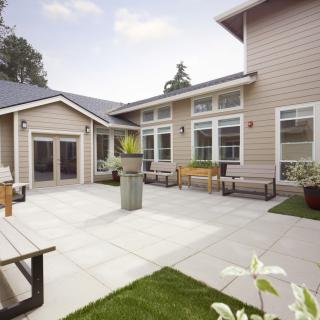
 Outdoor common areas
 Private
 Private bathrooms
 Wheelchair accessible showers
 Portland International (11 miles away)
 Ambulatory care
 Diabetic care
 High acuity care
 Incontinence care
 Meals provided
 Christian services
 Weight Training for Seniors: Building Strength and Vitality
 Understanding the Sandwich Generation: Stress and Responsibilities for Multigenerational Caregivers
 8 Essential Assistive Devices for Older Adults