
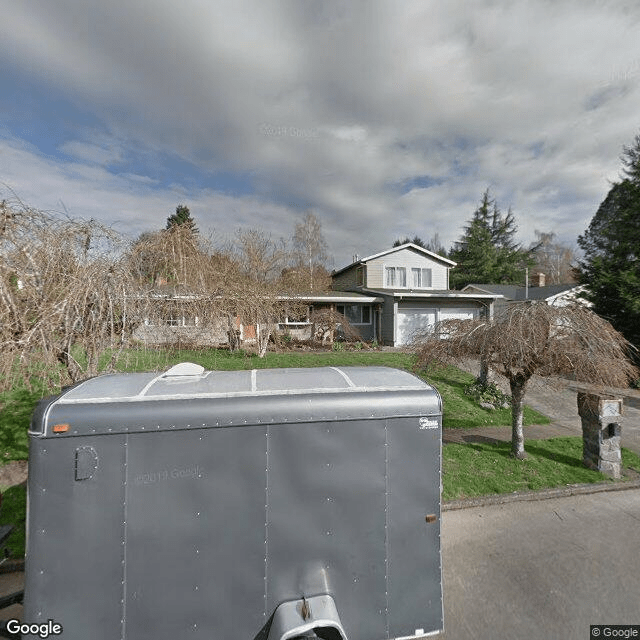
10385 NW Flotoma Dr., Portland, OR 97229
To contact a resident: (503) 327-8774
For more information about senior living options: (866) 208-4318
Sacred Heart Adult Foster Care Costs & Pricing
Sacred Heart Adult Foster Care offers a monthly rate of $2,500 for private room accommodations, which is notably more affordable compared to the averages seen in Washington County and across Oregon. In Washington County, the typical cost for similar private room services reaches approximately $3,261, while the state-wide average stands at about $3,424. This significant price difference positions Sacred Heart as a cost-effective option for individuals seeking quality adult foster care without compromising their financial stability.
| Floor plans | Sacred Heart Adult Foster Care | Washington County | Oregon |
|---|---|---|---|
| Private | $2,500 | $3,261 | $3,424 |
Senior living communities with a similar price nearby
-
About the same

Mapleview Manor, LLC
$2,500 / month11.6 miles away -
from -$300 / mo
The Peace and Joy Garden
$2,200 / month15.7 miles away -
About the same
A Gentle Care Home
$2,500 / month13.6 miles away -
from +$300 / mo
Lund AFH
$2,800 / month15.1 miles away -
from +$300 / mo
Camella Care AFH
$2,800 / month7.6 miles away
Overall Review of Sacred Heart Adult Foster Care
Pros
 Young at Heart is a wonderful place where residents are treated with love, respect, and dignity.
- Dora and Claudio welcome residents and their families with warmth and provide exceptional care.
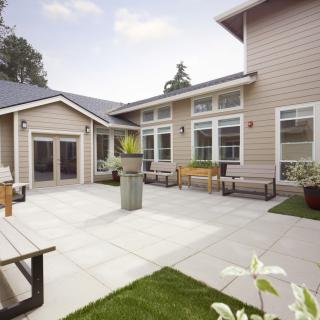
- The home is beautiful, immaculate, and beautifully appointed, with a safe and clean environment.
- Dora, who is an RN, brings a calming presence that puts residents at ease.
- The staff are exceptionally patient, caring, and attentive to each resident’s needs.
- Meals are homemade, hot, and wholesome, and residents enjoy them.
- The home feels like a family-run facility, where residents are truly treated as family.
- The owners’ friendliness, good communication, and compassion set them apart as excellent caregivers.
- The facility is modern, clean, and well kept, with comfortable rooms and private baths.
- The overall atmosphere is peaceful, welcoming, and supportive for families and residents.
Review
This community is best suited for families seeking an intimate, home-like setting in Portland where a small, family-run team delivers highly personalized care. The model shown in the reviews centers on Dora and Claudio, a couple who treat residents as family, bring calm and stability, and operate a beautifully kept, safe living space. It appeals to seniors who value warmth, consistent one-on-one attention, and the reassurance of a registered nurse on site guiding medical needs. Private rooms, a homey atmosphere, and homemade meals reinforce the sense that this is a residence-first approach rather than a clinical campus.
Those considering alternatives are wise to note that this setting may not fit every situation. For families needing a larger community with extensive programming, a broader social calendar, and more formal day-to-day activities, a traditional assisted living or memory-care campus may be a better match. Likewise, residents with high medical acuity requiring around-the-clock skilled nursing or more robust on-site clinical staffing should evaluate options designed for higher levels of medical oversight. The small scale, while a major strength, inevitably carries trade-offs for those seeking broader resources or more diverse services.
The strongest pros, unparalleled warmth, painstaking cleanliness, and deeply engaged caregiving, frame every day. The owners’ RN credentials and their calm, patient approach translate into meticulous attention to personal needs, respectful care, and steady communication with families and hospice teams. Guests consistently report feeling loved and valued, with meals described as wholesome and appealing, and rooms that offer privacy and comfort. The home-like setting supports dignified aging, with staff who actively cultivate meaningful relationships, enabling residents to feel secure as they navigate changing health or end-of-life circumstances.
Against these advantages, the main practical concern is the inherent limits of a five-resident home. While that size delivers intimacy, it can constrain social programming and the breadth of on-site staffing. Families should confirm how coverage is handled if a staff member is sick or needs relief, and whether the pace of activities aligns with a loved one’s interests. For residents who thrive on structured schedules, group excursions, or intensive coordinated therapies, a larger campus may deliver more of what they expect. The model’s strength rests on intimate oversight rather than expansive resources.
Yet the pros offset these considerations by delivering a level of partnership and transparency that larger facilities often struggle to match. The caregivers’ ability to coordinate closely with hospice teams and keep families informed creates a consistent, proactive care loop. The owners’ hands-on involvement means care plans adapt quickly to evolving needs, while their dedication to a warm, respectful culture minimizes stress during difficult transitions. In short, the human connection, the trust built through daily interactions and ongoing dialogue, compensates for any gaps in size or breadth.
In the end, this setting earns its strength from what families value most: dignity, trust, and a home-forward approach to everyday care. It is a compelling choice for seniors who want to be seen and cherished, with the reassurance that medical needs are guided by an experienced RN who blends professional expertise with genuine compassion. For those who prioritize a highly personal, family-owned atmosphere and are comfortable with a smaller footprint, this is a standout option. For others, especially those seeking larger communities with more extensive programming or higher clinical acuity, it makes sense to explore comparable facilities that scale up resources while preserving professional, attentive care.
 Board and Care Home
 Private
 Portland International (10 miles away)
 Diabetic care

 Comprehensive Guide to Blood Pressure Charts for Older Adults: Understanding Normal and High Readings by Age
 Financing Long-Term Nursing Home Care Through Social Security: A Thorough Exploration
 Essential Knowledge on Pneumonia in Older Adults