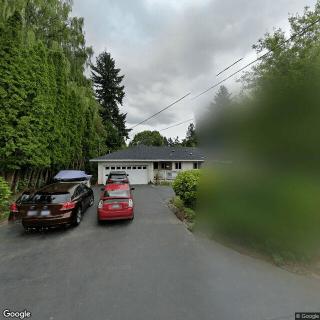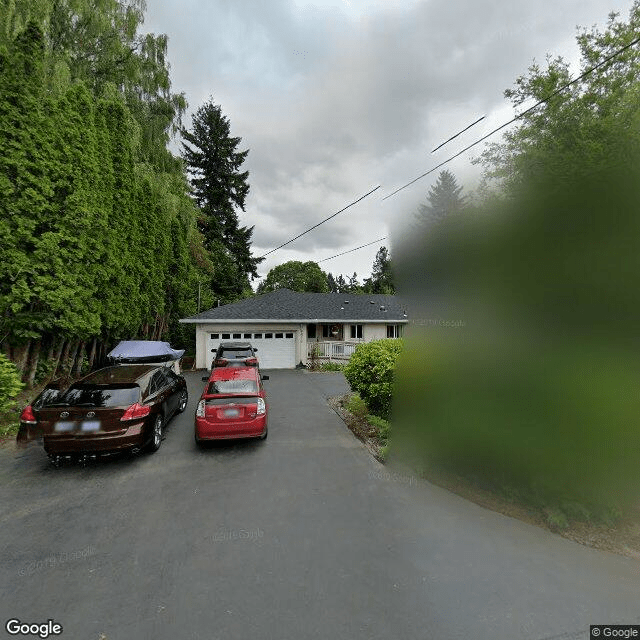
9838 NW Leahy Road, Portland, OR 97229
To contact a resident: (503) 297-3014
For more information about senior living options: (866) 208-4318
West Haven AFCH Costs & Pricing
At West Haven Adult Foster Care Home (AFCH), the monthly costs for accommodations reflect a competitive pricing structure when compared to both Washington County and the broader Oregon region. For semi-private rooms, West Haven AFCH is priced at $4,000 per month, which is notably lower than the county average of $4,848 and also more affordable than the state average of $4,457. In contrast, the cost for private rooms at West Haven AFCH is set at $4,500 per month. While this figure exceeds both the Washington County average of $3,261 and the state average of $3,424, it's important to consider that West Haven may offer unique amenities or services that justify this higher rate. Overall, West Haven AFCH presents a compelling option for those seeking quality care in an environment that emphasizes comfort and community.
| Floor plans | West Haven AFCH | Washington County | Oregon |
|---|---|---|---|
| Semi-Private | $4,000 | $4,848 | $4,457 |
| Private | $4,500 | $3,261 | $3,424 |
Senior living communities with a similar price nearby
-
from -$200 / mo

The Inn at University Village
$3,800 to $7,500 / month15.0 miles away -
About the same
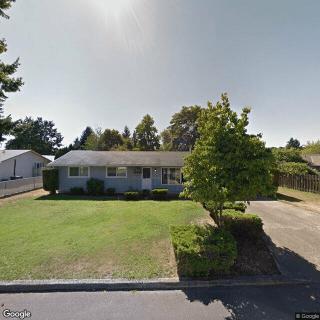
Oaktree Adult Care Home
$4,000 / month15.0 miles away -
from +$500 / mo
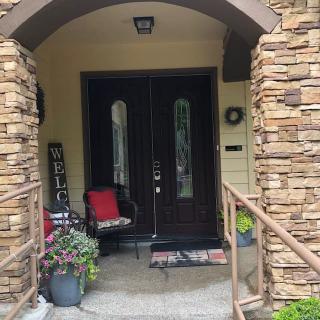
Casa Shattuck Senior Care
$4,500 / month3.3 miles away -
from -$500 / mo
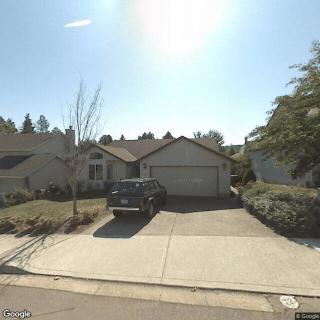
Fulga's ACH
$3,500 / month5.2 miles away -
from -$500 / mo
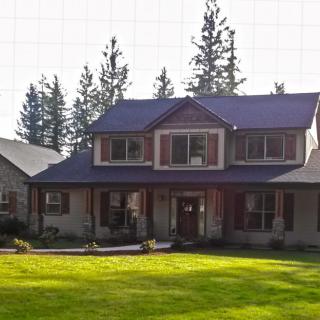
Family and Company NW
$3,500 to $3,800 / month24.5 miles away
Overall Review of West Haven AFCH
Pros
 They have very attentive caregivers.
- They communicate with family regularly.
- They prepare dysphagia-friendly meals for residents.
- The house and resident rooms are very clean.
- Their homes are highly recommended.
- The staff are delightful and proud of their heritage.
- They are friendly and offer helpful suggestions about homes and dietary considerations.
- The environment is more home-like and care is more individualized than in a nursing home.
- The care and hospice services are working well.
Cons
 They note that most other facilities they checked had residents with dementia, making it hard for someone with full cognitive abilities to thrive.
- They describe finding a place for a person with full cognitive abilities as really rough.
- They state that they could not see their dad fitting in there.
- They recognize that the decision should not be based on who lives there, but the current resident mix complicates choosing.
Review
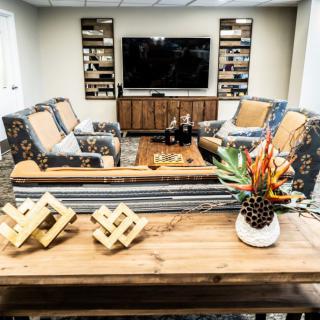
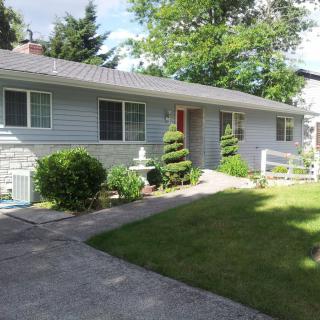
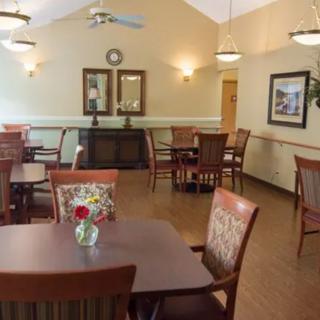
West Haven AFCH in Portland, Oregon is best suited for families seeking a small, home-like assisted living option where care is intimate, responsive, and highly relationship-driven. The community shines when a resident needs attentive hands-on caregiving, consistent family communication, and meals tailored to specific needs such as dysphagia. Clean, well-maintained resident rooms and a warm, house-like atmosphere make it a strong match for those who value daily presence and personal touch from the caregiving team. Hospice collaboration is a noted strength, and the ability to provide seasonally flexible, scratch-made meals adds to a sense of comfort and dignity for residents who thrive on individualized attention.
Those who may want to consider alternatives include families seeking a setting with a higher emphasis on active cognitive stimulation or formal memory-care programming. The reviews repeatedly highlight that most residents have dementia, which means the environment may not be ideal for someone with full cognitive abilities or for families looking for robust programming geared toward independent or highly engaged seniors. For seniors who require more structured memory-care services, intensive medical oversight, or a larger community with a wider array of on-site activities and clinical resources, exploring other assisted living or dedicated dementia care facilities would be prudent.
The strongest pros at West Haven offset several potential drawbacks through a practical, hands-on care model. Attentive caregivers and regular family updates create a dependable support loop, reducing anxiety about a loved one’s daily well-being. Food service is not just adequate but specialized, with options for dysphagia and a promise of meals made from scratch, paired with flexibility to adjust menus as needs evolve. The home environment itself promotes a sense of belonging and continuity, which can ease transitions for residents who value familiarity and a steady routine. The owner’s evident dedication translates into a credible promise of tailored, compassionate care that larger facilities may struggle to match on a day-to-day basis.
However, the compact, home-centered design has limiters. The absence of a formal memory-care track means residents needing advanced cognitive support may not find the breadth of programming that larger memory-care communities offer. The resident mix, primarily those with dementia, can influence the daily atmosphere and may not align with every family’s preferences for independence or social variety. While cost savings relative to nursing homes is a practical advantage, it is still essential to obtain a precise, written understanding of ongoing costs, what is included, and how hospice and specialized dietary needs are incorporated into monthly plans. The home-like setting is compelling, but clarity on staffing levels and coverage across shifts remains a critical due diligence item.
From a decision-making perspective, prospective families should approach a tour with specific questions that reveal practicality beyond the pleasant ambiance. Inquire about the exact staff-to-resident ratio, how care plans are reviewed and updated, and the cadence of family communication. Confirm capability and processes for dysphagia care, the flexibility of meal preparation, and the availability of equipment such as hospital or regular beds and call bells in rooms. Verify the options for private versus shared rooms, and whether furniture can be provided or adapted to individual needs. Talk through how hospice services are coordinated and what a typical day looks like for residents with varying levels of cognitive function.
In the end, West Haven AFCH presents a compelling choice for families prioritizing a close-knit, attentive, home-like environment with strong family involvement and practical, personalized care. It is especially well-suited for residents who require careful dysphagia management, consistent caregiver communication, and compassionate, individualized attention, distinct advantages over more impersonal settings or larger facilities. For those whose loved ones maintain higher cognitive function or who specifically want robust memory-care programming and medical oversight, alternatives that offer formal dementia units and greater clinical resources are worth evaluating. The combination of warm staffing, home atmosphere, and hospice-friendly care makes this option worth pursuing with purposeful, informed due diligence.
 Board and Care Home
 Activities on-site
 Indoor common areas
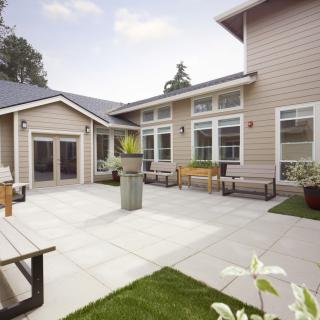
 Outdoor common areas
 Private
 Private bathrooms
 Wheelchair accessible showers
 Portland International (10 miles away)
 Diabetic care
 High acuity care
 Incontinence care
 Meals provided

 Exploring the World of Home Health Nurses: Qualifications, Roles, and Hiring Tips
 Navigating Medicare Coverage for In-Home Care Services
 In-Home Care Costs in 2025: A Detailed State-by-State Exploration