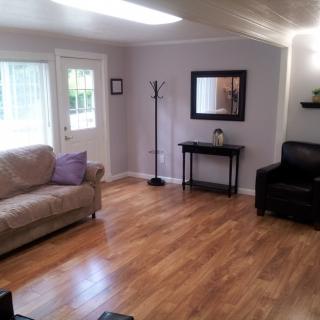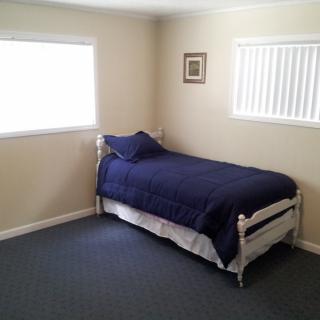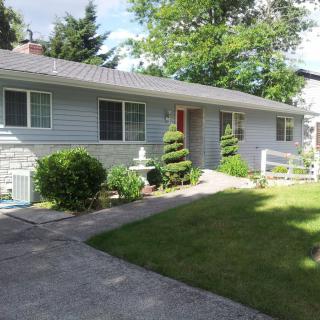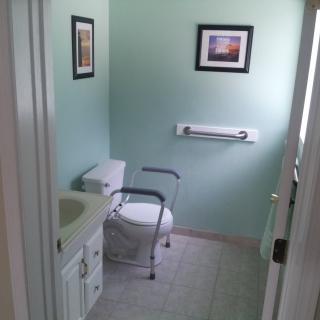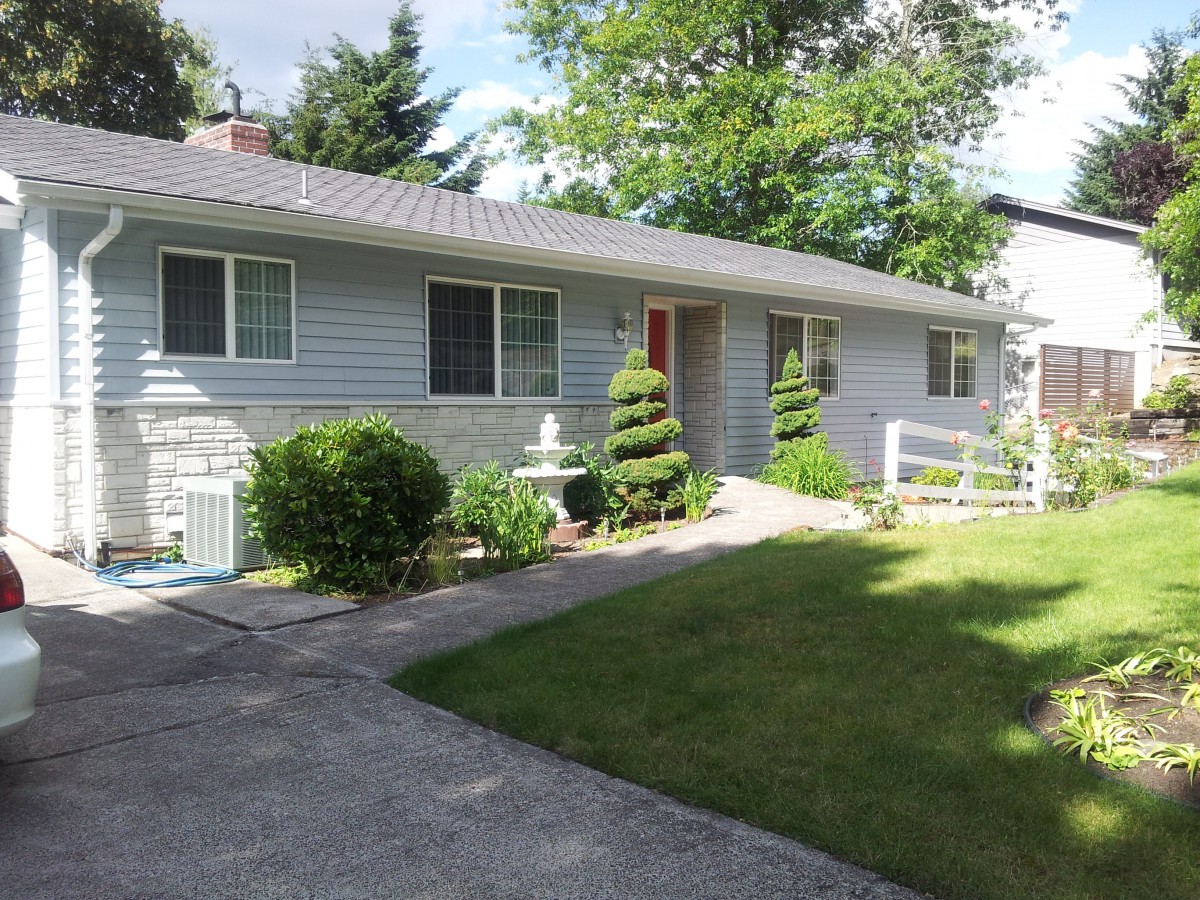
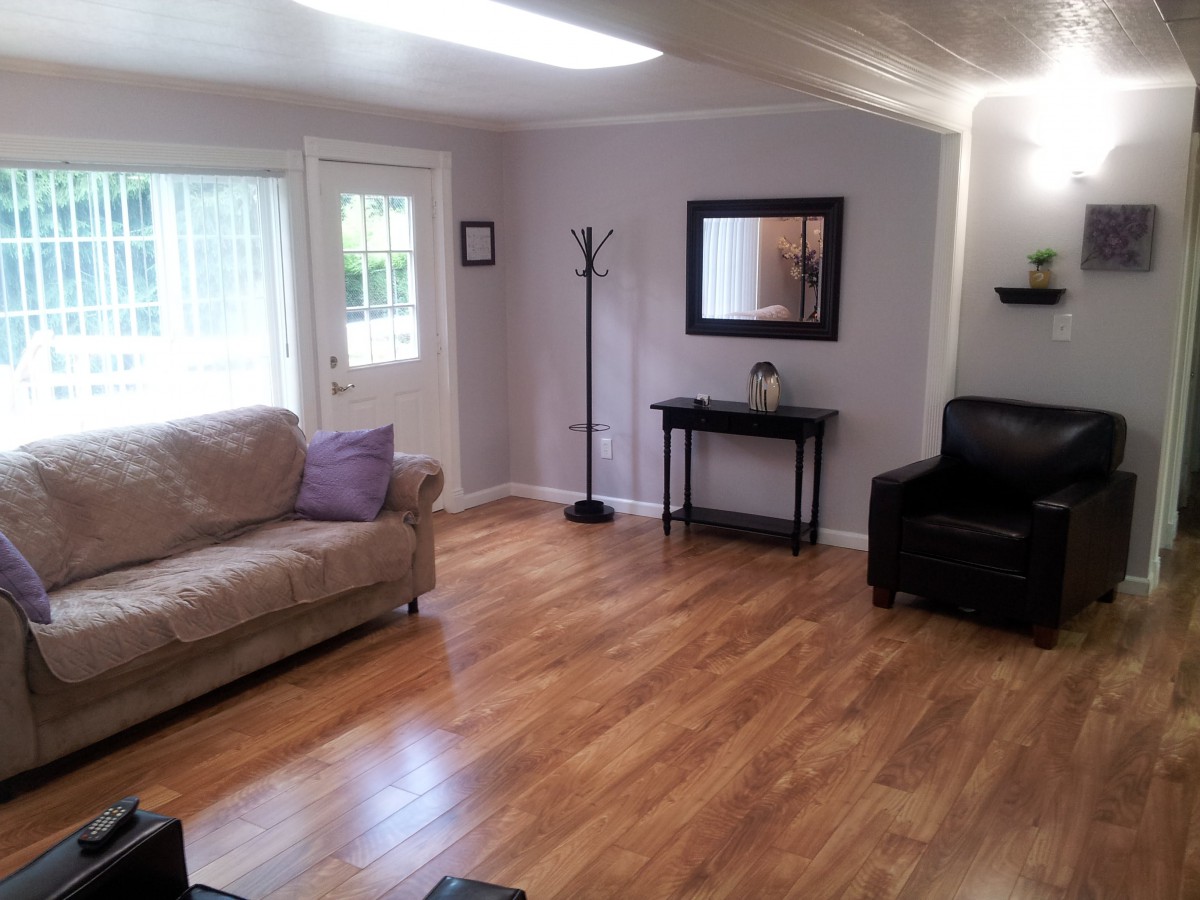
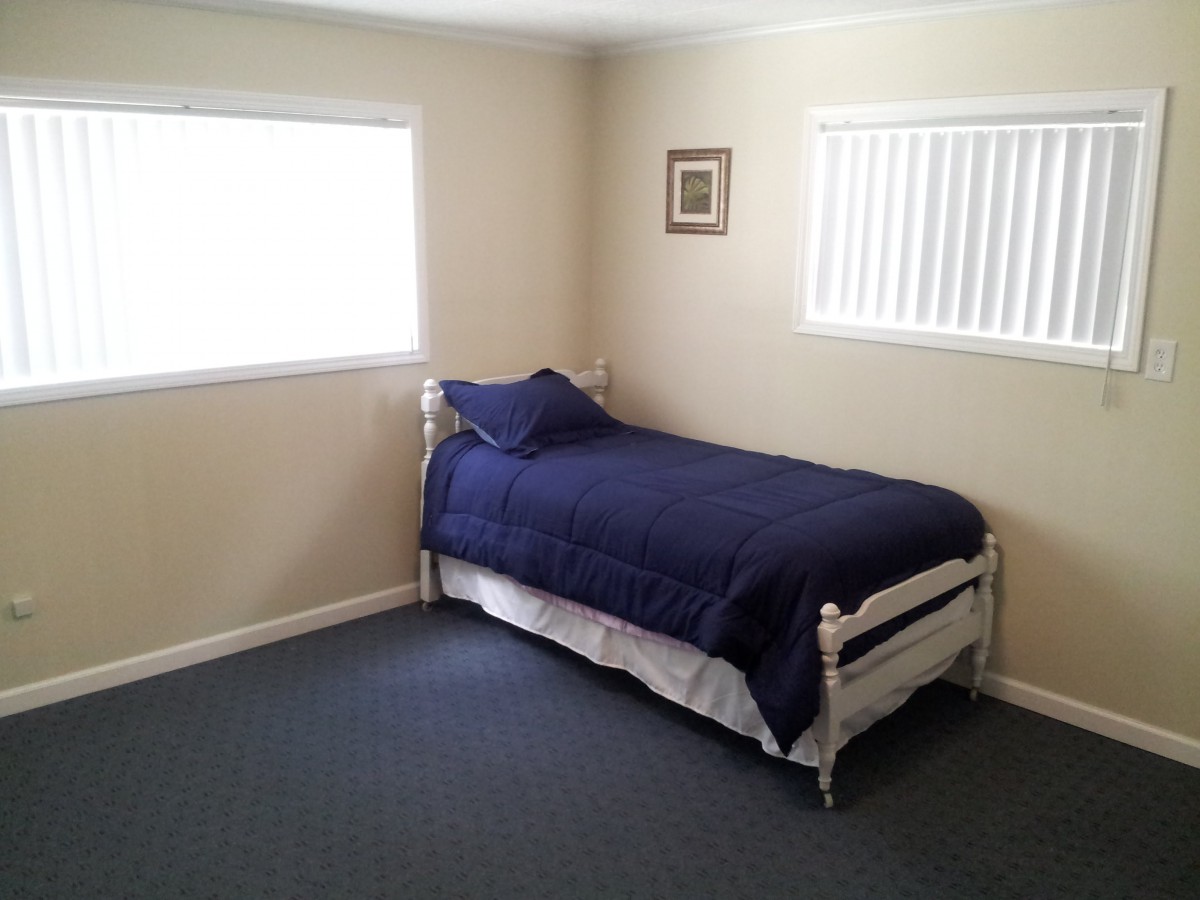
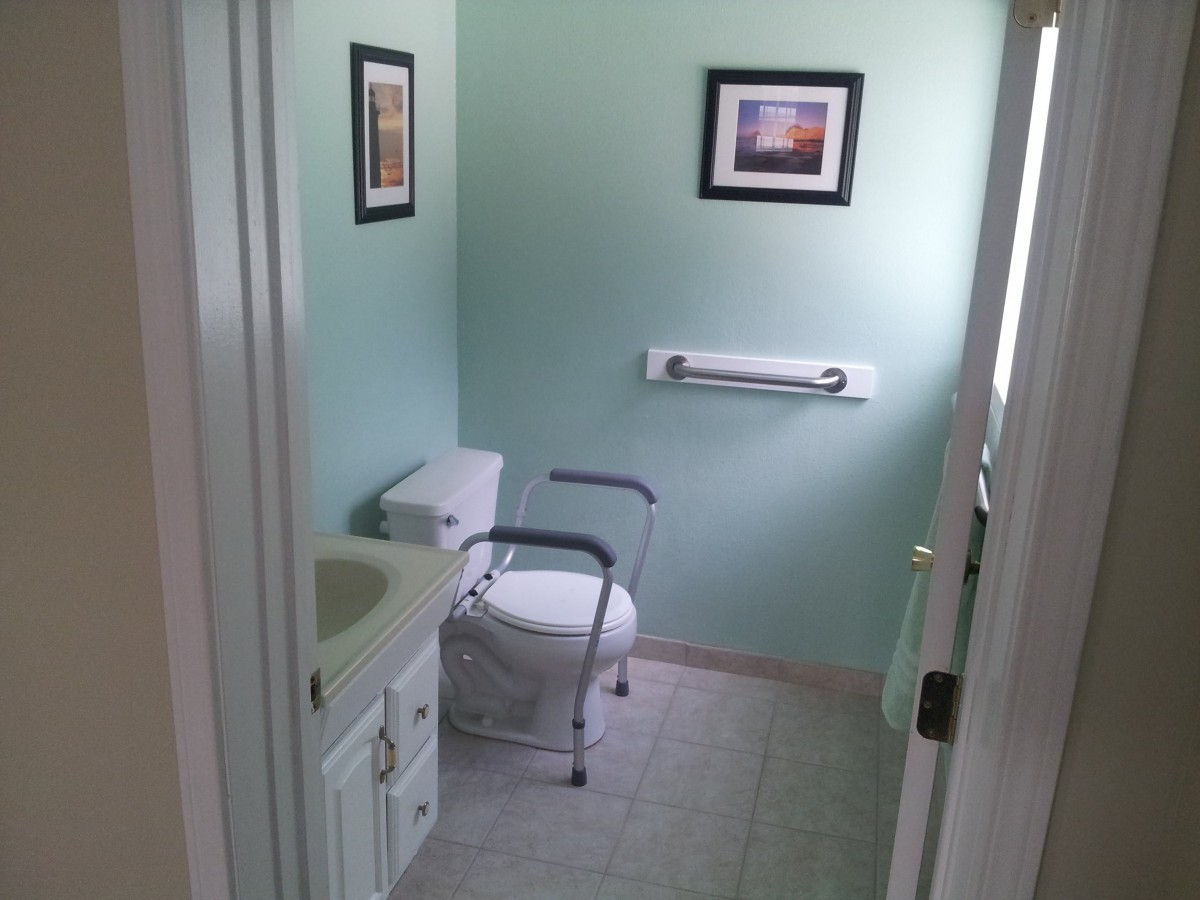
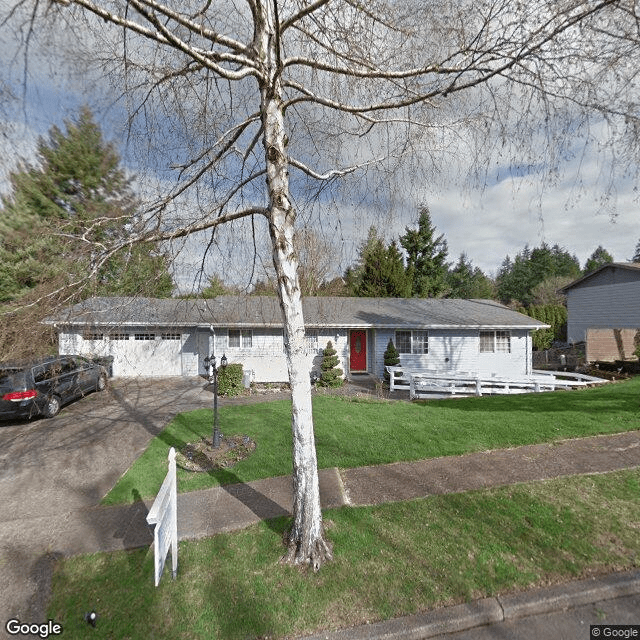
10625 NW Flotoma Drive, Portland, OR 97229
To contact a resident: (503) 430-0796
For more information about senior living options: (866) 208-4318
Cedar Hills Costs & Pricing
Cedar Hills offers competitive pricing for its housing options compared to both Washington County and the broader state of Oregon. For those seeking a private room, Cedar Hills has set its monthly cost at $2,900, which not only undercuts the average rate in Washington County at $3,261 but also stands distinctly lower than the state average of $3,424. Similarly, the 1-bedroom unit is priced at $3,400, significantly more affordable than Washington County's average of $4,082 and slightly below Oregon's statewide average of $3,904. These price points position Cedar Hills as an attractive choice for prospective residents looking for quality accommodations without stretching their budget too thin.
| Floor plans | Cedar Hills | Washington County | Oregon |
|---|---|---|---|
| Private | $2,900 | $3,261 | $3,424 |
| 1 Bedroom | $3,400 | $4,082 | $3,904 |
Memory care communities with a similar price nearby
-
from -$400 / mo
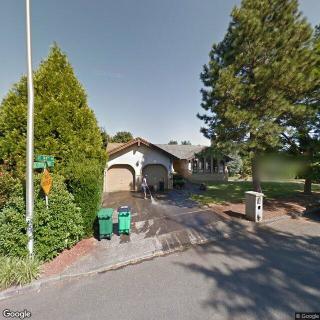
A Gentle Care Home
$2,500 / month13.8 miles away -
from +$100 / mo
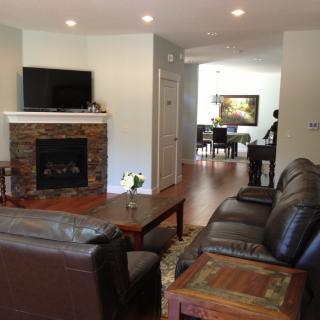
Elder Garden Care Home, LLC
$3,000 / month16.0 miles away -
from +$100 / mo
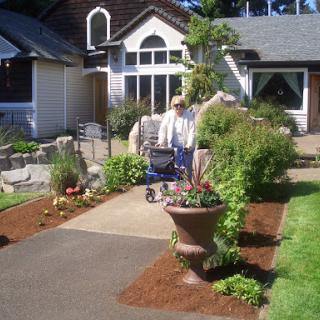
Rivercrest Adult Care
$3,000 to $3,700 / month15.8 miles away -
from -$100 / mo
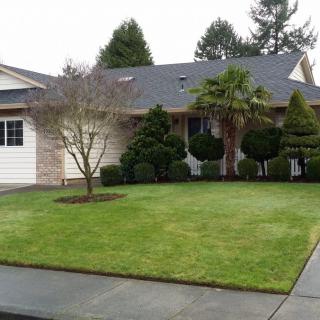
Aging Gracefully Family Home
$2,800 to $3,500 / month12.4 miles away -
from +$200 / mo
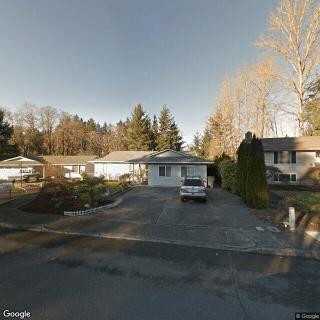
Golden Gate Home Care
$3,100 / month6.7 miles away
Overall Review of Cedar Hills
Pros
 The facility is consistently clean and well maintained by the staff.
- The caregivers are wonderful.
- The community has a perfect mix of residents who get along well together.
- The staff are courteous, fast, and professional in challenging situations.
- The staff work with families and are flexible.
- There is a Registered Nurse on site.
- The meals are healthy, homemade, with fresh vegetables.
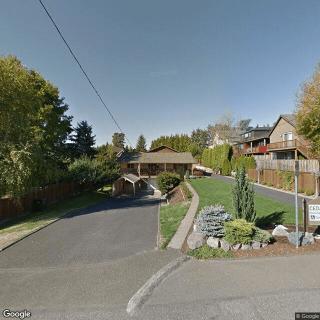
- The home is beautifully maintained and has a nice, family feel.
- The setting is quiet and light-filled with a small number of residents, allowing personalized care and space.
- Families feel peace of mind knowing Cedar Hills offers a true home for their loved ones.
Cons
 They are not sure about wanting dementia patients.
- The situation is described as less than desirable.
Review
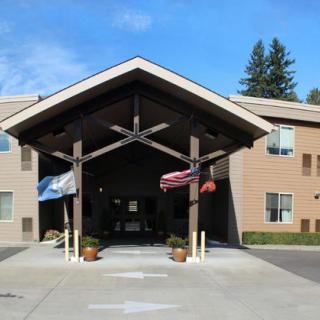
Cedar Hills is best suited for families seeking a small, home-like memory care environment where a loved one can receive highly personalized attention, clean surroundings, and steady, hands-on oversight from caregivers and an on-site registered nurse. The community emphasizes a warm, family feel, with owners who are actively involved in daily life and a resident count kept deliberately low. This setup works especially well for individuals with progressive memory loss who benefit from observation, quiet living spaces, and routine that mimics home life more than a clinical campus. For families prioritizing dignity, familiarity, and intimate social interaction over size and breadth of services, Cedar Hills stands out as a compelling fit.
Those considering alternatives should note who Cedar Hills may not be ideal for. If a resident requires a more hospital-like level of medical care, extensive, schedule-driven social programming, or a larger, more resource-rich campus with extensive activity staff, a bigger memory care or assisted living community may deliver a better fit. Families seeking robust, high-energy programming, highly specialized dementia therapies, or a setting that feels less like a private home may want to compare options. Similarly, if comfort with the “foster home” style or a very small, intimate residence matters, it’s worth evaluating whether the setting aligns with long-term needs and expectations.
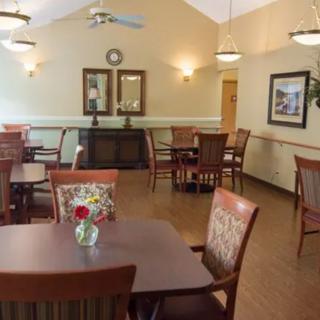
The strongest positives here, the cleanliness, daily maintenance, and consistently warm staff, do a lot of heavy lifting against any perceived drawbacks. The care team is described as wonderful and flexible, with an on-site RN providing medical oversight that reassures families during transitions. The environment is kept meticulously clean, and the kitchen produces healthy, homemade meals with fresh vegetables. Beyond meals, residents access light, engaging activities, card games, and puzzles, with the small scale allowing caregivers to tailor activities to individual abilities and interests. Families repeatedly note the way staff work with them, not just with residents, which translates into peace of mind when navigating memory care needs.
Owners Claudia and Gael are repeatedly highlighted as central to the homey atmosphere and attentive care. From the first days of move-in, the facility aims to feel like a real home, not a sterile institution, which can be a crucial factor for someone in the early-to-mid stages of memory decline. The rooms are described as quiet and light-filled, giving residents personal space while the staff maintain constant observation and appropriate support. The combination of a truly intimate setting, family involvement, and a stable, well-trained team creates a compelling case for Cedar Hills when the priority is a comfortable, dignified living experience that prioritizes gentle supervision and meaningful connection.
Yet there is a caveat that cannot be ignored. A minority of reviews allude to the setting being a “foster home in the basement of another home,” and some express hesitation about dementia care within that model. For families who equate memory care with a standardized, larger facility, these notes can raise questions about licensing nuance, scope of 24/7 clinical resources, and the consistency of programming. While the on-site RN and highly engaged ownership mitigate many concerns, this is a factor to weigh carefully. If a loved one requires more robust, facility-wide dementia programming or a more formal institutional vibe, it may be prudent to explore other options alongside Cedar Hills.
In the end, Cedar Hills delivers a practical, compassionate choice for those who prize a home atmosphere, close-knit care, and strong family collaboration. It excels when the decision hinges on minimizing disruption, preserving dignity, and ensuring clean, well-maintained surroundings with reliable staff. But for families whose loved one demands a broader clinical footprint, more intensive daily programming, or a setting with a different architectural model, alternatives warrant direct comparison. Prospective families should visit, observe staff-resident interactions, confirm daily schedules, inquire about staffing ratios and RN hours, and assess whether the intimate, home-like model aligns with the current and anticipated care needs of the resident.
 Board and Care Home
 Memory Care
 Activities off-site
 Cable or satellite TV
 Devotional services on-site
 Full kitchen
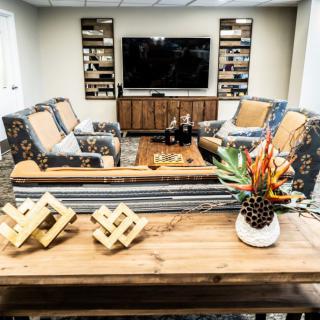
 Indoor common areas
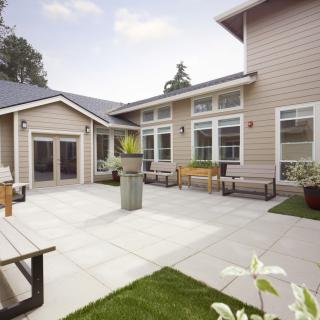
 Outdoor common areas
 Private
 Private bathrooms
 Respite or short term stays offered
 Wheelchair accessible showers
 Wi-Fi/high-speed internet available
 Portland International (10 miles away)
 Ambulatory care
 Diabetic care
 High acuity care
 Incontinence care
 Medication management
 Gluten-free
 BBQs or picnics
 Birthday parties
 Christian services
 Gardening club
 Light therapy programs
 Five Subtle Dementia Indicators to Observe: An In-Depth Guide to Understanding “Does My Mom Have Dementia?”
 Dementia, Paranoia, and Caregiver Guidance: Understanding the Connection
 Engaging Memory Care Activities That Enhance Quality of Life