
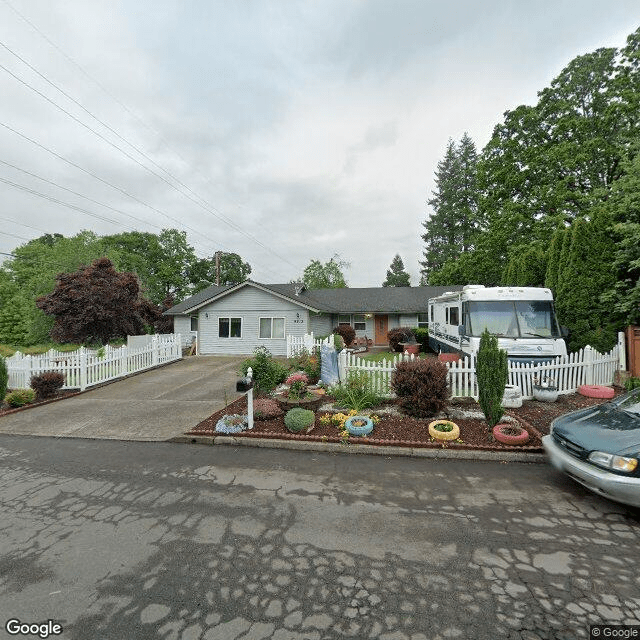
9813 NE 80th Ave, Vancouver, WA 98662
To contact a resident: (360) 254-2399
For more information about senior living options: (866) 208-4318
Lund AFH Costs & Pricing
Lund Adult Family Home (AFH) offers competitive pricing for private rooms at $2,800 per month, which is significantly lower than both the average costs in Clark County, set at $3,992, and the broader state average of $4,772 in Washington. This makes Lund AFH an appealing option for families seeking quality care without the financial burden typically associated with adult family homes. The affordability of Lund AFH not only reflects its commitment to accessible care but also ensures that residents receive personalized attention in a comfortable and supportive environment.
| Floor plans | Lund AFH | Clark County | Washington |
|---|---|---|---|
| Private | $2,800 | $3,992 | $4,774 |
Senior living communities with a similar price nearby
-
from +$200 / mo
A Piece of Heaven
$3,000 / month18.5 miles away -
from -$300 / mo
Mapleview Manor, LLC
$2,500 / month18.7 miles away -
from +$200 / mo
Yamhill Senior Care Home
$3,000 / month13.0 miles away -
from +$200 / mo
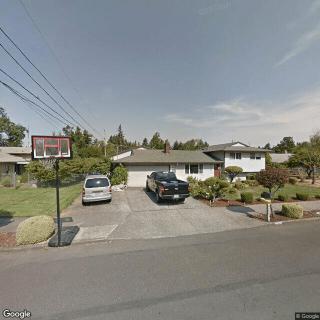
Peaceful Lighthouse Adult Care Home
$3,000 / month12.8 miles away -
from -$300 / mo
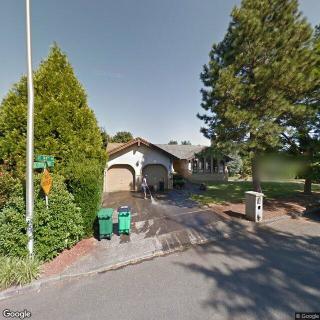
A Gentle Care Home
$2,500 / month16.3 miles away
Overall Review of Lund AFH
Pros
 Loving Care provides exceptional love and attentive care for its residents.
- The home lives up to its name, offering a warm, welcoming, and well-cared-for environment.
- The staff genuinely care about each resident as an individual.
- The home is spotless and well-organized, with cleanliness and hygiene prioritized.
- There is a true sense of community and happiness among the residents.
- Residents are encouraged to participate in meal planning and even help with meal preparation, fostering dignity and inclusion.
- A nurse is always on staff, providing consistent medical oversight.
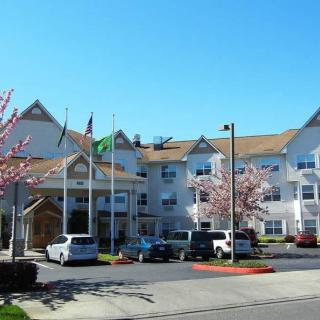
- The facility is beautifully designed for its purpose, with wonderful staff and administration that feel like a loving family.
- The caregivers are professional, caring, and accommodating.
Review
Lund AFH in Vancouver, WA is best suited for seniors and families who prize a true home-like atmosphere where daily life centers on warmth, dignity, and personalized attention. This community shines for residents who want intimate, hands-on care in a small setting, where staff know residents by name, monitor health with consistency, and involve them in routine activities such as meal planning and light food preparation. For families navigating dementia or chronic health needs, the home-like model delivers steady, patient care, meaningful engagement, and a sense of belonging that larger facilities sometimes struggle to provide.
Those weighing alternatives should consider options that offer more expansive medical programming, larger campuses, or highly structured, highly medicalized environments. If a resident requires frequent, advanced skilled nursing interventions, intensive rehabilitation, or a wide array of on-site clinical services, a bigger community with multiple medical teams and specialists may be a better fit. Similarly, families seeking a program with a broader slate of therapeutic activities and social options across shifts and days might prefer a larger setting with more staff and resources.
The most compelling pros at Lund AFH offset the natural limits of a smaller home. The reviews consistently describe a genuinely welcoming, well-managed environment where cleanliness, organization, and responsive care are non-negotiables. The presence of a nurse on staff provides timely medical oversight and quick response to health concerns, which is a crucial safeguard for older adults with evolving needs. This medical vigilance, combined with a culture of kindness, patience, and individual respect, creates a foundation of security that many families are willing to trade for a cozier, more intimate setting.
Another major strength is the sense of community. Residents are not merely occupied; they are engaged and valued, with opportunities to participate in meal planning and even help with meal preparation. This inclusive approach preserves autonomy and dignity, helping residents feel useful and connected. The home’s atmosphere, pairs of caring staff and a family-like rhythm, translates into better emotional and mental well-being for residents, reinforcing the practical benefit of reduced isolation and heightened daily purpose. The steady routine, coupled with homemade meals and consistent staff presence, makes daily life predictable and comforting for families.
Nonetheless, prospective residents should acknowledge the inherent trade-offs of a smaller adult family home. Space and formal clinical depth are naturally more limited than in larger facilities, so residents with complex care demands or those requiring intensive therapy may need a different setting. Transportation to off-site appointments, access to on-site specialists, and a broader calendar of activities are areas where families should verify capabilities before move-in. The key offset is that Lund AFH mitigates these gaps with attentive, individualized care, transparent communication, and a strong emphasis on safety and cleanliness, elements that many families value as more than compensating for the lack of scale.
In making a decision, the right fit hinges on aligning resident needs with what Lund AFH delivers: a home where staff know residents personally, care plans are tailored, and daily life emphasizes dignity, involvement, and genuine connection. For families seeking a small, compassionate environment that treats care as a personal mission rather than a transaction, Lund AFH is a compelling choice. For those who require the breadth of services, pronounced clinical depth, or the density of programming found in larger communities, exploring alternatives remains prudent. A thoughtful visit, direct conversations about nursing coverage, memory care approaches, and the daily routine will illuminate how well this home translates promises into lived experiences.
 Board and Care Home
 Cats allowed
 Dogs allowed
 Activities off-site
 Devotional services off-site
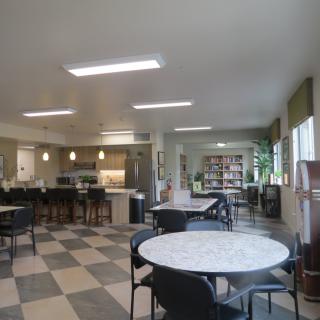
 Indoor common areas
 Outdoor common areas
 Private
 Respite or short term stays offered
 Wheelchair accessible showers
 Portland International (7 miles away)
 Ambulatory care
 Diabetic care
 High acuity care
 Incontinence care
 Medication management
 Kosher

 Nurturing Our Elders: Linda's Journey of Supporting Her Mother
 A Comprehensive Exploration of Common Misunderstandings about Powers of Attorney
 Senior Move Management: Understanding the Role, Value, and Associated Costs