For more information about senior living options: (866) 208-4318
3.1 from 69 reviews
5 stars
23
4 stars
12
3 stars
5
2 stars
5
1 stars
24
Bonaventure of Vancouver Costs & Pricing
Bonaventure of Vancouver presents competitive pricing in comparison to both Clark County and the broader Washington state averages. For a one-bedroom unit, residents can expect to pay $3,740 monthly, which is notably lower than the county average of $4,178 and significantly less than the state average of $4,632. The two-bedroom option at Bonaventure is priced at $4,295, aligning closely with Clark County's average of $4,528 while being more favorable than Washington's state figure of $4,301. However, for those considering studio living arrangements, Bonaventure's rate of $6,730 stands out as considerably higher than both local and state averages of $3,882 and $4,126 respectively. Overall, Bonaventure offers a blend of attractive prices for one- and two-bedroom units while its studio pricing indicates a premium experience worthy of consideration in this vibrant market.
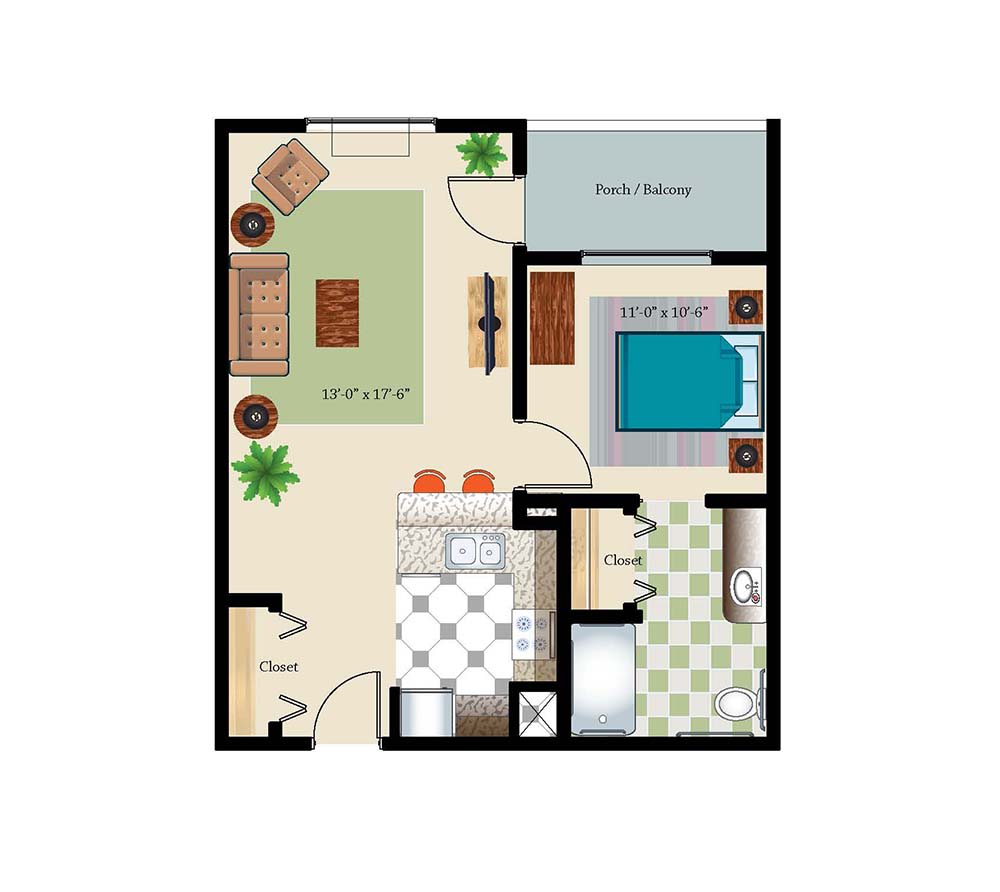
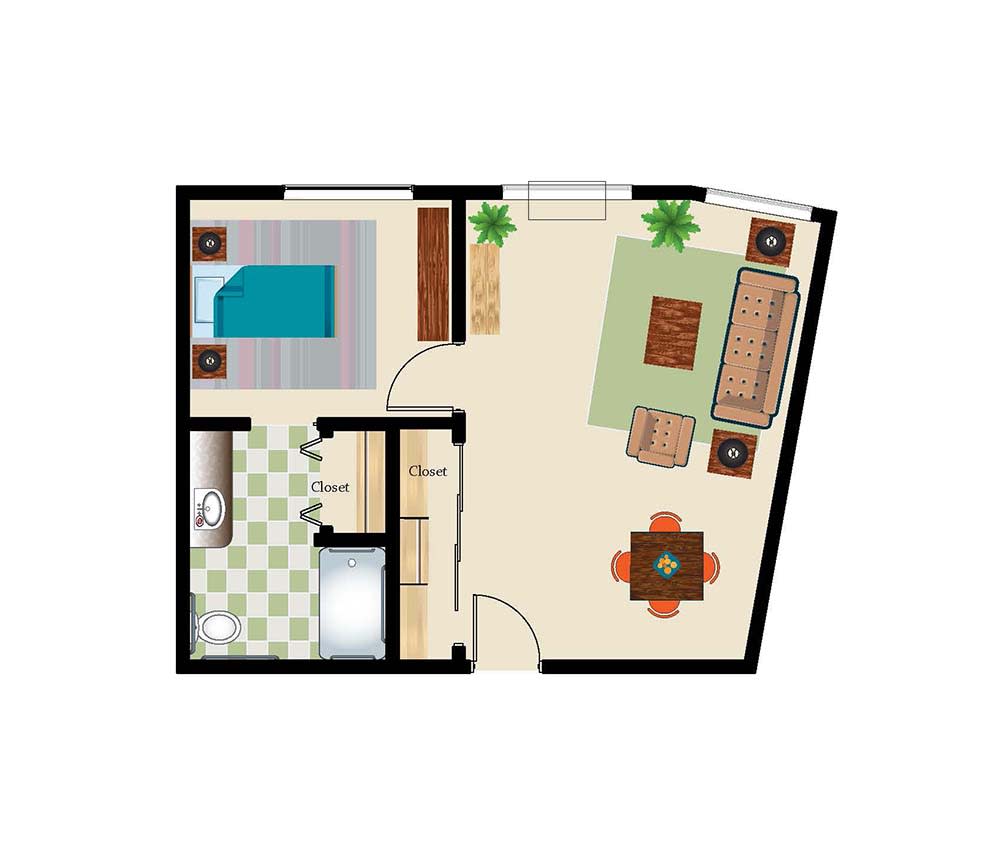
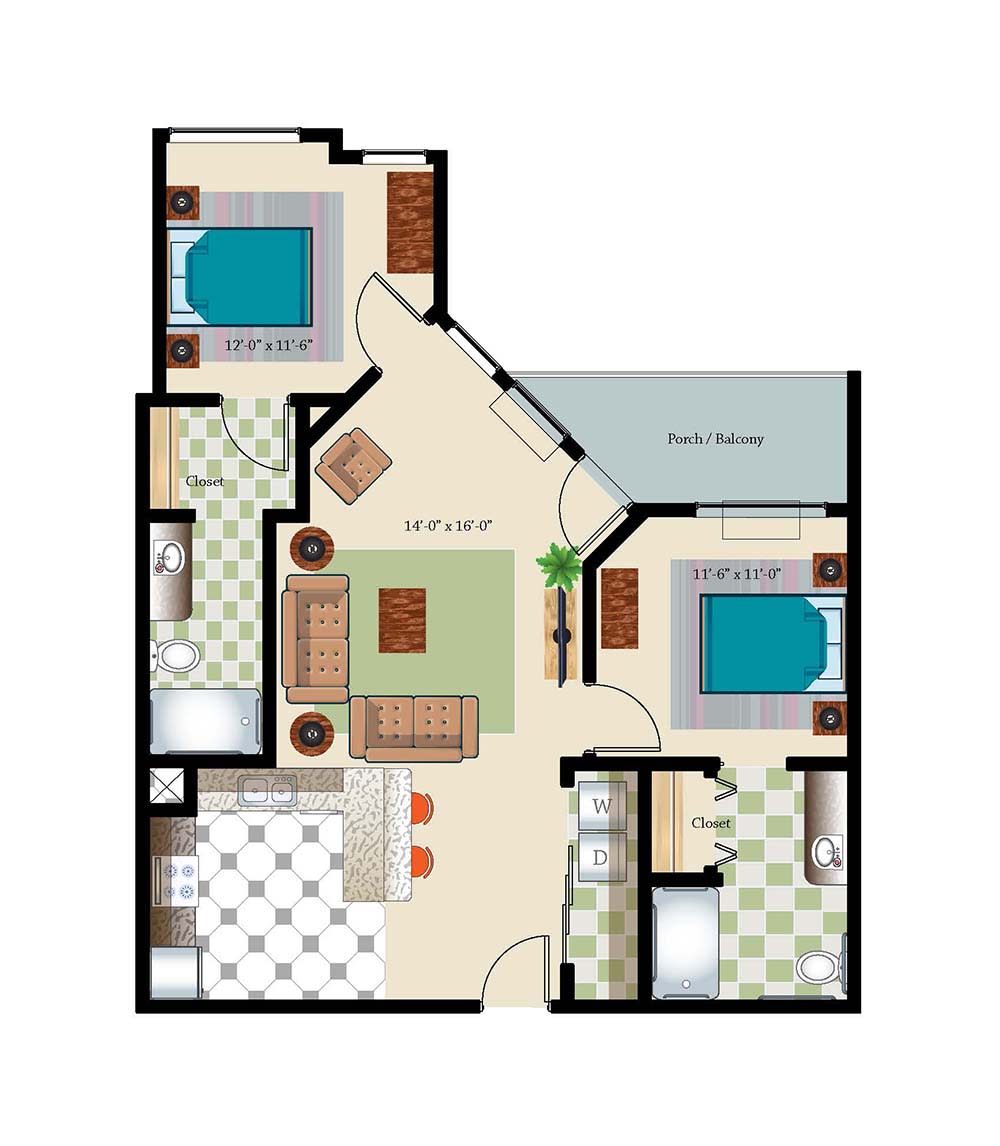
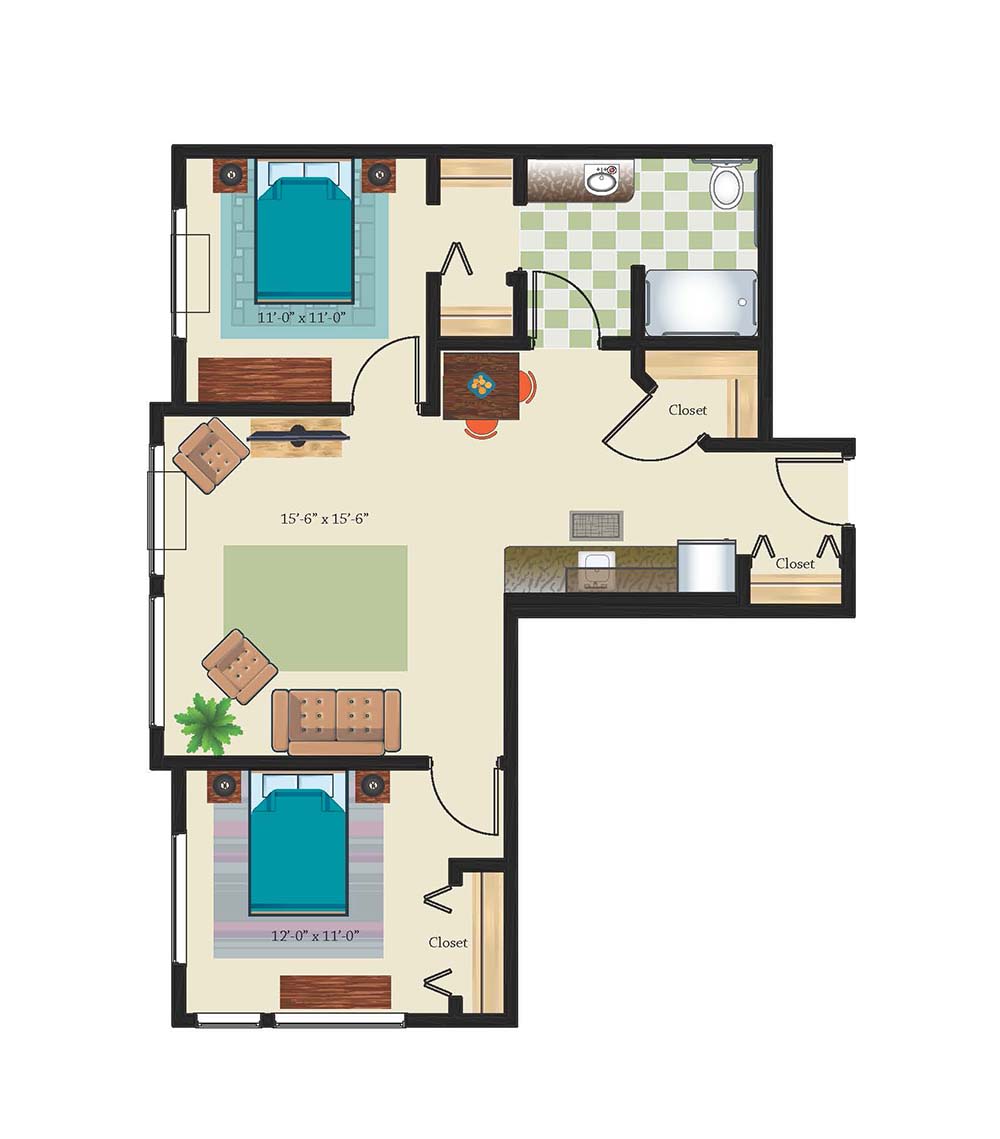
Floor plans
Bonaventure of Vancouver
Clark County
Washington
1 Bedroom
$3,740
$4,178
$4,634
2 Bedrooms
$4,295
$4,528
$4,301
Studio
$6,730
$3,882
$4,128
Memory care communities with a similar price nearby
This part of Vancouver, Washington offers convenient access to various amenities such as pharmacies, cafes, physicians, restaurants, parks, hospitals, places of worship, and transportation options. With multiple pharmacies located within a few miles, accessing medication and healthcare services is convenient. There are also a variety of dining options available for residents to enjoy. In addition, the proximity to parks provides opportunities for outdoor recreation and relaxation. The area is also serviced by hospitals and healthcare facilities for any medical needs. Transportation options are easily accessible for those who may need to travel or visit nearby airports. Overall, this neighborhood provides a well-rounded environment with essential services and recreational opportunities for seniors looking to settle in the area.
Pharmacies
Walgreens (0.4 miles)
Fred Meyer Pharmacy (0.6 miles)
Walmart Fuel Station (1.8 miles)
Walgreens (2.1 miles)
Walgreens (2.7 miles)
Walgreens (2.8 miles)
Rite Aid (3.2 miles)
Cafes
Dutch Bros Coffee (0.8 miles)
Starbucks (2.2 miles)
Dutch Bros Coffee (2.5 miles)
Dutch Bros Coffee (3.5 miles)
Black Rock Coffee Bar (3.5 miles)
Dutch Bros Coffee (5 miles)
Panera Bread (5 miles)
Physicians
Sea Mar Community Health Centers (2.3 miles)
The Vancouver Clinic (3.4 miles)
Luke Rosen DO (5.2 miles)
PeaceHealth Family Medicine (5.5 miles)
Entofficedotorg Plic (5.6 miles)
Vancouver Eye Care (5.6 miles)
Legacy Medical Group-Salmon Creek Family Medicine (5.6 miles)
Restaurants
McDonald's (2.5 miles)
McDonald's (2.8 miles)
Final Draft Taphouse (3.4 miles)
Taco Bell (3.5 miles)
Super Taco Express (4.9 miles)
Hopworks Urban Brewery (5 miles)
McDonald's (5.2 miles)
Parks
Douglas Carter Fisher Park (3 miles)
Hockinson Meadows Community Park (3.4 miles)
Luke Jensen Sports Park (3.5 miles)
Vista Meadows Neighborhood Park (5.5 miles)
Fort Vancouver National Historic Site (5.5 miles)
Clearmeadows Park (5.8 miles)
Heritage Park (5.8 miles)
Hospitals
PeaceHealth Southwest Family Birth Center (3.4 miles)
Firstenburg Tower (3.4 miles)
HCR ManorCare (5.2 miles)
Vancouver VA Medical Center (5.2 miles)
Salmon Legacy Creek Hospital (5.5 miles)
Places of Worship
Summit View Church (3.7 miles)
Battle Ground United Methodist Church (6.6 miles)
Transportation
Concourse D (5.8 miles)
Concourse E (5.8 miles)
Concourse C (5.9 miles)
TSA Checkpoint A/B/C - Portland International Airport (5.9 miles)
Bonaventure of Vancouver presents competitive pricing in comparison to both Clark County and the broader Washington state averages. For a one-bedroom unit, residents can expect to pay $3,740 monthly, which is notably lower than the county average of $4,178 and significantly less than the state average of $4,632. The two-bedroom option at Bonaventure is priced at $4,295, aligning closely with Clark County's average of $4,528 while being more favorable than Washington's state figure of $4,301. However, for those considering studio living arrangements, Bonaventure's rate of $6,730 stands out as considerably higher than both local and state averages of $3,882 and $4,126 respectively. Overall, Bonaventure offers a blend of attractive prices for one- and two-bedroom units while its studio pricing indicates a premium experience worthy of consideration in this vibrant market.
Incontinence care at Bonaventure of Vancouver is designed to ensure residents feel dignified and comfortable, addressing one of the common challenges faced by individuals with dementia or Alzheimer's disease. By providing compassionate assistance in this area, staff alleviate anxiety and promote overall well-being, allowing residents to focus on engaging activities rather than potential embarrassment. Additionally, medication management is crucial for maintaining the health of residents with cognitive impairments, as it ensures that medications are administered correctly and on schedule. This systematic approach not only supports adherence to treatment plans but also minimizes confusion surrounding medication regimens, thereby enhancing residents' physical health and mental clarity while fostering a sense of stability in their daily lives.
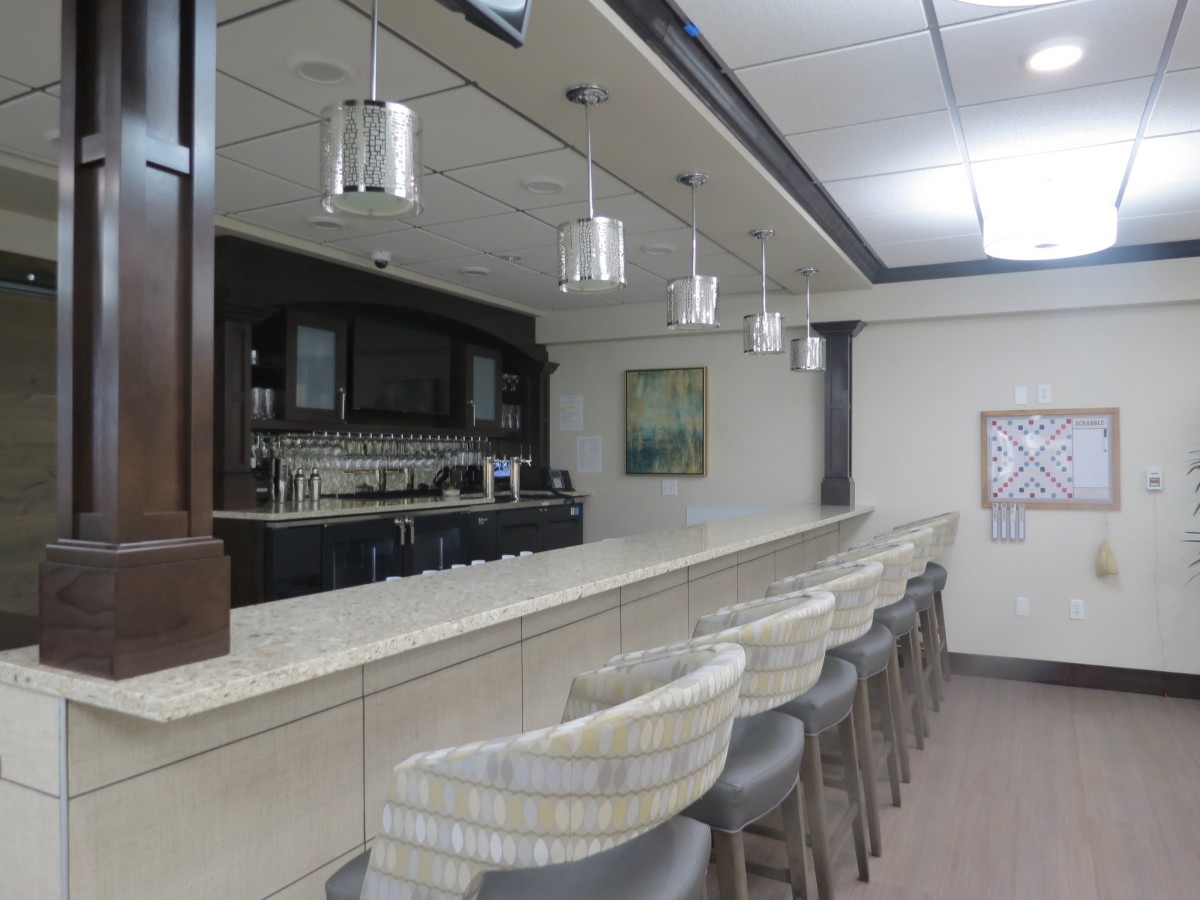
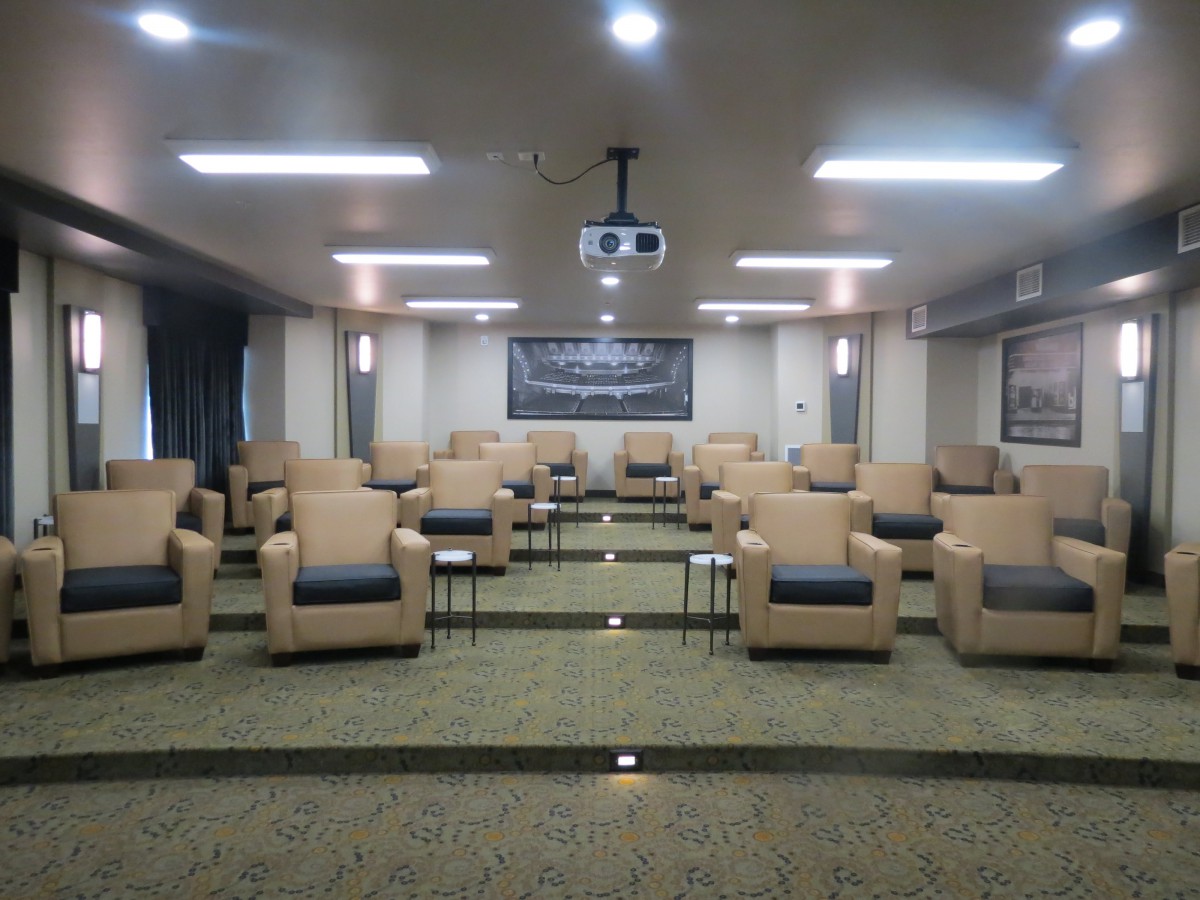
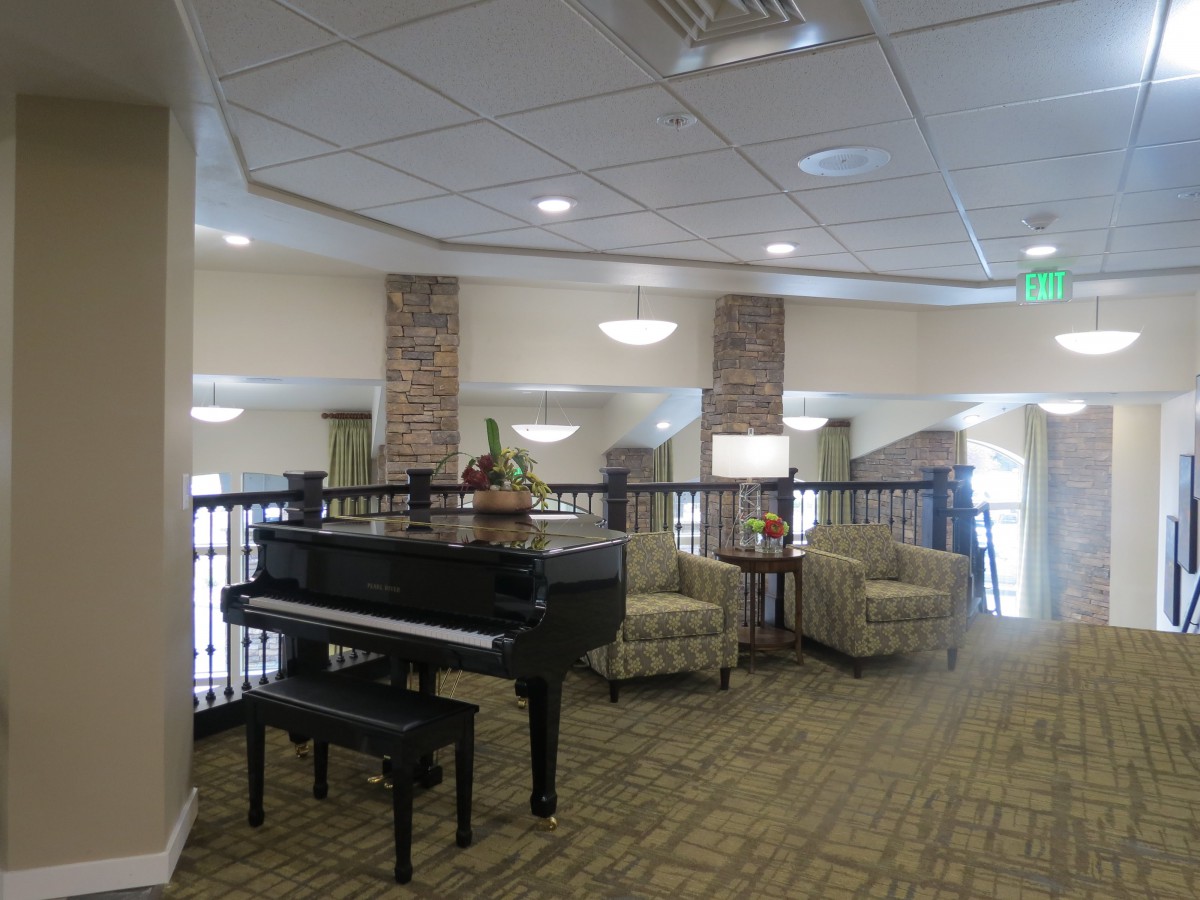
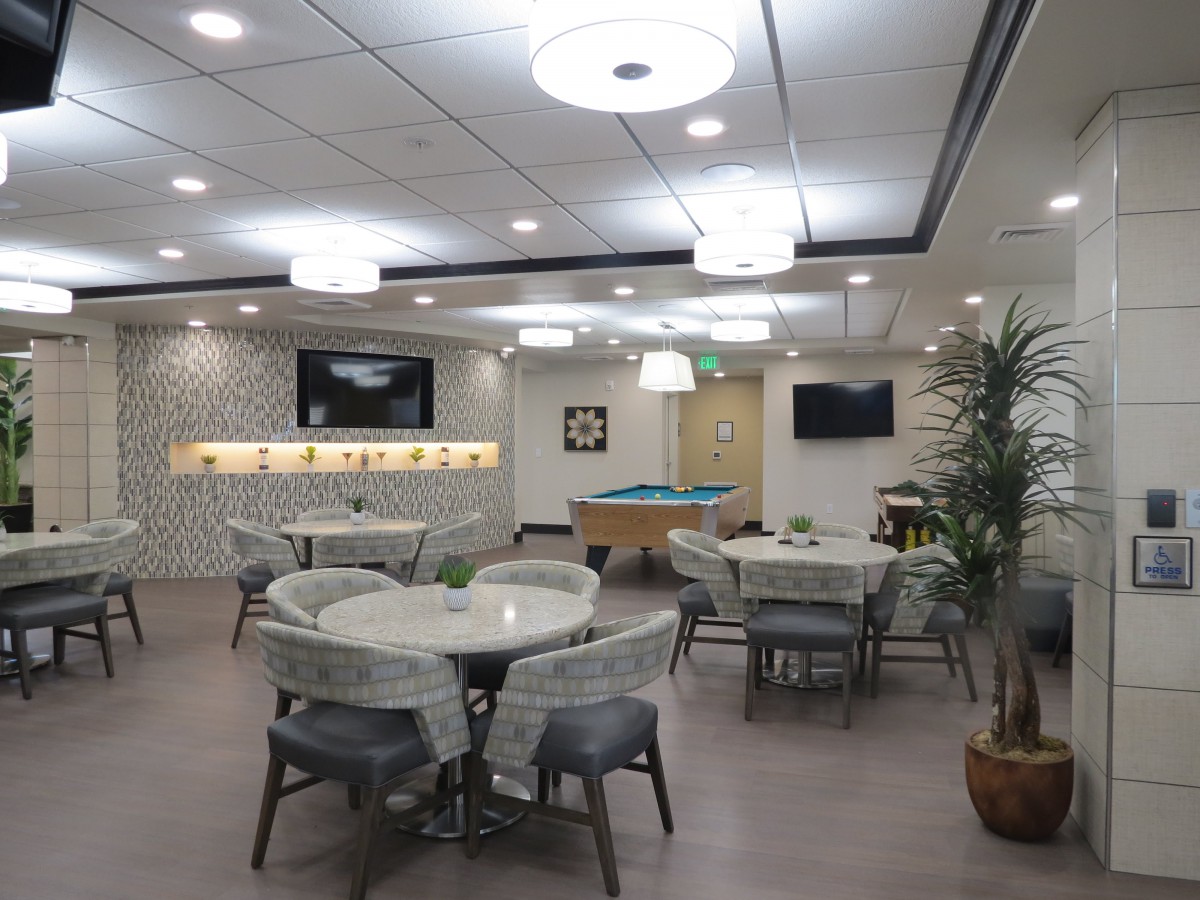
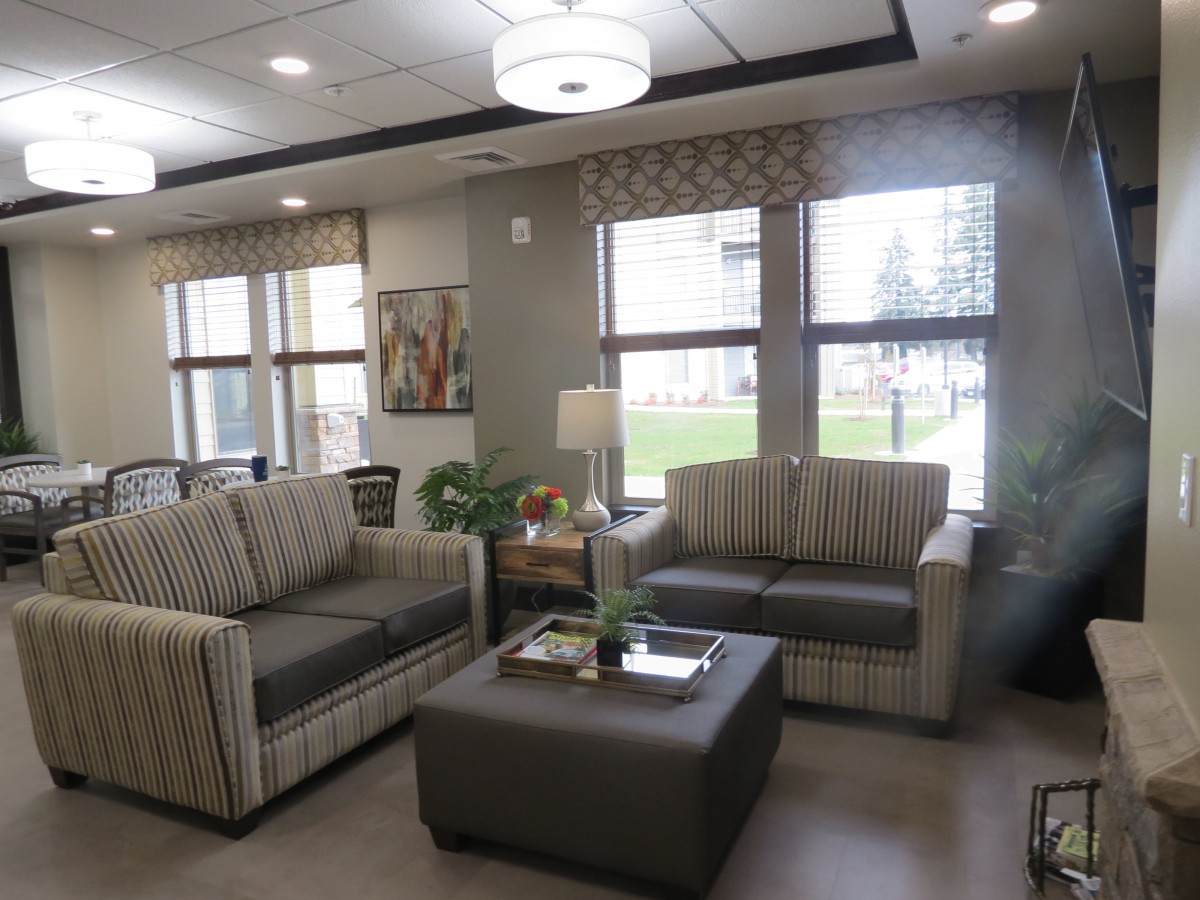
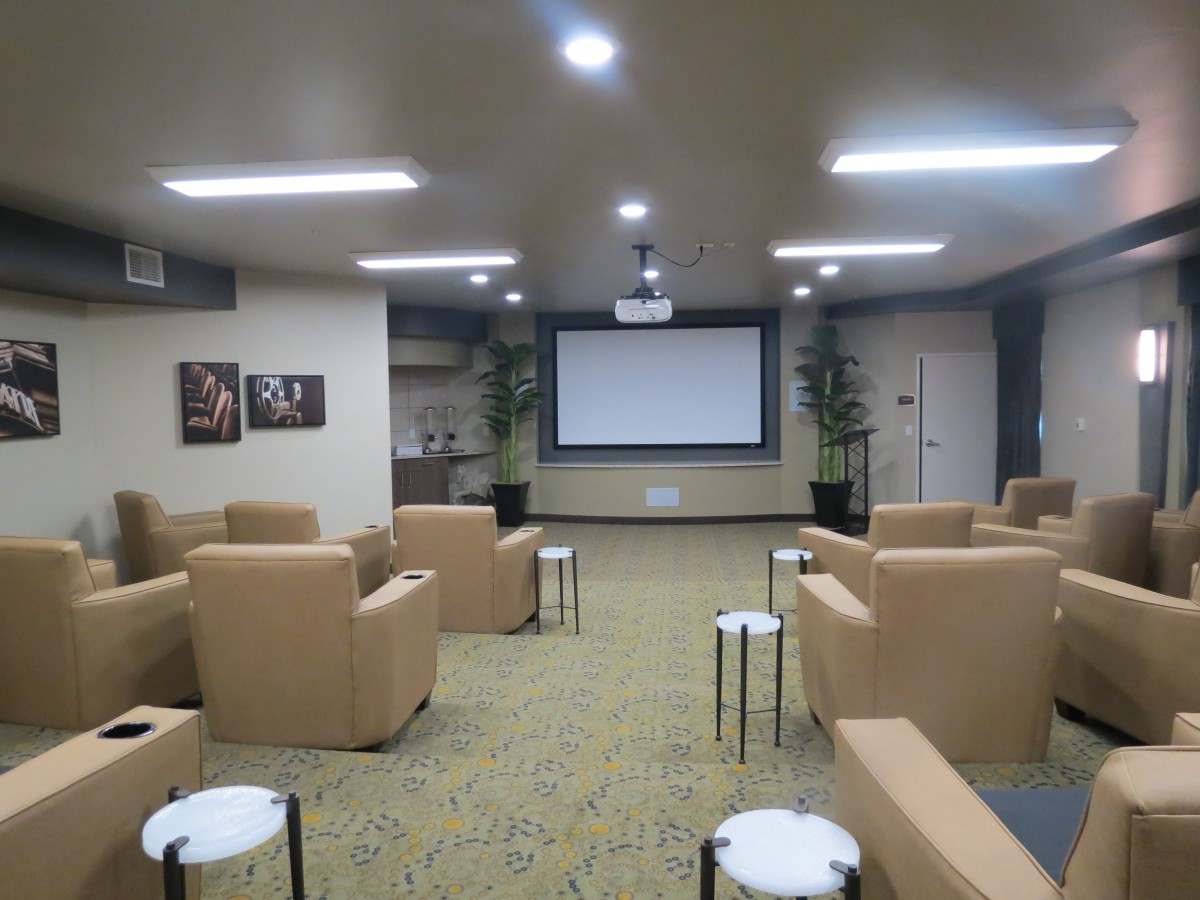
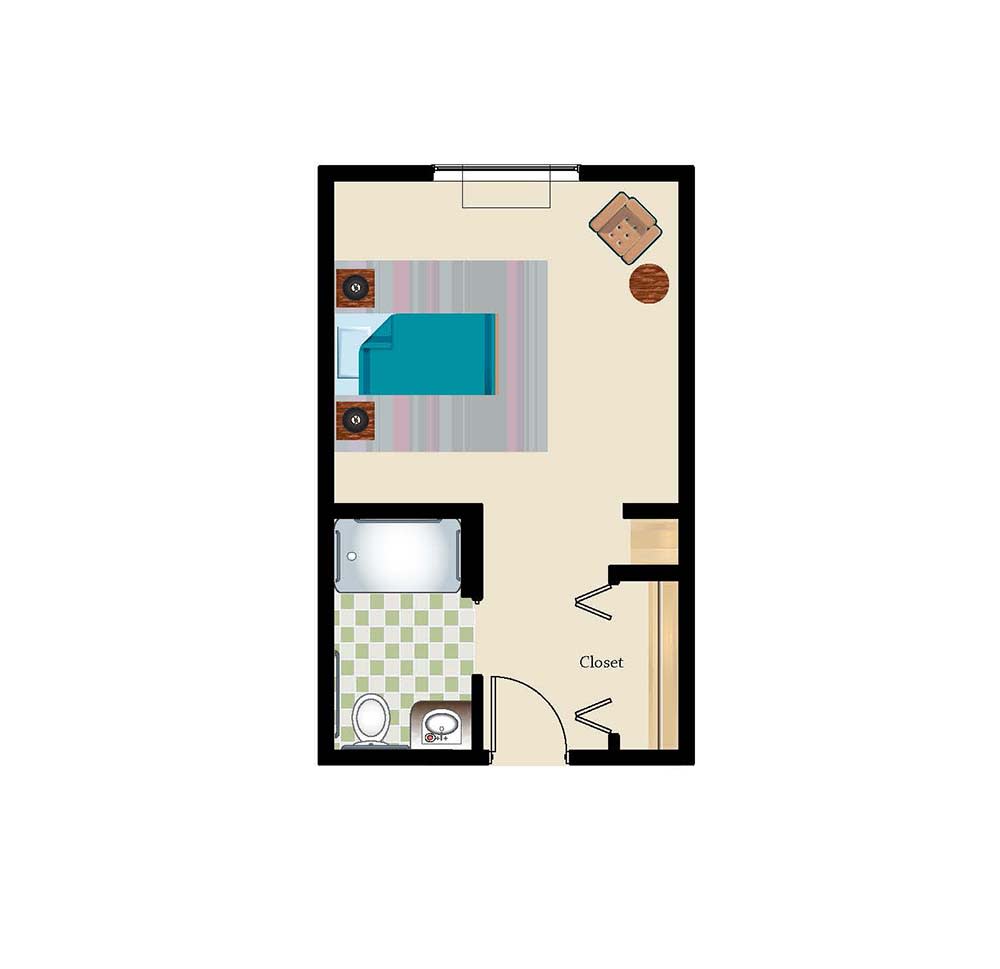
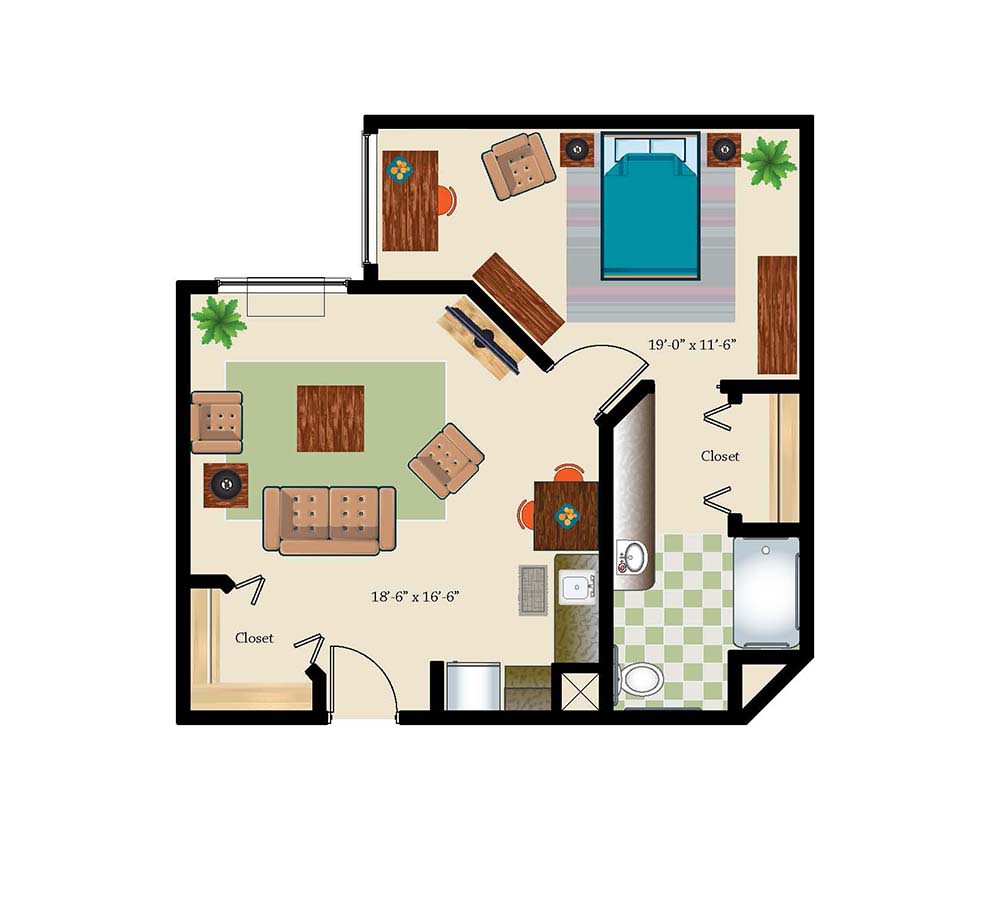
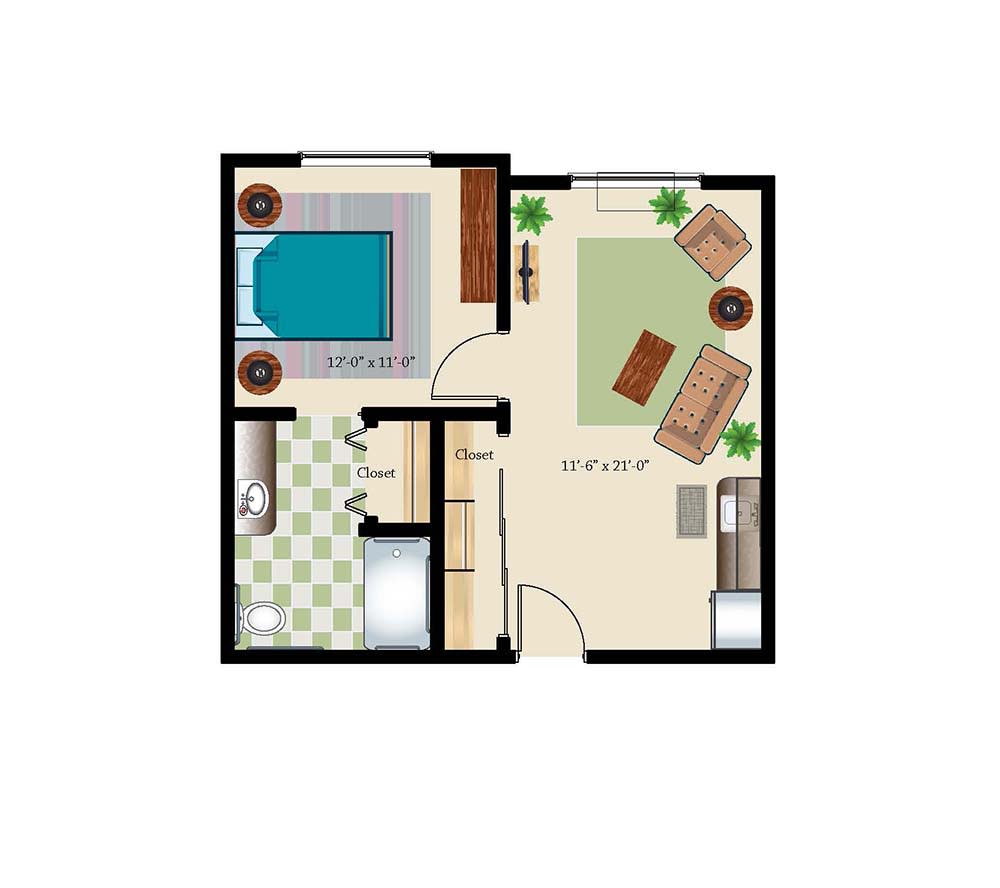
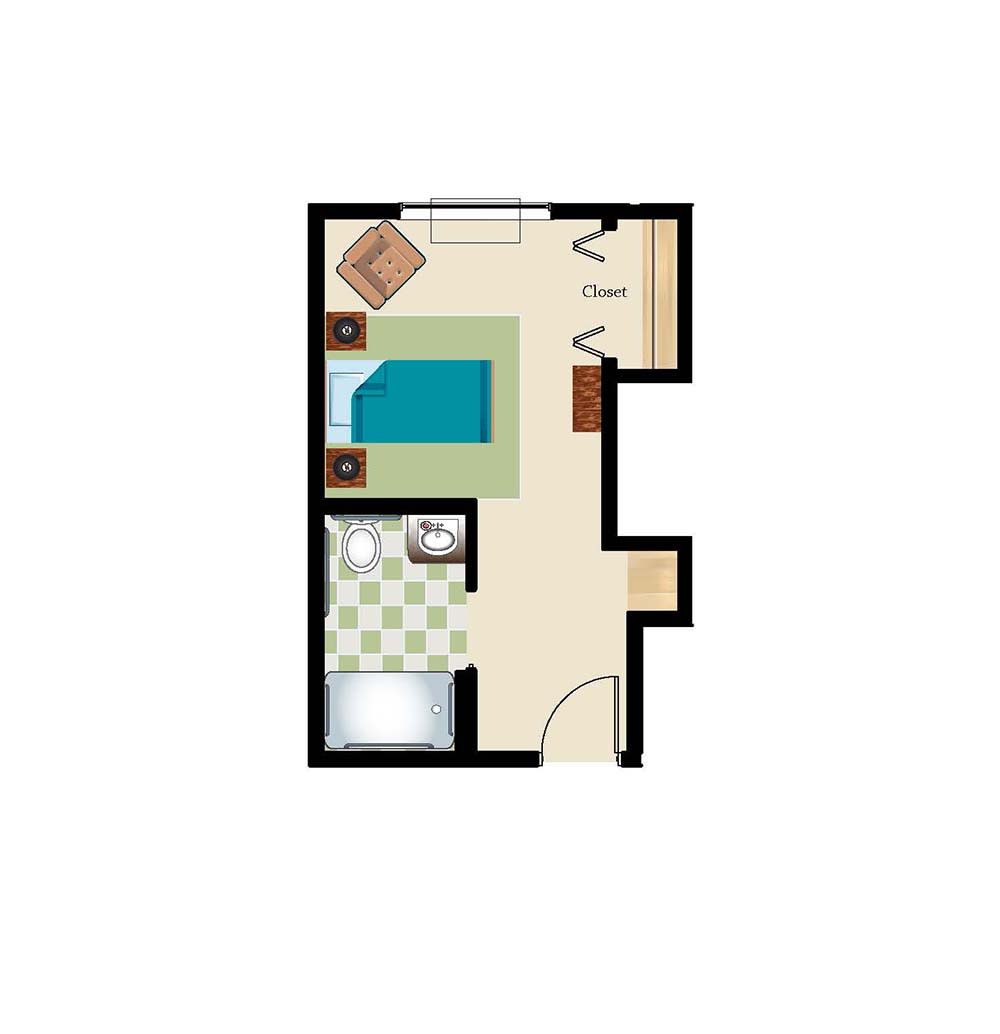
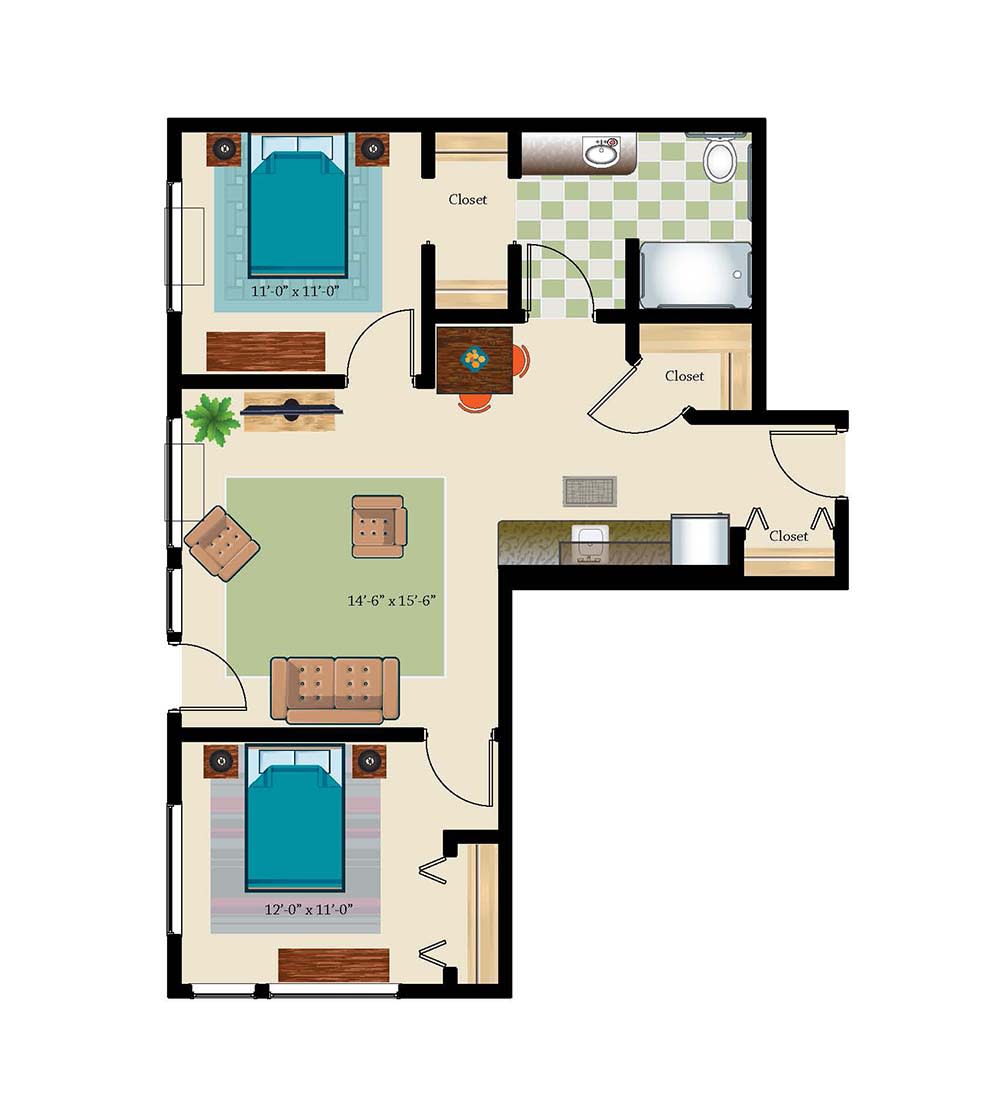
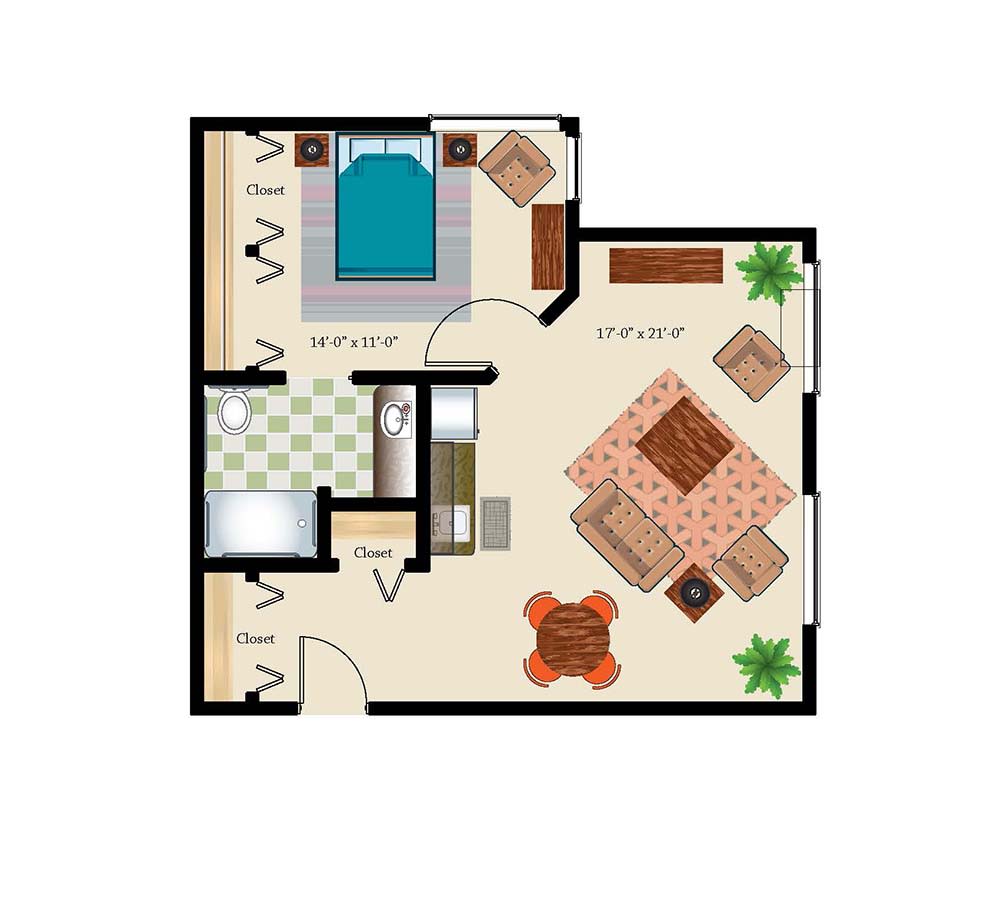
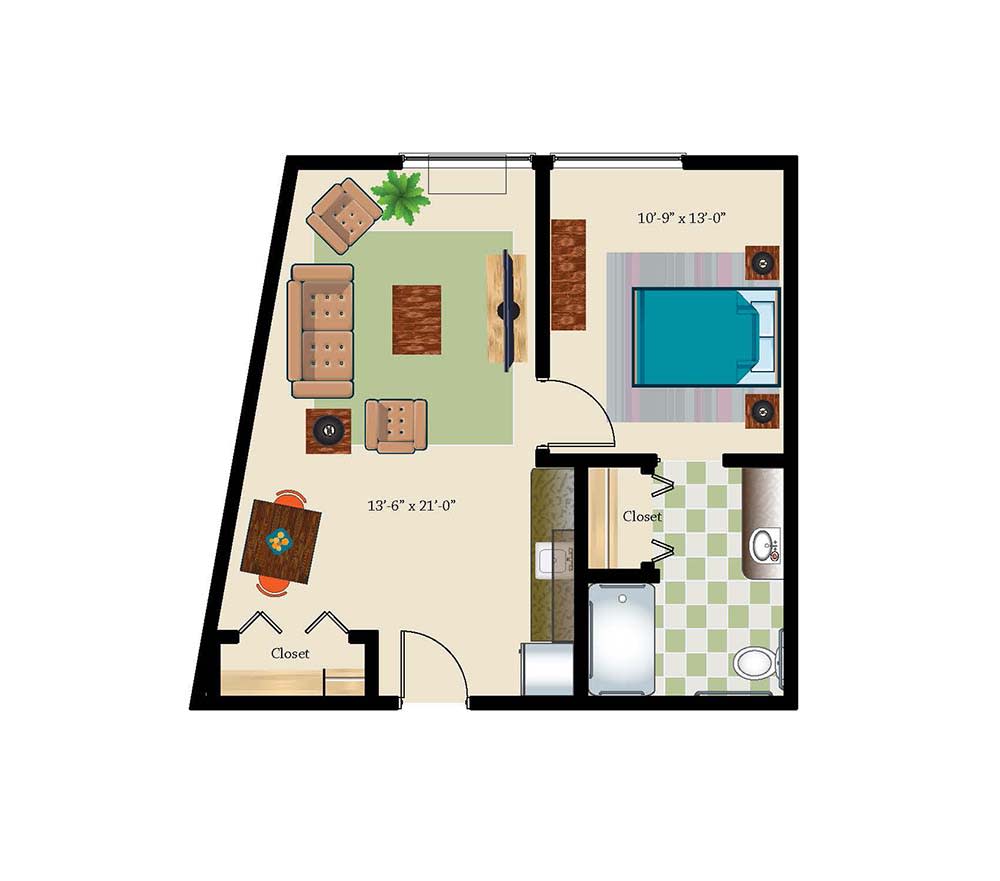
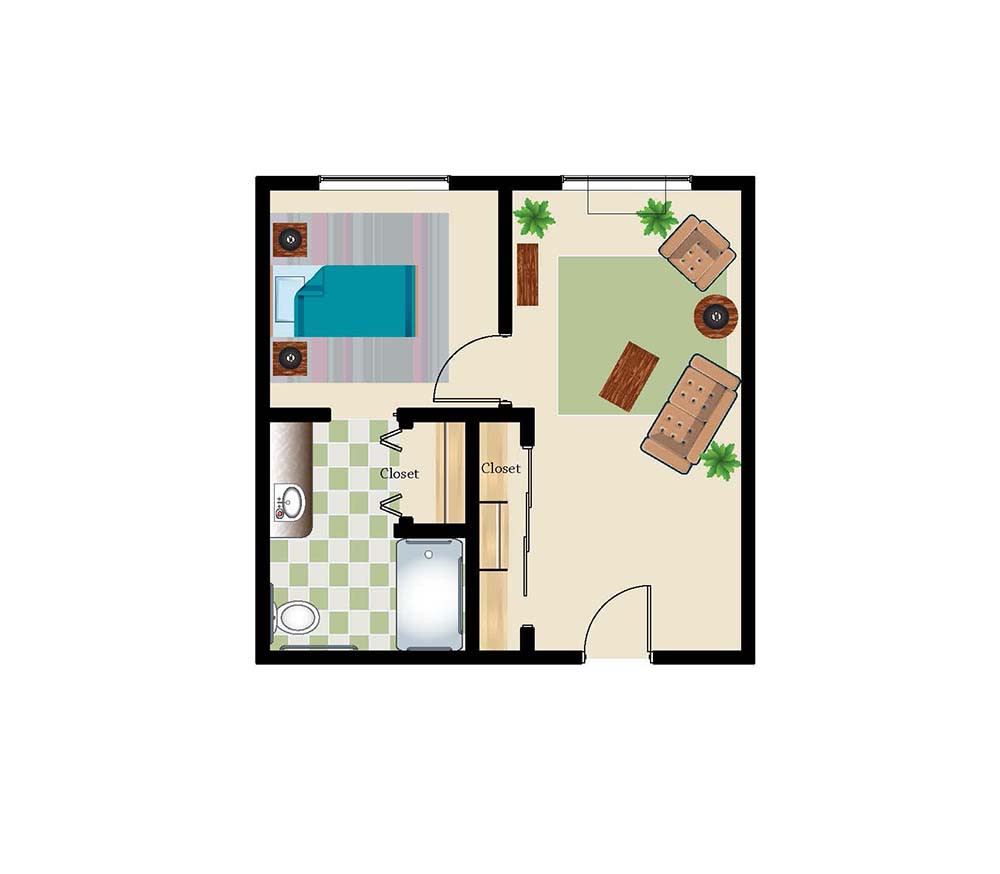
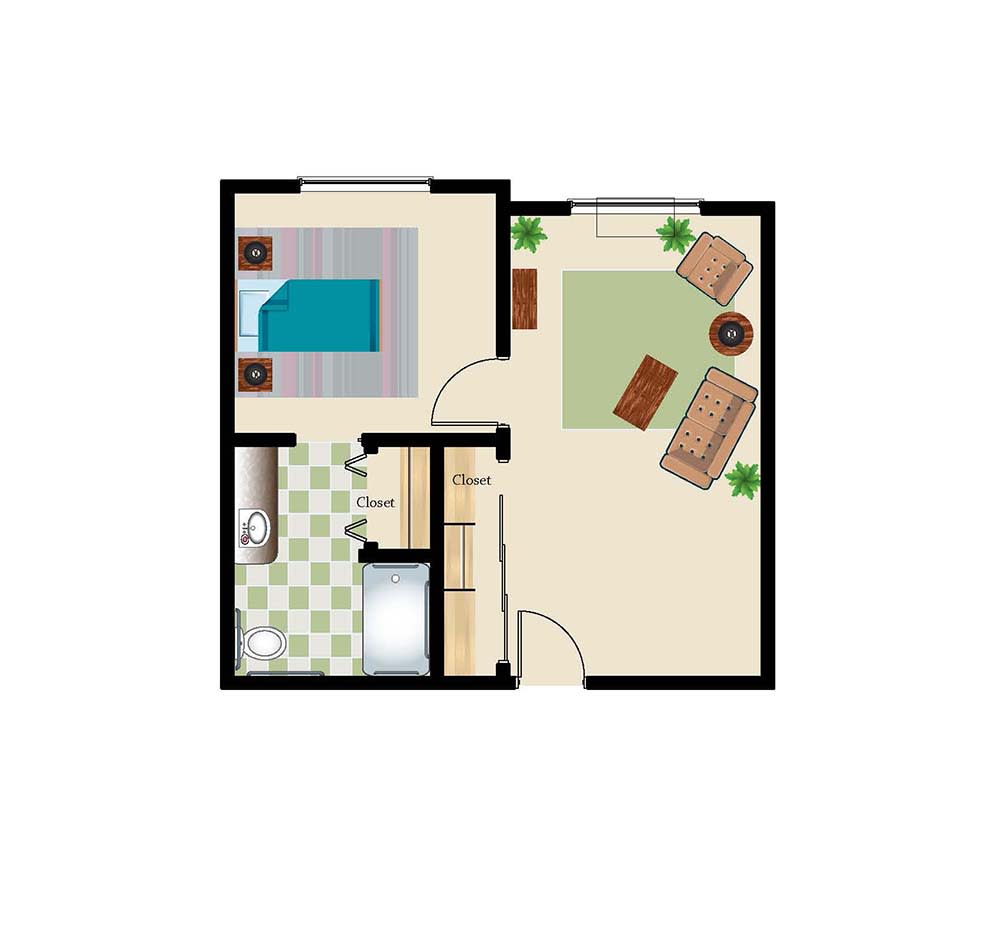
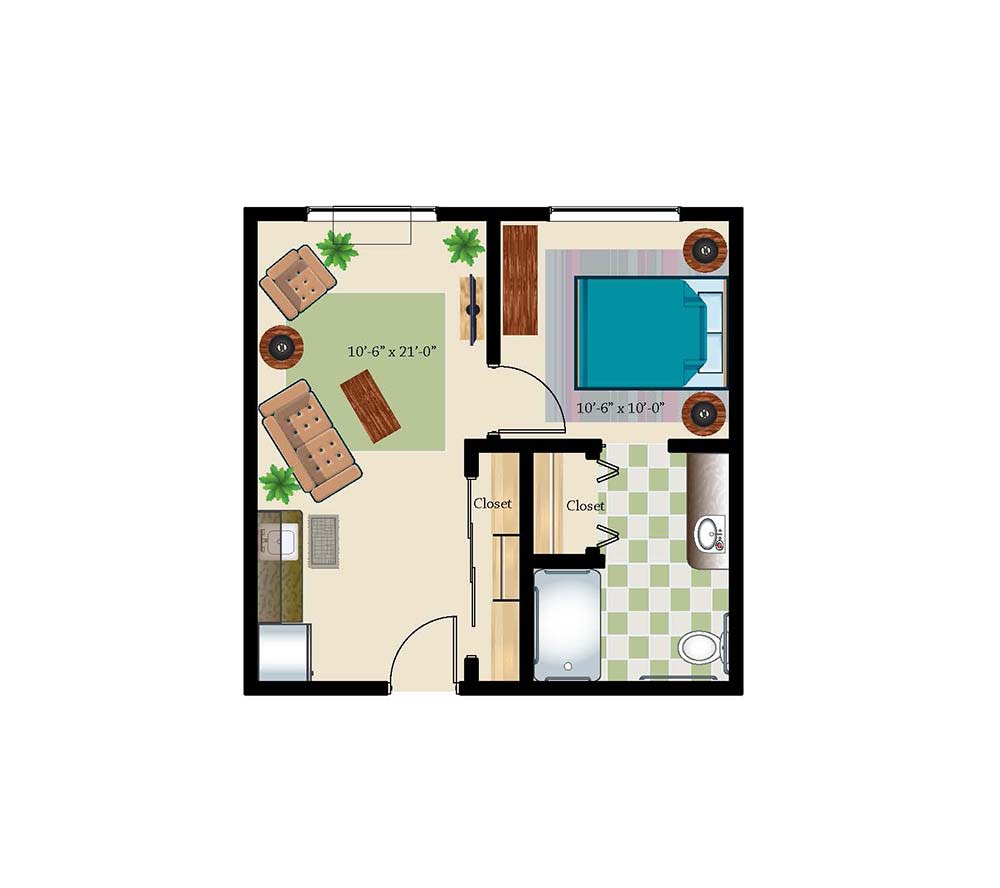
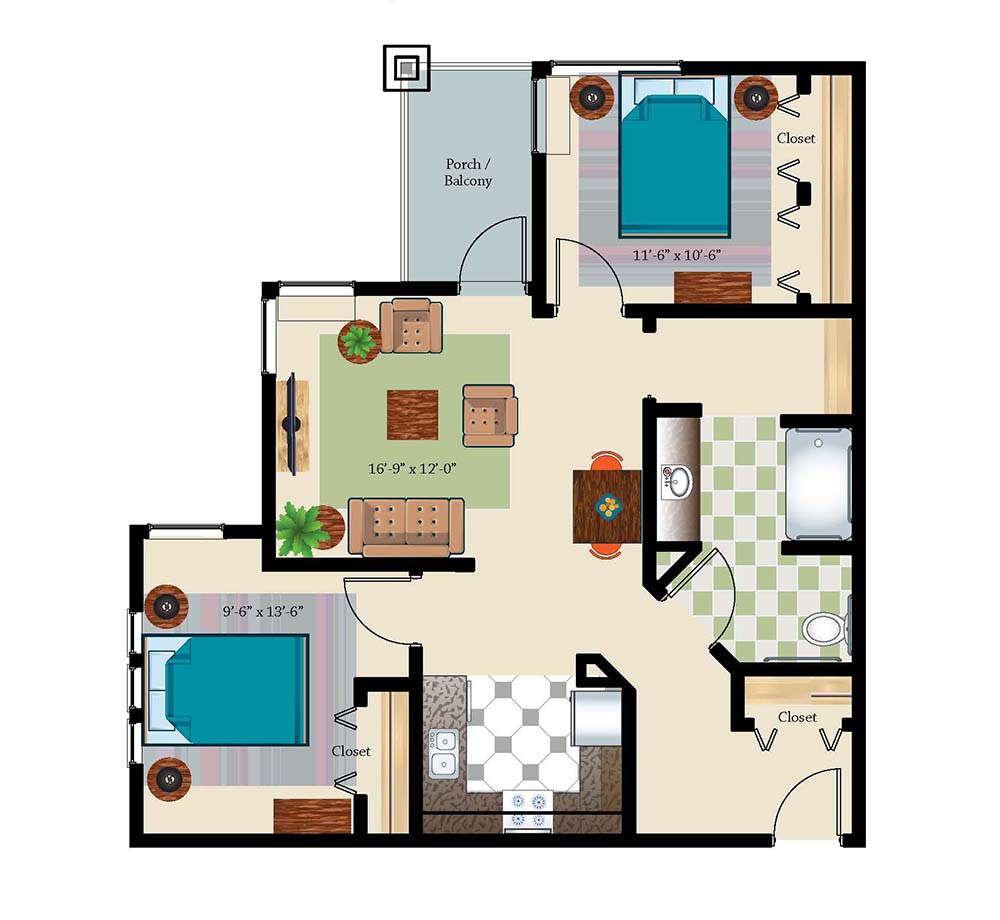
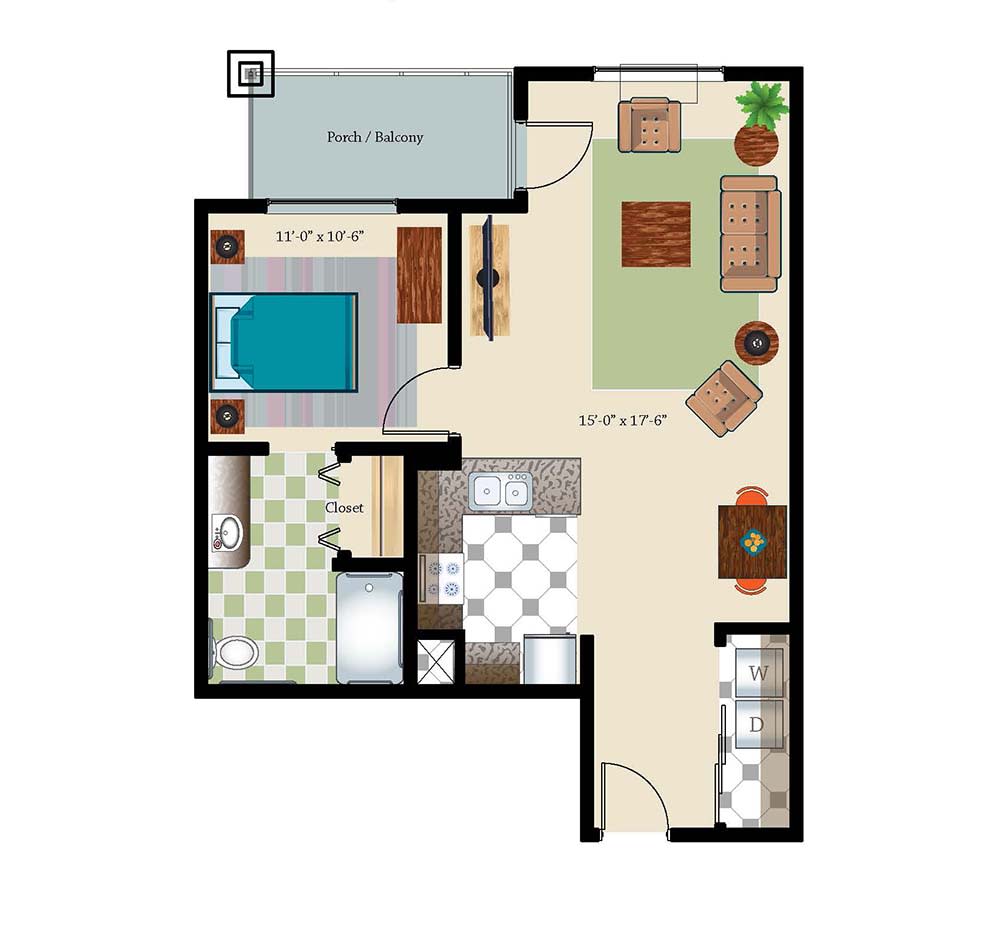
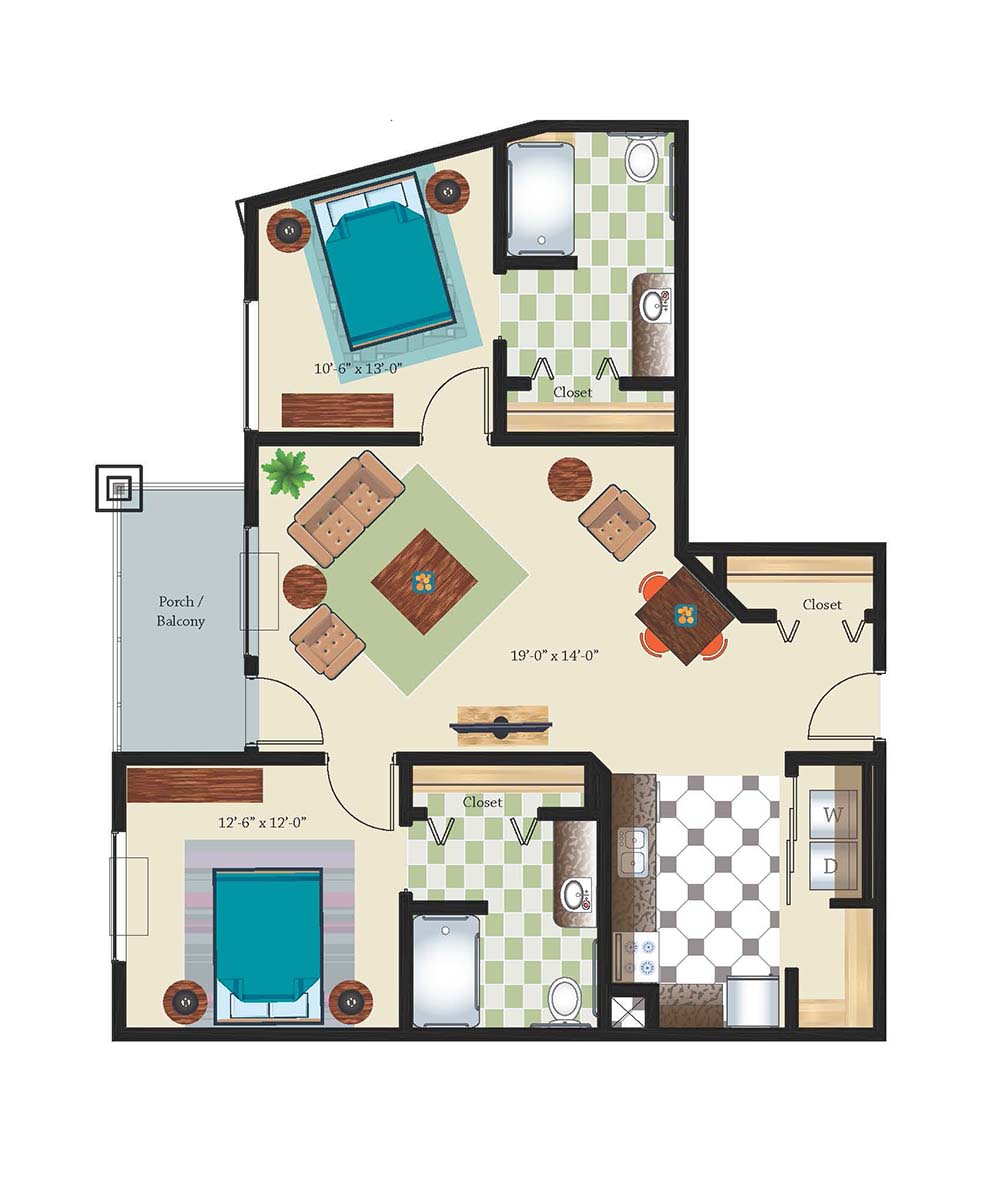
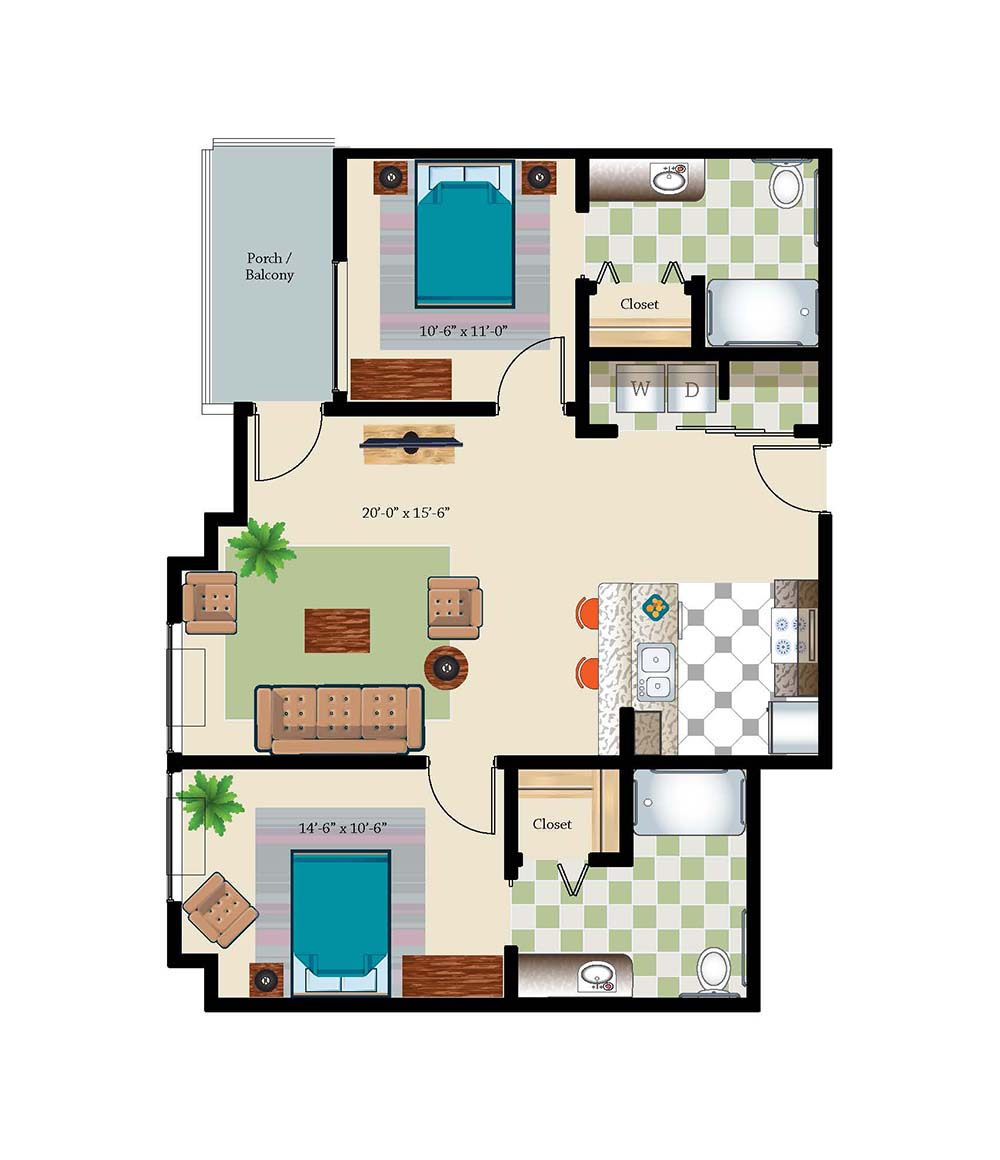
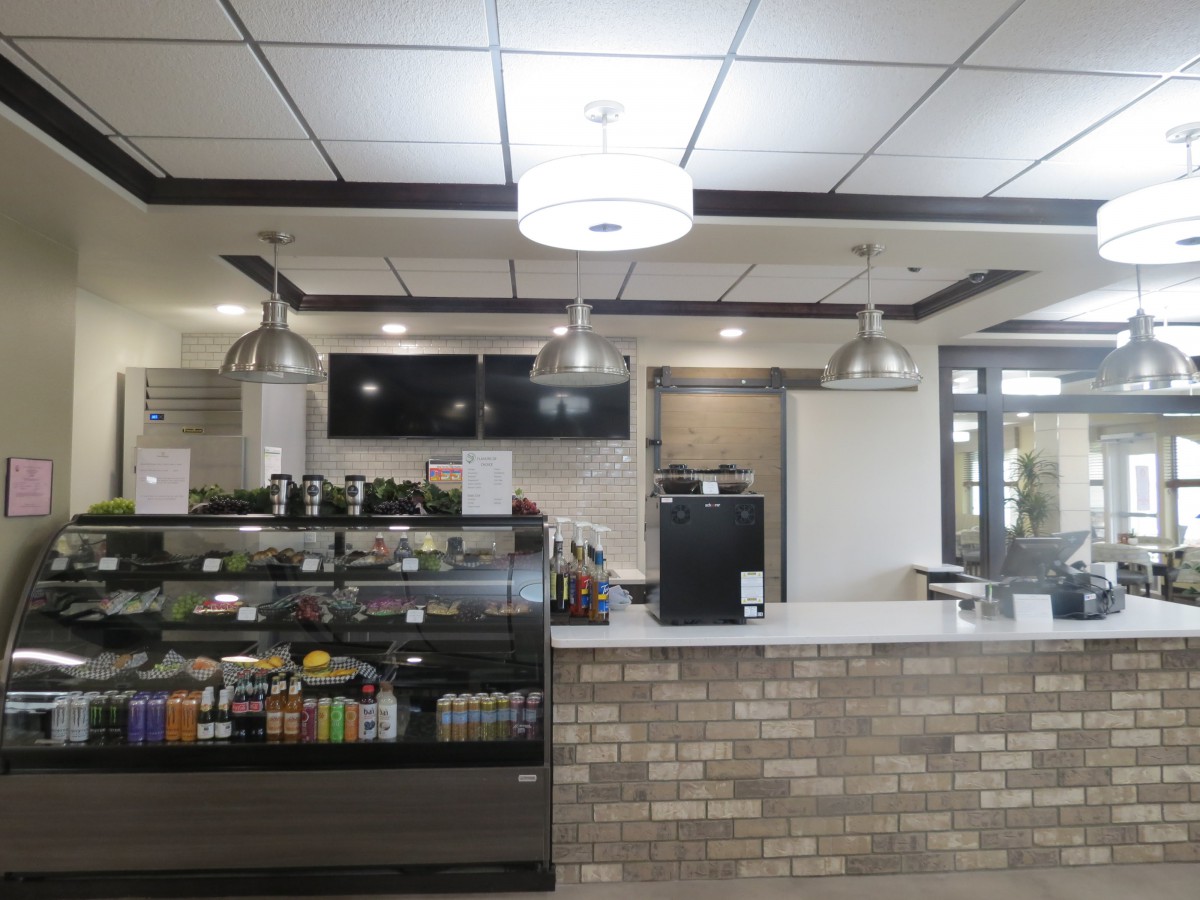
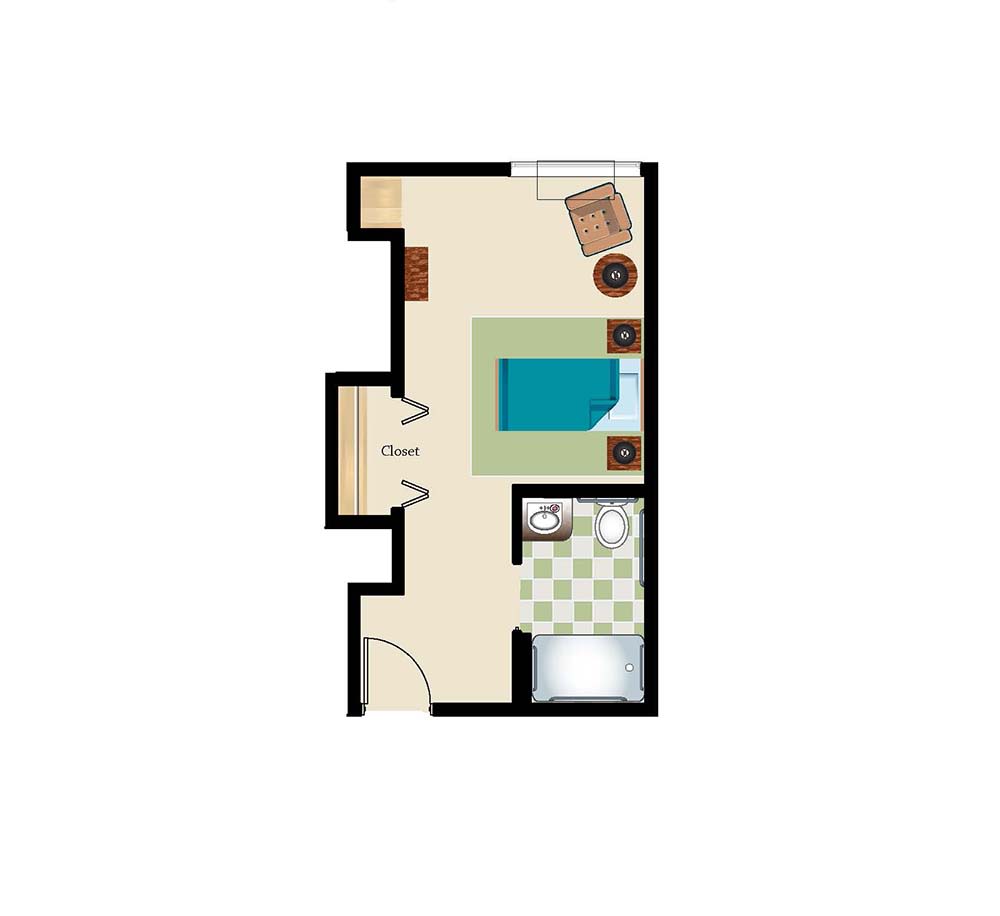
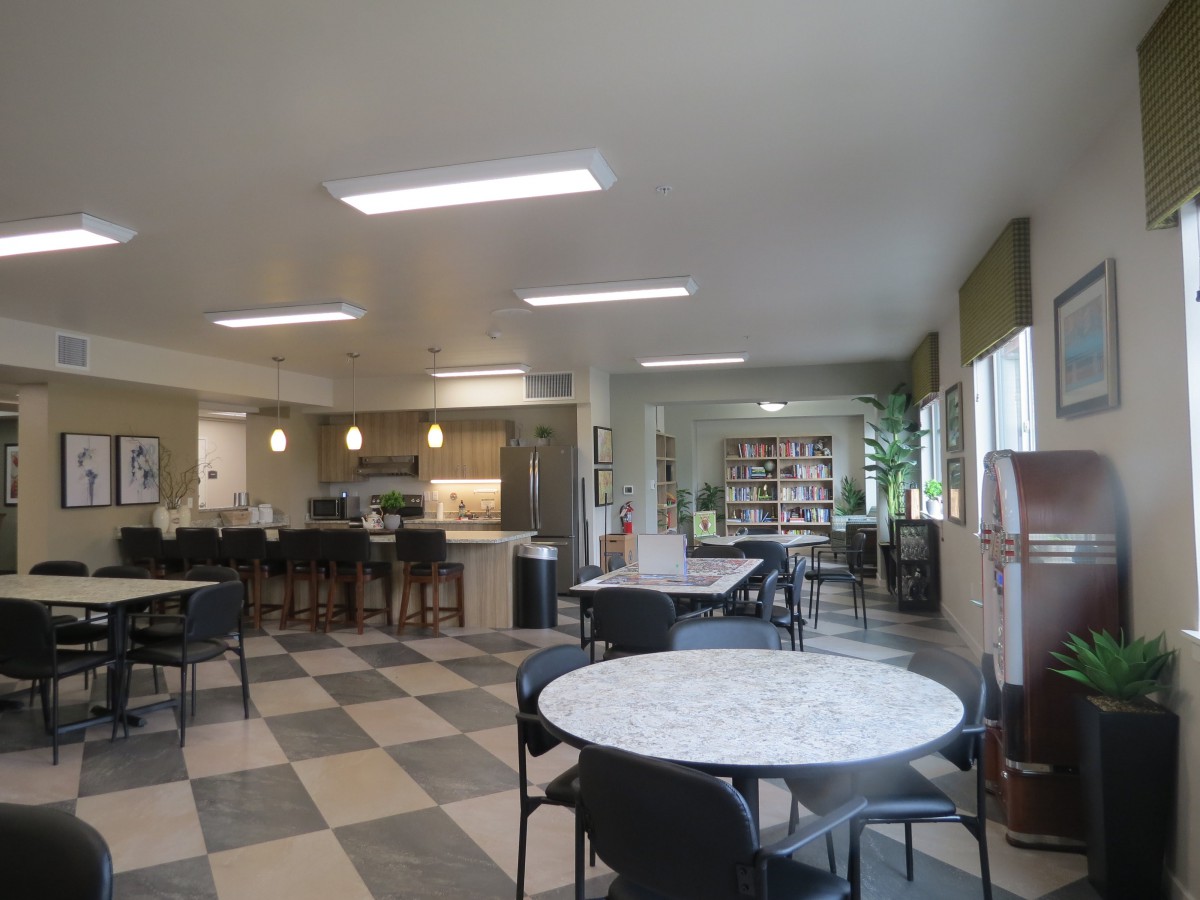
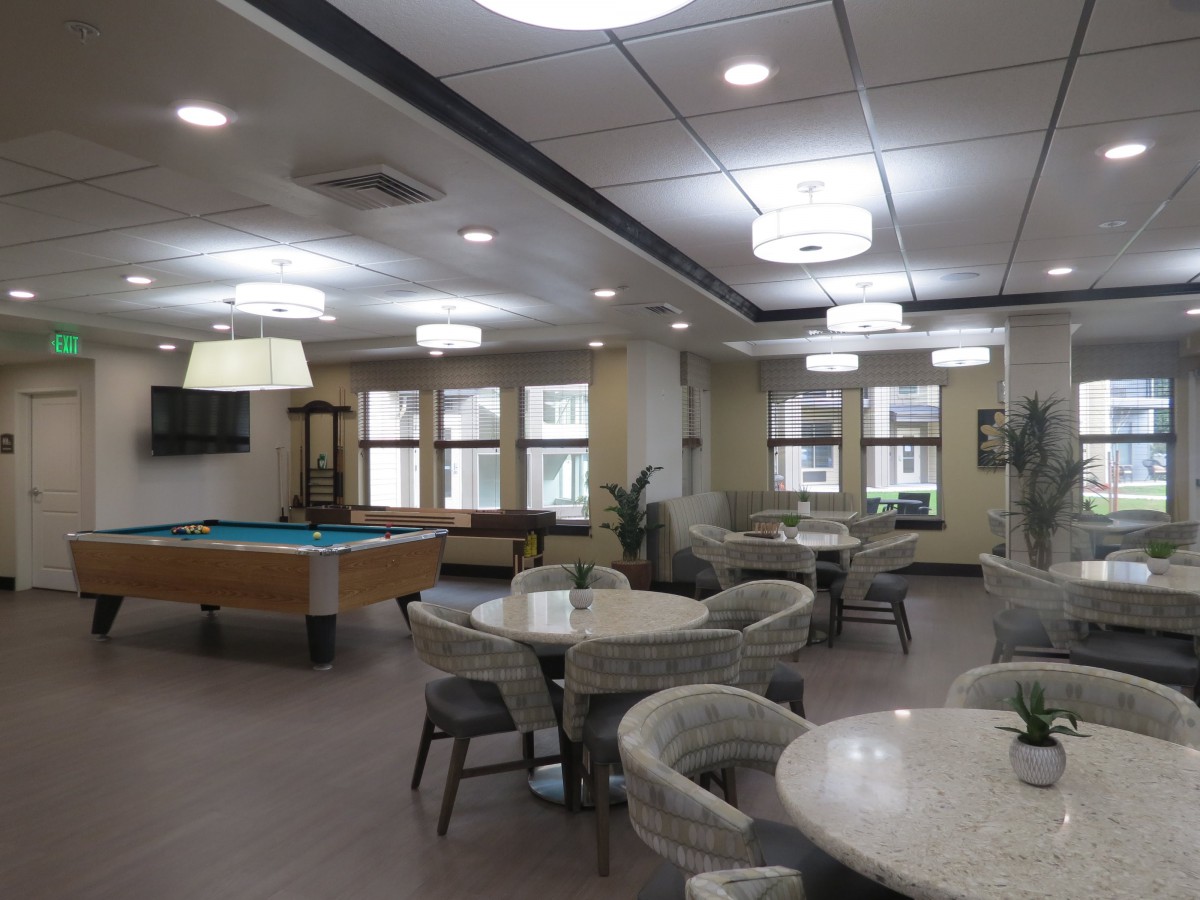
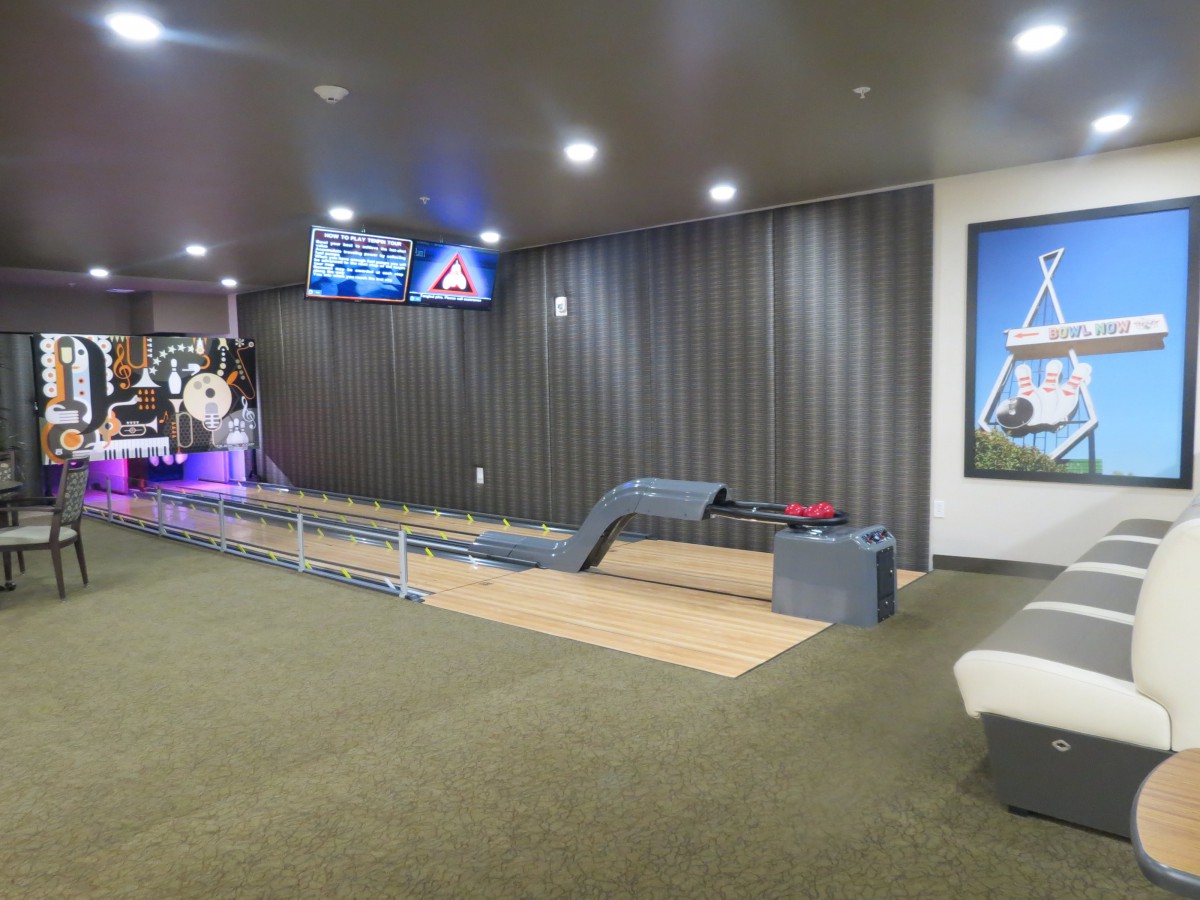
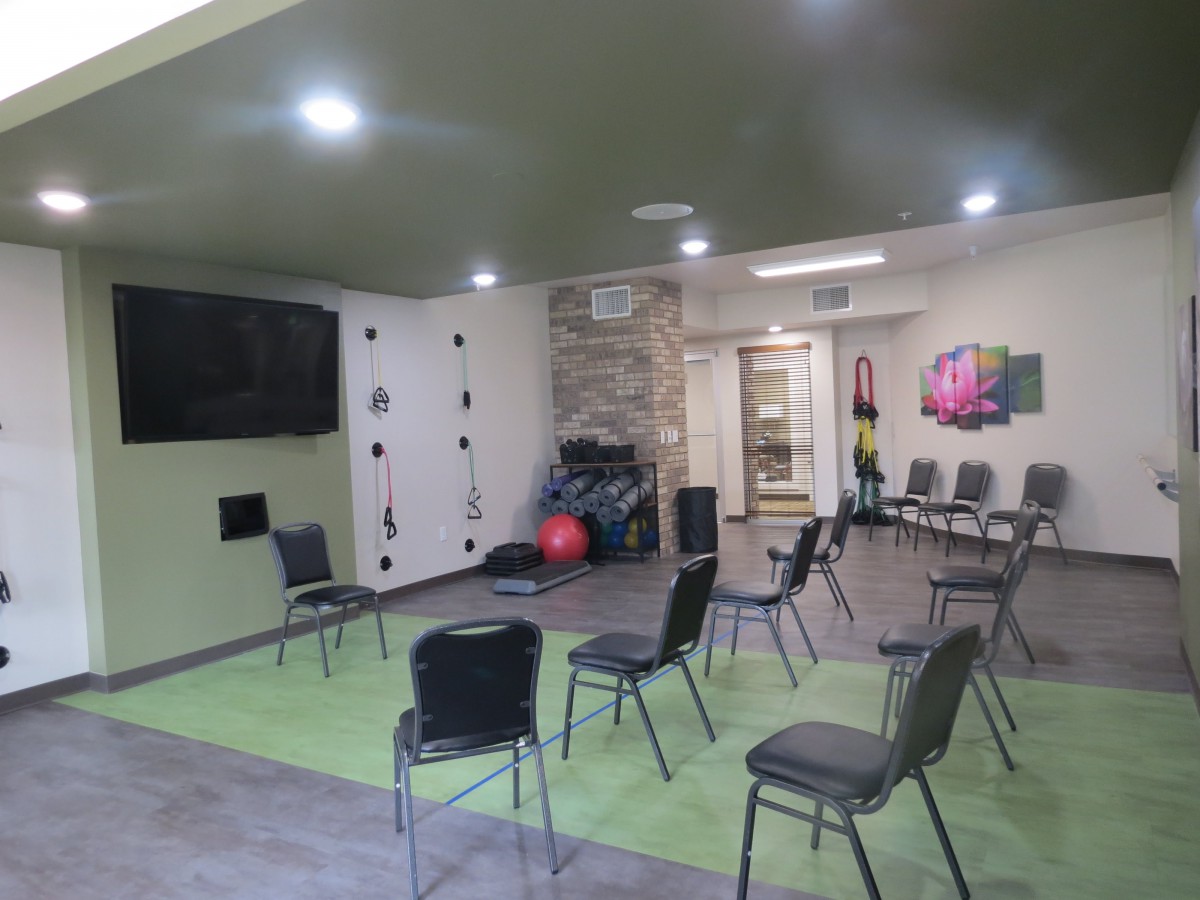
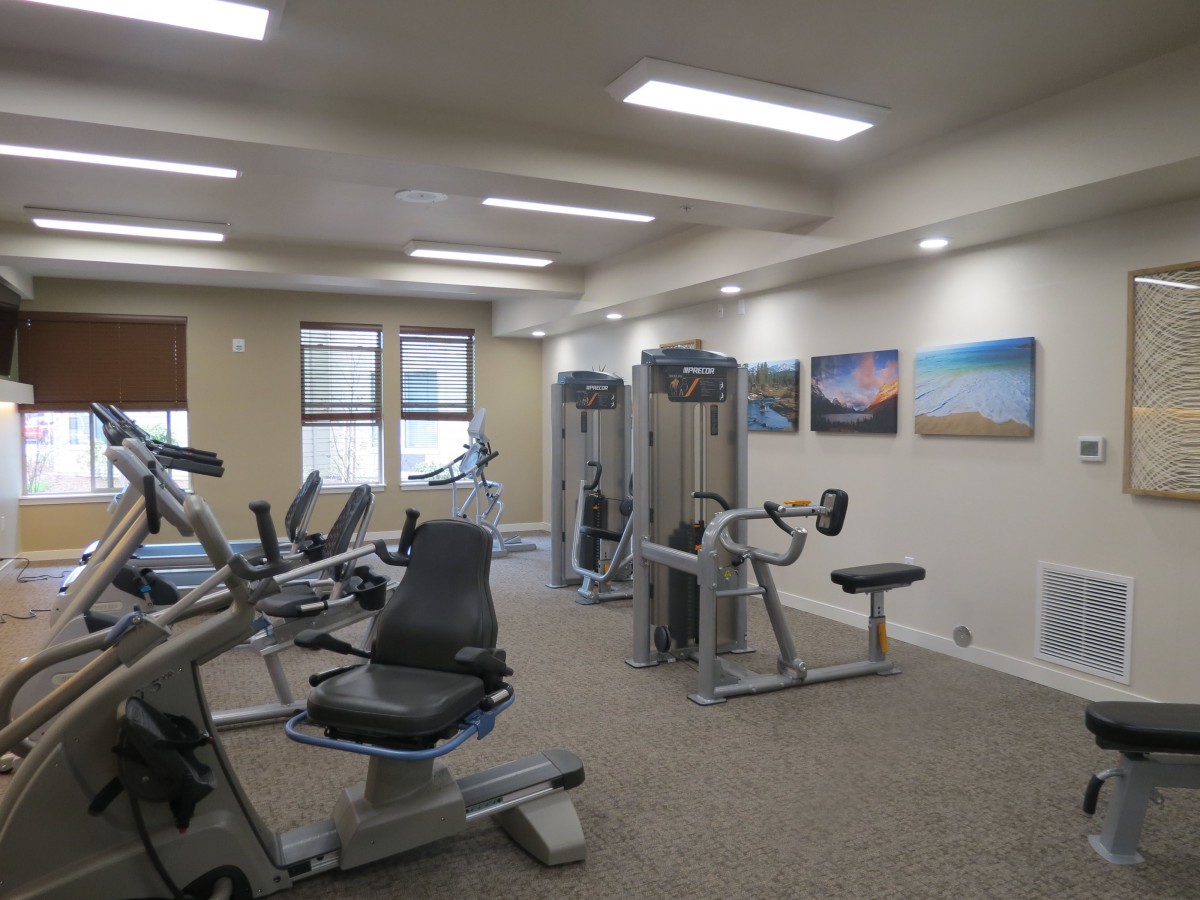
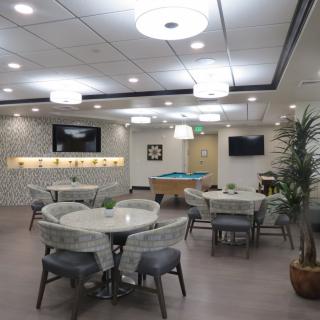
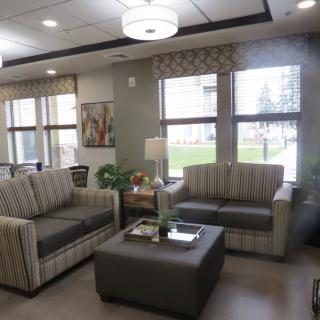
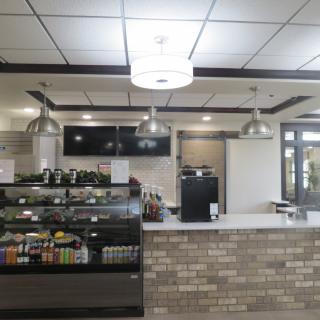
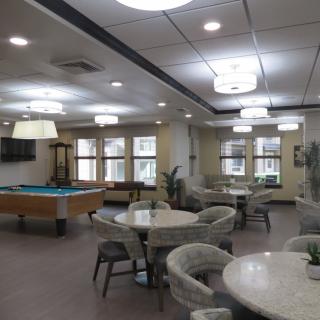
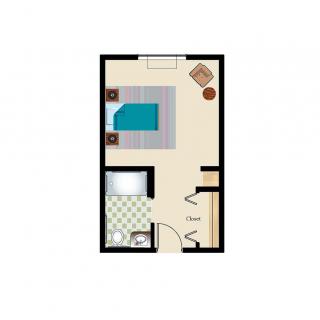
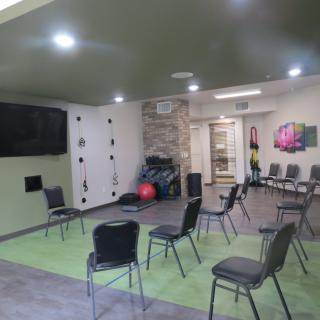
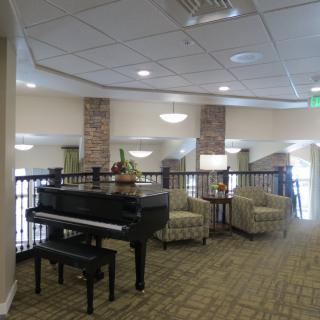
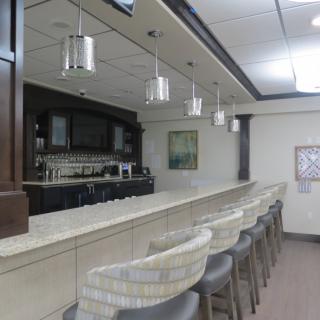
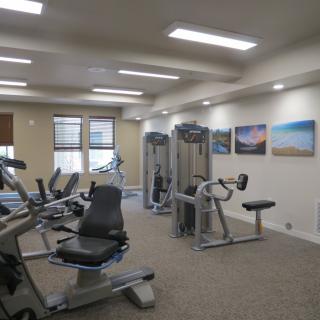
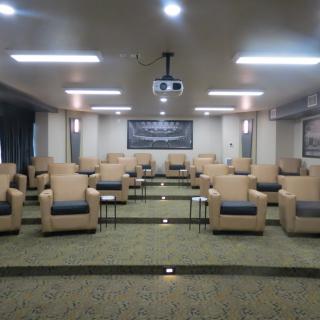
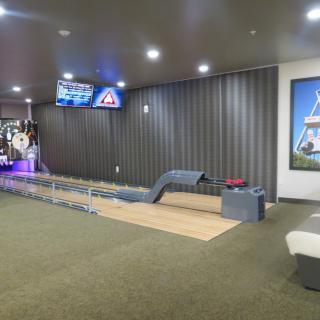
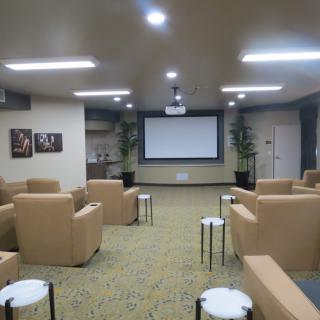
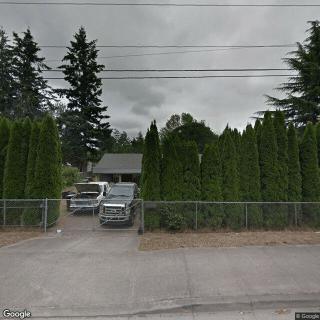
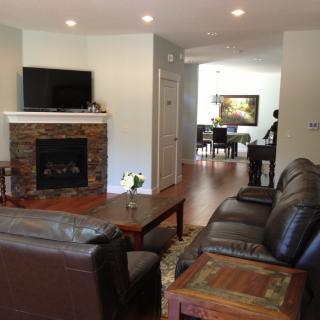
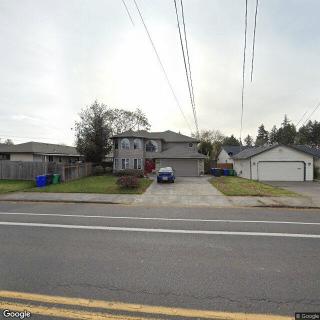
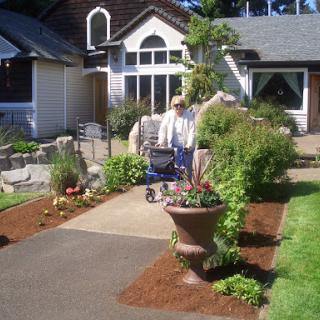
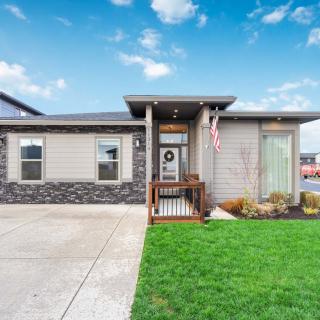
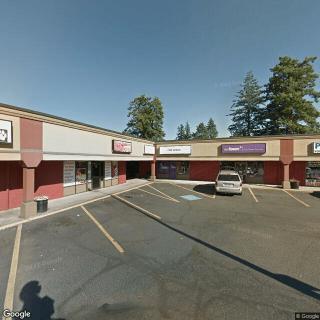
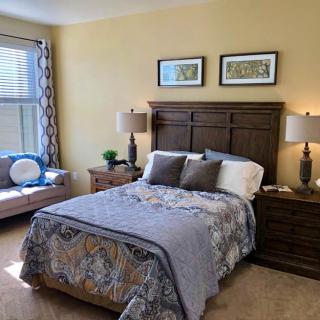
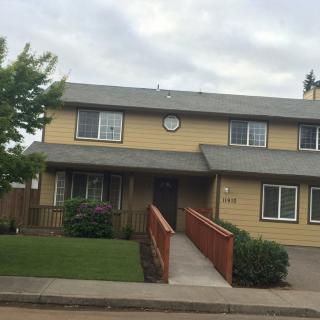
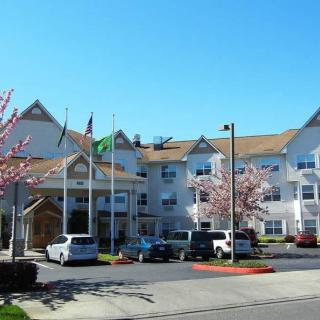
Bonaventure of Vancouver on seniors.fyi includes 32 photos including images showing floor plan, interior, bedroom, living room, kitchen, bathroom, lighting, studio apartment, and more.
Nearby Communities
Assure Care AFH LLC
Vancouver, WA
5 from 7 reviews
$5,500 to $5,800 / month
Small client base with highly personalized, attentive care from a warm owner.
Chriscare
Vancouver, WA
4.8 from 100 reviews
$3,200 to $3,400 / month
Memory-care-focused, high-acuity support with comprehensive services (medication and incontinence management) and on-site amenities at competitive pricing.
Orchards Elderly Care AFH
Vancouver, WA
3 from 2 reviews
$3,200 / month
Affordable high-acuity care with on-site activities.
Home Instead Senior Care
Vancouver, WA
4.7 from 6 reviews
$4,800 / month
Caring, compassionate caregivers who provide companionship and help with light tasks, with flexible scheduling.
Bonaventure Of Vancouver
Vancouver, WA
2.6 from 28 reviews
Comprehensive care options with extensive amenities and wellness programs.
Jhampa Adult Family Home
Vancouver, WA
5 from 2 reviews
$3,500 to $4,000 / month
Specialized memory care with private rooms, engaging activities, and respite care.
Cogir of Glenwood Place
Vancouver, WA
4.4 from 223 reviews
$2,460 to $3,990 / month
Friendly staff, clean and well-maintained facilities with engaging activities and good dining.
Cogir of Vancouver Senior Living
Vancouver, WA
3.9 from 53 reviews
$2,895 to $4,695 / month
Friendly staff, clean environment, and active dining/social life.
Prestige Senior Living Bridgewood
Vancouver, WA
4.6 from 116 reviews
$3,275 to $4,675 / month
Friendly, helpful staff and a clean, active community with good value and varied activities.
Dementia affects memory and cognitive function in older adults, presenting challenges for caregivers due to behavioral changes such as confusion and mood swings. Compassionate, person-centered care that considers individual history and preferences, along with effective communication and environmental modifications, is essential for supporting both patients and their caregivers.
Dementia leads to cognitive impairment and can cause emotional and behavioral changes, including aggression that arises from frustration, confusion, or fear. Effective coping strategies for caregivers include understanding dementia's nature, recognizing triggers, using empathetic communication, and employing non-pharmacological interventions like music and art therapy.
Dementia causes cognitive decline and challenging behaviors that caregivers must manage, necessitating an understanding of the neurological basis of these issues. Effective strategies and self-care for caregivers can enhance support for those with dementia and improve their daily lives.
Get PricingAsk A QuestionSchedule A TourContact Senior Advisor
By clicking submit, you agree to our Partner's Terms of Use. You
also consent to receive calls and texts, which may be autodialed, from our Partner. Your consent is not a condition to
using our Partner's service. Please visit our Partner's Privacy Policy for information about their privacy practices.

 1-bedroom apartments
 Assisted Living
 Independent Living
 Memory Care
 Cats allowed
 Dogs allowed
 Activities off-site
 Air-conditioning
 Beautician on-site
 Cable or satellite TV
 Devotional services off-site
 Full kitchen
 Ground floor units
 Handicap accessible
 Indoor common areas
 Outdoor common areas
 Private bathrooms
 Private patio, deck, or balcony
 Respite or short term stays offered
 Wheelchair accessible showers
 Wi-Fi/high-speed internet available
 Portland International (6 miles away)
 Diabetic care
 High acuity care
 Incontinence care
 Medication management
 Anytime dining
 Art classes
 Bible study group
 Cooking classes
 Day trips and outings
 Educational speakers / life long learning
 Happy hour
 Karaoke
 Live dance or theater performances
 Live musical performances
 Stretching classes
 Wine tasting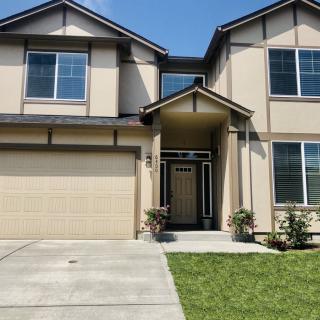
 Small client base with highly personalized, attentive care from a warm owner.
 Understanding Dementia Behaviors: Practical Insights and Strategies for Caregivers
 When Dementia Sparks Anger and Aggression: Understanding the Connection and Ways to Cope
 Dementia Behaviors: In-Depth Understanding and Effective Coping Strategies