

10411 NE Fourth Plain Rd Ste. 129, Vancouver, WA 98662
To contact a resident: (360) 253-6029
For more information about senior living options: (866) 208-4318
Home Instead Senior Care Costs & Pricing
Home Instead Senior Care offers private room options at a monthly cost of $4,800, which is notably higher than the average monthly cost in Clark County, Washington, set at $3,992. While Home Instead's pricing reflects the specialized services and personalized care they provide for seniors, it does exceed the state average of $4,772. This pricing structure suggests that families may find value in the quality of care offered by Home Instead, even though it comes at a premium compared to both local and state averages. As such, potential clients should consider not only the costs but also the distinctive benefits that come with entrusting care to an established provider like Home Instead.
| Floor plans | Home Instead Senior Care | Clark County | Washington |
|---|---|---|---|
| Private | $4,800 | $3,992 | $4,774 |
Senior living communities with a similar price nearby
-
from -$800 / mo

Oaktree Adult Care Home
$4,000 / month23.0 miles away -
from -$300 / mo
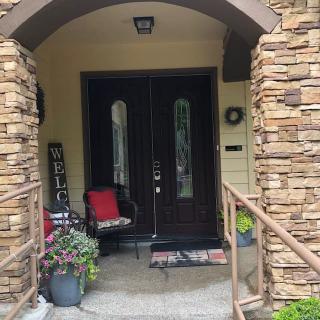
Casa Shattuck Senior Care
$4,500 / month14.4 miles away -
from +$700 / mo

Evergreen Quality Home
$5,500 / month5.7 miles away -
from -$300 / mo

Genuine Senior Living
$4,500 / month15.5 miles away -
from -$300 / mo

Best Care Adult Family Home
$4,500 / month5.8 miles away
Overall Review of Home Instead Senior Care
Pros
 The staff are impressive and very kind to her mother.
- They encourage her to engage in activities.
- The caregiver who visits their home provides great company.
- The caregiver helps with cleaning and also prepares good meals.
- Home Instead has been great to work with, with friendly caregivers and clear communication from the admin.
- Home Instead is flexible and accommodating with changing care needs.
- Clients are very pleased with Home Instead and would recommend them to others seeking in-home care.
Review
This Vancouver, Washington in-home care option is best suited for families seeking dependable, compassionate support that enables an elderly loved one to stay safely at home. The strength here is consistent, hands-on caregiving that combines daily help with meaningful companionship. Caregivers routinely assist with light housekeeping, meal preparation, and activities that keep a senior engaged, while also offering steady company and warmth. The overall impression is a team that treats daily routines as something to be improved and enjoyed, not merely completed.
Those weighing alternatives should note that this model is not aimed at round-the-clock medical supervision or a traditional residential setting. If a senior requires extensive 24/7 nursing oversight, a memory care-focused environment, or a facility that provides housing and built-in social programs, a traditional assisted living or skilled nursing community may be a better fit. For families prioritizing a more structured daily schedule within a community, or for those needing higher levels of clinical care, exploring facility-based options will likely yield clearer alignment with those needs.
The core advantages, kindness, engagement, and practical support, tend to offset common concerns with in-home care. The staff’s respectful, friendly demeanor helps a loved one stay connected to activities and social interaction, which can slow isolation and decline. Practical tasks don’t wait; when cleaning or meal preparation is needed, a caregiver steps in without drama, freeing family members from those chores. Crucially, open communication creates a durable link among family, the client, and the care team, ensuring everyone stays on the same page about routines, preferences, and evolving needs.
A particularly valuable aspect is the agency’s responsive approach to care adjustments. Families report that the administration is proactive and clear, with a willingness to modify levels of care and scheduling as circumstances change. This adaptability reduces the friction often felt when care needs shift, whether due to health fluctuations, new activities the senior wants to try, or changes in family availability. That level of agility is a practical counterweight to the inherent uncertainty of relying on multiple caregivers in an in-home setting.
From a day-to-day perspective, expect a relationship-driven model anchored in consistent communication and a strong caregiver roster. The reviews highlight reliable, friendly caregivers who show up prepared to engage and assist with daily life. The emphasis on companionship means transitions feel smoother, and the senior is more likely to look forward to visits rather than view assistance as a chore. Families should prepare for the possibility of caregiver variability, but the documented emphasis on matching strengths to needs and maintaining open lines of communication reduces that risk considerably.
In deciding, families should conduct a few practical checks before committing: how caregiver matching is handled, whether there is a dedicated care coordinator, and what the backup plan looks like if a primary caregiver is unavailable. Clarify what medical tasks are within the scope of this program, and confirm emergency protocols and supervisor oversight. Given the consistently positive feedback on flexibility and responsiveness, it is reasonable to expect straightforward adjustments to care plans, scheduling, and even the caregiver roster as needs evolve. A brief trial period can illuminate how well the chemistry and communication translate into sustained, reliable support.
Bottom line: this in-home care option is a strong fit for seniors who want to remain at home and value warm, attentive caregivers, steady communication, and practical help with everyday living. It excels at delivering companionship, light housekeeping, and meal preparation within a flexible framework that can adapt to changing needs. It may be less suitable for those requiring intensive medical oversight or a structured residential community with built-in social programming. Families prioritizing continuity, responsiveness, and a hands-on, person-centered approach will find this provider a practical, reliable choice.
 Portland International (5 miles away)





 Comprehensive Insights into Palliative Home Care: What It Is and What to Expect
 Skilled Nursing Facilities vs. Nursing Homes: Making Sense of the Differences
 A Detailed Examination of Nursing Home Costs Across the U.S.