For more information about senior living options: (866) 208-4318
4.2 from 106 reviews
5 stars
68
4 stars
18
3 stars
4
2 stars
5
1 stars
11
Vintage at Vancouver Costs & Pricing
At Vintage at Vancouver, the monthly costs for accommodations present a stark contrast to both Clark County and broader Washington state averages. The pricing for a one-bedroom unit stands at an attractive $812, significantly more affordable than the county average of $4,178 and the state average of $4,632. Similarly, the two-bedroom units are priced at $973, which again is substantially lower than Clark County's average of $4,528 and Washington's average of $4,301. This discrepancy highlights Vintage at Vancouver as a compelling choice for those seeking quality living without the financial burden often associated with other local options.
Floor plans
Vintage at Vancouver
Clark County
Washington
1 Bedroom
$812
$4,178
$4,634
2 Bedrooms
$973
$4,528
$4,301
Senior living communities with a similar price nearby
from +$113 / mo
Good Samaritan Society-Fairlawn Village
4.4 from 28 reviews
$925 to $1,800 / month
13.9 miles away
from +$142 / mo
Hazelwood Community Apartments
4 from 61 reviews
$954 to $1,303 / month
9.7 miles away
from -$33 / mo
Terwilliger Plaza
3.5 from 45 reviews
$779 to $2,336 / month
11.9 miles away
from -$130 / mo
Assumption Village
3.7 from 24 reviews
$682 to $1,082 / month
9.1 miles away
from +$63 / mo
Villa St. Margaret
4 from 1 review
$875 to $1,200 / month
11.5 miles away
Overall Review of Vintage at Vancouver
common21 reviews mention this
Staff help is a consistent theme
Residents repeatedly describe staff as friendly, professional, and responsive.
Many residents credit the office and management team with making the move-in and day-to-day experience easier, often naming people by name when explaining how they were supported. Reviews frequently mention that questions were answered, the lease process was walked through clearly, and issues were handled with care. A few residents also contrast their experience with past situations, describing noticeable improvement under specific leadership.
differentiator15 reviews mention this
Maintenance work is often fast
Maintenance requests are commonly handled quickly, with repairs followed through.
A large share of reviews say maintenance arrived promptly and completed fixes in a timely way, including apartment problems like appliance issues and door or bathroom concerns. Several residents describe repairs being resolved same day or within a short window, and a few mention technicians checking related items beyond the original work order. There are also some complaints about unfinished repairs and unresolved damage after broken pipes, but quick turnaround is a frequent positive thread.
caveat6 reviews mention this
Cost feels high for seniors
Rent increases and overall pricing come up as major concerns for residents.
Some residents say rent is too high for the apartment size and that regular increases are hard to manage on a fixed or low income. A few reviews explicitly tie affordability to the risk of being priced out and needing to choose between rent and basic needs. Others still call the community affordable compared with some alternatives, but the affordability complaints are recurring enough to stand out.
caveat3 reviews mention this
Safety and rule enforcement concerns
Some residents report security and enforcement problems affecting peace of mind.
A few reviews describe security gaps, including doors being propped or codes being shared, and worry about who can access the property. Other negative comments focus on resident behavior and rules not being enforced, such as smoking and parking issues. There are also accessibility and maintenance-safety complaints in separate reviews, which add to residentsā€™ concerns about safety and cleanliness.
How we summarize
Counts show how many written reviews mention each theme; a review can touch several themes, and only frequently mentioned themes are displayed.
Features
Types of Care
Active Adult Communities (55+)
Pets
Cats allowed
Dogs allowed
Amenities
Activities on-site
Bath tubs
Beautician on-site
Cable or satellite TV
Computer center
Full kitchen
Garden
Guest parking
Indoor common areas
Laundry
Outdoor common areas
Party space
Resident parking
TV room
Wi-Fi/high-speed internet available
Transportation
Portland International (5 miles away)
Activities
Activities on-site
Games
Gardening club
Nearby Places of Interest
This part of Vancouver, Washington offers a convenient and diverse range of amenities for senior living. With several healthcare options nearby such as Sea Mar Community Health Centers and The Vancouver Clinic, residents can easily access medical care. There are also multiple pharmacies including Walgreens and Fred Meyer Pharmacy for prescription needs. For leisure activities, there are cafes like Starbucks and Dutch Bros Coffee, as well as restaurants like McDonald's and Taco Bell. Parks such as Douglas Carter Fisher Park and Luke Jensen Sports Park provide opportunities for outdoor recreation, while nearby hospitals like PeaceHealth Southwest Family Birth Center ensure quality healthcare services. Additionally, transportation options are easily accessible with Portland International Airport just 5 miles away. Overall, this area offers a blend of essential services and recreational opportunities that cater to the needs and lifestyle preferences of seniors.
Physicians
Sea Mar Community Health Centers (1.2 miles)
The Vancouver Clinic (2.5 miles)
Vancouver Eye Care (4.4 miles)
Family medicine clinic (4.5 miles)
Luke Rosen DO (4.9 miles)
Ideal Option (5 miles)
Entofficedotorg Plic (5.3 miles)
Cafes
Dutch Bros Coffee (1.2 miles)
Starbucks (1.9 miles)
Dutch Bros Coffee (2.8 miles)
Dutch Bros Coffee (2.9 miles)
Black Rock Coffee Bar (3.1 miles)
Dutch Bros Coffee (4.1 miles)
Panera Bread (4.1 miles)
Pharmacies
Walgreens (1.2 miles)
Walgreens (1.3 miles)
Walgreens (1.5 miles)
Fred Meyer Pharmacy (1.8 miles)
Safeway Pharmacy (2.6 miles)
Walgreens (2.8 miles)
Walmart Fuel Station (2.8 miles)
Restaurants
McDonald's (1.6 miles)
Final Draft Taphouse (3 miles)
Taco Bell (3.1 miles)
McDonald's (3.6 miles)
Super Taco Express (4.2 miles)
McDonald's (4.5 miles)
Beaches Restaurant & Bar (4.7 miles)
Parks
Douglas Carter Fisher Park (1.9 miles)
Luke Jensen Sports Park (2.7 miles)
Fort Vancouver National Historic Site (4.3 miles)
Hockinson Meadows Community Park (4.6 miles)
Esther Short Park (5.1 miles)
Vista Meadows Neighborhood Park (5.4 miles)
Heritage Park (5.9 miles)
Hospitals
PeaceHealth Southwest Family Birth Center (2.5 miles)
Firstenburg Tower (2.6 miles)
Vancouver VA Medical Center (4 miles)
HCR ManorCare (5.1 miles)
Salmon Legacy Creek Hospital (5.2 miles)
Places of Worship
Summit View Church (4.9 miles)
Battle Ground United Methodist Church (7.3 miles)
Transportation
Concourse D (4.9 miles)
Concourse E (5 miles)
Concourse C (5 miles)
TSA Checkpoint A/B/C - Portland International Airport (5 miles)
At Vintage at Vancouver, the monthly costs for accommodations present a stark contrast to both Clark County and broader Washington state averages. The pricing for a one-bedroom unit stands at an attractive $812, significantly more affordable than the county average of $4,178 and the state average of $4,632. Similarly, the two-bedroom units are priced at $973, which again is substantially lower than Clark County's average of $4,528 and Washington's average of $4,301. This discrepancy highlights Vintage at Vancouver as a compelling choice for those seeking quality living without the financial burden often associated with other local options.
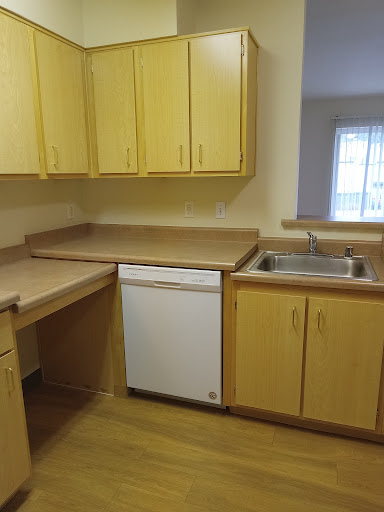
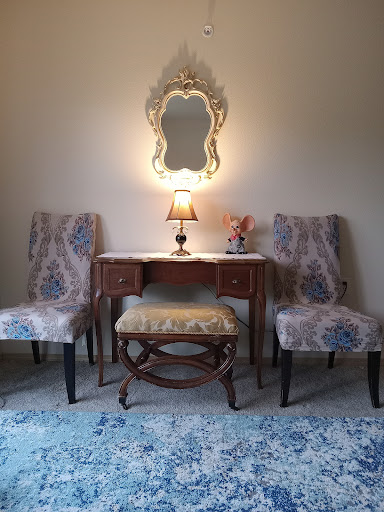
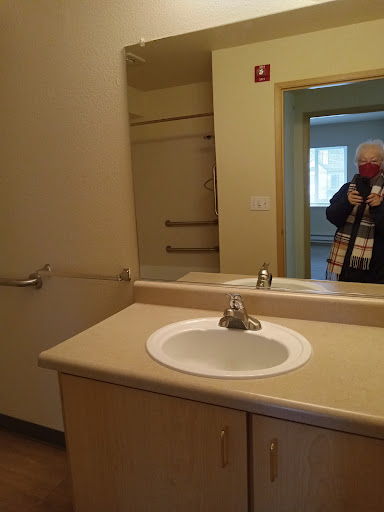
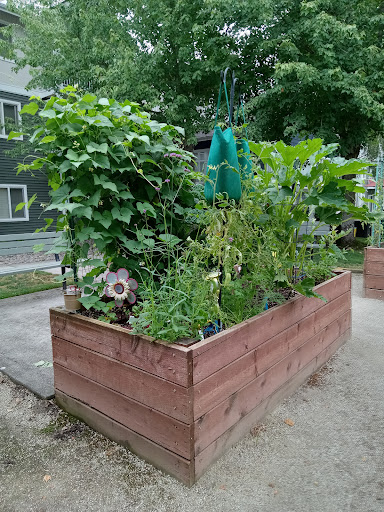
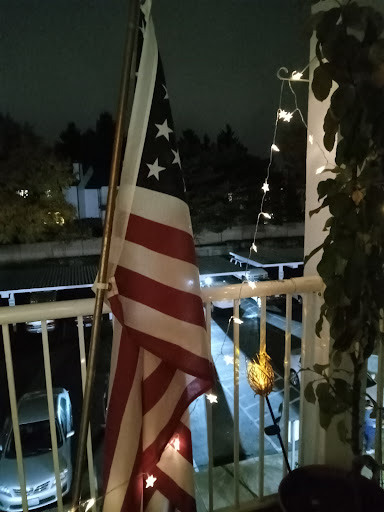
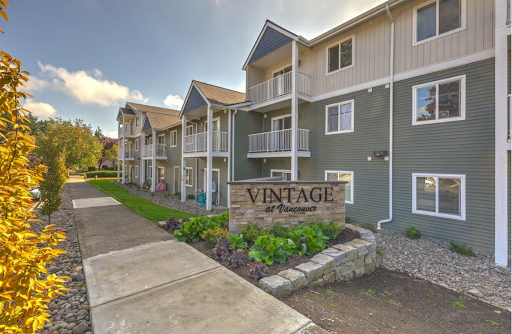
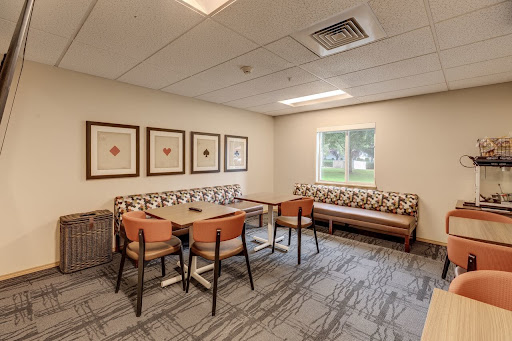
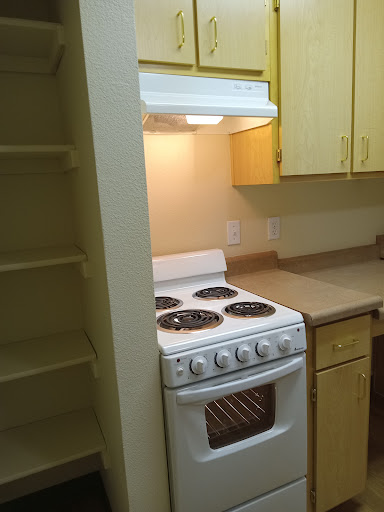
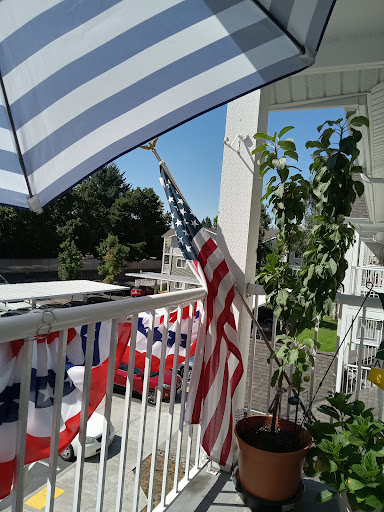
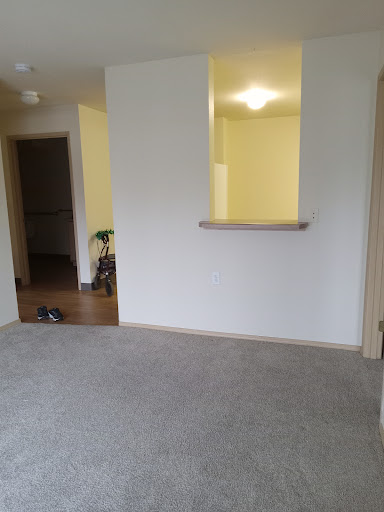
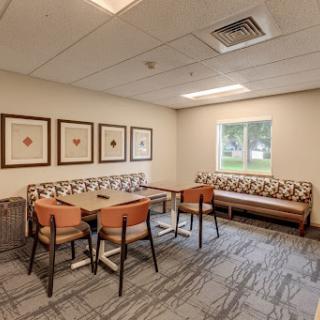
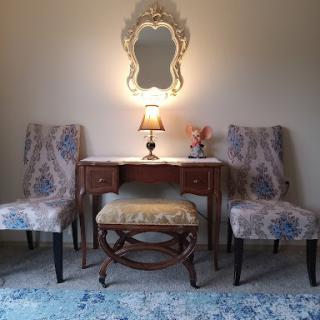
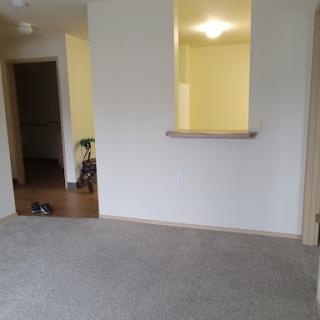
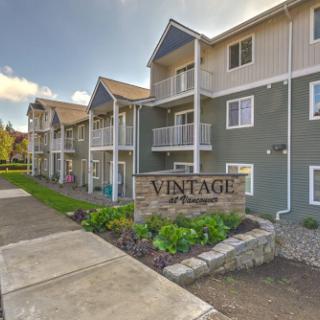
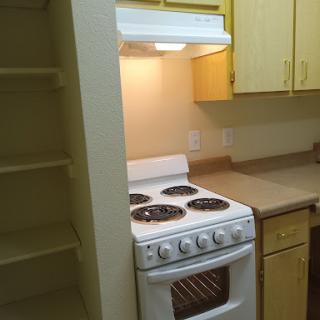
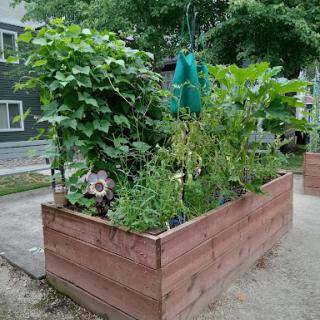
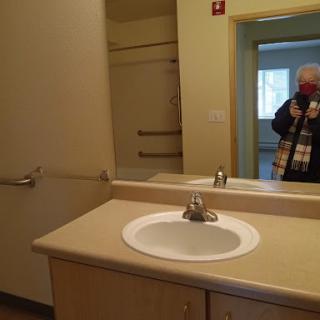
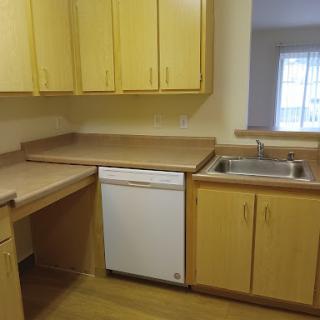
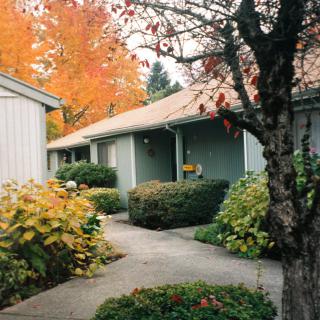
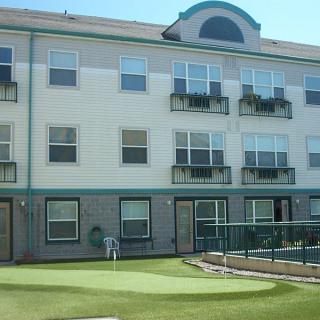
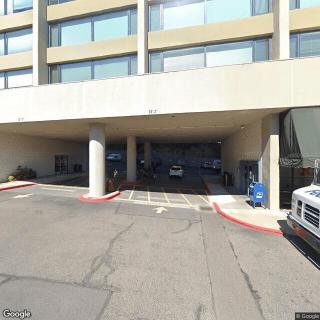
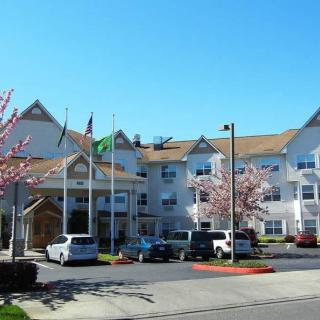
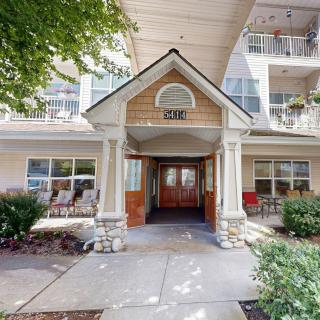
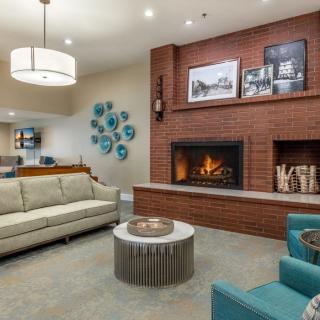
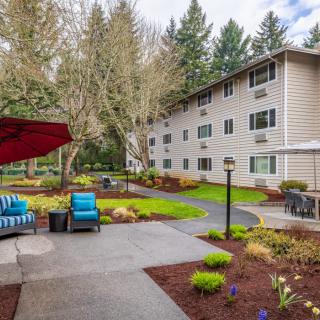
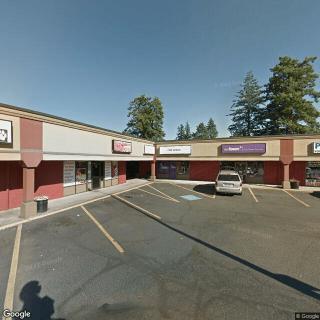
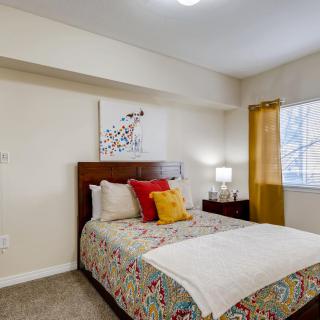
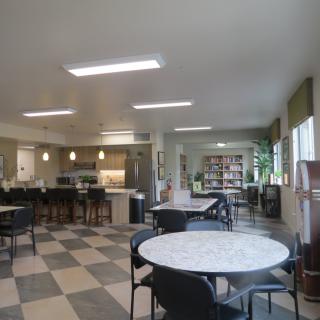
Vintage at Vancouver on seniors.fyi includes 11 photos including images showing interior, balcony, decor, flag, landscaping, garden, outdoor, windows, and more.
Nearby Communities
Home Instead Senior Care - Vancouver, WA
Vancouver, WA
5 from 55 reviews
Exceptional care with diverse dietary options and easy access to healthcare, transportation, and local amenities.
The Lofts by Cogir
Vancouver, WA
4.8 from 99 reviews
$1,650 to $2,440 / month
Friendly staff, clean facilities, and a lively activity program.
Cogir of Glenwood Place
Vancouver, WA
4.4 from 223 reviews
$2,460 to $3,990 / month
Friendly staff, clean and well-maintained facilities with engaging activities and good dining.
Glenwood Place Senior Living
Vancouver, WA
4.3 from 100 reviews
Comprehensive care options (IL/AL/Memory/Respite) with extensive amenities and activities.
Van Mall
Vancouver, WA
4.5 from 107 reviews
$2,620 to $4,420 / month
Caring staff, engaging activities, and excellent dining options.
Van Mall Retirement
Vancouver, WA
4.6 from 53 reviews
Home Instead Senior Care
Vancouver, WA
4.7 from 6 reviews
$4,800 / month
Caring, compassionate caregivers who provide companionship and help with light tasks, with flexible scheduling.
Vancouver Pointe
Vancouver, WA
4.6 from 139 reviews
$3,530 to $4,700 / month
Friendly, attentive staff; clean facilities; excellent dining and engaging activities.
Bonaventure of Vancouver
Vancouver, WA
3.1 from 69 reviews
$3,740 to $6,730 / month
Clean, well-designed apartments with engaging activities and attentive frontline staff.
Caregiver exhaustion, or burnout, stems from the relentless demands of caregiving, leading to emotional and physical depletion characterized by stress, frustration, and neglect of personal needs. Addressing this burden is essential to prevent long-term consequences, with early recognition and support being crucial for caregivers to maintain balance and implement self-care.
Hospice care at home provides specialized end-of-life support that focuses on comfort and dignity for individuals with life-limiting illnesses, offering a range of services including medical management, emotional and spiritual support, and logistical assistance tailored to the family's needs. It involves collaboration to create individualized care plans and extends to bereavement support after a loved one's passing.
The guide outlines the rising costs of 24/7 in-home care, ranging from $10,000 to over $20,000 monthly, driven by factors such as location and caregiver qualifications. It discusses the limited coverage by Medicare and private insurance, potential Medicaid support, and the emotional and living condition considerations influencing families' decisions on care arrangements.
Get PricingAsk A QuestionSchedule A TourContact Senior Advisor
By clicking submit, you agree to our Partner's Terms of Use. You
also consent to receive calls and texts, which may be autodialed, from our Partner. Your consent is not a condition to
using our Partner's service. Please visit our Partner's Privacy Policy for information about their privacy practices.




 Active Adult Communities (55+)
 Cats allowed
 Dogs allowed
 Activities on-site
 Bath tubs
 Beautician on-site
 Cable or satellite TV
 Computer center
 Full kitchen
 Garden
 Guest parking
 Indoor common areas
 Laundry
 Outdoor common areas
 Party space
 Wi-Fi/high-speed internet available
 Portland International (5 miles away)
 Games
Games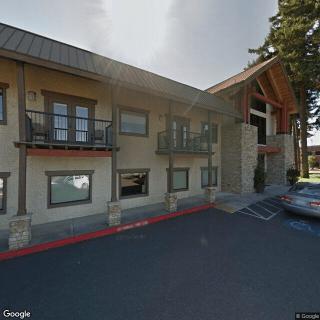
 Exceptional care with diverse dietary options and easy access to healthcare, transportation, and local amenities.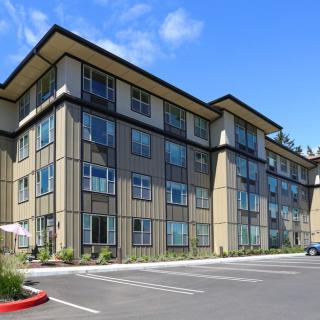
 Caregiver Exhaustion: Recognizing the Signs and Restoring Your Well-Being
 Understanding Hospice Care at Home: Comprehensive Services, Key Benefits, and Eligibility
 Understanding the Full Cost of 24/7 In-Home Care: A Detailed Overview