Bonaventure Of Vancouver

Save

  • Interior

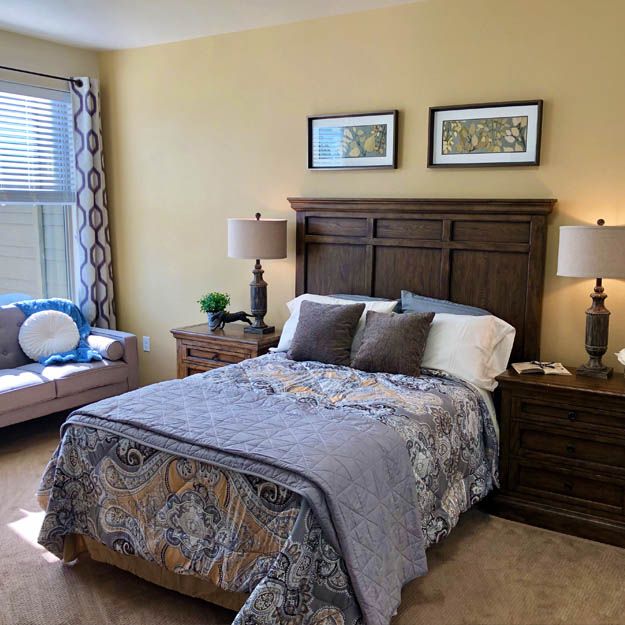
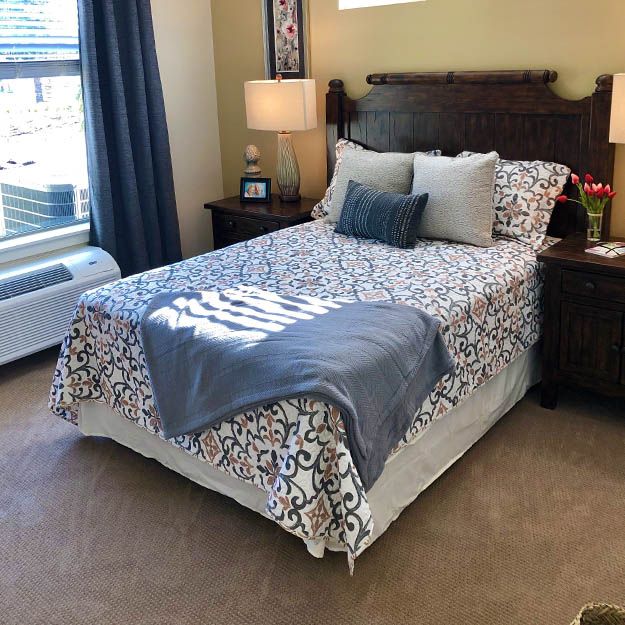
    A cozy bedroom with a neatly made bed, stylish decor, and ample natural light.
  • Decor

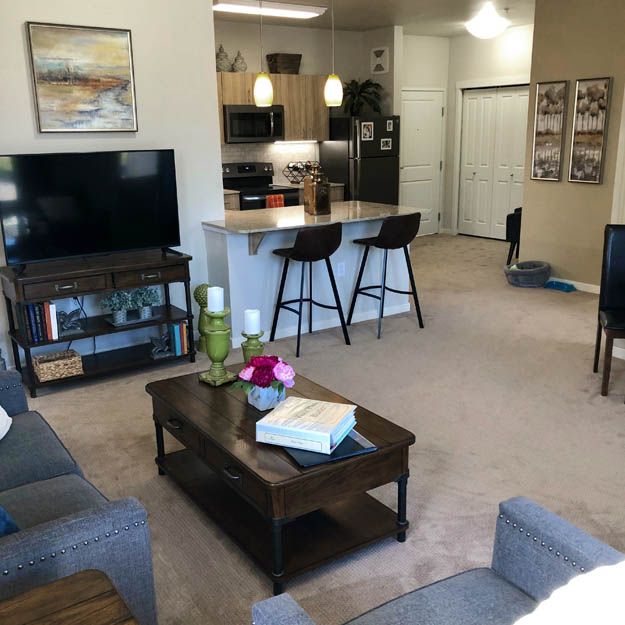
    A modern open-plan living room and kitchen with contemporary furniture and decor.
  • Living Room

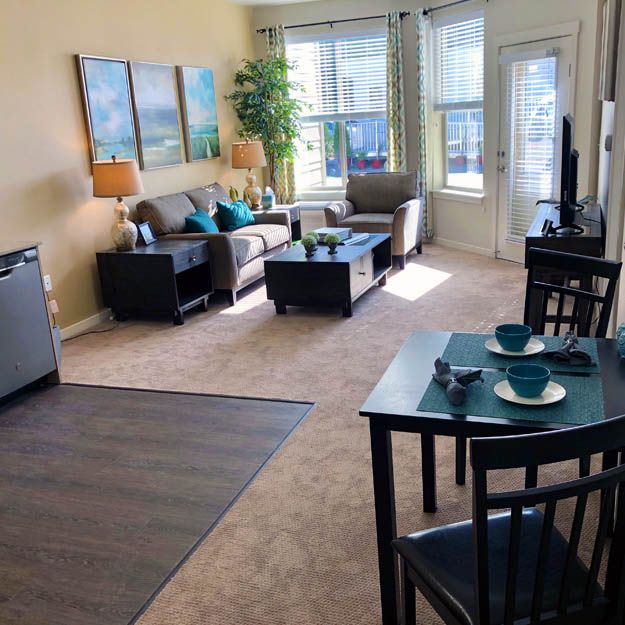
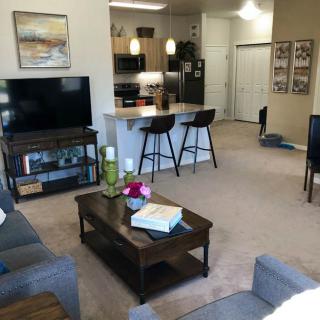
    A cozy apartment living room with a dining area, featuring modern furniture and ample natural light.
  • Bedroom

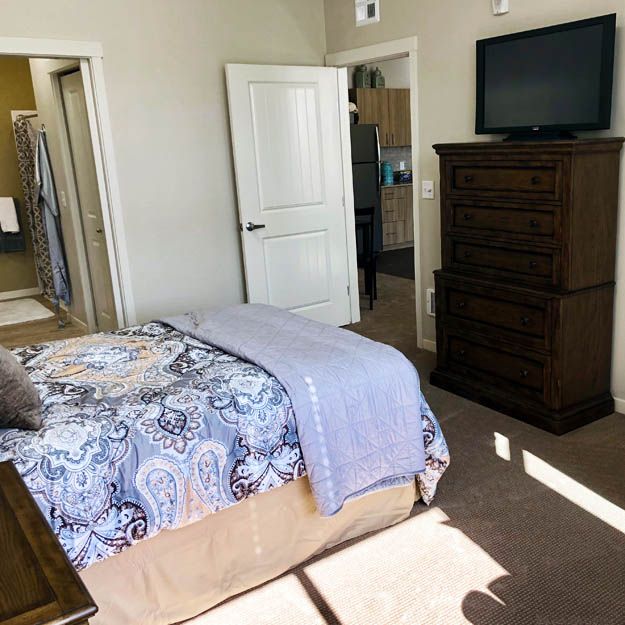
    A cozy bedroom featuring a bed with patterned bedding, a tall dresser topped with a television, and bright natural lighting coming through the window.
  • Windows

    A cozy and well-lit bedroom with a neatly made bed and decorative pillows.
  • Dining

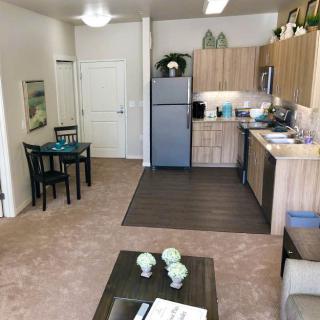
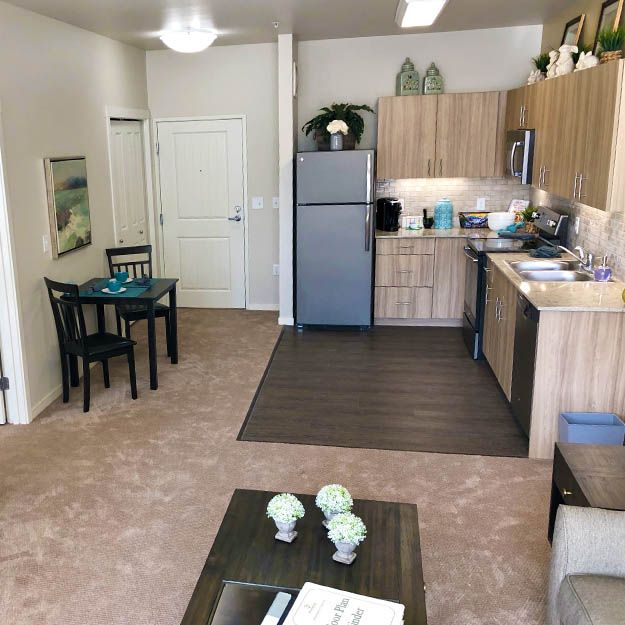
    A modern apartment interior featuring a compact kitchen, dining table, and cozy living area.
  • Kitchen

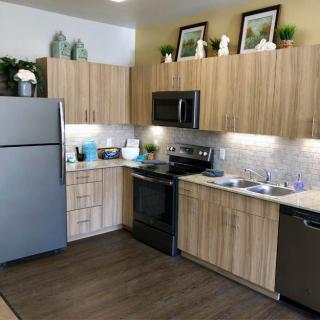
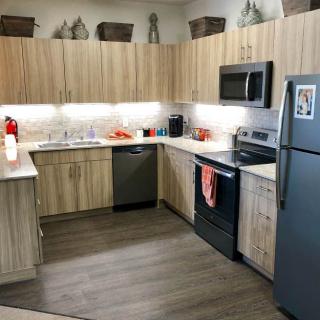
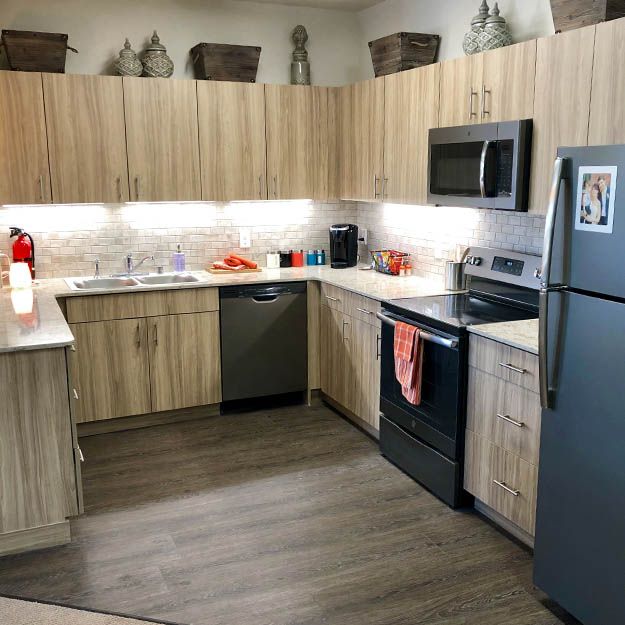
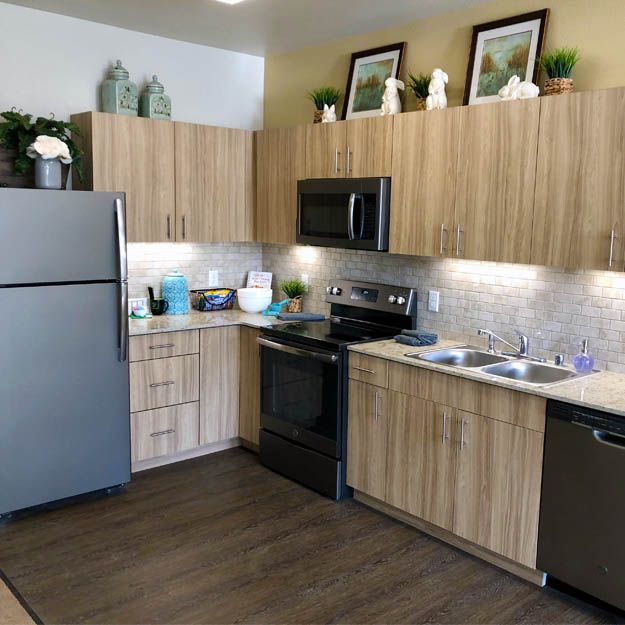
    A modern kitchen with wooden cabinets, stainless steel appliances, and decorative elements.
  • Bathroom

    A clean and modern bathroom with a wooden cabinet, large mirror, and elegant decor.
  • Appliances

    A modern kitchen with wood cabinets and stainless steel appliances.

Bonaventure Of Vancouver

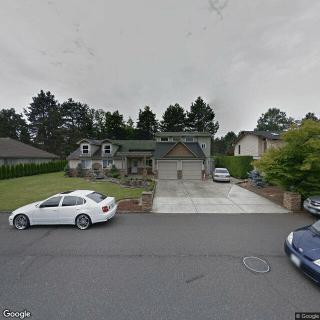
9317 North East 86th Street, Vancouver, WA 98662

For more information about senior living options: (844) 490-3973

2.6 from 28 reviews
5 stars
8
4 stars
3
3 stars
1
2 stars
2
1 stars
14

Assisted Living Independent Living Memory Care

What level of care are you interested in?

Assisted Living

Memory Care

Independent Living

Skilled Nursing Facility

Continuing Care Retirement Community (CCRC)CCRC

Other


Request a tour at Bonaventure Of Vancouver

    Overall Review of Bonaventure Of Vancouver

    Pros

    • pro Cathy provided an amazing tour and made the visitor feel welcomed.
    • pro The concierge and RCC greeted them and contributed to a welcoming experience.
    • pro Amer Ahmed is praised as compassionate and a wonderful addition to the staff.
    • pro Shannon and Kristina are recognized for their support and compassion.
    • pro The Bonaventure community is aesthetically pleasing, with beautiful views and spacious apartments.
    • pro The living area is nice, and there are daily activities for families to participate in.
    • pro Bella and Hannah are described as remarkable staff members.
    • pro The dining options include tasty meals, and ice cream desserts are enjoyed by residents.
    • pro The Bonaventure team is supportive and appreciated for helping families during transitions.
    • pro The facility is noted as clean and well-kept by reviewers.

    Cons

    • pro The facility has had issues from day one.
    • pro Residents roam the halls and enter unlocked rooms, taking belongings.
    • pro They did not inform the family that medication was running low and failed to refill it on time.
    • pro The community is chronically short-staffed, leading to missed meals and undelivered trays.
    • pro Laundry was not getting done and the apartment was never cleaned.
    • pro The dining hall was bleak in cleanliness and dining coverage, with minimal portions.
    • pro Care was described as bad, and memory care was worse, with smells of feral cats.
    • pro There was poor communication throughout and no follow-up on care plans.
    • pro Care plans were not updated and there was no tracking of daily care completion.
    • pro Insulin management was mishandled, resulting in hospitalizations and doctors not notified.
    • pro There was consistently no nurse on site and front-office staff lacked clinical backgrounds.
    • pro The facility was short-staffed with high turnover and cost-cutting measures like service reductions and price hikes.

    Review

    From the many voices describing Bonaventure, a single theme emerges: the experience is deeply variable, fluctuating between moments of genuine care and days when elements of safety, communication, and basic daily support feel seriously lacking. The stories span a broad spectrum - from grateful praise for certain staff and inviting common areas to troubling accounts of missed medications, insufficient meals, and a pattern of understaffing that leaves families feeling unheard and residents underprotected. Taken together, the collection reads like a place with real strengths in appearance and some individual devotion, but with pervasive concerns about consistency, execution, and overall oversight.

    Several reviewers arrived with high hopes shaped by an upbeat sales pitch. They highlighted a beautiful setting, spacious apartments, and views that felt refreshing in a hot season. They also noted a receptive front line - concierge staff who welcomed visitors and a sales manager who, in at least one instance, offered an unusually warm tour experience. A common thread among these accounts is the sense that, on the surface, Bonaventure can feel like the right fit: a well-appointed environment with a calendar of daily activities and a family that wants to be engaged in their loved one's care. For some, this initial impression held for a while, especially when discussions turned to contact with specific team members who showed genuine care.

    But beneath that veneer lies a troubling pattern for many families. Reports of resident-to-resident intrusions into private units and even finding another resident's clothes in a bathroom are alarming reminders of potential safety and privacy gaps. In one family's words, residents walking the halls and checking doors sometimes resulted in unlocked doors being entered and items being taken. Another anecdote described a resident's clothes being found in a bathroom, prompting questions about what happened in the moment. Such incidents shape a larger concern about the environment's security, especially when a loved one is vulnerable and dependent on others to keep safe.

    Medical management and daily care emerge as a second, equally critical set of concerns. A recurring complaint is that medications were not monitored or refilled in a timely fashion, with communication about running low deemed insufficient or late. After-hours issues are singled out - phones go unanswered and families are told to see the problem only when it becomes acute. The intra-family stress is compounded when caregivers report that a parent's insulin and other medical needs were not consistently addressed, leading to hospitalizations at times and, in one stark case, a physician's recommendation to move a relative to another living situation to maintain safety. The contrast is stark: when care is reliable, families feel relief; when it is inconsistent, they fear for serious medical consequences.

    Nutrition and daily nourishment also appear as fragile threads in the care tapestry. Several families recount days when a loved one did not receive a proper lunch or even a tray, leaving them hungry and waiting. There are mentions of under-staffing and insufficient dining coverage, which contribute to a less-than-satisfying dining experience. Yet there are counterpoints: some residents praise the dining desserts - ice cream can be a highlight - and several reviews note that, despite overall staffing challenges, meals could be tasty even if portions or variety felt limited. The dining room's cleanliness and attentiveness to dietary needs are described as mixed, with some families sensing a bleak atmosphere or limited menu options, especially for vegetarians, while others appreciate occasional good meals and a pleasant communal space.

    Staffing stability - or the lack thereof - casts a long shadow over every other issue. The reviews repeatedly link high turnover and understaffing to lapses in care, from missed care plans to delayed responses to emergencies. CNAs are frequently described as wonderful when present, but their contributions are undermined by shortages and heavy workloads. Front-desk personnel are praised for their warmth in some accounts, yet the administration and clinical oversight leadership are criticized for insufficient nursing presence and unclear follow-through on medical and care-plan updates. Some reviewers attribute much of the inconsistency to corporate cost-cutting and staffing reductions, with implications for safety and the resident experience that many families find unacceptable.

    There are, however, standout individuals who are repeatedly singled out for positive impact. Families express particular gratitude for staff like Bella and Hannah, whose care and reliability feel transformative in difficult moments. Amer Ahmed, described as a senior living director in several reviews, is lauded for compassion and responsiveness by several families who feel he makes a real difference in navigating care for their loved ones. Shannon and Kristina receive consistent appreciation for their support and empathy, especially during transitions and in efforts to honor a loved one's wishes. The presence of dedicated staff can make the difference between a resident feeling cared for and a resident feeling abandoned, and these individual stories stand out as bright spots amid broader concerns.

    Across multiple accounts, the broader image of Bonaventure seems to be a place of beauty and potential that is not always realized in daily operation. Reviewers acknowledge the appealing living areas, aesthetic appeal, and opportunities for families to participate in activities. They also acknowledge genuine care from certain team members and the occasional responsive administrator. Yet repeated allegations persist: plans and promises that go unfulfilled, care plans that are not updated or tracked, insufficient follow-through on medical directives, and a sense that management is focused on cost containment rather than every-resident safety and well-being. The tensions between a strong physical campus and a strained care delivery system leave families wrestling with difficult choices - some ultimately deciding to move their loved ones elsewhere to protect their health and safety.

    In sum, the portrait is of a community that can feel, at times, like a sanctuary with rooms of warmth, kindness, and professional expertise, tempered by persistent gaps in staffing, communication, and operational execution. Families recount moments of exceptional support from nursing and care staff that brighten an otherwise challenging situation, even as they recount repeated experiences of missed medications, delayed meals, unaddressed care plans, and security concerns that leave them anxious about their loved ones' daily safety. The overall message is not simply praise or condemnation; it's a complex, lived reality in which the best intentions and heart of individual staff members collide with systemic pressures and staffing instability. For anyone considering Bonaventure, the stories suggest a need for careful due diligence: meet with multiple staffers, tour with an eye to safety and daily care routines, and weigh the importance of consistent clinical oversight against the value of a beautiful environment and a dedicated caregiving team.

    Features

    Housing

    • 88 resident community capacity 88 resident community capacity

    Types of Care

    • Assisted Living Assisted LivingAssisted living facilities provide crucial support and care for seniors who may need help with daily tasks such as medication management, bathing, and meal preparation. These communities offer a safe and comfortable environment where seniors can maintain their independence while receiving the assistance they need to thrive in their golden years.
    • Independent Living Independent LivingIndependent living communities are important for seniors because they offer a safe and supportive environment where older adults can live independently while still having access to amenities and services that enhance their quality of life. These communities provide social opportunities, recreational activities, and assistance with daily tasks, promoting overall well-being and allowing seniors to maintain their independence for as long as possible.
    • Memory Care Memory CareMemory care is crucial for seniors as it provides specialized support and services for individuals with dementia or Alzheimer's disease. These programs offer a safe and secure environment where residents receive personalized care, cognitive stimulation, and help with daily activities. Memory care helps seniors maintain their independence, quality of life, and dignity while also providing peace of mind for their families.

    Amenities

    • Air-conditioning Air-conditioningAir conditioning is important for seniors as they are more vulnerable to heat-related illnesses and may have underlying health conditions that make it difficult for them to regulate their body temperature. It helps to keep them comfortable, safe, and healthy in hot weather.
    • Beauty salon Beauty salonBeauty salons are important for seniors because they provide a space for them to feel pampered, socialize, and maintain their personal grooming and hygiene. Regular visits to a beauty salon can help boost seniors' self-esteem and overall well-being.
    • Cable or satellite TV Cable or satellite TVCable or satellite TV is important for seniors because it provides entertainment, news, and companionship, helping to combat loneliness and boredom. It also offers a wide range of programming options tailored to different interests and preferences.
    • Computer center Computer centerA computer center is essential for seniors as it provides access to technology, communication tools, and resources that can enhance their daily lives. It allows them to stay connected with loved ones, engage in online activities, and learn new skills, ultimately promoting socialization and mental stimulation.
    • Dining room Dining roomDining rooms are important for seniors as they provide a space for socialization, connection, and nutritious meals. They offer opportunities for residents to bond over shared meals, foster a sense of community, and promote healthy eating habits. Dining rooms also ensure that seniors have access to well-balanced meals tailored to their dietary needs and preferences.
    • Fitness room Fitness roomHaving a fitness room in a senior living community is essential for seniors to stay active, maintain their physical health, and improve their overall well-being. Regular exercise can help prevent falls, reduce the risk of chronic diseases, and promote mental sharpness. It also provides social opportunities for residents to connect with others and enjoy a sense of community.
    • Fully furnished Fully furnishedFully furnished senior living communities are important for seniors because they provide convenience, comfort, and a hassle-free moving experience. Seniors can easily settle into their new living space without the stress of having to buy and move furniture. This allows them to focus on enjoying their new home and community.
    • Gaming room Gaming roomGaming rooms are important for seniors as they provide a fun and engaging environment for socializing, cognitive stimulation, and physical activity. Games can improve memory, problem-solving skills, and overall mental well-being while fostering friendships and reducing feelings of isolation.
    • Garden GardenGardens are important for seniors as they provide a peaceful and therapeutic environment for relaxation, physical activity, and socialization. Being in nature has been shown to reduce stress, improve mood, and promote overall well-being. Gardens also offer opportunities for seniors to engage in gardening activities, which can improve mobility, flexibility, and cognitive function. Additionally, gardens create a sense of community and connection with others who share a passion for plants and outdoor spaces.
    • Housekeeping services Housekeeping servicesHousekeeping services are important for seniors because they help maintain a clean and safe living environment, promote independence, and reduce the risk of accidents or illnesses. Additionally, having assistance with household chores can alleviate physical strain and allow seniors to focus on other aspects of their well-being.
    • Kitchenette KitchenetteKitchenettes are important for seniors living in senior living communities because they provide the convenience and independence of being able to prepare simple meals and snacks in the comfort of their own living space. This can help promote a sense of autonomy and well-being for seniors, allowing them to maintain some level of control over their dietary choices and daily routines.
    • Move-in coordination Move-in coordinationMove-in coordination is important for seniors because it helps ease the transition into their new living environment. It ensures that all logistics, such as packing, organizing movers, and setting up utilities are taken care of, allowing seniors to focus on settling in and adjusting to their new home. Having a smooth move-in process can alleviate stress and anxiety, making the transition smoother and more enjoyable for seniors.
    • Outdoor space Outdoor spaceOutdoor spaces are important for seniors as they provide opportunities for physical activity, social interaction, exposure to natural light and fresh air, and a sense of connection to nature. Having access to outdoor spaces can improve overall well-being and quality of life for older adults living in senior communities.
    • Private bathrooms Private bathroomsPrivate bathrooms are important for seniors in senior living communities because they provide independence, dignity, and comfort. Having a private bathroom allows seniors to maintain their personal hygiene routines without the need for assistance, promoting a sense of autonomy and privacy. Additionally, private bathrooms help prevent the spread of infections and provide a safe and clean environment for seniors to navigate safely.
    • Restaurant-style dining Restaurant-style diningRestaurant-style dining is important for seniors because it allows them to enjoy delicious, nutritious meals in a social and upscale setting. This enhances their dining experience, promotes healthy eating habits, and fosters socialization with fellow residents, ultimately contributing to their overall well-being and quality of life.
    • Small library Small librarySmall libraries are important for seniors as they provide access to a variety of reading materials, including books, newspapers, and magazines. This can help stimulate their minds, keep them engaged, and provide a sense of community through book clubs and other social activities. Additionally, reading has been shown to improve cognitive function and overall mental well-being in older adults.
    • Telephone TelephoneTelephones are important for seniors as they provide a lifeline for communication with loved ones, emergency services, and healthcare providers. They offer a sense of security and independence, enabling seniors to stay connected and access assistance when needed.
    • Wellness center Wellness centerWellness centers are important for seniors because they offer a variety of programs and services that promote physical, mental, and emotional well-being. These centers provide opportunities for exercise, socialization, education, and relaxation, helping seniors maintain their overall health and quality of life.
    • Wi-Fi/high-speed internet available Wi-Fi/high-speed internet availableWi-Fi/high-speed internet is important for seniors to stay connected with loved ones, access online resources, and participate in virtual activities to combat feelings of loneliness and isolation. It also allows them to easily manage healthcare needs, access entertainment, and engage in lifelong learning opportunities.

    Transportation

    • Portland International (7 miles away) Portland International (7 miles away)
    • Community operated transportation Community operated transportationCommunity operated transportation is crucial for seniors as it provides them with the means to access essential services, social activities, and medical appointments. It allows seniors to maintain their independence and quality of life by ensuring they can participate in activities outside of their homes. Additionally, community-operated transportation services offer a safe and reliable way for seniors to travel without having to rely on family or friends for assistance.
    • Transportation arrangement Transportation arrangementTransportation arrangements are crucial for seniors as they may face challenges with driving, mobility, or access to public transportation. Having reliable transportation services ensures that seniors can easily attend appointments, social activities, and maintain their independence and quality of life.
    • Transportation arrangement (non-medical) Transportation arrangement (non-medical)Transportation arrangements are essential for seniors as they provide access to essential services, activities, and social interactions outside the home. This service helps maintain independence, mobility, and overall well-being for seniors who may have limited transportation options.
    • Transportation to doctors appointments Transportation to doctors appointmentsTransportation to doctors appointments is crucial for seniors as it ensures they have access to necessary medical care and support, promoting their health and well-being. It allows them to receive timely treatment, monitor existing conditions, and address any new health concerns efficiently. Additionally, transportation services can help seniors maintain their independence and quality of life by enabling them to stay connected with their healthcare providers.

    Care Services

    • 12-16 hour nursing 12-16 hour nursing12-16 hour nursing care is crucial for seniors in order to ensure around-the-clock monitoring, timely medication administration, and prompt response to any health concerns or emergencies. This level of care helps to promote the overall well-being and safety of seniors living in senior living communities.
    • 24-hour call system 24-hour call system24-hour call systems are important for seniors because they provide peace of mind and immediate assistance in case of emergencies. This technology ensures that help is always available, promoting safety and security for elderly individuals living alone or in assisted living facilities.
    • 24-hour supervision 24-hour supervision24-hour supervision is important for seniors to ensure their safety, well-being, and access to immediate assistance in case of emergencies or health issues. This constant support provides peace of mind for both seniors and their loved ones, allowing them to age in place with dignity and security.
    • Activities of daily living assistance Activities of daily living assistanceActivities of daily living assistance are important for seniors because they provide essential support with tasks such as eating, bathing, dressing, and mobility. This assistance helps seniors maintain their independence, dignity, and overall quality of life as they age.
    • Assistance with bathing Assistance with bathingAssistance with bathing is crucial for seniors as it helps maintain personal hygiene, prevents infections, and ensures their overall well-being and comfort. It also provides a sense of dignity and independence for seniors who may struggle with this task on their own.
    • Assistance with dressing Assistance with dressingAssistance with dressing is important for seniors because it helps maintain their independence, promotes personal hygiene, prevents accidents and injuries, and improves overall quality of life. This service ensures that seniors can continue to dress comfortably and confidently, despite any physical limitations they may have.
    • Assistance with transfers Assistance with transfersAssistance with transfers is crucial for seniors as it helps prevent falls and injuries, maintains their independence, and ensures they can safely navigate their living environment. It also provides peace of mind for both seniors and their loved ones.
    • Coordination with health care providers Coordination with health care providersCoordination with health care providers is crucial for seniors to ensure proper medical care, medication management, and overall well-being. This collaboration helps prevent overlapping treatments, track progress more effectively, and provide comprehensive support tailored to individual needs.
    • Diabetes diet Diabetes dietA diabetes diet is crucial for seniors as it helps manage blood sugar levels, reduce risks of complications, and improve overall health and well-being. By following a balanced and nutritious diet tailored to their specific needs, seniors can better control their diabetes and enhance their quality of life.
    • Meal preparation and service Meal preparation and serviceMeal preparation and service are crucial for seniors as they may have limited mobility or energy to cook nutritious meals. Having access to healthy and convenient food options can ensure they are getting the proper nutrition needed to maintain their overall health and well-being.
    • Medication management Medication managementMedication management is crucial for seniors to ensure they are taking the right medications at the correct dosages and times. This helps prevent adverse drug interactions, reduces the risk of medication errors, and promotes overall health and well-being. Proactive management also allows for adjustments as needed based on changing health conditions or new prescriptions.
    • Mental wellness program Mental wellness programMental wellness programs are essential for seniors as they promote cognitive stimulation, emotional support, and social engagement. These programs help prevent isolation, depression, and cognitive decline, ultimately enhancing the overall quality of life for older adults.
    • Mild cognitive impairment Mild cognitive impairment"Mild cognitive impairment" is important for seniors because it is an early stage of cognitive decline that can potentially progress to more severe conditions such as dementia. Recognizing and addressing mild cognitive impairment can help seniors receive appropriate care and support to maintain their quality of life and independence for as long as possible.
    • Special dietary restrictions Special dietary restrictionsSpecial dietary restrictions are important for seniors because age-related changes in metabolism and health conditions can make it difficult for their bodies to process certain foods. By following a diet tailored to their specific needs, seniors can maintain their overall health and well-being, manage chronic conditions, and reduce the risk of complications such as malnutrition or food interactions with medications.
    • Specialized memory care programming Specialized memory care programmingSpecialized memory care programming is crucial for seniors with cognitive impairments such as dementia or Alzheimer's disease. These programs provide a safe and supportive environment tailored to the unique needs of individuals with memory loss, helping them maintain their independence, dignity, and quality of life.
    • Transportation arrangement (medical) Transportation arrangement (medical)Transportation arrangements for medical purposes are essential for seniors as they may have difficulty driving themselves to appointments or accessing public transportation. Having reliable and safe transportation options ensures that seniors can receive timely medical care and maintain their health and well-being.
    • Transportation to doctors appointments Transportation to doctors appointmentsTransportation to doctors appointments is crucial for seniors as it ensures they have access to necessary medical care and support, promoting their health and well-being. It allows them to receive timely treatment, monitor existing conditions, and address any new health concerns efficiently. Additionally, transportation services can help seniors maintain their independence and quality of life by enabling them to stay connected with their healthcare providers.

    Dining

    • Diabetes diet Diabetes dietA diabetes diet is crucial for seniors as it helps manage blood sugar levels, reduce risks of complications, and improve overall health and well-being. By following a balanced and nutritious diet tailored to their specific needs, seniors can better control their diabetes and enhance their quality of life.
    • Special dietary restrictions Special dietary restrictionsSpecial dietary restrictions are important for seniors because age-related changes in metabolism and health conditions can make it difficult for their bodies to process certain foods. By following a diet tailored to their specific needs, seniors can maintain their overall health and well-being, manage chronic conditions, and reduce the risk of complications such as malnutrition or food interactions with medications.

    Activities

    • Community-sponsored activities Community-sponsored activitiesCommunity-sponsored activities are important for seniors as they provide opportunities for social interaction, mental stimulation, and physical activity. These activities can help improve overall well-being, combat loneliness and isolation, and promote a sense of belonging and purpose among older adults.
    • Concierge services Concierge servicesConcierge services are essential for seniors as they provide assistance with daily tasks and errands, enhance their quality of life by offering convenience and personalized care, and promote a sense of safety and security.
    • Fitness programs Fitness programsFitness programs are crucial for seniors as they help improve strength, flexibility, balance, and overall well-being. Staying active can reduce the risk of chronic diseases, improve mental health, and enhance quality of life in older adults.
    • Planned day trips Planned day tripsPlanned day trips are important for seniors because they offer opportunities for socialization, mental stimulation, and physical activity. They provide a change of scenery and help seniors stay engaged and connected to their community, promoting overall well-being and quality of life.
    • Resident-run activities Resident-run activitiesResident-run activities are important for seniors as they encourage social interaction, creativity, and a sense of autonomy. These activities empower seniors to stay engaged and active in their community while fostering meaningful connections with their peers.
    • Scheduled daily activities Scheduled daily activitiesScheduled daily activities are important for seniors because they provide structure, socialization, mental stimulation, and physical activity. Engaging in regular activities can improve overall well-being and quality of life for seniors living in a community setting.

    Description

    Bonaventure Of Vancouver is an exceptional assisted living community located in the vibrant city of Vancouver, WA. With a focus on providing top-notch care and support, this community offers Independent Living and Memory Care options for seniors. The residents can enjoy a wide range of amenities and services that are designed to enhance their quality of life.

    The community boasts a beauty salon where residents can pamper themselves and stay looking their best. They can also unwind while watching their favorite shows or movies on cable or satellite TV. For those who prefer to explore the city, Bonaventure Of Vancouver offers community-operated transportation services.

    There is a computer center available for the residents' use, allowing them to stay connected with loved ones and engage in online activities. The dining room serves delicious meals prepared by the professional staff in a restaurant-style setting. If residents prefer to cook for themselves, fully furnished kitchenettes are provided.

    Physical fitness is encouraged at Bonaventure Of Vancouver with a well-equipped fitness room that allows residents to work out at their own pace. An outdoor space and garden are perfect for enjoying nature and spending time outdoors.

    Housekeeping services ensure that the living spaces are always clean and tidy. Move-in coordination assistance makes transitioning into the community seamless. Private bathrooms provide convenience and privacy, while small libraries offer a quiet place to read or study.

    For transportation needs, the community arranges non-medical transportation as well as trips to doctors' appointments. A wellness center is available for all residents to prioritize their health needs, including medication management if required.

    The assisted living community at Bonaventure Of Vancouver places great importance on mental wellness. A mental wellness program helps residents maintain cognitive abilities, while specialized memory care programming caters specifically to those with memory-related issues such as dementia or Alzheimer's disease.

    Residents have plenty of options when it comes to nearby amenities and services. There are numerous cafes, parks, pharmacies, physicians, restaurants, places of worship, and hospitals in close proximity to the community. This ensures that residents have easy access to everything they need and can explore their surroundings.

    With concierge services, fitness programs, planned day trips, and resident-run activities, Bonaventure Of Vancouver offers a diverse range of engaging activities for all residents. Scheduled daily activities keep residents socially active and fulfilled.

    In summary, Bonaventure Of Vancouver is a premier assisted living community that provides exceptional care and support for seniors. With a wide array of amenities, services, and nearby facilities, residents can enjoy a fulfilling and comfortable lifestyle in this vibrant community.

    Nearby Places of Interest

    Cafes

    • Starbucks (1.2 miles)
    • Dutch Bros Coffee (1.9 miles)
    • Dutch Bros Coffee (3.6 miles)
    • Dutch Bros Coffee (4.2 miles)
    • Panera Bread (4.2 miles)
    • Blackrock Coffee (4.3 miles)
    • Dutch Bros Coffee (4.4 miles)

    Pharmacies

    • Fred Meyer Pharmacy (1.3 miles)
    • Walgreens (1.5 miles)
    • Walgreens (1.7 miles)
    • Walmart Fuel Station (2.8 miles)
    • Walgreens (3 miles)
    • Walgreens (3.5 miles)
    • Walgreens (4 miles)

    Parks

    • Douglas Carter Fisher Park (2.6 miles)
    • Luke Jensen Sports Park (2.6 miles)
    • Hockinson Meadows Community Park (3.7 miles)
    • Vista Meadows Neighborhood Park (4.3 miles)
    • Fort Vancouver National Historic Site (5.5 miles)
    • Fairgrounds Community Park (6.1 miles)
    • Esther Short Park (6.1 miles)

    Physicians

    • Sea Mar Community Health Centers (2.6 miles)
    • The Vancouver Clinic (4 miles)
    • Luke Rosen DO (4 miles)
    • Entofficedotorg Plic (4.4 miles)
    • Legacy Medical Group-Salmon Creek Family Medicine (4.4 miles)
    • Great West Family Care PC (4.7 miles)
    • Navin S Arora DO | Kaiser Permanente (4.7 miles)

    Restaurants

    • McDonald's (3 miles)
    • McDonald's (3.4 miles)
    • Super Taco Express (3.9 miles)
    • McDonald's (4.2 miles)
    • McDonald's (4.3 miles)
    • Applebee's (4.3 miles)
    • Taco Bell (4.3 miles)

    Hospitals

    • PeaceHealth Southwest Family Birth Center (4 miles)
    • HCR ManorCare (4.1 miles)
    • Firstenburg Tower (4.1 miles)
    • Salmon Legacy Creek Hospital (4.3 miles)
    • Vancouver VA Medical Center (5 miles)

    Places of Worship

    • Summit View Church (4.6 miles)
    • Battle Ground United Methodist Church (5.8 miles)

    Transportation

    • Concourse D (6.4 miles)
    • Amtrak (6.5 miles)
    • Concourse E (6.5 miles)
    • Concourse C (6.5 miles)
    • TSA Checkpoint A/B/C - Portland International Airport (6.5 miles)
    • Portland International Airport (PDX) (6.5 miles)
    • Portland Airport Rental Car Center (6.6 miles)

    Frequently Asked Questions

    Where is Bonaventure Of Vancouver?
    Does Bonaventure Of Vancouver provide care for residents with dementia or Alzheimer's disease?
    What photos are available for Bonaventure Of Vancouver in Vancouver, Washington?

    Nearby Communities

    Related Resources

    • alzheimer's factsIlluminating Insights About Alzheimer's Disease: Ten Crucial Realities

      Alzheimer’s disease is a progressive neurological disorder that significantly impacts memory and cognitive functions, accounting for 60-80% of dementia cases, with early diagnosis being crucial yet challenging. It involves brain changes like beta-amyloid plaques and tau tangles, influenced by genetic and lifestyle factors, and while there is no cure, symptom management and support for caregivers are essential.

    • list of drugs linked to dementiaA Thorough Discussion of Medications Potentially Linked to Dementia Risk

      Dementia, influenced by aging and certain medications, may be exacerbated by drug classes such as anticholinergics, benzodiazepines, and antipsychotics, which are associated with cognitive impairment. Regular medication reviews by healthcare professionals are crucial for older adults to manage risks and optimize cognitive health.

    • do dementia patients sleep a lotWhy Do Dementia Patients Sleep So Much? Understanding Oversleeping, Stages, and Care Approaches
      Dementia often results in disrupted sleep patterns, leading to excessive daytime sleeping due to factors like brain damage affecting circadian rhythms, medication side effects, and lack of structure in daily activities. Caregivers must monitor these changes closely, as oversleeping can increase risks such as malnutrition or dehydration, and provide necessary support and routines to enhance patient engagement and well-being.


    Get Pricing Ask A Question Schedule A Tour Contact Senior Advisor