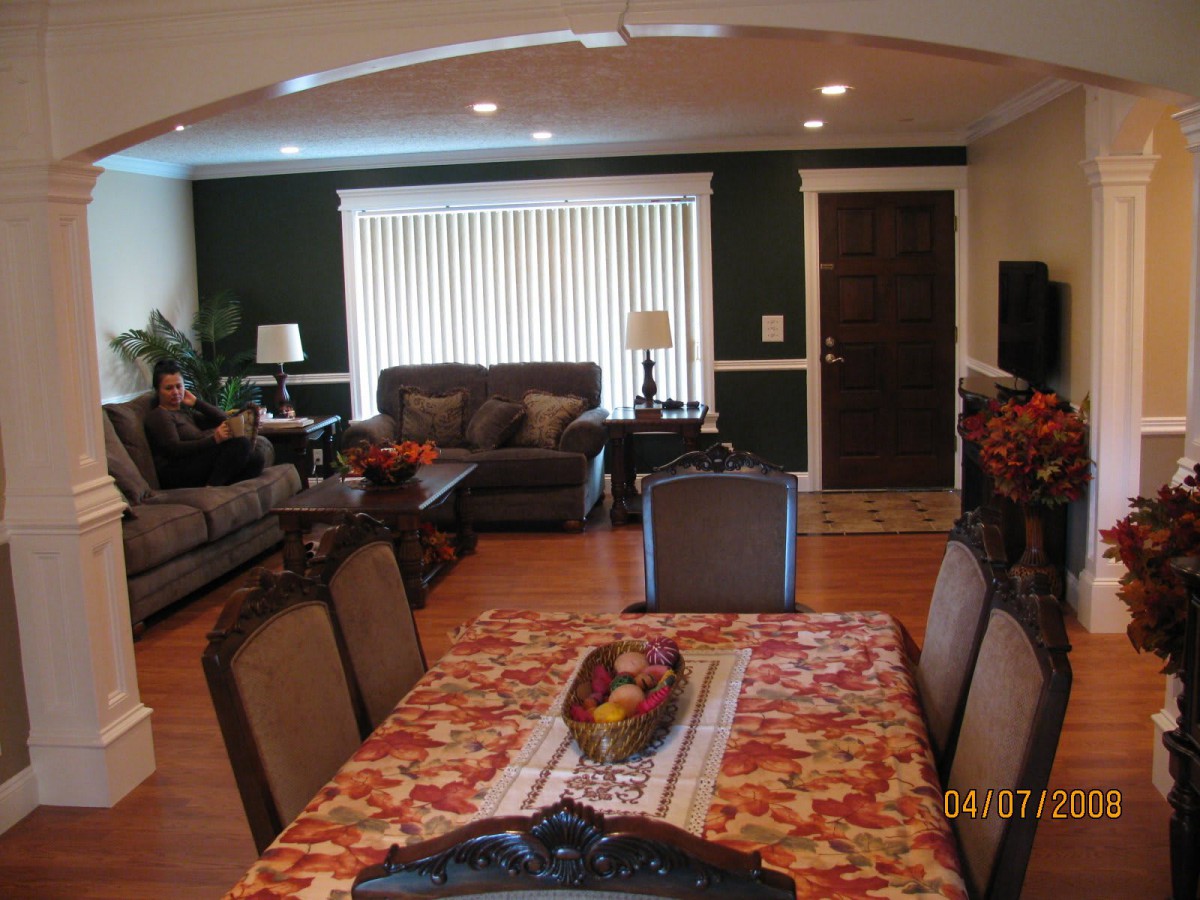
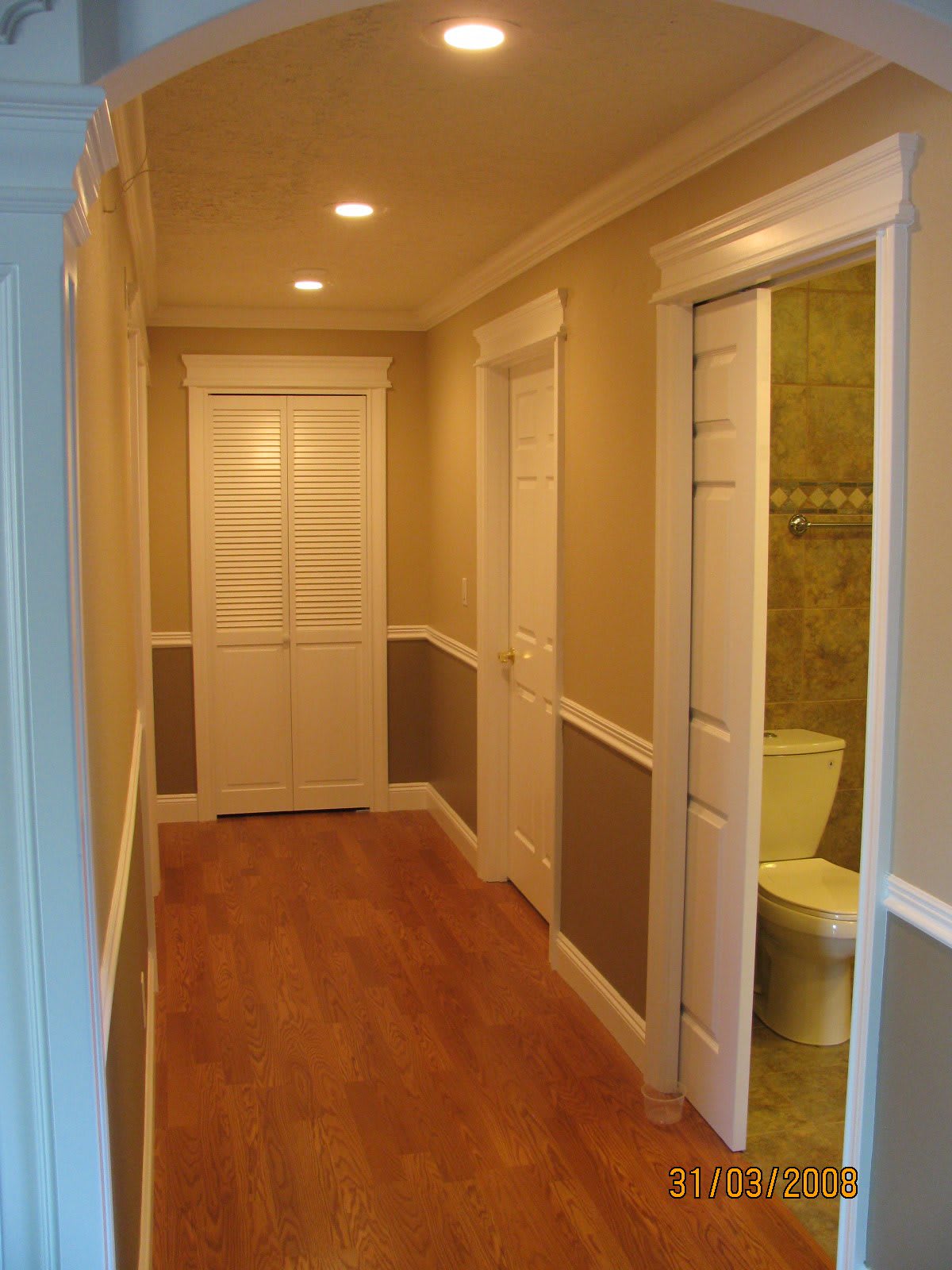
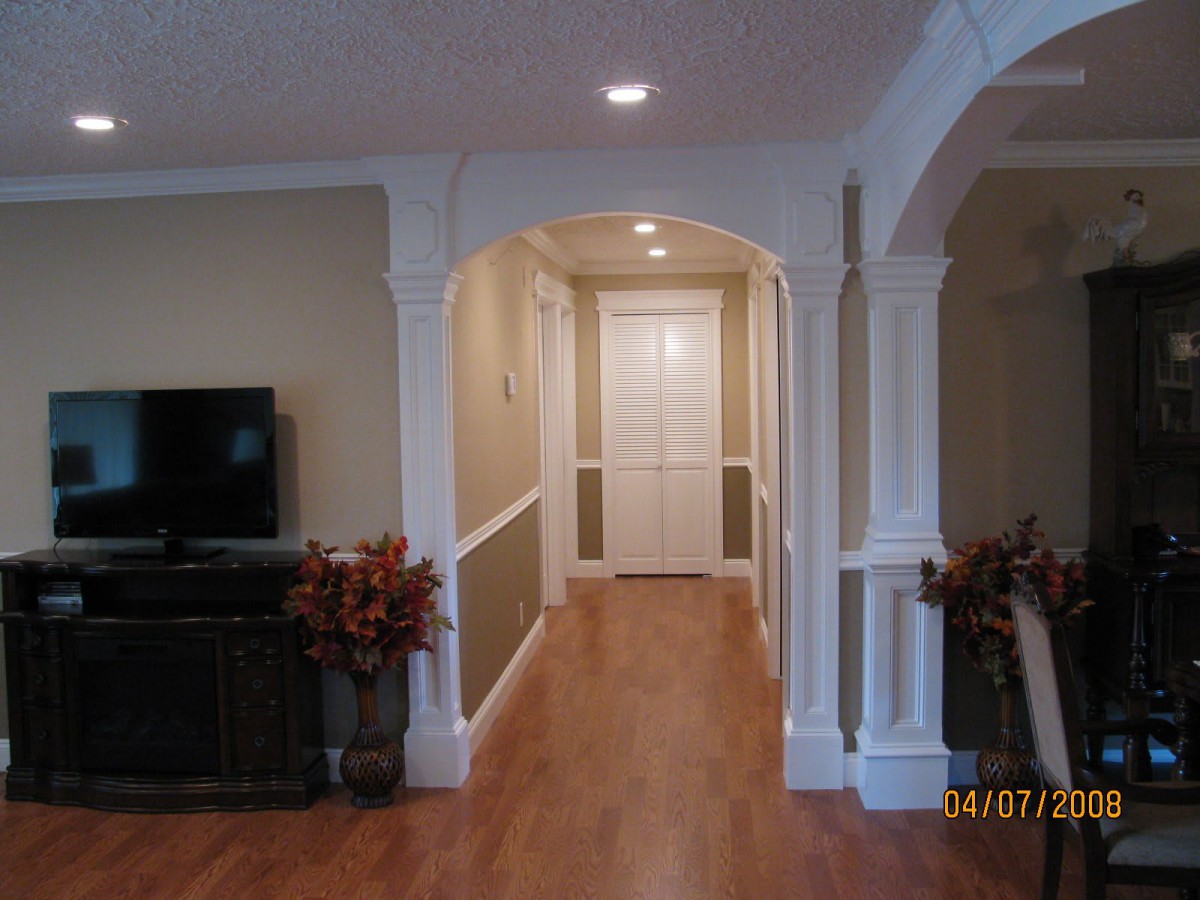
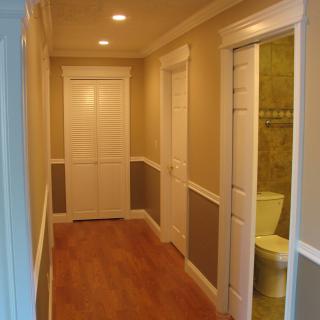
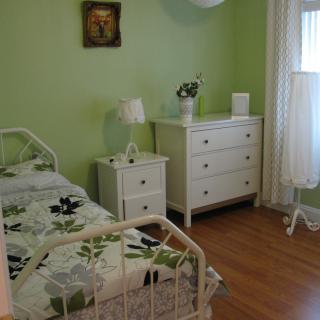
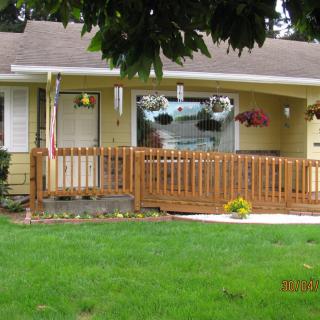
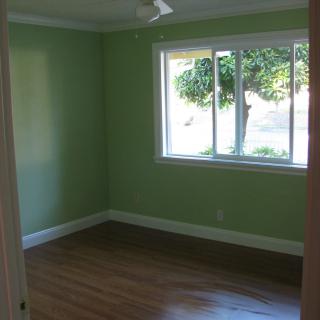
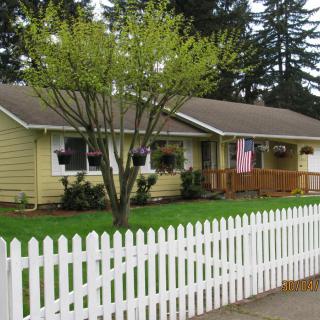
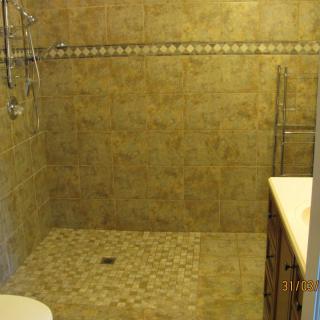
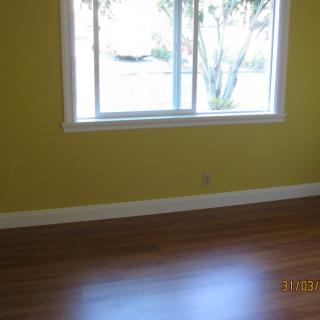
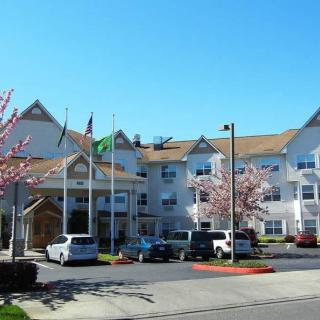
9012 NE 115th Avenue, Vancouver, WA 98662
To contact a resident: (360) 836-7848
For more information about senior living options: (866) 208-4318
AAA Plus Adult Family Home Costs & Pricing
The AAA Plus Adult Family Home offers competitive pricing for its various room types compared to the average costs in Clark County and the broader context of Washington State. For semi-private accommodations, residents can enjoy a significantly lower rate of $2,150 per month, well below both the county's average of $3,897 and the state average of $4,267. The one-bedroom options range from $2,950 to $7,000, with this flexibility presenting a cost-effective alternative to the county average of $4,178 and state levels at $4,632. Similarly, private rooms are offered at a flat rate of $2,950, which is notably more affordable than Clark County's $3,992 and Washington's average of $4,772. Lastly, studio units are available for $3,850 monthly - still remaining competitive against Clark County's average of $3,882 and the state's typical cost of $4,126. Overall, AAA Plus Adult Family Home stands out as an economical choice amidst higher local and state rates while still providing quality care.
| Floor plans | AAA Plus Adult Family Home | Clark County | Washington |
|---|---|---|---|
| Semi-Private | $2,150 | $3,897 | $4,272 |
| 1 Bedroom | $2,950 to $7,000 | $4,178 | $4,634 |
| Private | $2,950 | $3,992 | $4,774 |
| Studio | $3,850 | $3,882 | $4,128 |
Memory care communities with a similar price nearby
-
from +$350 / mo
A Gentle Care Home
$2,500 / month15.7 miles away -
from -$115 / mo
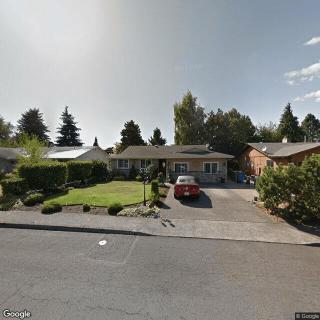
Young at Heart AFH
$2,035 to $3,995 / month4.9 miles away -
About the same
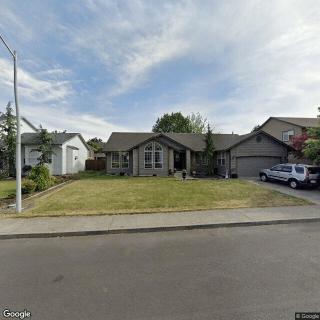
Home Is Where the Heart Is
$2,200 / month3.6 miles away -
from +$350 / mo
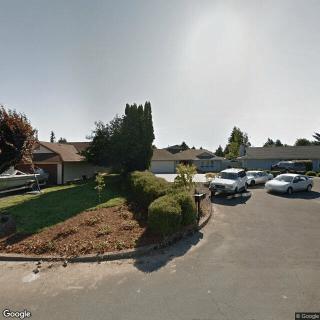
Golden Age Living
$2,500 / month6.4 miles away -
from +$350 / mo
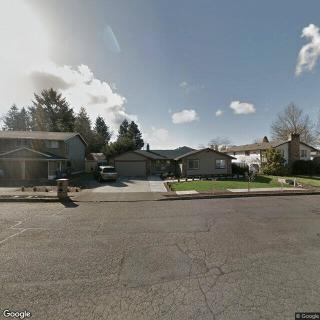
Kelly Creek Adult Care Home
$2,500 / month16.6 miles away
Overall Review of AAA Plus Adult Family Home
Pros
 Dina at Assure Care AFH is amazing to work with.
- She deserves at least 5 stars for her commitment to residents and staff.
- The reviewer highly recommends Dina.
Review
AAA Plus Adult Family Home in Vancouver, WA is best suited for families seeking a small, home-like setting with highly personalized, dependable care. The standout value here is not a glossy campus or a flood of amenities, but a caregiver-led environment where residents interact closely with a single, trusted leadership voice. It fits seniors who thrive on consistency, routine, and meaningful one-on-one attention, and who prefer intimate pacing over the bustle of a larger community. For families who want to build a strong, personal connection with the person delivering day-to-day care, this AFH model can deliver outcomes that feel more predictable and warmer than many larger settings.
That said, alternatives deserve consideration for specific needs. If memory care demands are acute, if a resident requires extensive on-site medical oversight, or if a broad menu of structured activities and social programs is a priority, a larger assisted living or specialized memory care option may be a better fit. Those who want apartment-style independence, on-site rehabilitation suites, or campuses with multiple levels of care and a wider array of on-site services should compare broader communities. In short, the right match hinges on the balance between intimate, caregiver-focused attention and the scope of services each resident will require.
The core strength here is clear leadership and commitment. Dina is described as remarkable, with a deep, obvious dedication to both residents and staff. That kind of leadership translates to highly reliable daily care, transparent communication with families, and a culture where caregivers feel supported and accountable. In a small home setting, that translates into fewer gaps in attention, faster response times, and a sense of continuity that families intuitively value. The praise around Dina suggests that the staff environment is stable enough to deliver consistent experiences for residents.
These advantages offset typical trade-offs associated with smaller AFH operations. When care is concentrated in a tight, well-led team, the risk of miscommunication or delayed responses can be dramatically reduced, even if the overall service menu is simpler. The strong emphasis on resident-and-staff relationships means caregivers are more likely to know each resident’s routines, preferences, and evolving needs, which can result in higher satisfaction and fewer disruptive transitions. In this way, the personal touch acts as a compensating force for any limitations inherent to a single-family home setting.
Nonetheless, it is important to acknowledge the data limitations. The community’s rating rests on a single positive review, which means the breadth of experience and variability over time remains untested. Prospective families should approach with careful due diligence: schedule a visit, observe caregiver interactions, and ask about staff-to-resident ratios, emergency protocols, and how care plans are developed and updated. Inquiries into licensing, incident history, and how respite or short-term stays are managed will further clarify how this AFH performs under pressure.
For decision-makers, the conclusion is practical and actionable. If a warm, tightly run home environment with a standout caregiver leadership team aligns with the resident’s needs and family expectations, this AFH presents a compelling option. If instead the resident requires broad-based programming, extensive medical staffing, or a campus atmosphere with multiple care tiers, alternatives should be pursued. The key next steps are deliberate: arrange a tour, meet Dina in person, review the care plan process, and verify staffing patterns and licensing parameters. The goal is a match where the strength of leadership and intimate setting translate into reliable, compassionate care day after day.
 Board and Care Home
 Memory Care
 Activities off-site
 Devotional services off-site
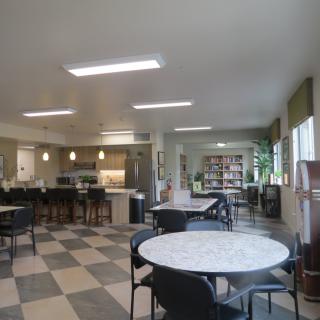
 Indoor common areas
 Outdoor common areas
 Private
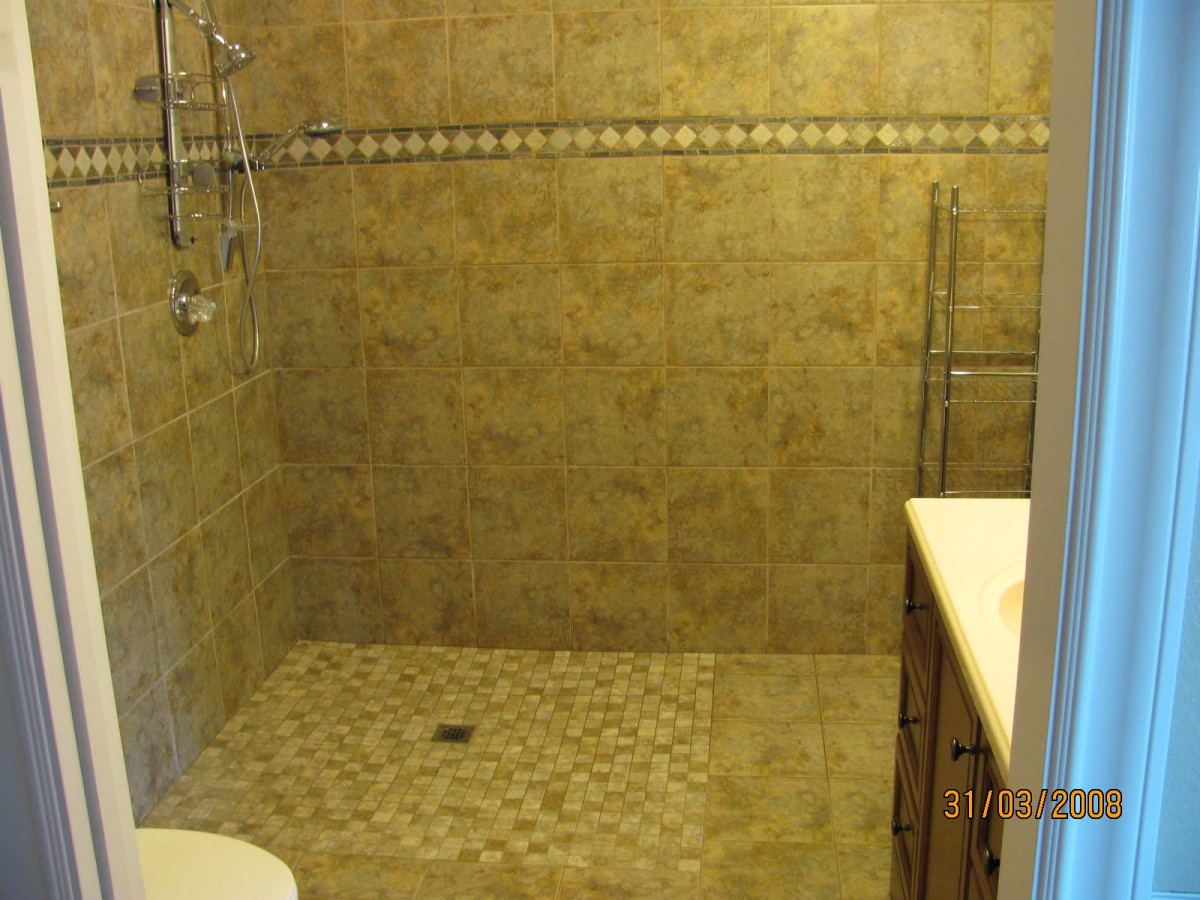
 Wheelchair accessible showers
 Portland International (7 miles away)
 Diabetic care
 High acuity care
 Incontinence care
 Medication management
 Kosher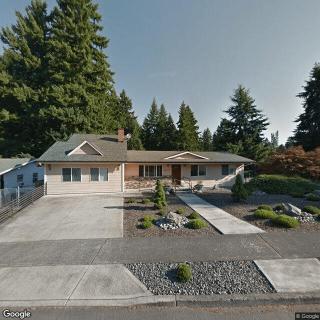



 Memory Care Pathways: A Holistic Guide to Dementia Support
 Comprehending Evening Confusion in Dementia: Causes, Manifestations, and Support
 Delirium and Dementia: Unraveling the Key Differences