
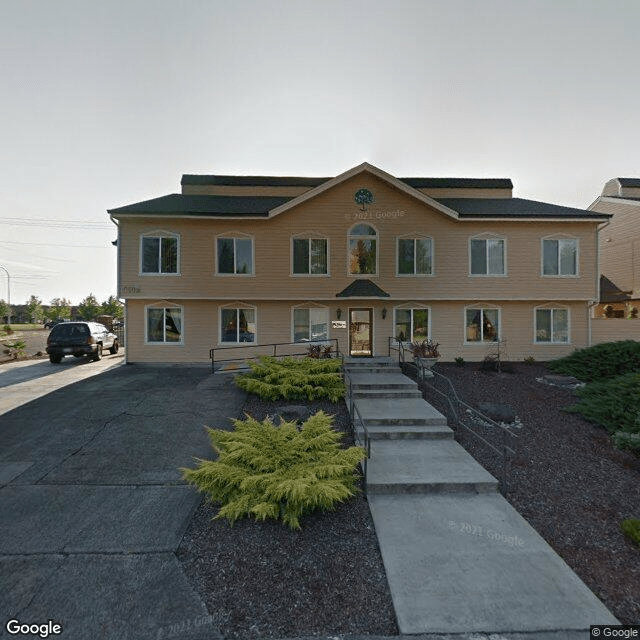
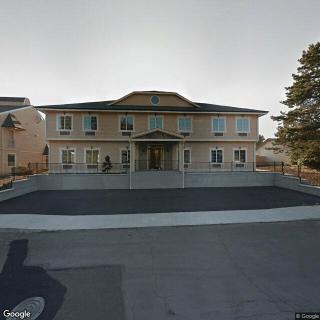
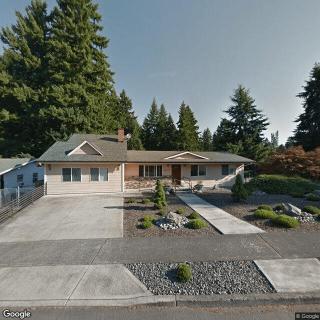
9505 NE 116th Ave, Vancouver, WA 98662
To contact a resident: (360) 253-9434
For more information about senior living options: (866) 208-4318
Orchards Highland Costs & Pricing
At Orchards Highland, residents can expect to pay $3,000 per month for a private room, which positions it as a cost-effective option compared to the average costs in both Clark County and the broader state of Washington. In Clark County, the average monthly rate for a comparable private room reaches $3,992, while statewide figures climb even higher to around $4,772. This pricing structure suggests that Orchards Highland not only offers quality accommodations but also represents significant savings for those seeking assisted living options in this region. Overall, it reflects a commitment to providing accessible care without compromising on comfort or service.
| Floor plans | Orchards Highland | Clark County | Washington |
|---|---|---|---|
| Private | $3,000 | $3,992 | $4,774 |
Senior living communities with a similar price nearby
-
About the same
A Piece of Heaven
$3,000 / month18.5 miles away -
from -$500 / mo
Mapleview Manor, LLC
$2,500 / month18.6 miles away -
About the same
Yamhill Senior Care Home
$3,000 / month12.4 miles away -
About the same
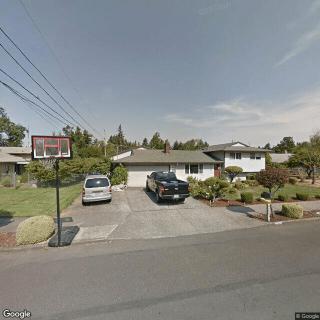
Peaceful Lighthouse Adult Care Home
$3,000 / month11.9 miles away -
from +$500 / mo
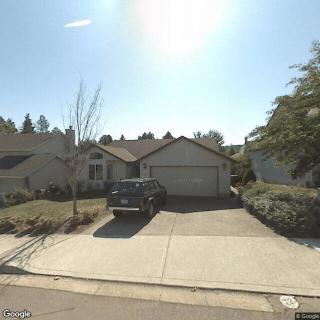
Fulga's ACH
$3,500 / month21.1 miles away
Overall Review of Orchards Highland
Pros
 It is a very special place.
- The program helps residents prepare for a brighter future with compassion, an on-site professional counselor, a wonderful nursing staff, and CNAs who assist with daily living and guide independence.
- The ultimate goal is for residents to feel confident and safe.
- The chef makes good food.
- The CEOs demonstrate considerable compassion and actively help each resident.
- It is a very caring place.
Review
Orchards Highland in Vancouver, WA is best suited for seniors who want a structured, supportive pathway that keeps independence at the center while delivering robust, on-site guidance. The program is built around practical, real-world preparation: a skilled nursing staff and CNAs to support daily living, a professional counselor on site to help navigate transitions, and a clear emphasis on building confidence and safety as residents move toward greater self-reliance. The leadership, including the CEOs, is described as deeply compassionate and actively involved in residents’ welfare, which translates into a warm, attentive environment. In short, this community serves people who value steady encouragement, personalized attention, and a gradual, safety-first approach to independence.
Those who should consider alternatives are guided by different priorities or constraints. If medical acuity requires around-the-clock, high-intensity supervision that exceeds what a care-focused assisted living can provide, evaluating facilities with more comprehensive clinical capabilities is prudent. Likewise, families pursuing a live-in atmosphere with abundant luxury amenities, expansive activity calendars, or very low resident-staff ratios may find other communities more aligned with those expectations. Finally, if cost sensitivity is paramount, or if a shorter-term rehab-oriented stay is anticipated, a few other options may offer a more fitting financial or programmatic fit.
The strongest selling points are clear and meaningful. An on-site professional counselor guarantees ongoing emotional support and guided planning, paired with a nursing staff and CNAs who are available to assist with activities of daily living while gradually promoting independence. The care model centers on safety, confidence, and real-world readiness, so residents are not simply accommodated, they are coached to navigate common life tasks with competence. The leadership’s demonstrated compassion permeates daily interactions, reinforcing trust and continuity of care. Food quality also earns positive mention, with the kitchen delivering meals that residents appreciate, which reinforces overall satisfaction with daily routines.
These strengths offset plausible downsides by anchoring care in relationships and visible progress. A potential tension in any program that prioritizes preparing residents for “the real world” is the risk of a pace or structure that feels overly prescriptive to some. Orchards Highland appears to counter that risk with personalized attention, patient guidance, and a clear emphasis on making daily life manageable and meaningful rather than merely routine. The combination of professional support, empathetic leadership, and a focus on safety creates a compelling balance: residents gain independence within a framework that mitigates risk, rather than trading one form of dependency for another.
A lone negative voice among the reviews reminds that no community is perfect, and fit matters. A 1-star rating signals that certain expectations or experiences do not align for every resident or family. That caveat underscores the necessity of a hands-on evaluation: tour the community, observe staff interactions, and verify that the pace of independence, the level of medical support, and the meal and activity programs match individual needs. Prospective families should also probe how the counseling process is integrated with daily routines and how transitions are tailored to different starting points in independence.
In practical terms, Orchards Highland stands out for families seeking a practical, care-forward pathway to independence. It is a strong option for residents who want compassionate, accessible medical support on site, guidance from a professional counselor, quality meals, and attentive leadership. The decision comes down to alignment with personal goals and expectations: if the aim is to grow autonomy in a nurturing, safety-conscious setting, this community merits serious consideration. For those who require more intensive medical supervision, a more luxury-oriented environment, or a tighter budget constraint, alternatives should be explored with equal seriousness, ideally after firsthand visits that verify daily rhythms, staff dynamics, and the authenticity of the cited strengths.
 Board and Care Home
 Activities off-site
 Beautician on-site
 Devotional services off-site
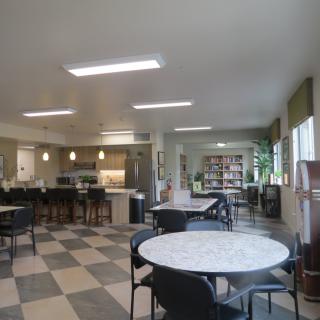
 Indoor common areas
 Outdoor common areas
 Private
 Private bathrooms
 Respite or short term stays offered
 Wheelchair accessible showers
 Portland International (7 miles away)
 Diabetic care
 High acuity care
 Incontinence care
 Medication management
 Kosher

 A Closer Look at Private Pay Home Care
 Comprehensive Approaches for Arthritis: A Detailed Guide to Symptoms, Causes, and Care
 Comprehensive Insights and Practical Strategies to Help Older Adults Avoid Falls