
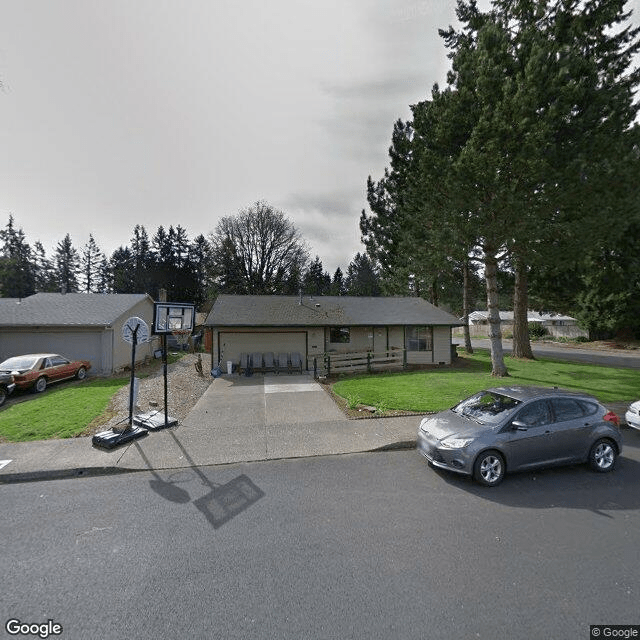
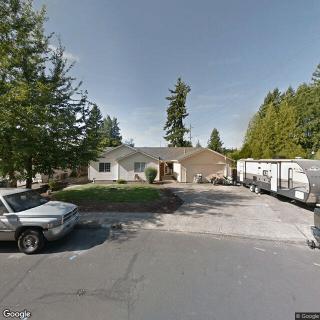
4022 NE Laura St, Hillsboro, OR 97124
To contact a resident: (503) 615-5709
For more information about senior living options: (866) 208-4318
Camella Care AFH Costs & Pricing
At Camella Care AFH, the monthly cost for a private room is set at $2,800, which positions it as a more affordable option compared to the wider market averages in Washington County and across Oregon. In Washington County, the average cost for a similar private room reaches approximately $3,261, while the state-wide figure is even higher at about $3,424. This pricing reflects a strategic approach by Camella Care AFH to provide quality care without straining financial resources, making it an attractive choice for families seeking personalized support in a comfortable environment. The competitive pricing underscores Camella Care's commitment to delivering excellent care while emphasizing value in comparison to local and state standards.
| Floor plans | Camella Care AFH | Washington County | Oregon |
|---|---|---|---|
| Private | $2,800 | $3,261 | $3,424 |
Senior living communities with a similar price nearby
-
from +$200 / mo
A Piece of Heaven
$3,000 / month17.8 miles away -
from -$300 / mo
Mapleview Manor, LLC
$2,500 / month18.4 miles away -
from +$200 / mo
Yamhill Senior Care Home
$3,000 / month21.2 miles away -
from +$200 / mo
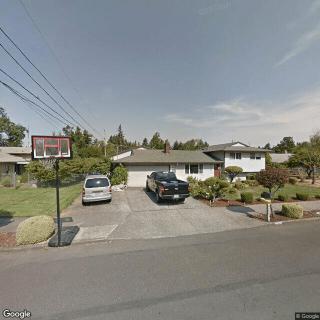
Peaceful Lighthouse Adult Care Home
$3,000 / month23.3 miles away -
from -$300 / mo
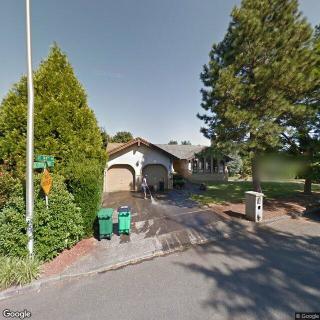
A Gentle Care Home
$2,500 / month21.1 miles away
Overall Review of Camella Care AFH
Pros
 Dolce Vita is a safe and caring haven for residents and their families.
- Saba and Yemane are wonderful, loving, and compassionate caregivers evident in their daily care.
- They are conscientious about residents’ specific needs while preserving their dignity.
- The facility is exceptionally clean and safe, with residents consistently well looked after.
- They offer personalized meal options and prepare fresh meals each day.
- They actively communicate concerns and needs, giving families peace of mind.
- Residents are treated like family, and families feel confident their loved ones are in good hands.
- They go above and beyond, facilitating connections, outings, and attentive 24/7 care.
Review
This Hillsboro AFH is best suited for seniors who want a true home-like living arrangement with intimate, hands-on support. The core of this community is a small, family-driven approach where safety, dignity, and personal attention are the operating principles. Families seeking a setting where daily routines feel familiar, meals are prepared to individual preferences, and care partners communicate openly will find a natural fit here. The neighborhood, with easy access to transit and a quiet residential feel, reinforces the sense of a manageable, comfortable home rather than a clinical facility.
Those with more intensive medical needs or a desire for a large, campus-style community should consider alternatives. An environment with on-site skilled nursing, a formal memory-care unit, or a wide array of structured group programs may be a better match for residents requiring constant medical monitoring or highly specialized therapies. In short, if 24/7 nursing coverage or highly regimented, program-heavy days are essential, this option may not meet every requirement.
The standout positives center on safety, cleanliness, and a familial care philosophy. Reviewers repeatedly describe a spotless home that prioritizes resident safety and meticulous upkeep. Caregivers, led by Saba and Yemane, demonstrate years of experience and a conscientious approach to each resident’s needs, aiming to preserve dignity even as abilities change. The daily routine is tailored, not standardized, with residents offered food choices and meals prepared fresh, an important factor for those who value autonomy and consistent, home-cooked nourishment. This combination of scrupulous hygiene, reliable oversight, and personalized meals creates a reliable baseline of comfort for families.
Another core strength is the strength of family-like bonds and transparent communication. Families note that residents are treated like members of a caring circle, with staff going out of their way to keep relatives informed and involved. The ability to maintain connections, via FaceTime with distant family or caregivers coordinating medical appointments and care plans, gives families confidence that their loved one is integrated into a continuous support system. The small-scale setting also enables flexible outings and social moments, helping residents feel engaged without the overwhelm sometimes found in larger communities.
These advantages offset potential trade-offs associated with a home-based model. The intimate setting means highly personalized attention and rapid responsiveness, which many families value far more than the broader amenities found in larger facilities. Nevertheless, the trade-off is worth noting: the lack of a large staff, on-site clinicians, or expansive activity calendars can limit access to diverse therapies or immediate advanced medical interventions. For dementia care, the reviews indicate sensitive handling, but families should confirm the availability of specialized resources (behavioral strategies, memory-care programming, and timely access to outside professionals) if needs become more complex.
In sum, this Hillsboro home stands out for families prioritizing a warm, respectful, and highly communicative care partnership. It excels when a loved one benefits from one-on-one attention, predictable routines, and the security of a tight-knit caregiving team that treats residents like family. The strongest fit is for seniors who can thrive with daily living assistance in a small, home setting and who do not require continuous high-level medical or memory-care services. For those needing extensive medical oversight, specifically structured memory-care environments, or campus-style amenities, exploration of alternatives is warranted. When the goal is a peaceful, dignified season of life with trusted hands guiding the daily moments, this Hillsboro AFH delivers with clear, practical advantage.
 Board and Care Home
 Private
 Portland International (17 miles away)
 Diabetic care
 High acuity care
 Seniors and Modern Transportation: Exploring Uber, Lyft, and Other Ride-Hailing Options
 Comprehensive Guide to Qualifying for Home Health Care Services
 Powerful Realities of Elder Abuse and the Most Effective Ways to Report It