
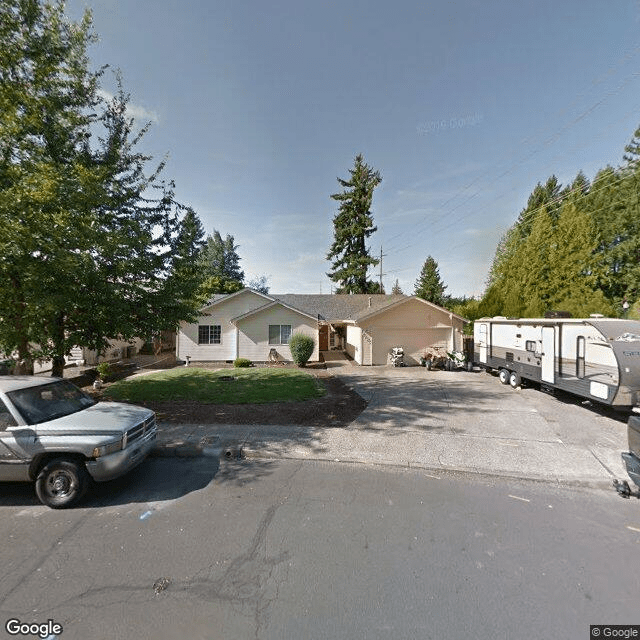
4285 NE Laura St, Hillsboro, OR 97125
To contact a resident: (503) 844-4106
For more information about senior living options: (866) 208-4318
Overall Review of Ripley House Adult Foster Home
Pros
 Dolce Vita is described as a safe and caring haven for residents and their families.
- Saba and Yemane are loving, compassionate leaders whose care shows every day.
- The home is exceptionally clean and safe, with residents consistently well looked after.
- The staff tailor care to each resident’s needs while helping preserve dignity.
- They coordinate medical appointments and communicate concerns promptly to families.
- Meals are freshly prepared daily, with residents’ food preferences honored.
- Residents are treated like family, with kindness, respect, and warmth.
- Families gain peace of mind knowing their loved ones are in good hands, even from afar.
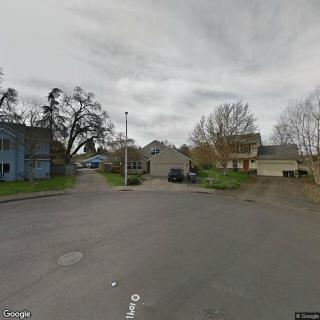
- The home’s location is in a nice, accessible neighborhood with convenient transit options.
- The team arranges FaceTime connections with out-of-town friends and supports outings when visiting.
Review
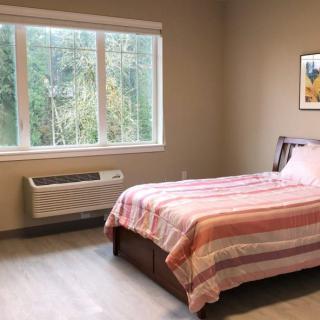
Ripley House Adult Foster Home in Hillsboro is best suited for seniors who flourish in a warm, intimate, home-like setting where caregiving is consistent and highly personalized. This model works well for residents who need steady supervision, safety, and daily attention, yet who do not require the clinical atmosphere of a large facility. It appeals to families that value dignity, clean surroundings, and meals cooked to individual preferences, with staff who actively partner in care planning. For residents with memory challenges or dementia, a small, close-knit staff team that communicates openly can deliver stability, routine, and meaningful connections, helping families feel assured that a beloved relative is treated as a person, not just a patient.
Alternatives matter for certain profiles. Those needing heavy medical oversight, 24/7 nursing, or a rigid, structured program with extensive on-site therapies may do better in a larger assisted living or dedicated memory-care community. Residents who require frequent, specialized interventions or enjoy a busier social calendar with formal activities might find a small foster home limits, despite the warmth. Family members who are geographically distant will want assurance about transparent, regular updates, but if this setting cannot accommodate high-acuity needs or rapid escalation of care, a different option with more formal clinical backing is prudent.
From a practical standpoint, the strongest advantages are continuous, compassionate attention, an unwavering focus on safety and cleanliness, and an atmosphere that treats residents like family. The home-cooked meals and the ability to tailor menus to preferences stand out, along with proactive communication about any concerns or changes in condition. The intimate staffing model enables rapid problem-solving and highly individualized care plans, including coordinating medical appointments and consulting with families. Cleanliness and organization translate into lower risk of infections and confusion, which is especially valuable for residents with cognitive decline. The flip side is that a private, small setting may have fewer on-site specialists and less redundancy in staffing, which can matter during peak needs.
Residents and families repeatedly describe open lines of communication and practical support for staying connected, FaceTime with distant relatives, assistance with outings, and easy access to staff who know each resident’s history and preferences. The physical setting often sits in a pleasant neighborhood, with convenient access to transportation, which supports independence for residents who still want to participate in local activities or visit in person. The caregiving team’s approach, kindness, respect, and a focus on dignity, helps residents maintain quality of life even as needs evolve. When trust is built, families are reassured by timely updates, coordinated appointments, and a coherent plan that adapts to the resident’s changing condition.
For families evaluating Ripley House, use a practical decision checklist. Ask about caregiver-to-resident ratios and shift patterns to gauge coverage; review staff experience with dementia and behavioral management; confirm the process for creating and updating individualized care plans; verify meal planning flexibility and dietary accommodations; assess medical coordination capabilities, including appointment scheduling and transport; probe visitation policies, communication cadence, and how emergencies are handled. Observe cleanliness and safety features during a visit, and speak with current families about responsiveness and reliability. If the priority is a home-like, intimate setting with strong family partnership, this model delivers; if the resident requires heavy clinical support or expansive programming, seek alternatives.
In sum, Ripley House stands out for families seeking an intimate, high-touch environment where dignity, cleanliness, and personal connection are the core. It is particularly well-suited for seniors who benefit from stable routines, daily attentiveness, and genuine human warmth, including those living with dementia who still respond to a homelike rhythm and friendly supervision. Those pursuing a facility with extensive medical resources or robust, scheduled programming may want to compare against larger communities. The recommended path is to schedule in-person visits, observe interactions between staff and residents, ask for references, and verify that the resident’s medical needs align with the home’s capabilities. When matched with the right resident, this setting can provide peace of mind and a trusted caregiving partnership.
 Board and Care Home
 Portland International (17 miles away)

 Financing Long-Term Nursing Home Care Through Social Security: A Thorough Exploration
 Essential Knowledge on Pneumonia in Older Adults
 Exploring Palliative Care in the Home: A Comprehensive Overview