Marquis Mt. Tabor

Save

  • Interior

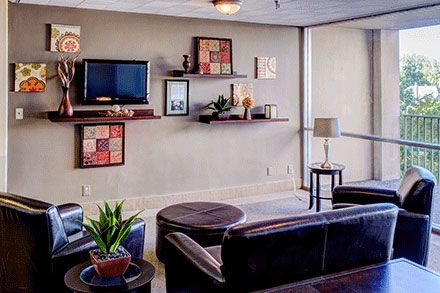
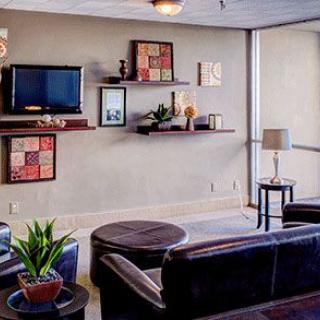
    A modern living room with stylish furniture, wall-mounted shelves, and a flat-screen TV.
  • Outdoors

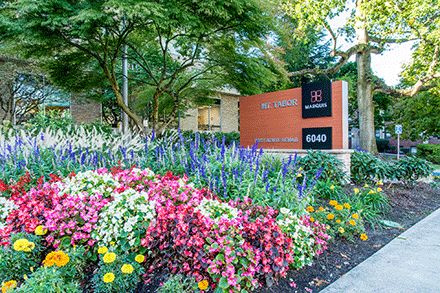
    A vibrant garden with various flowers in front of a modern building.
  • Decor

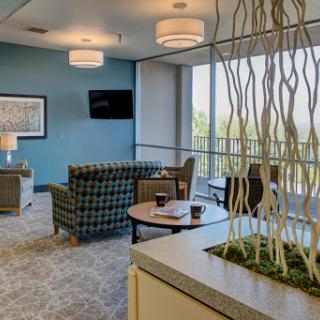
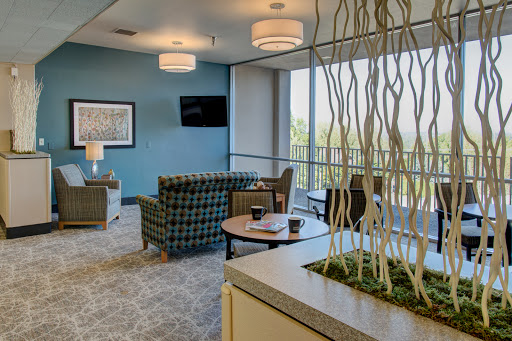
    A modern lounge area designed for comfort and relaxation, featuring blue walls and stylish furniture.
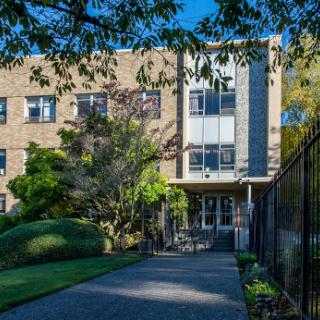
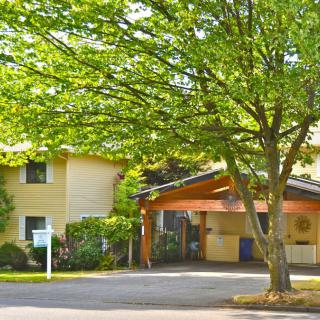
  • Building

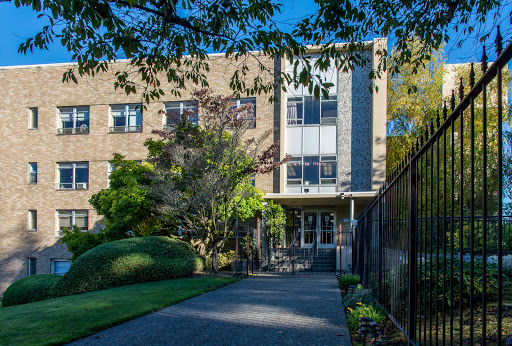
    A modern architectural building surrounded by lush greenery and a well-maintained pathway.
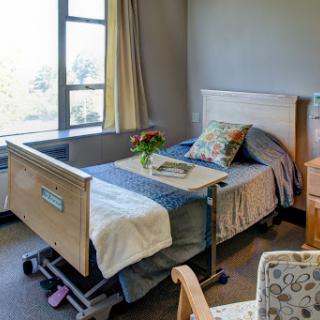
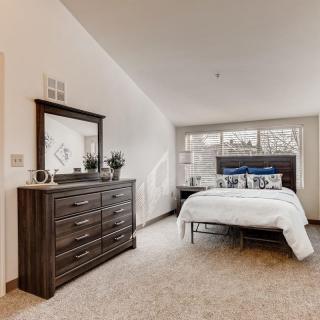
  • Bedroom

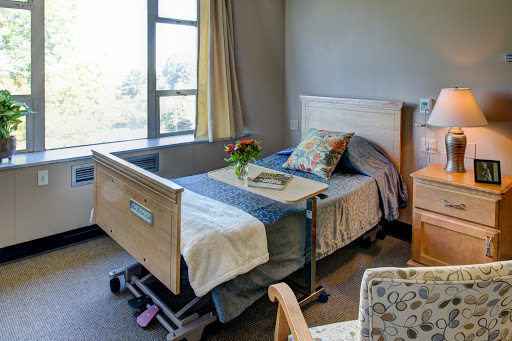
    A serene hospital room featuring a neatly made bed, a window with natural light, and a small vase of flowers.
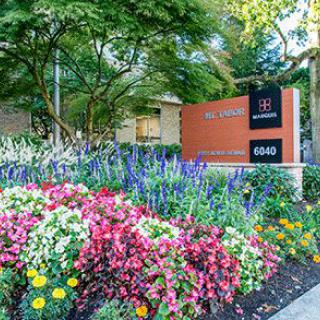
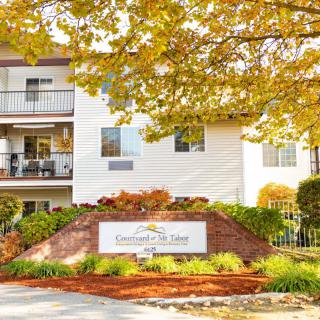
  • Trees

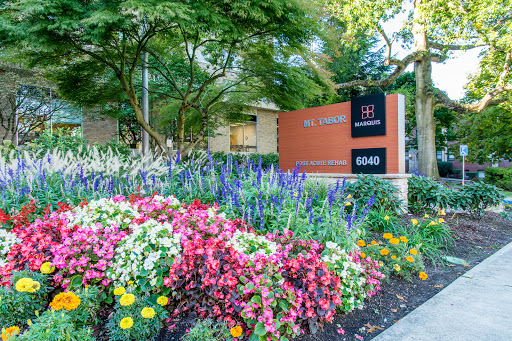
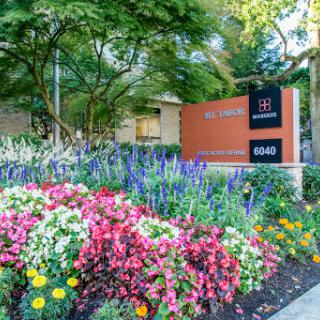
    A vibrant garden with colorful flowers surrounds a sign amidst lush greenery.
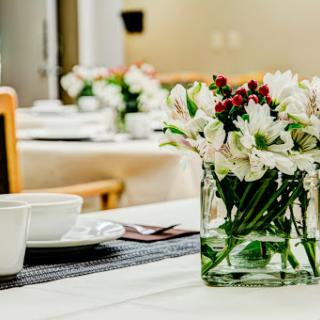
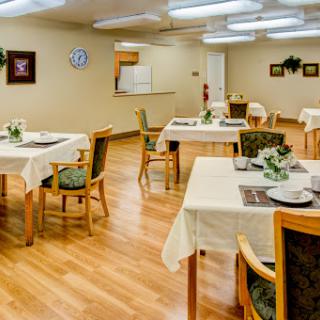
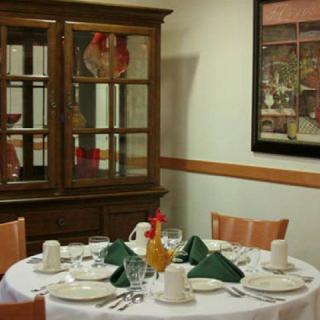
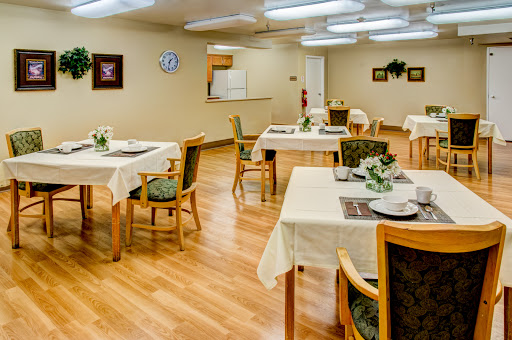
  • Dining

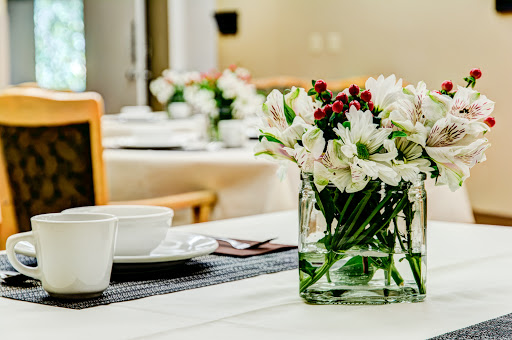
    A beautifully arranged table featuring a floral centerpiece and coffee cups, perfect for a cozy dining experience.
  • Landscaping

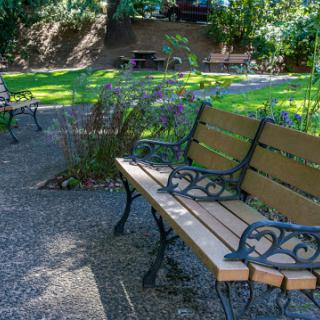
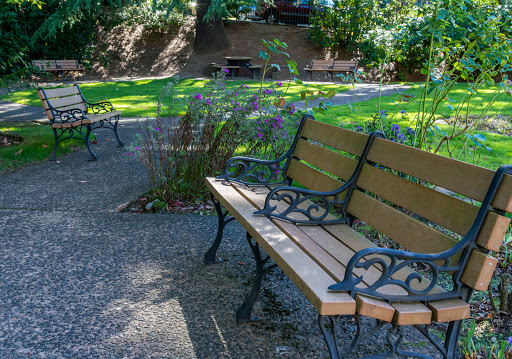
    A tranquil park scene featuring wooden benches surrounded by lush greenery.
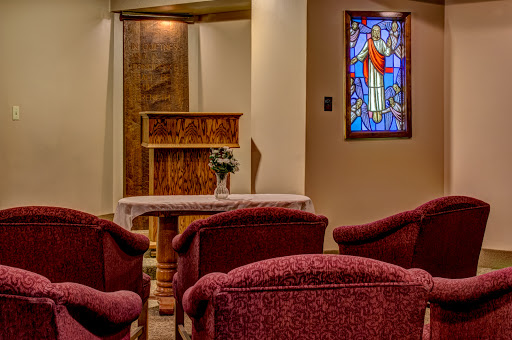
  • Seating Area

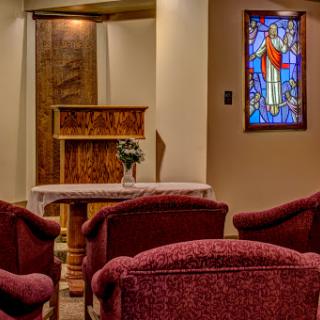
    A serene interior view of a church featuring comfortable seating and a beautiful stained glass window.
  • Outdoor

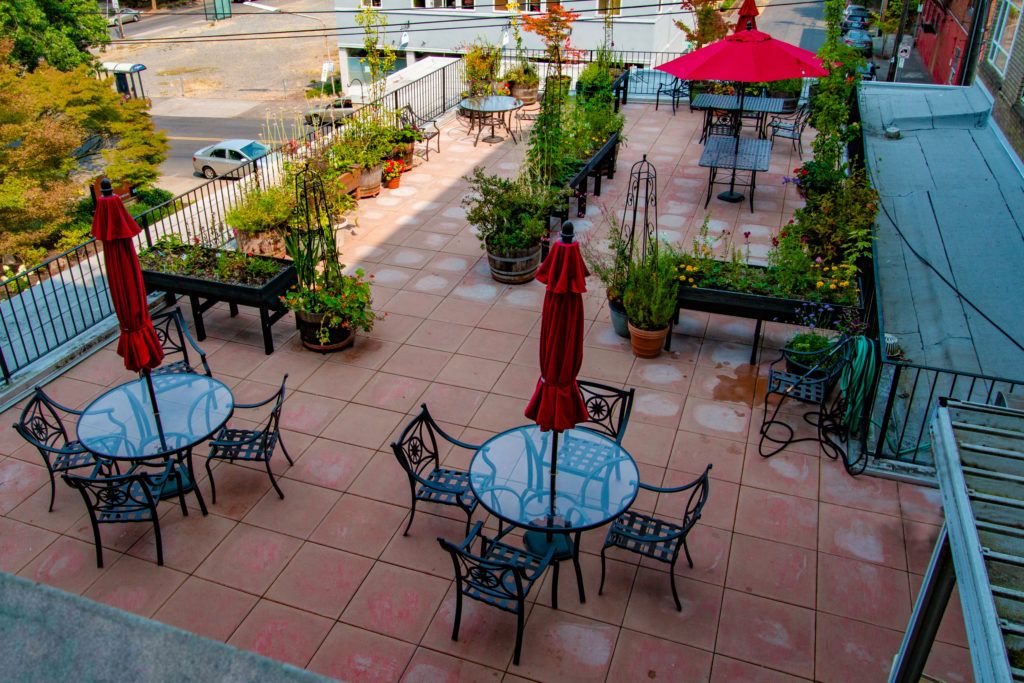
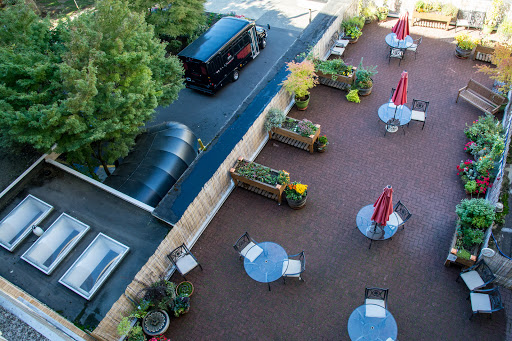
    Aerial view of a cozy outdoor patio area with tables and plants, featuring a vehicle parked nearby.
  • Patio

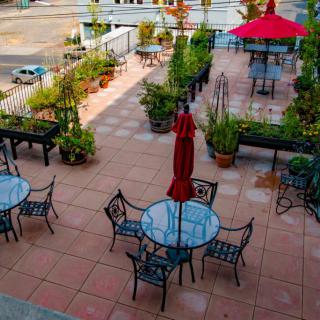
    A vibrant patio with multiple tables, chairs, and umbrellas surrounded by lush greenery.
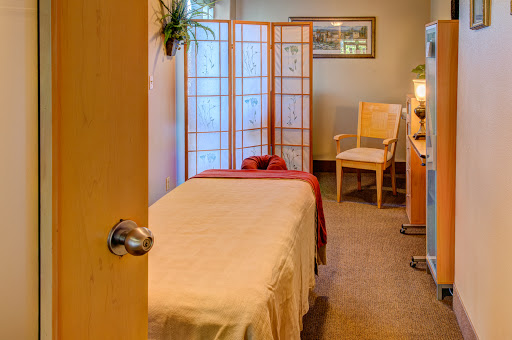
  • Spa

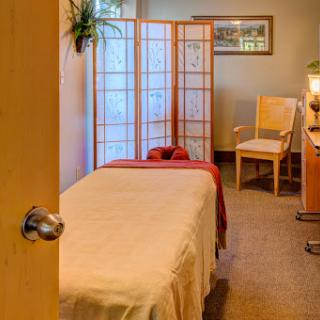
    A serene massage room designed for relaxation and wellness, featuring a massage table and calming decor.

Marquis Mt. Tabor

6040 South East Belmont Street, Portland, OR 97215

For more information about senior living options: (844) 490-3973

3.1 from 37 reviews
5 stars
15
4 stars
5
3 stars
1
2 stars
2
1 stars
14

Assisted Living

What level of care are you interested in?

Assisted Living

Memory Care

Independent Living

Skilled Nursing Facility

Continuing Care Retirement Community (CCRC)CCRC

Other


Request a tour at Marquis Mt. Tabor

    Overall Review of Marquis Mt. Tabor

    Pros

    • pro Marquis Mt. Tabor's physical therapy department was described as first-rate.
    • pro The 5th-floor staff were wonderful, showing kindness, patience, and knowledge.
    • pro The med techs, CNAs, nurses, nurse practitioner, and social worker were praised as amazing and supportive.
    • pro The facility was clean with friendly, accommodating staff, and was highly recommended.
    • pro The 5th-floor team was caring and attentive, especially in end-of-life care.
    • pro A patient recovering from surgery found all staff to be nice and helpful, with great physical therapy and well-prepared meals.

    Cons

    • pro Marquis Mt. Tabor staff did not address the infection promptly and allowed it to worsen before treatment.
    • pro Marquis Mt. Tabor ran out of oral antibiotics for a full day, leaving the patient without medication.
    • pro The facility did not inform the surgeon promptly about the infection.
    • pro The MRSA infection was introduced to the surgical site while under Marquis Mt. Tabor's care.
    • pro The facility has a toxic work culture and shows blatant disregard for patients' lives.
    • pro The staff at Marquis Mt. Tabor were rude and lazy.
    • pro The call lights at Marquis Mt. Tabor were consistently unanswered, sometimes for an hour or more.
    • pro The patient fell and fractured her pelvis and femur after being left to navigate to the bathroom unassisted.
    • pro A stage 4 bedsore was left untreated at Marquis Mt. Tabor.

    Review

    Marquis Mt. Tabor has drawn a remarkably wide spectrum of experiences from those who entrusted loved ones to its care and from patients themselves. On one deeply painful front, a lifelong friend's rehabilitation after a July 2024 partial hip replacement began with promise - an ostensibly clean, well-healed surgical incision. Yet what followed was described as a troubling descent into infection and medical missteps: redness, pain, and swelling at the surgical site, repeatedly reported to staff and physicians who allegedly did nothing proactive until the infection became a weeping wound. The MRSA that was said to have invaded the site reportedly emerged while she was under Marquis Mt. Tabor's care. Her caregivers are said to have initially administered only a week of oral antibiotics without first testing the infection to determine the bacteria involved, a choice that allegedly delayed appropriate treatment and communication with her surgeon. When the hospital team finally escalated to intravenous antibiotics, the regimen stretched to about seven weeks to combat the MRSA, with every indication that a diabetic patient should have been treated more aggressively from the outset.

    What followed was described in stark, distressing detail. A daily routine that should have centered on prompt infection control and responsive care allegedly devolved into lapses that manifested in multiple, compounding harms. A towel found on a wheelchair-turned linen supply allegedly bore blood and infection fluid, a visceral image that underscored broader concerns about cleanliness and protocol. The patient reportedly endured periods of incontinence with inadequate assistance, leaving the floor to be covered in dried diarrhea in at least one instance. The call light - a basic lifeline for a patient at high risk of falls and unattended needs - was reported as frequently unanswered, sometimes for an hour or more. In one devastating episode, after repeatedly lacking timely help, the patient rose unassisted to the bathroom, fell, and fractured her pelvis and femur. That fall - along with a night when she was left in a dark room without water and with a full urinary bag - was followed by a stage 4 bedsore described as untreated and undressed for an extended period. The sequence, allegedly, culminated in a life-altering trajectory: a serious infection, extended hospitalization, and loss of mobility, with the fear that sepsis could have loomed if conditions hadn't shifted.

    Alongside these concrete episodes, the narrative speaks of a broader, systemic problem: a toxic work culture and a health-care team that allegedly failed to prioritize infection control and patient safety. The reviewer claimed an atmosphere where staff and leadership routinely disregarded lives as a matter of routine, with explicit references to a manager named Lisa and a culture of fear or inaction around investigation and accountability. Allegations extended beyond medical decisions to routine operational practices - claims that an infectious-disease protocol was ignored and that basic hygiene, sanitation, and professional courtesy were compromised. There were even remarks about environmental practices, such as lint disposal on sidewalks that allegedly polluted the neighborhood, painting a picture of ongoing neglect outside the patient room that contributed to the overall sense of dysfunction. One extended note even described a relationship with insurance and the facility as an "insurance scam," signaling a perception that financial incentives were interfering with patient welfare.

    The stories of Marquis Mt. Tabor are not all negative, however. A number of reviews offer glowing, unambiguous praise for specific units and staff, suggesting a much different reality for some patients. A reviewer currently undergoing rehab after a car accident described the experience as "kind and compassionate," with every member of the care team - including aides, nurses, a nurse practitioner, a social worker, and others - meeting the moment with warmth and professionalism. They emphasized the sense of family that developed during a longer stay, noting that those relationships and the quality of care left a lasting impression. Another patient who recently had a pacemaker procedure described a similarly positive impression: "All the staff was really nice and helpful," with the physical therapy team pushing the patient to improve, and with comfort food and portions described as just-right. While acknowledging that staffing can be tight - "shortages" that sometimes slow response times - the overall tone was one of satisfaction with the environment's cleanliness, the building's character, and the care delivered.

    Several reviews focused on specific floors or programs within Marquis Mt. Tabor, highlighting particularly strong experiences. One account spoke of the 5th Floor as a truly exceptional space where med techs, CNAs, nurses, a nurse practitioner, a social worker, and others created an atmosphere of care that felt transformative. Phrases such as "over-the-top amazing," "angels," and "you truly change lives for the better" captured a sense of gratitude and admiration for the staff who went above and beyond. Other comments echoed that sentiment with praise for kindness, patience, and knowledge applied across the care team, reinforcing the impression that on at least some units the patient experience was outstanding. One family described their mother's end-of-life care on the 5th Floor as exemplary - "ALL the staff is the best" and "so caring and attentive" - in a facility that was described as well-maintained, clean, and able to accommodate a large circle of family and friends with dignity and sensitivity.

    There are also individual stories that emphasize the complexity of evaluating a care facility. A reviewer who had family members repeatedly returning to Marquis Mt. Tabor because of prior positive experiences contrasted these with more recent concerns, noting that one stay had been bearable and another had been less favorable due to rude staff responses and subpar meal service during a later stay. The dichotomy between consistently high praise in one family's experience and criticism in another's highlights the nuanced realities of long-term care - where differences in unit leadership, staff turnover, and daily operational pressures can dramatically shape the patient and family experience. Some reviewers also spoke to positives in terms of tangible care outcomes, such as improved mobility through rehab, highly effective physical therapy, and a facility that felt clean and well maintained, even if other aspects of care were questioned.

    In sum, the narratives surrounding Marquis Mt. Tabor reveal a facility capable of radiating warmth, professionalism, and healing in some contexts while simultaneously presenting, in other accounts, alarming gaps in safety, sanitation, and responsiveness. The most powerful takeaway is the variability: experiences range from life-changing kindness and excellent clinical care to accounts of neglect, procedural lapses, and environments that felt unsafe. For anyone considering Marquis Mt. Tabor - whether for themselves or a loved one - the messages converge on one theme: inquire deeply about the unit, observe how call bells are responded to, review infection-control practices, and seek out recent, first-hand accounts from multiple families and patients. As these reviews show, the quality of care can ebb and flow with leadership, staffing, and day-to-day operations, making thorough, current due diligence essential.

    Features

    Housing

    • 120 resident community capacity 120 resident community capacity

    Types of Care

    • Assisted Living Assisted LivingAssisted living facilities provide crucial support and care for seniors who may need help with daily tasks such as medication management, bathing, and meal preparation. These communities offer a safe and comfortable environment where seniors can maintain their independence while receiving the assistance they need to thrive in their golden years.

    Amenities

    • Air-conditioning Air-conditioningAir conditioning is important for seniors as they are more vulnerable to heat-related illnesses and may have underlying health conditions that make it difficult for them to regulate their body temperature. It helps to keep them comfortable, safe, and healthy in hot weather.
    • Beauty salon Beauty salonBeauty salons are important for seniors because they provide a space for them to feel pampered, socialize, and maintain their personal grooming and hygiene. Regular visits to a beauty salon can help boost seniors' self-esteem and overall well-being.
    • Cable or satellite TV Cable or satellite TVCable or satellite TV is important for seniors because it provides entertainment, news, and companionship, helping to combat loneliness and boredom. It also offers a wide range of programming options tailored to different interests and preferences.
    • Computer center Computer centerA computer center is essential for seniors as it provides access to technology, communication tools, and resources that can enhance their daily lives. It allows them to stay connected with loved ones, engage in online activities, and learn new skills, ultimately promoting socialization and mental stimulation.
    • Dining room Dining roomDining rooms are important for seniors as they provide a space for socialization, connection, and nutritious meals. They offer opportunities for residents to bond over shared meals, foster a sense of community, and promote healthy eating habits. Dining rooms also ensure that seniors have access to well-balanced meals tailored to their dietary needs and preferences.
    • Fitness room Fitness roomHaving a fitness room in a senior living community is essential for seniors to stay active, maintain their physical health, and improve their overall well-being. Regular exercise can help prevent falls, reduce the risk of chronic diseases, and promote mental sharpness. It also provides social opportunities for residents to connect with others and enjoy a sense of community.
    • Fully furnished Fully furnishedFully furnished senior living communities are important for seniors because they provide convenience, comfort, and a hassle-free moving experience. Seniors can easily settle into their new living space without the stress of having to buy and move furniture. This allows them to focus on enjoying their new home and community.
    • Gaming room Gaming roomGaming rooms are important for seniors as they provide a fun and engaging environment for socializing, cognitive stimulation, and physical activity. Games can improve memory, problem-solving skills, and overall mental well-being while fostering friendships and reducing feelings of isolation.
    • Garden GardenGardens are important for seniors as they provide a peaceful and therapeutic environment for relaxation, physical activity, and socialization. Being in nature has been shown to reduce stress, improve mood, and promote overall well-being. Gardens also offer opportunities for seniors to engage in gardening activities, which can improve mobility, flexibility, and cognitive function. Additionally, gardens create a sense of community and connection with others who share a passion for plants and outdoor spaces.
    • Housekeeping services Housekeeping servicesHousekeeping services are important for seniors because they help maintain a clean and safe living environment, promote independence, and reduce the risk of accidents or illnesses. Additionally, having assistance with household chores can alleviate physical strain and allow seniors to focus on other aspects of their well-being.
    • Kitchenette KitchenetteKitchenettes are important for seniors living in senior living communities because they provide the convenience and independence of being able to prepare simple meals and snacks in the comfort of their own living space. This can help promote a sense of autonomy and well-being for seniors, allowing them to maintain some level of control over their dietary choices and daily routines.
    • Move-in coordination Move-in coordinationMove-in coordination is important for seniors because it helps ease the transition into their new living environment. It ensures that all logistics, such as packing, organizing movers, and setting up utilities are taken care of, allowing seniors to focus on settling in and adjusting to their new home. Having a smooth move-in process can alleviate stress and anxiety, making the transition smoother and more enjoyable for seniors.
    • Outdoor space Outdoor spaceOutdoor spaces are important for seniors as they provide opportunities for physical activity, social interaction, exposure to natural light and fresh air, and a sense of connection to nature. Having access to outdoor spaces can improve overall well-being and quality of life for older adults living in senior communities.
    • Private bathrooms Private bathroomsPrivate bathrooms are important for seniors in senior living communities because they provide independence, dignity, and comfort. Having a private bathroom allows seniors to maintain their personal hygiene routines without the need for assistance, promoting a sense of autonomy and privacy. Additionally, private bathrooms help prevent the spread of infections and provide a safe and clean environment for seniors to navigate safely.
    • Restaurant-style dining Restaurant-style diningRestaurant-style dining is important for seniors because it allows them to enjoy delicious, nutritious meals in a social and upscale setting. This enhances their dining experience, promotes healthy eating habits, and fosters socialization with fellow residents, ultimately contributing to their overall well-being and quality of life.
    • Small library Small librarySmall libraries are important for seniors as they provide access to a variety of reading materials, including books, newspapers, and magazines. This can help stimulate their minds, keep them engaged, and provide a sense of community through book clubs and other social activities. Additionally, reading has been shown to improve cognitive function and overall mental well-being in older adults.
    • Telephone TelephoneTelephones are important for seniors as they provide a lifeline for communication with loved ones, emergency services, and healthcare providers. They offer a sense of security and independence, enabling seniors to stay connected and access assistance when needed.
    • Wellness center Wellness centerWellness centers are important for seniors because they offer a variety of programs and services that promote physical, mental, and emotional well-being. These centers provide opportunities for exercise, socialization, education, and relaxation, helping seniors maintain their overall health and quality of life.
    • Wi-Fi/high-speed internet available Wi-Fi/high-speed internet availableWi-Fi/high-speed internet is important for seniors to stay connected with loved ones, access online resources, and participate in virtual activities to combat feelings of loneliness and isolation. It also allows them to easily manage healthcare needs, access entertainment, and engage in lifelong learning opportunities.

    Transportation

    • Portland International (5 miles away) Portland International (5 miles away)
    • Community operated transportation Community operated transportationCommunity operated transportation is crucial for seniors as it provides them with the means to access essential services, social activities, and medical appointments. It allows seniors to maintain their independence and quality of life by ensuring they can participate in activities outside of their homes. Additionally, community-operated transportation services offer a safe and reliable way for seniors to travel without having to rely on family or friends for assistance.
    • Transportation arrangement Transportation arrangementTransportation arrangements are crucial for seniors as they may face challenges with driving, mobility, or access to public transportation. Having reliable transportation services ensures that seniors can easily attend appointments, social activities, and maintain their independence and quality of life.
    • Transportation arrangement (non-medical) Transportation arrangement (non-medical)Transportation arrangements are essential for seniors as they provide access to essential services, activities, and social interactions outside the home. This service helps maintain independence, mobility, and overall well-being for seniors who may have limited transportation options.
    • Transportation to doctors appointments Transportation to doctors appointmentsTransportation to doctors appointments is crucial for seniors as it ensures they have access to necessary medical care and support, promoting their health and well-being. It allows them to receive timely treatment, monitor existing conditions, and address any new health concerns efficiently. Additionally, transportation services can help seniors maintain their independence and quality of life by enabling them to stay connected with their healthcare providers.

    Care Services

    • 12-16 hour nursing 12-16 hour nursing12-16 hour nursing care is crucial for seniors in order to ensure around-the-clock monitoring, timely medication administration, and prompt response to any health concerns or emergencies. This level of care helps to promote the overall well-being and safety of seniors living in senior living communities.
    • 24-hour call system 24-hour call system24-hour call systems are important for seniors because they provide peace of mind and immediate assistance in case of emergencies. This technology ensures that help is always available, promoting safety and security for elderly individuals living alone or in assisted living facilities.
    • 24-hour supervision 24-hour supervision24-hour supervision is important for seniors to ensure their safety, well-being, and access to immediate assistance in case of emergencies or health issues. This constant support provides peace of mind for both seniors and their loved ones, allowing them to age in place with dignity and security.
    • Activities of daily living assistance Activities of daily living assistanceActivities of daily living assistance are important for seniors because they provide essential support with tasks such as eating, bathing, dressing, and mobility. This assistance helps seniors maintain their independence, dignity, and overall quality of life as they age.
    • Assistance with bathing Assistance with bathingAssistance with bathing is crucial for seniors as it helps maintain personal hygiene, prevents infections, and ensures their overall well-being and comfort. It also provides a sense of dignity and independence for seniors who may struggle with this task on their own.
    • Assistance with dressing Assistance with dressingAssistance with dressing is important for seniors because it helps maintain their independence, promotes personal hygiene, prevents accidents and injuries, and improves overall quality of life. This service ensures that seniors can continue to dress comfortably and confidently, despite any physical limitations they may have.
    • Assistance with transfers Assistance with transfersAssistance with transfers is crucial for seniors as it helps prevent falls and injuries, maintains their independence, and ensures they can safely navigate their living environment. It also provides peace of mind for both seniors and their loved ones.
    • Diabetes diet Diabetes dietA diabetes diet is crucial for seniors as it helps manage blood sugar levels, reduce risks of complications, and improve overall health and well-being. By following a balanced and nutritious diet tailored to their specific needs, seniors can better control their diabetes and enhance their quality of life.
    • Meal preparation and service Meal preparation and serviceMeal preparation and service are crucial for seniors as they may have limited mobility or energy to cook nutritious meals. Having access to healthy and convenient food options can ensure they are getting the proper nutrition needed to maintain their overall health and well-being.
    • Medication management Medication managementMedication management is crucial for seniors to ensure they are taking the right medications at the correct dosages and times. This helps prevent adverse drug interactions, reduces the risk of medication errors, and promotes overall health and well-being. Proactive management also allows for adjustments as needed based on changing health conditions or new prescriptions.
    • Mental wellness program Mental wellness programMental wellness programs are essential for seniors as they promote cognitive stimulation, emotional support, and social engagement. These programs help prevent isolation, depression, and cognitive decline, ultimately enhancing the overall quality of life for older adults.
    • Special dietary restrictions Special dietary restrictionsSpecial dietary restrictions are important for seniors because age-related changes in metabolism and health conditions can make it difficult for their bodies to process certain foods. By following a diet tailored to their specific needs, seniors can maintain their overall health and well-being, manage chronic conditions, and reduce the risk of complications such as malnutrition or food interactions with medications.

    Dining

    • Diabetes diet Diabetes dietA diabetes diet is crucial for seniors as it helps manage blood sugar levels, reduce risks of complications, and improve overall health and well-being. By following a balanced and nutritious diet tailored to their specific needs, seniors can better control their diabetes and enhance their quality of life.
    • Special dietary restrictions Special dietary restrictionsSpecial dietary restrictions are important for seniors because age-related changes in metabolism and health conditions can make it difficult for their bodies to process certain foods. By following a diet tailored to their specific needs, seniors can maintain their overall health and well-being, manage chronic conditions, and reduce the risk of complications such as malnutrition or food interactions with medications.

    Activities

    • Community-sponsored activities Community-sponsored activitiesCommunity-sponsored activities are important for seniors as they provide opportunities for social interaction, mental stimulation, and physical activity. These activities can help improve overall well-being, combat loneliness and isolation, and promote a sense of belonging and purpose among older adults.
    • Concierge services Concierge servicesConcierge services are essential for seniors as they provide assistance with daily tasks and errands, enhance their quality of life by offering convenience and personalized care, and promote a sense of safety and security.
    • Fitness programs Fitness programsFitness programs are crucial for seniors as they help improve strength, flexibility, balance, and overall well-being. Staying active can reduce the risk of chronic diseases, improve mental health, and enhance quality of life in older adults.
    • Planned day trips Planned day tripsPlanned day trips are important for seniors because they offer opportunities for socialization, mental stimulation, and physical activity. They provide a change of scenery and help seniors stay engaged and connected to their community, promoting overall well-being and quality of life.
    • Resident-run activities Resident-run activitiesResident-run activities are important for seniors as they encourage social interaction, creativity, and a sense of autonomy. These activities empower seniors to stay engaged and active in their community while fostering meaningful connections with their peers.
    • Scheduled daily activities Scheduled daily activitiesScheduled daily activities are important for seniors because they provide structure, socialization, mental stimulation, and physical activity. Engaging in regular activities can improve overall well-being and quality of life for seniors living in a community setting.

    Description

    Marquis Mt. Tabor in Portland, OR is a vibrant and welcoming assisted living community that offers a wide range of amenities and care services to cater to the individual needs of its residents. The community provides a comfortable and fully furnished living environment with private bathrooms and cable or satellite TV for maximum convenience and relaxation.

    Residents at Marquis Mt. Tabor can enjoy delicious meals prepared by professional chefs in the elegant dining room, following special dietary restrictions if needed. They have access to various recreational activities such as gaming rooms, small libraries, and concierge services to keep them engaged and entertained throughout the day.

    For those looking to maintain an active lifestyle, the community offers fitness programs, wellness centers, and scheduled daily activities that promote physical and mental well-being. Residents can also participate in planned day trips or even organize their own resident-run activities for socializing with fellow community members.

    Marquis Mt. Tabor understands the importance of personalized care, providing assistance with activities of daily living such as bathing, dressing, and transfers whenever necessary. The 24-hour call system ensures that help is always available if needed.

    The community also assists with medication management and offers diabetes diets for those who require specific dietary restrictions. Transportation arrangements are made for non-medical purposes as well as for doctor's appointments.

    Located in a convenient neighborhood with numerous cafes, parks, pharmacies, restaurants, hospitals, places of worship, theaters nearby; Marquis Mt. Tabor provides easy access to essential services for its residents' everyday needs.

    With its comprehensive amenities, care services, and prime location within Portland, Marquis Mt. Tabor is dedicated to providing a comfortable and fulfilling assisted living experience for seniors seeking a supportive community environment.

    Videos

    Nearby Places of Interest

    Parks

    • Mt. Tabor Park (0 miles)
    • Mt. Tabor Park - Off Leash Area (0.7 miles)
    • Laurelhurst Park (1.1 miles)
    • Normandale Park (1.2 miles)
    • Oregon Park (1.8 miles)
    • Colonel Summers Park (2.3 miles)
    • Lents Park (2.5 miles)

    Restaurants

    • Element Lounge (0.5 miles)
    • Belmont Station (0.8 miles)
    • Bipartisan Cafe (0.9 miles)
    • Roscoe's (1 miles)
    • Super Deluxe (1.4 miles)
    • Thunderbird (1.5 miles)
    • Salt & Straw (1.7 miles)

    Pharmacies

    • Fred Meyer Pharmacy (0.8 miles)
    • Walgreens (1 miles)
    • Fred Meyer Pharmacy (1.1 miles)
    • Walgreens (1.1 miles)
    • Rite Aid (1.3 miles)
    • CVS Pharmacy (2 miles)
    • Fred Meyer Pharmacy (2 miles)

    Cafes

    • Common Grounds Coffee House (0.9 miles)
    • Keeper Coffee Co. (2.1 miles)
    • Starbucks (2.1 miles)
    • Portland Cà Phê (2.5 miles)
    • Dutch Bros Coffee (2.6 miles)
    • Peet's Coffee and Tea (2.7 miles)
    • Coava Coffee Roasters (2.9 miles)

    Physicians

    • Richmond Family Health Center (1.3 miles)
    • Adventist Medical Pavilion (2 miles)
    • The Oregon Clinic (2.1 miles)
    • Family Medical Group, PC (2.3 miles)
    • ZoomCare (2.4 miles)
    • Eye Health Northwest (2.4 miles)
    • Legacy Medical Group (2.7 miles)

    Transportation

    • TriMet Hollywood/NE 42nd Ave Transit Center (1.5 miles)
    • Amtrak (3.8 miles)

    Theaters

    • Hollywood Theatre (1.6 miles)
    • Century 16 Eastport Plaza (2 miles)
    • Regal Pioneer Place (3.7 miles)

    Places of Worship

    • St Rose Catholic Church (1.8 miles)

    Hospitals

    • Adventist Medical Center (2 miles)
    • Randall Children's Hospital (3.9 miles)
    • Legacy Emanuel Childrens Hospital (3.9 miles)
    • Legacy Emanuel Burn Center (3.9 miles)
    • Portland VA Medical Center (4.2 miles)

    Frequently Asked Questions

    Where is Marquis Mt. Tabor?
    What photos are available for Marquis Mt. Tabor in Portland, Oregon?

    Nearby Communities

    Related Resources

    • how to pay for assisted livingFunding and Affording Assisted Living: A Thorough Overview

      Assisted living facilities provide support for older adults needing help with daily activities without extensive medical care, but their costs can be high and vary by location and services offered. Families often seek various funding options and financial strategies to manage these expenses effectively while considering future needs and potential price increases.

    • assisted living insuranceAssisted Living Expenses and Long-Term Care Insurance: A Comprehensive Exploration

      The article discusses assisted living expenses, the importance of long-term care insurance in covering these costs, and various financing options, highlighting the need for careful policy review and early planning to address potential needs. It also clarifies common misconceptions about Medicare and private health insurance limitations regarding long-term care coverage.

    • how to pay for assisted livingSecuring Financial Support for Assisted Living: A Comprehensive Overview
      Assisted living facilities offer crucial support for older adults needing help with daily activities but come with varying and significant costs, which can be financed through personal savings, government assistance programs, long-term care insurance, and home equity options. Professional guidance from experts can aid families in navigating these financial complexities to establish a sustainable budgeting approach for assisted living services.


    Get Pricing Ask A Question Schedule A Tour Contact Senior Advisor