
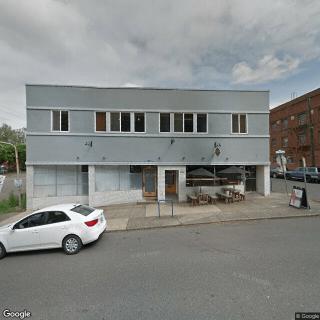
812 South East 48Th Avenue, Portland, OR 97215
For more information about senior living options: (866) 208-4318
Overall Review of Creekside Rehabilitation And Nursing
Pros
 Creekside Rehab and Nursing cares about all of its residents and staff; it’s an awesome place to live or work.
- The staff are friendly and very helpful.
- The facility is amazing.
- The place is very friendly, and the staff are always nice.
Cons
 They were awful; the patient’s mom was poked in the face there, and management yelled at her, implying she couldn't do anything.
- They refused to give the patient’s medication list.
- They stole the patient’s clothes.
- No one answered calls or returned voicemails.
- They allowed visitors without masks, exposing the patient to COVID and delaying proper care, with an immobile bed that was too high.
- The reviewer suffered physical and mental abuse there; management ignored concerns and caused problems requiring outside help.
- They allowed residents to obtain alcohol, leading to intoxication and lack of intervention by staff.
- The facility was constantly understaffed, causing med delays and wrong residents receiving meds, ignoring sexual harassment claims, and retaliating against whistleblowers; room floors were left unmopped for days.
Review
Creekside Rehabilitation And Nursing in Portland is best suited for families pursuing a short- to mid-term rehab path where active oversight by loved ones can compensate for uneven staffing and occasional lapses in routine care. The most tangible upside lies in therapy services and some caregivers who convey genuine concern for residents. Several accounts describe friendly, helpful staff and therapy teams that are capable of moving a patient through rehabilitation goals when present. For families who can visit regularly and advocate consistently, Creekside can function as a workable bridge to stronger health outcomes during a defined recovery window.
Yet serious warnings echo throughout the reviews. A recurrent theme is inaccessible or unresponsive administrative and front-desk communication, calls and voicemails that go unanswered create risk for missed changes in condition or delays in medications. Multiple residents and families allege physical and mental abuse, intimidation by management, and a sense that concerns are dismissed or retaliated against. Financial and insurance questions surface as well, with troubling suggestions about how Medicaid, Medicare, and other payments are handled and what families may be asked to cover beyond covered services. These concerns aren’t isolated anecdotes; they recur across several accounts and point to systemic weaknesses in governance and accountability.
On the positive side, the facility is described as a place where residents and staff can be cared for with warmth, and where therapy staff, when engaged, can deliver meaningful rehab progress. The presence of a generally friendly and helpful staff adds a degree of reliability and a personal touch that ailing residents need during recovery. When therapy teams are consistent and well-supported, they provide structure, routine, and motivation that can offset some days of fatigue or frustration. For families who value a caring bedside presence and who can remain vigilant about daily routines, these elements offer real, if uneven, value during rehabilitation.
The upside notwithstanding, the most consequential downsides appear to undermine safety, dignity, and progress. Chronic understaffing translates into medication delays, with reports of doses arriving hours late or being administered to the wrong residents. Hygiene and housekeeping lapses, floors not mopped for days, erode the basic standards expected in a care setting. The environment has also included troubling anecdotes about unsecured alcohol use among roommates and allegations that staff did not intervene promptly, which raises serious concerns for a patient with cognitive or physical vulnerabilities. When residents experience such gaps, therapy plans stall, motivation wanes, and the potential for further decline becomes real.
Before committing, families should press for clarity on several concrete points. First, obtain a current, detailed staffing profile, specifically, staff-to-resident ratios across day and night shifts, and how often a registered nurse is physically present on each floor. Second, request the facility’s exact medication management protocol, including how doses are tracked, how late doses are handled, and who is responsible for reconciliation. Third, inquire about grievance procedures and protections for whistleblowers, and seek recent third-party inspection or survey results to assess the culture of accountability. Finally, perform multiple in-person visits at different times, conversations with recently discharged residents or families, and a direct look at round-the-clock care, not just a polished tour.
Ultimately, Creekside may be a reasonable choice for short-term rehab when the plan hinges on active family participation, transparent communication, and a patient whose needs are primarily physical rehabilitation with moderate supervision. For long-term placement or for residents with complex medical, safety, behavioral, or cognitive risks, alternatives with stronger staffing stability, stricter safeguarding policies, and more consistent medication management are advisable. The decision should weigh the reassuring signs of capable therapy and compassionate staff against the pervasive, hard-edged concerns about governance, safety practices, and reliability.
In practical terms, the recommendation is clear: use Creekside as a structured, time-bound option only if robust, ongoing oversight is guaranteed and a clear plan exists to address the highlighted process gaps. If the core requirement is predictable care, rigorous safety standards, and unambiguous responsiveness, families should actively compare Creekside with other Portland-area facilities that demonstrate stronger track records on staffing consistency, incident resolution, and everyday cleanliness. The stakes are high enough that a cautious, evidence-based approach, tours, direct conversations with current staff, and a demand for measurable quality metrics, will determine whether Creekside’s potential is realized or whether a different community will deliver steadier progress and peace of mind.
 41 resident community capacity
 Skilled Nursing Facility
 Beauty salon
 Cable or satellite TV
 Dining room
 Fully furnished
 Garden
 Housekeeping services
 Kitchenette
 Move-in coordination
 Outdoor space
 Restaurant-style dining
 Small library
 Telephone
 Wi-Fi/high-speed internet available
 Portland International (5 miles away)
 24-hour call system
 Activities of daily living assistance
 Assistance with bathing
 Assistance with dressing
 Assistance with transfers
 Diabetes diet
 Medication management
 Mental wellness program
 Special dietary restrictions





 Skilled Nursing Facilities vs. Nursing Homes: Making Sense of the Differences
 A Detailed Examination of Nursing Home Costs Across the U.S.
 Exploring Nonmedical Home Care: Understanding Services, Costs, and Financial Approaches