For more information about senior living options: (866) 208-4318
2.9 from 85 reviews
5 stars
29
4 stars
9
3 stars
3
2 stars
13
1 stars
31
Overall Review of Laurelhurst Village
common18 reviews mention this
Staff compassion and attentiveness
Many residents and families describe nurses and CNAs as caring and responsive to daily needs.
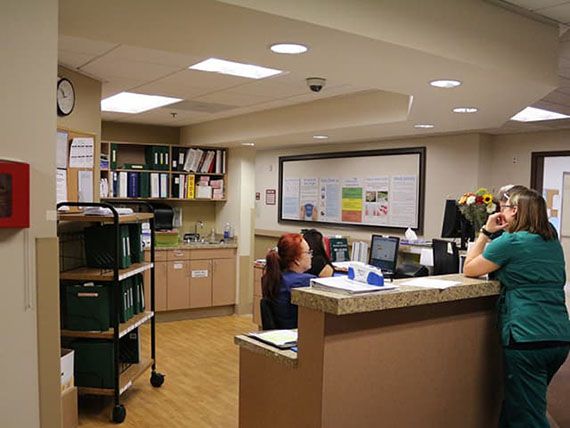
Several reviews say the staff is attentive, warm, and professional, with caregivers actively helping with day-to-day needs. Multiple reviewers highlight specific nurse, CNA, and therapy team members for being kind, explaining what to expect, and staying engaged during recovery. A few reviews also mention that even when staffing felt strained, workers were doing their best to meet needs. Overall, positive staff experiences are a consistent part of what people remember.
common7 reviews mention this
Therapy supports recovery goals
Residents commonly credit physical and occupational therapy with helping them regain mobility and independence.
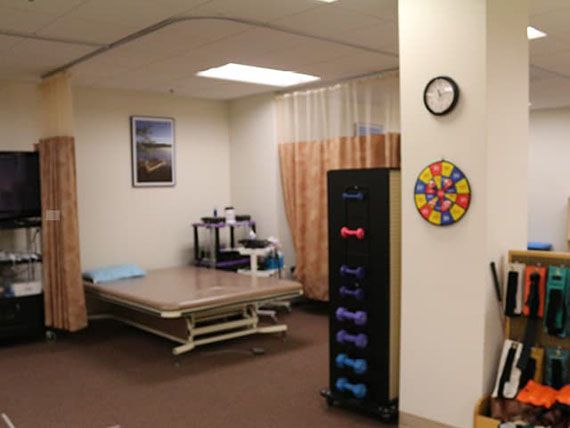
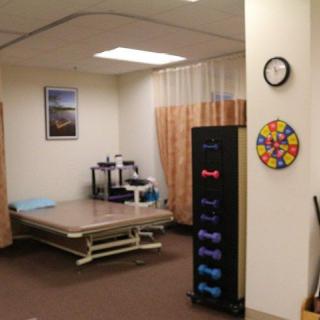
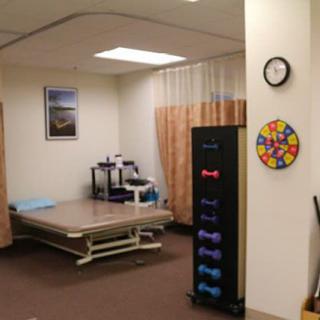
Reviews frequently describe therapy as a key strength, especially physical therapy and occupational therapy during rehab stays. Several people mention making progress toward discharge goals and being more able to function after sessions. Some reviews include a mixed note where therapy quality varies by team or timing, but the overall pattern still points to therapy as helpful. For families focused on rehab after surgery or injury, therapy is a major talking point.
common7 reviews mention this
Clean rooms and common areas
A number of reviews highlight a clean environment with comfortable, well-kept rooms.
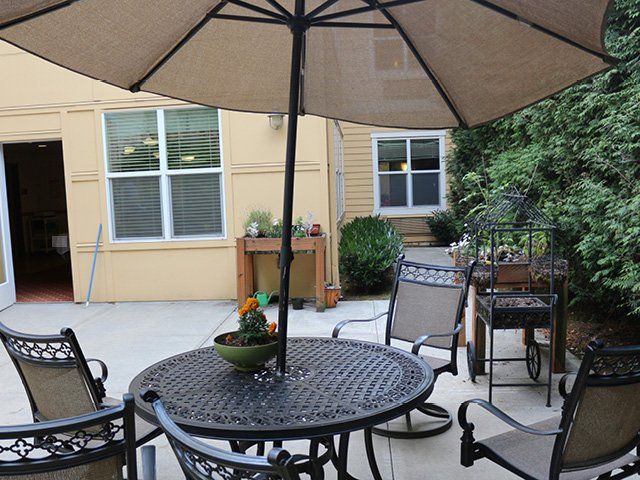
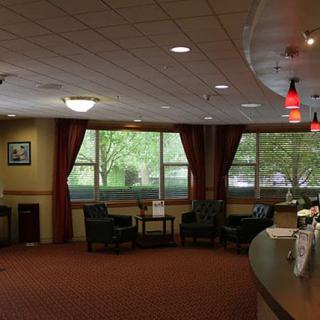
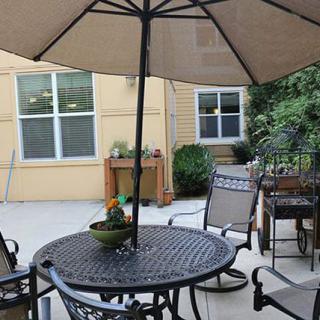
Many reviewers mention cleanliness—clean rooms, fresh-smelling areas, and a generally well-kept facility. A few reviews also describe large rooms and quiet settings that made recovery feel more manageable. Some comments temper this with notes about the building’s condition or needing upkeep outdoors. Even with those caveats, cleanliness remains one of the more consistently positive observations.
caveat10 reviews mention this
Food quality is hit-or-miss
Food quality and meal timing draw frequent complaints, including reports of meals arriving cold.
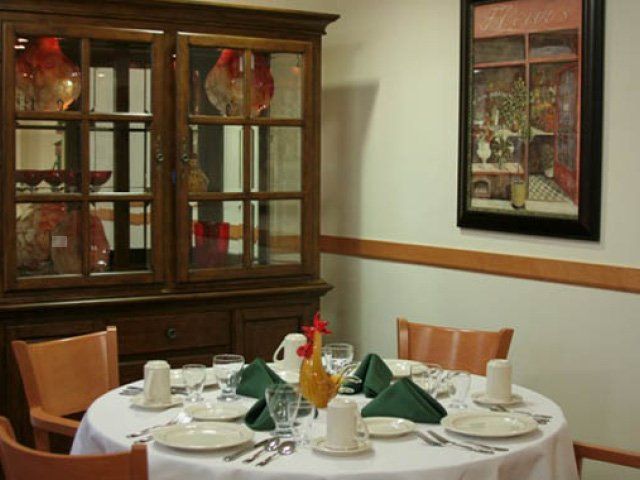
A recurring theme is dissatisfaction with the food, with multiple reviews calling meals bad or unappetizing. Others describe meals being late or cold when delivered to rooms, which families link to a frustrating daily experience. Some reviewers say food was generally acceptable or sometimes good, but those positive notes don’t outweigh the number of complaints. Meal service is one area where reviewers describe inconsistency.
caveat12 reviews mention this
Call-button response takes too long
Several reviews describe long waits for help after pressing call buttons, especially for bathroom assistance.
Many negative reviews focus on delays getting assistance, including long waits to respond to call buttons and help with toileting. Some families describe nights or stretches where help wasn’t provided quickly enough, leading to accidents or emergency follow-up. A few reviews connect the problem to short staffing or unorganized care, while others specifically question whether caregivers are checking call systems in a timely way. Even some reviews that praise staff describe moments of waiting, making responsiveness a major concern for residents and families.
How we summarize
Counts show how many written reviews mention each theme; a review can touch several themes, and only frequently mentioned themes are displayed.
Features
Housing
64 resident community capacity
Studio apartments
Types of Care
Assisted Living
Respite Care
Skilled Nursing Facility
Amenities
Air-conditioning
Beauty salon
Cable or satellite TV
Computer center
Dining room
Fitness room
Fully furnished
Gaming room
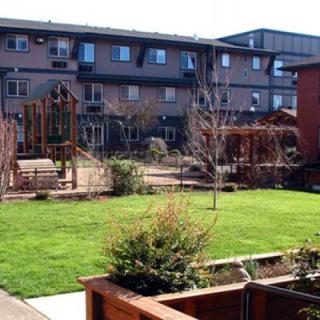
Garden
Housekeeping services
Kitchenette
Move-in coordination
Outdoor space
Private bathrooms
Respite or short term stays offered
Restaurant-style dining
Small library
Telephone
Wellness center
Wi-Fi/high-speed internet available
Transportation
Portland International (5 miles away)
Community operated transportation
Transportation arrangement
Transportation arrangement (non-medical)
Transportation to doctors appointments
Care Services
12-16 hour nursing
24-hour call system
24-hour supervision
Activities of daily living assistance
Assistance with bathing
Assistance with dressing
Assistance with transfers
Coordination with health care providers
Diabetes diet
Hospice care
Meal preparation and service
Medication management
Mental wellness program
Physical therapy
Special dietary restrictions
Transportation arrangement (medical)
Transportation to doctors appointments
Dining
Diabetes diet
Special dietary restrictions
Activities
Community-sponsored activities
Concierge services
Fitness programs
Planned day trips
Religious services
Resident-run activities
Scheduled daily activities
Languages Spoken
English
Nearby Places of Interest
Restaurants
Baby Doll Pizza (0.2 miles)
Bluto's (0.2 miles)
Guero (0.3 miles)
Screen Door Eastside (0.5 miles)
Stammtisch (0.5 miles)
Fire on the Mountain (0.8 miles)
Belmont Station (0.8 miles)
Parks
Laurelhurst Park (0.5 miles)
Oregon Park (0.6 miles)
Colonel Summers Park (0.7 miles)
Mt. Tabor Park (1.6 miles)
Normandale Park (1.7 miles)
Governor Tom McCall Waterfront Park (1.9 miles)
Alberta Park (2.1 miles)
Pharmacies
Walgreens (0.6 miles)
Fred Meyer Pharmacy (0.6 miles)
Fred Meyer Pharmacy (1 miles)
Rite Aid (1.1 miles)
CVS Pharmacy (1.2 miles)
Brooklyn Pharmacy (1.6 miles)
Walgreens (1.7 miles)
Cafes
Common Grounds Coffee House (0.9 miles)
Coava Coffee Roasters (1.4 miles)
Peet's Coffee and Tea (1.4 miles)
Dutch Bros Coffee (1.4 miles)
Starbucks (1.7 miles)
Portland Cà Phê (2 miles)
Dutch Bros Coffee (2 miles)
Physicians
Richmond Family Health Center (1.1 miles)
Legacy Medical Group (1.3 miles)
Family Medical Group, PC (1.6 miles)
ZoomCare (2.2 miles)
Legacy Medical Group-Emanuel (2.4 miles)
To Summy Od Myoptic Optometry Dr Summy To Optometrist Portland (2.8 miles)
Good Samaritan Building 1 (3.2 miles)
Transportation
TriMet Hollywood/NE 42nd Ave Transit Center (1.2 miles)
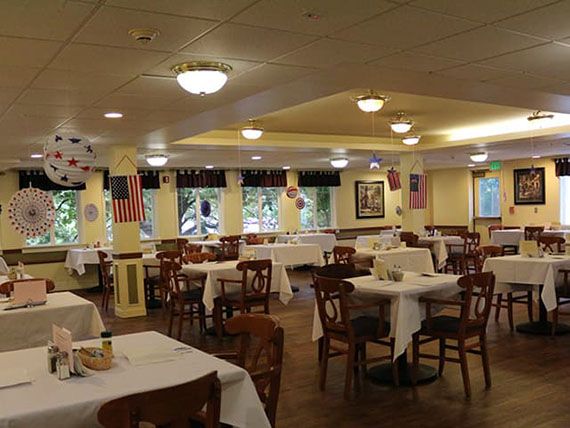
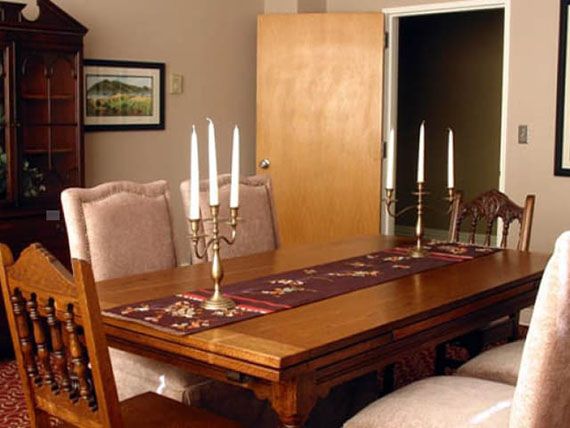
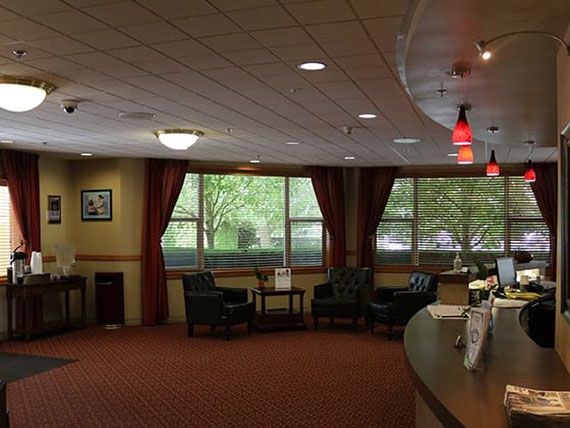
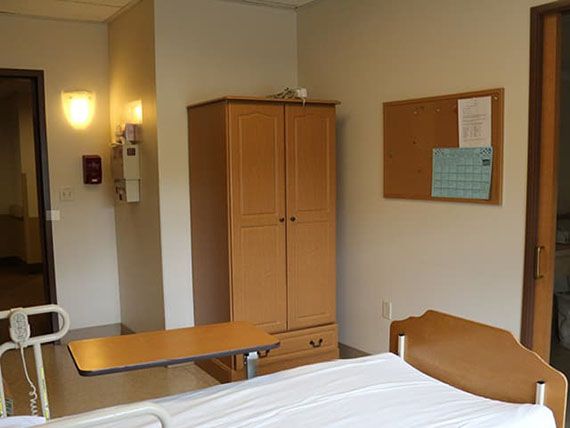
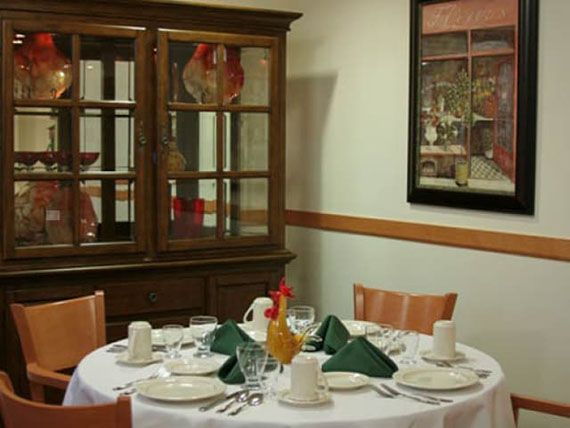
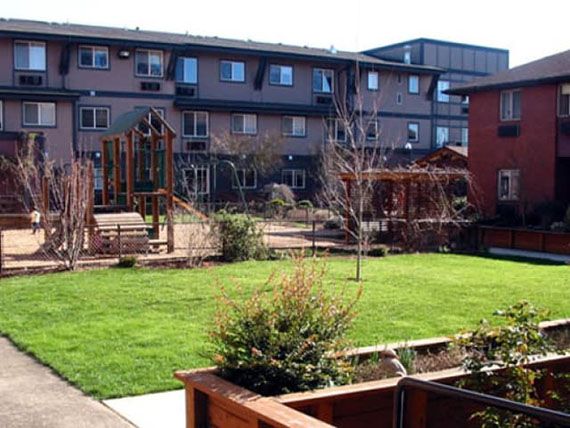
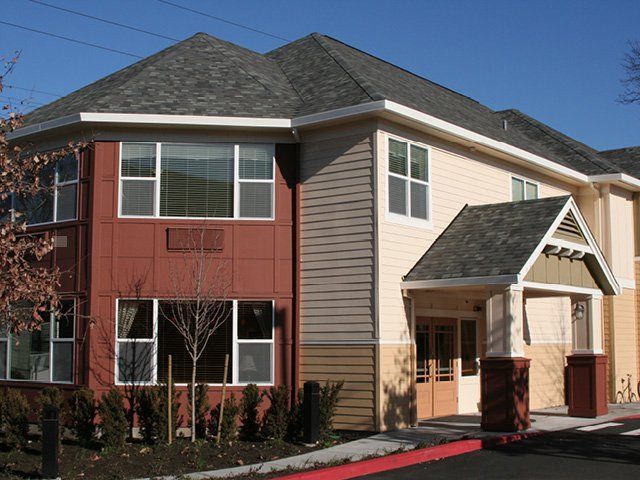
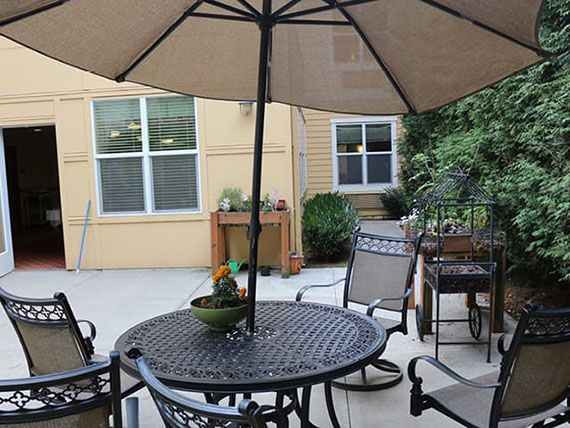
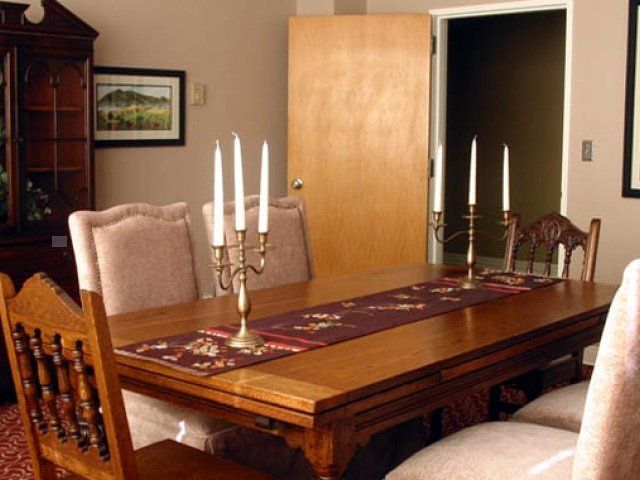
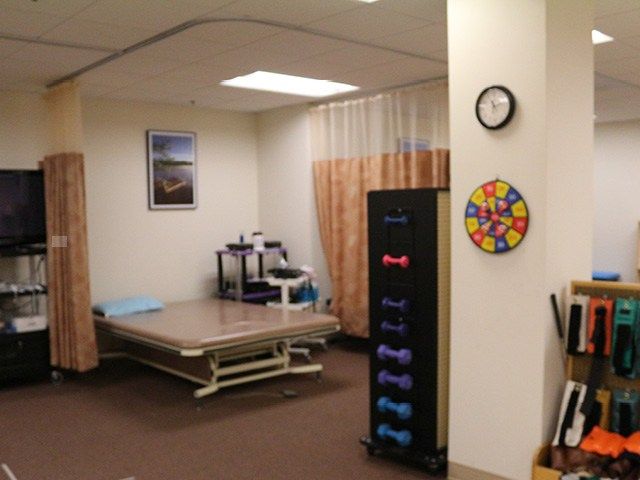
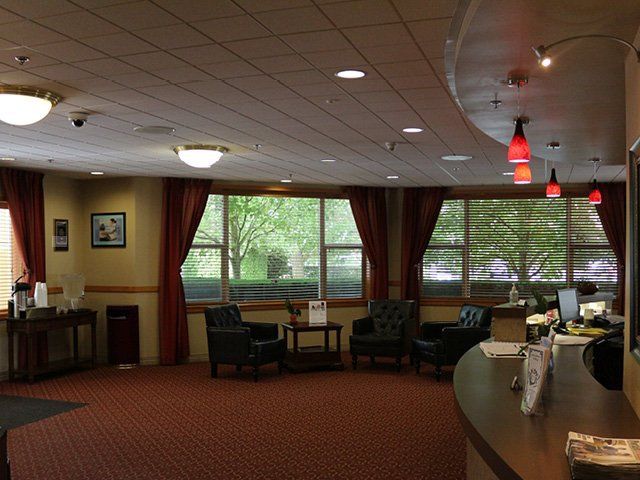
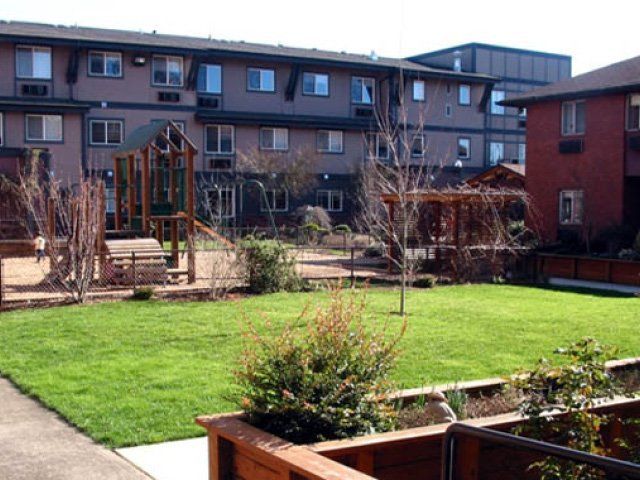
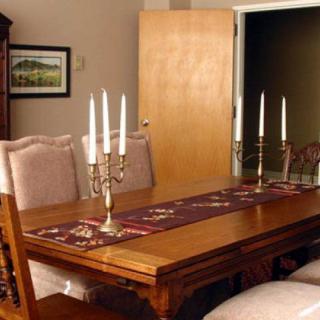
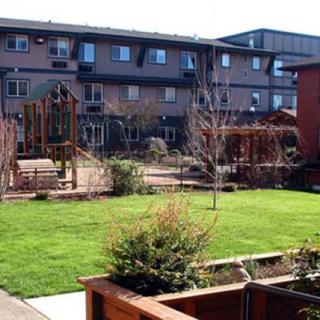
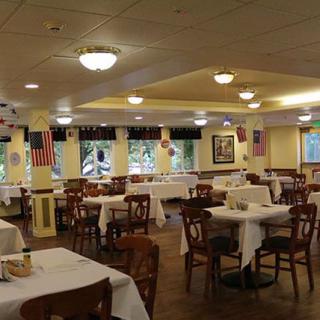
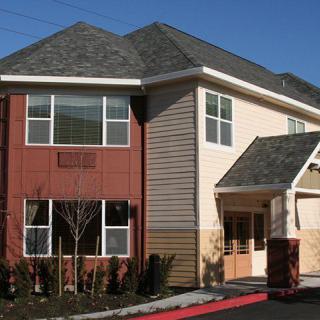
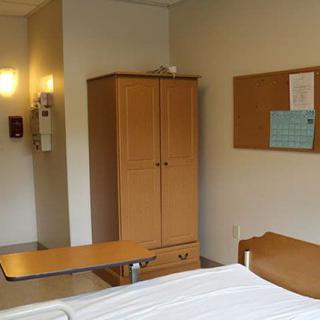
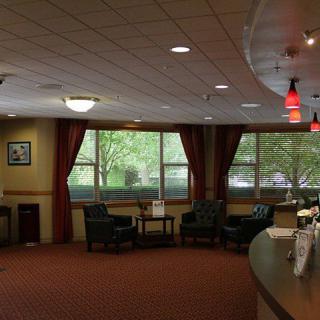
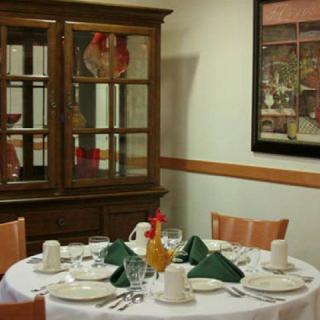
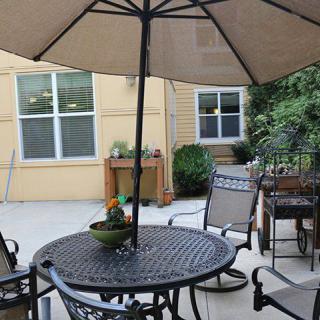
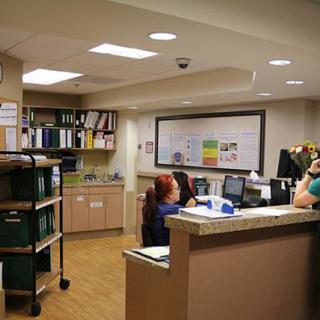
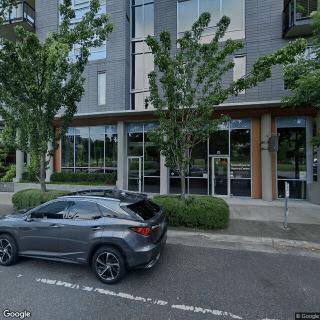
Laurelhurst Village on seniors.fyi includes 17 photos including images showing dining, interior, windows, architecture, decor, lobby, seating area, lighting, and more.
Nearby Communities
Our House
Portland, OR
4.7 from 41 reviews
Fully furnished with 24/7 supervision, ADL support, and diabetes-friendly dining.
Hawthorne Gardens
Portland, OR
4.1 from 59 reviews
$2,100 / month
Engaging memory care programming and compassionate staff.
Care Free Adult Care Home
Portland, OR
4.7 from 3 reviews
$3,000 / month
Impeccable design and a highly regarded owner.
Rose City Nursing Home
Portland, OR
Vibrant, well-connected location with easy access to parks, shops, and healthcare.
East Portland Care Center
Portland, OR
4.3 from 6 reviews
Fully furnished, 24/7 supervision, and comprehensive care with on-site dining and amenities.
MorningStar at Laurelhurst
Portland, OR
4.6 from 28 reviews
Modern Reflections memory care with bright spaces and attentive staff.
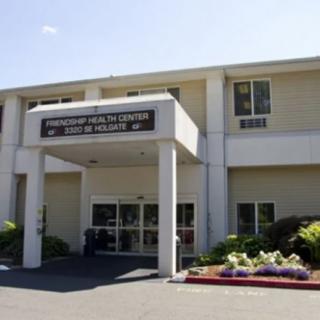
Friendship Health Center
Portland, OR
3 from 72 reviews
Attentive staff and a pleasant living environment with meal accommodations.
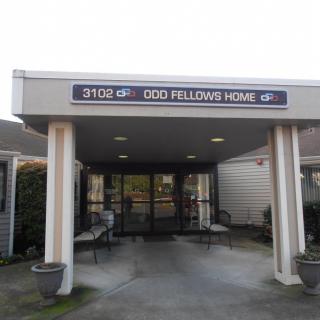
Odd Fellows Home Of Oregon
Portland, OR
4.6 from 8 reviews
Spacious, well-maintained apartments with restaurant-style dining and engaging activities.
Mirabella at South Waterfront- CCRC
Portland, OR
3.9 from 43 reviews
$3,500 / month
Well-maintained facilities with a nice on-site restaurant.
The article examines senior housing options, detailing the distinctions between independent living and assisted living, along with the emerging "independent assisted living" model that blends both approaches. It highlights the importance of assessing individual needs, preferences, and financial factors in making informed decisions about suitable living arrangements for seniors.
The deductibility of assisted living expenses on taxes hinges on factors like the individual's medical condition and service nature, typically requiring the resident to be "chronically ill" per IRS definitions. Taxpayers may deduct eligible medical expenses related to personal care services but generally not rent unless primarily for medical care, and they should maintain thorough documentation to support claims while considering itemizing versus standard deductions.
The guide highlights the importance of assisted living facilities for aging veterans needing daily support, discusses unique challenges they face, and outlines available financial assistance from the VA, including the Aid and Attendance program. It emphasizes understanding eligibility criteria and navigating the VA system to access necessary benefits effectively.
Get PricingAsk A QuestionSchedule A TourContact Senior Advisor
By clicking submit, you agree to our Partner's Terms of Use. You
also consent to receive calls and texts, which may be autodialed, from our Partner. Your consent is not a condition to
using our Partner's service. Please visit our Partner's Privacy Policy for information about their privacy practices.

 64 resident community capacity
 Studio apartments
 Assisted Living
 Respite Care
 Skilled Nursing Facility
 Air-conditioning
 Beauty salon
 Cable or satellite TV
 Computer center
 Dining room
 Fitness room
 Fully furnished
 Gaming room
 Garden
 Housekeeping services
 Kitchenette
 Move-in coordination
 Outdoor space
 Private bathrooms
 Restaurant-style dining
 Small library
 Telephone
 Wellness center
 Wi-Fi/high-speed internet available
 Portland International (5 miles away)
 Community operated transportation
 12-16 hour nursing
 24-hour call system
 Activities of daily living assistance
 Assistance with bathing
 Assistance with dressing
 Assistance with transfers
 Diabetes diet
 Hospice care
 Medication management
 Mental wellness program
 Physical therapy
 Special dietary restrictions
 Transportation arrangement (medical)
 Concierge services
 Planned day trips
 Religious services
 English
 Fully furnished with 24/7 supervision, ADL support, and diabetes-friendly dining.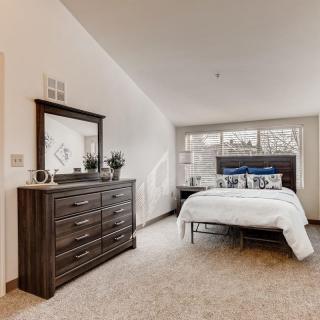

 Exploring the Path to Senior Living: A Comprehensive Look at Independent Living and Assisted Living
 Is Assisted Living Deductible on Your Taxes? Understanding the Complexities of Assisted Living Expenses and Deductions
 Assisted Living Support for Veterans: A Complete and Detailed Overview