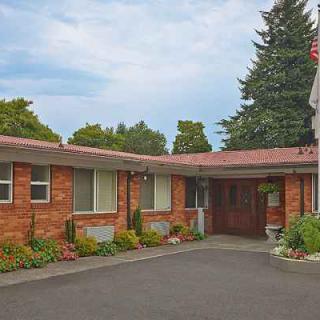
34 North East 20Th Avenue, Portland, OR 97232
For more information about senior living options: (866) 208-4318
Overall Review of East Portland Care Center
Pros
 It looks like amazing change is coming, and the new DNS listens and cares for their needs.
- The Ombudsman can intervene to help families move their loved ones toward better care.
- The overall message conveys hopeful possibilities for more attentive and responsive support.
Cons
 The facility is not clean.
- Curtains do not provide adequate privacy for patients.
- A nurse hung up on the caller after being told the loved one was having trouble breathing.
- The family did not approve of the facility.
- Staff had not taken action to address the loved one’s low blood levels or potential need for a transfusion.
- The facility is described as a place for people who have been tossed out of society, implying stigma and concerns about power trips by hospital social workers.
Review
East Portland Care Center is best suited for families seeking an East Portland-assisted living option where leadership is actively listening to resident needs and where ongoing advocacy from family members is anticipated to play a role in care quality. The current direction hints at a shift toward more resident-centered responsiveness, which can benefit those who are comfortable with a facility that is trying to improve and that welcomes active family engagement. It works for residents who require regular help with daily activities but do not have high-acuity medical needs demanding constant on-site hospital-level care. Prospective residents should understand that cleanliness and reliability of daily care have been uneven, so a willingness to monitor closely is essential rather than assuming standard expectations are automatic.
Those who should strongly consider alternatives are families prioritizing pristine housekeeping and consistently rapid medical responses. If the objective is a setting with flawless cleanliness, meticulous maintenance, and immediate, unambiguous medical action, other communities will likely be a better fit. For residents with significant medical complexity or needs that require immediate physician intervention, more established medical-on-site capabilities may be necessary. Additionally, if sustained staff reliability and unambiguous, respectful communication with families are non-negotiables, it is prudent to compare options with a longer track record of consistent performance and fewer episodic red flags.
Pros, when weighed against the drawbacks, point to a meaningful but contingent upside. The most notable strength is leadership that appears willing to listen and adapt to resident needs, a signal of potential, ongoing improvement in care processes. The facility’s connection to hospital systems and social workers can facilitate smoother transitions and coordinated care, which is valuable for families navigating discharge planning. A solid overall rating, coupled with multiple five-star testimonials, suggests that many residents experience meaningful quality of life and supportive interactions on a day-to-day basis. However, these positives only partially offset the heavier concerns about environment and responsiveness; steady improvements must be concrete, verifiable, and long-lasting to decisively tip the balance.
The more troubling dimensions center on cleanliness, environment, and medical responsiveness. Instances described as unclean conditions and privacy compromises, such as shared curtains creating a less private space, set a concerning baseline for daily life. Even more consequential are reports of delayed or inadequate medical responses, including communication lapses during emergencies and questions about timely lab work or transfusions. Such episodes directly threaten resident safety and trust in the care team. The presence of an Ombudsman as a remedy channel is a valuable backstop, but it should not be the default safeguard; reliable on-site care must stand on its own.
For due diligence, prospective families should insist on a current, detailed care plan and a transparent escalation protocol that documents response times for call bells and steps for physician involvement. Unannounced visits to observe staff-resident interactions, conversations with frontline caregivers, and candid discussions with other families in the building are essential. Request evidence of housekeeping standards, menu and nutrition quality, activity programming, and maintenance routines for common areas. Clarify staffing levels, turnover, and the facility’s exact process for urgent medical issues, including access to in-house labs and transfusion services. If these areas show consistent, credible improvement, East Portland Care Center can be a workable fit; if not, exploring better-aligned options is prudent.
In the end, East Portland Care Center represents a practical option for families who can pair belief in leadership-driven change with a commitment to vigilant oversight. It is a reasonable choice for residents whose needs fit a mid-level care profile and whose families are prepared to stay closely involved, verify each care interaction, and push for timely responses. Alternatives should be high on the list for anyone prioritizing spotless cleanliness and consistently rapid medical attention as non-negotiable standards. The decision hinges on whether the current improvements become reliable, day-to-day practice over the next several months, or if a different community with steadier performance is warranted. Visit with clear questions, verify the present management approach, and set concrete expectations before committing.
 30 resident community capacity
 Skilled Nursing Facility
 Beauty salon
 Cable or satellite TV
 Dining room
 Fully furnished
 Garden
 Housekeeping services
 Kitchenette
 Move-in coordination
 Outdoor space
 Restaurant-style dining
 Small library
 Telephone
 Wi-Fi/high-speed internet available
 Portland International (5 miles away)
 24-hour call system
 Activities of daily living assistance
 Assistance with bathing
 Assistance with dressing
 Assistance with transfers
 Diabetes diet
 Medication management
 Mental wellness program
 Special dietary restrictions






 Encouraging Participation in Adult Day Care: A Guide to Supporting a Hesitant Parent
 Comprehensive Exploration of Living Wills and Other Advance Directives
 A Detailed Exploration of Living Wills and Advance Directives