
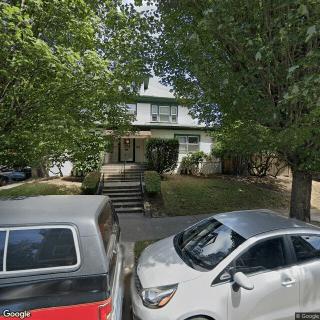
2727 South East Alder, Portland, OR 97214
For more information about senior living options: (866) 208-4318
Overall Review of Our House
Pros
 The staff are wonderfully cheerful and attentively caring.
- The RCF cares deeply for its residents.
- They are top-notch in medical care for people living with HIV.
- They practice an "I See You" approach to care with open, honest, and respectful communication.
- Residents look healthy and well cared for.
- Our House is a fantastic organization.
- Current and past residents praise the place and consider it invaluable.
- It is a place full of good people helping those in need.
- The staff are kind and friendly, and the program is great.
- It provides a clean and loving environment.
Cons
 Bad elements hang out around this facility.
- Upper management and fundraisers soak up too much money, leaving patients barely able to cover monthly living costs and rent.
- After residents move out, the facility continues to dictate their lives, straining family relationships and misusing grants.
- Diversity is lacking; differences in dealing with people of different cultures/backgrounds are not adequately addressed.
- An outside audit and tax checks are needed to ensure proper use of funds.
Review
Our House in Portland is best suited for adults living with HIV/AIDS who need steady day-to-day support, accessible medical oversight, and a hospice-like atmosphere that emphasizes dignity, open communication, and genuine connection with caregivers. The program shines when residents require attentive, cheerful staff who treat each person with an “I See You” approach, balancing practical care with respectful, honest dialogue. This is not a generic retirement setting; it is a focused environment where clinical expertise in HIV-related care and a peaceful, clean living space are the core strengths.
Those considering alternatives should note who may not be the best fit. Families seeking a non-HIV focused assisted living, a facility with a broader resident mix beyond the HIV/AIDS population, or a setting that operates with tighter, more transparent financial controls may prefer other options. Likewise, communities prioritizing independence without the specialized hospice-oriented framework, or those wanting stronger governance and auditing assurances, may find filigreed concerns elsewhere more comfortable. In short, this is a compelling match for HIV-focused care, but not a universal solution for all aging and disability needs.
The strongest pros here offset several major concerns. The staff’s warmth and professionalism consistently appear as the defining benefit: compassionate, cheerful caregivers who communicate openly and treat residents with dignity. Medical care for HIV-related needs is described as top-tier, with staff who prioritize patient well-being over transactional considerations. A clean, peaceful environment supports daily living, and the organization’s mission generates a community feel where volunteers and residents alike speak with gratitude about kindness and support. These attributes can substantially ease the emotional and physical burden of chronic illness, making daily routines feel manageable and humane.
However, certain cons merit serious attention for decision-makers. There are reports of “bad elements” around the facility, which raises legitimate questions about safety and security that should be explored in person. Diversity in culture and background is identified as an area needing improvement, suggesting that the community may not always reflect the broader community it serves. Financial criticisms surface in some reviews, including concerns about how funds are allocated, the extent to which residents’ income covers living costs, and the degree to which governance decisions influence residents and families after move-out. These financial and cultural governance questions do not erase the care quality, but they do temper confidence and should be addressed with clear, verifiable information before committing.
Decision-makers should approach a visit with practical, targeted questions and a plan for due diligence. Ask for a transparent breakdown of monthly costs, what services are included, and what charges may arise for additional care or accommodations. Inquire about safety protocols, resident privacy, and how outsiders are supervised on campus. Seek out independent audit or governance documentation, and request conversations with current residents and families about their experiences with autonomy, decision-making, and conflict resolution. Ensure staff training includes cross-cultural sensitivity so that diverse backgrounds are respected and valued in daily care.
In the end, this community excels for residents who require specialized HIV/AIDS-focused care delivered with exceptional kindness in a clean, serene setting. It is a compelling choice for families prioritizing medical attentiveness, a palpable sense of community, and staff-driven, respectful daily support. Yet the decision should be tempered by clear expectations around safety, cultural diversity, and governance transparency. If these governance or diversification concerns are non-negotiable, or if a broader, non-specialized living environment is preferred, pursuing alternatives will be prudent. For families and prospective residents who want the strongest possible HIV-focused medical care in a compassionate, well-run setting, Our House stands out as a highly credible option.
 14 resident community capacity
 Assisted Living
 Board and Care Home
 Cable or satellite TV
 Dining room
 Fully furnished
 Garden
 Housekeeping services
 Move-in coordination
 Outdoor space
 Telephone
 Wi-Fi/high-speed internet available
 Portland International (5 miles away)
 24-hour supervision
 Activities of daily living assistance
 Assistance with bathing
 Assistance with dressing
 Assistance with transfers
 Diabetes diet
 Meal preparation and service
 Medication management
 Special dietary restrictions
 Transportation arrangement (medical)
 Transportation to doctors appointments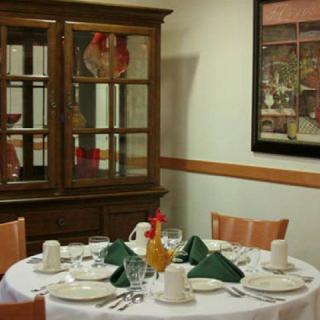




 Exploring the Path to Senior Living: A Comprehensive Look at Independent Living and Assisted Living
 Is Assisted Living Deductible on Your Taxes? Understanding the Complexities of Assisted Living Expenses and Deductions
 Assisted Living Support for Veterans: A Complete and Detailed Overview