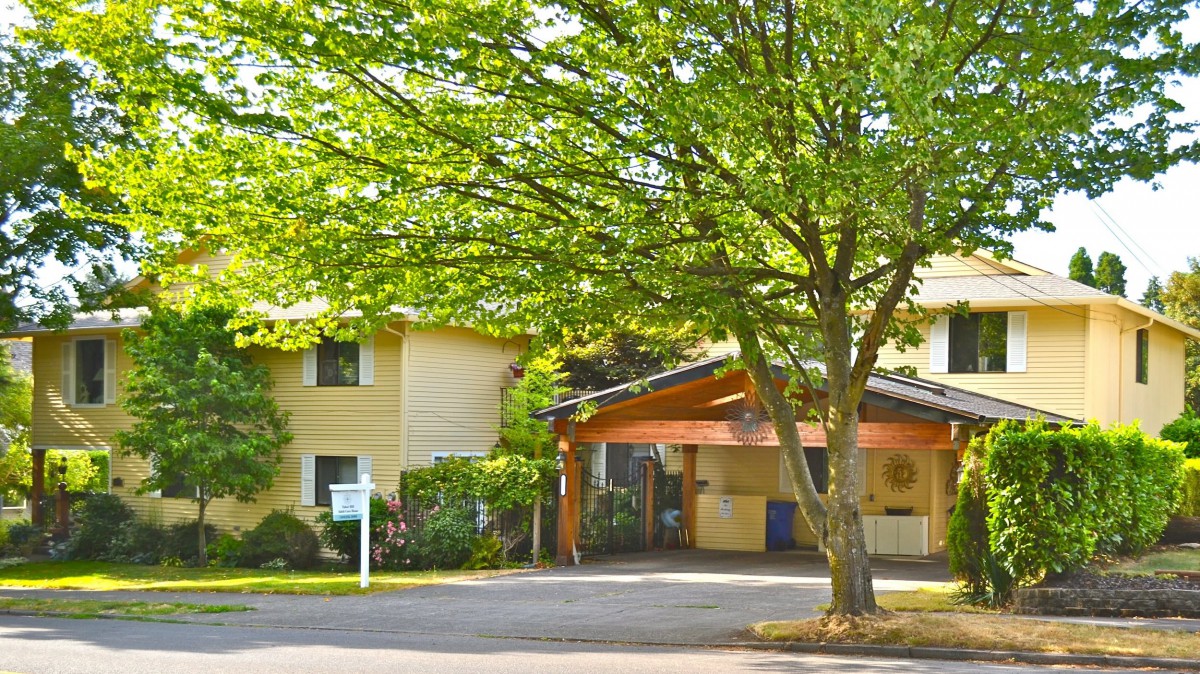
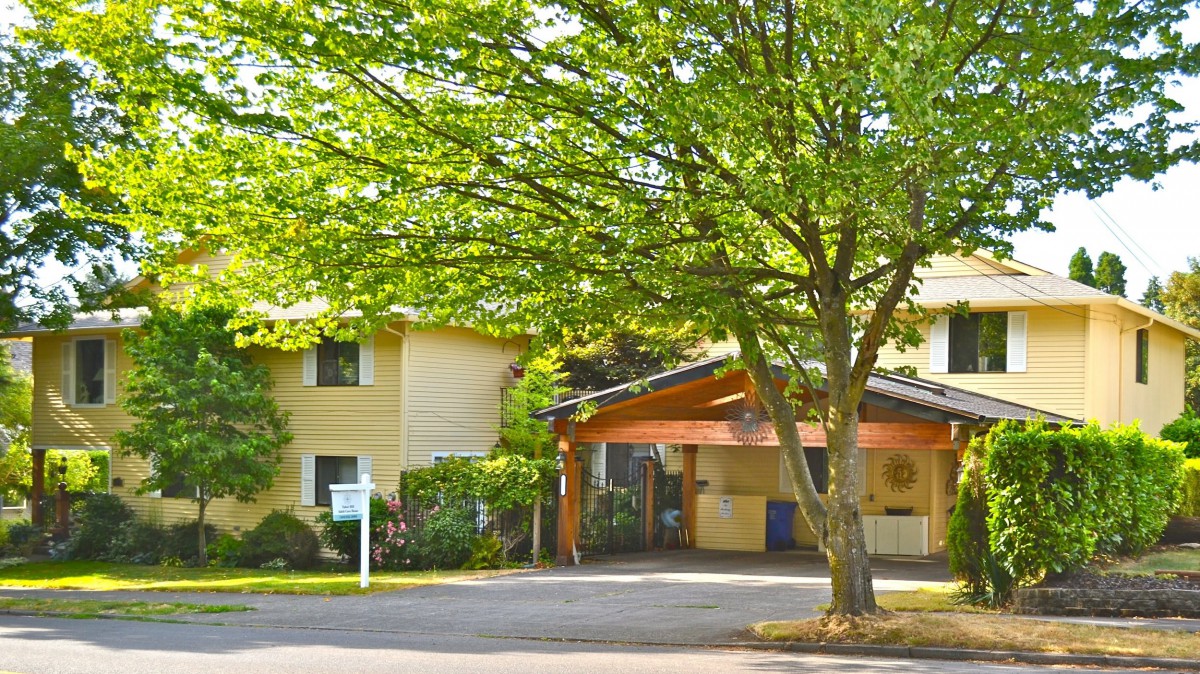
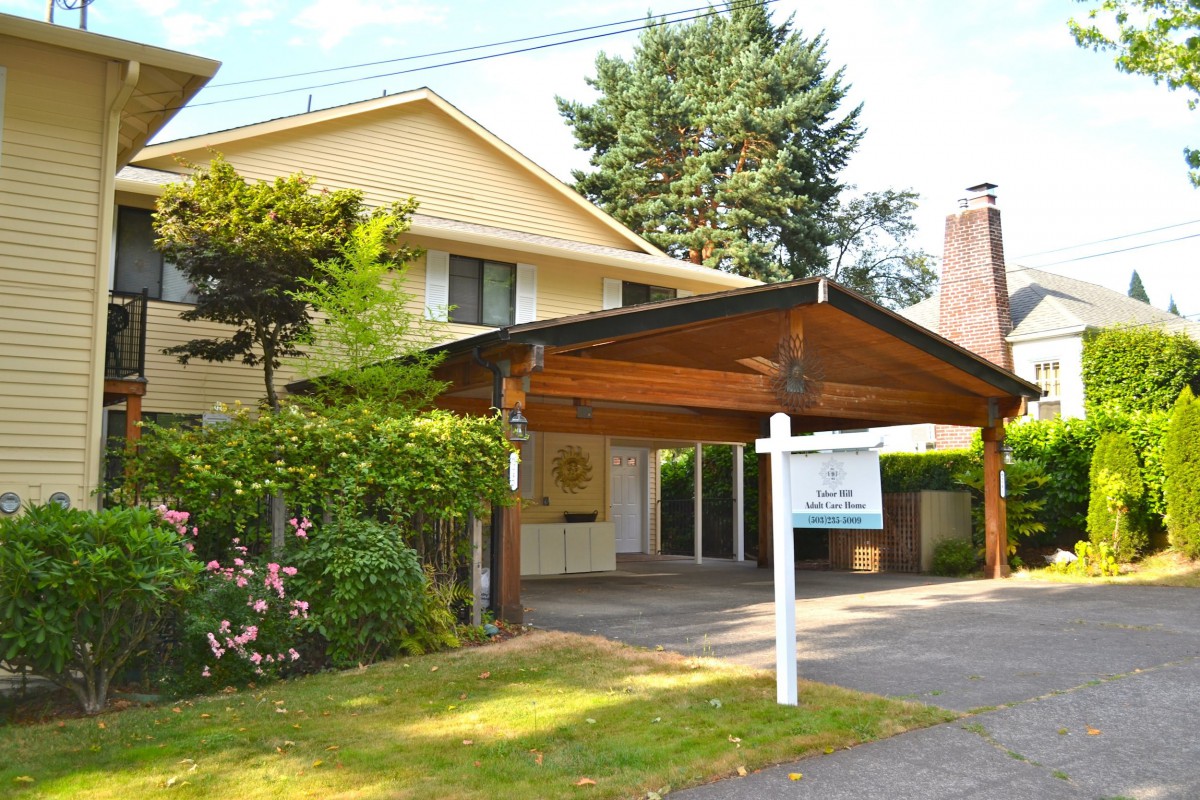
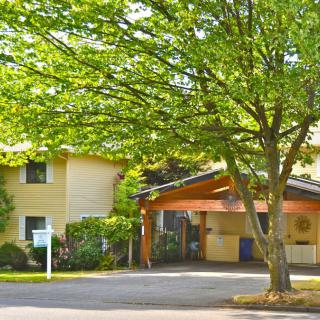
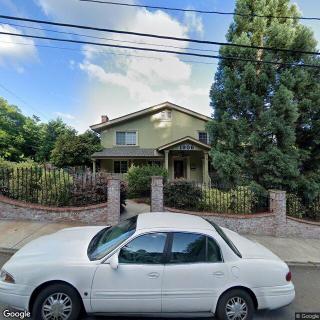
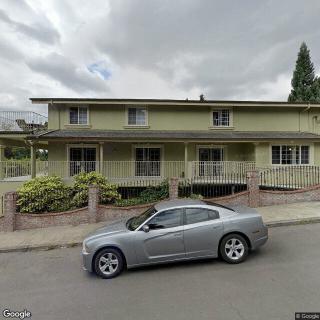
6245 SE Belmont Street, Portland, OR 97215
To contact a resident: (503) 839-1491
For more information about senior living options: (866) 208-4318
Tabor Hill Adult Care Home Inc Costs & Pricing
Tabor Hill Adult Care Home Inc offers competitive pricing for its residents, particularly in the context of Multnomah County and the broader state of Oregon. For private rooms, Tabor Hill's monthly rate stands at $3,500, which is slightly above Multnomah County's average of $3,227 but remains lower than the state average of $3,424. Similarly, for studio accommodations, Tabor Hill's cost is $3,500 compared to a higher county average of $3,455 and a state average of $3,815. This positioning suggests that while Tabor Hill may have higher rates than the immediate county averages for private rooms and studios, it still presents a compelling option when benchmarked against state-wide costs. Overall, Tabor Hill reflects a commitment to quality care while maintaining reasonable pricing in a competitive market.
| Floor plans | Tabor Hill Adult Care Home Inc | Multnomah County | Oregon |
|---|---|---|---|
| Private | $3,500 | $3,227 | $3,424 |
| Studio | $3,500 | $3,455 | $3,815 |
Memory care communities with a similar price nearby
-
About the same
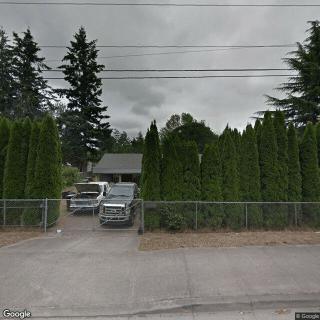
American Living Adult Family Home LLC
$3,500 / month11.3 miles away -
from -$500 / mo
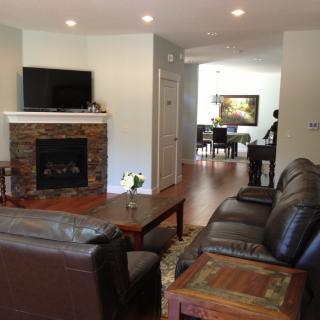
Elder Garden Care Home, LLC
$3,000 / month7.0 miles away -
About the same
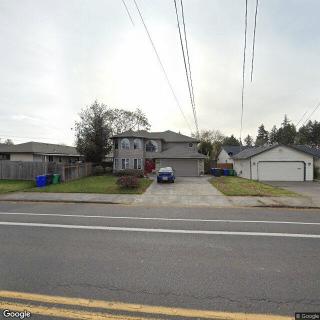
Northwest Home Health
$3,500 to $3,700 / month2.9 miles away -
from -$500 / mo
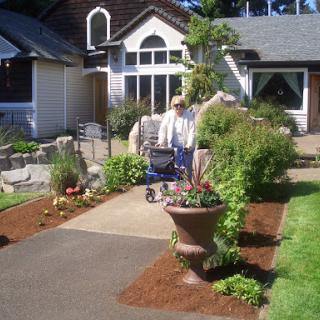
Rivercrest Adult Care
$3,000 to $3,700 / month12.4 miles away -
from +$500 / mo
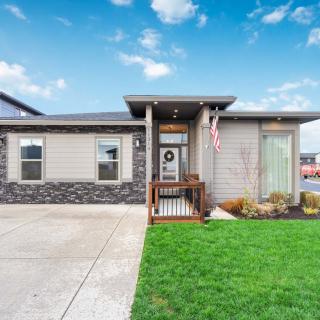
The Finest Care AFH, LLC
$4,000 to $5,500 / month9.6 miles away
Overall Review of Tabor Hill Adult Care Home Inc
Pros
 The staff provide very friendly care and are described as the best the reviewer has seen.
- Residents become healthier and stronger under their care.
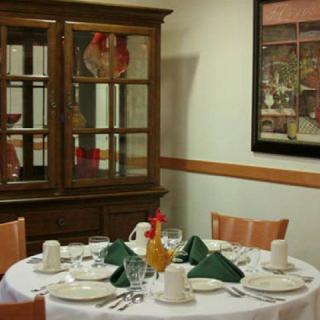
- They serve quality home-made food.
- The staff take really good care of the people there.
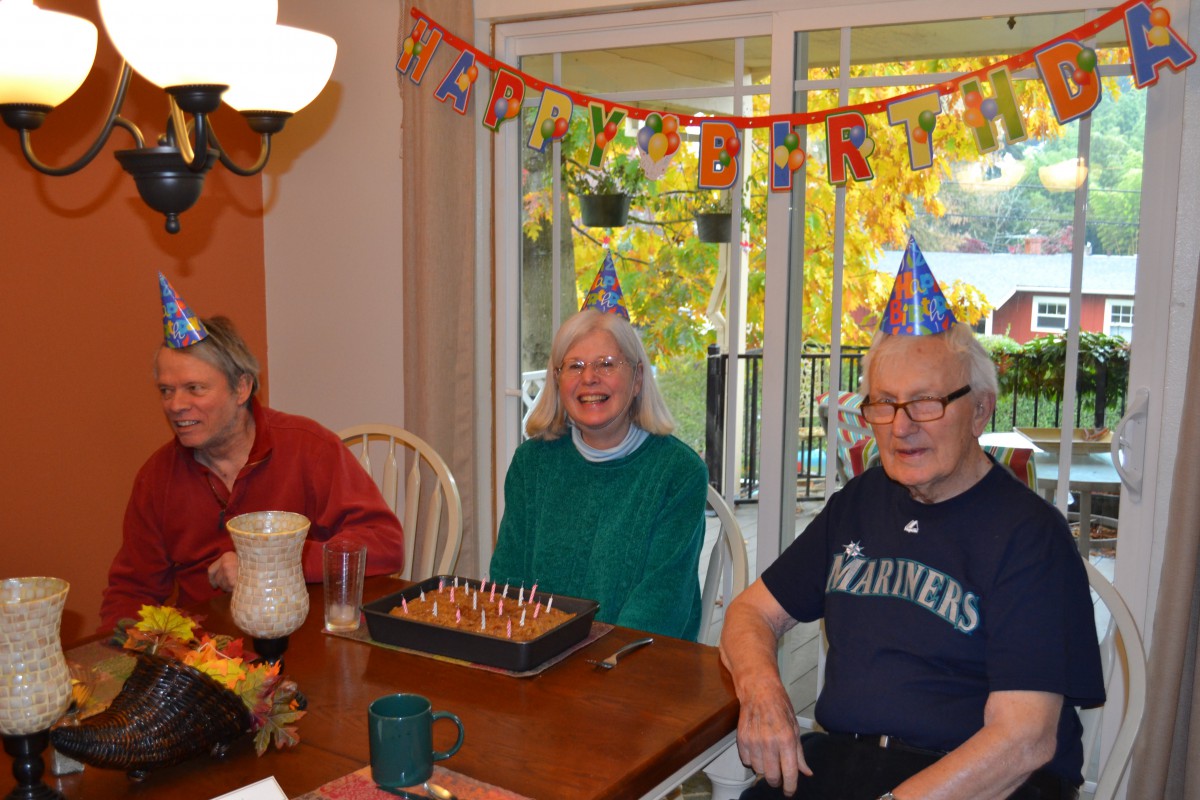
- The facility is clean, very nice, and offers activities.
- The staff are extremely conscientious and respond quickly to any issues.
- The facility operates as an independent community and works well for residents who are independent.
- The home can accommodate five residents and is affordable.
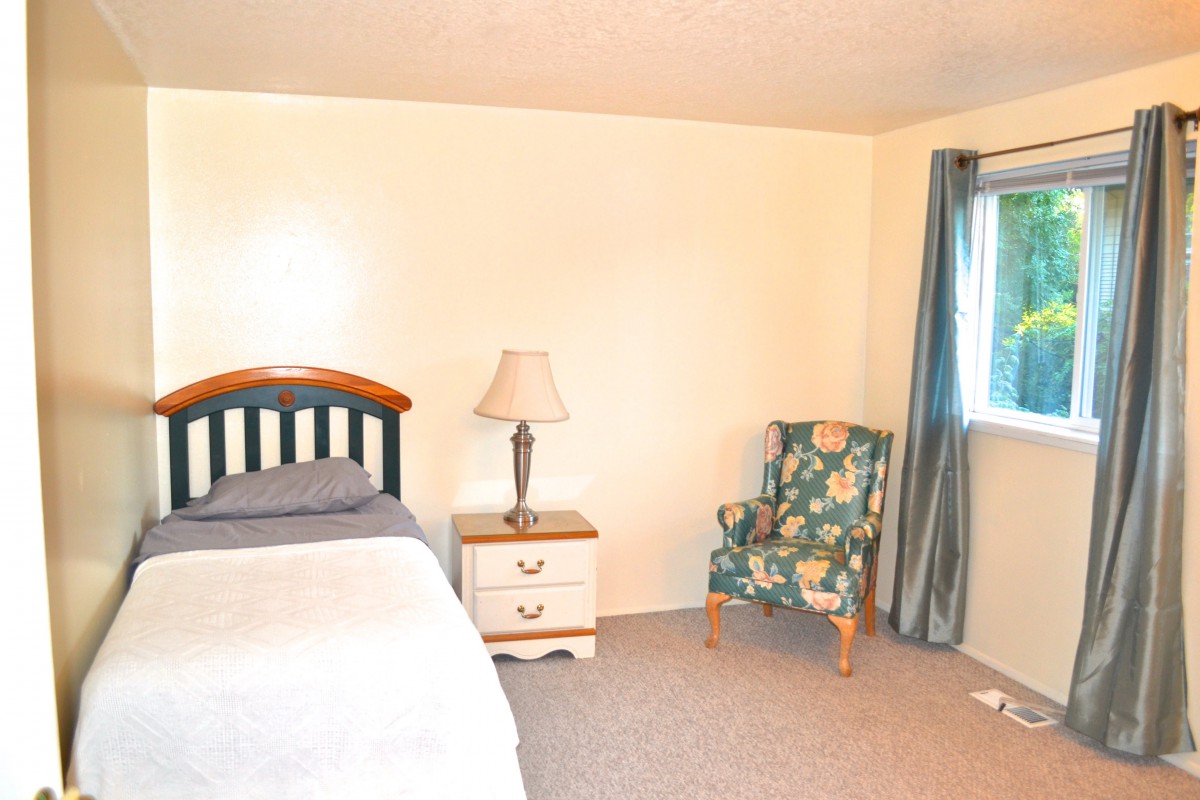
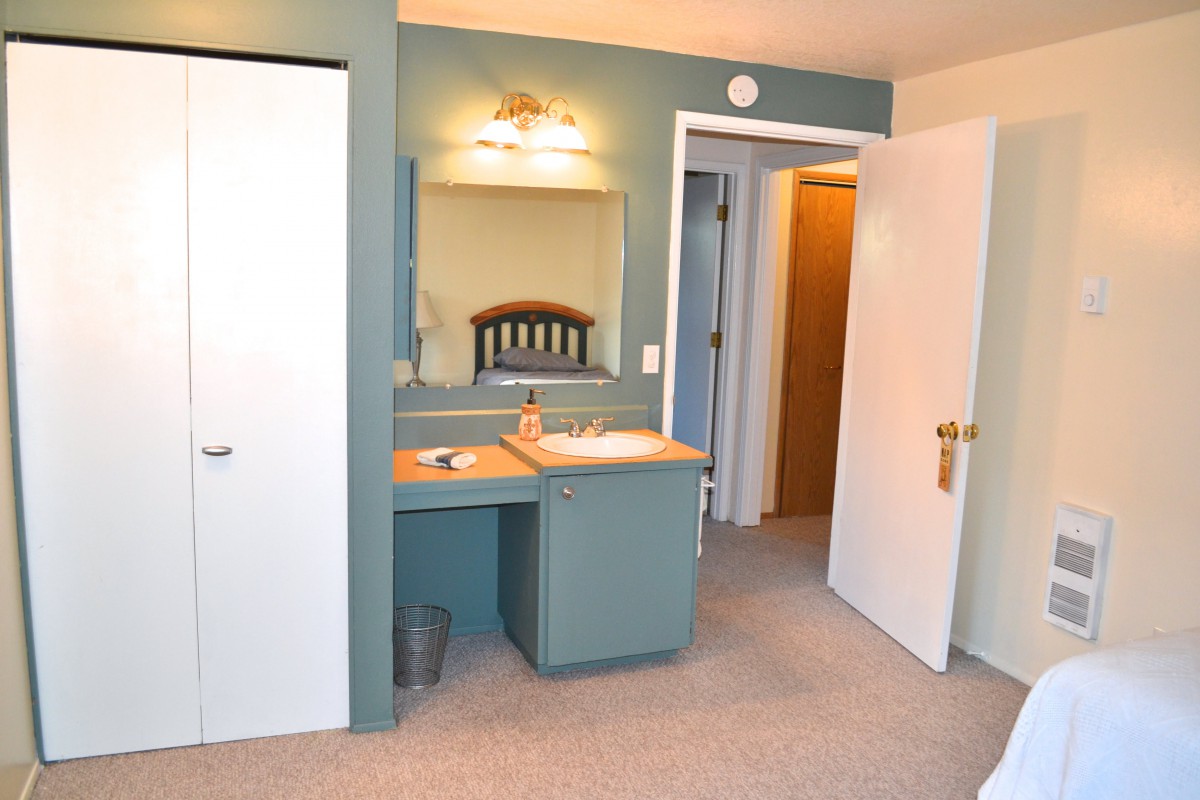
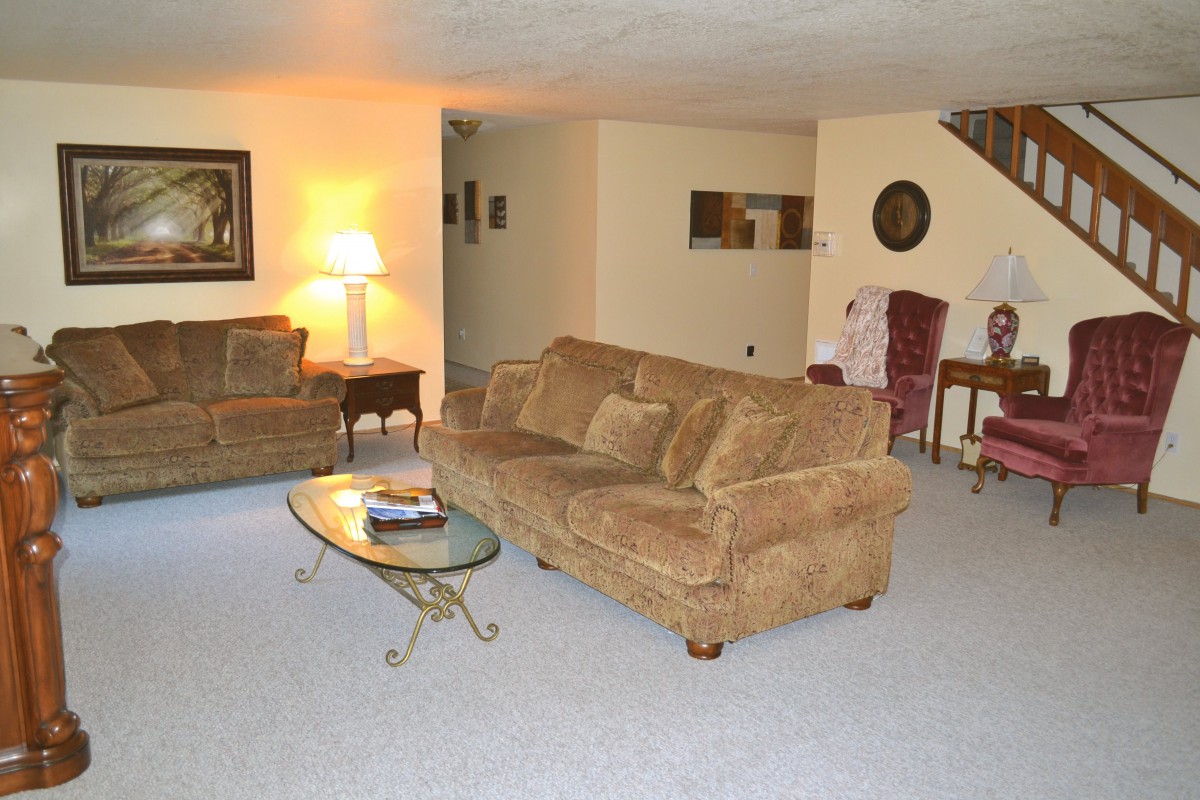
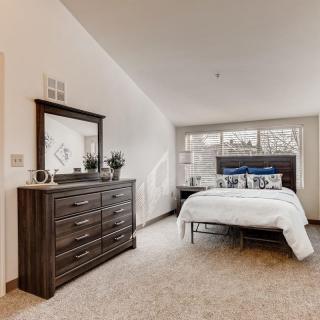
- The rooms are large and accessible for wheelchairs and scooters, with a great layout and multiple gathering areas.
Cons
 They felt there should be more caregivers than the single one on duty.
- They were concerned about the five clients per caregiver ratio.
Review
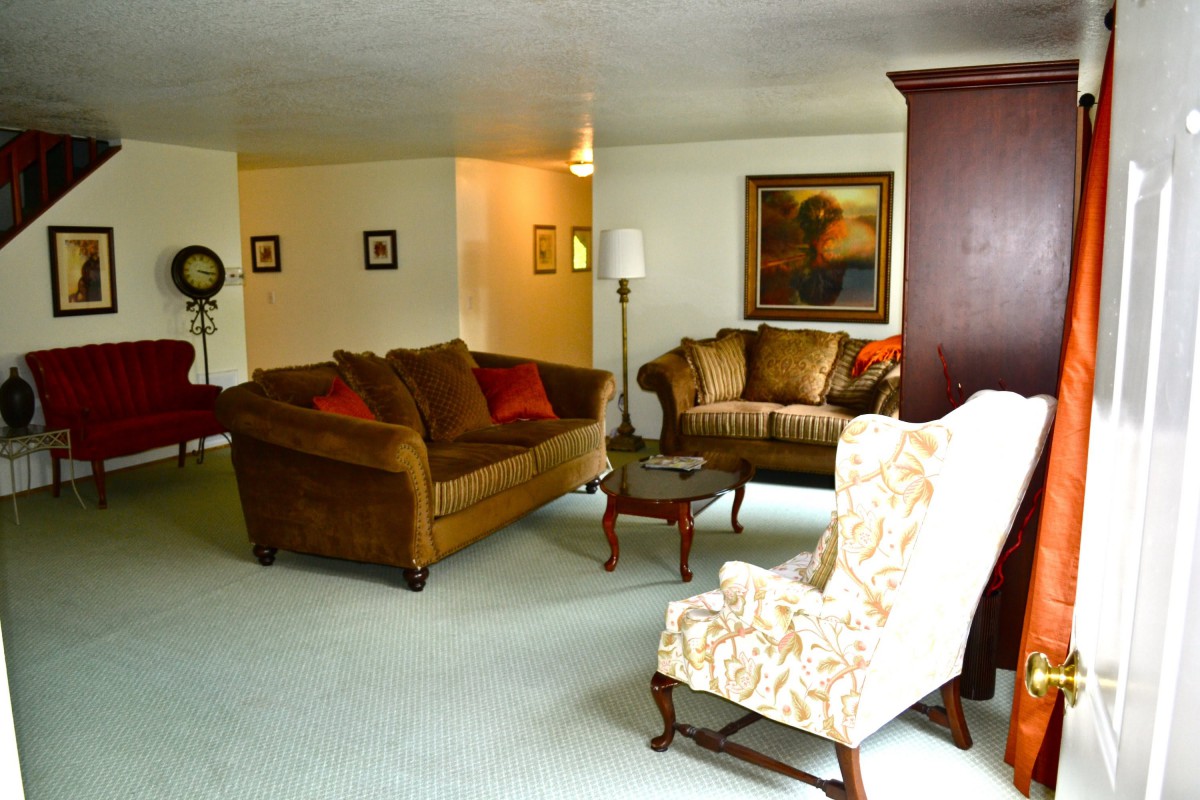
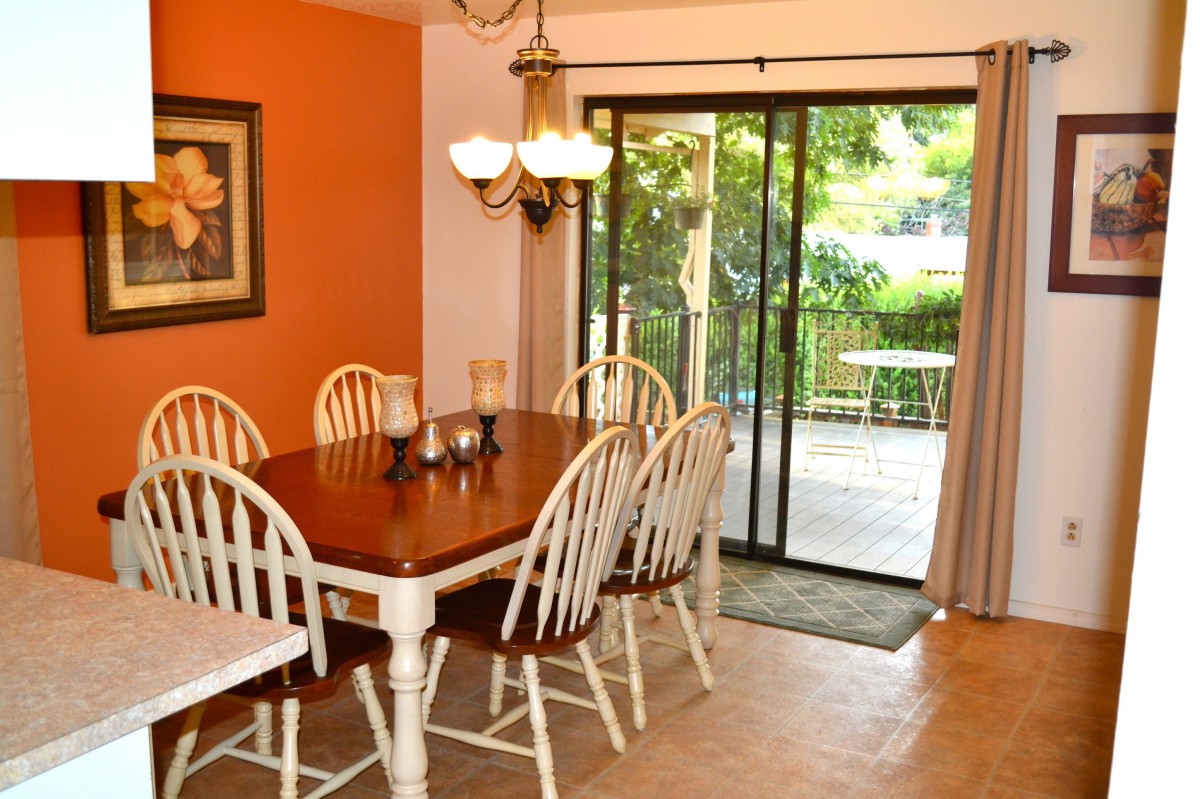
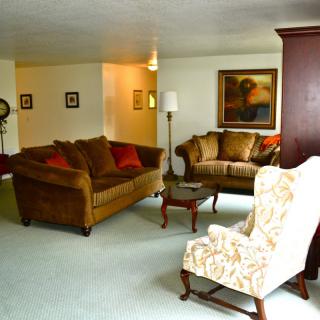
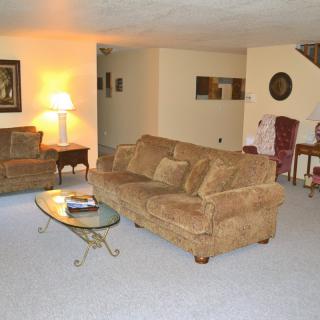
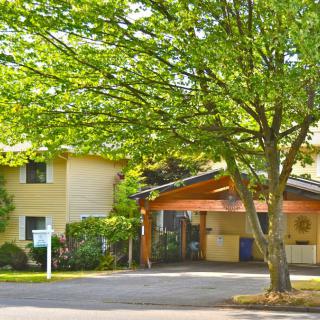
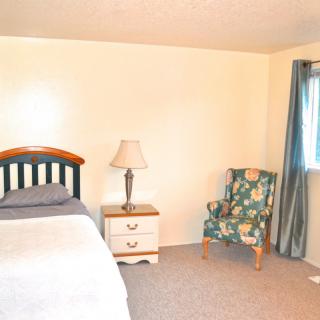
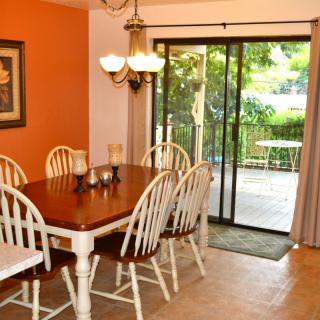
Tabor Hill Adult Care Home Inc in Portland is best suited for seniors who want a warm, home-like setting with real social life, not for those who require round-the-clock medical supervision. The community intentionally stays intimate, with capacity for five residents, which preserves a neighborhood feel, lowers noise, and enables rapid, personalized attention from staff. Large, accessible rooms that accommodate wheelchairs and scooters, plus multiple gathering spaces and a craft room, create an environment where independence is practical and social engagement is easy. For families prioritizing home-style meals and a schedule that centers on activities rather than institutional routines, this setting often feels like a natural next step.
Across multiple accounts, the standout strength is the staff’s manner and commitment. Families describe very friendly, attentive caregivers who genuinely take good care of residents and help them regain or maintain strength. The food is consistently noted as quality, homemade, and nourishing, reinforcing well-being beyond basic nutrition. Cleanliness and a sense of welcome permeate the facility, and the activity calendar keeps residents engaged, from crafts to social events to casual gatherings in spacious common areas. This combination, responsive staff, meaningful activities, and a homelike atmosphere, translates into measurable improvement for some residents and strong peace of mind for families.
Yet the same smaller scale that underpins the community’s warmth also raises a practical caution: staffing levels can be tight. Several reviewers flag that there is often one caregiver for five residents, a ratio that compresses coverage during busy periods and raises questions about two-person transfers, medication oversight, and timely assistance when needs spike. While the team is described as conscientious and quick to respond, the reality of a single caregiver margins out when more intensive support is required. This dynamic matters most for residents who need regular nursing attention, complex medication management, or frequent hands-on help.
Despite the staffing caveat, the pros can substantially offset the cons for the right resident. The intimate, home-centered model tends to yield faster, more personalized attention and easier family involvement, visitors can drop in at almost any time without legislated visitation windows. The generous common areas and crafted spaces support routine social interactions and meaningful hobbies, which help preserve function and mood. The affordable pricing relative to many larger facilities further strengthens the appeal for seniors who are mostly independent but benefit from light to moderate support and want to avoid the cookie-cutter feel of bigger communities.
Families who should consider alternatives are those with residents needing high medical acuity or 24/7 nursing coverage, or those seeking specialized memory care programming. For individuals facing frequent falls, significant assisted-living needs, or progressive dementia requiring structured, supervisor-led routines, a larger or more medically equipped setting may deliver the consistency and safety a bigger staff can sustain. Similarly, residents who want a facility with a broader spectrum of services, therapies, or on-site specialists are likely to find better alignment elsewhere.
In sum, Tabor Hill stands out as a practical, dependable option for the budget-conscious family seeking a small, person-centered home where independence is nurtured, meals are satisfying, and social life remains robust. The crucial decision hinges on care needs: if the resident is largely independent with mild to moderate assistance and can thrive with a single caregiver model, the benefits, warmth, accessibility, community feel, and a strong sense of family involvement, often outweigh the staffing caveat. If higher levels of medical oversight or memory-care programming are essential, keep alternatives in clear view and use a careful, pointed tour to verify how the daily routine would unfold. With due diligence, this community delivers a compelling blend of heart, practicality, and genuine improvements in quality of life.
 Board and Care Home
 Memory Care
 Activities off-site
 Bath tubs
 Devotional services off-site
 Indoor common areas
 Outdoor common areas
 Private
 Private bathrooms
 Respite or short term stays offered
 Wheelchair accessible showers
 Portland International (5 miles away)
 Diabetic care
 High acuity care
 Incontinence care
 Medication management
 Meals provided


 Comprehending Evening Confusion in Dementia: Causes, Manifestations, and Support
 Delirium and Dementia: Unraveling the Key Differences
 Are Dementia and Alzheimer's Disease Lethal? A Comprehensive Exploration