Mount Tabor Senior Villa II offers competitive pricing for its residents, with monthly costs that are generally lower than both Multnomah County and the broader state of Oregon. For a private room at Mount Tabor, residents pay $3,000, which is notably less than the county average of $3,227 and the state average of $3,424. Studio accommodations are similarly priced at $3,000, compared to $3,455 in Multnomah County and $3,815 in Oregon. The one-bedroom option is available for $3,300; while this is slightly higher than the county's average of $3,402, it still remains significantly more affordable than the state's average of $3,904. Overall, Mount Tabor Senior Villa II presents an attractive option for seniors seeking quality living arrangements without exceeding their budget.
Floor plans
Mount Tabor Senior Villa II
Multnomah County
Oregon
Private
$3,000
$3,227
$3,424
Studio
$3,000
$3,455
$3,815
1 Bedroom
$3,300
$3,402
$3,904
Memory care communities with a similar price nearby
Residents repeatedly describe the dining as generous and enjoyable.
Many residents and families comment that the food tastes good, with variety and daily specials. Several also mention that the dining setup feels welcoming, and that meals are plentiful enough to matter in daily life. A smaller number of residents report that food declined after ownership or management changes, but overall the dining reviews stay positive.
common16 reviews mention this
Activities and community keep busy
Residents describe plenty of activities and opportunities to socialize.
Across reviews, families and residents point to a steady schedule of activities, including exercise classes, discussion groups, music, and other gatherings. Multiple people say it is easy to join in and meet others, and they mention specific community routines like weekly groups. A few reviews express concerns about staffing or missed activity coverage in memory care, but the larger theme is that residents are not left with nothing to do.
common26 reviews mention this
Staff responsiveness stands out
Residents and families consistently highlight helpful, kind staff.
A large share of reviews emphasize patient, friendly service and quick help with day-to-day needs, including move support, maintenance requests, and communication at check-in. Several reviews single out front-desk and dining-room staff for being attentive and problem-solving. On the other hand, some memory care reviews describe leadership instability and staffing turnover that affected care coordination and communication.
caveat3 reviews mention this
Memory care cleanliness concerns recur
Some memory care reviews raise serious concerns about cleanliness and consistency.
A few reviews describing memory care specifically mention cleanliness problems in rooms, including issues tied to bedding, floors, and odors. These reviewers also describe breakdowns in communication and care routines, with families feeling they had to escalate repeatedly. While other reviews speak positively about care staff in memory care, these accounts are the most concerning recurring negative theme.
differentiator4 reviews mention this
Pricing is positioned below benchmarks
Pricing is shown below county and state benchmarks for units.
Some families describe the cost as fair compared with other options they toured. At the same time, a few reviewers say their monthly rent increased and that they expected more for the higher price. Overall, the listing’s pricing guidance shows units priced under both the county and state benchmarks.
How we summarize
Counts show how many written reviews mention each theme; a review can touch several themes, and only frequently mentioned themes are displayed.
Features
Types of Care
Board and Care Home
Memory Care
Amenities
Bath tubs
Private
Private bathrooms
Respite or short term stays offered
Wheelchair accessible showers
Transportation
Portland International (5 miles away)
Care Services
Ambulatory care
Diabetic care
Incontinence care
Medication management
Nearby Places of Interest
This part of Portland, Oregon offers a variety of amenities and services that may be appealing to seniors looking for a comfortable and convenient living environment. With several parks nearby, such as Mt. Tabor Park and Laurelhurst Park, residents can enjoy outdoor activities and scenic surroundings. There are also numerous dining options available, ranging from cozy cafes like Bipartisan Cafe to casual eateries like Roscoe's. In terms of healthcare, there are several pharmacies, hospitals, and physicians in the vicinity, ensuring easy access to medical services. Additionally, transportation options are readily accessible, with the TriMet Hollywood/NE 42nd Ave Transit Center nearby for convenient travel around the city. Overall, this area provides a well-rounded community with various amenities that cater to seniors' needs and preferences.
Parks
Mt. Tabor Park - Off Leash Area (0.1 miles)
Mt. Tabor Park (0.8 miles)
Lents Park (1.8 miles)
Laurelhurst Park (1.8 miles)
Normandale Park (1.9 miles)
Oregon Park (2.6 miles)
Colonel Summers Park (2.9 miles)
Restaurants
Bipartisan Cafe (0.7 miles)
Roscoe's (0.8 miles)
Element Lounge (1.2 miles)
Thunderbird (1.4 miles)
Super Deluxe (1.4 miles)
Bodega PDX (1.4 miles)
H.K. Cafe (1.4 miles)
Pharmacies
Walgreens (1 miles)
Fred Meyer Pharmacy (1.3 miles)
Walgreens (1.4 miles)
Rite Aid (1.7 miles)
Walgreens (1.7 miles)
Fred Meyer Pharmacy (1.7 miles)
Walgreens (2.1 miles)
Theaters
Century 16 Eastport Plaza (1.3 miles)
Hollywood Theatre (2.4 miles)
Regal Pioneer Place (4.3 miles)
Cafes
Common Grounds Coffee House (1.4 miles)
Starbucks (1.6 miles)
Keeper Coffee Co. (2 miles)
Portland Cà Phê (2.7 miles)
Dutch Bros Coffee (2.8 miles)
Peet's Coffee and Tea (3.5 miles)
Coava Coffee Roasters (3.5 miles)
Hospitals
Adventist Medical Center (1.4 miles)
Providence Milwaukie Hospital (4.6 miles)
Randall Children's Hospital (4.6 miles)
Legacy Emanuel Childrens Hospital (4.6 miles)
Legacy Emanuel Burn Center (4.7 miles)
Physicians
Adventist Medical Pavilion (1.4 miles)
Richmond Family Health Center (1.7 miles)
Eye Health Northwest (1.9 miles)
The Oregon Clinic (1.9 miles)
Family Medical Group, PC (3 miles)
ZoomCare (3 miles)
Legacy Medical Group (3.4 miles)
Transportation
TriMet Hollywood/NE 42nd Ave Transit Center (2.3 miles)
Mount Tabor Senior Villa II offers competitive pricing for its residents, with monthly costs that are generally lower than both Multnomah County and the broader state of Oregon. For a private room at Mount Tabor, residents pay $3,000, which is notably less than the county average of $3,227 and the state average of $3,424. Studio accommodations are similarly priced at $3,000, compared to $3,455 in Multnomah County and $3,815 in Oregon. The one-bedroom option is available for $3,300; while this is slightly higher than the county's average of $3,402, it still remains significantly more affordable than the state's average of $3,904. Overall, Mount Tabor Senior Villa II presents an attractive option for seniors seeking quality living arrangements without exceeding their budget.
At Mount Tabor Senior Villa II, medication management plays a crucial role in ensuring that residents with dementia or Alzheimer's disease receive their medications accurately and on time, helping to alleviate anxiety for both residents and families about potential oversight. This systematic approach not only promotes adherence to prescribed treatments but also contributes to overall cognitive stability and well-being by minimizing complications that may arise from missed doses. Incontinence care further enhances the quality of life for residents, as it addresses one of the common challenges associated with memory loss. By providing compassionate and discreet assistance, staff can help maintain dignity and comfort for individuals facing this issue, ultimately fostering a supportive environment that allows residents to focus on engagement and socialization rather than worry about personal needs. These features collectively create a structured yet nurturing atmosphere conducive to effective memory care.
Nearby Communities
Mount Tabor Senior Villa
Portland, OR
4.5 from 106 reviews
$3,000 to $3,300 / month
Attentive staff, good meals, and a clean, home-like setting.
Steve and Helen's AHC
Portland, OR
$3,000 / month
Affordable private rooms with extensive on-site amenities and care services.
Tabor Crest Residential Care Community
Portland, OR
3.4 from 5 reviews
Strong memory-care focus with 24/7 supervision and engaging activities.
Tabor Crest 1
Portland, OR
4.4 from 16 reviews
$7,000 / month
Friendly, attentive staff in a small, well-maintained memory-care community.
St. Andrews Memory Care
Portland, OR
4.4 from 80 reviews
$5,050 to $6,450 / month
Caring staff, engaging activities, and clean spaces in a historic memory-care setting.
Courtyard At Mount Tabor
Portland, OR
4.5 from 100 reviews
Broad care options with strong memory-care programming and 24/7 supervision.
Marquis Mill Park
Portland, OR
3.4 from 40 reviews
Comprehensive care with 24/7 supervision and restaurant-style dining.
CherryWood Village
Portland, OR
4.4 from 86 reviews
$3,000 to $6,500 / month
Clean, well-maintained community with caring staff and engaging activities/amenities
Russellville Park West Memory Care
Portland, OR
Specialized memory care with round-the-clock supervision, comprehensive ADL support, and mental wellness programs.
Dementia causes cognitive decline and challenging behaviors that caregivers must manage, necessitating an understanding of the neurological basis of these issues. Effective strategies and self-care for caregivers can enhance support for those with dementia and improve their daily lives.
The content outlines five key early indicators of dementia, including significant memory loss and confusion about time and place, while emphasizing the need for professional evaluation and emotional support for both individuals showing symptoms and their caregivers. It encourages family members to monitor these signs closely and use online quizzes for initial awareness.
The article highlights eight indicators that a loved one with dementia may require specialized memory care, emphasizing the emotional and logistical challenges families encounter in this decision. It discusses signs such as difficulties with daily tasks, safety concerns, and caregiver burnout, suggesting that memory care facilities can provide the necessary support and structured environments for those experiencing cognitive decline.
Get PricingAsk A QuestionSchedule A TourContact Senior Advisor
By clicking submit, you agree to our Partner's Terms of Use. You
also consent to receive calls and texts, which may be autodialed, from our Partner. Your consent is not a condition to
using our Partner's service. Please visit our Partner's Privacy Policy for information about their privacy practices.

 Board and Care Home
 Memory Care
 Bath tubs
 Private
 Private bathrooms
 Respite or short term stays offered
 Wheelchair accessible showers
 Portland International (5 miles away)
 Ambulatory care
 Diabetic care
 Incontinence care
 Medication management
 Attentive staff, good meals, and a clean, home-like setting.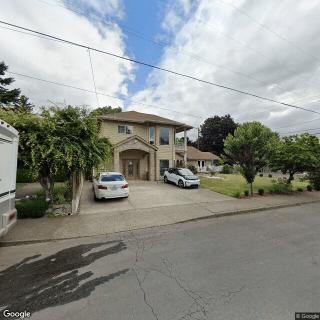


 Dementia Behaviors: In-Depth Understanding and Effective Coping Strategies
 5 Early Indicators of Dementia and What You Can Do
 8 Important Indicators That Memory Care May Be Necessary