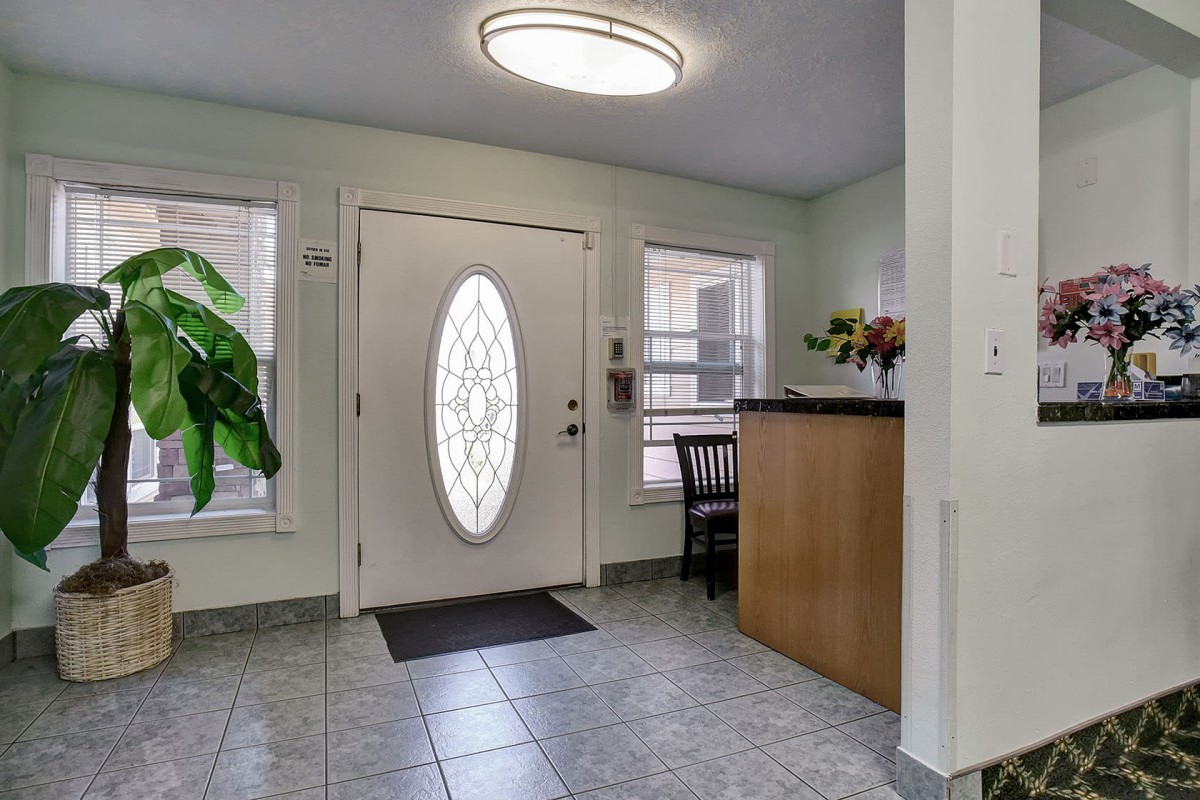
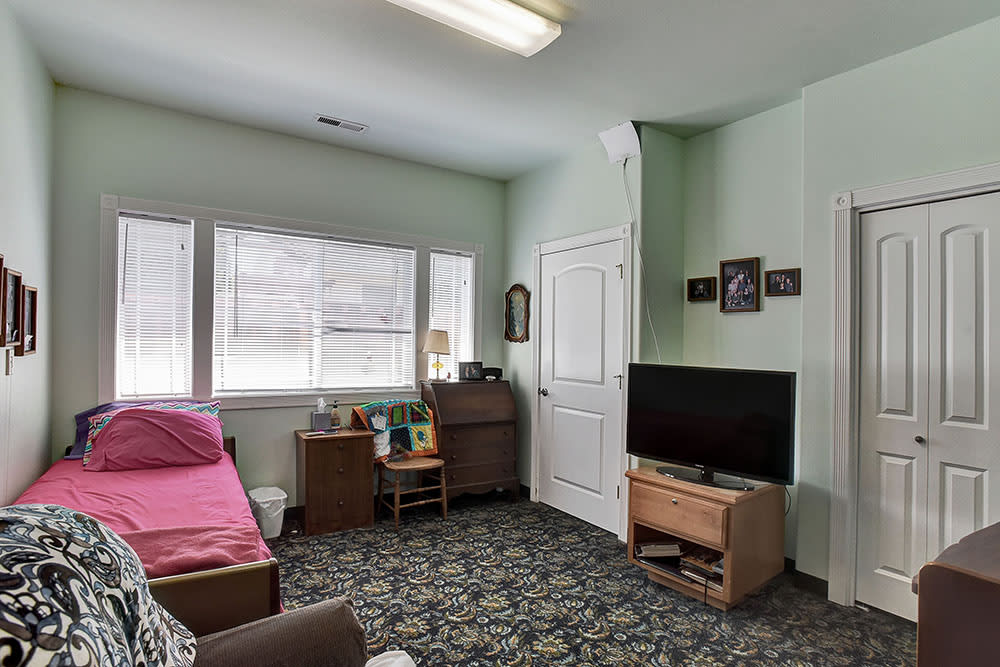
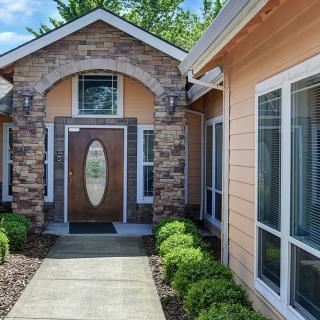
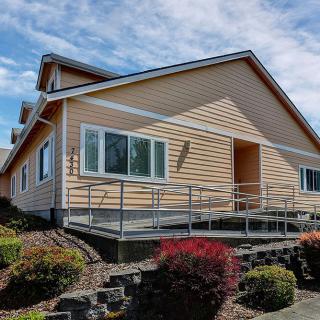
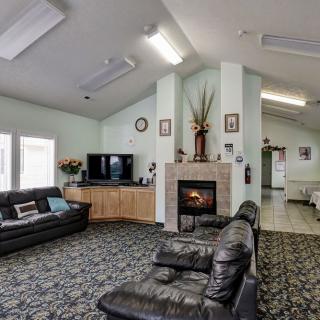
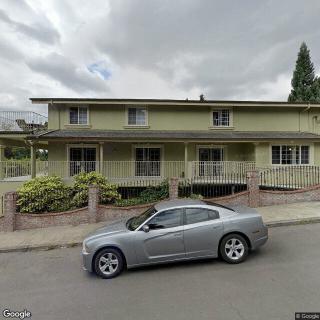
7430 SE Division St, Portland, OR 97206
To contact a resident: (503) 771-8058
For more information about senior living options: (866) 208-4318
Tabor Crest 1 Costs & Pricing
Tabor Crest 1 offers competitive pricing for its accommodations, with both the one-bedroom and semi-private rooms priced at $7,000 per month. This cost is notably higher than the average rates in Multnomah County, where one-bedroom units typically average around $3,402, and semi-private rooms are about $4,011. Similarly, across the state of Oregon, general costs for these room types are approximately $3,904 for a one-bedroom and $4,457 for a semi-private arrangement. This positioning may reflect Tabor Crest 1's commitment to higher quality services or amenities that distinguish it from other local options.
| Floor plans | Tabor Crest 1 | Multnomah County | Oregon |
|---|---|---|---|
| 1 Bedroom | $7,000 | $3,402 | $3,904 |
| Semi-Private | $7,000 | $4,011 | $4,457 |
Memory care communities with a similar price nearby
-
from -$1000 / mo
Magnolia Gardens Senior Care Home
$6,000 / month10.1 miles away -
from +$829 / mo
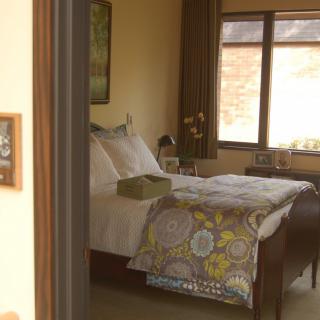
Maryville Memory Care
$7,829 to $8,559 / month11.8 miles away -
from -$860 / mo
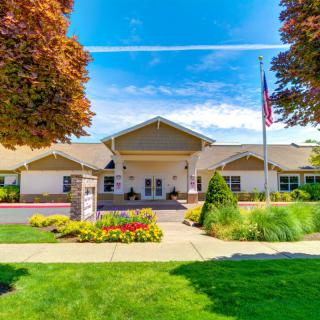
Rosewood Memory Care
$6,140 to $6,585 / month16.0 miles away -
from -$950 / mo

The Cottages Senior Living
$6,050 to $6,300 / month5.4 miles away -
from -$1250 / mo
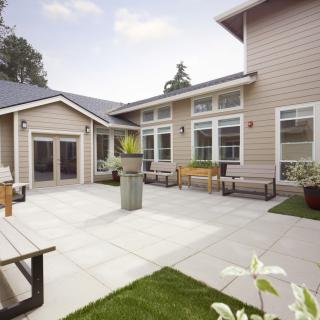
Murray Highland Memory Care
$5,750 to $6,050 / month11.7 miles away
Overall Review of Tabor Crest 1
Pros
 The level of care is excellent, with wonderful, caring staff and a patient, kind owner.
- Residents are kept clean, well cared for, and made comfortable, including end-of-life care.
- The staff are super friendly and attentive, and families feel confident about the resident's care.
- The facility is clean, and the care is provided in a loving, personalized way.
- Tabor Crest Memory Care is described as joyful, with a loving atmosphere and low staff turnover.
- Management and care providers communicate promptly and keep families informed.
- Families would readily recommend Tabor Crest to others based on their experiences.
- There is always a nurse or doctor on site who is involved in care.
Cons
 The reviewer states that entering the facility feels like walking into the house of the living dead.
 - Residents are described as looking like zombies or sleeping with cricked necks, creating a disturbing atmosphere.
- The environment is portrayed as a completely different vibe from what it had been previously.
- After an administration change, the staff are described as tired and overworked.
- The facility is noted to be predominantly memory care, which did not meet the reviewer’s needs.
- The starting price of $4,200 per month for memory care is cited as a drawback.
- The policy of not accepting volunteers is criticized, with concerns that residents are being cut off from society.
Review
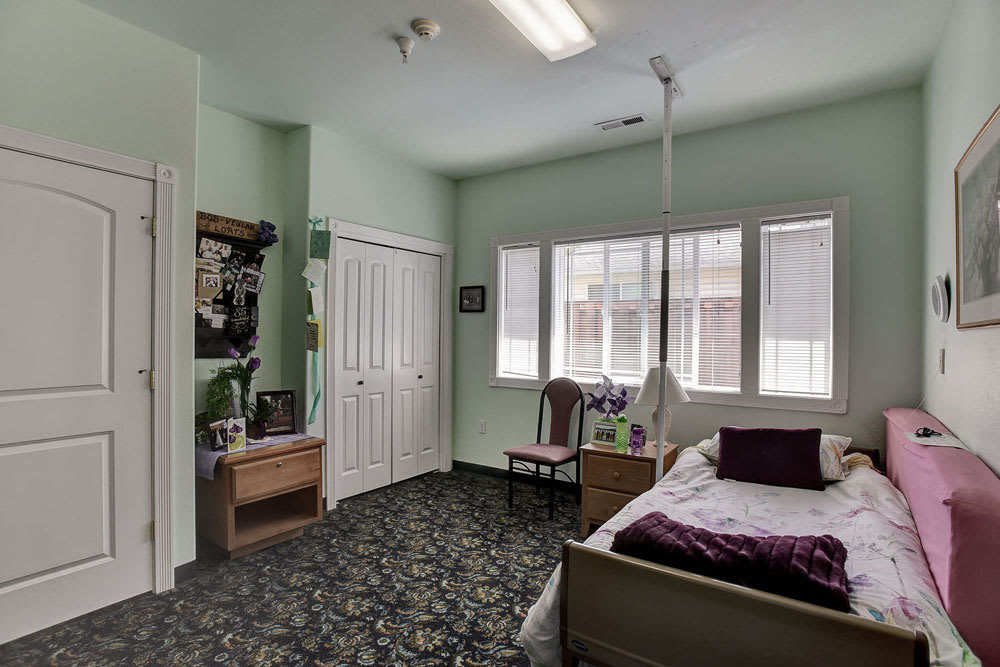
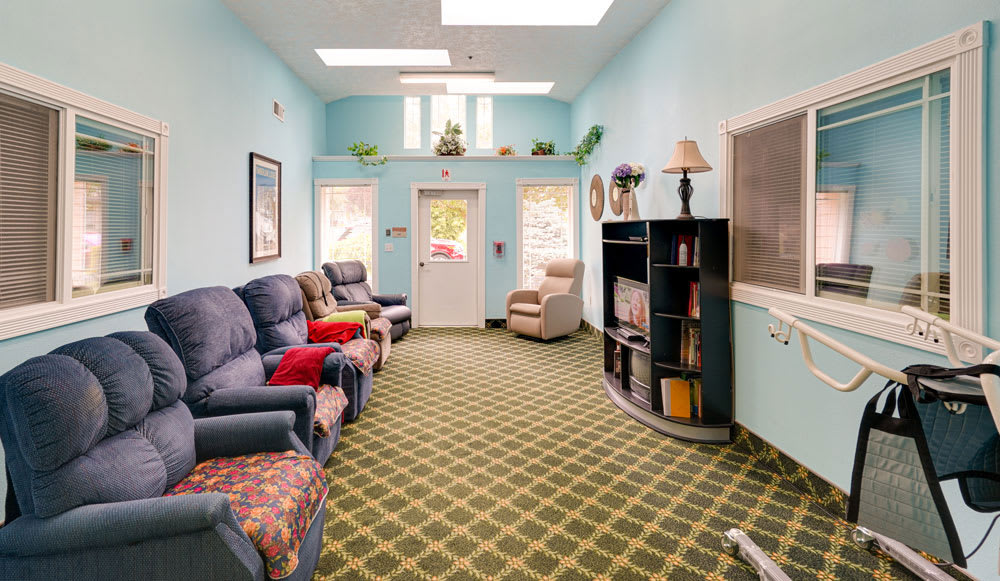
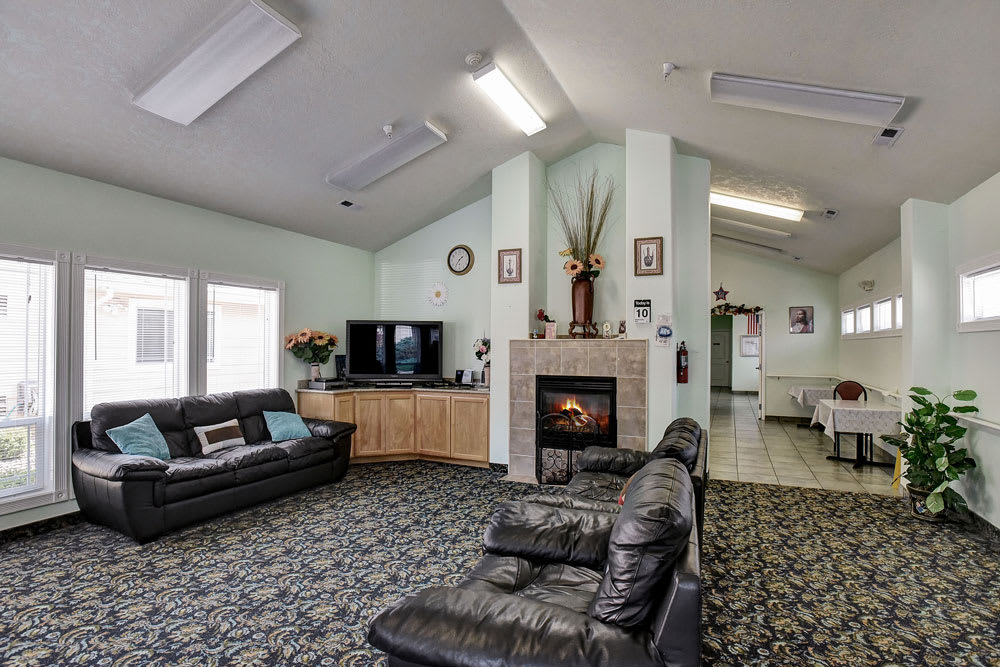
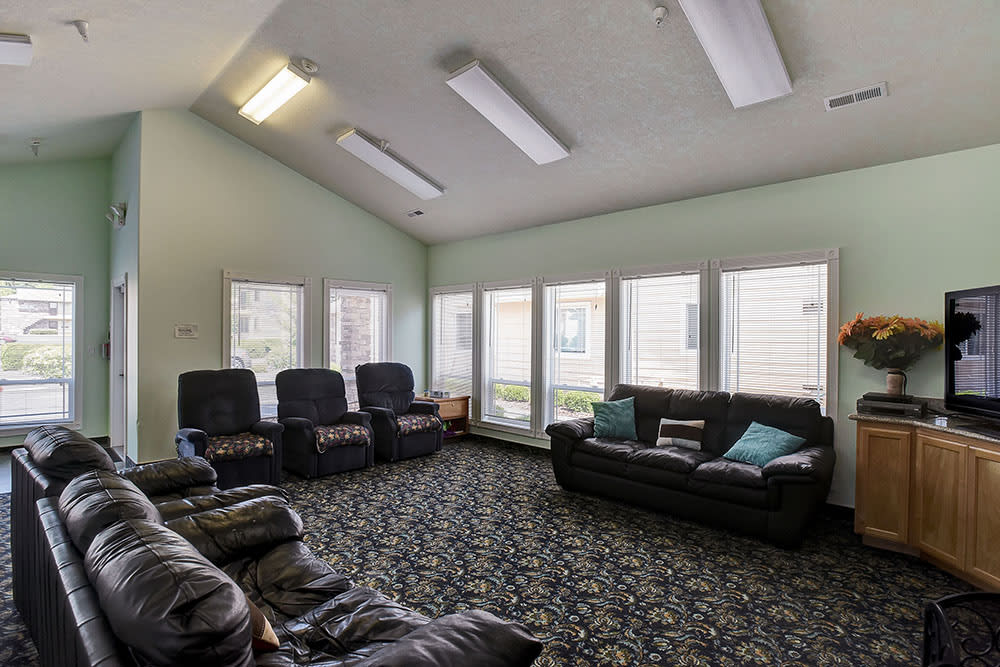
Tabor Crest 1 in Portland is best suited for families seeking a small, memory-care–focused community where residents receive high-touch daily support, detailed attention to cleanliness and presentation, and visible medical oversight. The setting appeals to those who need substantial assistance with daily activities and memory-related care, and who value a caregiver team that is consistently described as kind, patient, and involved. For families prioritizing end-of-life comfort and a home-like atmosphere, this community offers a level of devotion and personalized contact that can translate into real peace of mind.
Alternatives are worth considering for several profiles. Those who need only assisted living without memory-care intensity may find the pricing and structure excessive, given that much of the reviews center on memory-care needs and associated routines. Individuals seeking greater independence, more privacy, or a larger campus with broader recreational options may find the environment too intimate or specialized. Budget constraints are a practical reality here, since memory-care services command a higher starting price, and families should compare whether the degree of care matches their financial plan. Finally, families who place a premium on unrestricted volunteer access or a completely open, volunteer-driven social calendar may encounter a mismatch, as the community sometimes emphasizes protection and controlled volunteer involvement.
The strongest positives center on care quality and staff engagement. Across multiple accounts, care is described as excellent, with staff who are friendly, attentive, and genuinely caring, and with owners and managers who are calm, patient, and responsive. Cleanliness and resident presentation, haircuts, outfits, weather-appropriate dress, are consistently noted, reinforcing a view of a facility that treats daily dignity as a baseline. The environment is frequently described as warm and intimate, where residents are known by name and staff members make efforts to reassure families about changes in care plans. The combination of a smaller, memory-focused setting and a dedicated administrator with strong communication creates a reliable backbone for families navigating complex care needs.
Memory care is a core strength here, with on-site nursing or medical oversight that keeps families informed and involved. Reviews consistently praise the way care plans are implemented and updated, and families report seeing steady attention to comfort and health. The memory-care orientation also correlates with more structured daily activities and purposeful engagement for residents who crave routine, interaction, and meaningful participation. In short, the care team’s reliability in delivering consistent supervision, timely updates, and a caring atmosphere offset concerns about the intensity or restrictiveness some families associate with memory care.
Nevertheless, the community is not without its cautions. A few reviews recount a shift in mood and energy following administrative changes, with perceptions of staff being tired or the atmosphere turning less vibrant. That frontline sentiment matters because caregiver energy trickles into resident experience. Also, the price tag for memory-care–driven services, starting around $4,200 per month, will be a critical deciding factor for many families. For those seeking true assisted living without memory-care needs, or for households operating on tighter budgets, this price delta may outpace perceived benefits. Finally, there is a palpable tension for those who value volunteer accessibility; the policy against volunteers can feel restrictive to families who view volunteers as a meaningful complement to staff care.
Practical next steps for families are clear. Verify whether the specific unit being considered is memory-care oriented and confirm current pricing tiers, inclusions, and any potential assessments. Inquire about staffing ratios, turnover, and how care plans are communicated and updated to families, especially during changes in administration. Visit multiple times at different hours to gauge environmental vitality, activity levels, and staff responsiveness; talk with residents and families about perceived atmosphere and consistency of care. If independence and private living are priorities, or if the budget must stretch further, explore other Portland-area options that emphasize assisted living with lower memory-care requirements and greater freedom.
The bottom line: Tabor Crest 1 is a strong recommendation for families prioritizing memory care within a small, closely supervised setting, where compassionate staff and hands-on management drive daily assurance and meaningful activity for residents. It excels when the need is for steady medical oversight, consistent routines, and a home-like culture that treats comfort and dignity as nonnegotiable. For those seeking more independence, broader social breadth, or more favorable price points, alternatives should be weighed carefully. When the resident requires significant memory-support and families want a transparent, responsive team in a contained, family-centered environment, Tabor Crest 1 is a compelling match.
 Memory Care
 Activities on-site
 Devotional services on-site
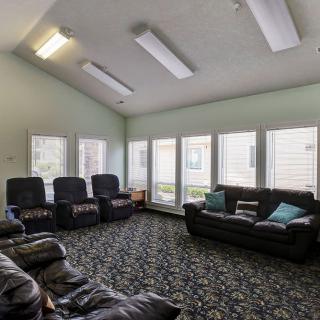
 Indoor common areas
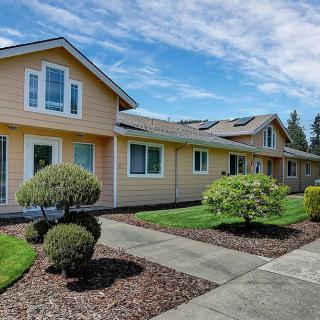
 Outdoor common areas
 Wheelchair accessible showers
 Portland International (6 miles away)
 Ambulatory care
 Diabetic care
 Incontinence care
 Medication management
 Meals provided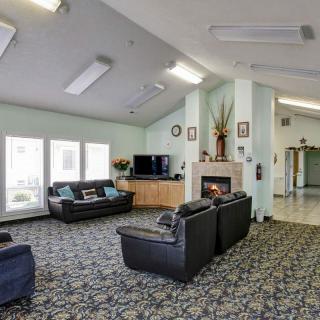



 Estimating the Expenses of At-Home Dementia Care: A Detailed Exploration
 Comprehensive Insights on the Late Stages of Dementia: What to Expect and How to Provide Care
 Medications Associated with Dementia Risk: A Comprehensive Overview