Marquis Mill Park

Save

Marquis Mill Park

1475 South East 100Th Avenue, Portland, OR 97216

For more information about senior living options: (844) 490-3973

3.3 from 37 reviews
5 stars
17
4 stars
2
3 stars
4
2 stars
3
1 stars
11

Skilled Nursing Facility

What level of care are you interested in?

Assisted Living

Memory Care

Independent Living

Skilled Nursing Facility

Continuing Care Retirement Community (CCRC)CCRC

Other


Request a tour at Marquis Mill Park

    Overall Review of Marquis Mill Park

    Pros

    • pro Debbie is described as the best social worker, with Joyce also praised for being professional and accommodating and for keeping families updated.
    • pro The staff are caring and kind, and they perform their duties with grace.
    • pro The facility is cited as an excellent center to recuperate with top-notch care.
    • pro Millpark Rehab is called a fantastic facility with professional, personable social services and care managers.
    • pro The social workers and care team are attentive to needs, explain the care plan, and ensure it is carried out.
    • pro A resident expressed love for their home there, indicating a positive environment.

    Cons

    • pro The complete lack of communication among staff and with families is atrocious.
    • pro A CNA used the wrong tools to remove my mom's staples, causing unnecessary pain, and there was no apology.
    • pro The social worker Hailey has zero social skills and is either ineffective or dishonest about transportation options.
    • pro Hailey is also completely unprofessional.
    • pro Medications were not given on time and some were given wrong.
    • pro The care plan was made but not followed.
    • pro The facility knowingly had COVID in the building for at least 3 days before posting a sign.

    Review

    The reviews paint a picture of Marquis Mill Park as a facility that can offer exceptional moments of care and professional handling, but that is also marred by pervasive concerns about communication, staffing, safety, and consistency. On the positive side, several families highlight individual staff members who stood out for their dedication. Debbie, identified repeatedly as a social worker, and Joyce, described as an attentive care manager (RCM), are singled out for being professional, responsive, and genuinely focused on explaining care plans and ensuring they were carried out. A number of residents and families recount instances where these two staff members helped coordinate care, answered questions, and kept families informed, turning some otherwise stressful situations into more manageable experiences. The sentiment is that, when these team members are present and engaged, the care process can be smooth and reassuring.

    However, the bulk of the feedback centers on serious lapses in communication and operational reliability. Families report that they were promised weekly updates via email about a resident's progress but received nothing, leaving them largely in the dark during important recovery periods. This lack of timely communication is repeatedly described as a fundamental problem, especially for families counting on regular status reports to plan visits, coordinate with outside providers, or prepare for discharge. The care environment also appears understaffed or inconsistently staffed, with accounts of two-person assist residents sometimes being left waiting for a nurse to return from a break, delaying essential bathroom assistance and creating unnecessary risk of infection or discomfort.

    Quality concerns extend to direct caregiving and clinical practices. A CNA allegedly used the wrong tools to remove staples, causing avoidable pain, and there was little or no apology when the error was pointed out; some staff were described as dismissive, with phrases like "she's new" used to excuse mistakes. Medication handling and administration are flagged as problematic in multiple entries - crucial tasks like ensuring medications are crushed when intended, or giving the right meds on time, are described as being inconsistently followed. Physical therapy and occupational therapy are also criticized for not meeting stated expectations, with one review noting that PT was not as frequent as promised and another lamenting that OT did not adequately tailor therapy to a patient's unique needs (a musician who required keyboard use in rehab). In several narratives, discharge planning is tangled and confusing, with conflicting instructions about transport and releases, and disagreements over what constitutes appropriate arrangements for residents who need to leave the state or be transported to another facility.

    The logistics of discharge and transport come up repeatedly as a major pain point. Reviewers describe a troubling pattern where the facility insisted on creating a new PCP before discharge to out-of-state locations, only to alter appointments and transport plans at the last minute, rendering the prior arrangements moot. One reviewer notes that they were told a medical transport van was the only option, only to discover that alternative, less expensive options existed and that the facility itself did not provide the promised transport. The frustration is compounded by reports that medications or personal health information were treated ambiguously at discharge, with residents potentially leaving without necessary prescriptions or proper follow-up care. The financial angle also appears in the conversation, with mentions of high costs for external medical transport versus the facility's supposedly limited, inconvenient options.

    Safety and public health concerns surface in a troubling COVID-related episode. One reviewer alleges that the facility continued to operate with known COVID-19 cases in the building for several days before a sign was posted at the front door, and that a close family member tested positive after being exposed. The reviewer implies that the facility was slow to test or disclose exposure, a lapse that understandably heightens worry for families with newborns or immunocompromised members at home. This point sits alongside more general complaints about safety - ranging from open doors that allow unrestricted access to rooms, to reports of visitors right up to residents' beds despite ongoing concerns about security and the potential for theft.

    Interwoven with the criticisms are broader reflections that the facility can be excellent in the right circumstances. Some reviewers describe Marquis Mill Park as "an excellent center to recuperate" and compare it to a Cadillac facility, praising the high quality of rehab when the team is operating at their best. The same voices emphasize the importance of advocacy and staying engaged: ask questions, verify instructions, and insist on clear, timely communication. In particular, the reviewers who spoke warmly of Debbie and Joyce describe a model for how care coordination and respectful, client-centered communication can transform a facility experience from stressful to constructive. These accounts serve as a counterpoint to the more negative experiences and underscore that outcomes at Marquis Mill Park appear to hinge heavily on staffing consistency and the facility's ability to manage complex transitions.

    Overall, prospective families and residents receive a mixed forecast. For those who encounter the most reliable, compassionate staff - especially when Debbie and Joyce are involved - the experience can be positive, with thorough explanations of care plans, attentive nursing, and effective rehab progress that helps a patient return home or transition to the next phase of recovery. Yet for many others, the pattern of delayed communication, inconsistent adherence to care plans, logistical hurdles around discharge and transport, and safety concerns creates a sense of instability and frustration. The consistent advice across the reviews is to actively advocate for your loved one: demand timely updates, clarify procedures for transfers and medications, confirm transportation arrangements well in advance, and remain vigilant about safety and infection control practices.

    Features

    Housing

    • 54 resident community capacity 54 resident community capacity

    Types of Care

    • Skilled Nursing Facility Skilled Nursing FacilitySkilled Nursing Facilities are crucial for seniors as they provide round-the-clock medical care, rehabilitation services, and assistance with daily activities. These facilities ensure that seniors receive the specialized care they need to maintain their health and well-being as they age.

    Amenities

    • Air-conditioning Air-conditioningAir conditioning is important for seniors as they are more vulnerable to heat-related illnesses and may have underlying health conditions that make it difficult for them to regulate their body temperature. It helps to keep them comfortable, safe, and healthy in hot weather.
    • Beauty salon Beauty salonBeauty salons are important for seniors because they provide a space for them to feel pampered, socialize, and maintain their personal grooming and hygiene. Regular visits to a beauty salon can help boost seniors' self-esteem and overall well-being.
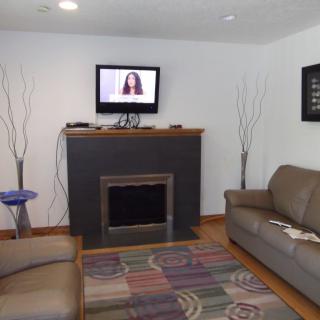
    • Cable or satellite TV Cable or satellite TVCable or satellite TV is important for seniors because it provides entertainment, news, and companionship, helping to combat loneliness and boredom. It also offers a wide range of programming options tailored to different interests and preferences.
    • Computer center Computer centerA computer center is essential for seniors as it provides access to technology, communication tools, and resources that can enhance their daily lives. It allows them to stay connected with loved ones, engage in online activities, and learn new skills, ultimately promoting socialization and mental stimulation.
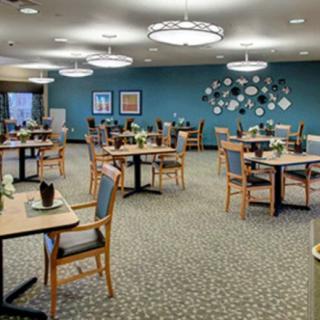
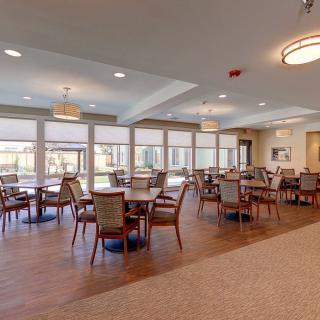
    • Dining room Dining roomDining rooms are important for seniors as they provide a space for socialization, connection, and nutritious meals. They offer opportunities for residents to bond over shared meals, foster a sense of community, and promote healthy eating habits. Dining rooms also ensure that seniors have access to well-balanced meals tailored to their dietary needs and preferences.
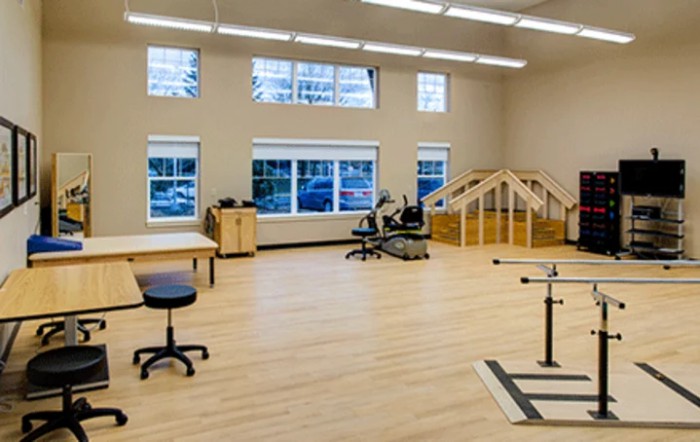
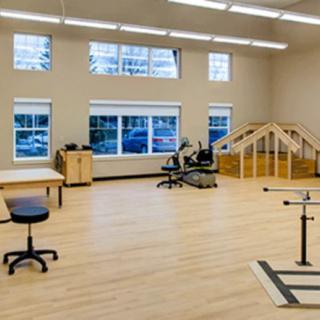
    • Fitness room Fitness roomHaving a fitness room in a senior living community is essential for seniors to stay active, maintain their physical health, and improve their overall well-being. Regular exercise can help prevent falls, reduce the risk of chronic diseases, and promote mental sharpness. It also provides social opportunities for residents to connect with others and enjoy a sense of community.
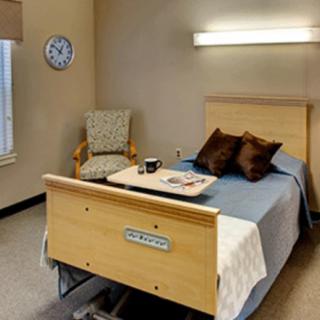
    • Fully furnished Fully furnishedFully furnished senior living communities are important for seniors because they provide convenience, comfort, and a hassle-free moving experience. Seniors can easily settle into their new living space without the stress of having to buy and move furniture. This allows them to focus on enjoying their new home and community.
    • Gaming room Gaming roomGaming rooms are important for seniors as they provide a fun and engaging environment for socializing, cognitive stimulation, and physical activity. Games can improve memory, problem-solving skills, and overall mental well-being while fostering friendships and reducing feelings of isolation.
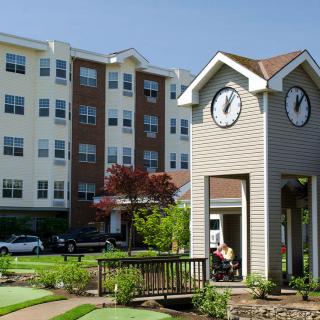
    • Garden GardenGardens are important for seniors as they provide a peaceful and therapeutic environment for relaxation, physical activity, and socialization. Being in nature has been shown to reduce stress, improve mood, and promote overall well-being. Gardens also offer opportunities for seniors to engage in gardening activities, which can improve mobility, flexibility, and cognitive function. Additionally, gardens create a sense of community and connection with others who share a passion for plants and outdoor spaces.
    • Housekeeping services Housekeeping servicesHousekeeping services are important for seniors because they help maintain a clean and safe living environment, promote independence, and reduce the risk of accidents or illnesses. Additionally, having assistance with household chores can alleviate physical strain and allow seniors to focus on other aspects of their well-being.
    • Kitchenette KitchenetteKitchenettes are important for seniors living in senior living communities because they provide the convenience and independence of being able to prepare simple meals and snacks in the comfort of their own living space. This can help promote a sense of autonomy and well-being for seniors, allowing them to maintain some level of control over their dietary choices and daily routines.
    • Move-in coordination Move-in coordinationMove-in coordination is important for seniors because it helps ease the transition into their new living environment. It ensures that all logistics, such as packing, organizing movers, and setting up utilities are taken care of, allowing seniors to focus on settling in and adjusting to their new home. Having a smooth move-in process can alleviate stress and anxiety, making the transition smoother and more enjoyable for seniors.
    • Outdoor space Outdoor spaceOutdoor spaces are important for seniors as they provide opportunities for physical activity, social interaction, exposure to natural light and fresh air, and a sense of connection to nature. Having access to outdoor spaces can improve overall well-being and quality of life for older adults living in senior communities.
    • Private bathrooms Private bathroomsPrivate bathrooms are important for seniors in senior living communities because they provide independence, dignity, and comfort. Having a private bathroom allows seniors to maintain their personal hygiene routines without the need for assistance, promoting a sense of autonomy and privacy. Additionally, private bathrooms help prevent the spread of infections and provide a safe and clean environment for seniors to navigate safely.
    • Restaurant-style dining Restaurant-style diningRestaurant-style dining is important for seniors because it allows them to enjoy delicious, nutritious meals in a social and upscale setting. This enhances their dining experience, promotes healthy eating habits, and fosters socialization with fellow residents, ultimately contributing to their overall well-being and quality of life.
    • Small library Small librarySmall libraries are important for seniors as they provide access to a variety of reading materials, including books, newspapers, and magazines. This can help stimulate their minds, keep them engaged, and provide a sense of community through book clubs and other social activities. Additionally, reading has been shown to improve cognitive function and overall mental well-being in older adults.
    • Telephone TelephoneTelephones are important for seniors as they provide a lifeline for communication with loved ones, emergency services, and healthcare providers. They offer a sense of security and independence, enabling seniors to stay connected and access assistance when needed.
    • Wellness center Wellness centerWellness centers are important for seniors because they offer a variety of programs and services that promote physical, mental, and emotional well-being. These centers provide opportunities for exercise, socialization, education, and relaxation, helping seniors maintain their overall health and quality of life.
    • Wi-Fi/high-speed internet available Wi-Fi/high-speed internet availableWi-Fi/high-speed internet is important for seniors to stay connected with loved ones, access online resources, and participate in virtual activities to combat feelings of loneliness and isolation. It also allows them to easily manage healthcare needs, access entertainment, and engage in lifelong learning opportunities.

    Transportation

    • Portland International (6 miles away) Portland International (6 miles away)
    • Community operated transportation Community operated transportationCommunity operated transportation is crucial for seniors as it provides them with the means to access essential services, social activities, and medical appointments. It allows seniors to maintain their independence and quality of life by ensuring they can participate in activities outside of their homes. Additionally, community-operated transportation services offer a safe and reliable way for seniors to travel without having to rely on family or friends for assistance.
    • Transportation arrangement Transportation arrangementTransportation arrangements are crucial for seniors as they may face challenges with driving, mobility, or access to public transportation. Having reliable transportation services ensures that seniors can easily attend appointments, social activities, and maintain their independence and quality of life.
    • Transportation arrangement (non-medical) Transportation arrangement (non-medical)Transportation arrangements are essential for seniors as they provide access to essential services, activities, and social interactions outside the home. This service helps maintain independence, mobility, and overall well-being for seniors who may have limited transportation options.
    • Transportation to doctors appointments Transportation to doctors appointmentsTransportation to doctors appointments is crucial for seniors as it ensures they have access to necessary medical care and support, promoting their health and well-being. It allows them to receive timely treatment, monitor existing conditions, and address any new health concerns efficiently. Additionally, transportation services can help seniors maintain their independence and quality of life by enabling them to stay connected with their healthcare providers.

    Care Services

    • 12-16 hour nursing 12-16 hour nursing12-16 hour nursing care is crucial for seniors in order to ensure around-the-clock monitoring, timely medication administration, and prompt response to any health concerns or emergencies. This level of care helps to promote the overall well-being and safety of seniors living in senior living communities.
    • 24-hour call system 24-hour call system24-hour call systems are important for seniors because they provide peace of mind and immediate assistance in case of emergencies. This technology ensures that help is always available, promoting safety and security for elderly individuals living alone or in assisted living facilities.
    • 24-hour supervision 24-hour supervision24-hour supervision is important for seniors to ensure their safety, well-being, and access to immediate assistance in case of emergencies or health issues. This constant support provides peace of mind for both seniors and their loved ones, allowing them to age in place with dignity and security.
    • Activities of daily living assistance Activities of daily living assistanceActivities of daily living assistance are important for seniors because they provide essential support with tasks such as eating, bathing, dressing, and mobility. This assistance helps seniors maintain their independence, dignity, and overall quality of life as they age.
    • Assistance with bathing Assistance with bathingAssistance with bathing is crucial for seniors as it helps maintain personal hygiene, prevents infections, and ensures their overall well-being and comfort. It also provides a sense of dignity and independence for seniors who may struggle with this task on their own.
    • Assistance with dressing Assistance with dressingAssistance with dressing is important for seniors because it helps maintain their independence, promotes personal hygiene, prevents accidents and injuries, and improves overall quality of life. This service ensures that seniors can continue to dress comfortably and confidently, despite any physical limitations they may have.
    • Assistance with transfers Assistance with transfersAssistance with transfers is crucial for seniors as it helps prevent falls and injuries, maintains their independence, and ensures they can safely navigate their living environment. It also provides peace of mind for both seniors and their loved ones.
    • Diabetes diet Diabetes dietA diabetes diet is crucial for seniors as it helps manage blood sugar levels, reduce risks of complications, and improve overall health and well-being. By following a balanced and nutritious diet tailored to their specific needs, seniors can better control their diabetes and enhance their quality of life.
    • Meal preparation and service Meal preparation and serviceMeal preparation and service are crucial for seniors as they may have limited mobility or energy to cook nutritious meals. Having access to healthy and convenient food options can ensure they are getting the proper nutrition needed to maintain their overall health and well-being.
    • Medication management Medication managementMedication management is crucial for seniors to ensure they are taking the right medications at the correct dosages and times. This helps prevent adverse drug interactions, reduces the risk of medication errors, and promotes overall health and well-being. Proactive management also allows for adjustments as needed based on changing health conditions or new prescriptions.
    • Mental wellness program Mental wellness programMental wellness programs are essential for seniors as they promote cognitive stimulation, emotional support, and social engagement. These programs help prevent isolation, depression, and cognitive decline, ultimately enhancing the overall quality of life for older adults.
    • Special dietary restrictions Special dietary restrictionsSpecial dietary restrictions are important for seniors because age-related changes in metabolism and health conditions can make it difficult for their bodies to process certain foods. By following a diet tailored to their specific needs, seniors can maintain their overall health and well-being, manage chronic conditions, and reduce the risk of complications such as malnutrition or food interactions with medications.

    Dining

    • Diabetes diet Diabetes dietA diabetes diet is crucial for seniors as it helps manage blood sugar levels, reduce risks of complications, and improve overall health and well-being. By following a balanced and nutritious diet tailored to their specific needs, seniors can better control their diabetes and enhance their quality of life.
    • Special dietary restrictions Special dietary restrictionsSpecial dietary restrictions are important for seniors because age-related changes in metabolism and health conditions can make it difficult for their bodies to process certain foods. By following a diet tailored to their specific needs, seniors can maintain their overall health and well-being, manage chronic conditions, and reduce the risk of complications such as malnutrition or food interactions with medications.

    Activities

    • Community-sponsored activities Community-sponsored activitiesCommunity-sponsored activities are important for seniors as they provide opportunities for social interaction, mental stimulation, and physical activity. These activities can help improve overall well-being, combat loneliness and isolation, and promote a sense of belonging and purpose among older adults.
    • Concierge services Concierge servicesConcierge services are essential for seniors as they provide assistance with daily tasks and errands, enhance their quality of life by offering convenience and personalized care, and promote a sense of safety and security.
    • Fitness programs Fitness programsFitness programs are crucial for seniors as they help improve strength, flexibility, balance, and overall well-being. Staying active can reduce the risk of chronic diseases, improve mental health, and enhance quality of life in older adults.
    • Planned day trips Planned day tripsPlanned day trips are important for seniors because they offer opportunities for socialization, mental stimulation, and physical activity. They provide a change of scenery and help seniors stay engaged and connected to their community, promoting overall well-being and quality of life.
    • Resident-run activities Resident-run activitiesResident-run activities are important for seniors as they encourage social interaction, creativity, and a sense of autonomy. These activities empower seniors to stay engaged and active in their community while fostering meaningful connections with their peers.
    • Scheduled daily activities Scheduled daily activitiesScheduled daily activities are important for seniors because they provide structure, socialization, mental stimulation, and physical activity. Engaging in regular activities can improve overall well-being and quality of life for seniors living in a community setting.

    Description

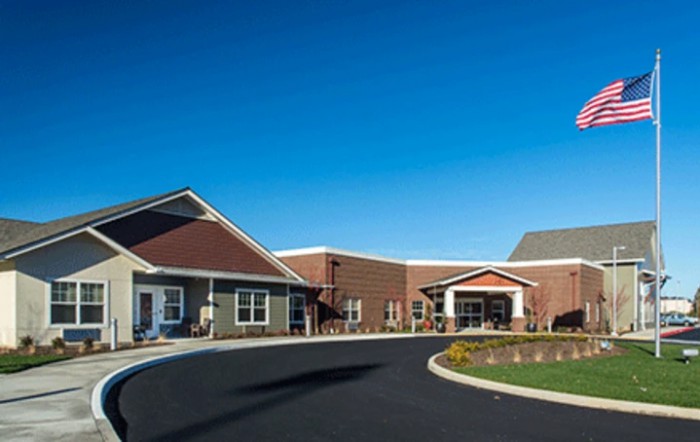
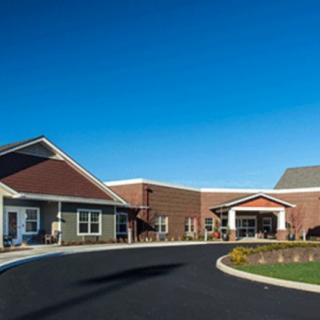
    Marquis Mill Park is an assisted living community located in the beautiful city of Portland, OR. With a wide range of amenities and care services, residents can enjoy a comfortable and fulfilling lifestyle.

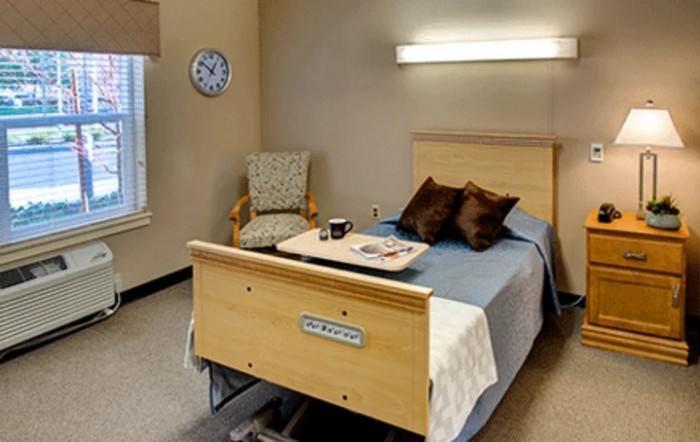
    The community offers a variety of amenities to cater to the needs and interests of residents. A beauty salon is available for those who want to pamper themselves, while a gaming room and small library provide entertainment options. The fully furnished apartments come with cable or satellite TV, private bathrooms, and Wi-Fi/high-speed internet access. Additionally, there is a fitness room and outdoor space for residents to stay active and enjoy nature.

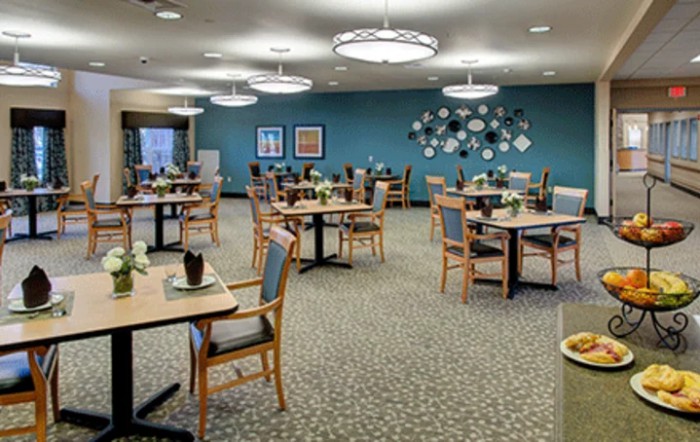
    For dining, Marquis Mill Park offers restaurant-style meals prepared by professional chefs. Special dietary restrictions are accommodated to ensure that all residents receive nutritious and delicious meals.

    Care services are provided round-the-clock to ensure the safety and well-being of residents. A 24-hour call system and supervision are in place for any emergencies or immediate assistance needed. Trained staff members assist with activities of daily living such as bathing, dressing, transfers, medication management, and diabetes diet support. Mental wellness programs are also available to promote emotional well-being.

    The community organizes a variety of activities for socialization and engagement. Residents can participate in fitness programs or join planned day trips to explore the surrounding area. Resident-run activities provide opportunities for individuals to share their hobbies or talents with others, fostering a sense of community.

    Marquis Mill Park benefits from its convenient location near numerous amenities within close proximity. There are cafes, parks, pharmacies, physicians' offices, restaurants, transportation options, places of worship, theaters, and hospitals nearby – ensuring easy access to essential services.

    With its comprehensive amenities and care services, Marquis Mill Park provides an ideal assisted living environment where residents can live comfortably while receiving the support they need.

    Nearby Places of Interest

    This part of Portland, Oregon offers a variety of amenities that could be appealing for senior living. With multiple hospitals and medical facilities within close proximity, there is easy access to healthcare services. Additionally, the area boasts a selection of cafes and restaurants for dining options, as well as pharmacies for convenient medication needs. Parks provide opportunities for outdoor recreation and relaxation, while nearby theaters offer entertainment options. Places of worship are also available for spiritual fulfillment. Transportation options include access to public transit and the airport for travel convenience. Overall, this area provides a convenient and bustling atmosphere with essential services nearby for seniors looking to settle in Portland.

    Hospitals

    • Adventist Medical Center (0.1 miles)
    • Providence Milwaukie Hospital (5.4 miles)

    Physicians

    • Adventist Medical Pavilion (0.1 miles)
    • Eye Health Northwest (0.6 miles)
    • The Oregon Clinic (1.3 miles)
    • Richmond Family Health Center (3 miles)
    • ZoomCare (3.7 miles)
    • Family Medical Group, PC (3.9 miles)
    • Metropolitan Pediatrics (4 miles)

    Cafes

    • Starbucks (0.5 miles)
    • Common Grounds Coffee House (2.7 miles)
    • Keeper Coffee Co. (3.2 miles)
    • Portland Cà Phê (4 miles)
    • Panera Bread (4 miles)
    • Dutch Bros Coffee (4.1 miles)
    • Peet's Coffee and Tea (4.6 miles)

    Restaurants

    • Roscoe's (1 miles)
    • Bipartisan Cafe (1.1 miles)
    • H.K. Cafe (1.7 miles)
    • Element Lounge (2.2 miles)
    • Bodega PDX (2.3 miles)
    • Thunderbird (2.5 miles)
    • Super Deluxe (2.6 miles)

    Pharmacies

    • Walgreens (1.1 miles)
    • Rite Aid (1.2 miles)
    • Herbalist Farmer (1.4 miles)
    • Walgreens (1.6 miles)
    • Walgreens (1.7 miles)
    • Fred Meyer Pharmacy (1.9 miles)
    • Walgreens (2.9 miles)

    Parks

    • Mt. Tabor Park - Off Leash Area (1.4 miles)
    • Lents Park (1.8 miles)
    • Mt. Tabor Park (1.9 miles)
    • Normandale Park (2.6 miles)
    • Laurelhurst Park (3 miles)
    • Oregon Park (3.7 miles)
    • Colonel Summers Park (4.2 miles)

    Theaters

    • Century 16 Eastport Plaza (1.5 miles)
    • Hollywood Theatre (3.3 miles)

    Places of Worship

    • St Rose Catholic Church (3 miles)

    Transportation

    • TriMet Hollywood/NE 42nd Ave Transit Center (3.2 miles)
    • Portland Airport Rental Car Center (5.4 miles)
    • Alaska Airlines Lounge - PDX (5.5 miles)
    • Portland International Airport (PDX) (5.5 miles)
    • Concourse E (5.5 miles)
    • Concourse C (5.5 miles)
    • TSA Checkpoint A/B/C - Portland International Airport (5.5 miles)

    Frequently Asked Questions

    Where is Marquis Mill Park?
    What photos are available for Marquis Mill Park in Portland, Oregon?

    Nearby Communities

    Related Resources

    • adult day careEncouraging Participation in Adult Day Care: A Guide to Supporting a Hesitant Parent

      Adult day care programs offer essential support and activities for older adults, yet many hesitate to participate due to concerns about independence and stigma. To alleviate these apprehensions, families should facilitate open discussions, explore financial resources, suggest trial visits, and collaborate with healthcare providers to highlight the benefits of such services for both the participants and their caregivers.

    • living will definitionComprehensive Exploration of Living Wills and Other Advance Directives

      Living wills and advance directives are crucial legal documents that outline an individual's healthcare preferences when they cannot make decisions themselves, enhancing patient autonomy and alleviating family stress during medical crises. The article emphasizes the need for these documents to be personalized, legally valid, and regularly updated, while also encouraging communication about end-of-life wishes among family members and healthcare providers.

    • living will definitionA Detailed Exploration of Living Wills and Advance Directives
      The article examines living wills and advance directives, highlighting their significance in expressing healthcare preferences for those unable to communicate due to illness or incapacity. It discusses their historical development, legal components, limitations, practical drafting advice, and the importance of clear communication among families and healthcare professionals regarding end-of-life decisions.


    Get Pricing Ask A Question Schedule A Tour Contact Senior Advisor