CherryWood Village presents a competitive pricing structure for its various living arrangements compared to both Multnomah County and the broader state of Oregon. For instance, the monthly cost for a studio apartment at CherryWood Village is $3,000, which is notably lower than the county average of $3,455 and significantly less than the state average of $3,815. Similarly, the 1-bedroom units are attractively priced at $3,600 in contrast to Multnomah County's $3,402 and Oregon's $3,904. However, when it comes to 2-bedroom apartments, CherryWood's rate of $4,350 is slightly above both local and state averages. Lastly, their semi-private rooms are priced at $6,500 - higher than both Multnomah County's rate of $4,011 and Oregon's average of $4,457. Overall, CherryWood Village offers appealing options for single occupants while presenting a more premium pricing tier for larger accommodation types.
Floor plans
CherryWood Village
Multnomah County
Oregon
Studio
$3,000
$3,455
$3,815
1 Bedroom
$3,600
$3,402
$3,904
2 Bedrooms
$4,350
$3,722
$4,436
Semi-Private
$6,500
$4,011
$4,457
Assisted Living communities with a similar price nearby
Residents and families describe dementia care that stays patient and non-judgmental.
Several reviews describe memory care as bright and calming, including enclosed courtyard time for residents. Families also say staff handled dementia behaviors with more understanding, rather than treating them as a problem. One resident’s severe dementia care during COVID is described as careful and structured, with accommodations to help maintain comfort and dignity. A different review mentions a newer memory care option designed to make transitions easier. Residents and families also report care-plan follow-ups as part of ongoing support.
common7 reviews mention this
Activities are a daily focus
Reviews repeatedly point to a packed schedule of activities and outings.
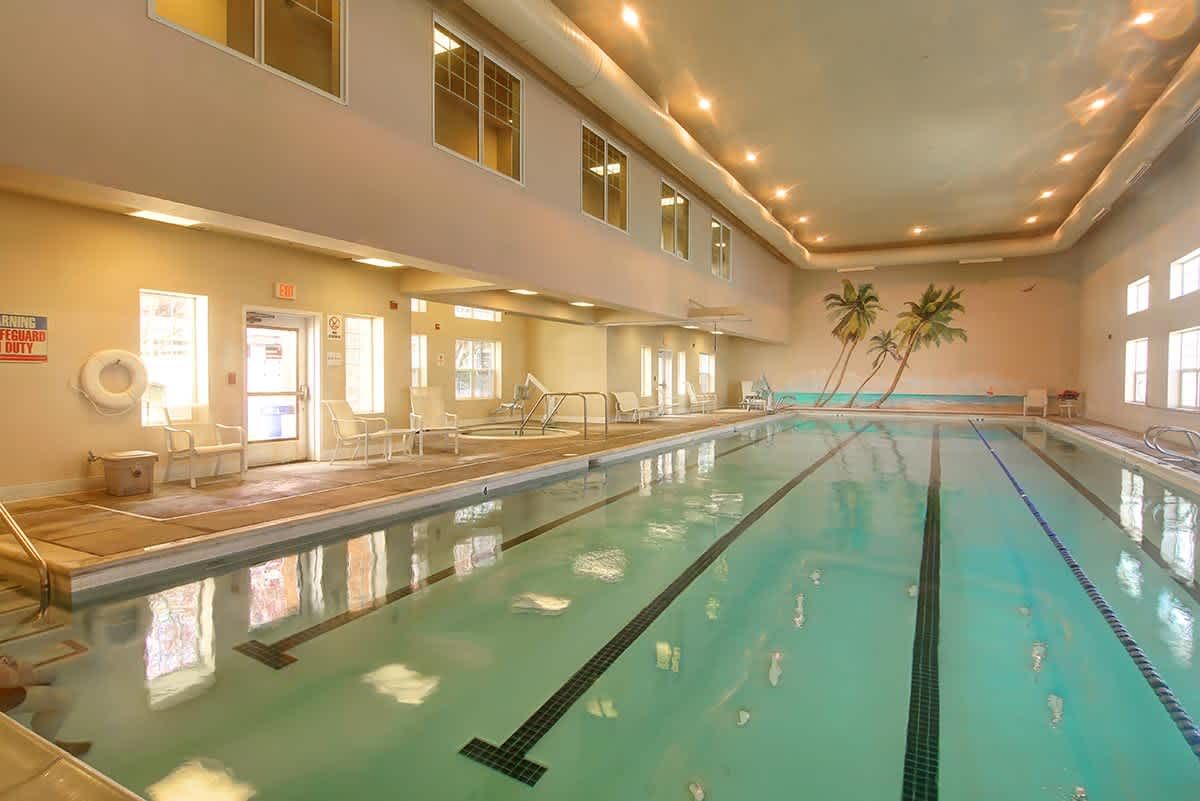
Residents and families describe an active community life with frequent scheduled events, from art and crafts to games and performances. Multiple reviews call out outings such as bus rides and trips to local destinations, and several mention activities running throughout the week. The on-site amenities that support this routine include a pool and spaces for gatherings and entertainment. Even in the context of COVID changes, one reviewer says the team still worked to keep residents engaged. Others also describe using the calendar to stay involved, rather than being limited to apartment time.
caveat6 reviews mention this
Pricing can feel high
Multiple reviews raise concerns about cost increases and overall affordability.
Some reviews say the community is expensive compared with expectations or other options. One reviewer describes rent increases, additional surcharges, and rising service fees, adding that they could not afford to remain. Others echo cost concerns in less detailed ways, including choosing a different facility or noting that pricing may be higher than nearby comparisons. Even while describing the property positively, a reviewer says the overall cost was the highest among options they considered. The pricing context also aligns with the community being positioned below county and state ranges for listed unit types, but multiple residents still experienced it as a financial strain.
How we summarize
Counts show how many written reviews mention each theme; a review can touch several themes, and only frequently mentioned themes are displayed.
Features
Housing
110 resident community capacity
1-bedroom apartments
2-bedroom apartments
Detached homes
Studio apartments
Types of Care
Assisted Living
Independent Living
Memory Care
Skilled Nursing Facility
Pets
Cats allowed
Dogs allowed
Amenities
Activities off-site
Activities on-site
Air-conditioning
Bath tubs
Beautician on-site
Beauty salon
Cable or satellite TV
Cafe
Computer center
Devotional services off-site
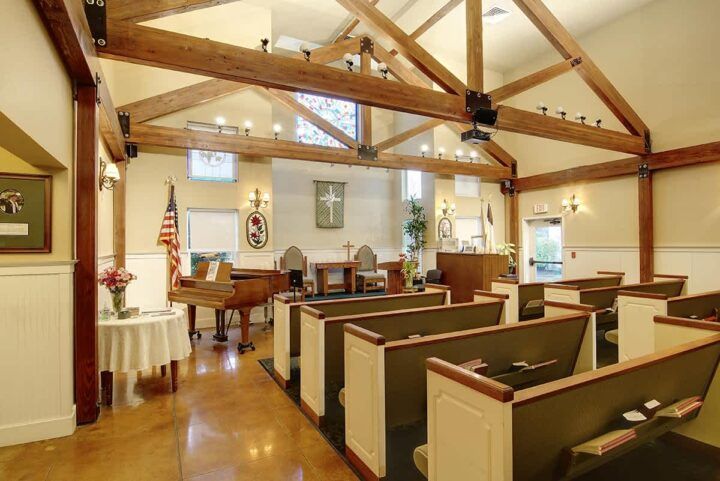
Devotional services on-site
Dining room
Fireplaces
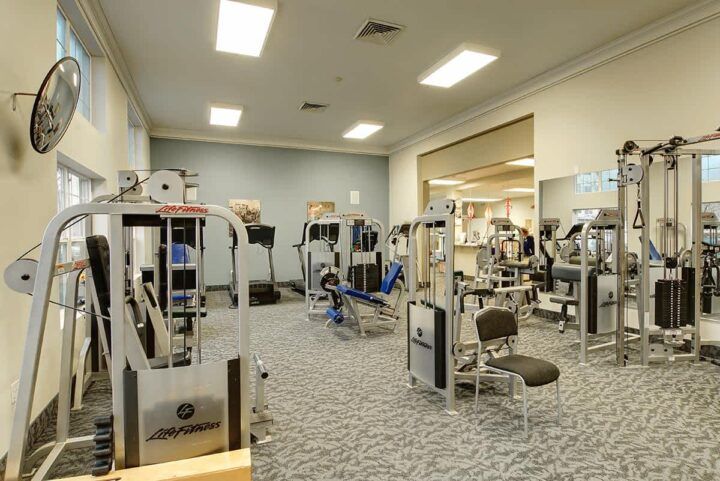
Fitness room
Full kitchen
Fully furnished
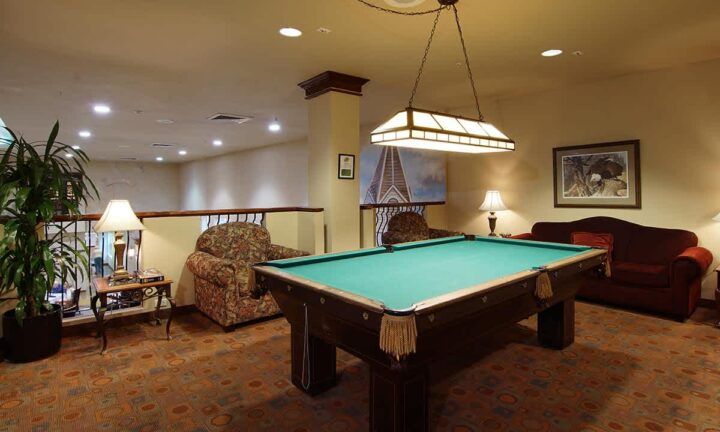
Gaming room
Garden
Golf
Ground floor units
Guasts at mealtime
Guest parking
Housekeeping services
Indoor common areas
Kitchenette
Laundry
Move-in coordination
Outdoor common areas
Outdoor space
Overnight guests
Party space
Pet friendly
Private bathrooms
Private cleaning services
Resident parking
Respite or short term stays offered
Restaurant-style dining
Small library
Spa
Swimming pool
Swimming pool / hot tub
TV room
Telephone
Wellness center
Wheelchair accessible showers
Wi-Fi/high-speed internet available
Transportation
Portland International (6 miles away)
Community operated transportation
Transportation & parking
Transportation arrangement
Transportation arrangement (non-medical)
Transportation to doctors appointments
Care Services
12-16 hour nursing
24-hour call system
24-hour supervision
Activities of daily living assistance
Ambulatory care
Assistance with bathing
Assistance with dressing
Assistance with transfers
Coordination with health care providers
Dementia waiver
Diabetes diet
Diabetic care
Hospice waiver
Incontinence care
Meal preparation and service
Medication management
Mental wellness program
Mild cognitive impairment
Special dietary restrictions
Specialized memory care programming
Transportation arrangement (medical)
Transportation to doctors appointments
Walking wheelchair assistance
Dining
Diabetes diet
Meals provided
Professional chef
Restaurant style dining
Room service
Special dietary restrictions
Special dining programs
Vegetarian
Activities
Activities off-site
Art classes
Arts and crafts
Book club
Catholic services
Community-sponsored activities
Concierge services
Cooking classes
Day trips and outings
Devotional activities offsite
Devotional activities on-site
Educational speakers / life long learning
Fitness programs
Games
Gardening club
Jewish services
Live musical performances
Other religious services
Planned day trips
Protestant services
Religious services
Resident-run activities
Scheduled daily activities
Stories
Tai Chi
Visiting chaplain or priest
Wii bowling
Yoga / chair yoga
Languages Spoken
English
Nearby Places of Interest
This part of Portland, Oregon, offers a variety of amenities that would be beneficial for senior living. With several medical facilities such as Adventist Medical Pavilion and Eye Health Northwest in close proximity, residents have easy access to healthcare services. In addition, there are multiple pharmacies like Rite Aid and Walgreens nearby for medication needs. The area also features cafes like Starbucks and Keeper Coffee Co., as well as restaurants such as Roscoe's and Bipartisan Cafe for social outings. For recreational activities, there are parks like Mt. Tabor Park and Lents Park within a short distance. Transportation options include the TriMet Hollywood/NE 42nd Ave Transit Center for convenient travel around the city. Overall, this neighborhood offers a blend of healthcare facilities, dining options, recreational spaces, and transportation services that cater to the needs of seniors looking for a comfortable living environment.
Physicians
Adventist Medical Pavilion (0.3 miles)
Eye Health Northwest (0.4 miles)
The Oregon Clinic (1.2 miles)
Richmond Family Health Center (3.4 miles)
ZoomCare (3.9 miles)
Metropolitan Pediatrics (4.1 miles)
Family Medical Group, PC (4.2 miles)
Hospitals
Adventist Medical Center (0.3 miles)
Providence Milwaukie Hospital (5.7 miles)
Kaiser Sunnyside Medical Center (5.7 miles)
Cafes
Starbucks (0.4 miles)
Common Grounds Coffee House (3.1 miles)
Keeper Coffee Co. (3.6 miles)
Panera Bread (3.9 miles)
Portland Cà Phê (4.4 miles)
Dutch Bros Coffee (4.5 miles)
Dutch Bros. Coffee (4.6 miles)
Pharmacies
Herbalist Farmer (1 miles)
Rite Aid (1 miles)
Walgreens (1.2 miles)
Walgreens (1.4 miles)
Walgreens (2 miles)
Fred Meyer Pharmacy (2.2 miles)
Rite Aid (2.9 miles)
Restaurants
Roscoe's (1.3 miles)
Bipartisan Cafe (1.4 miles)
H.K. Cafe (2 miles)
Element Lounge (2.5 miles)
Bodega PDX (2.7 miles)
Park City Pub (2.9 miles)
Thunderbird (2.9 miles)
Theaters
Century 16 Eastport Plaza (1.8 miles)
Hollywood Theatre (3.6 miles)
Parks
Mt. Tabor Park - Off Leash Area (1.8 miles)
Lents Park (2 miles)
Mt. Tabor Park (2.3 miles)
Normandale Park (2.9 miles)
Laurelhurst Park (3.4 miles)
Oregon Park (4.1 miles)
Happy Valley Park (4.5 miles)
Places of Worship
St Rose Catholic Church (3.3 miles)
Transportation
TriMet Hollywood/NE 42nd Ave Transit Center (3.5 miles)
Portland Airport Rental Car Center (5.5 miles)
Alaska Airlines Lounge - PDX (5.5 miles)
Concourse E (5.5 miles)
Portland International Airport (PDX) (5.5 miles)
Concourse C (5.6 miles)
TSA Checkpoint A/B/C - Portland International Airport (5.6 miles)
CherryWood Village presents a competitive pricing structure for its various living arrangements compared to both Multnomah County and the broader state of Oregon. For instance, the monthly cost for a studio apartment at CherryWood Village is $3,000, which is notably lower than the county average of $3,455 and significantly less than the state average of $3,815. Similarly, the 1-bedroom units are attractively priced at $3,600 in contrast to Multnomah County's $3,402 and Oregon's $3,904. However, when it comes to 2-bedroom apartments, CherryWood's rate of $4,350 is slightly above both local and state averages. Lastly, their semi-private rooms are priced at $6,500 - higher than both Multnomah County's rate of $4,011 and Oregon's average of $4,457. Overall, CherryWood Village offers appealing options for single occupants while presenting a more premium pricing tier for larger accommodation types.
CherryWood Village's array of features is meticulously designed to support residents with dementia and Alzheimer's disease, fostering an environment that promotes both safety and quality of life. The 24-hour supervision ensures constant monitoring, which is crucial for preventing wandering and providing prompt assistance in emergencies. Assistance with activities of daily living, including bathing, dressing, and transfers, helps residents maintain dignity while addressing their physical needs. Coordination with healthcare providers ensures comprehensive medical oversight, while the dementia waiver facilitates tailored care strategies that resonate with individual requirements. Incontinence care protects residents' comfort and self-esteem, complementing the meal preparation and service that prioritizes nutrition suitable for cognitive health. Medication management aids in adherence to prescribed regimens critical for managing symptoms effectively. The mental wellness program along with specialized memory care programming enriches cognitive engagement through tailored activities, enhancing overall well-being. Additionally, arranging transportation for medical appointments alleviates stress for both residents and families, ensuring continuity of care by facilitating access to necessary services. Collectively, these features create a supportive and nurturing atmosphere that addresses both the emotional and physical challenges faced by those living with memory impairments.
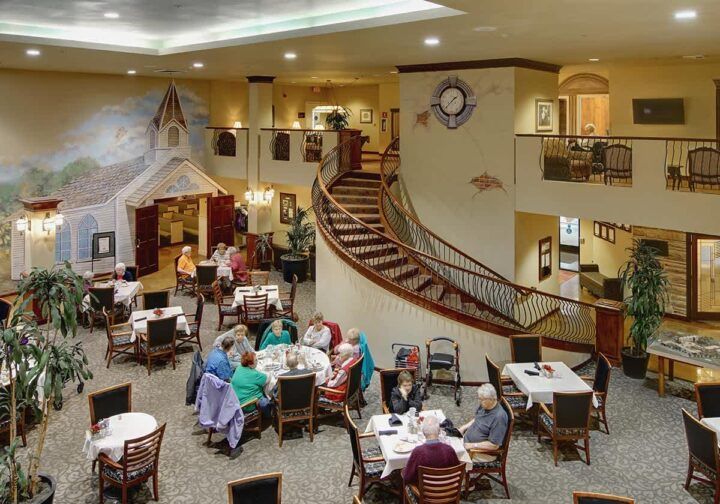
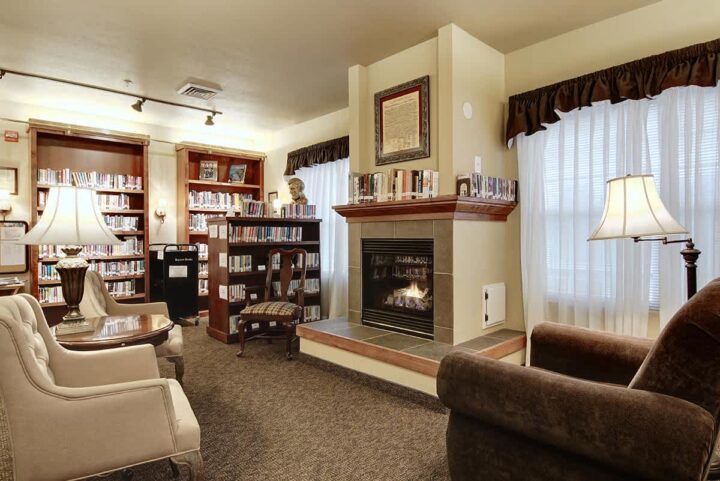
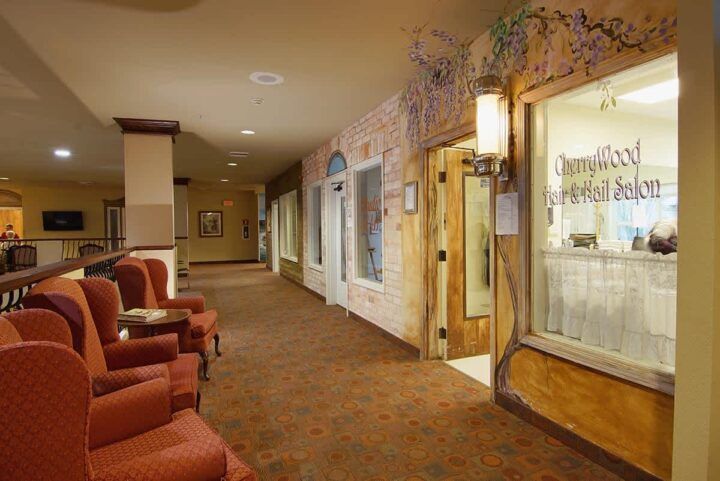
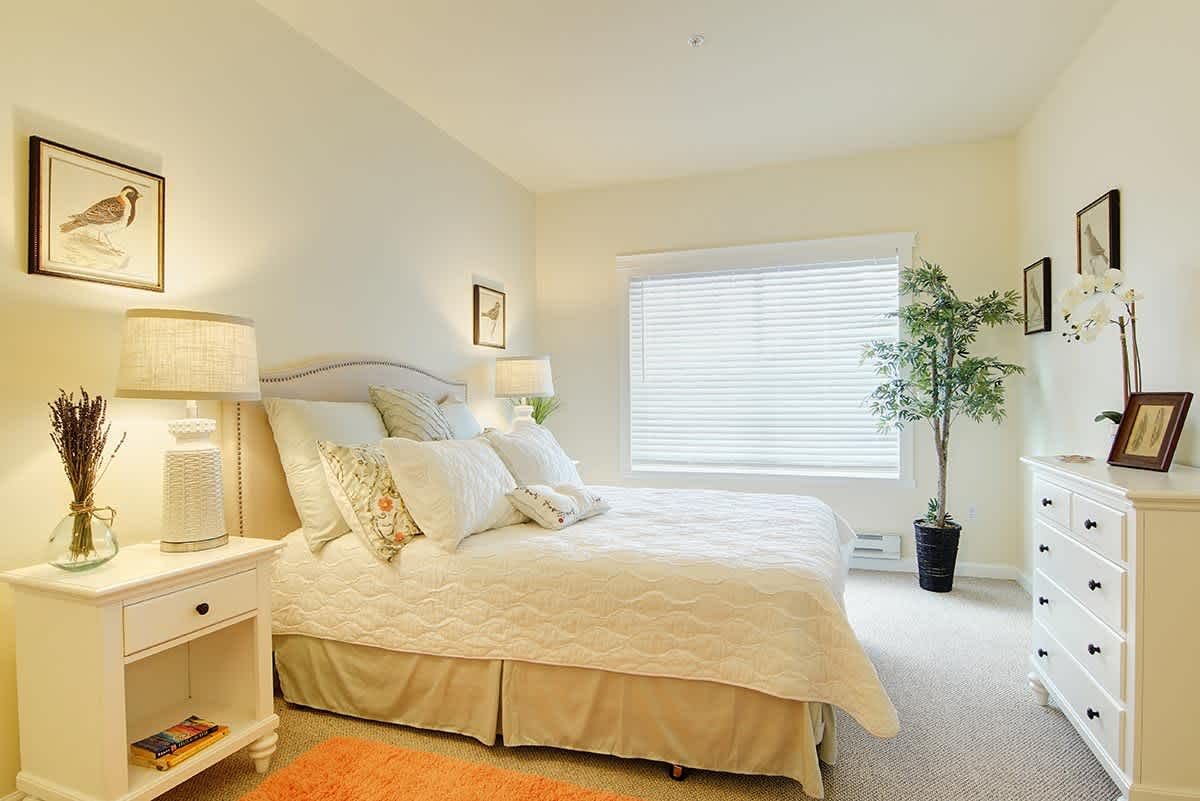
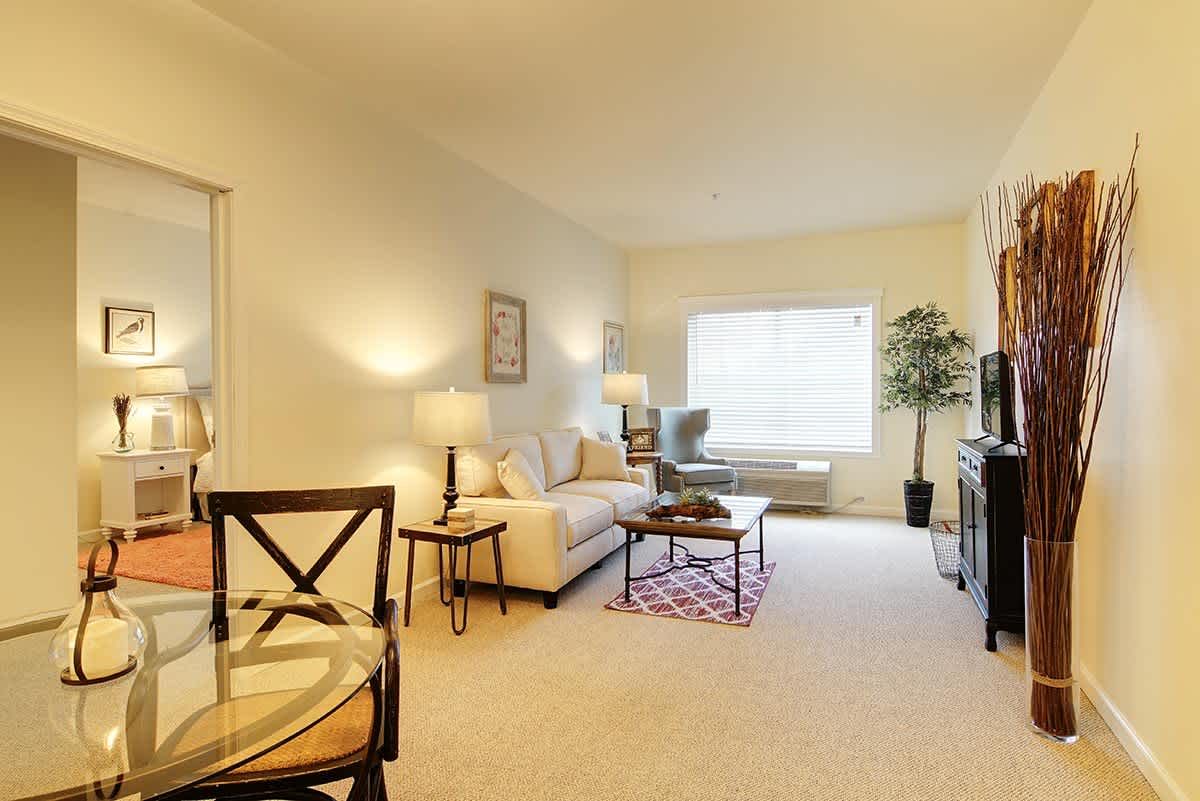
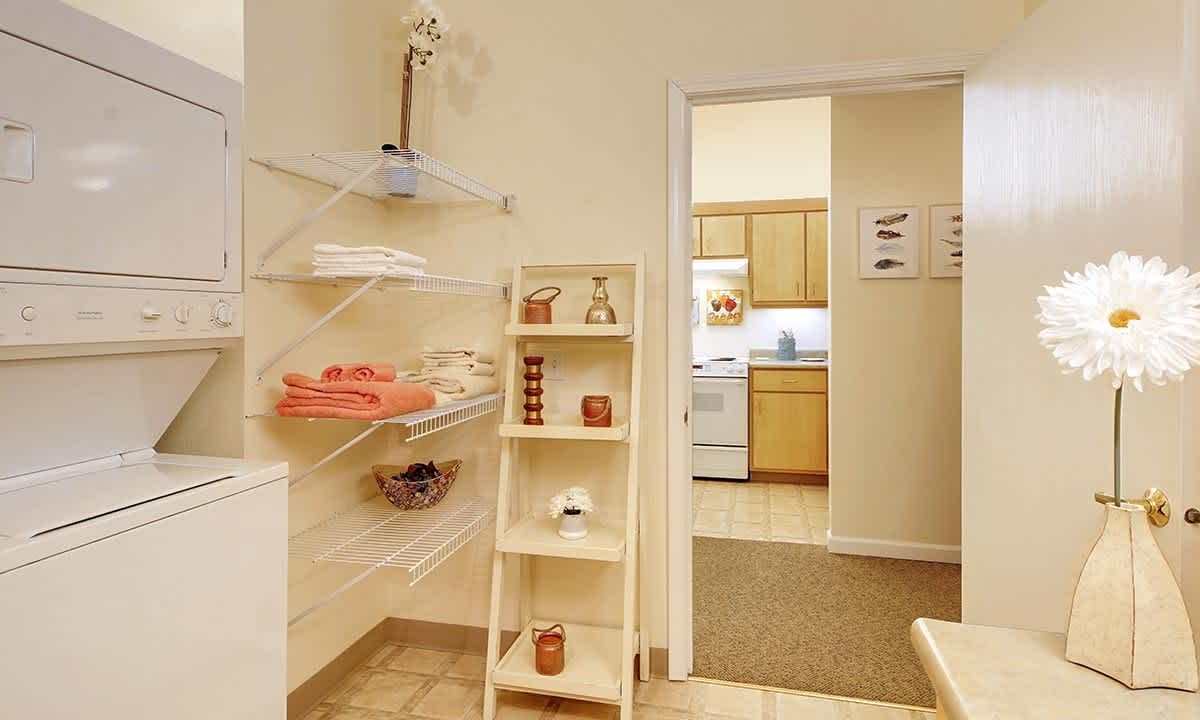
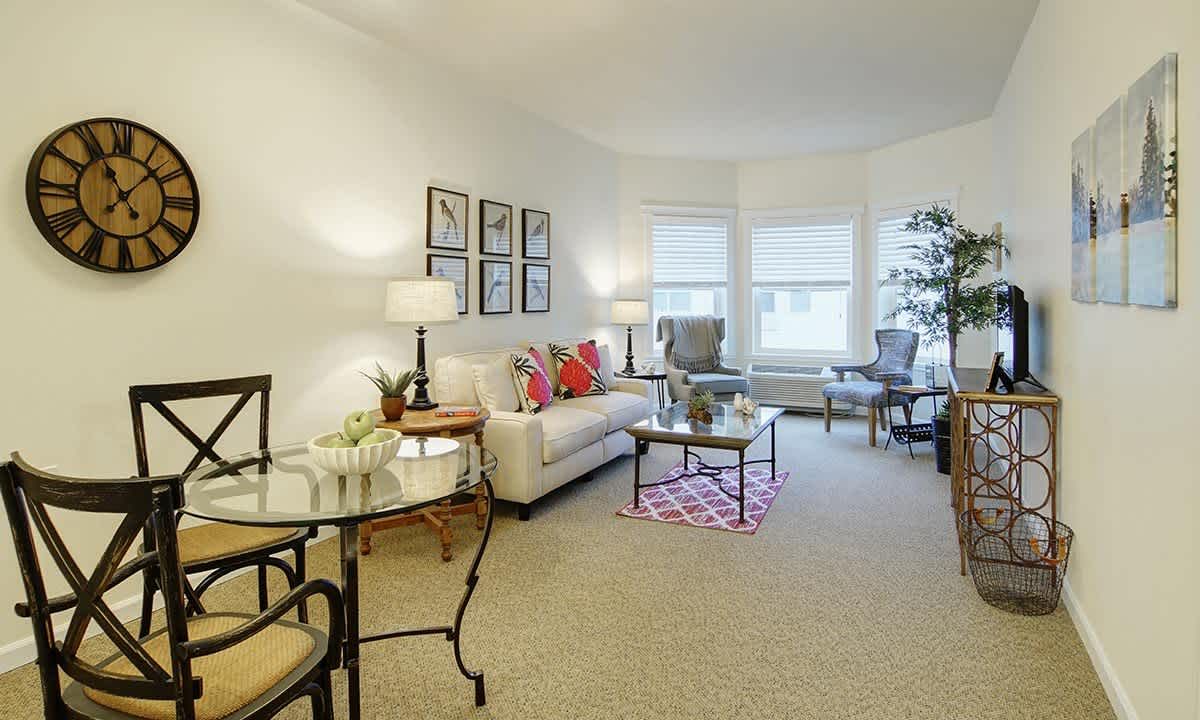
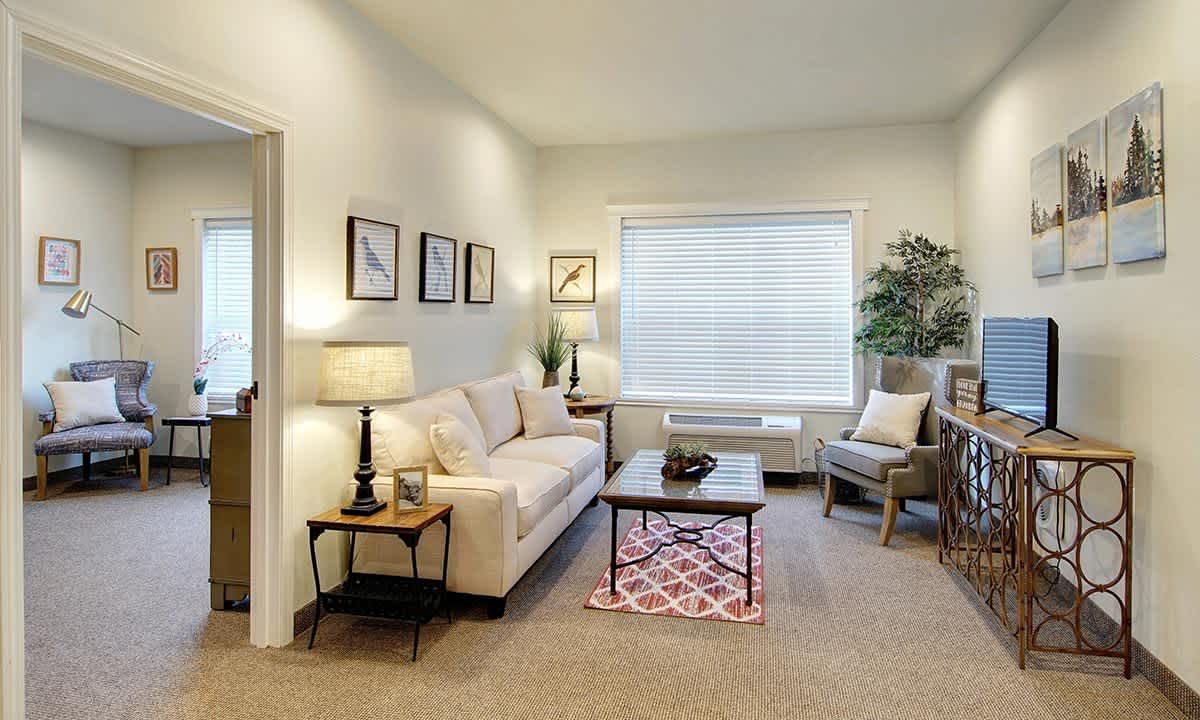
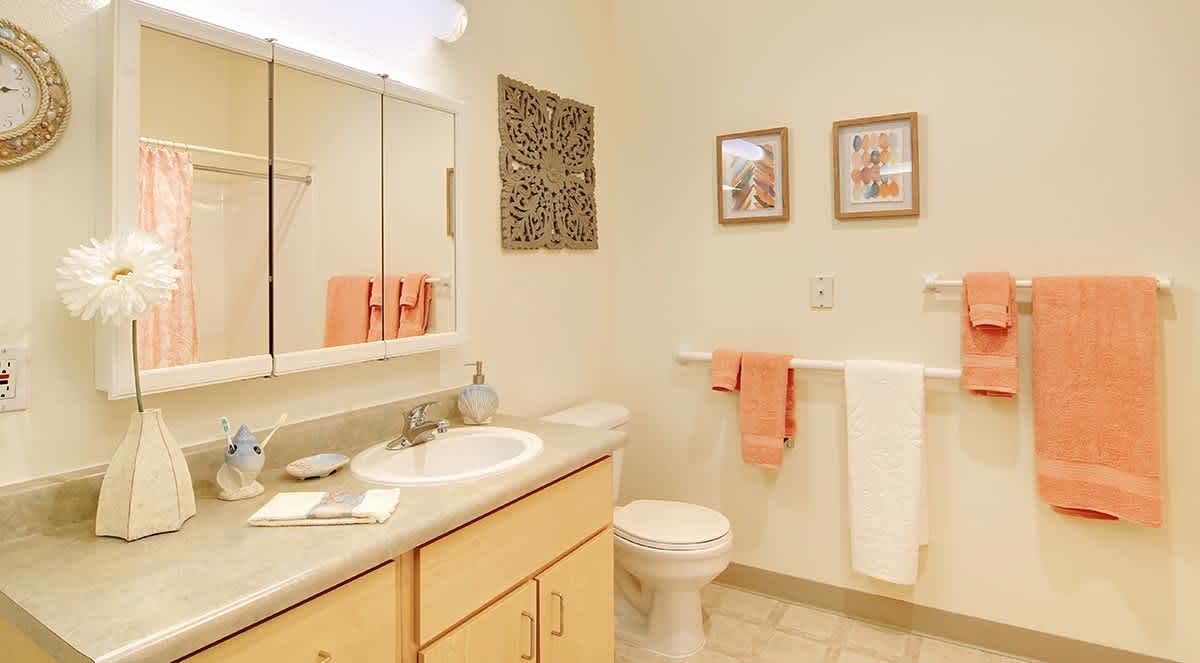
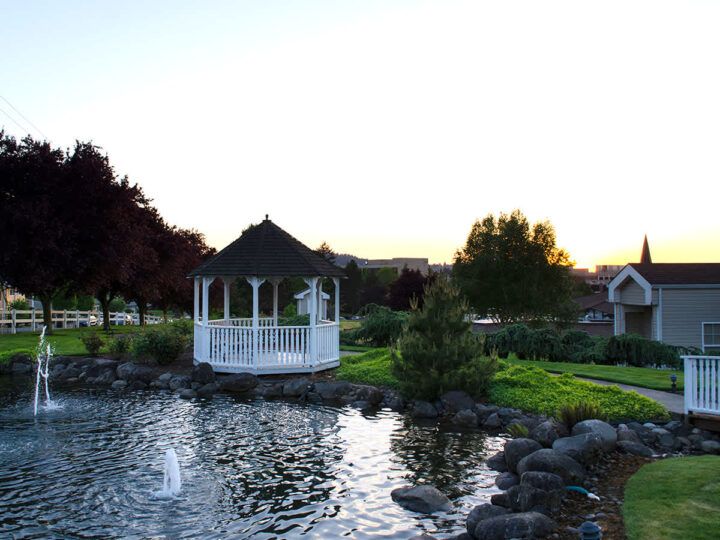
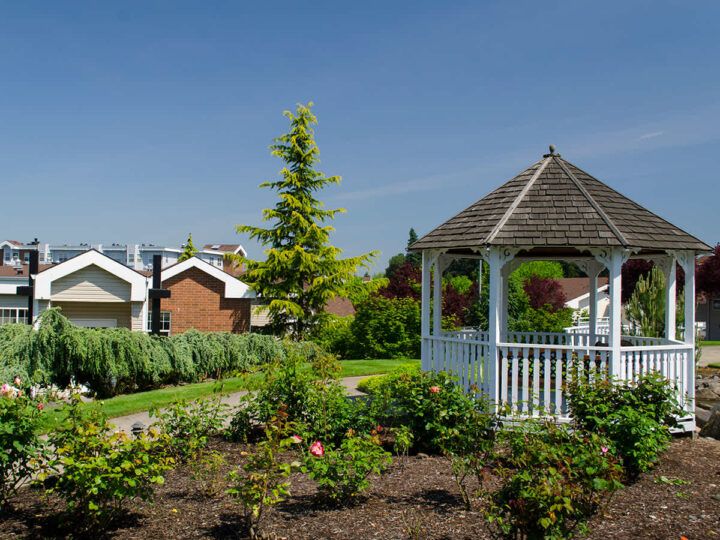
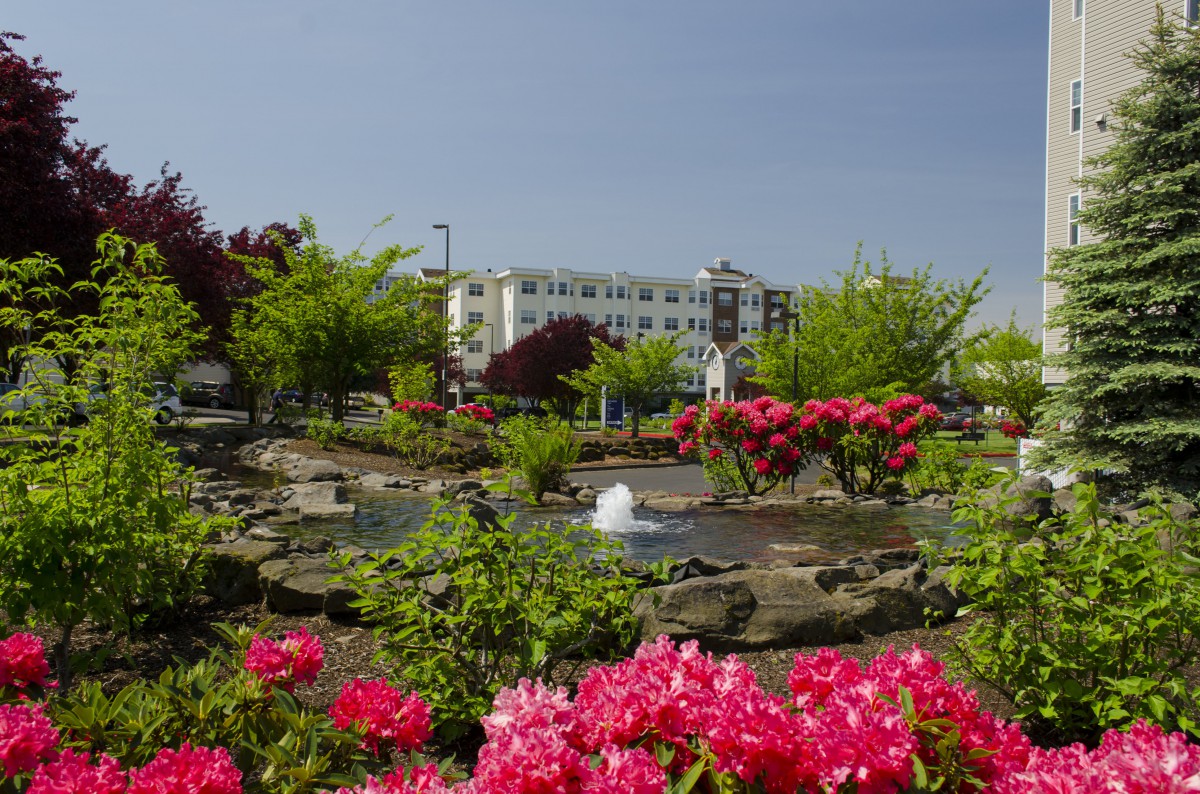
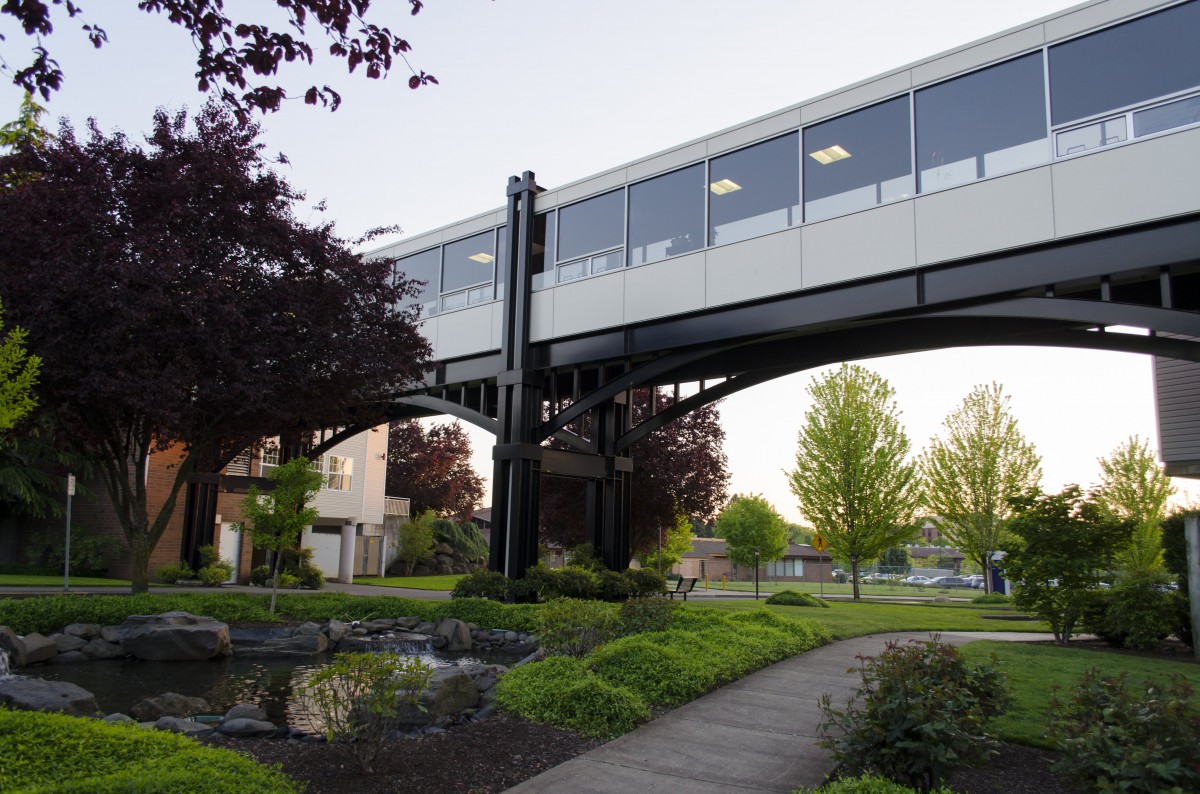
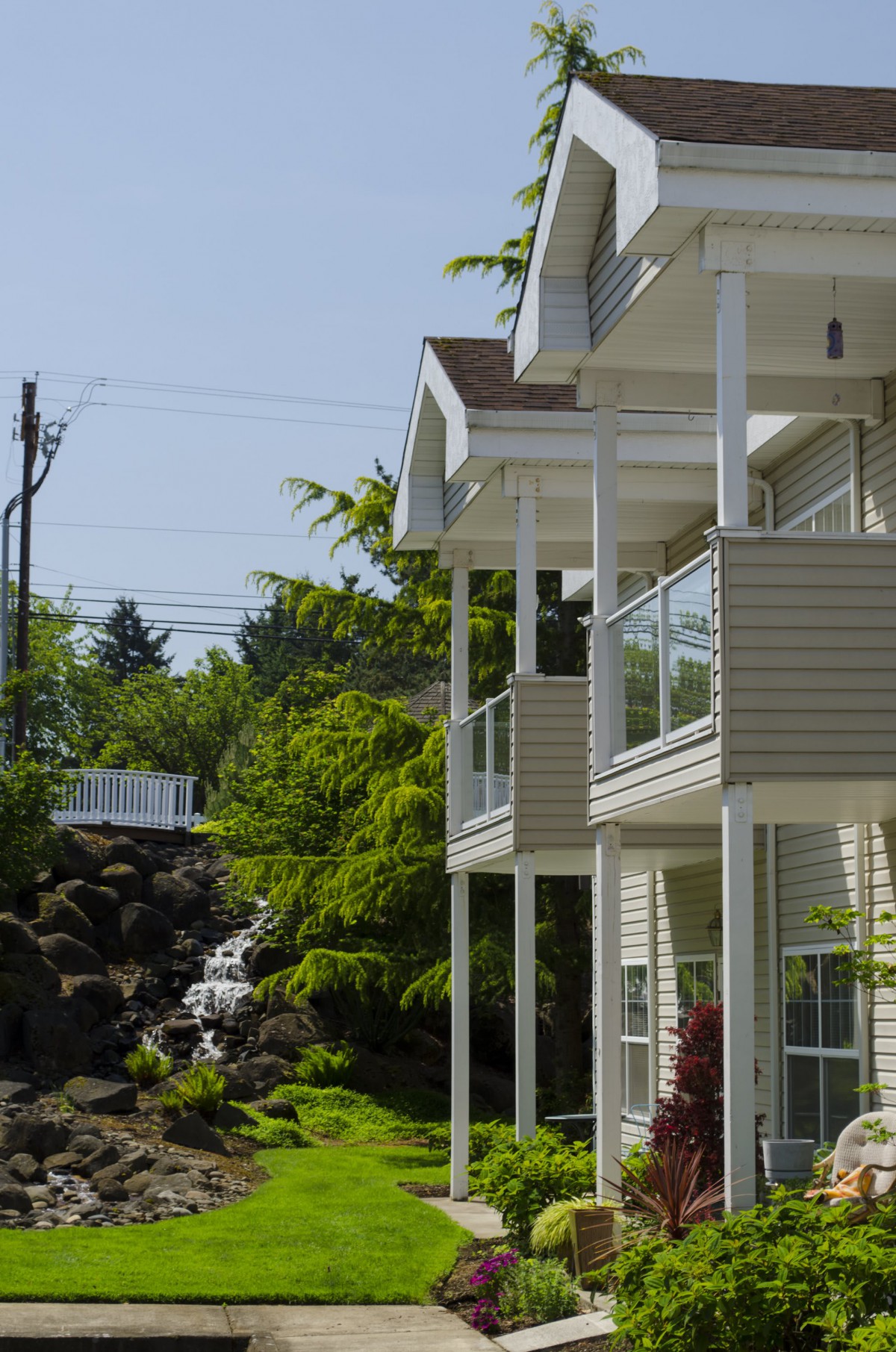
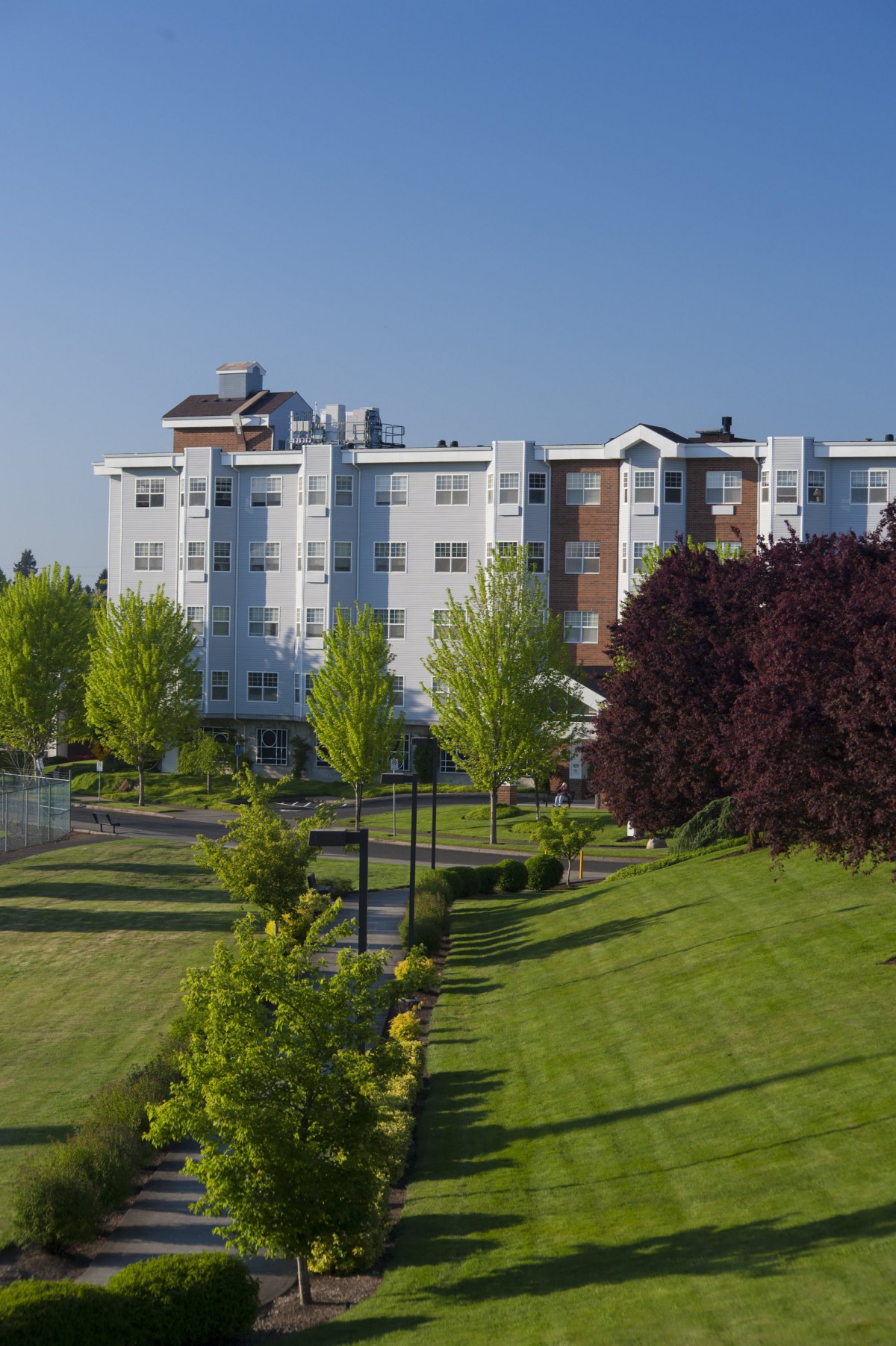
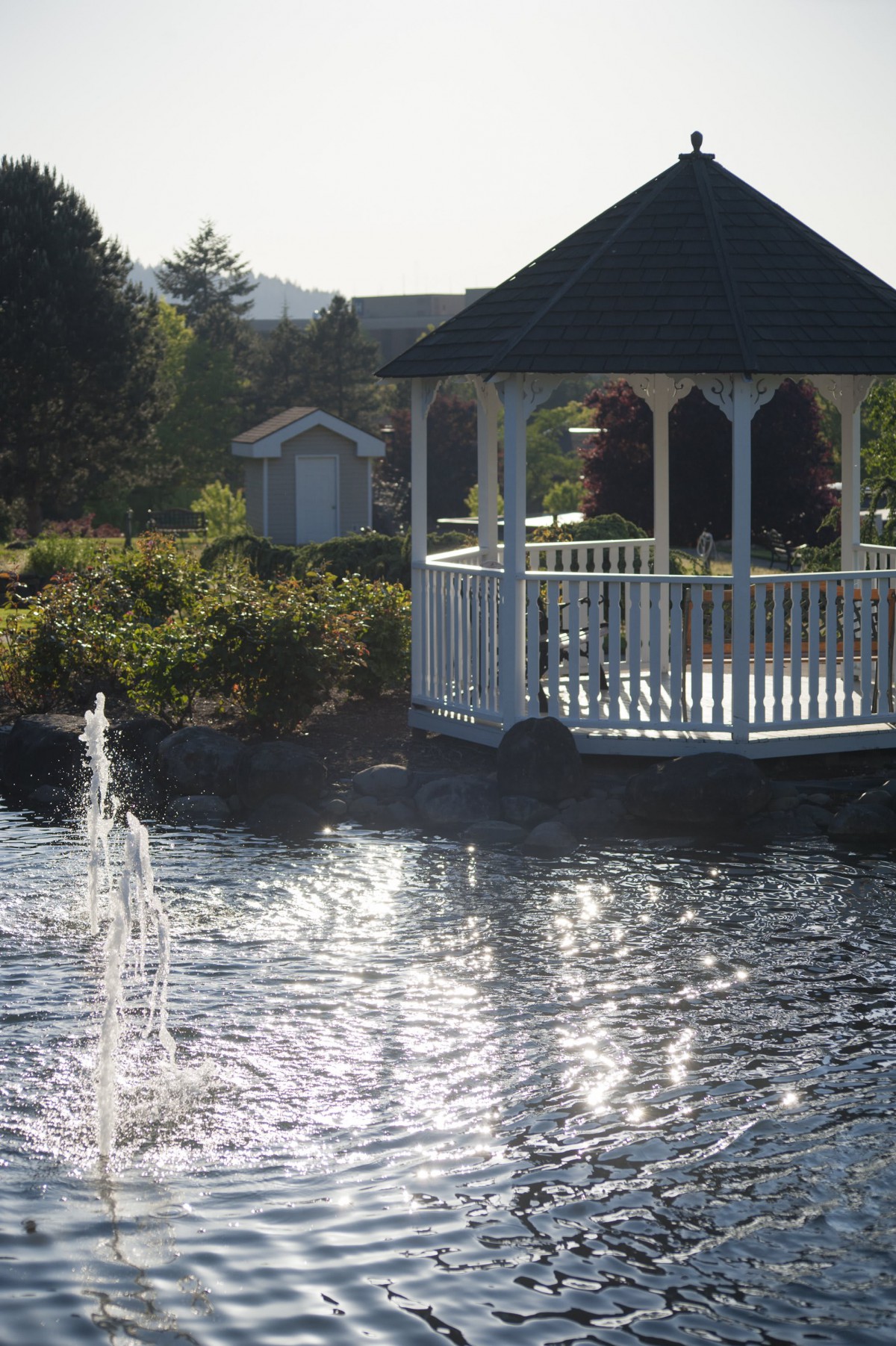
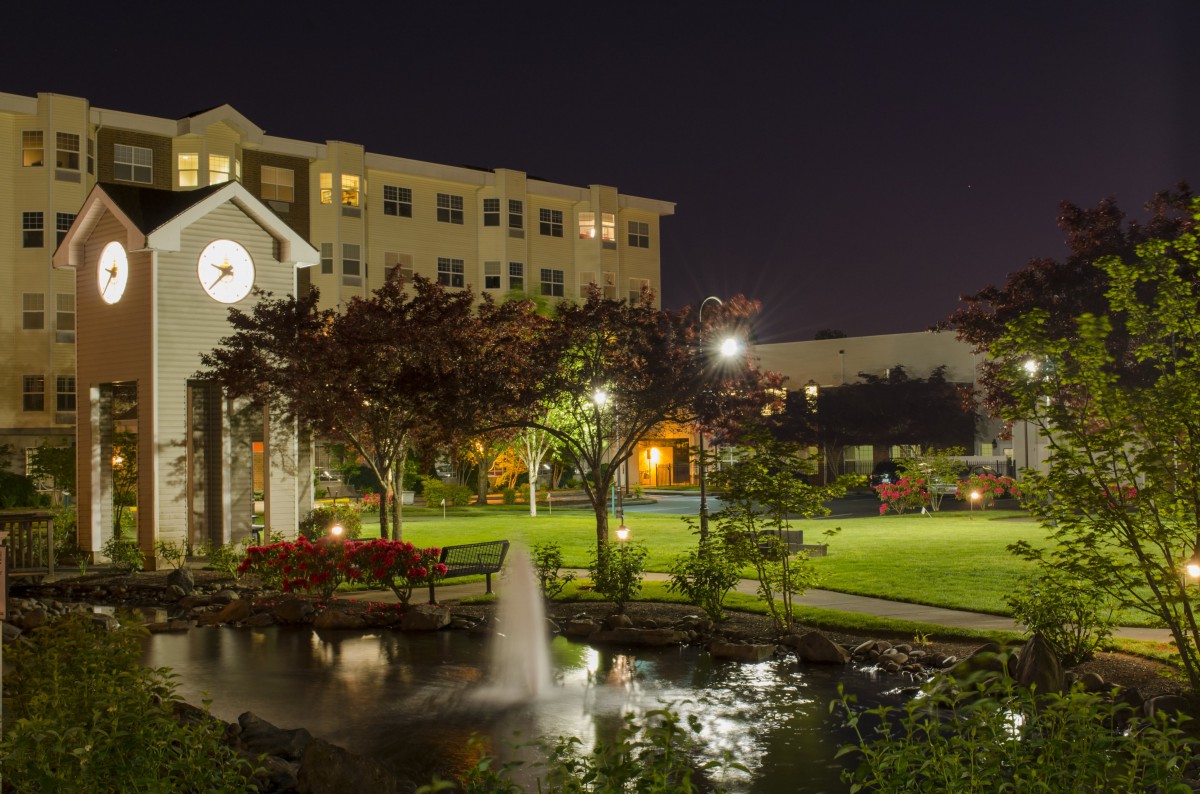
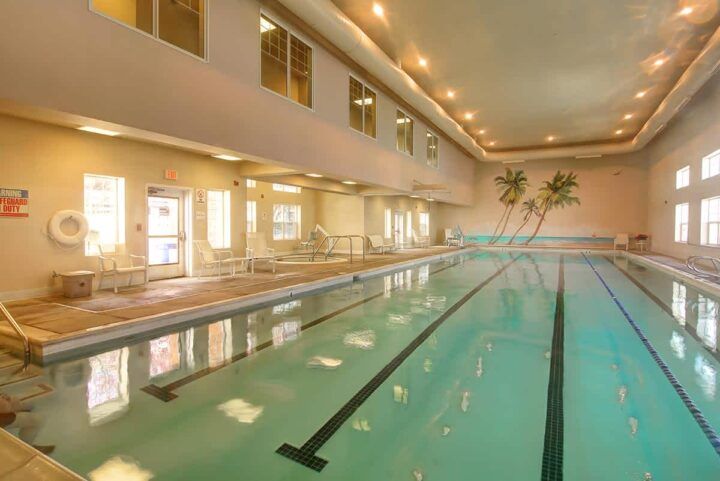
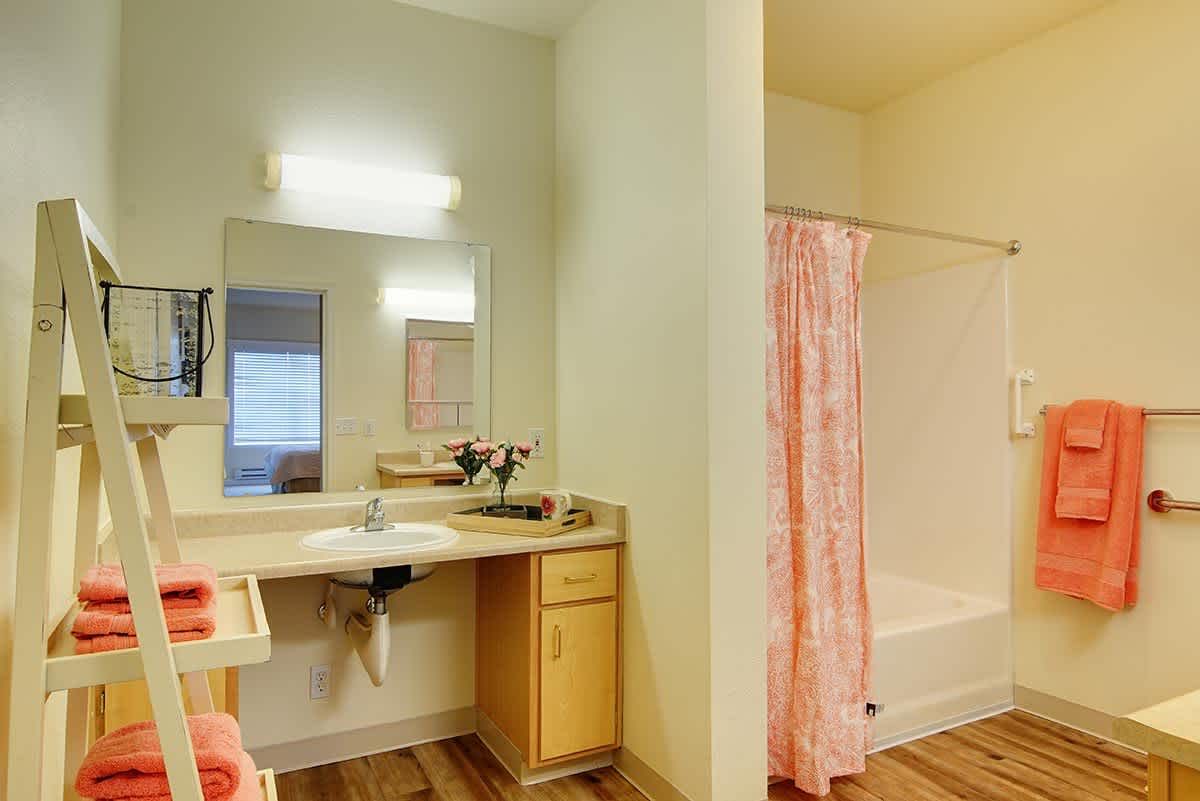
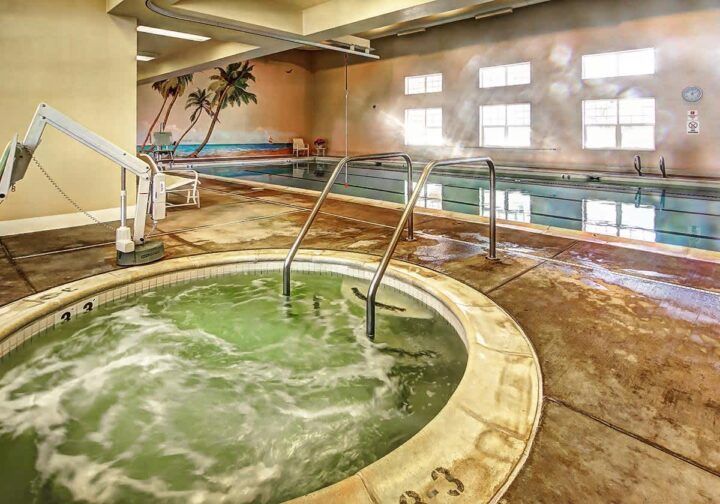
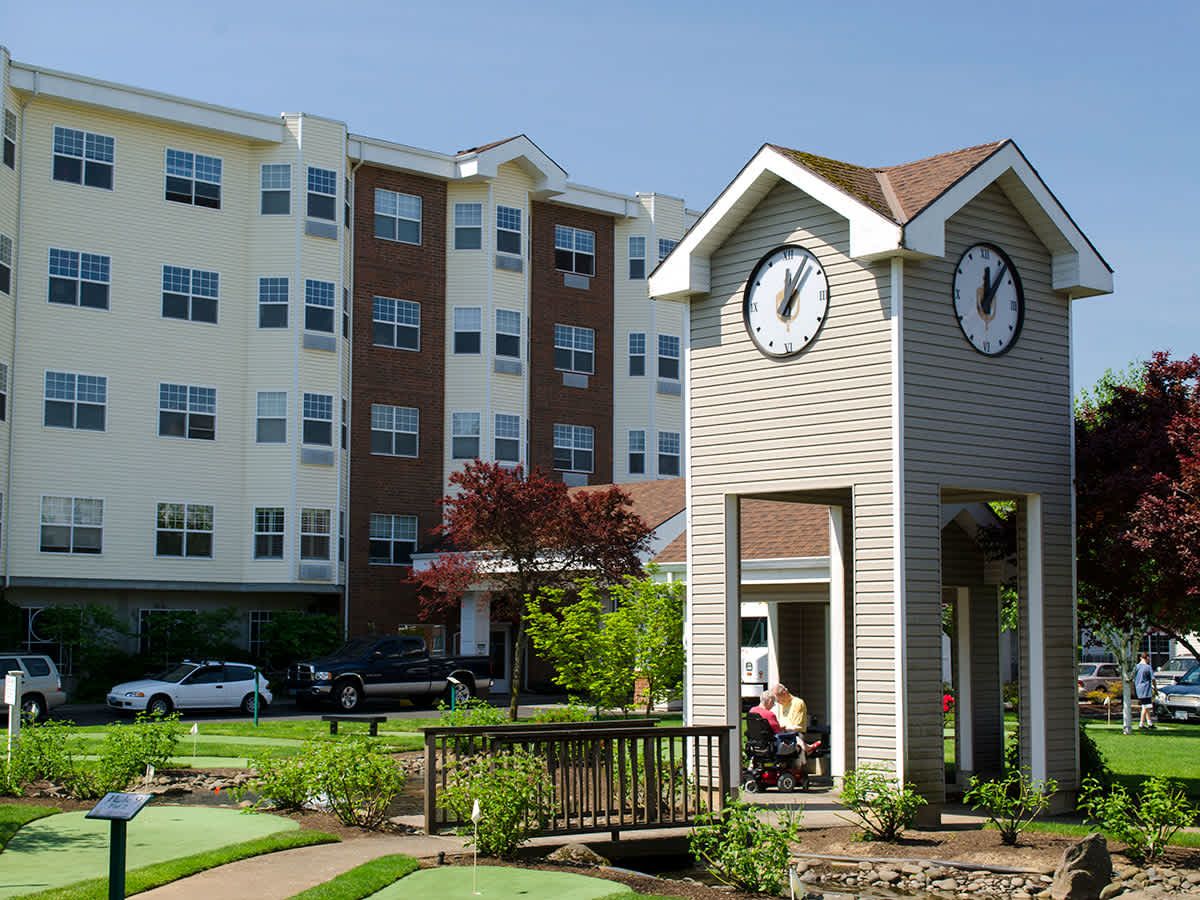
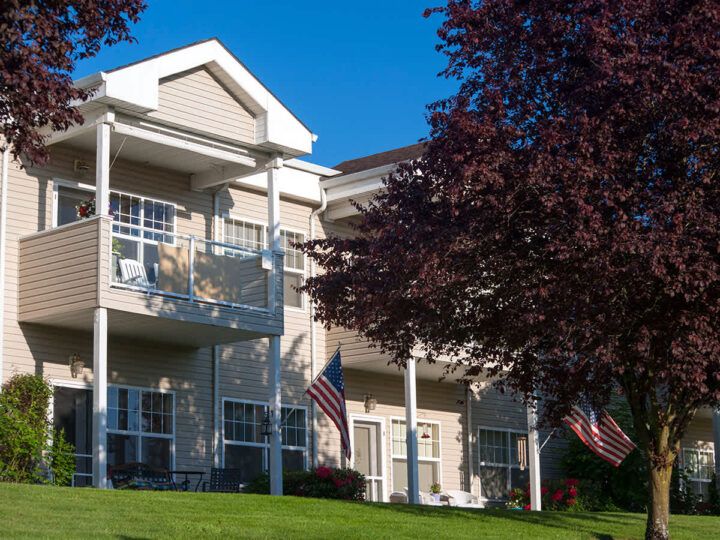
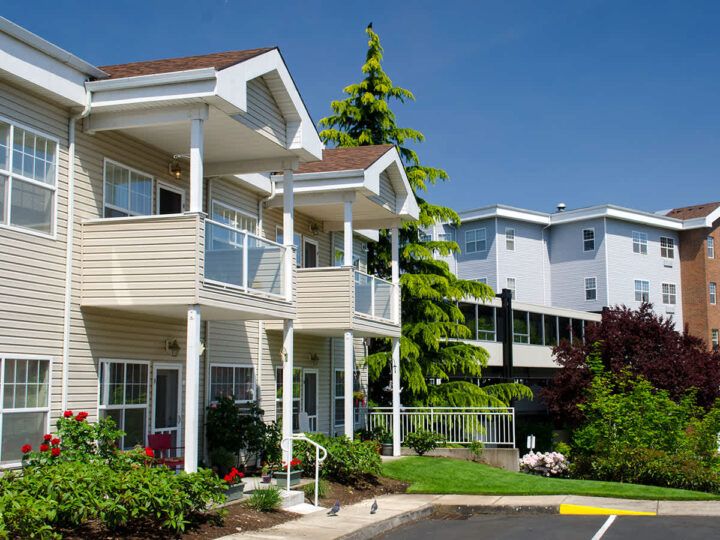
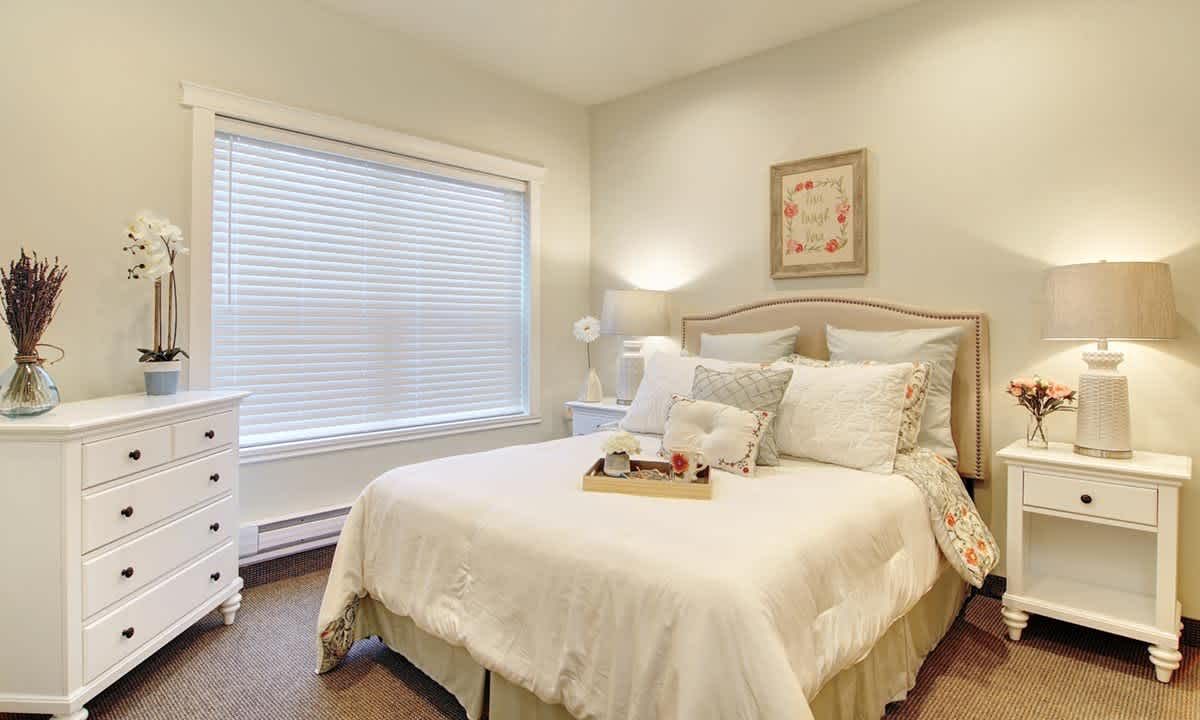
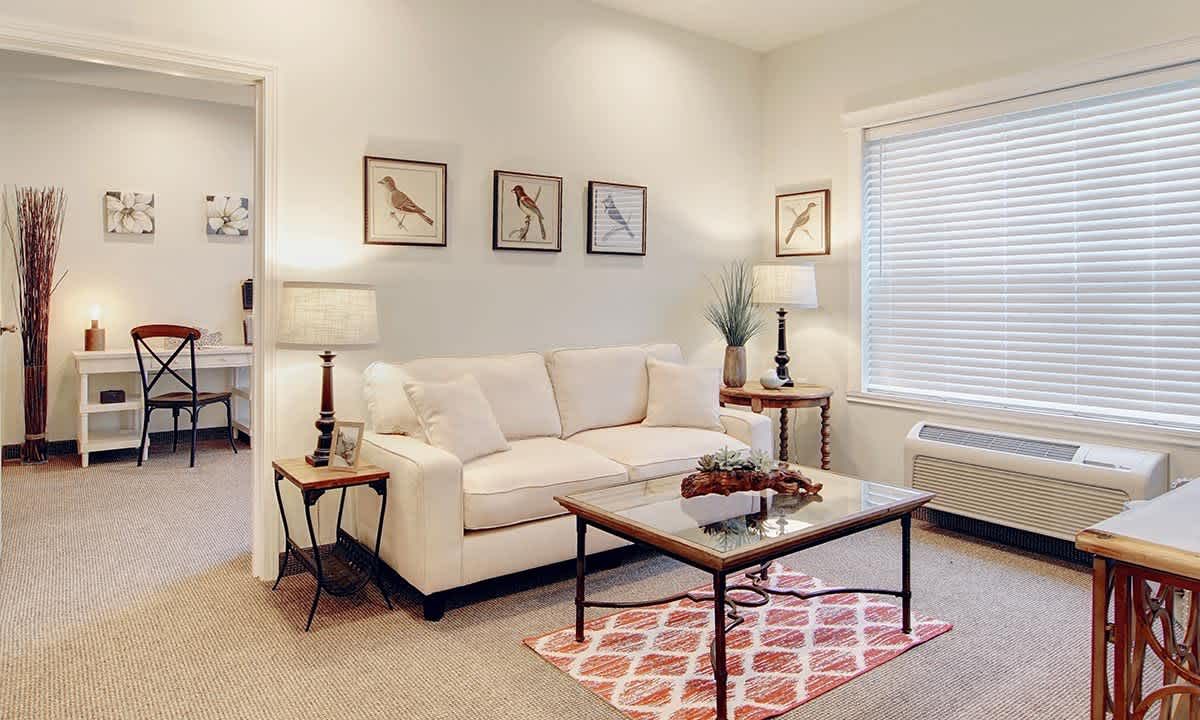
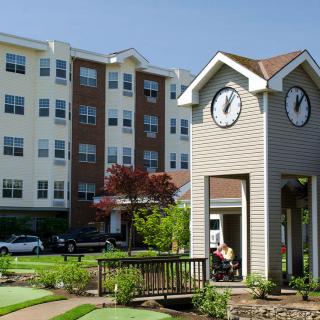
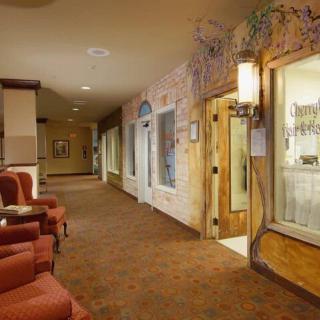
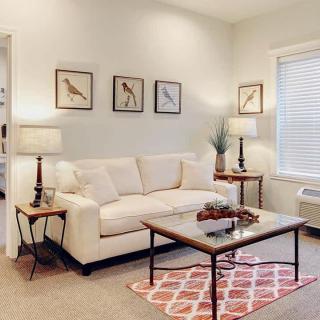
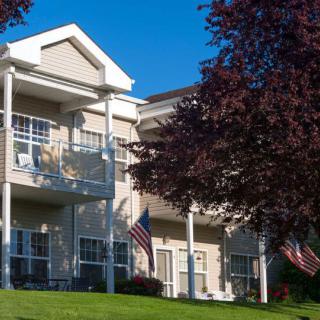
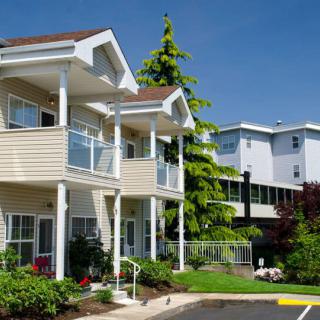
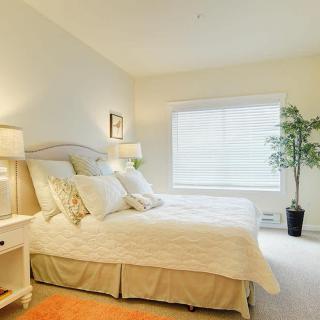
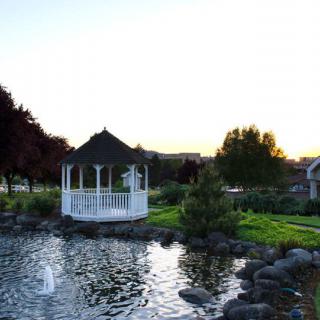
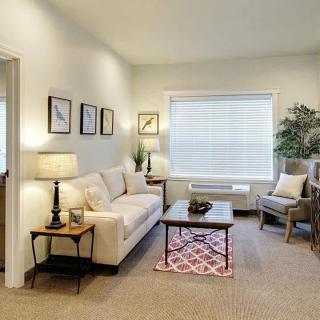
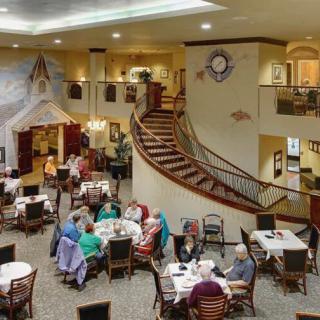
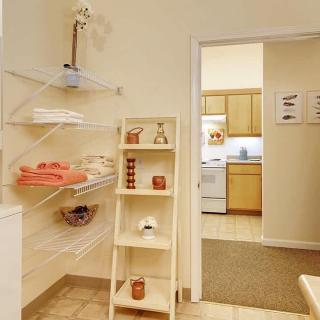
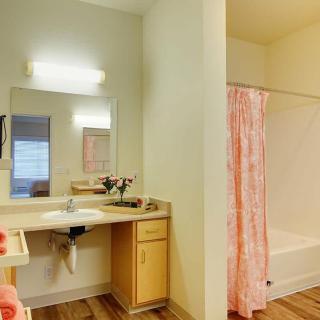
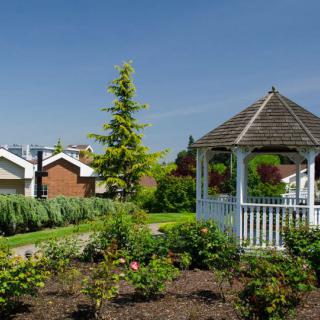
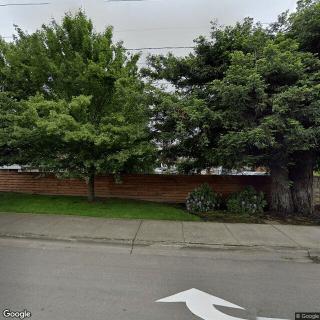
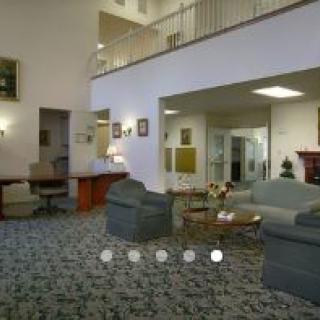
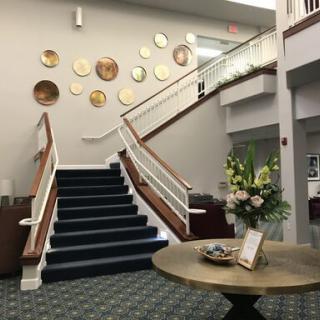
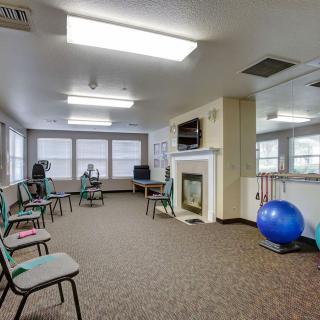
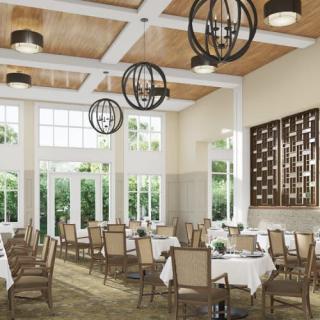
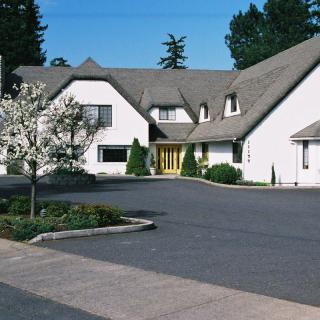
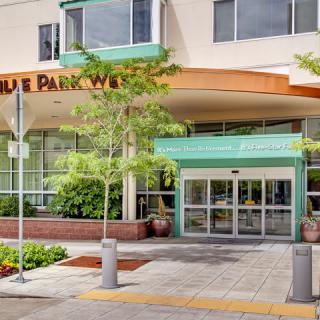
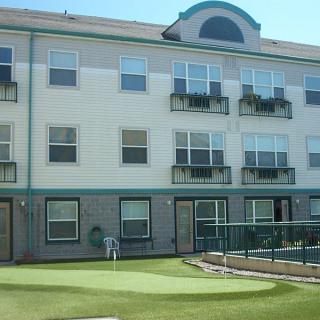
CherryWood Village on seniors.fyi includes 34 photos including images showing interior, landscaping, trees, decor, garden, building, bathroom, bedroom, and more.
Nearby Communities
Royal Anne Assisted Living
Portland, OR
4 from 5 reviews
Nice, comfortable community with good value and mixed independent/assisted living.
Golden Years Senior Care Home
Portland, OR
3 from 2 reviews
$2,500 / month
Great location in a pleasant area with a generally positive experience.
Cherry Blossom Cottage
Portland, OR
4.1 from 56 reviews
$3,000 to $4,000 / month
Warm, attentive staff in a clean, homey, small-community setting enabling personalized care.
Senior Helpers of Portland, OR
Portland, OR
4.8 from 45 reviews
Friendly, welcoming staff who are generally attentive to residents' needs.
Marquis Mill Park
Portland, OR
3.4 from 40 reviews
Comprehensive care with 24/7 supervision and restaurant-style dining.
Home For Our Parents
Portland, OR
4.5 from 10 reviews
$4,500 / month
Compassionate, hands-on care with transparent family updates.
Russellville Park
Portland, OR
4.4 from 96 reviews
$2,850 to $4,747 / month
Friendly, responsive staff and resort-like facilities with a wide range of on-site amenities.
Russellville Park West Memory Care
Portland, OR
Specialized memory care with round-the-clock supervision, comprehensive ADL support, and mental wellness programs.
Hazelwood Community Apartments
Portland, OR
4 from 61 reviews
$954 to $1,303 / month
Very affordable rents with generally positive resident experiences.
Reminiscence therapy is a structured method for older adults, especially those with dementia, to share life stories using prompts and sensory cues, fostering emotional well-being, social engagement, and self-identity. It aims to improve quality of life by enhancing interpersonal connections and cognitive stimulation while requiring careful facilitation to avoid distressing memories.
Dementia, particularly Lewy body dementia, often involves hallucinations that can significantly distress both patients and caregivers due to disruptions in sensory processing and neurotransmitter imbalances. Effective management includes compassionate communication, environmental adjustments, and a multidisciplinary approach to care while addressing the emotional needs of caregivers.
Alzheimer’s disease is a progressive neurological disorder that significantly impacts memory and cognitive functions, accounting for 60-80% of dementia cases, with early diagnosis being crucial yet challenging. It involves brain changes like beta-amyloid plaques and tau tangles, influenced by genetic and lifestyle factors, and while there is no cure, symptom management and support for caregivers are essential.
Exercise Equipment, Gym, Fitness Center, and Workout Room
Exterior
Flag
Wall Art
Nature and Waterfall
Hallway
Billiards and Game Room
Plant
Shower
Swimming Pool and Indoor Pool
Rug and Window Blinds
Balcony
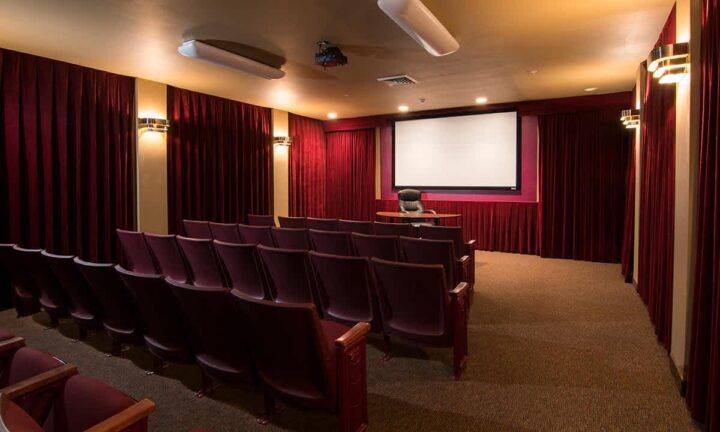
Theater and Projector
Gazebo
Fountain
Lights
Modern Architecture
Apartment Complex
Garage
Recreation
Pond
Water
Walkway
Art
Church
Spa and Hot Tub
Get PricingAsk A QuestionSchedule A TourContact Senior Advisor
By clicking submit, you agree to our Partner's Terms of Use. You
also consent to receive calls and texts, which may be autodialed, from our Partner. Your consent is not a condition to
using our Partner's service. Please visit our Partner's Privacy Policy for information about their privacy practices.


 110 resident community capacity
 1-bedroom apartments
 Detached homes
 Assisted Living
 Independent Living
 Memory Care
 Skilled Nursing Facility
 Cats allowed
 Dogs allowed
 Activities off-site
 Air-conditioning
 Bath tubs
 Beautician on-site
 Cable or satellite TV
 Cafe
Cafe Computer center
 Devotional services off-site
 Dining room
 Fireplaces
 Fitness room
 Full kitchen
 Fully furnished
 Gaming room
 Garden
 Golf
Golf Ground floor units
 Guest parking
 Housekeeping services
 Indoor common areas
 Laundry
 Move-in coordination
 Outdoor common areas
 Overnight guests
 Party space
 Pet friendly
 Private bathrooms
 Respite or short term stays offered
 Restaurant-style dining
 Small library
 Spa
Spa Swimming pool
 Telephone
 Wheelchair accessible showers
 Wi-Fi/high-speed internet available
 Portland International (6 miles away)
 Community operated transportation
 12-16 hour nursing
 24-hour call system
 Ambulatory care
 Assistance with bathing
 Assistance with dressing
 Assistance with transfers
 Diabetes diet
 Diabetic care
 Hospice waiver
 Incontinence care
 Medication management
 Mental wellness program
 Special dietary restrictions
 Transportation arrangement (medical)
 Walking wheelchair assistance
 Art classes
 Book club
 Catholic services
 Concierge services
 Cooking classes
 Day trips and outings
 Educational speakers / life long learning
 Games
Games Jewish services
 Live musical performances
 Wii bowling
 English
 Nice, comfortable community with good value and mixed independent/assisted living.
 An In-Depth Look at Reminiscence Therapy in Dementia Care
 Dementia-Related Hallucinations: Causes, Experiences, and Practical Approaches
 Illuminating Insights About Alzheimer's Disease: Ten Crucial Realities