
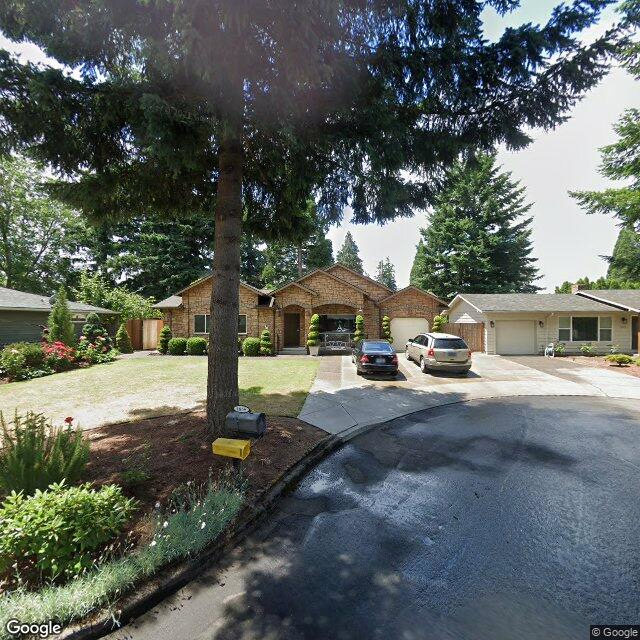
1835 SE 114th Pl, Portland, OR 97216
To contact a resident: (503) 252-0945
For more information about senior living options: (866) 208-4318
Home For Our Parents Costs & Pricing
Home For Our Parents offers private room accommodations at a monthly cost of $4,500, which notably exceeds both the average rates in Multnomah County at $3,227 and the broader state average in Oregon at $3,424. This difference reflects not only the premium services and exclusive amenities available at Home For Our Parents but also positions it within a more upscale segment of senior living options. While the higher pricing may be a consideration for families exploring care alternatives, it underscores a commitment to providing personalized support and enhanced quality of life for residents that may justify the additional investment compared to local and state averages.
| Floor plans | Home For Our Parents | Multnomah County | Oregon |
|---|---|---|---|
| Private | $4,500 | $3,227 | $3,424 |
Senior living communities with a similar price nearby
-
from -$700 / mo

The Inn at University Village
$3,800 to $7,500 / month15.1 miles away -
from -$500 / mo
Oaktree Adult Care Home
$4,000 / month12.9 miles away -
About the same
Casa Shattuck Senior Care
$4,500 / month9.0 miles away -
About the same
Genuine Senior Living
$4,500 / month6.2 miles away -
About the same
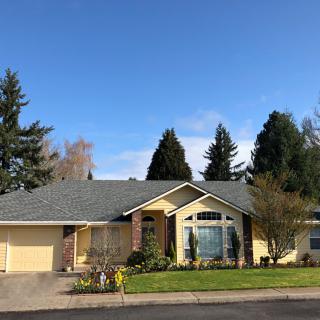
Best Care Adult Family Home
$4,500 / month12.5 miles away
Overall Review of Home For Our Parents
Pros
 The owners of Home For Our Parents are gracious, kind, and caring to residents in their final days.
- The home provides a comfortable environment with attentive care to each resident's needs.
- Families would readily recommend this amazing couple and their services to others.
- The staff handle residents with patience and care, treating them as if they were their own family.
- The home is clean, well maintained, and feels like a breath of fresh air.
- The owners are hands-on, keep families updated, and do a really good job caring for loved ones.
- The caregivers show love and provide passionate care for residents until the end.
- The family would give them six stars if possible.
Cons
 The early days were difficult due to dementia, confusion, and a strong desire to get up and leave.
- One reviewer was not impressed with the interaction and did not pursue it.
- The reviewers acknowledge that it is always hard to make decisions for one's parents.
Review
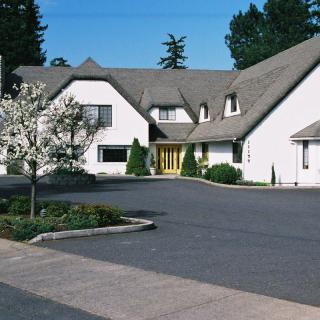
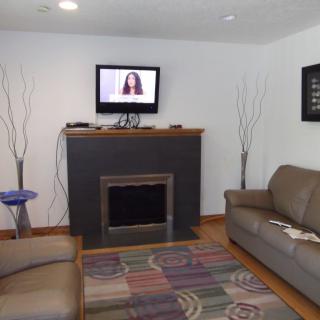
Home For Our Parents in Portland is best suited for families seeking an intimate, cottage-style alternative to a large assisted-living campus, especially for an elderly loved one who needs hospice-level care, personal attention through dementia, and a non-institutional daily rhythm. The setup hinges on a husband-and-wife couple who run the home hands-on, delivering care that feels deeply personal rather than procedural. Families describing a warm, home-like atmosphere, frequent contact with the caregivers, and reassurance that their loved one is treated with the same consideration as a family member will find this arrangement compelling. The clean, well-kept environment reinforces the sense of a comfortable, predictable space during a difficult time.
Those who should consider alternatives are those who prioritize scale, formal programming, or robust clinical infrastructure. If the preference is for a larger facility with a structured calendar of activities, on-site medical clinics, 24/7 dedicated nursing staff, or a setting with broader regulatory oversight and policy documentation, this may not be the best fit. Additionally, capacity and intake logistics matter here: one review notes that the home would need state approval to accept another level-3 resident, signaling that space and regulatory-compliant staffing can constrain growth. An initial outreach experience varied in one instance, suggesting that first impressions during inquiries may differ, even if the core care philosophy remains strong.
The strongest pros pivot on care at the human level. The owners’ on-site presence translates into consistent, attentive care, with staff who consistently demonstrate patience and respect in handling dementia-related needs. Families repeatedly describe care as generous, individualized, and deeply compassionate, with caregivers treating residents as if they were their own relatives. The setting’s informality is a strategic advantage: it reduces the impersonality that can accompany larger homes, enabling meaningful updates to families and visible demonstrations of affection and engagement with residents. Cleanliness and upkeep reinforce trust, which matters greatly when hospice needs and end-of-life comfort are central to daily decisions.
On the other side, the main cons center on scale and capacity rather than care quality. The home’s size naturally limits how many residents can be accommodated, which translates into potential wait times or the need for careful intake planning. The regulatory wrinkle noted by reviewers, accepting another level-3 resident would require state approval, highlights the practical constraint that can affect sibling planning or long-term placement strategy. A separate weak note from a prospective caller points to variability in initial interactions, underscoring that first impressions may not perfectly reflect ongoing care standards. Still, these concerns are less about the care delivered and more about logistical and communication facets that can be managed with clear expectations.
When weighing the pros against the cons, the arithmetic favors the heart of the proposition: for families facing dementia progression or end-of-life care, the payoff lies in stability, warmth, and highly personalized attention. The owners’ direct involvement, the assurance of daily presence, and transparent family communication create a buffer against the anxiety that accompanies hospice decisions. The intimate home milieu often translates into calmer days for residents, fewer transfers, and clearer, more compassionate handling of comfort measures. The potential downsides, capacity limits and occasional outreach friction, are real enough, but they rarely erode the fundamental trust built through consistent caregiving and demonstrated professionalism.
In practical terms, this community is a strong recommendation for families who value a caregiving-first mindset, where staff know the resident’s history and preferences, and where updates come promptly and sincerely. For those who require a larger care ecosystem, more formal programming, or immediate acceptance of new residents without regulatory pauses, exploring alternatives is prudent. Prospective families should prioritize a face-to-face visit to assess how the home’s atmosphere aligns with their loved one’s needs, discuss current and projected capacity, and confirm what level of clinical oversight is feasible within the home’s model. Done correctly, the decision here centers on choosing a setting where the essence of care, kindness, continuity, and dignity, outweighs the modest trade-offs in scale and scheduling.
 Board and Care Home
 Activities on-site
 Beautician on-site
 Indoor common areas
 Outdoor common areas
 Private
 Private bathrooms
 Respite or short term stays offered
 Wheelchair accessible showers
 Portland International (6 miles away)
 Diabetic care
 High acuity care
 Medication management
 Kosher
 Christian services


 A Closer Look at Private Pay Home Care
 Comprehensive Approaches for Arthritis: A Detailed Guide to Symptoms, Causes, and Care
 Comprehensive Insights and Practical Strategies to Help Older Adults Avoid Falls