
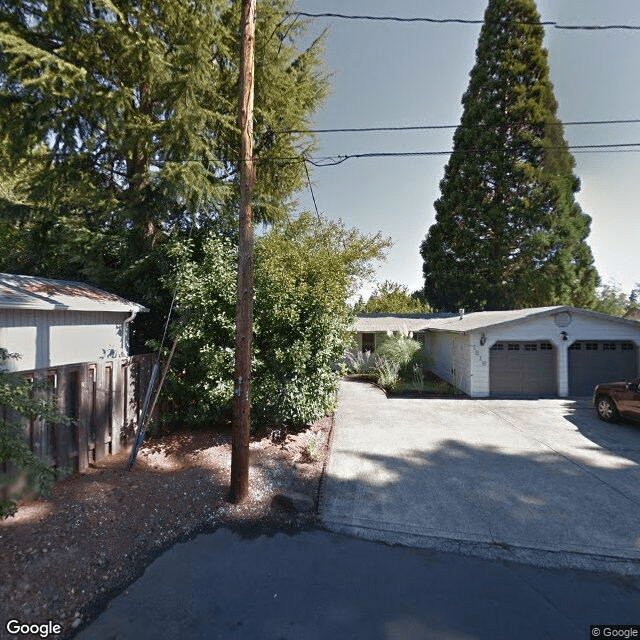
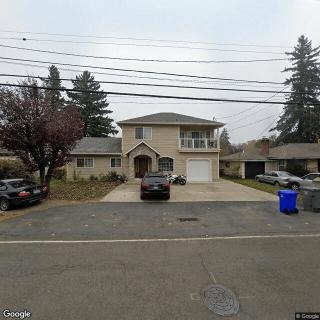
1818 SE 114th Place, Portland, OR 97216
To contact a resident: (503) 254-3308
For more information about senior living options: (866) 208-4318
Home Away from Home Costs & Pricing
Home Away from Home offers competitive pricing compared to both Multnomah County and the broader state of Oregon. For semi-private rooms, residents can expect a monthly cost of $3,500, which is notably lower than the county average of $4,011 and the state average of $4,457. Additionally, for those seeking private accommodations, Home Away from Home charges $3,800 - slightly above Multnomah County's average of $3,227 but still in line with Oregon's overall rate of $3,424. This strategic pricing positions Home Away from Home as an appealing option for individuals seeking quality accommodations without straining their budgets significantly.
| Floor plans | Home Away from Home | Multnomah County | Oregon |
|---|---|---|---|
| Semi-Private | $3,500 | $4,011 | $4,457 |
| Private | $3,800 | $3,227 | $3,424 |
Senior living communities with a similar price nearby
-
from +$300 / mo

The Inn at University Village
$3,800 to $7,500 / month15.1 miles away -
from -$500 / mo
A Piece of Heaven
$3,000 / month6.5 miles away -
from +$500 / mo
Oaktree Adult Care Home
$4,000 / month12.9 miles away -
from -$500 / mo
Yamhill Senior Care Home
$3,000 / month2.1 miles away -
from -$500 / mo
Peaceful Lighthouse Adult Care Home
$3,000 / month4.5 miles away
Overall Review of Home Away from Home
Pros
 The care for the cousin exceeded expectations.
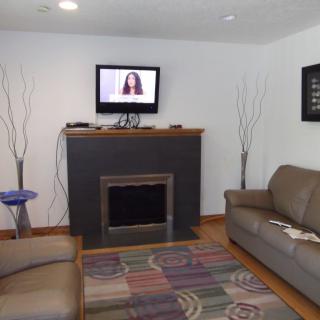
- The home was clean and the cousin’s room was cheerful.
- Other residents appeared happy and well cared for.
- The reviewers believe there is no better place for a loved one to receive care.
- The caregivers provided excellent care.
- The mother is in good hands at Home Away From Home.
- Kind care and good cooking helped the mother gain weight, giving the family peace of mind.
- The family has full peace of mind that the mother is in the best of care.
Review
This community is best suited for families seeking deeply personal, hands-on care for a loved one who values dignity, comfort, and a home-like environment, especially in moments of end-of-life care or advanced frailty. The two reviews portray a setting where cleanliness, cheerful rooms, and attentive caregivers are not afterthoughts but core strengths. For families prioritizing a warm atmosphere, consistent daily care, and nutrition support that translates into tangible health gains, Home Away from Home offers a compelling fit. It is the kind of place where a caregiver’s touched, respectful approach and a kitchen that feeds and nourishes are as important as medical oversight.
Those who may want to consider alternatives include families with higher needs for clinical intensity or specialized memory care programming. If supervision requires a higher nurse-to-resident ratio, more structured therapeutic activities, or access to on-site specialists on a daily basis, another option with a broader care infrastructure might be wiser. Prospective residents who require robust medical oversight, complex wound care, or highly specific memory-care protocols should verify that the facility can meet those expectations consistently. In short, this setting appears strongest for comfort-focused care with attentive staff, rather than for highly technical, hospital-like continuity of care.
The strongest pros are tangible and highly credible. Cleanliness stands out as a baseline priority, with observations that both the home and resident spaces stay clean, contributing to a sense of safety and well-being. The environment is described as cheerful, with rooms that feel welcoming rather than clinical, which matters enormously for mood, social engagement, and overall quality of life. Staff care is repeatedly highlighted as thoughtful and capable, including praise from a healthcare professional who emphasizes end-of-life caregiving done with compassion. The kitchen’s quality, translated into better eating and weight gain, addresses a common, critical need for frail or undernourished residents, delivering peace of mind to families that their loved one is nourished and valued.
These strengths offset the lack of broader, documented drawbacks by focusing on observable, meaningful outcomes. When families cannot verify every clinical metric, they can still rely on the visible signals of care: a clean, dignified living space; staff who treat residents with warmth and respect; and nutrition that produces measurable improvements. For end-of-life and frail-care scenarios, the ability to maintain comfort, preserve dignity, and support family peace of mind is often the deciding factor. In this sense, the pros create a compelling rationale for choosing this home when those particular priorities align with the loved one’s needs.
Nonetheless, consider the constraints of basing a decision on a small set of positive experiences. With only two positive reviews, the breadth of perspective is limited. Potential families should seek additional input to confirm consistency, ask about staff stability, ongoing training, and the facility’s approach to care planning, pain management, and emergency response. It’s prudent to explore whether the home can accommodate evolving needs, what respite or short-term stays look like, and how meal plans adapt to changing health conditions. Visiting in person, meeting caregivers, and reviewing a sample care plan will reveal whether the stated strengths translate into day-to-day reliability.
In practical terms, Home Away from Home stands out for Portland families that prize heartfelt, attentive care, a clean and inviting living space, and nutrition-focused support that yields tangible health benefits. If the decision hinges on dignity-centered care, consistent caregiver presence, and a home-like vibe, this option deserves serious consideration. For those whose loved ones require more intensive medical protocols, specialized memory-care programming, or larger-scale staffing support, alternative communities should be evaluated in parallel. The best path combines a thorough visit with a candid discussion of care expectations, then alignment on how the home will meet both current needs and anticipated changes.
 Board and Care Home
 Activities off-site
 Indoor common areas
 Outdoor common areas
 Private
 Respite or short term stays offered
 Swimming pool / hot tub
 Wheelchair accessible showers
 Portland International (6 miles away)
 Diabetic care
 High acuity care
 Incontinence care
 Medication management
 Kosher

 Understanding the Sandwich Generation: Stress and Responsibilities for Multigenerational Caregivers
 8 Essential Assistive Devices for Older Adults
 Navigating the Financial Road to Nursing Home Care: In-Depth Guidance and Resources