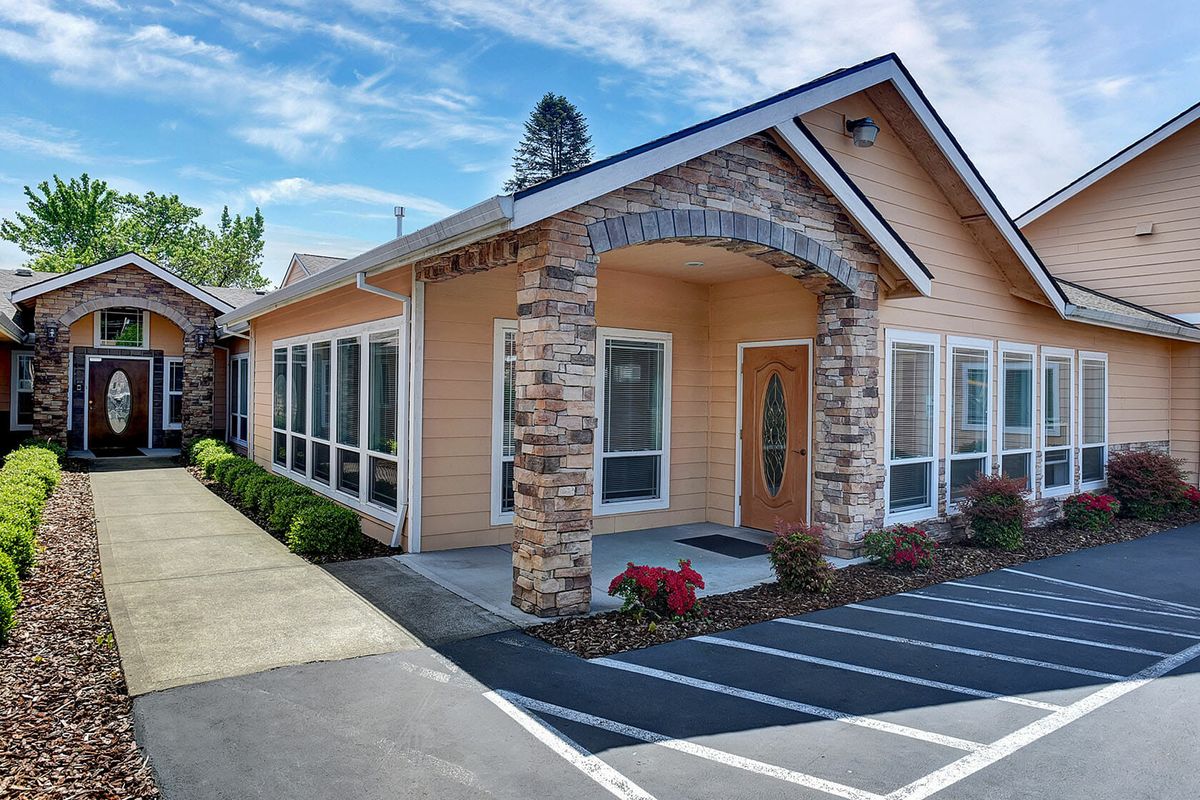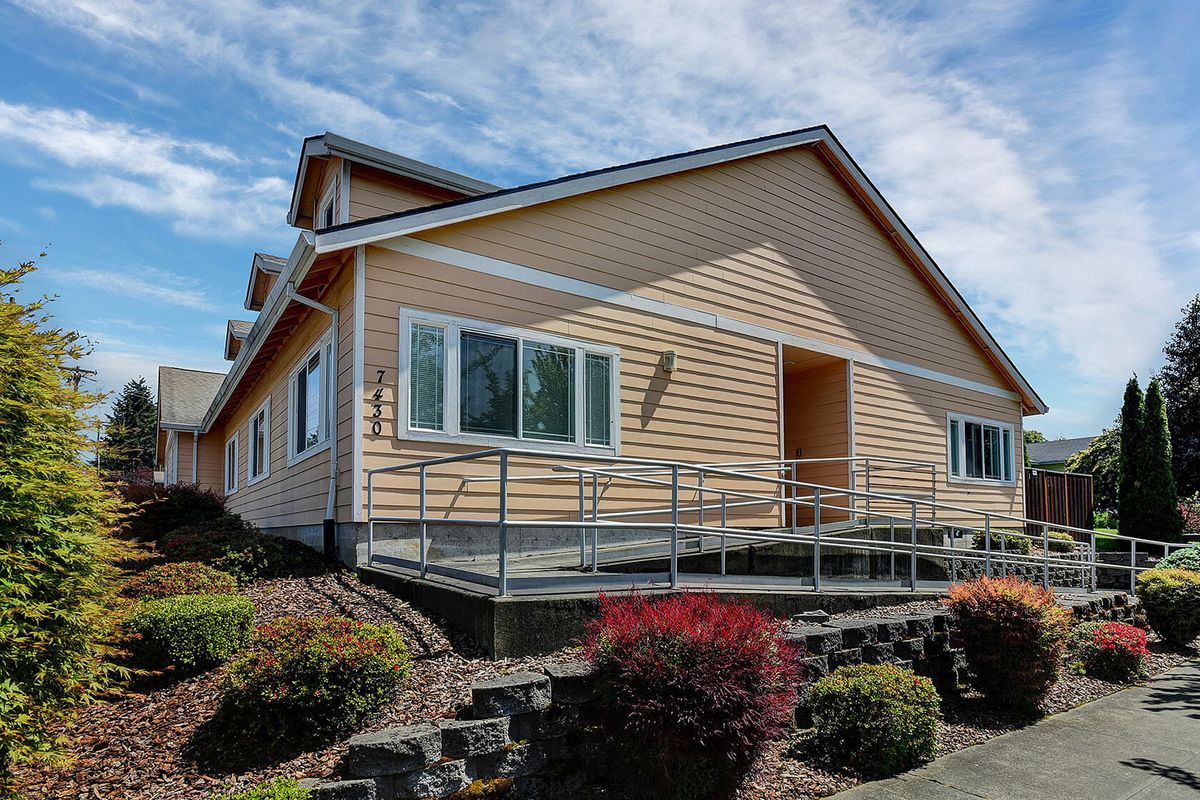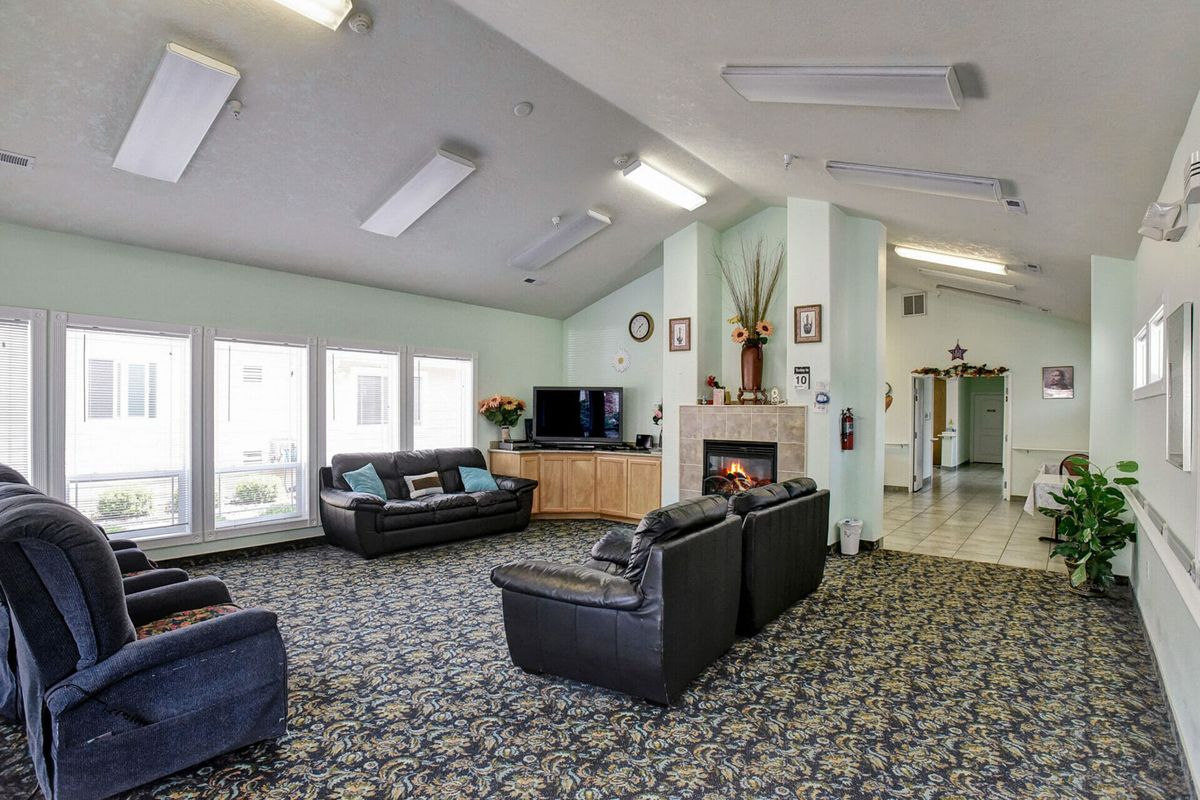
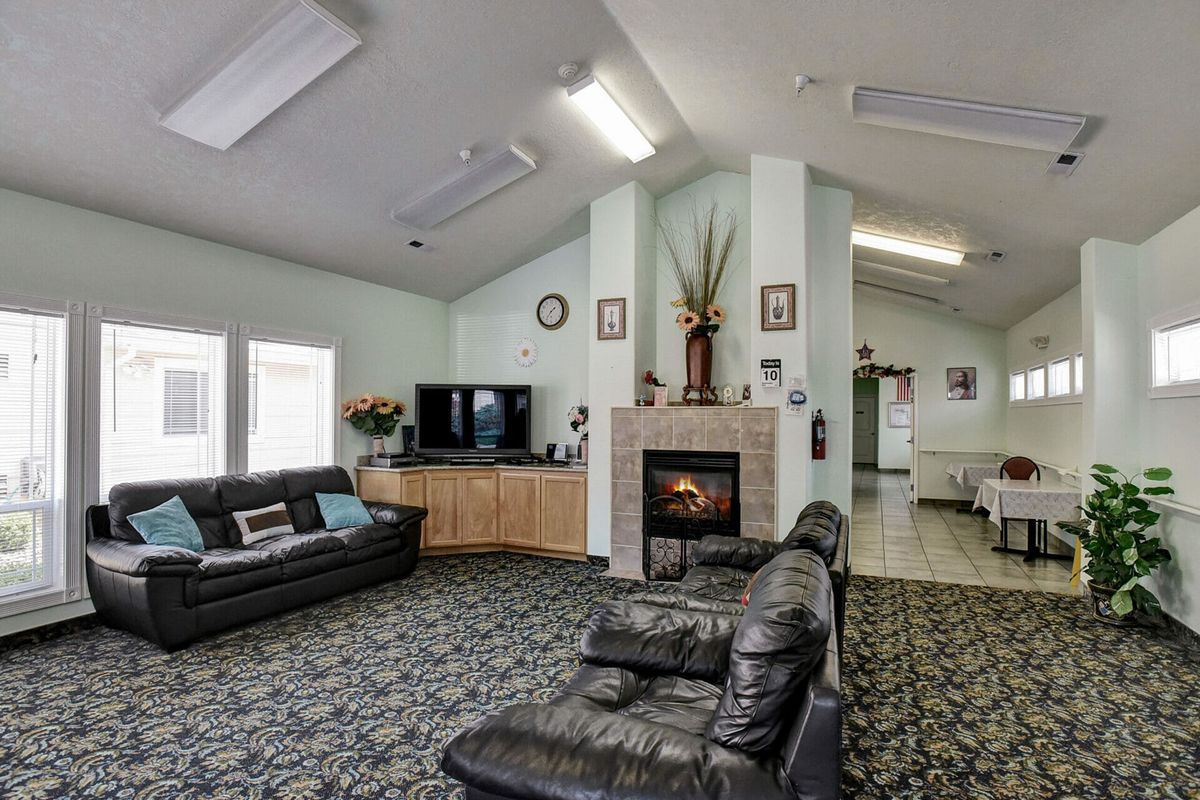
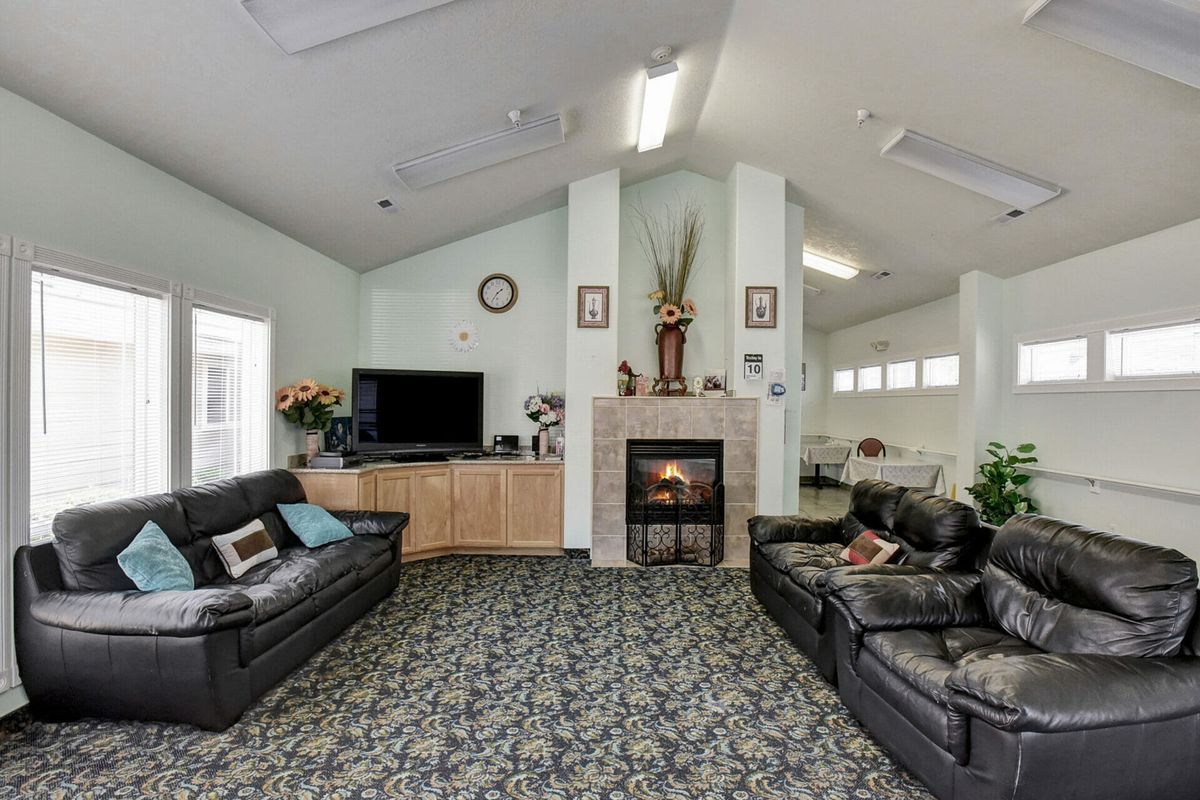
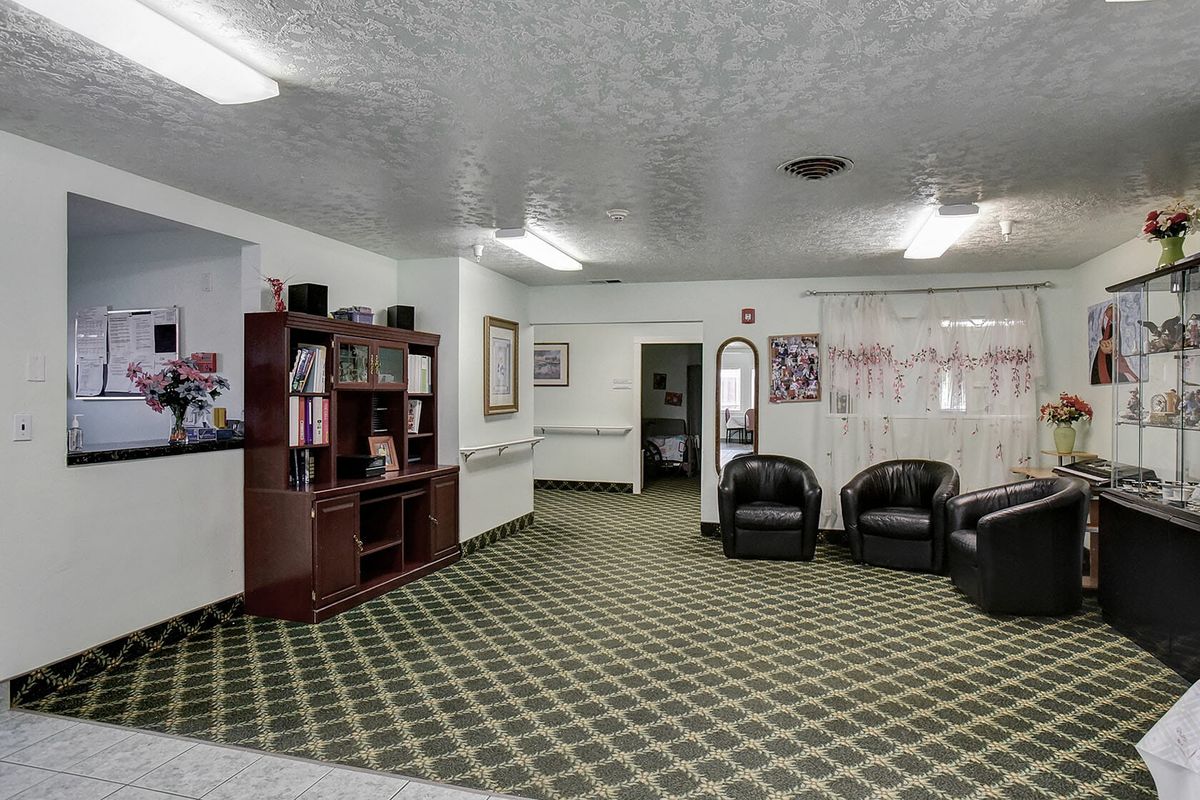
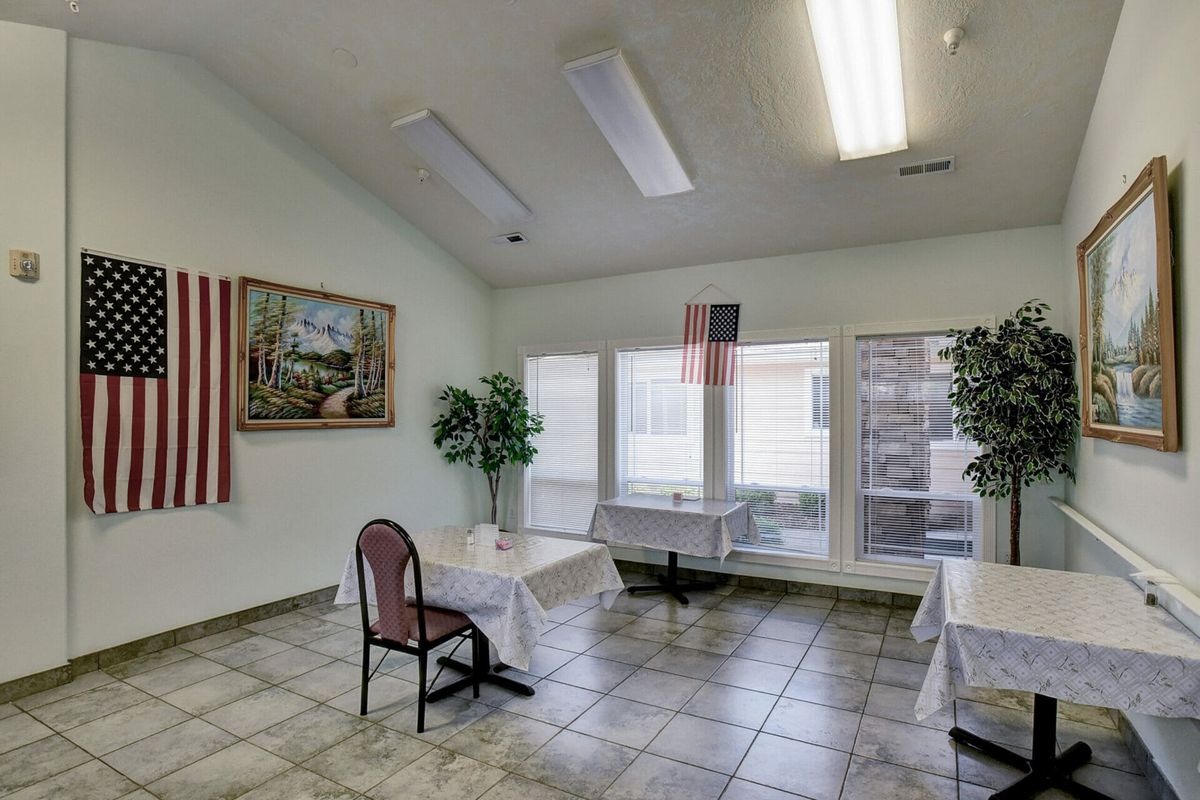
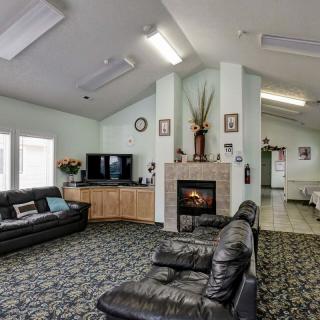
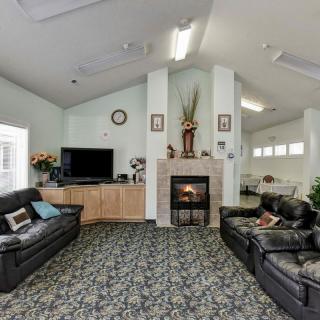
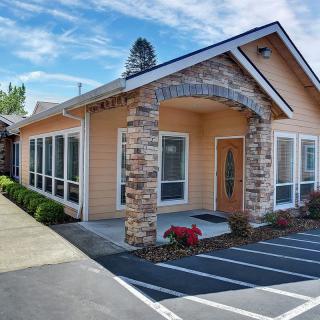


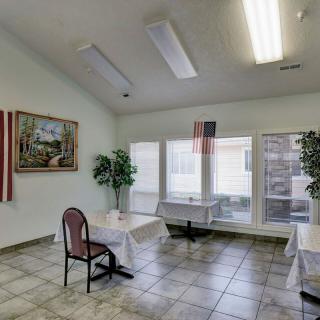



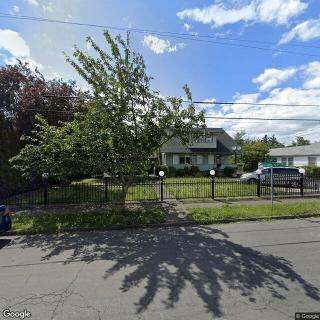
7430 South East Division Street, Portland, OR 97206
For more information about senior living options: (866) 208-4318
Overall Review of Tabor Crest Residential Care Community
Pros
 The level of care his father-in-law received there was excellent.
- The staff are wonderful and very caring, and the owner is patient and kind.
- His father-in-law was always clean and well cared for, and they made him very comfortable during the end of his life.
- They take the care of the residents very seriously.
- All of the staff were very kind and helpful, especially Lacra, the facility’s manager.
- The mother received good care.
- The residents seemed happy and active, and the staff were good and the food was good.
Cons
 The staff appeared tired and overworked.
- There were no smiles, and the atmosphere felt unfriendly.
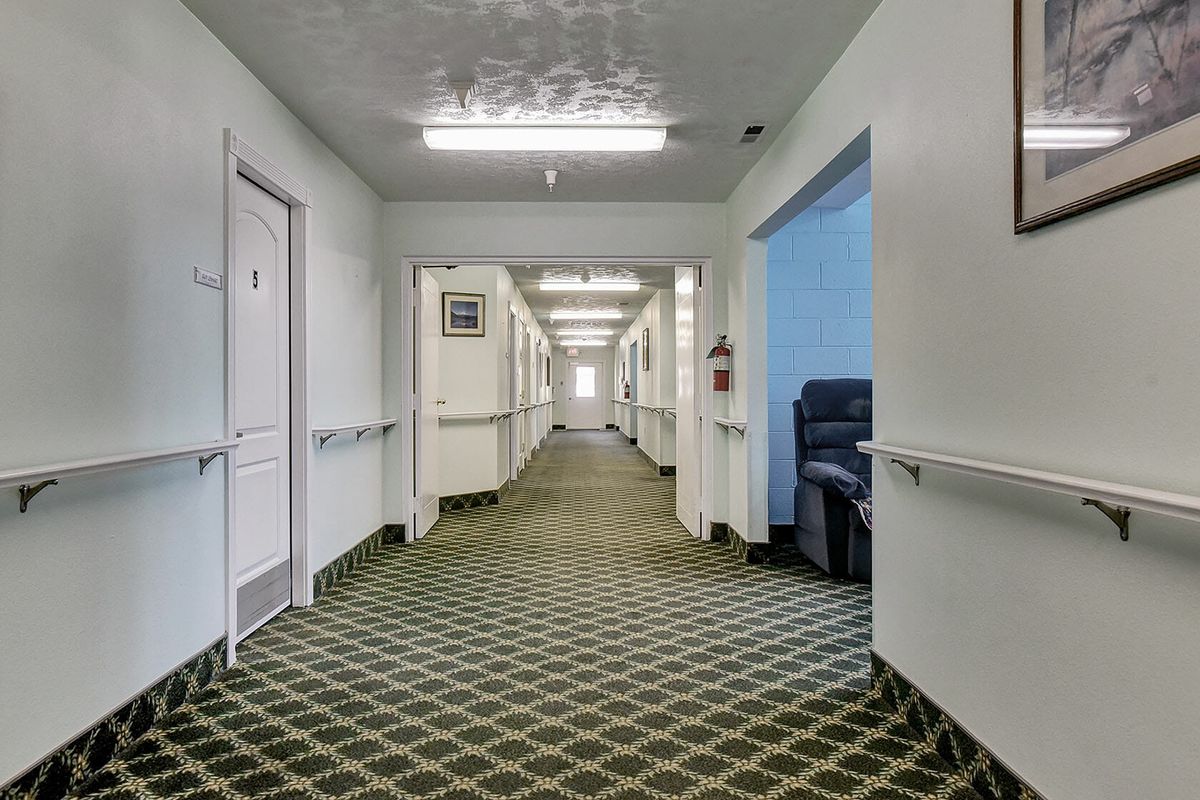
- The first impression was like walking into the house of the living dead.
- Residents looked like zombies or slept with crinkled necks.
- The reviewer left early due to heartbreak over how the environment had changed.
- The policy of not accepting volunteers was criticized as isolating residents and not serving their needs.
Review
Tabor Crest Residential Care Community in Portland is best suited for families seeking a small, home-like setting where residents receive highly attentive, compassionate daily care and meaningful end-of-life support. The reviews consistently highlight a staff that is caring, patient, and hands-on, with an owner and management team that prioritize residents’ comfort and dignity. This community tends to work well for seniors who value personal relationships with caregivers, a calm, intimate atmosphere, and dependable cleanliness and daily care over a bustling, activity-drenched campus.
The strongest positives center on the caregiving core. Families describe caregivers as wonderful, genuinely kind, and dedicated to keeping residents clean, comfortable, and well attended. End-of-life moments are portrayed as handled with respect and sensitivity, and the management, particularly individuals like Lacra, cited as a capable and supportive facility manager, helps sustain a reassuring environment. When activities do flourish, residents who want to participate can feel engaged, and food quality is noted as a plus. In short, the day-to-day caregiving and the personal touch from staff are the community’s most reliable strengths.
Yet the narrative is not uniformly sunny. A notable con is the impact of administration changes on morale and atmosphere. One seasoned account describes a shift from a lively, engaged environment, where activities and social interaction kept residents active, to a new tone in which staff appeared tired and overworked. The first impression for visitors can skew negative if the vibe inside feels somber or “the house of the living dead,” even when care quality remains solid. This tension between strong hands-on care and a disrupted atmosphere is the central trade-off families should weigh when considering this community.
Another notable consideration is the facility’s stance on volunteer involvement. A recurring concern among visitors is that volunteers are not accepted, which can cut against a broader sense of social vitality and outside accountability for resident engagement. The policy is defended in some reviews as a protective measure, emphasizing resident safety, memory-care considerations, and appropriate staffing competencies, but the contrast with families who value volunteer interaction is hard to ignore. For families who want more open volunteer access or a venue where community members can contribute time and companionship, this policy could feel limiting and diminish perceived social energy.
Taken together, the pros and cons point toward a clear decision pathway. Tabor Crest excels for families prioritizing intimate, caregiver-led attention and serious end-of-life comfort, with a track record of warmth from staff and a manager who supports residents and families. However, the downsides, administrative turnover that may erode atmosphere and the prohibition on volunteers, can undermine the overall experience, especially for those who place a premium on a consistently upbeat, socially rich environment. For memory-care needs or for families who want an active, volunteer-friendly community, alternatives with steadier leadership and more robust social programming may be a better fit.
In practical terms, families considering Tabor Crest should use the next steps to decide confidently. Schedule visits at different times to gauge how staff interact with residents when under pressure versus routine days. Ask direct questions about current administrator presence, staffing ratios during shifts, and what changes have occurred with leadership. Inquire about the activity calendar and how residents participate, especially during evenings and weekends, to determine whether the social atmosphere aligns with expectations. Finally, probe the volunteer policy and safety safeguards to understand how social engagement may or may not be expanded in the future. When the answers align with a priority on compassionate day-to-day care and dignified end-of-life support, Tabor Crest offers a compelling match; if not, the search should continue toward communities with steadier morale and a more open model for family and volunteer involvement.
 30 resident community capacity
 Assisted Living
 Memory Care
 Beauty salon
 Cable or satellite TV
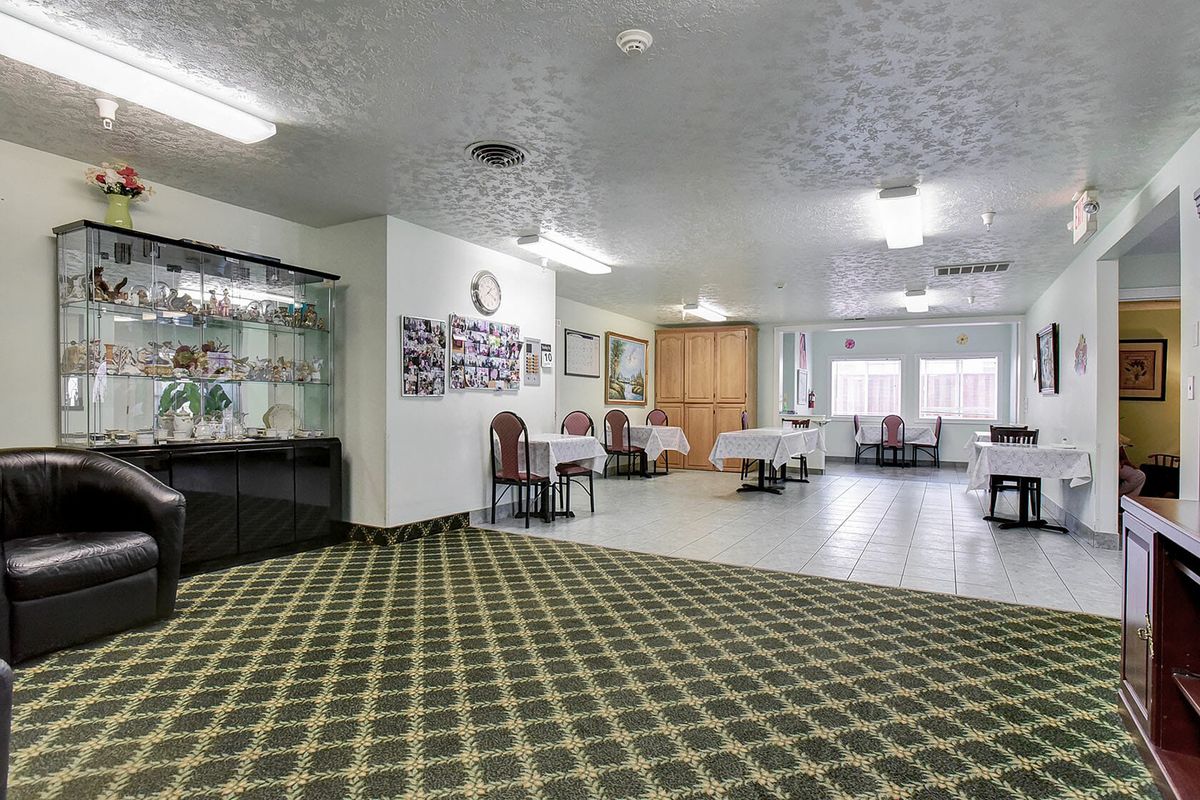
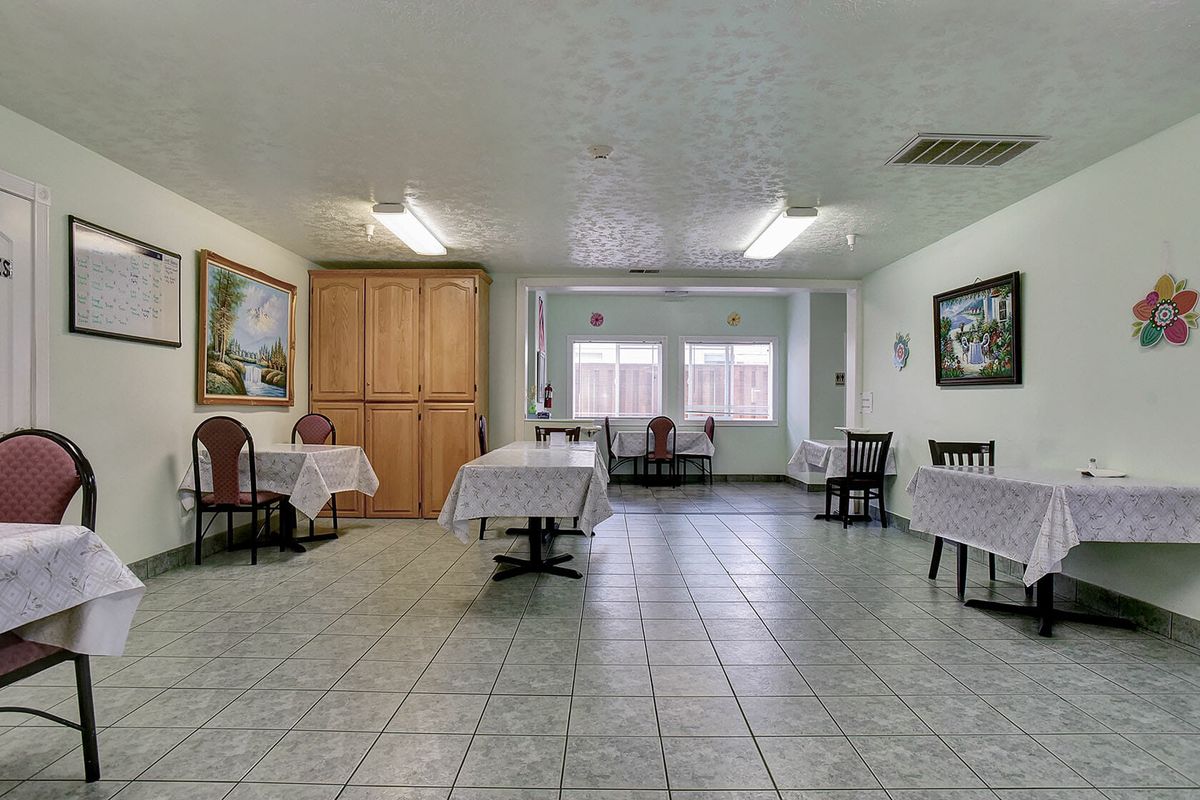
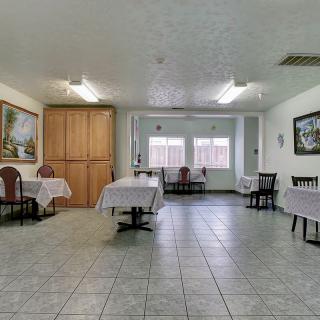
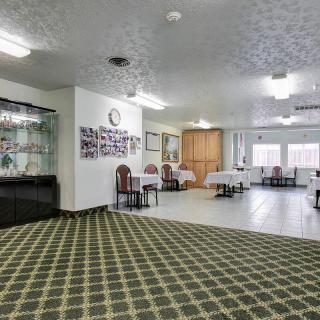
 Dining room
 Fully furnished
 Garden
 Housekeeping services
 Kitchenette
 Move-in coordination
 Outdoor space
 Restaurant-style dining
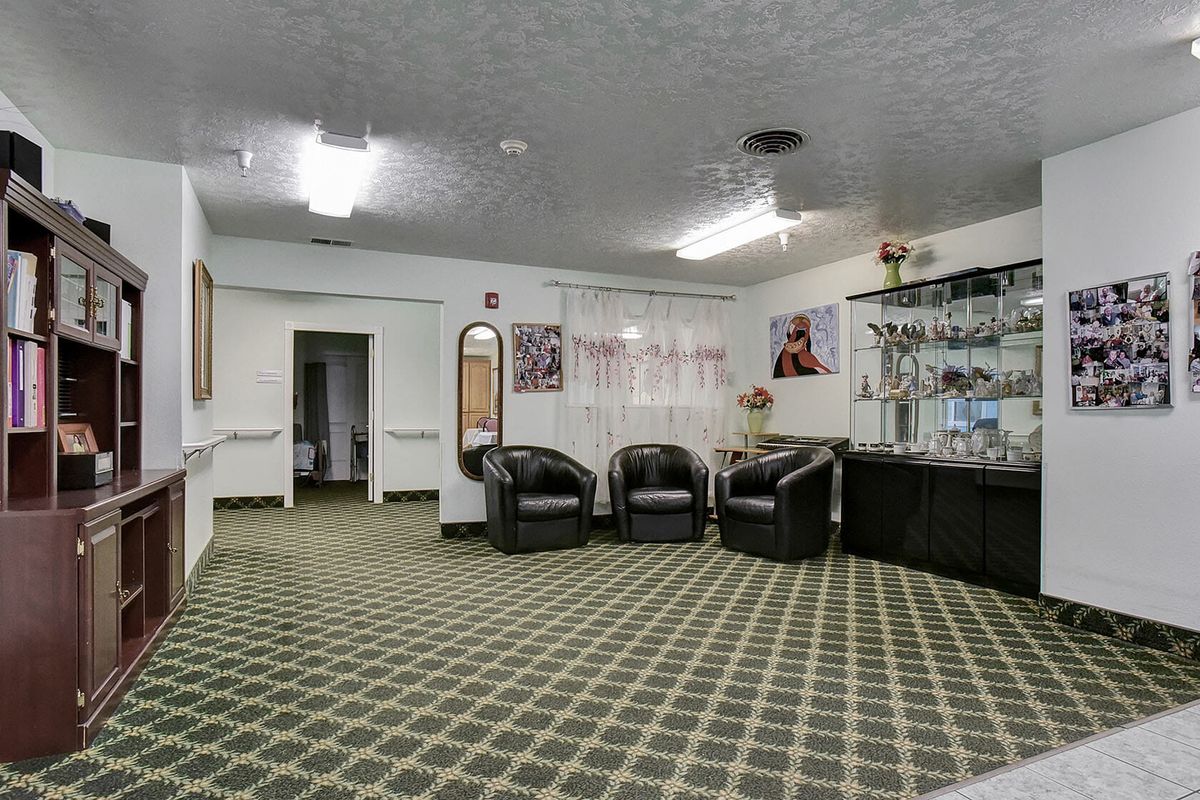
 Small library
 Telephone
 Wi-Fi/high-speed internet available
 Portland International (6 miles away)
 24-hour call system
 Activities of daily living assistance
 Assistance with bathing
 Assistance with dressing
 Assistance with transfers
 Diabetes diet
 Medication management
 Mental wellness program
 Special dietary restrictions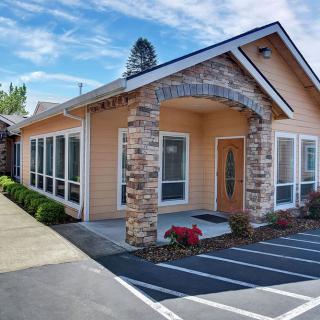


 Delving into the Inner World of Dementia: Insights into Thoughts and Awareness
 Five Subtle Dementia Indicators to Observe: An In-Depth Guide to Understanding “Does My Mom Have Dementia?”
 Dementia, Paranoia, and Caregiver Guidance: Understanding the Connection