



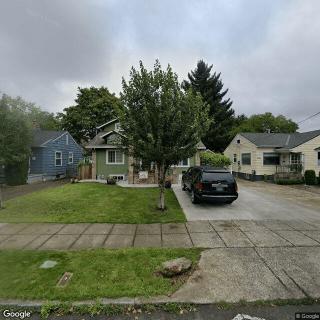
15 South East 55th Avenue, Portland, OR 97215
For more information about senior living options: (866) 208-4318
Laurelhurst House Costs & Pricing
Laurelhurst House offers competitive pricing for its studio accommodations, with a monthly cost of $2,350. This is significantly lower than the average rates in Multnomah County, which stand at $3,455, and also below the broader state average of $3,815. By choosing Laurelhurst House, residents can enjoy a more affordable living option without compromising on quality or comfort. This thoughtful pricing reflects a commitment to providing accessible senior living solutions within the community while ensuring that residents receive valuable services and amenities tailored to their needs.
| Floor plans | Laurelhurst House | Multnomah County | Oregon |
|---|---|---|---|
| Studio | $2,350 | $3,455 | $3,815 |
Assisted Living communities with a similar price nearby
-
from +$245 / mo

Highgate Senior Living
$2,595 to $3,095 / month12.1 miles away -
from +$420 / mo
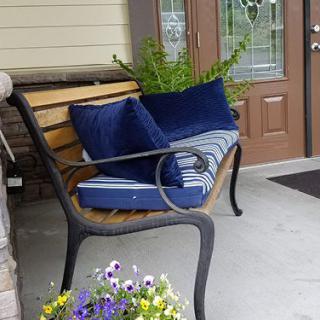
Clackamas View Senior Living
$2,770 to $3,768 / month7.2 miles away -
from +$270 / mo
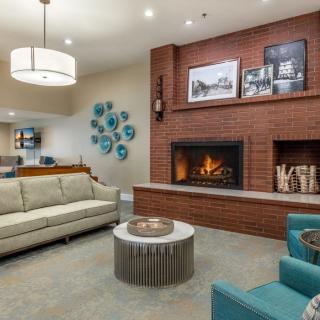
Van Mall
$2,620 to $4,420 / month9.5 miles away -
from -$350 / mo
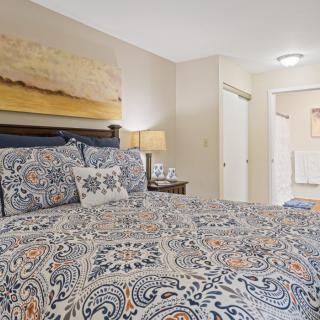
Markham House
$2,000 to $6,935 / month7.6 miles away -
from +$425 / mo
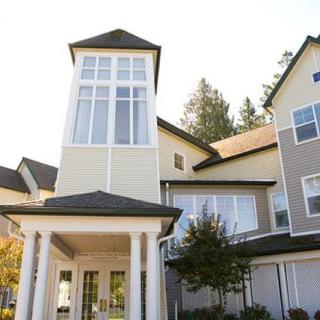
Avamere at Sandy
$2,775 to $3,995 / month19.4 miles away
Overall Review of Laurelhurst House
Pros
 The staff are caring, compassionate, and go above and beyond for the residents.
- The staff are helpful, and the residents are kind to newcomers.
- The place is described as awesome by reviewers.
- The visit to Laurelhurst House was good.
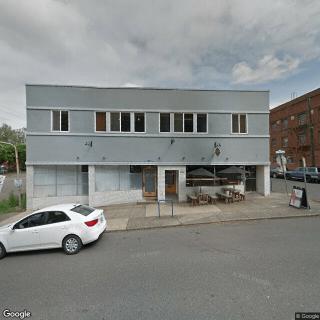
- It features a cute coffee shop built into the corner of the building that is accessible from the sidewalk.
- The facility offers assisted living in an easily accessible location.
Cons
 The activity director Pamela is not a kind person.
- A staff member stole a laptop from the resident before quitting.
- More of her belongings were missing during visits.
- The food is gross.
- The treatment and care of the residents is second-rate.
- There is a lot of bickering among the staff, and they seem to care less.
- The staff are not friendly or helpful when dealing with family members or visitors.
- The interior seems dark and gloomy, and the decor lacks a cohesive theme.
Review
Laurelhurst House in Portland is best suited for seniors who want an intimate, small‑scale assisted living experience where proximity to everyday conveniences matters more than a polished, high‑end feel. The community seems to reward personal connections with staff and fellow residents, and it can work for residents who do not require intensive medical oversight or a high-energy activity calendar. This setting appeals to families that value an on‑site coffee shop and straightforward neighborhood access, and who can tolerate variability in day‑to‑day staffing. It is not ideal for residents needing constant supervision, complex medical care, or a turnkey experience with flawless service and consistent programming.
People weighing Laurelhurst House against alternatives should consider campuses that deliver more reliable medication management, stronger nighttime supervision, and a robust calendar of activities. If cleanliness, interior ambiance, and seamless operations are priorities, other communities with clearer governance and higher staffing ratios will often outperform here. Families that demand transparent communication, predictable responses to concerns, and consistent caregiver presence at all hours should look beyond Laurelhurst House. The facility’s mixed track record on safety, staff coherence, and resident engagement suggests alternatives may provide greater stability for loved ones with higher medical or social needs.
On the upside, several accounts highlight staff members who are helpful and genuinely caring, with residents and families noting moments of warmth. The on‑site coffee shop and central Portland location add practical value, making errands and social outings easier. The small footprint can translate into a more personalized feel when staff are aligned and attentive. Some interactions show that residents can experience real kindness from peers and caregivers, and a few visits left families feeling reassured about basic daily care. These pockets of positive experience demonstrate that Laurelhurst House can deliver meaningful quality care under the right circumstances.
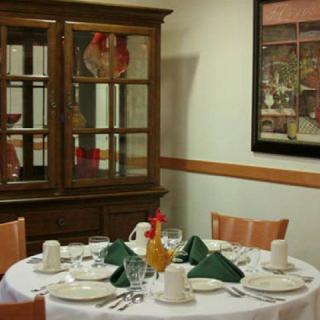
Yet the constellation of concerns matters more in decision making. Past medication-management issues surfaced in inspections, and recent anecdotes describe dangerous lapses around new prescriptions and monitoring. Night staffing appears insufficient, and reports of staff distraction or conflict among caregivers undermine reliability. Misplaced trust extends to personal property, with at least one theft complaint and frequent missing items cited by visitors. The dining environment is described as cramped and uninviting, and the interior feels dark and inconsistent in décor. Activities are limited, and the overall pace can feel rushed, with residents often herded rather than engaged. Collectively, these factors erode confidence in consistent quality.
Even where some pros exist, they do not fully offset the major drawbacks. A handful of compassionate interactions cannot compensate for the risk that a resident may be under‑monitored after a new medication, nor for the anxiety created by staffing shortages and unaddressed concerns about safety or privacy. The internal environment, drab lighting, disjointed interior design, and a cramped dining room, significantly affects mood and participation in activities. The positive moments some residents report are real, but they appear episodic rather than systemic, and that pattern matters for families evaluating long‑term stability.
Practical next steps for families: plan a thorough in‑person assessment during peak hours, observe a dining period, and speak directly with the administrator about current staffing, medication procedures, and incident history. Request a tour of the care plan process, a review of the latest inspection findings, and copies of recent incident reports. Inquire about property security, item loss policies, and steps taken to recover missing belongings. Ask for a demonstration of the activity calendar and the level of daily engagement. Finally, insist on a trial stay or a short visitation period to observe real‑time care dynamics before making a commitment. Laurelhurst House can be a fit for some, but a clear, structured due‑diligence process is essential to determine whether the benefits align with safety and quality expectations.
 38 resident community capacity
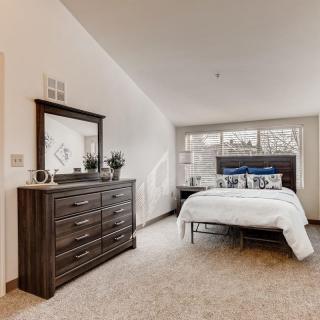
 Studio apartments
 Assisted Living
 Cats allowed
 Dogs allowed
 Activities on-site
 Beautician on-site
 Cable or satellite TV
 Cafe
Cafe Devotional services off-site
 Dining room
 Financial aid
 Fully furnished
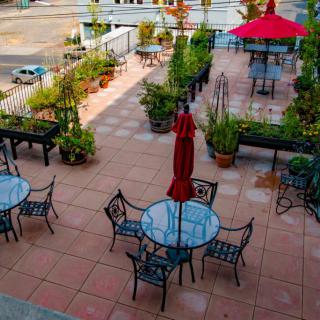
 Garden
 Guest parking
 Housekeeping services
 Indoor common areas
 Kitchenette
 Laundry
 Move-in coordination
 Outdoor space
 Restaurant-style dining
 Small library
 Telephone
 Wi-Fi/high-speed internet available
 Portland International (5 miles away)
 Transportation & parking
 24-hour call system
 Ambulatory care
 Assistance with bathing
 Assistance with dressing
 Assistance with transfers
 Diabetes diet
 Diabetic care
 Incontinence care
 Medication management
 Mental wellness program
 Special dietary restrictions
 English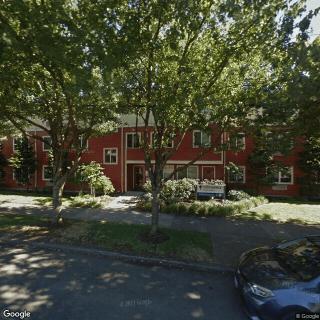


 Comprehensive Insights into Activities of Daily Living (ADLs) and Their Assessment
 Medicare Coverage for Assisted Living: An In-Depth Exploration
 Choosing the Right Senior Care: A Detailed Exploration of Assisted Living and Nursing Homes