
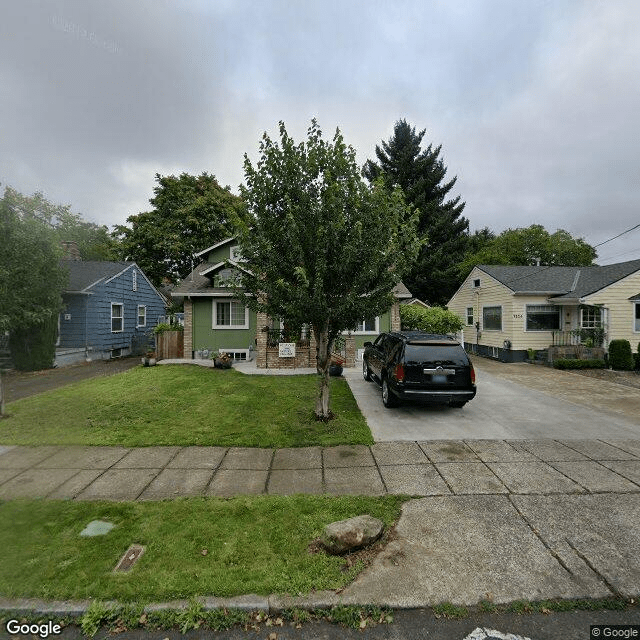
1234 NE 47th Ave, Portland, OR 97213
To contact a resident: (503) 288-3707
For more information about senior living options: (866) 208-4318
Golden Moments Costs & Pricing
Golden Moments offers a private room at a competitive monthly rate of $3,500. This cost is slightly higher than the average for Multnomah County, which stands at approximately $3,227, but remains within a reasonable range compared to the broader state average of $3,424. While Golden Moments may be priced above the county's and state's averages, this could reflect specialized services or amenities that cater to unique needs and preferences. As families consider care options, it's important to evaluate not just costs but also the quality of service and environment provided at each location.
| Floor plans | Golden Moments | Multnomah County | Oregon |
|---|---|---|---|
| Private | $3,500 | $3,227 | $3,424 |
Senior living communities with a similar price nearby
-
from +$300 / mo

The Inn at University Village
$3,800 to $7,500 / month12.9 miles away -
from -$500 / mo
A Piece of Heaven
$3,000 / month7.3 miles away -
from +$500 / mo
Oaktree Adult Care Home
$4,000 / month13.7 miles away -
from -$500 / mo
Yamhill Senior Care Home
$3,000 / month5.5 miles away -
from -$500 / mo
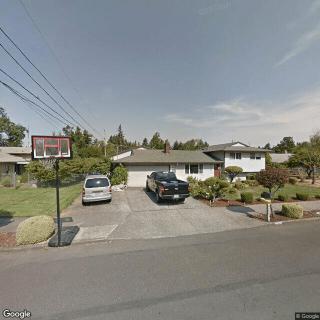
Peaceful Lighthouse Adult Care Home
$3,000 / month7.6 miles away
Overall Review of Golden Moments
Pros
 She is a very nice lady.
- The house is very nice.
- She cares for all of the people she cares for.
- The reviewer felt a good feeling from her.
Review
Golden Moments in Portland is best suited for families seeking a small, home-like setting where a dedicated caregiver can form genuine, personal connections with residents. This community appears ideal for seniors who value warmth, individualized attention, and a single, trusted point of contact in daily life. It is less well-suited for those who require extensive medical oversight, frequent skilled-nursing support, or a broad, structured programming schedule. Families weighing alternatives should consider larger assisted living communities or memory-care settings that offer on-site nursing staff, more formal activity calendars, and diversified services to ensure needs are met around the clock.
The standout impression from the available information is the caregiver’s evident care and the sense that residents are treated with real consideration. Described as “a very nice lady” operating a “very nice house,” the setting projects a quiet, intimate atmosphere where staff presence and personal interactions feel meaningful. That personal touch translates into trust and predictability in daily routines, which can be invaluable for seniors who dislike impersonal environments or feel unsettled in larger facilities. The emotional comfort of such a connection should not be underestimated when evaluating quality of life for a resident who thrives on consistent, compassionate attention.
Yet, the strength of a small, caregiver-led model also reveals potential drawbacks. The most notable trade-off is scalability: with a single primary caregiver at the center of operations, coverage gaps may emerge during vacations, illness, or busy days, potentially impacting meal service, medication administration, or timely assistance. The intimate setting can also mean a more limited social calendar, fewer diverse activities, and less formal oversight of medical needs. In short, the pros, trust, warmth, and dependable day-to-day responsiveness, must be weighed against the possibility of reduced access to 24/7 nursing support, advanced care services, and a broad array of programming.
Given the limited sample size, a single four-star review, caution is warranted. While the testimony underscores a strong personal vibe and a high level of perceived care, it also leaves many practical questions unanswered. Important factors such as staffing ratios, consistency of care, meal planning, medication management, emergency procedures, pricing, and contract terms remain unspecified. Without clearer operational details, families should approach decisions here with targeted diligence, seeking out direct confirmation of policies, care capabilities, and guarantees before committing.
Who should consider alternatives? Families with seniors who have complex medical needs, frequent medication adjustments, or risk factors requiring rapid escalation of care will likely find more dependable peace of mind in larger communities with licensed nursing staff on-site and established protocols. For residents who crave a lively social calendar, varied activities, transportation options, or specialized memory-care programming, other facilities in Portland will typically deliver more predictable access to those services. Even in a strong caregiver-led setting, the need for ready medical oversight can outweigh the benefits of a homelike environment.
Bottom line: Golden Moments offers a promising, heart-centered option for families prioritizing intimate, person-centered care and a home environment. The decisive factor rests on whether the senior’s needs align with a small-scale model and the caregiver’s ability to sustain consistent, high-touch attention across days, evenings, and weekends. Prospects should schedule a visit with concrete questions about staffing, daily schedules, medication handling, and what happens when the primary caregiver is unavailable. If those elements align, this community can deliver meaningful quality of life through trust, warmth, and a reassuring sense of home. If not, exploring larger, more comprehensive options in Portland will likely yield greater assurance of medical support, programming variety, and continuity of care.
 Board and Care Home
 Cats allowed
 Dogs allowed
 Private
 Private bathrooms
 Portland International (4 miles away)
 Diabetic care
 Incontinence care






 Effective Strategies for Keeping Seniors' Minds Active: A Deep Dive into Brain Games and Apps
 In-Depth Look at the VA Aid and Attendance Program
 Nurturing Our Loved Ones: A Daughter's Journey in Caring for Her Mother