At Courtyard at Mt. Tabor, the monthly costs for various room types present a competitive option compared to both Multnomah County and broader state averages in Oregon. For instance, a studio apartment is priced at $3,000, significantly lower than the county average of $3,455 and the state average of $3,815. However, for larger accommodations such as one-bedroom units and semi-private rooms, costs are notably higher; the one-bedroom rate of $5,395 exceeds both the county's average of $3,402 and the state's average of $3,904. Similarly, the semi-private option is priced at $5,400 against an average of $4,011 in Multnomah County and $4,457 statewide. This pricing structure highlights Courtyard at Mt. Tabor as an attractive choice for those seeking studio living while reflecting a more premium experience in its one-bedroom and semi-private offerings.
Floor plans
Courtyard at Mt. Tabor
Multnomah County
Oregon
Studio
$3,000
$3,455
$3,815
1 Bedroom
$5,395
$3,402
$3,904
Semi-Private
$5,400
$4,011
$4,457
Memory care communities with a similar price nearby
Residents and families describe staff as attentive, kind, and coordinated in day-to-day care.
Across reviews, families describe staff who pay attention to changing medical needs and keep residents engaged and supported. In one assisted living review, the care team coordinated meals, medicine, housekeeping, and updates as needs shifted, including hospice coordination with external staff. Another review highlights follow-up and responsiveness when questions or problems come up.
differentiator2 reviews mention this
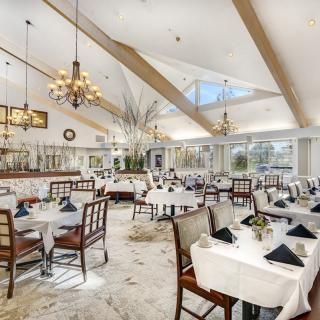
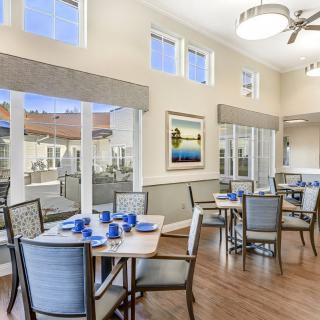
Dining stands out as restaurant-style
Dining is frequently described like a restaurant, with meals that both impress and disappoint.
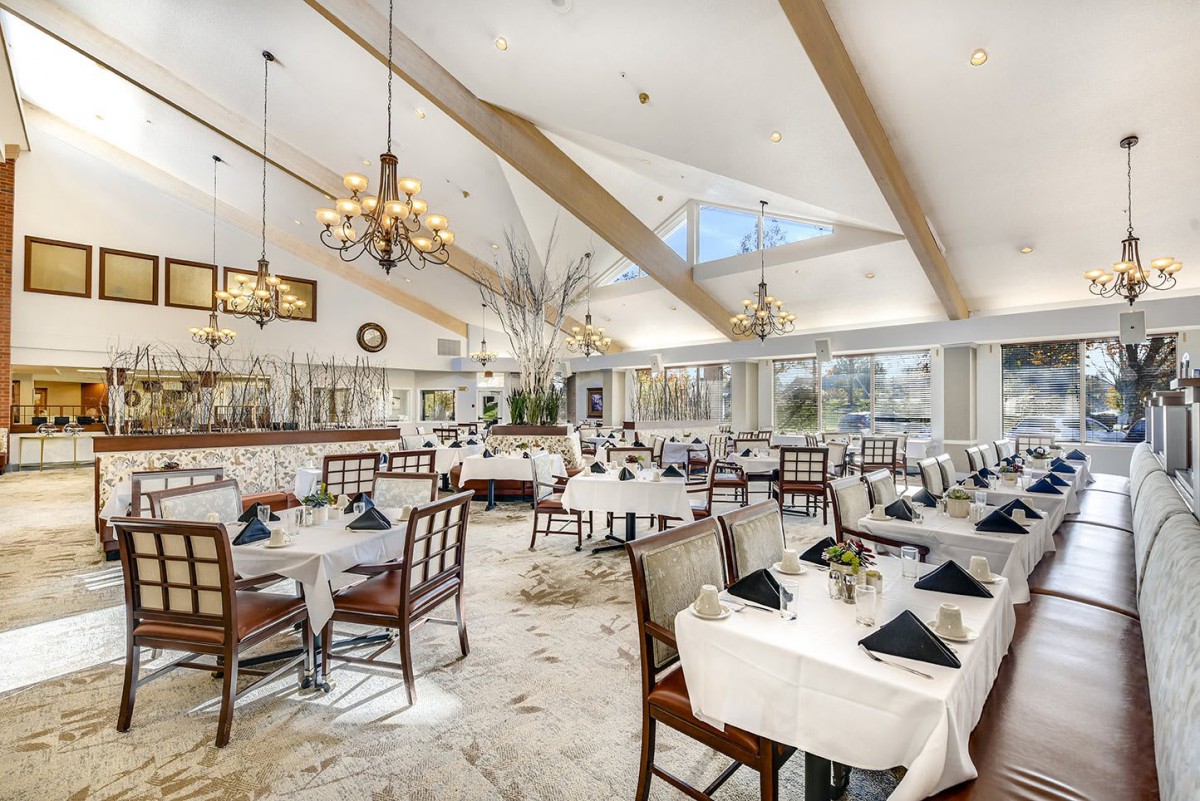
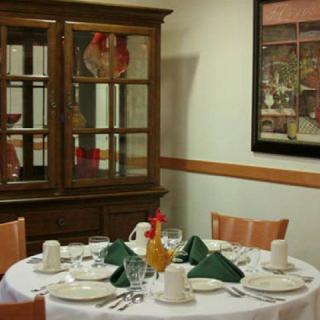
Several residents and families say the dining experience feels more like a restaurant than a cafeteria, with attention from dining room staff. One reviewer praises the dining room atmosphere and food as “phenomenal,” while another describes repeated problems with food service timing and meal delivery. That split shows why dining can feel hit-or-miss depending on the day and staffing.
common2 reviews mention this
Activities are a consistent focus
Residents describe a steady schedule of activities that helps them stay social and engaged.
Reviews repeatedly mention that the community keeps residents involved through group activities and regular events. One review says activities “continue to stimulate the mind,” with residents encouraged to join and an activities director coordinating outings and engagement. Another review describes varied activities including exercise, presentations, games, and parties, with residents finding reasons to participate.
caveat2 reviews mention this
Memory care leadership and cleanliness concerns
Some memory care reviews raise serious concerns about management stability and cleanliness.
In the Pavilion/Memory Care area, there are reviews that criticize leadership turnover and communication with families. One review says memory care went through multiple directors and that essential staffing and activities coverage were unclear. Another describes extremely concerning cleanliness and sanitation issues, framing the experience as unsafe and disrespectful.
caveat2 reviews mention this
Cost is a recurring concern
Multiple reviews say the community can feel unaffordable or not worth the price.
Even among positive reviews, some families point to pricing as a key factor in whether they could choose the community. One review says it was “super expensive” and they couldn’t afford it, even though the facility looked great. Another review expresses that they would pay premium pricing only if care matched what they expected, implying cost alone doesn’t guarantee quality for everyone.
How we summarize
Counts show how many written reviews mention each theme; a review can touch several themes, and only frequently mentioned themes are displayed.
Features
Housing
1-bedroom apartments
2-bedroom apartments
Studio apartments
Types of Care
Assisted Living
Independent Living
Memory Care
Pets
Cats allowed
Dogs allowed
Amenities
Activities off-site
Activities on-site
Air-conditioning
Bath tubs
Beautician on-site
Cable or satellite TV
Cafe
Computer center
Devotional services off-site
Devotional services on-site
Dining room
Full kitchen
Garden
Ground floor units
Guasts at mealtime
Guest parking
Hiking trails
Housekeeping services
Indoor common areas
Kitchenette
Laundry
Outdoor common areas
Party space
Respite or short term stays offered
Spa
TV room
VA Benefits Consultation
Wheelchair accessible showers
Wi-Fi/high-speed internet available
Transportation
Portland International (6 miles away)
Transportation & parking
Care Services
Ambulatory care
Diabetic care
High acuity care
Incontinence care
Meal preparation and service
Medication management
Dining
Anytime dining
Gluten-free
Guest meals
Low / no sodium
Meals provided
No Sugar
Professional chef
Restaurant style dining
Room service
Vegetarian
Activities
Activities off-site
Art classes
Arts and crafts
Book club
Cooking classes
Cooking club
Day trips and outings
Devotional activities offsite
Devotional activities on-site
Educational speakers / life long learning
Fitness programs
Games
Gardening club
Happy hour
Live dance or theater performances
Live musical performances
Live well programs
Religious services
Stories
Tai Chi
Wii bowling
Wine tasting
Yoga / chair yoga
Languages Spoken
English
Nearby Places of Interest
This part of Portland, Oregon offers a peaceful and convenient lifestyle for seniors looking to settle in a welcoming community. With several parks nearby, including Mt. Tabor Park and Laurelhurst Park, there are plenty of opportunities for outdoor recreation and relaxation. The neighborhood also boasts a variety of dining options ranging from casual eateries like Super Deluxe and Thunderbird to more upscale establishments such as Bodega PDX. In terms of healthcare, residents have easy access to several medical facilities and pharmacies, ensuring prompt and quality medical care when needed. Additionally, the area is well-connected with public transportation options such as TriMet Hollywood/NE 42nd Ave Transit Center for convenient travel around the city. Overall, this part of Portland provides a comfortable and convenient living environment for seniors seeking a vibrant yet peaceful community to call home.
Parks
Mt. Tabor Park - Off Leash Area (0.5 miles)
Mt. Tabor Park (0.8 miles)
Laurelhurst Park (1.4 miles)
Normandale Park (1.9 miles)
Lents Park (1.9 miles)
Oregon Park (2.3 miles)
Colonel Summers Park (2.4 miles)
Restaurants
Super Deluxe (0.8 miles)
Thunderbird (0.8 miles)
Bodega PDX (1 miles)
Belmont Station (1.2 miles)
Element Lounge (1.2 miles)
Bipartisan Cafe (1.3 miles)
Roscoe's (1.3 miles)
Cafes
Common Grounds Coffee House (1 miles)
Keeper Coffee Co. (1.5 miles)
Portland Cà Phê (2.1 miles)
Dutch Bros Coffee (2.2 miles)
Starbucks (2.2 miles)
Coava Coffee Roasters (3 miles)
Peet's Coffee and Tea (3.2 miles)
Physicians
Richmond Family Health Center (1.1 miles)
Adventist Medical Pavilion (2 miles)
The Oregon Clinic (2.5 miles)
Eye Health Northwest (2.5 miles)
Family Medical Group, PC (2.9 miles)
ZoomCare (3.1 miles)
Legacy Medical Group (3.1 miles)
Pharmacies
Rite Aid (1.1 miles)
Fred Meyer Pharmacy (1.2 miles)
Walgreens (1.3 miles)
Walgreens (1.5 miles)
Fred Meyer Pharmacy (1.5 miles)
Walgreens (1.5 miles)
Walgreens (1.6 miles)
Theaters
Century 16 Eastport Plaza (1.5 miles)
Hollywood Theatre (2.3 miles)
Regal Pioneer Place (3.8 miles)
Hospitals
Adventist Medical Center (2 miles)
Portland VA Medical Center (4.1 miles)
Providence Milwaukie Hospital (4.1 miles)
Doernbecher Children's Hospital (4.2 miles)
Transportation
TriMet Hollywood/NE 42nd Ave Transit Center (2.2 miles)
At Courtyard at Mt. Tabor, the monthly costs for various room types present a competitive option compared to both Multnomah County and broader state averages in Oregon. For instance, a studio apartment is priced at $3,000, significantly lower than the county average of $3,455 and the state average of $3,815. However, for larger accommodations such as one-bedroom units and semi-private rooms, costs are notably higher; the one-bedroom rate of $5,395 exceeds both the county's average of $3,402 and the state's average of $3,904. Similarly, the semi-private option is priced at $5,400 against an average of $4,011 in Multnomah County and $4,457 statewide. This pricing structure highlights Courtyard at Mt. Tabor as an attractive choice for those seeking studio living while reflecting a more premium experience in its one-bedroom and semi-private offerings.
Incontinence care is essential in providing dignity and comfort for residents, as it addresses a common challenge faced by those with dementia or Alzheimer's and helps maintain their overall well-being. Meal preparation and service are tailored to meet the specific nutritional needs of individuals with cognitive impairments, ensuring they receive balanced meals while accommodating any dietary restrictions or preferences. Medication management plays a critical role in memory care, as it ensures that residents receive their prescribed medications consistently and on time, reducing confusion and promoting adherence to treatment plans. Together, these features create a supportive environment that addresses both physical health and daily living challenges, ultimately enhancing the quality of life for those in memory care.
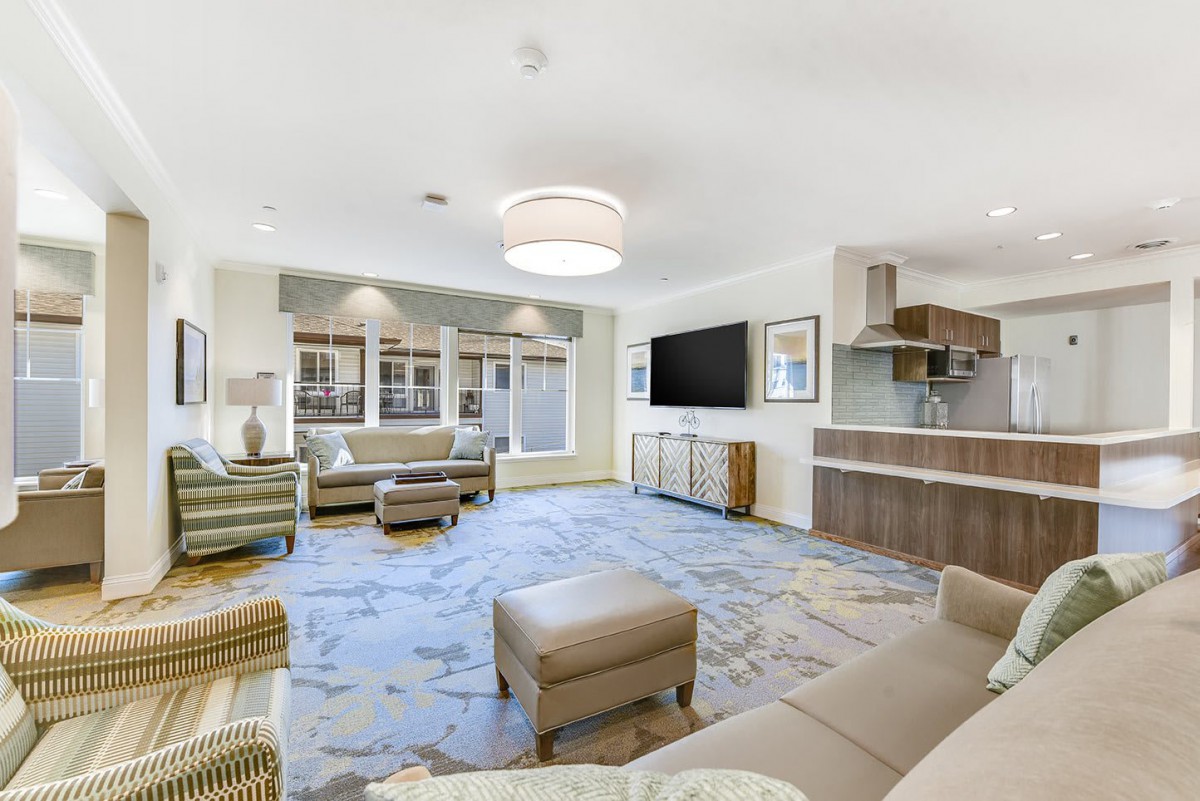
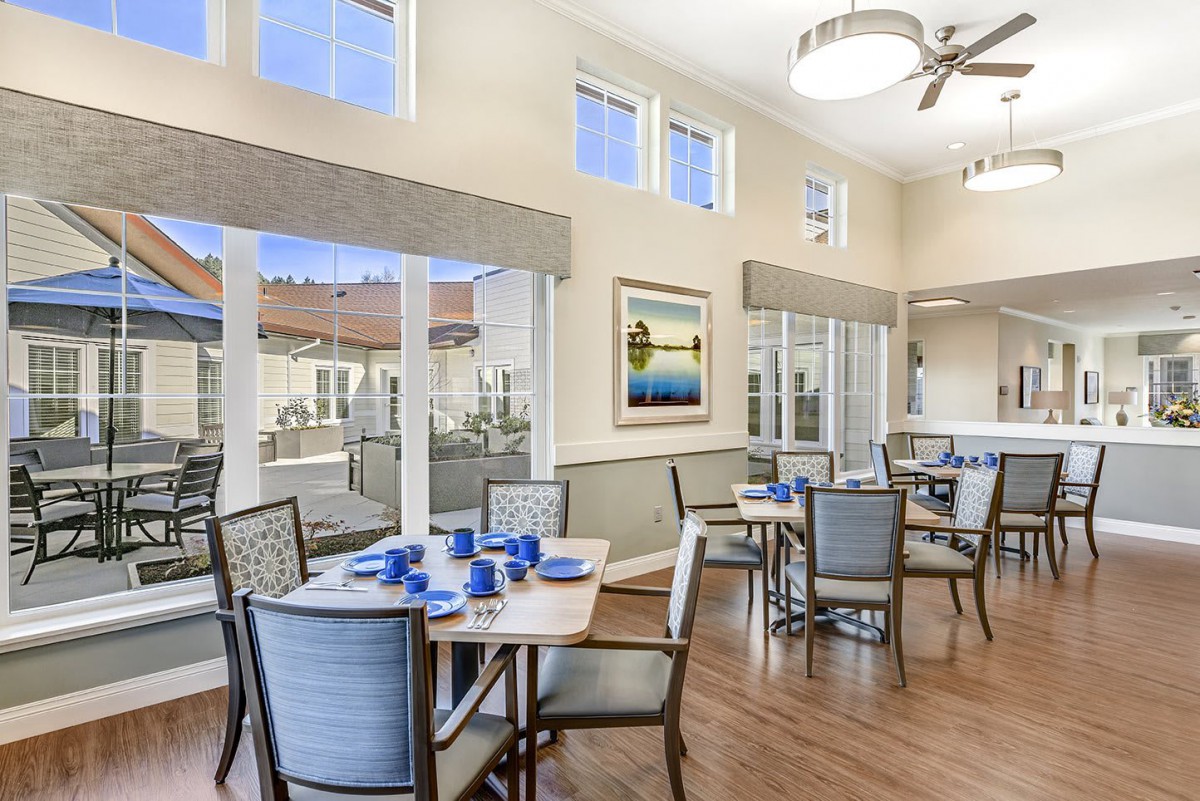
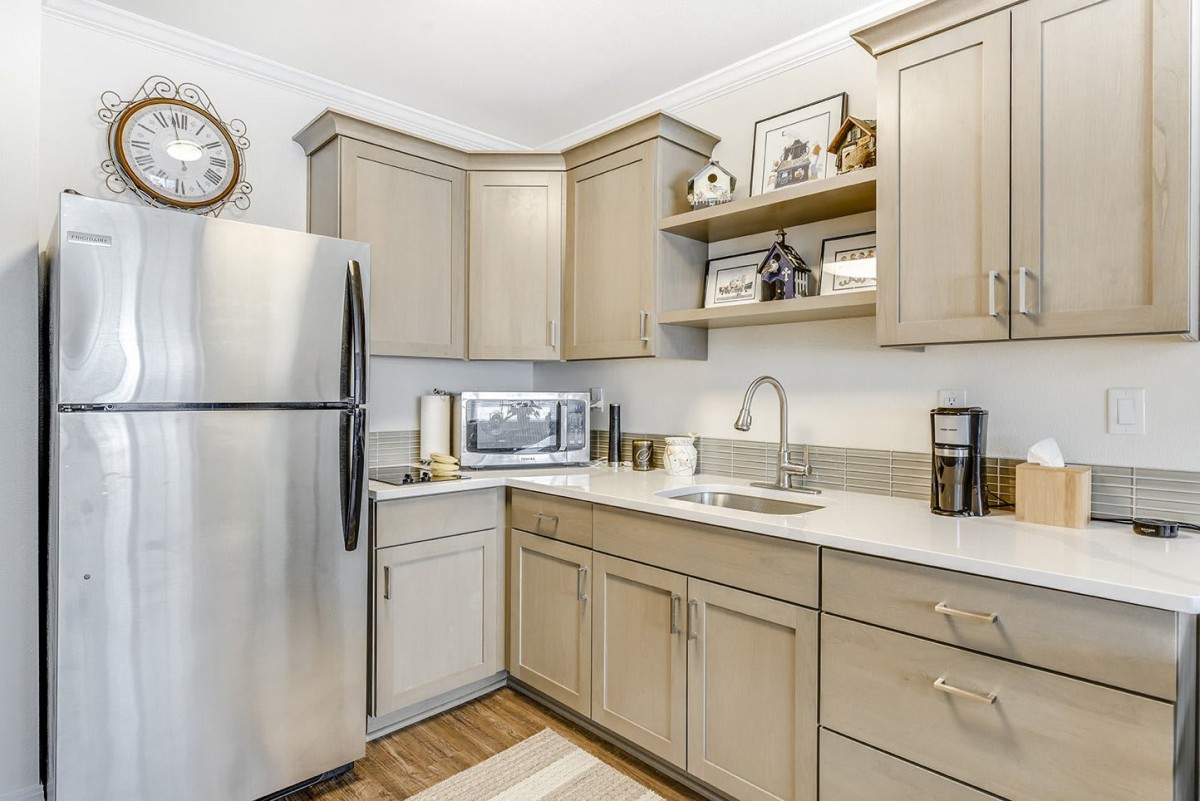
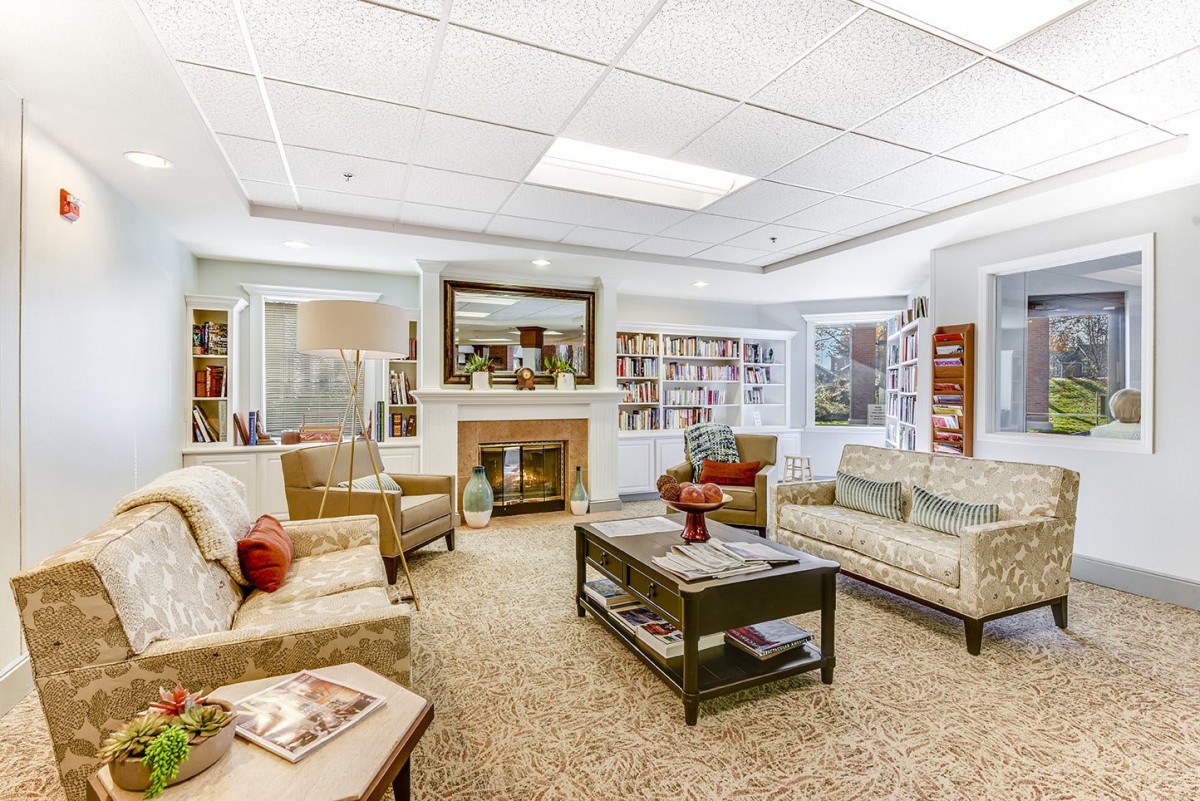
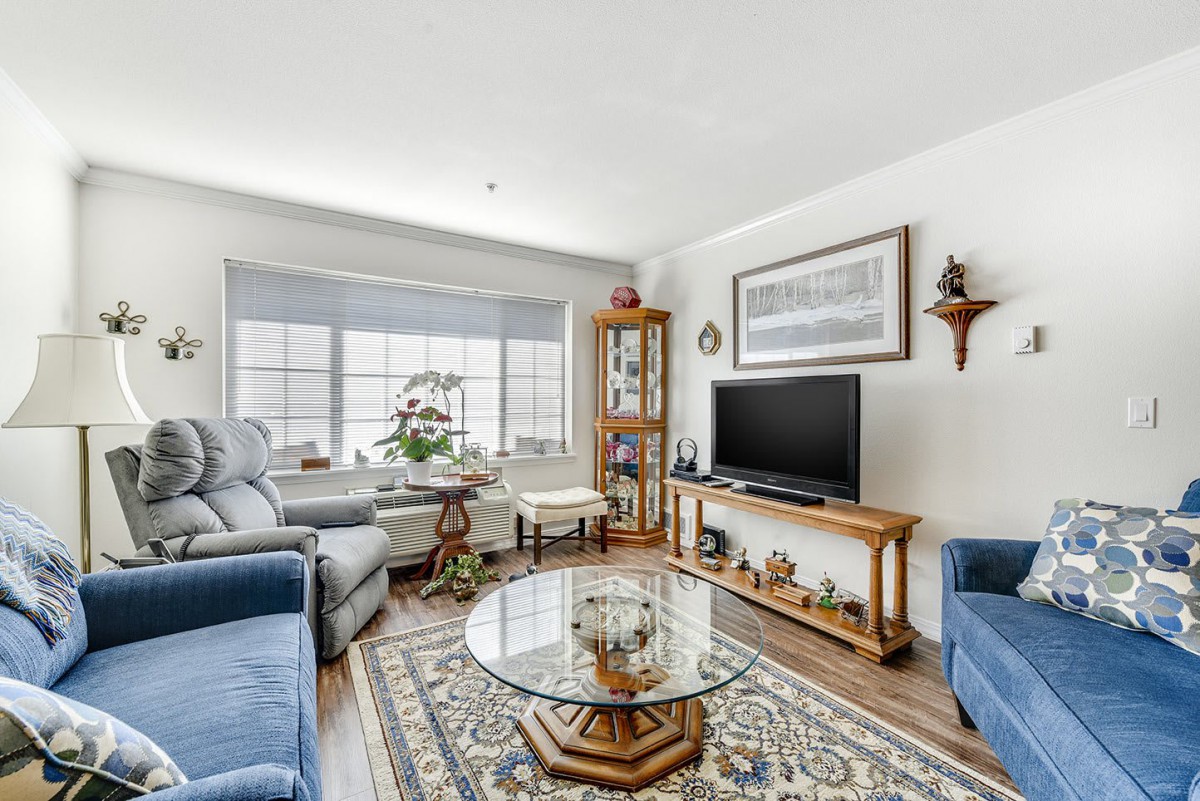
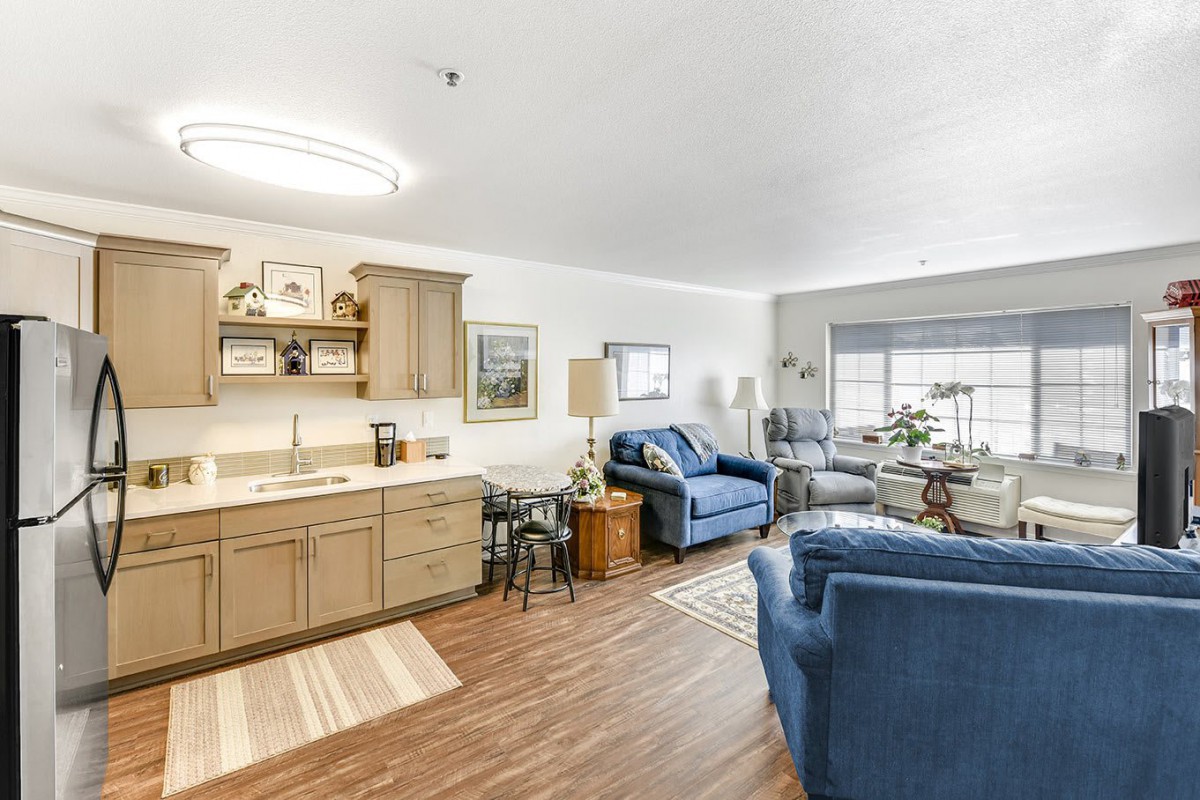
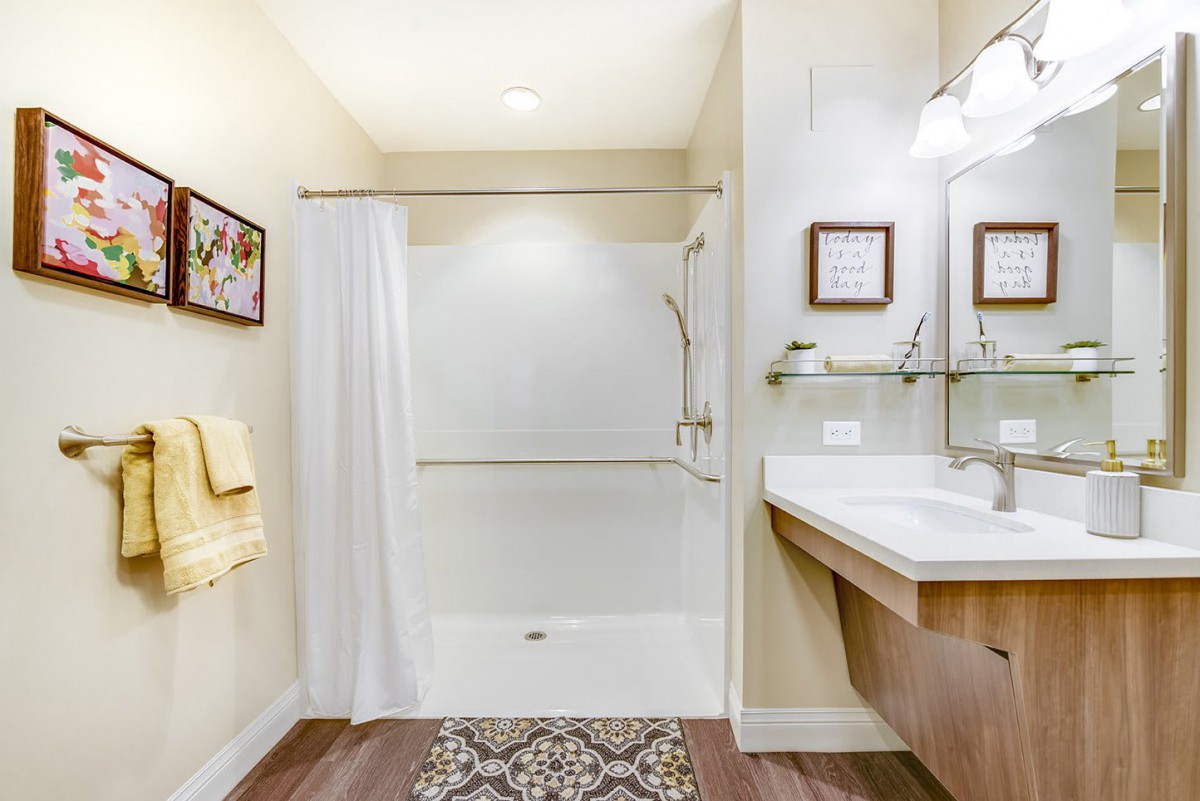
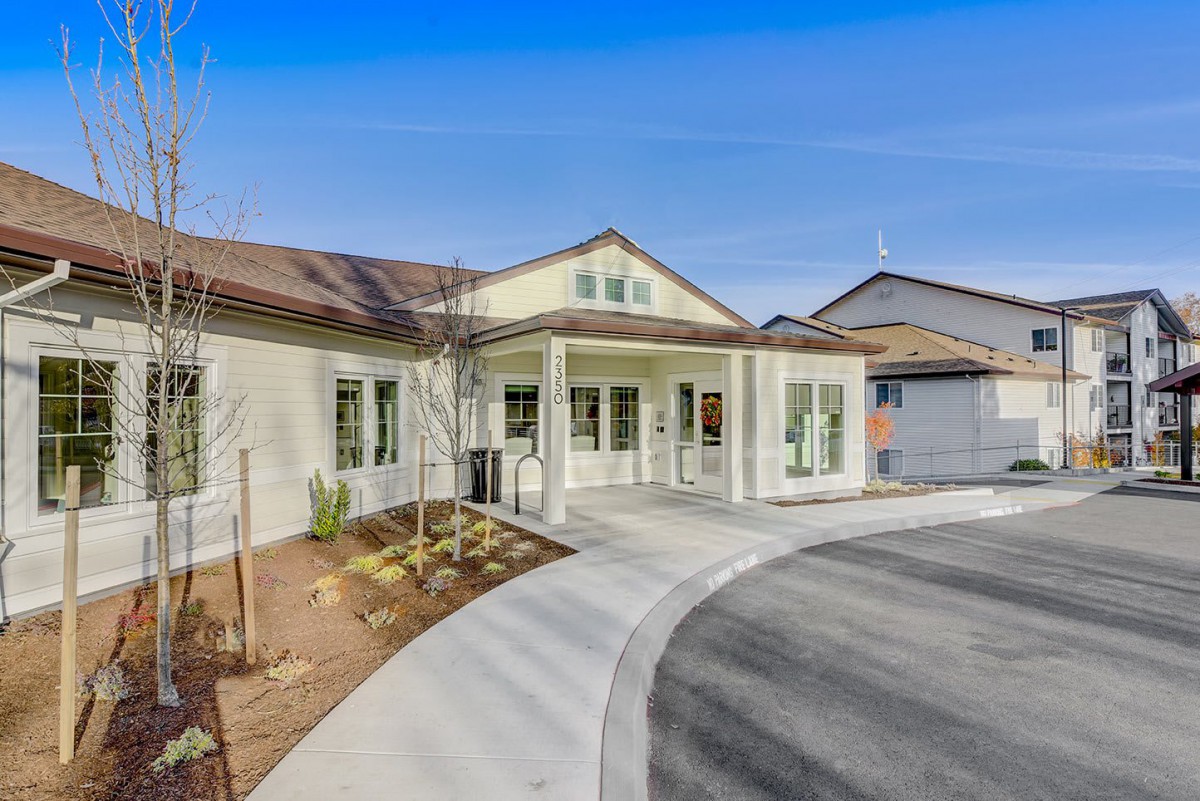
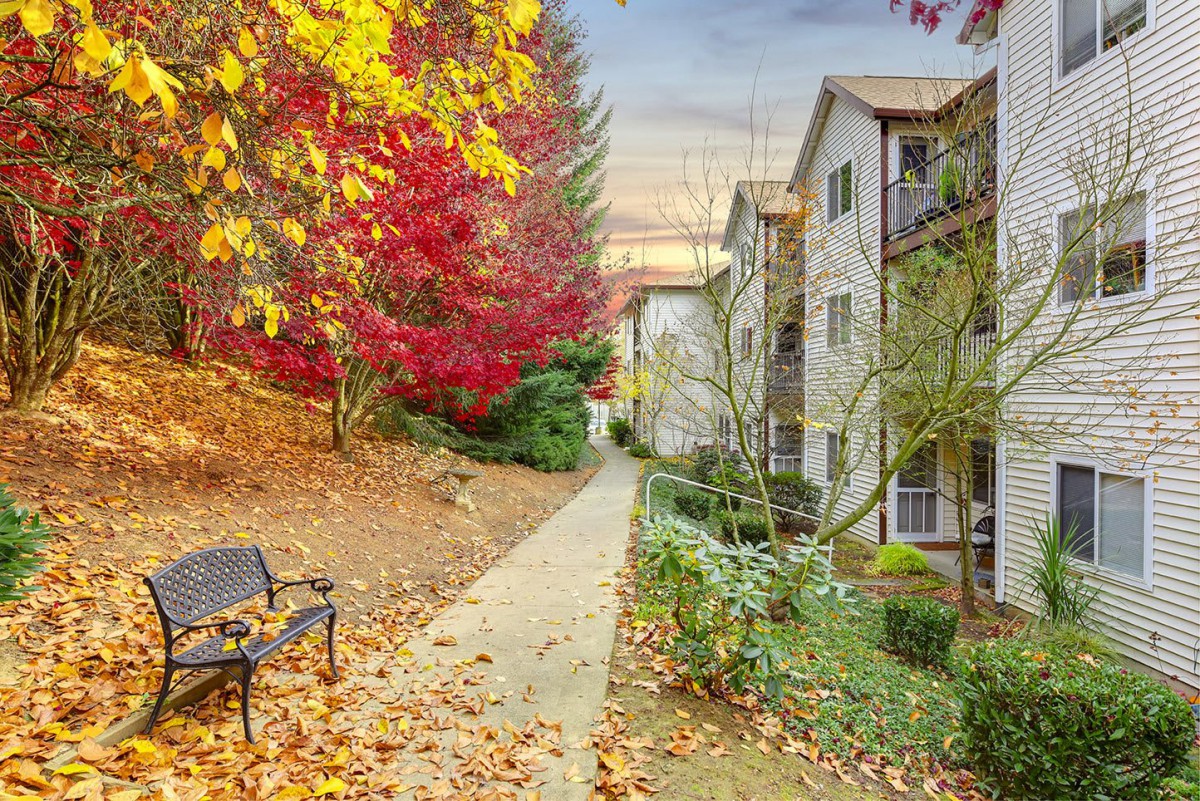
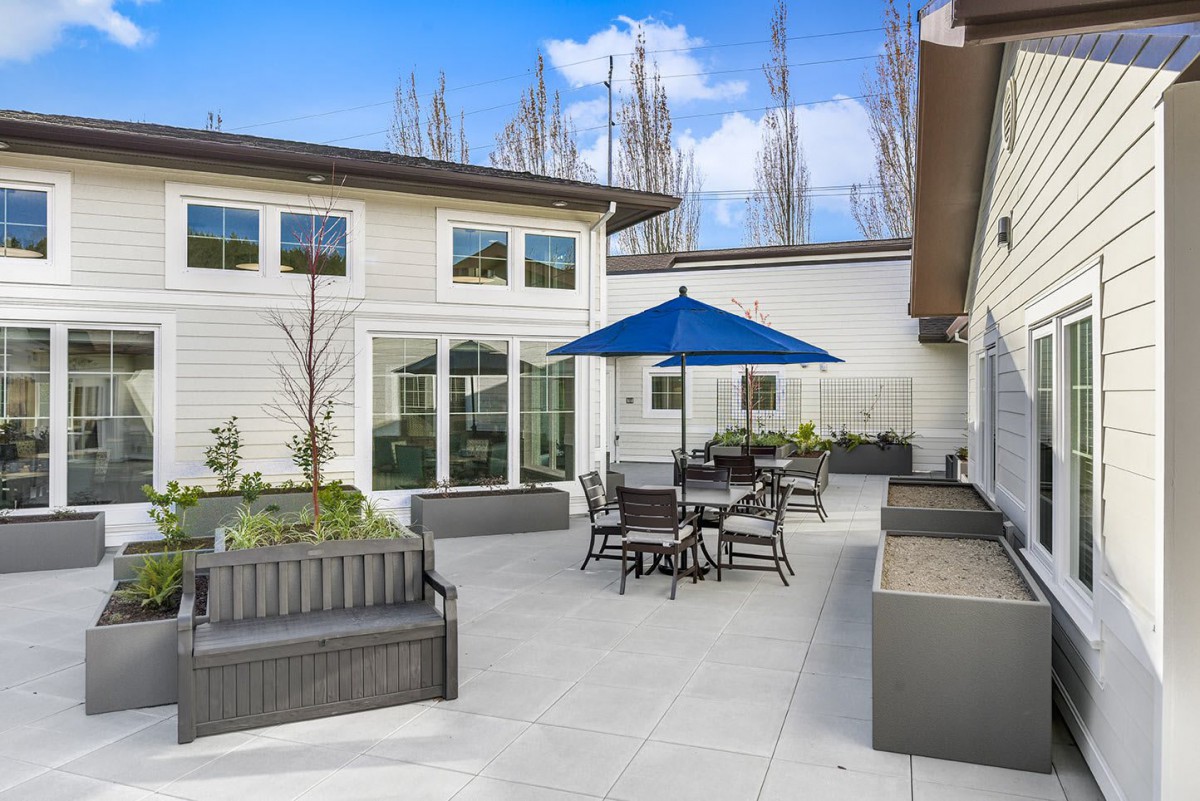
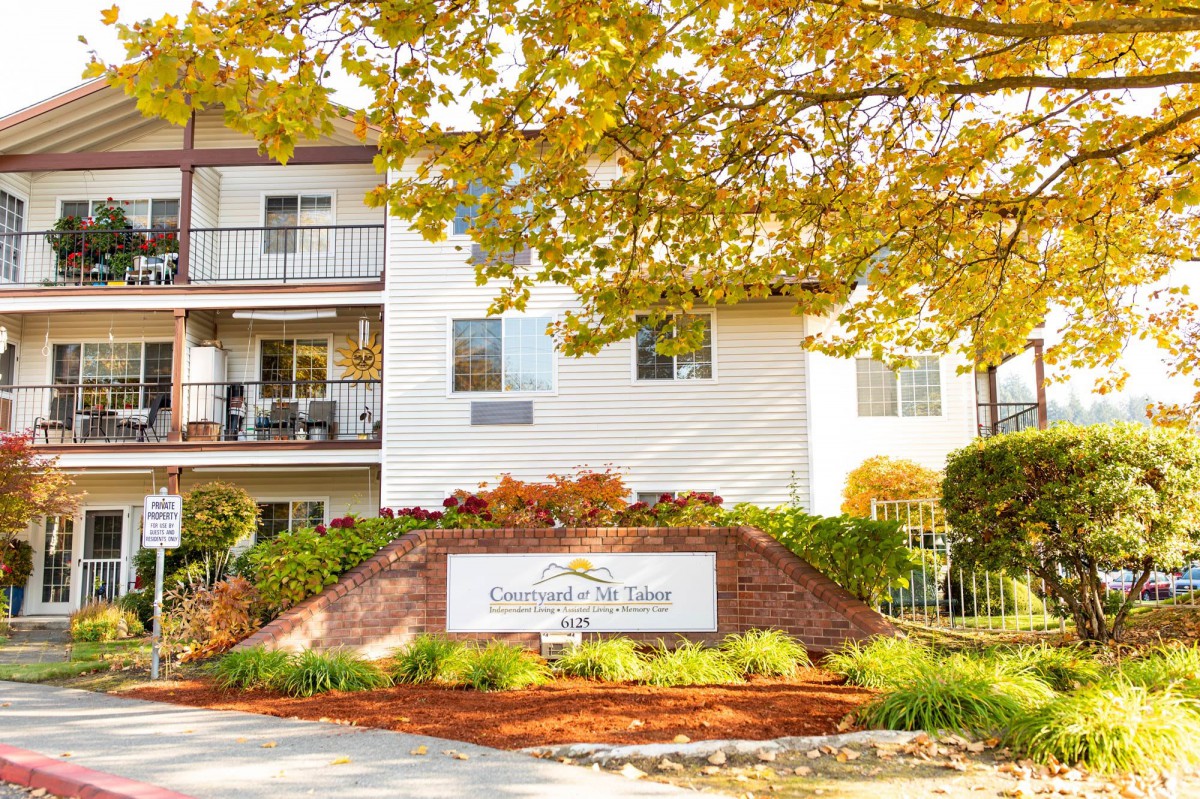
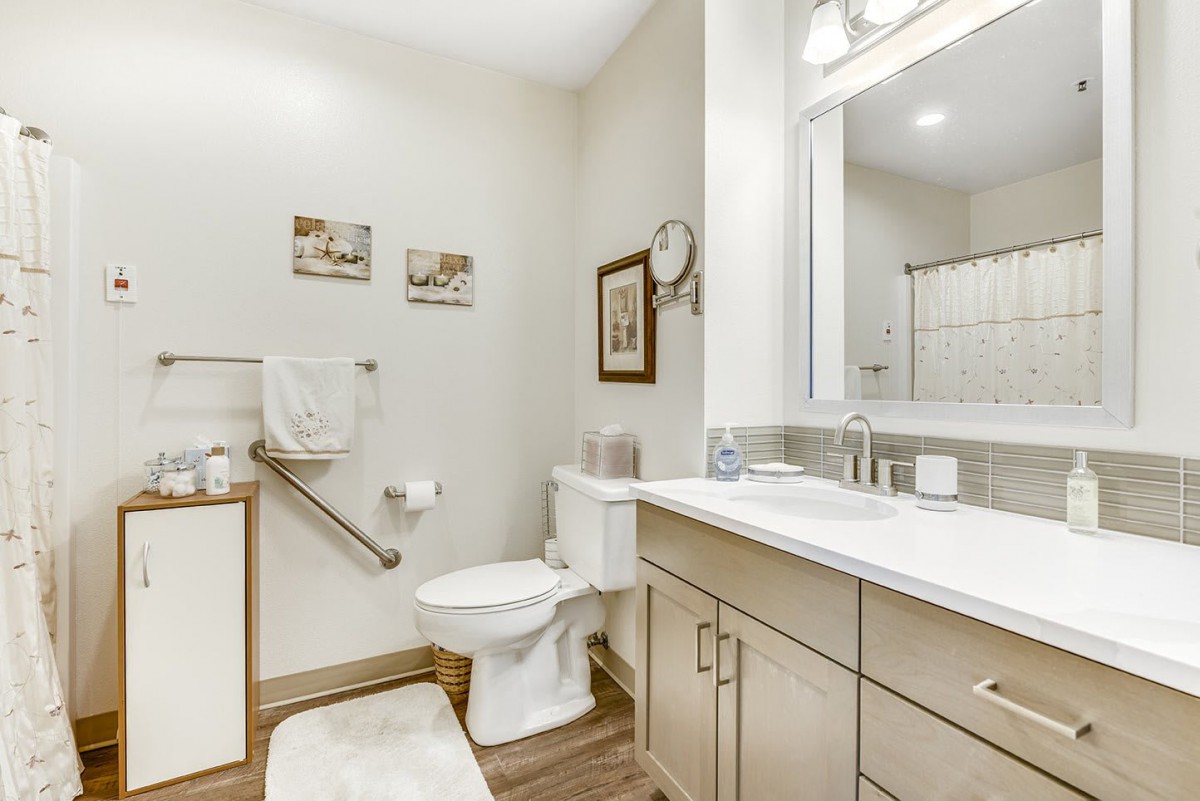
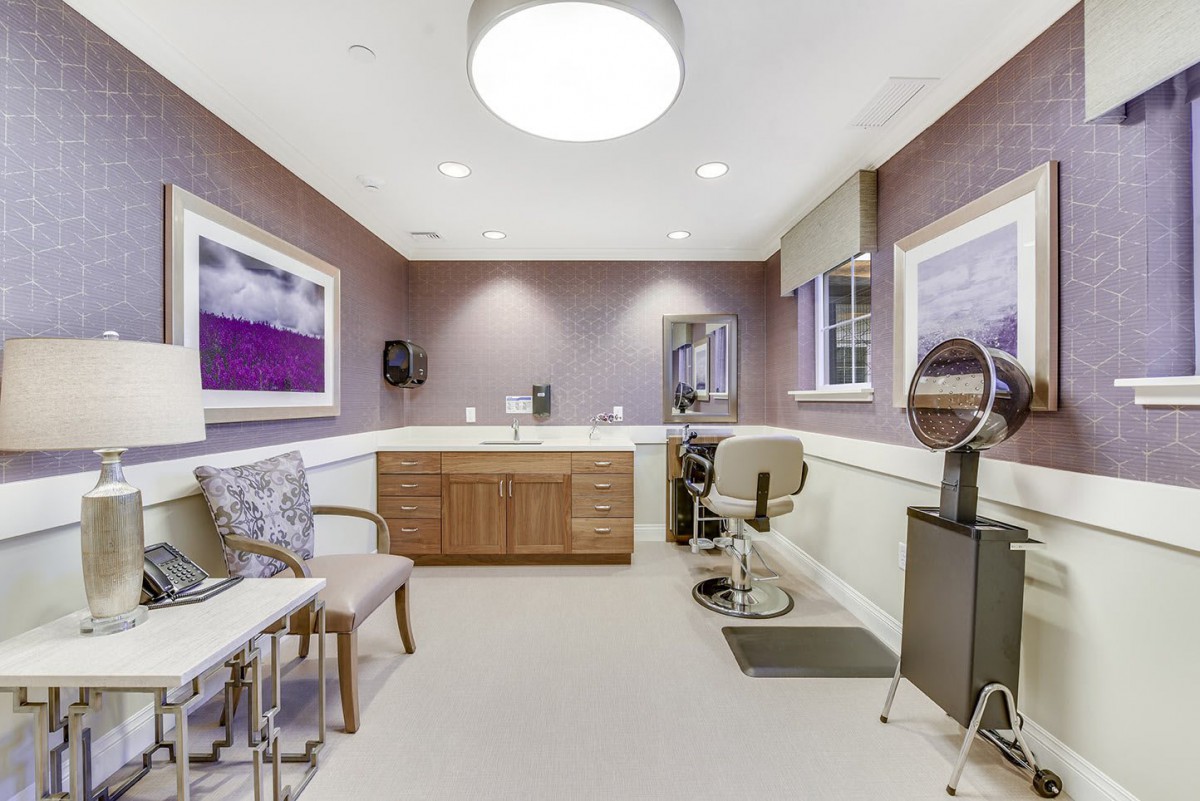
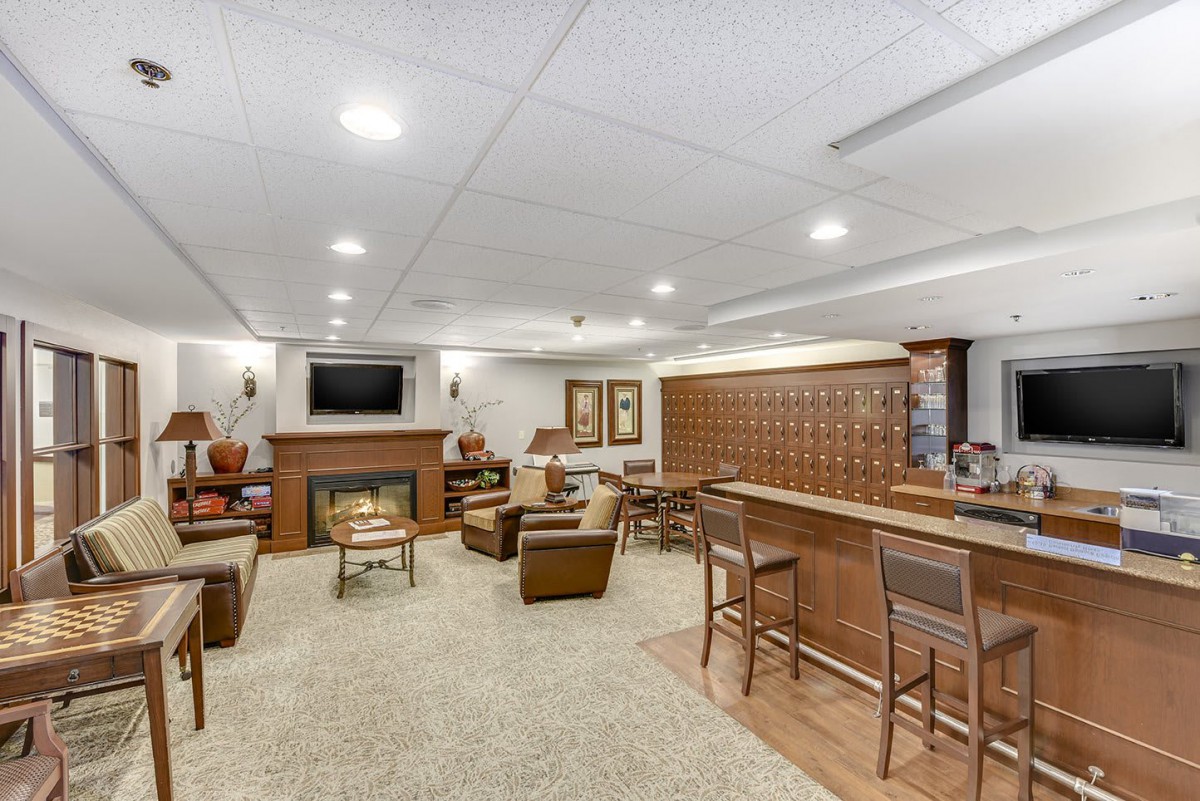
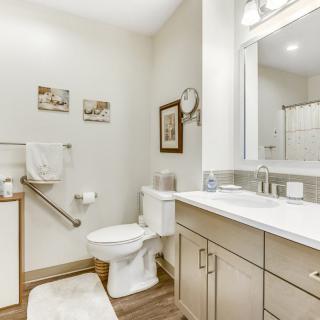
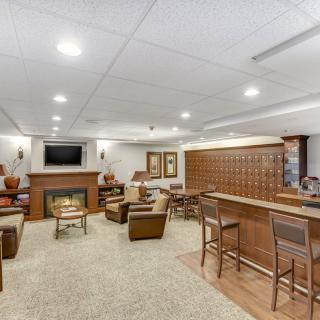
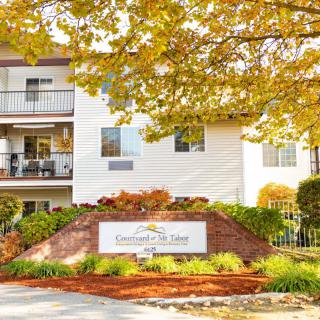
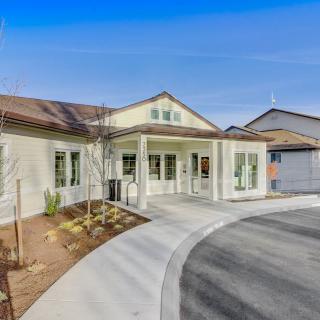
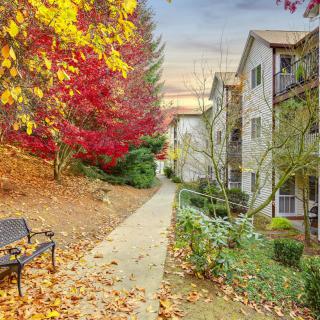
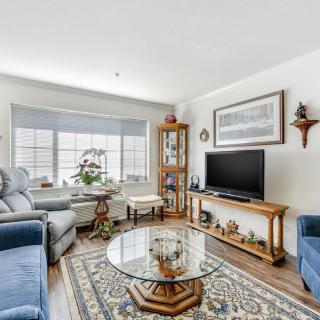
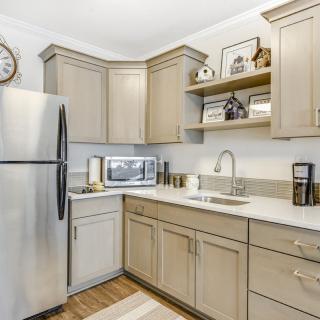
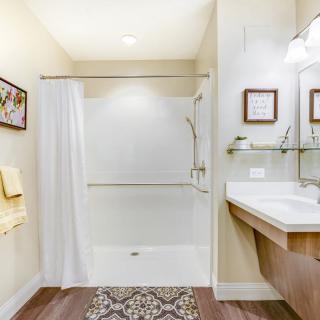
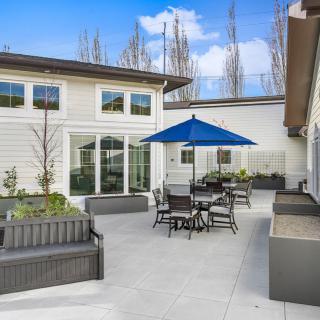
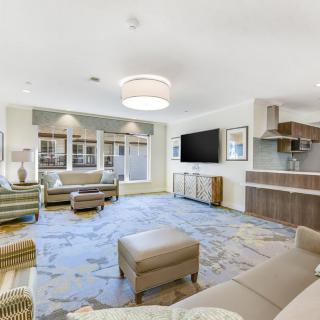
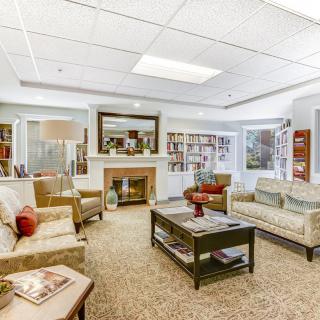
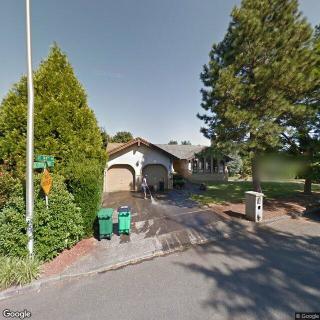
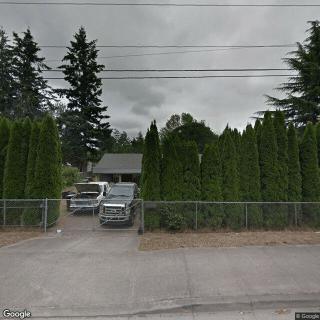
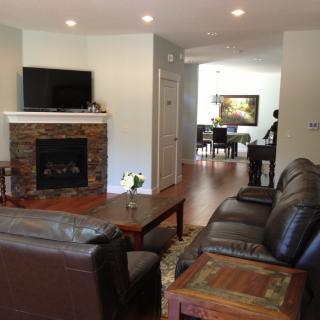
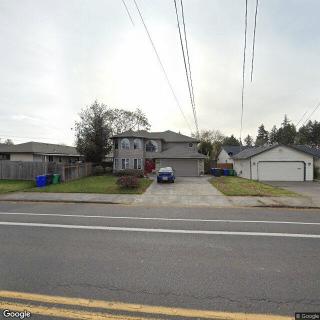
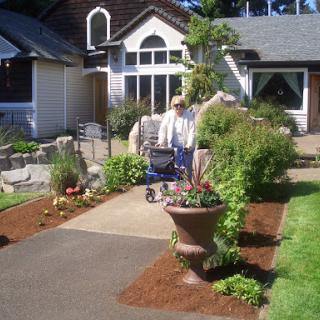
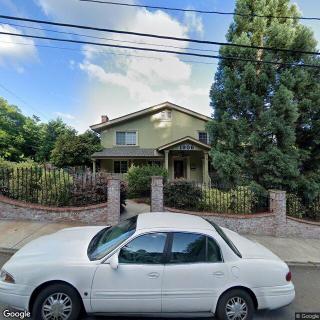
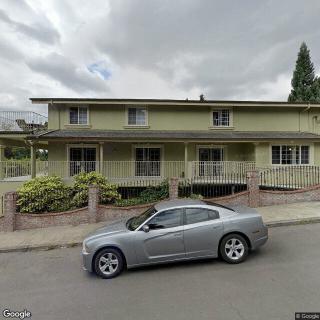
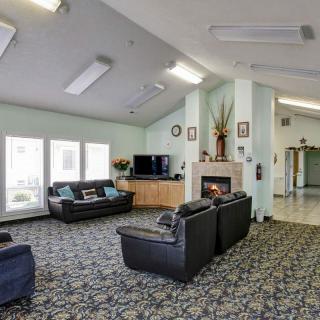
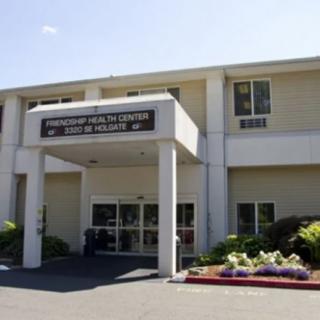
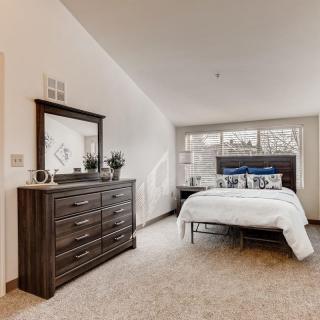
Courtyard at Mt. Tabor on seniors.fyi includes 17 photos including images showing decor, interior, living room, dining, bathroom, lighting, television, building, and more.
Nearby Communities
Courtyard At Mount Tabor
Portland, OR
4.5 from 100 reviews
Broad care options with strong memory-care programming and 24/7 supervision.
Courtyard At Mt Tabor Pavilion
Portland, OR
4.5 from 100 reviews
24/7 supervision and ADL support with extensive amenities in a furnished, garden-friendly setting.
Lumi AFCH
Portland, OR
$3,000 / month
Affordable private room ($3,000/mo) with high-acuity/diabetic care and nearby amenities.
Mount Tabor Senior Villa
Portland, OR
4.5 from 106 reviews
$3,000 to $3,300 / month
Attentive staff, good meals, and a clean, home-like setting.
Mount Tabor Senior Villa II
Portland, OR
4.5 from 100 reviews
$3,000 to $3,300 / month
Private rooms with private baths and affordable memory-care pricing.
Tabor Crest Residential Care Community
Portland, OR
3.4 from 5 reviews
Strong memory-care focus with 24/7 supervision and engaging activities.
Laurelhurst Village
Portland, OR
2.9 from 85 reviews
On-site multi-level care and post-surgery rehab with private rooms.
Friendship Health Center
Portland, OR
3 from 72 reviews
Attentive staff and a pleasant living environment with meal accommodations.
Hawthorne Gardens
Portland, OR
4.1 from 59 reviews
$2,100 / month
Engaging memory care programming and compassionate staff.
The guide on holistic dementia care outlines the complexity of dementia and stresses the need for individualized caregiver strategies that include medical treatment, psychological support, and environmental adaptations, while emphasizing early detection, various therapeutic options, and caregiver support to enhance quality of life and maintain dignity.
"Memory Care Pathways: A Holistic Guide to Dementia Support" outlines the complexities of dementia and its various types, emphasizing early detection, patient-centered care strategies, caregiver support, and long-term care options while addressing legal and financial considerations to enhance the quality of life for individuals with dementia and their families.
Sundown syndrome, or sundowning, is a phenomenon in dementia patients characterized by increased confusion and agitation during late afternoon and evening, influenced by factors like disrupted circadian rhythms and fatigue. Effective caregiver strategies include establishing routines and managing environmental light while addressing caregiver stress through support services.
Get PricingAsk A QuestionSchedule A TourContact Senior Advisor
By clicking submit, you agree to our Partner's Terms of Use. You
also consent to receive calls and texts, which may be autodialed, from our Partner. Your consent is not a condition to
using our Partner's service. Please visit our Partner's Privacy Policy for information about their privacy practices.





 1-bedroom apartments
 Assisted Living
 Independent Living
 Memory Care
 Cats allowed
 Dogs allowed
 Activities off-site
 Air-conditioning
 Bath tubs
 Beautician on-site
 Cable or satellite TV
 Cafe
Cafe Computer center
 Devotional services off-site
 Dining room
 Full kitchen
 Garden
 Ground floor units
 Guest parking
 Hiking trails
 Housekeeping services
 Indoor common areas
 Laundry
 Outdoor common areas
 Party space
 Respite or short term stays offered
 Spa
Spa VA Benefits Consultation
 Wheelchair accessible showers
 Wi-Fi/high-speed internet available
 Portland International (6 miles away)
 Transportation & parking
 Ambulatory care
 Diabetic care
 High acuity care
 Incontinence care
 Meal preparation and service
 Medication management
 Art classes
 Book club
 Cooking classes
 Day trips and outings
 Educational speakers / life long learning
 Fitness programs
 Games
Games Happy hour
 Live dance or theater performances
 Live musical performances
 Wii bowling
 Wine tasting
 English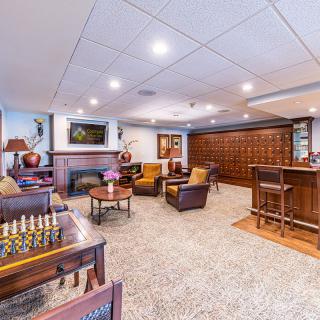
 Broad care options with strong memory-care programming and 24/7 supervision.
 A Holistic Dementia Care Guide: Effective Strategies for Memory Support
 Memory Care Pathways: A Holistic Guide to Dementia Support
 Comprehending Evening Confusion in Dementia: Causes, Manifestations, and Support